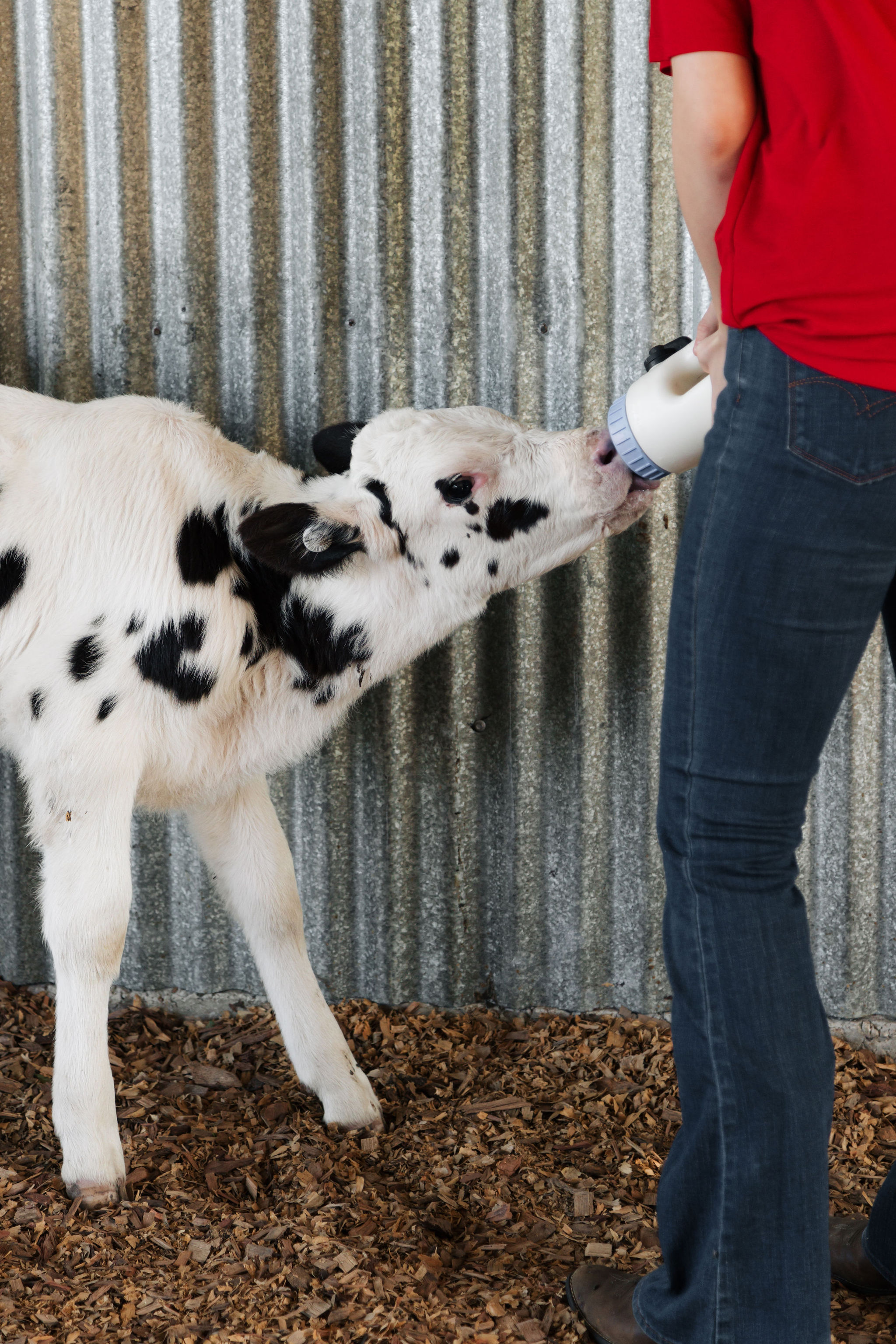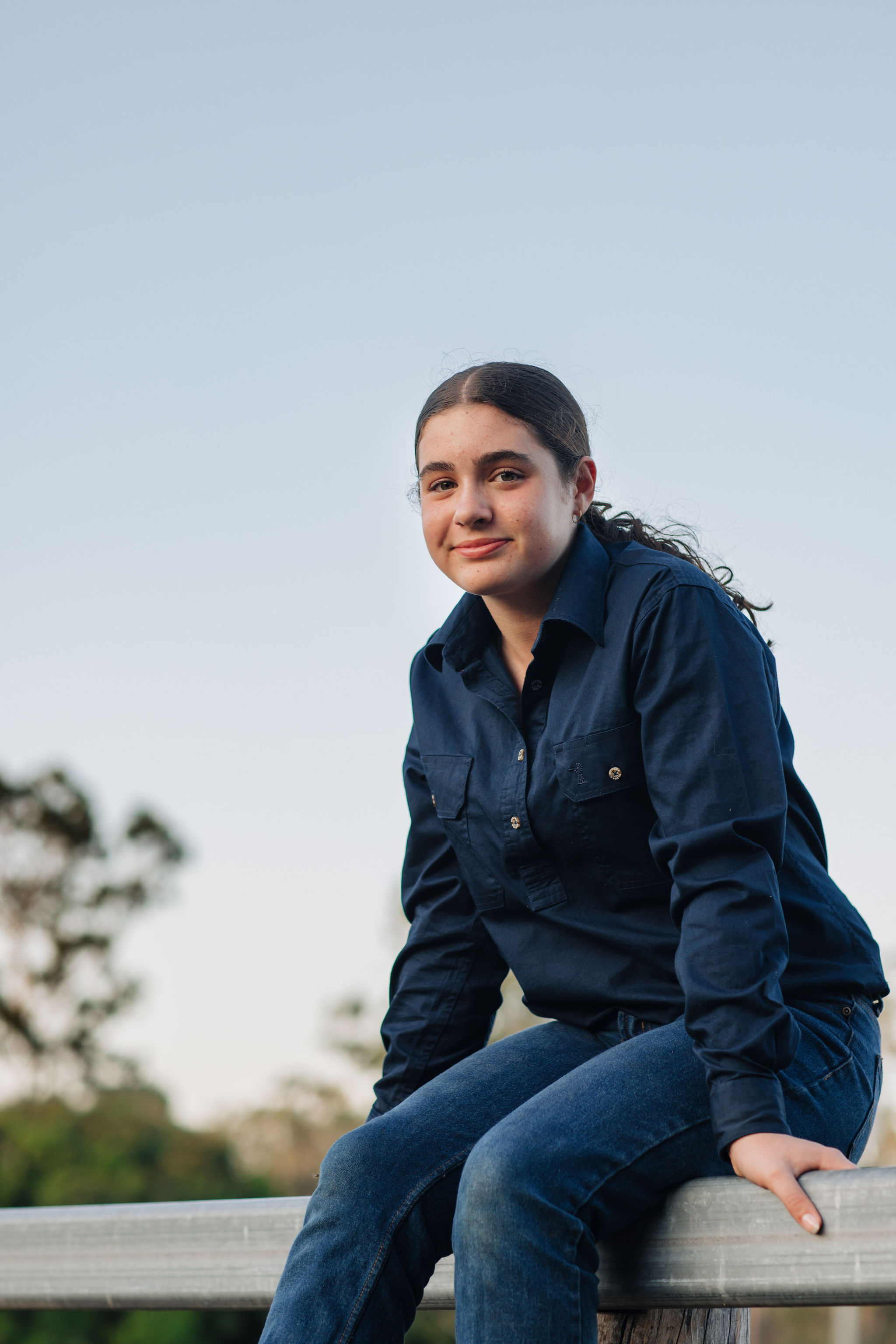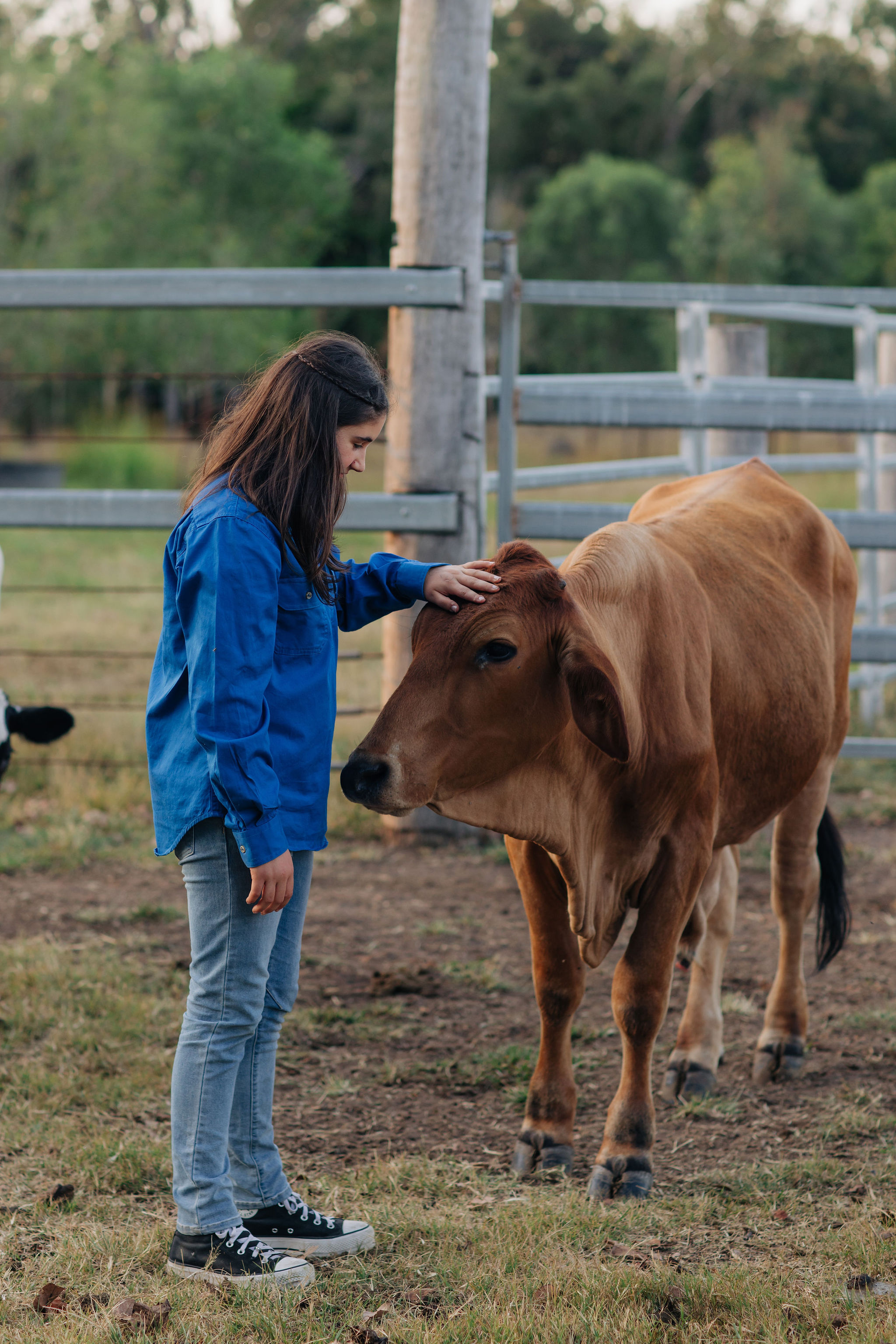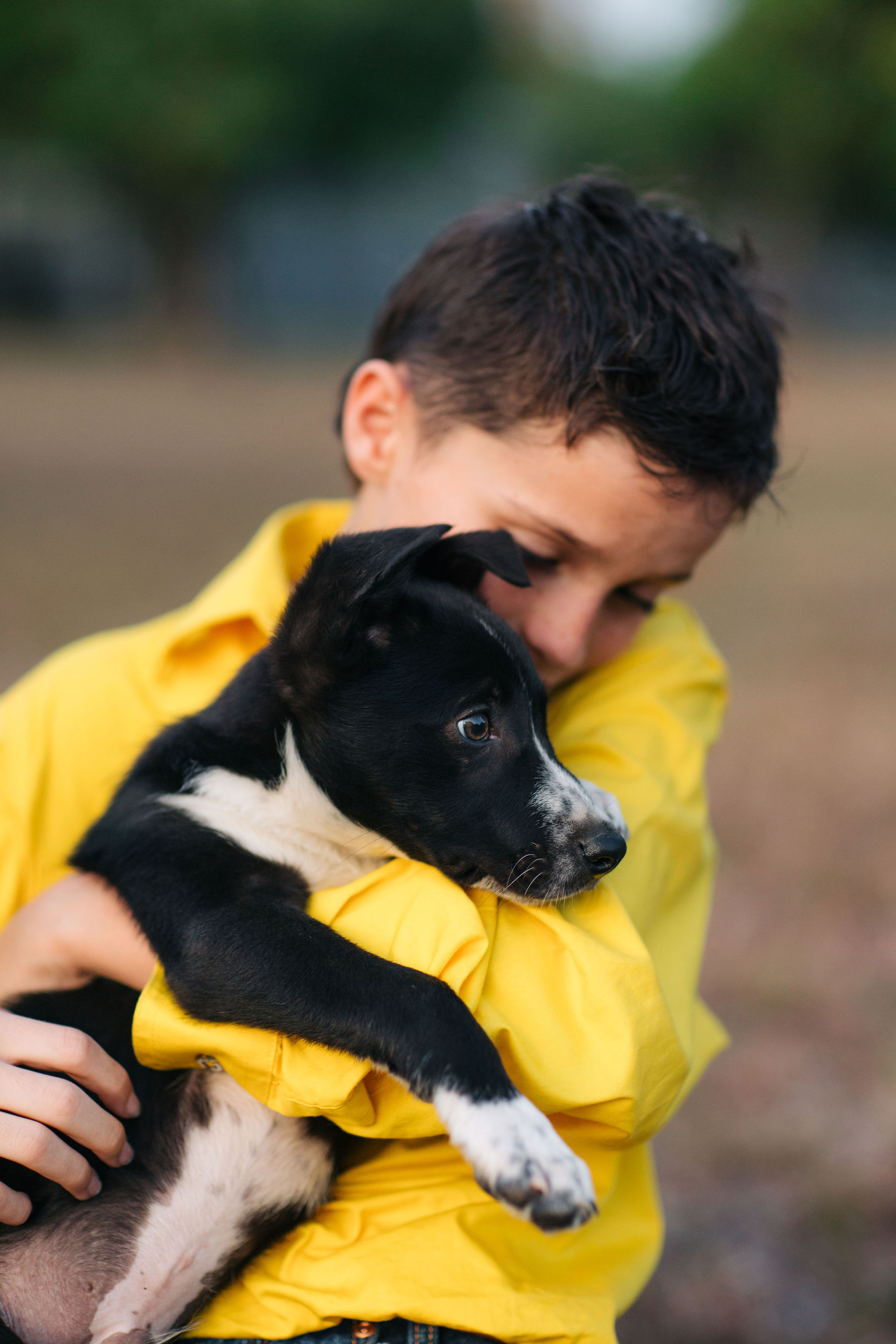
Most farm programs generate plenty of positive feeling and very little documentation. The day is rich, students come back changed in visible ways, and within a fortnight most of what was observed has dissolved into a general sense that it went well. Without a simple mechanism to capture what actually happened, that observation stays private and temporary rather than becoming evidence that travels.
The barrier is almost never motivation. It's time. Teachers who want to track outcomes need something that fits inside a school day without adding significant workload, or it doesn't happen. Ten minutes, spread across three specific moments, is enough.
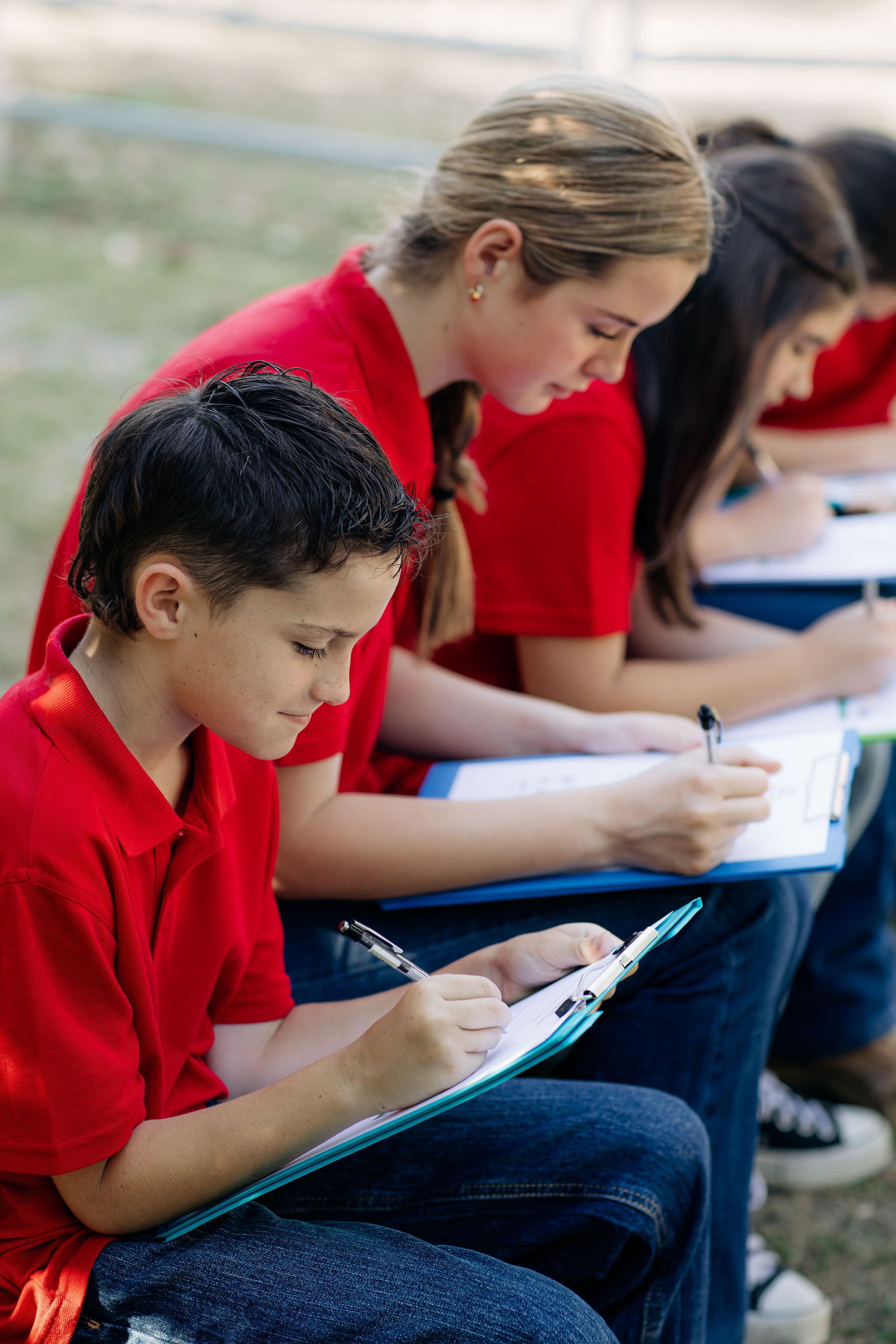
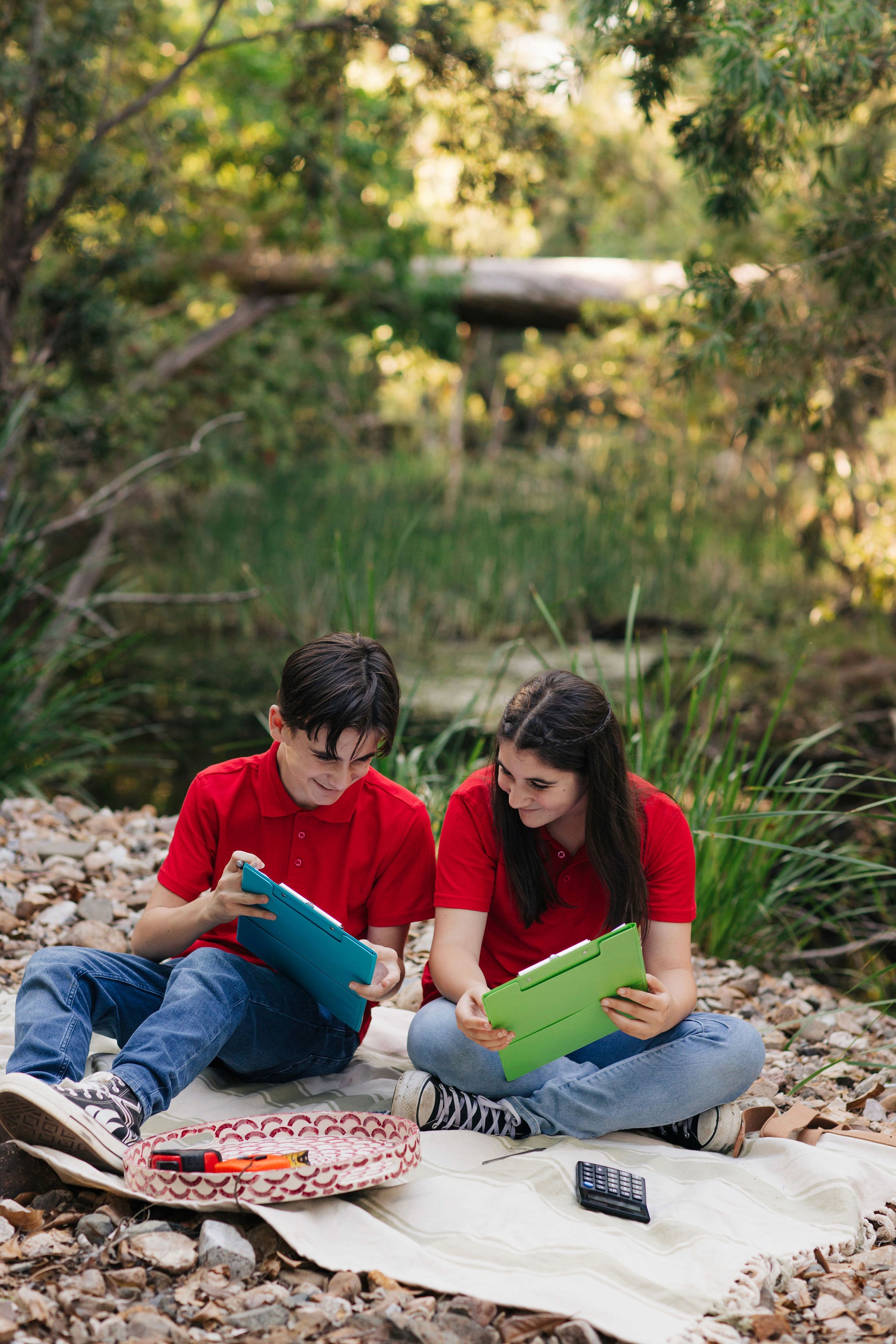
The first moment is the day before or morning of the visit. Two minutes, three questions, written or spoken: what do you already know about this, what are you expecting, and what are you unsure about. Collect the responses without feedback. These aren't for marking. They establish a starting point that makes everything that follows measurable rather than impressionistic. One index card or a single page per student is sufficient.
The second moment is the afternoon of the visit or the following morning, before classroom discussion has shaped what students remember as their own thinking. Two to three minutes on the same page: what surprised you, what do you understand now that you didn't, and what question do you have that you didn't have before. The comparison between these responses and the pre-visit ones is where the evidence lives.
The third moment belongs to the teacher. In the two weeks that follow, five minutes at the end of each week to note three or four specific observations about engagement, participation, social behaviour, or any student who is presenting differently to their pre-visit pattern. Not a formal assessment. A record of what's actually visible to someone who knows the class well.
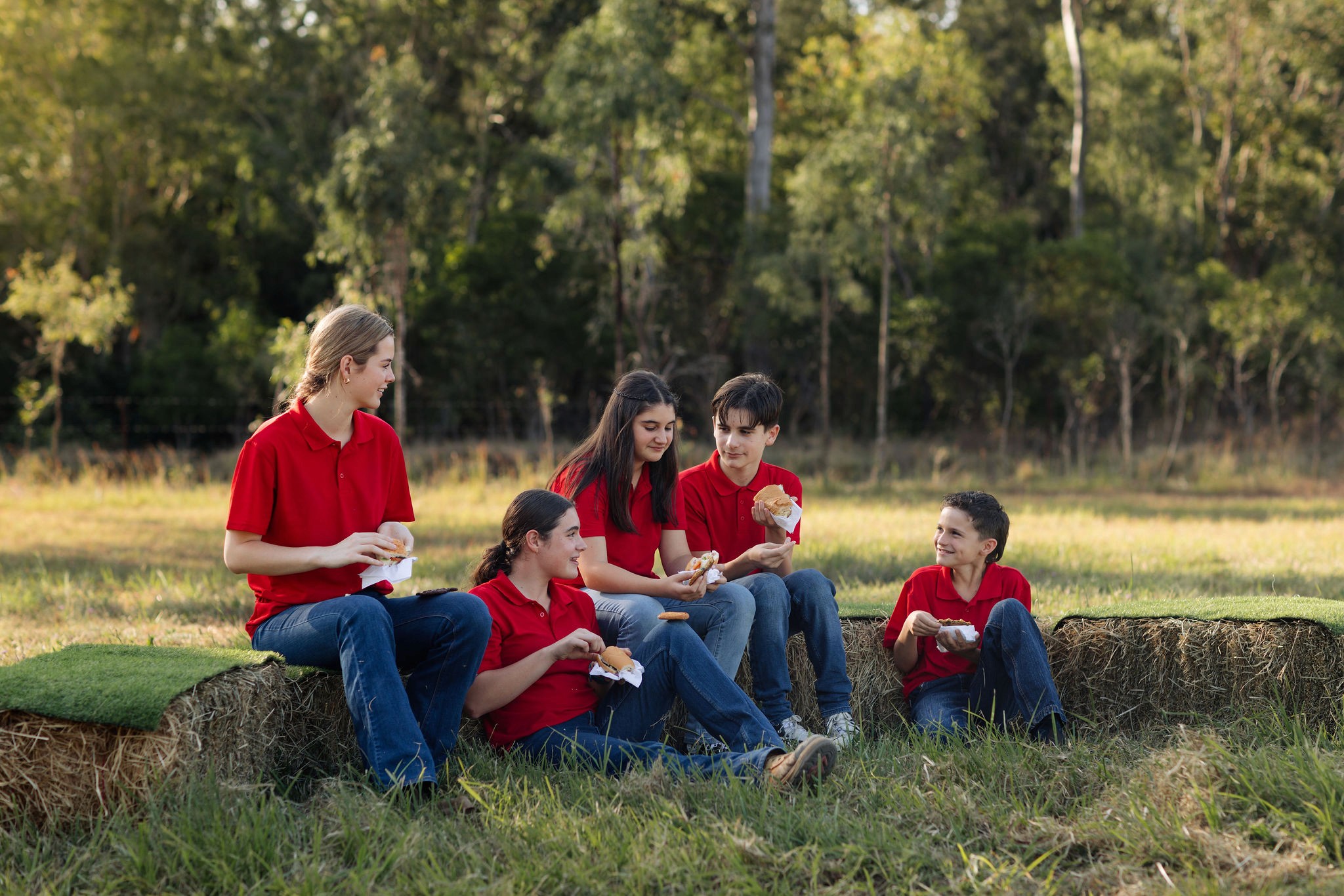
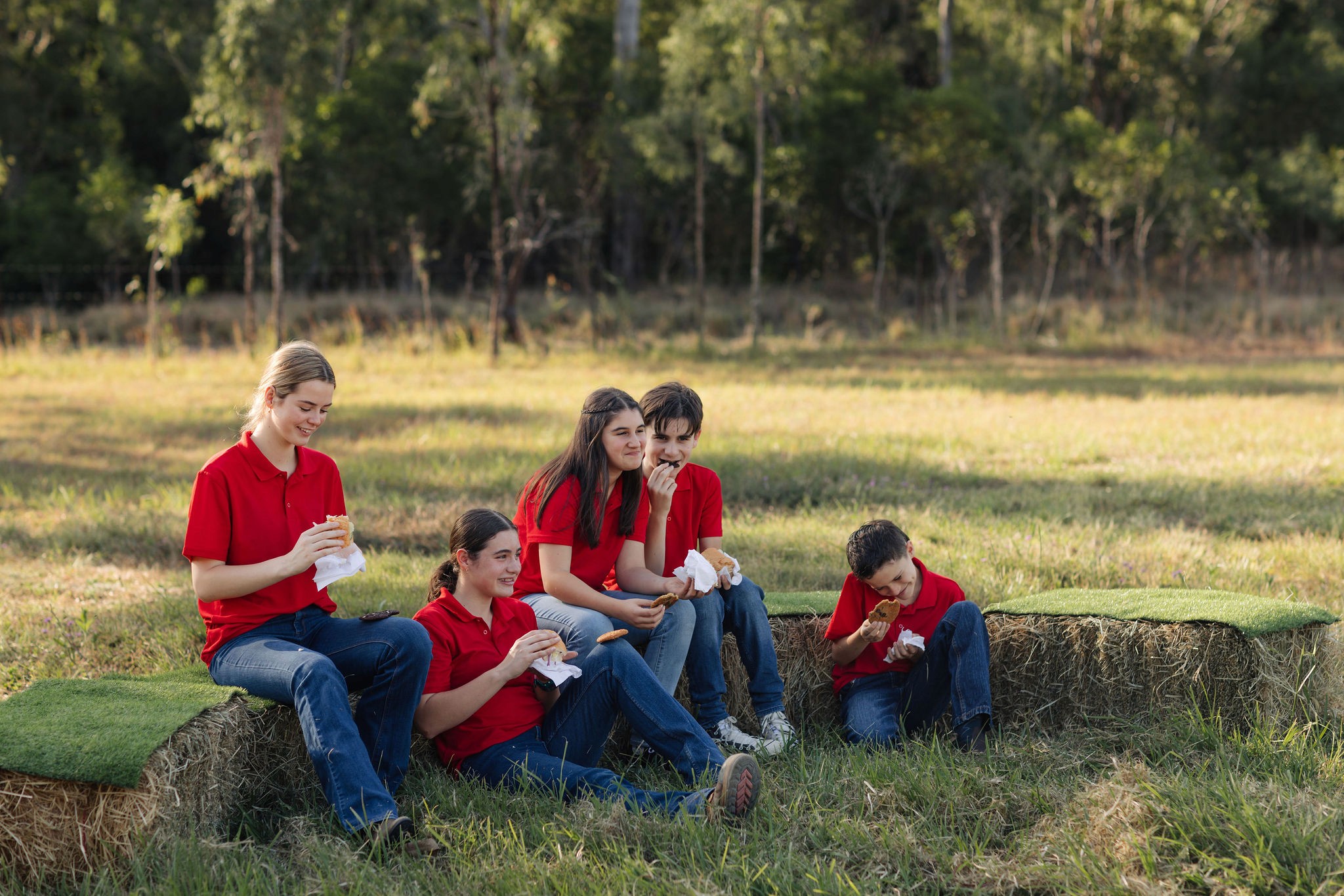
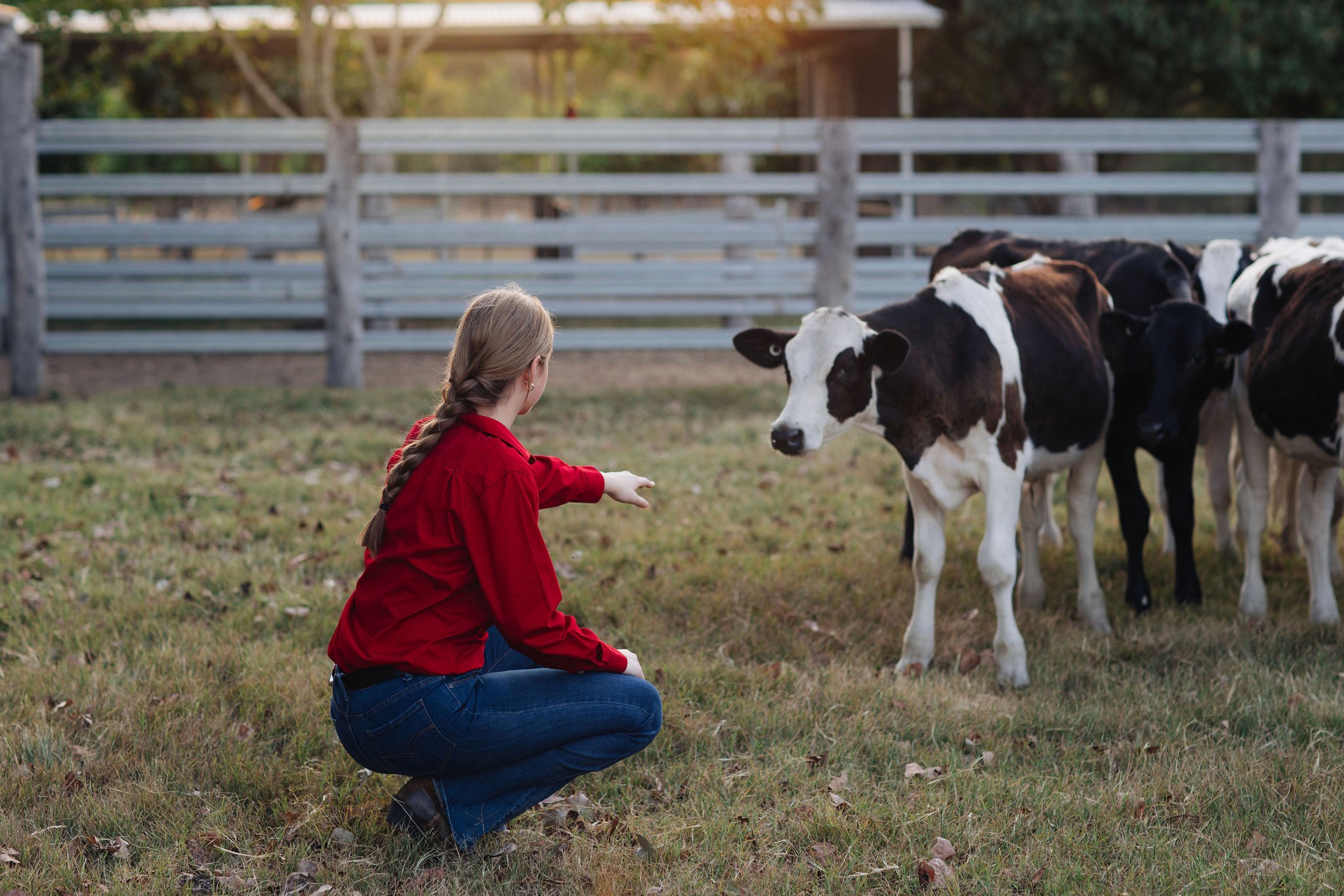
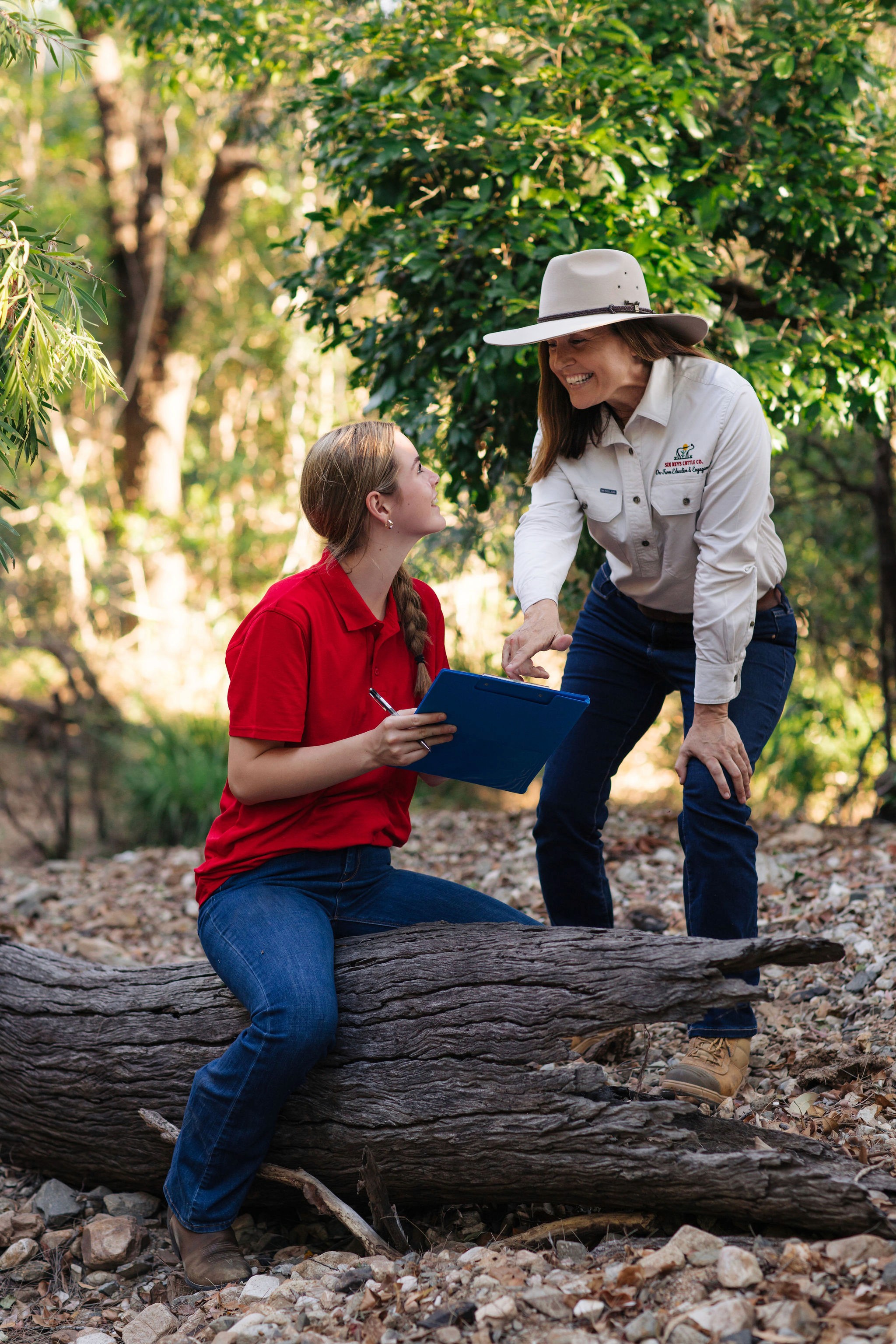
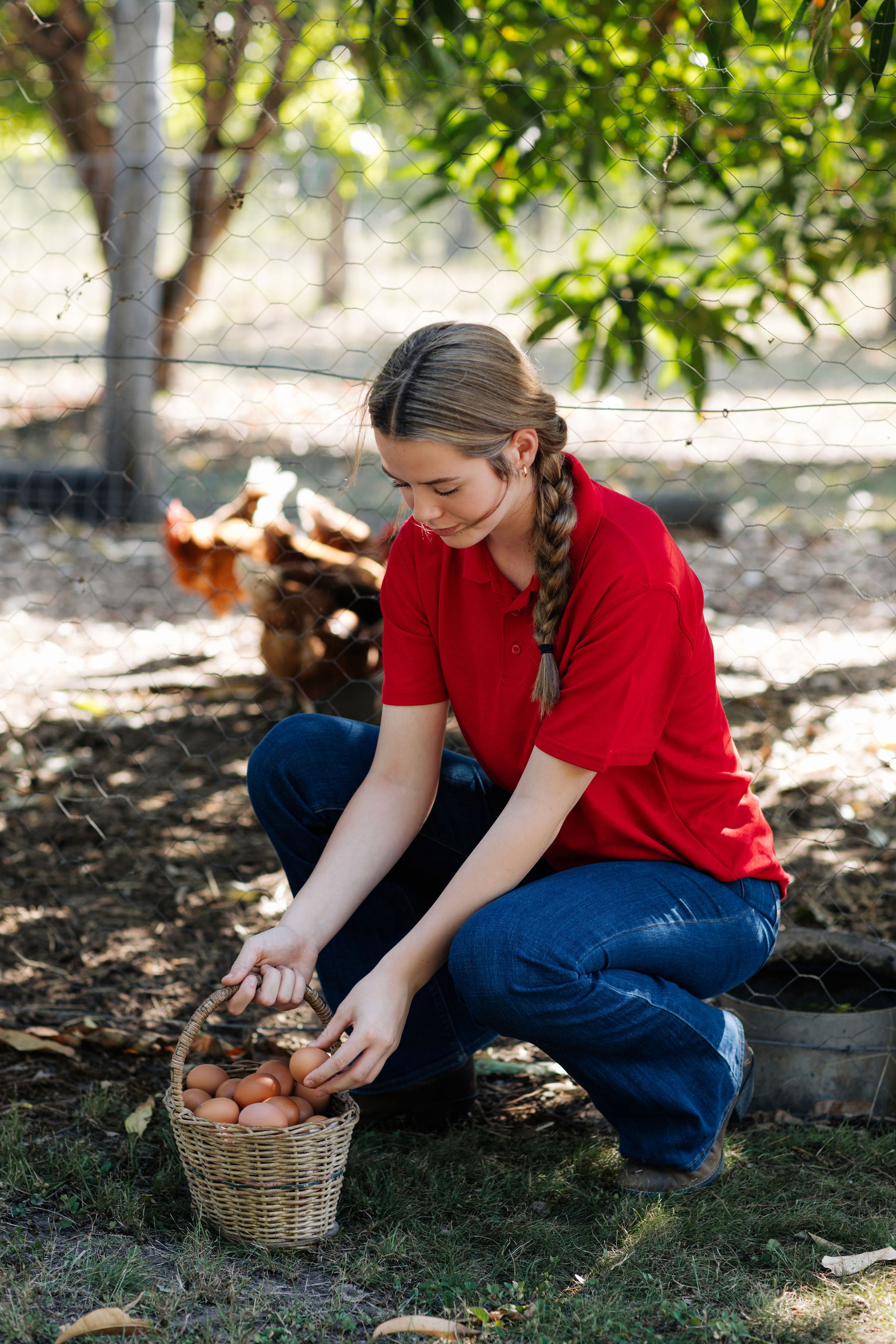
At Six Keys Cattle Co in Central Queensland, the program content is specific and substantive enough that students have genuinely concrete things to report in their post-visit responses. The tracker works best when the experience it's documenting was real rather than routine.
Across a year of two or three farm visits, a school using this approach has a body of comparable before-and-after student responses, teacher observation notes tied to specific timeframes, and a set of patterns that add up to something reviewable and genuinely useful when the program next needs to be justified, resourced, or refined.
Anecdotes describe what it felt like. This describes what actually changed.
Ten minutes is a small investment for the difference it makes to what a school can say with confidence.