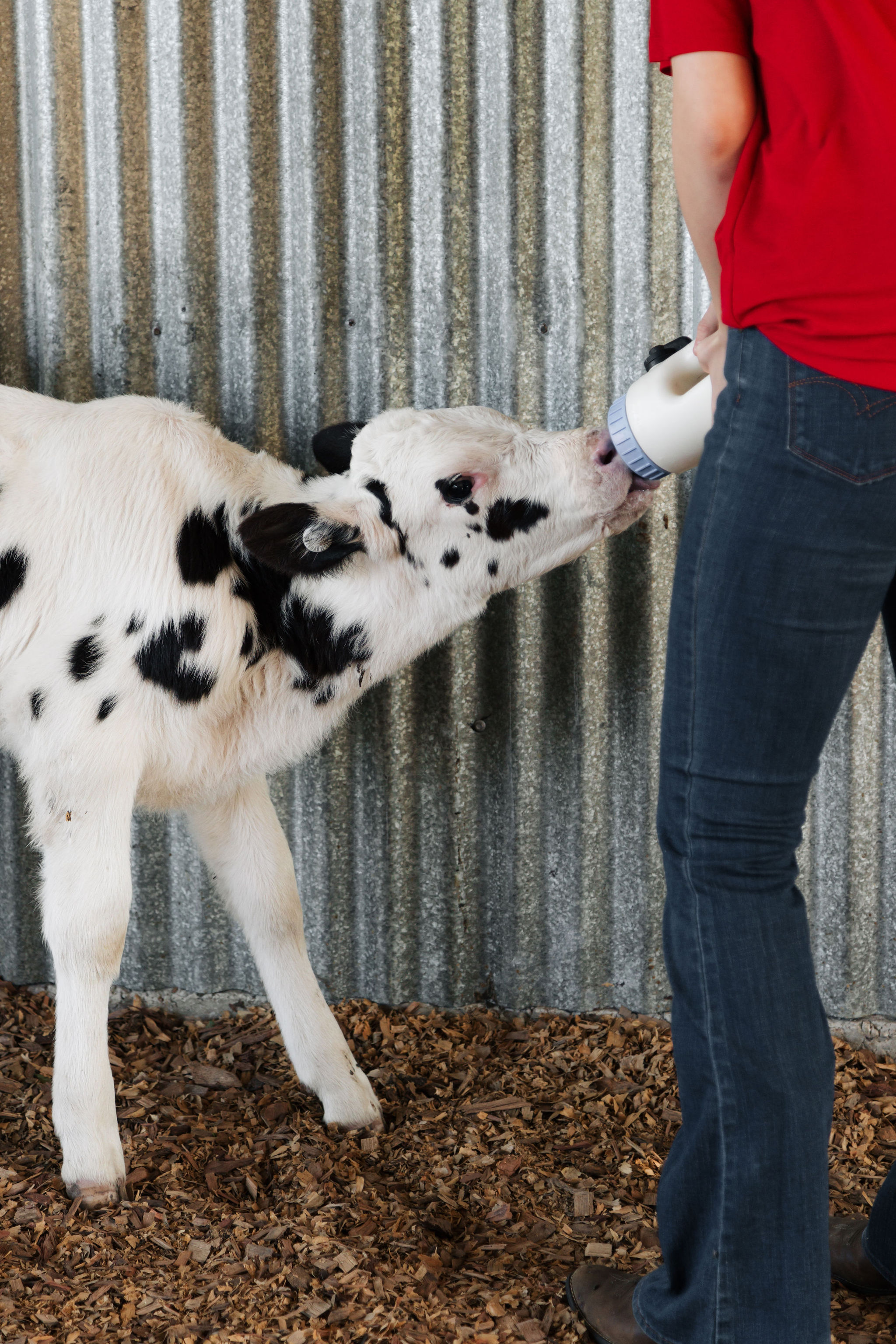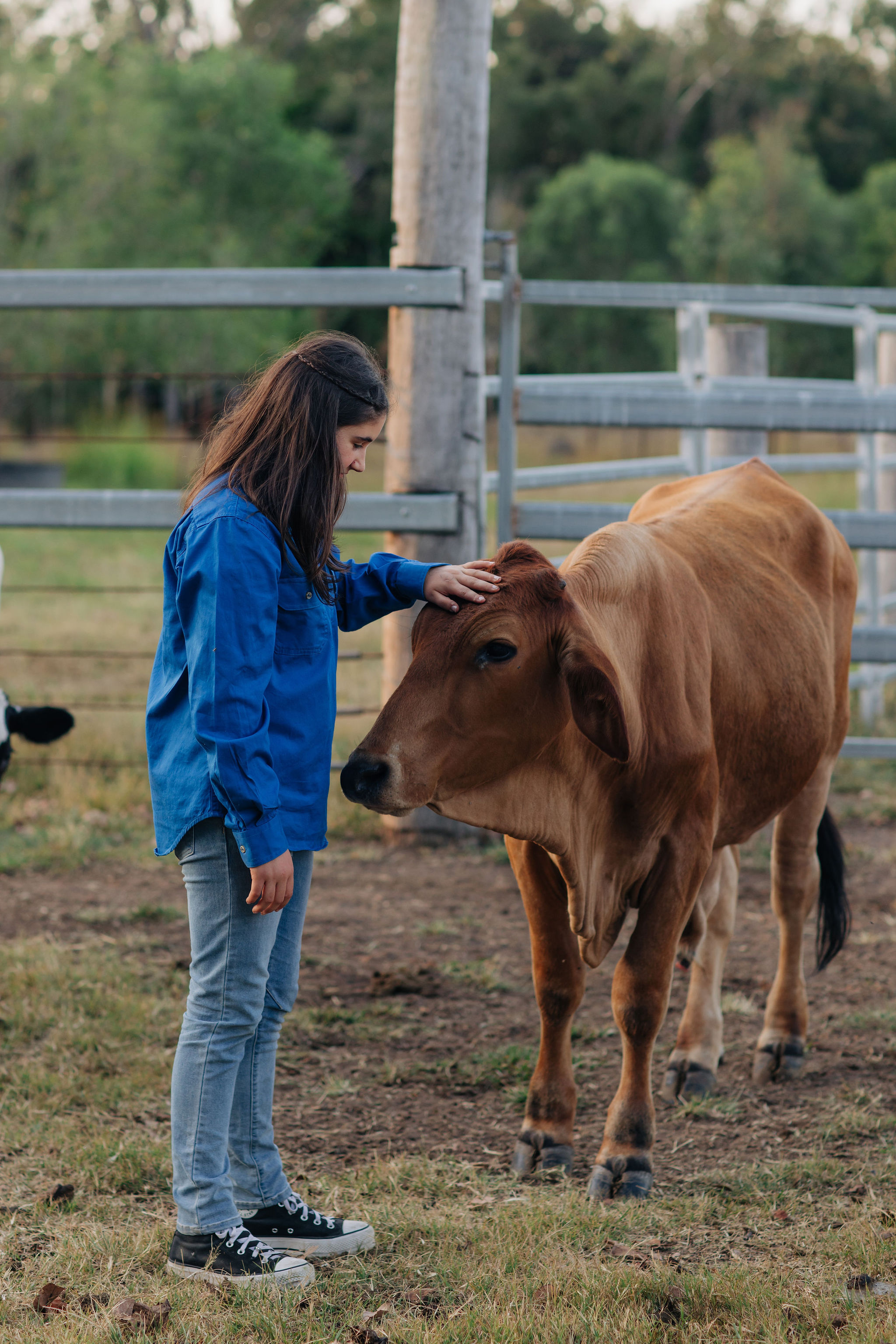
The difficulty with measuring the impact of a farm program isn't access to data. The data is usually right there in classrooms, in student work, in teacher observations, and in behavioural patterns that shift or persist in the weeks that follow. The difficulty is that most schools don't set up a way to notice it.
That matters for practical reasons. Schools that can't point to specific outcomes struggle to justify continuing farm programs, particularly when budgets tighten or leadership changes. Schools that can show clear connections between a farm visit and observable changes in engagement, writing quality, wellbeing indicators, or classroom behaviour have something to build on and return to.
Useful measurement doesn't require elaborate systems.
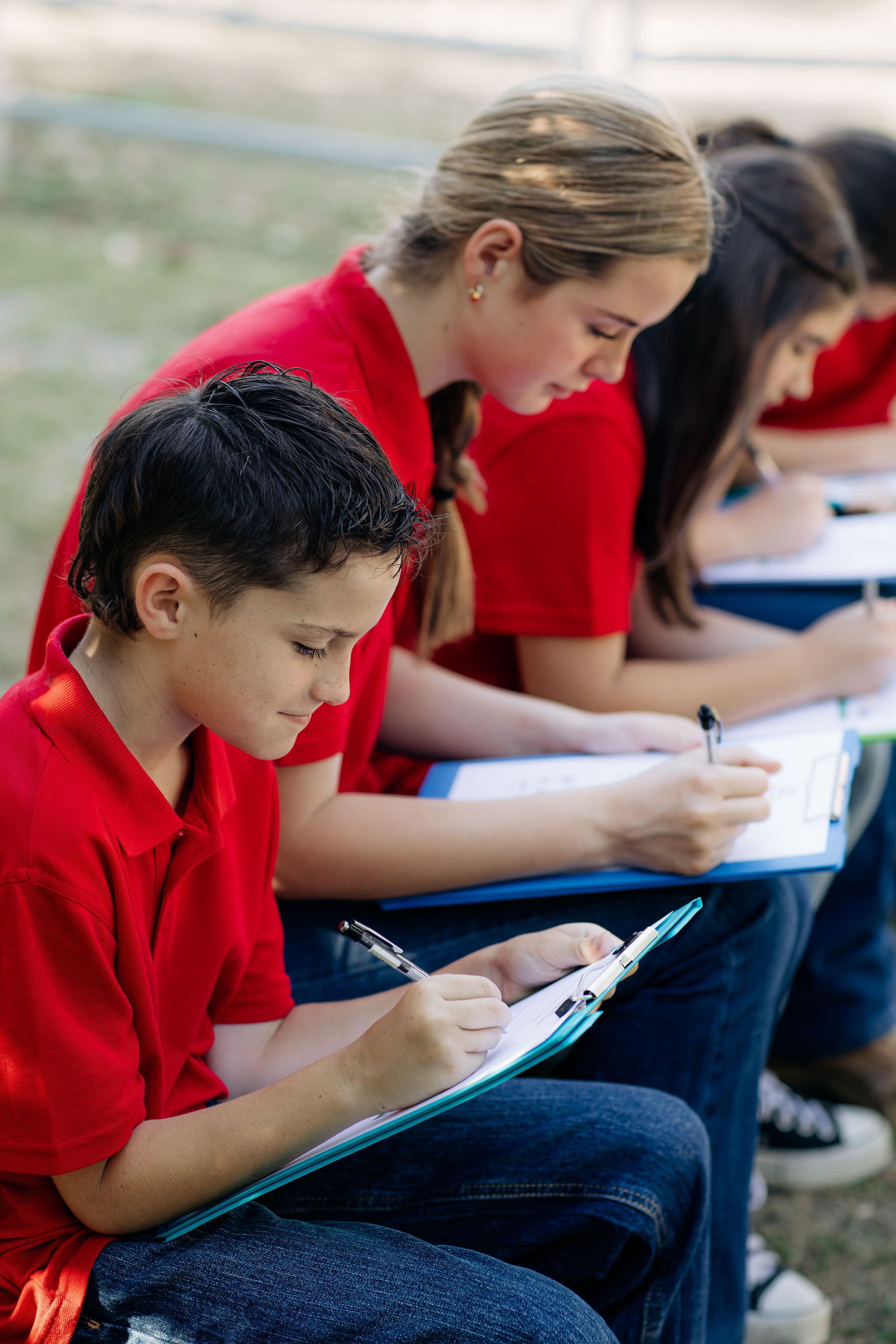
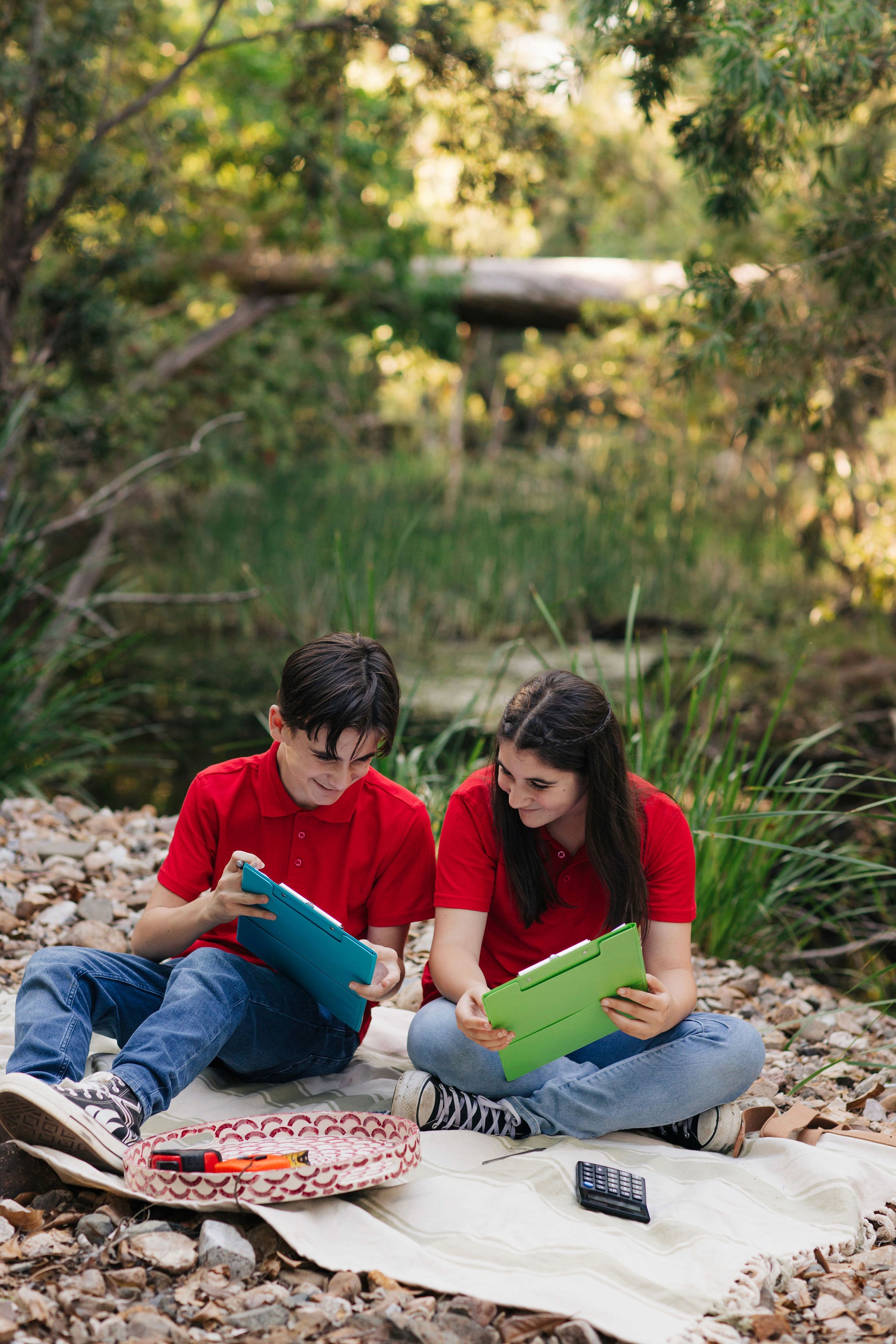
Before-and-after reflections are the most accessible starting point. A brief written or verbal reflection from students immediately before the visit, capturing prior knowledge and genuine questions, and another directly after, provides a simple record of what shifted. No formal scoring is required. The quality, specificity, and nature of the responses tell a story that experienced teachers can read clearly.
Writing samples gathered in the fortnight following a farm visit, compared to equivalent work from earlier in the term, often reveal something useful. Students writing from genuine lived experience tend to produce more specific language, stronger sensory detail, and more confident voice than they do from a prompt without that experiential grounding. A small collection of these samples held alongside pre-visit work is observable, tangible evidence that requires no specialist analysis.
For wellbeing and behaviour outcomes, a simple teacher observation journal in the two to three weeks following the visit captures what would otherwise go unrecorded. Notes on engagement levels, social interactions, attention quality, and any changes in students who typically present challenges build a genuine picture over multiple programs and school years.
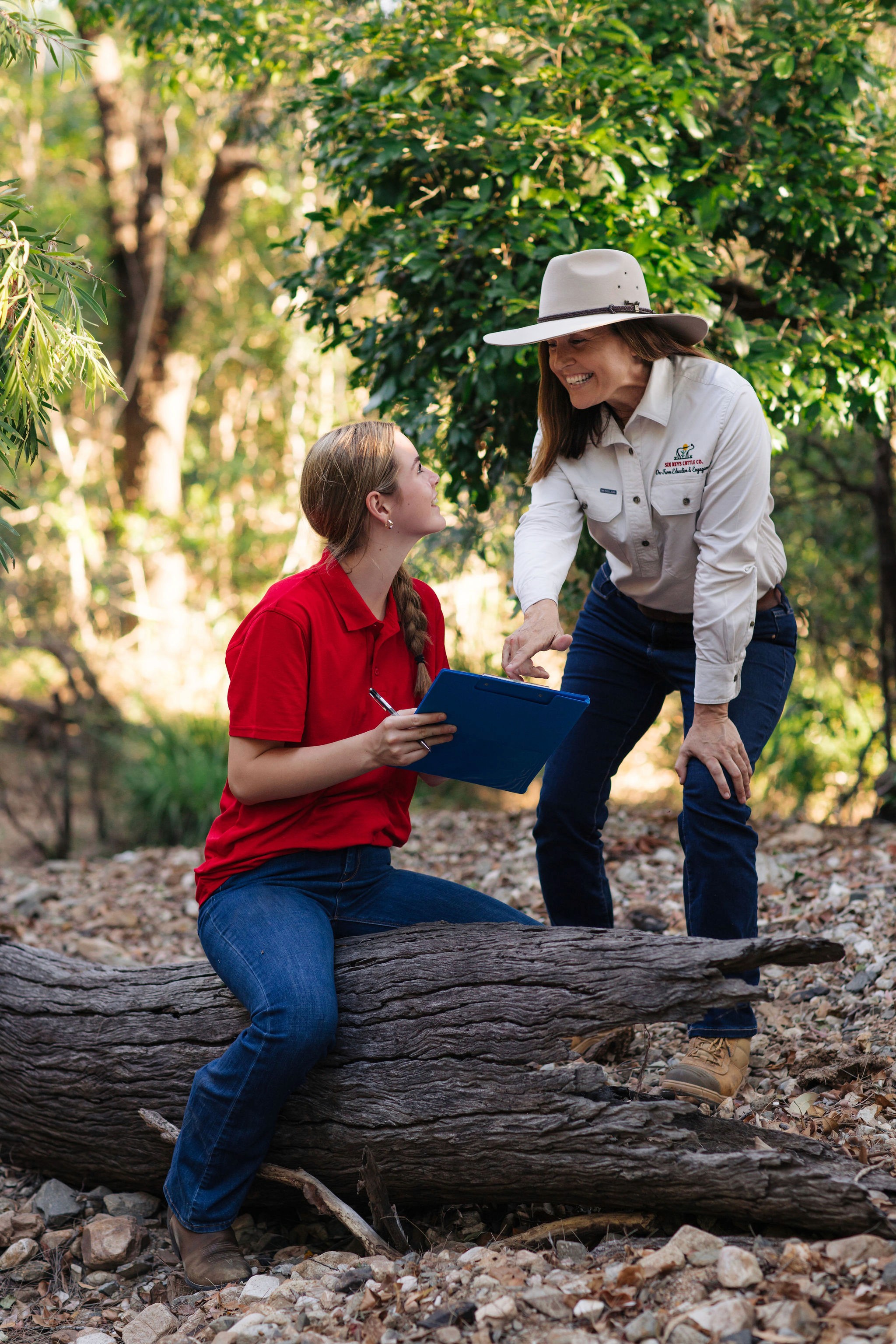
At Six Keys Cattle Co in Central Queensland, programs are designed with clear curriculum alignment built in, which makes documentation considerably more straightforward than it would be for an unstructured excursion. The learning outcomes are embedded in the program itself. The school's task is to capture and record what students demonstrate when they return.
Across a full year, a school that consistently collects before-and-after reflections, selected writing samples, and brief teacher observations for two or three farm programs develops something genuinely valuable: an evidence base that belongs to that school, grounded in its own students, over its own time.
Measuring outcomes doesn't require complexity. It requires intention.
Schools that track what their farm programs produce stop having to argue from principle alone. The evidence does that work for them.