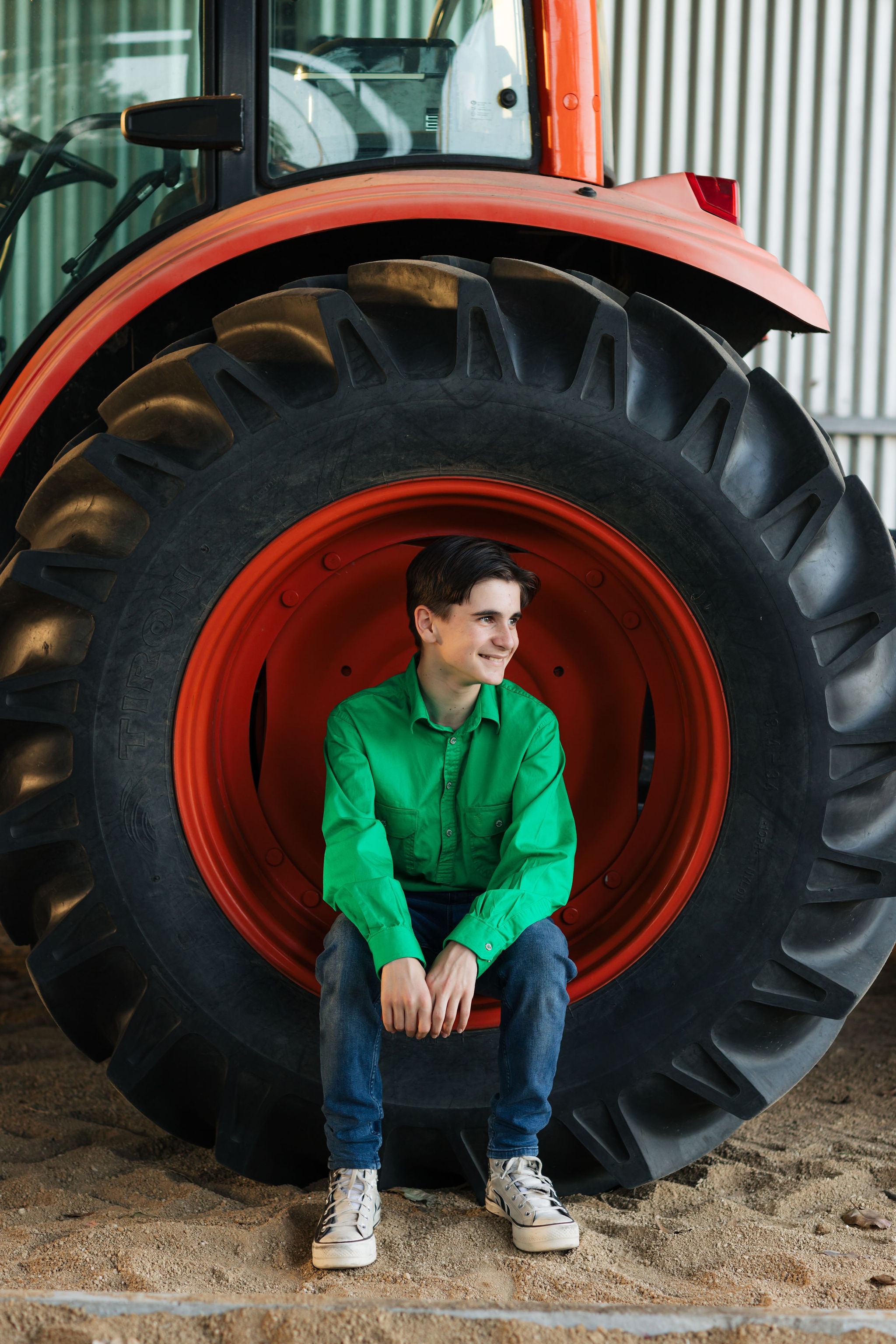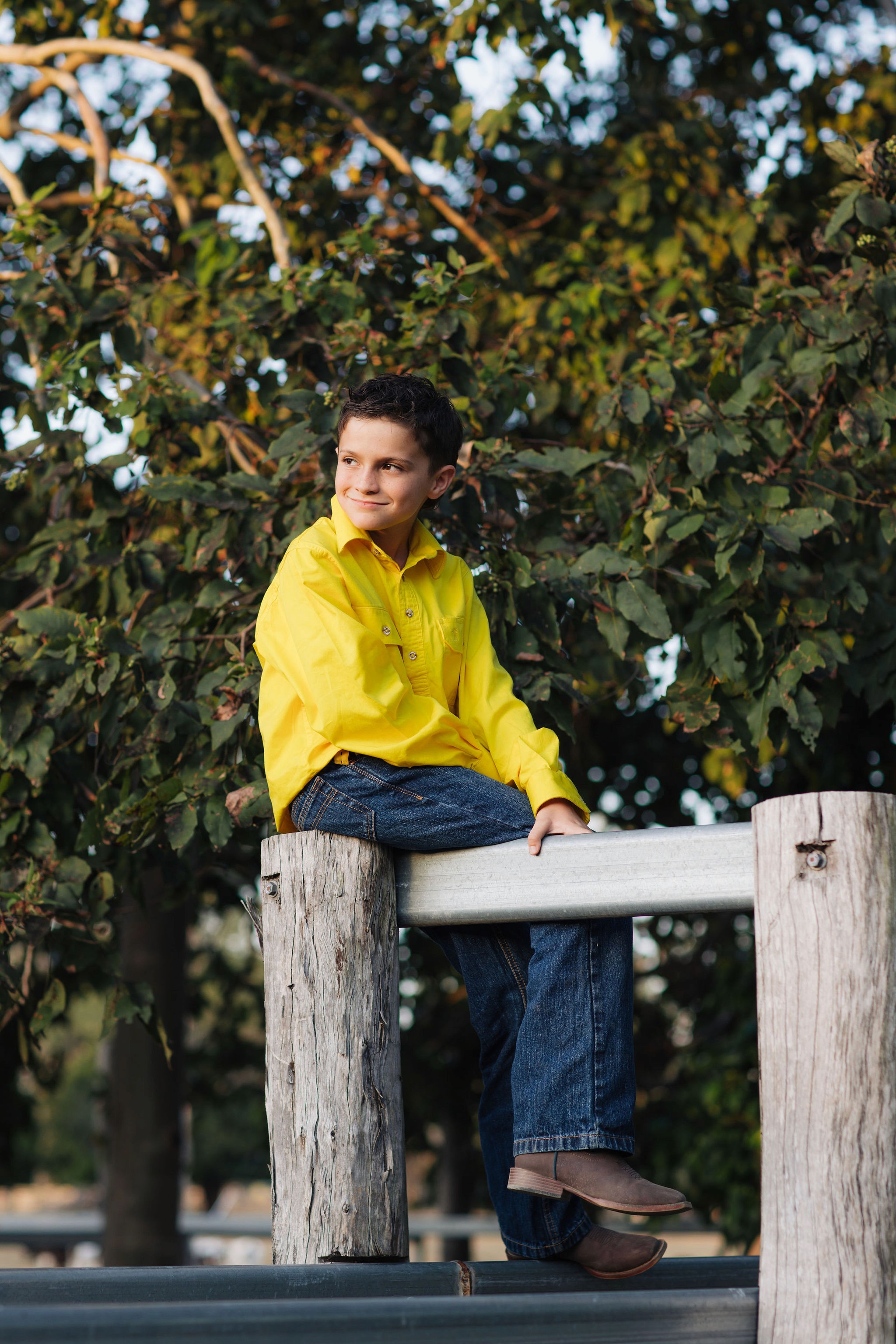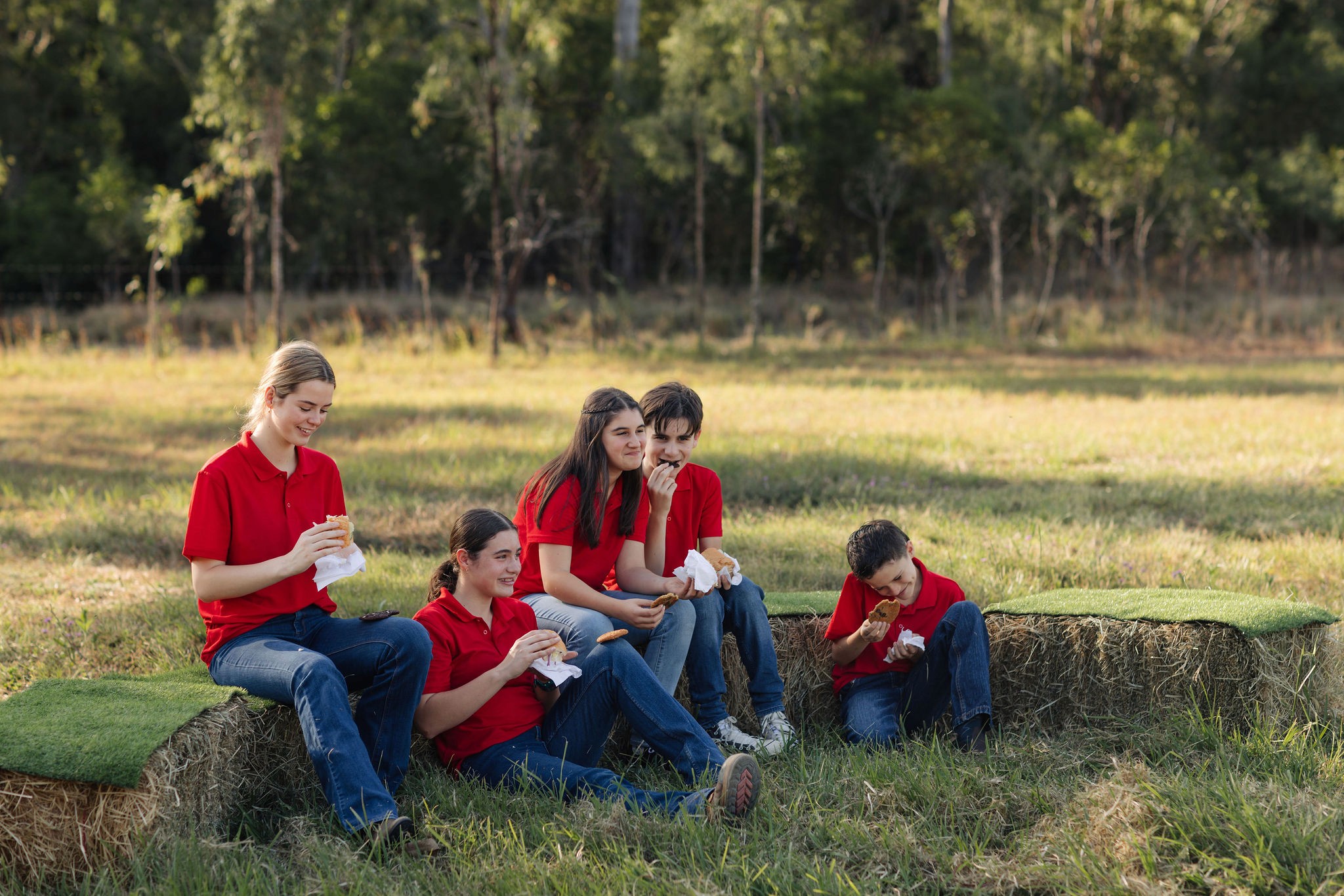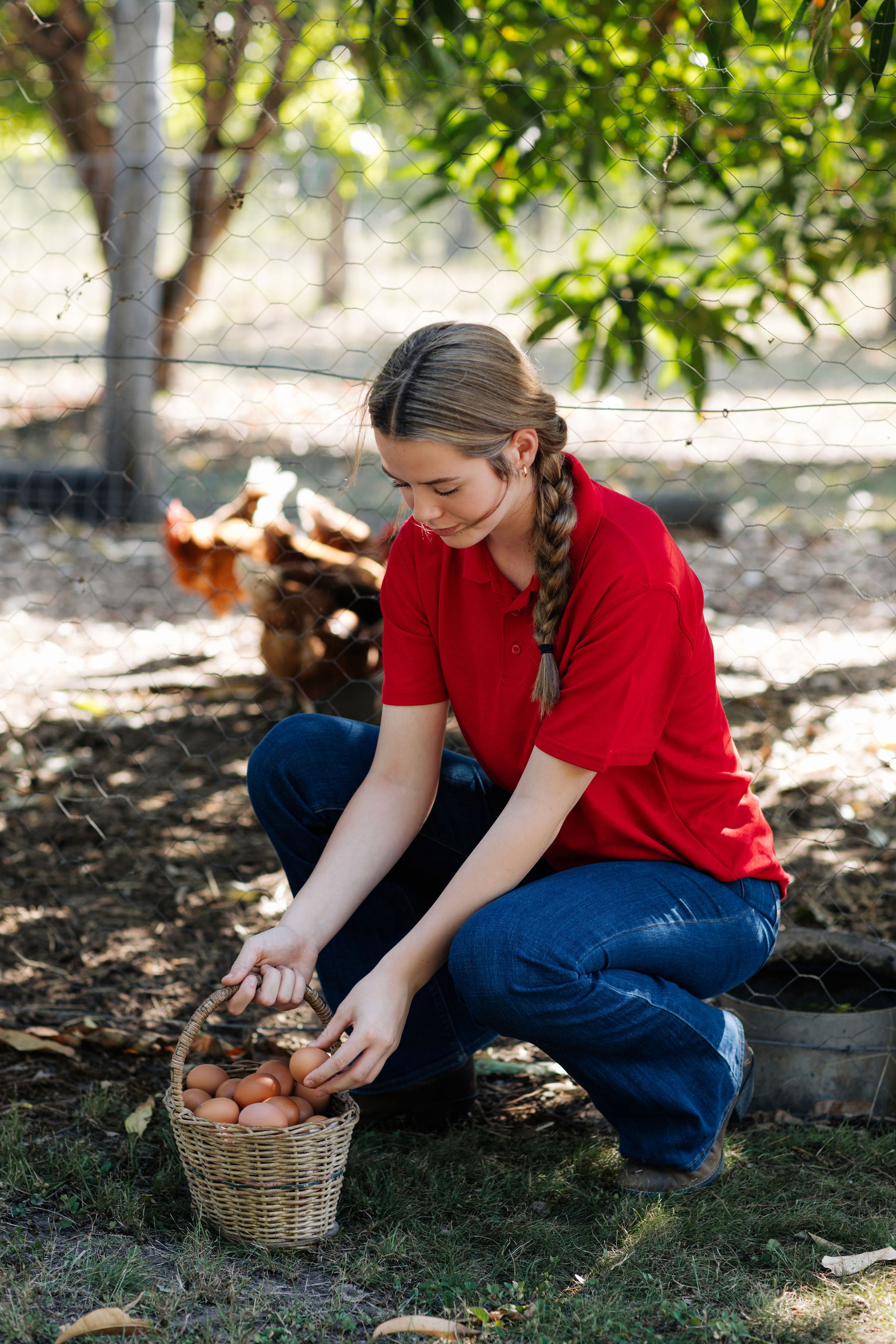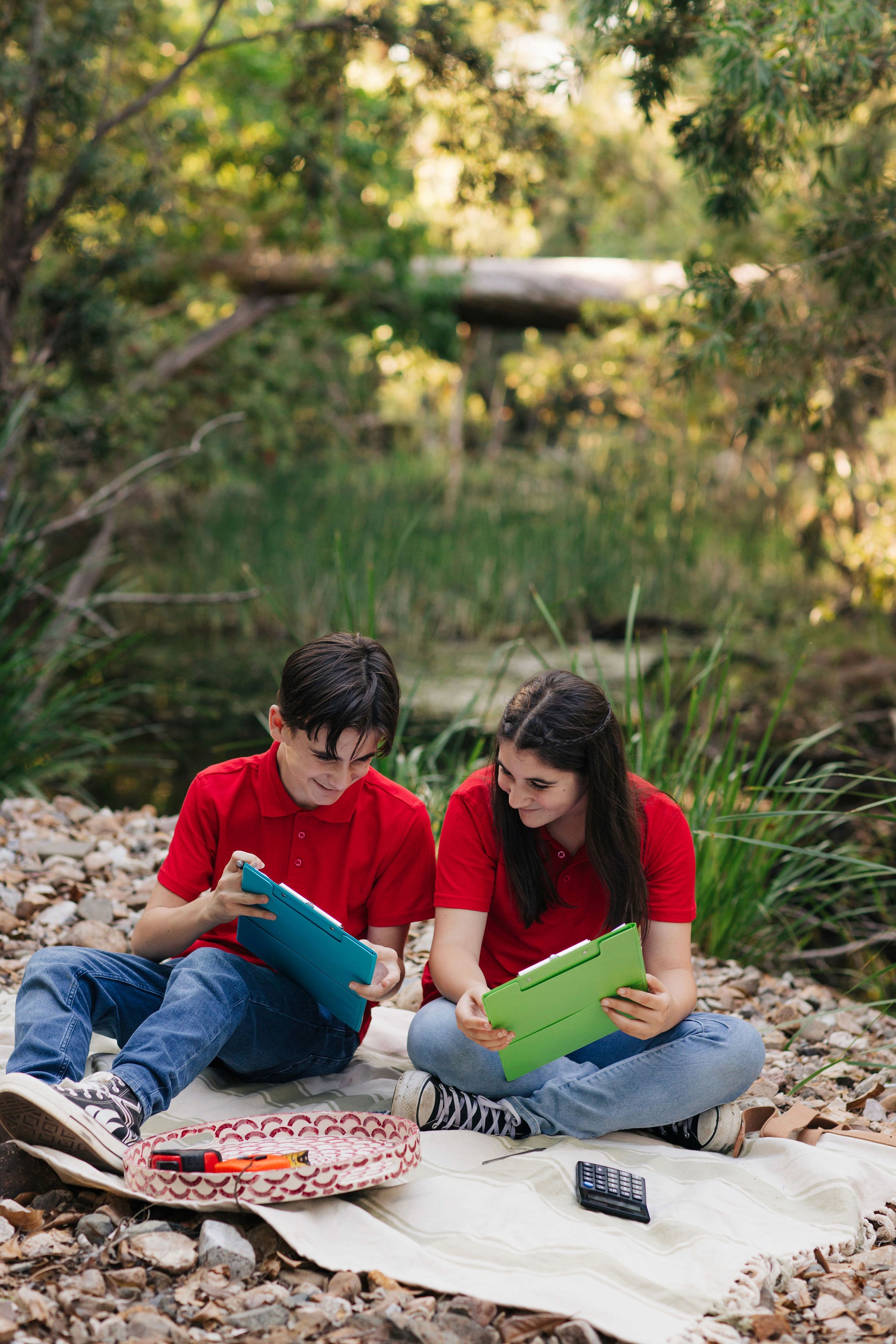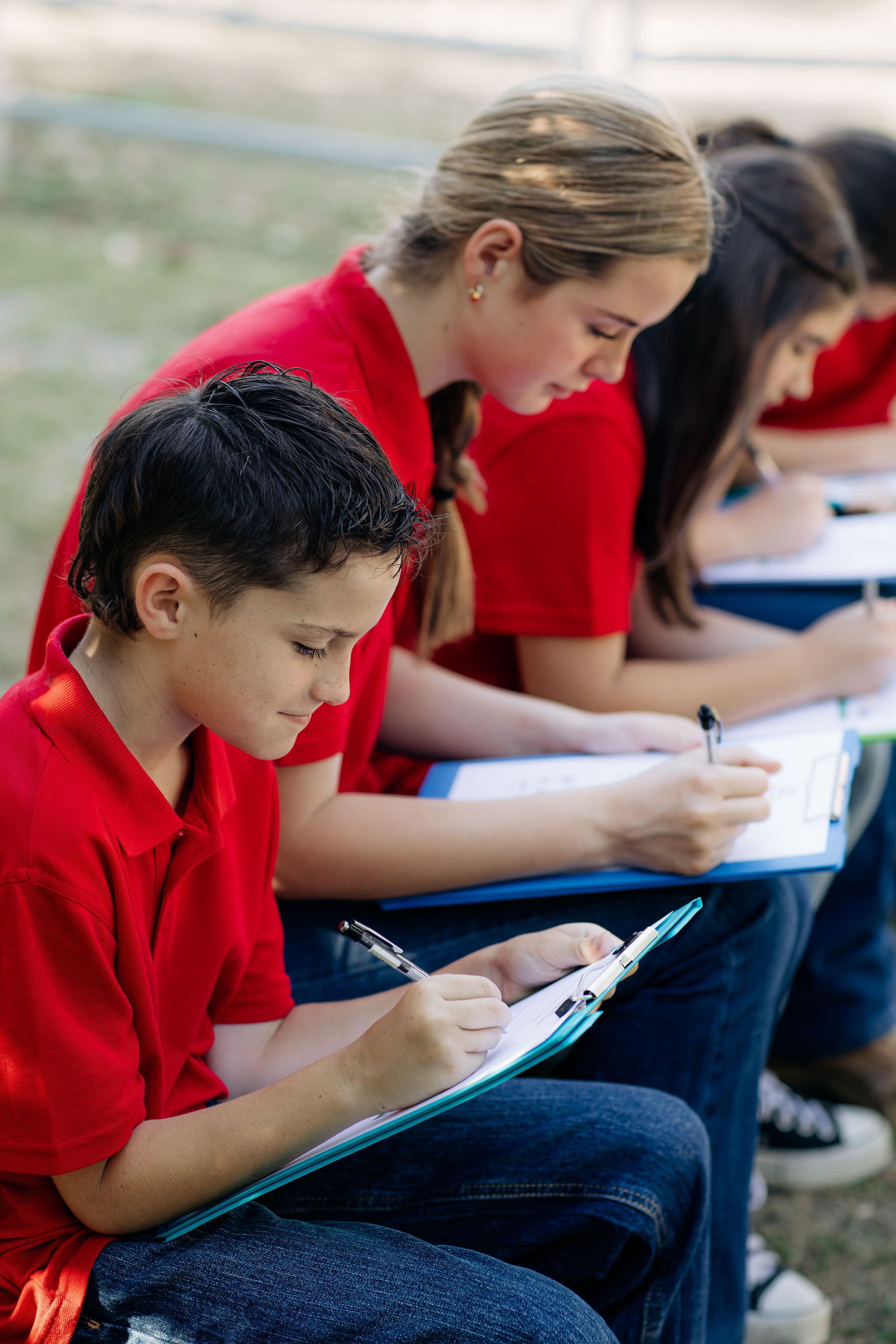
Student voice occupies its own territory in the measurement landscape. Teacher observation tells you what changed from the outside. Parent feedback tells you what came home. Student reflection tells you what shifted inside the student's own understanding: their relationship to the subject, their sense of themselves as learners, and the questions they're now carrying that they weren't before.
These are not the same things. And the most complete picture of what a farm program achieved draws on all of them.
The challenge is that most reflection activities are designed to capture enthusiasm rather than genuine thinking. Questions like "what did you enjoy?" generate positive feedback that confirms the day went well, but they don't reveal anything about learning. A student who had a wonderful time produces exactly the same response as a student who had a wonderful time and whose understanding of animal welfare shifted fundamentally. The question isn't designed to distinguish them.
Useful student reflection begins before the visit.
A brief pre-visit prompt asking what students already know, what they expect, and what they're uncertain about establishes a baseline that makes the post-visit response meaningful by comparison. Without a before, the after has nothing to stand against. The shift can't be documented because nobody recorded the starting position.
Post-visit prompts that work tend to ask students to be specific rather than evaluative. "What did you observe that you didn't expect?" asks a student to return to a particular moment and interpret it, which requires actual reflection. "What do you understand now that you didn't before the visit?" asks them to articulate genuine cognitive change. "What question do you have now that you didn't have when you arrived?" surfaces curiosity that's still active, which tells the school something about sustained impact rather than immediate satisfaction.
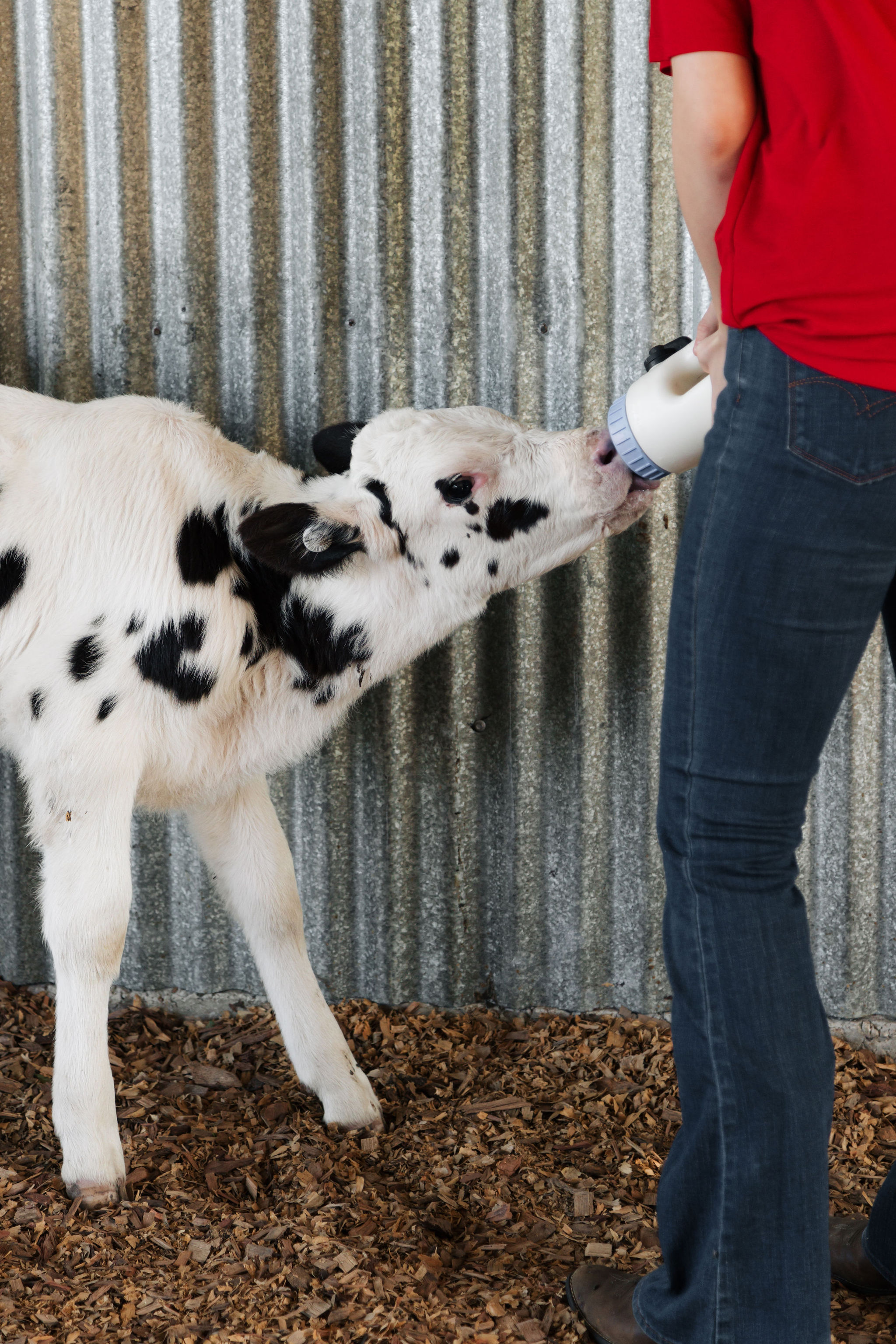
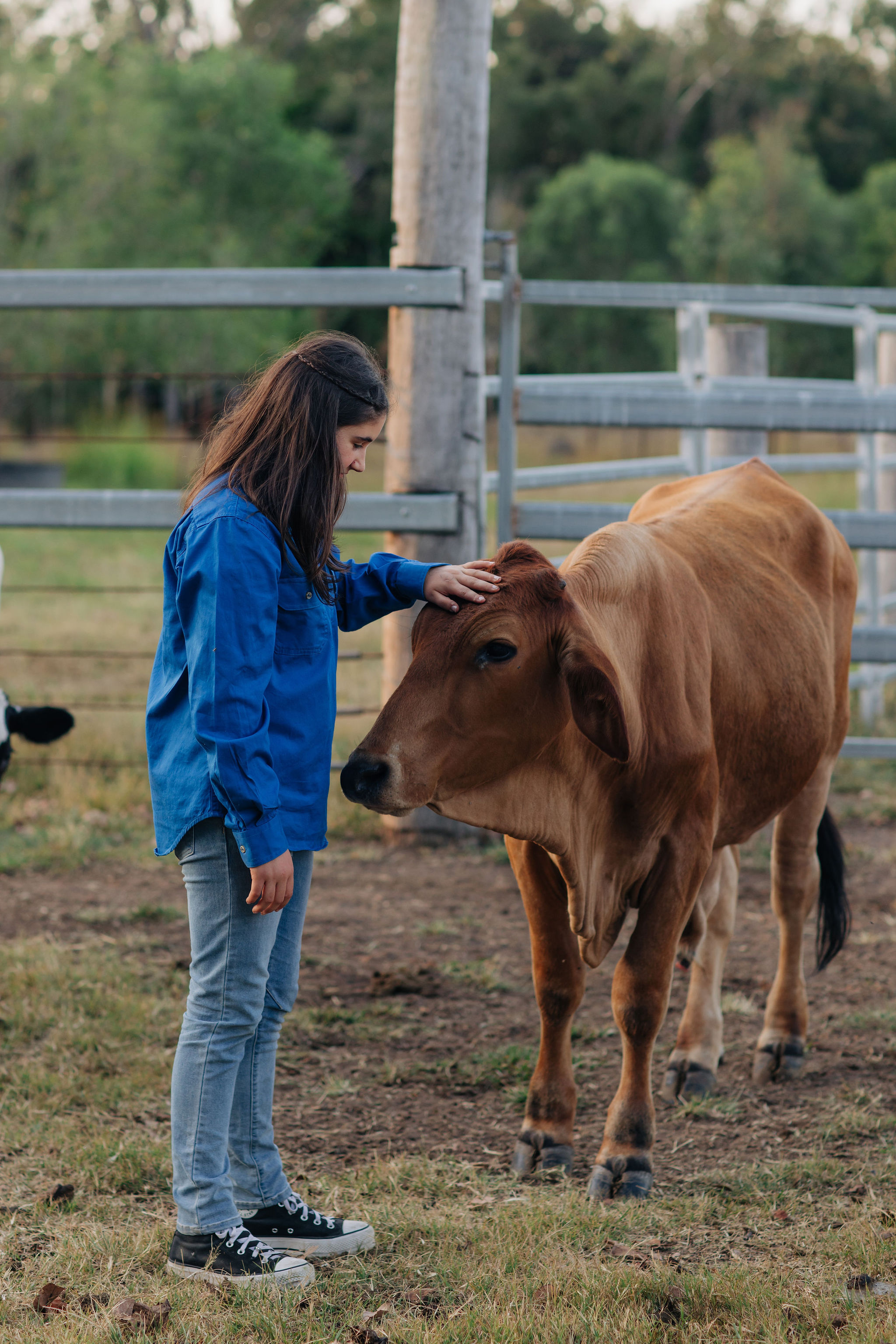
At Six Keys Cattle Co in Central Queensland, students move through enough specific, surprising, and memorable experiences across a program day that well-designed prompts tend to produce substantive material. The experiences themselves are rich enough to support real reflection, provided the questions actually ask for it.
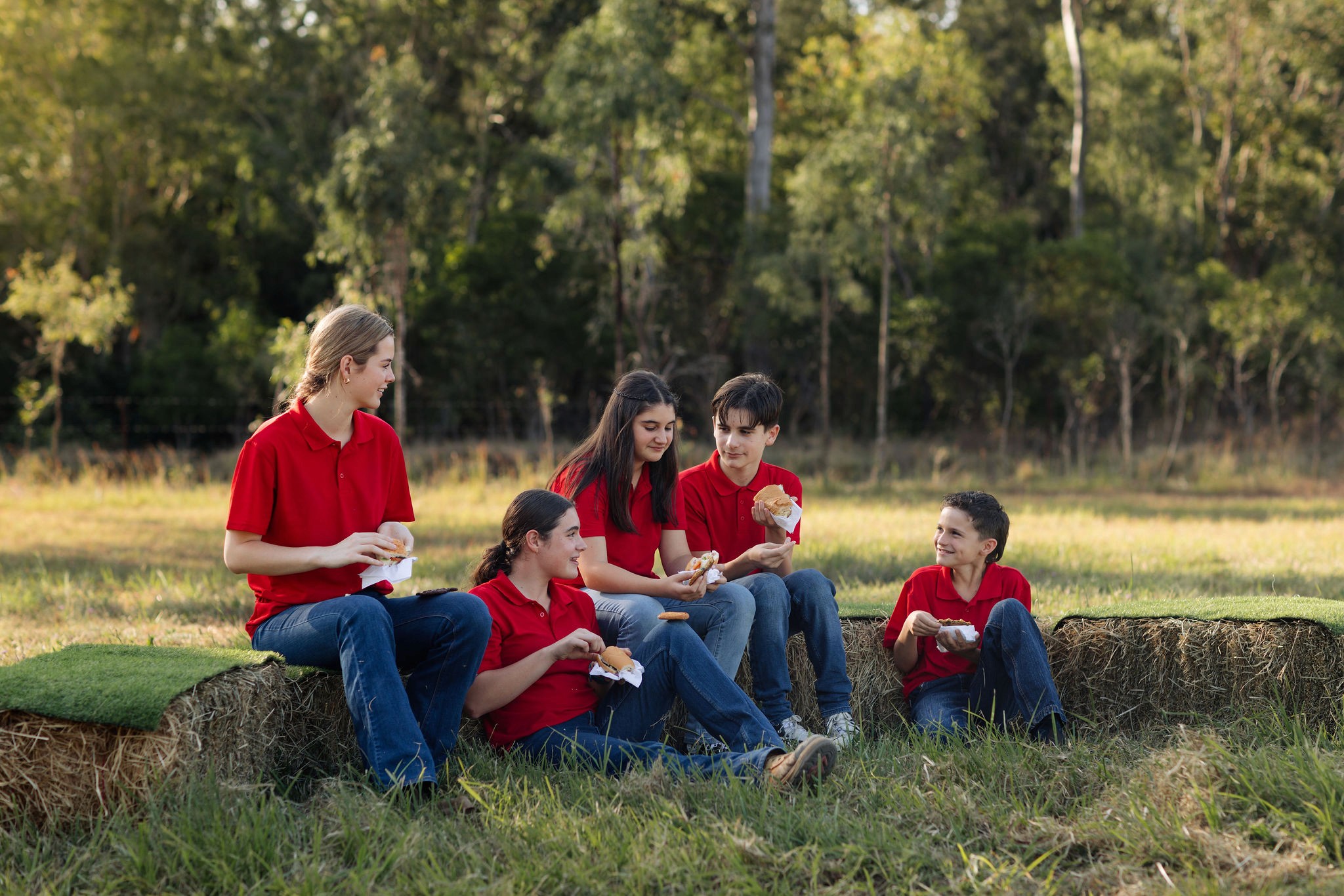
The format matters less than the prompts. Spoken reflections, brief written responses, paired discussions, and visual journals can all work. What consistently doesn't work is an open invitation to summarise a full day in a single sentence.
Student voice used well adds something that teacher observation and behaviour data can't provide: the student's own account of what changed, in their own language, grounded in their own specific experience.
That account, gathered consistently and compared across visits, becomes part of a school's genuine evidence base.
Students know what shifted. The right questions are what bring it out.