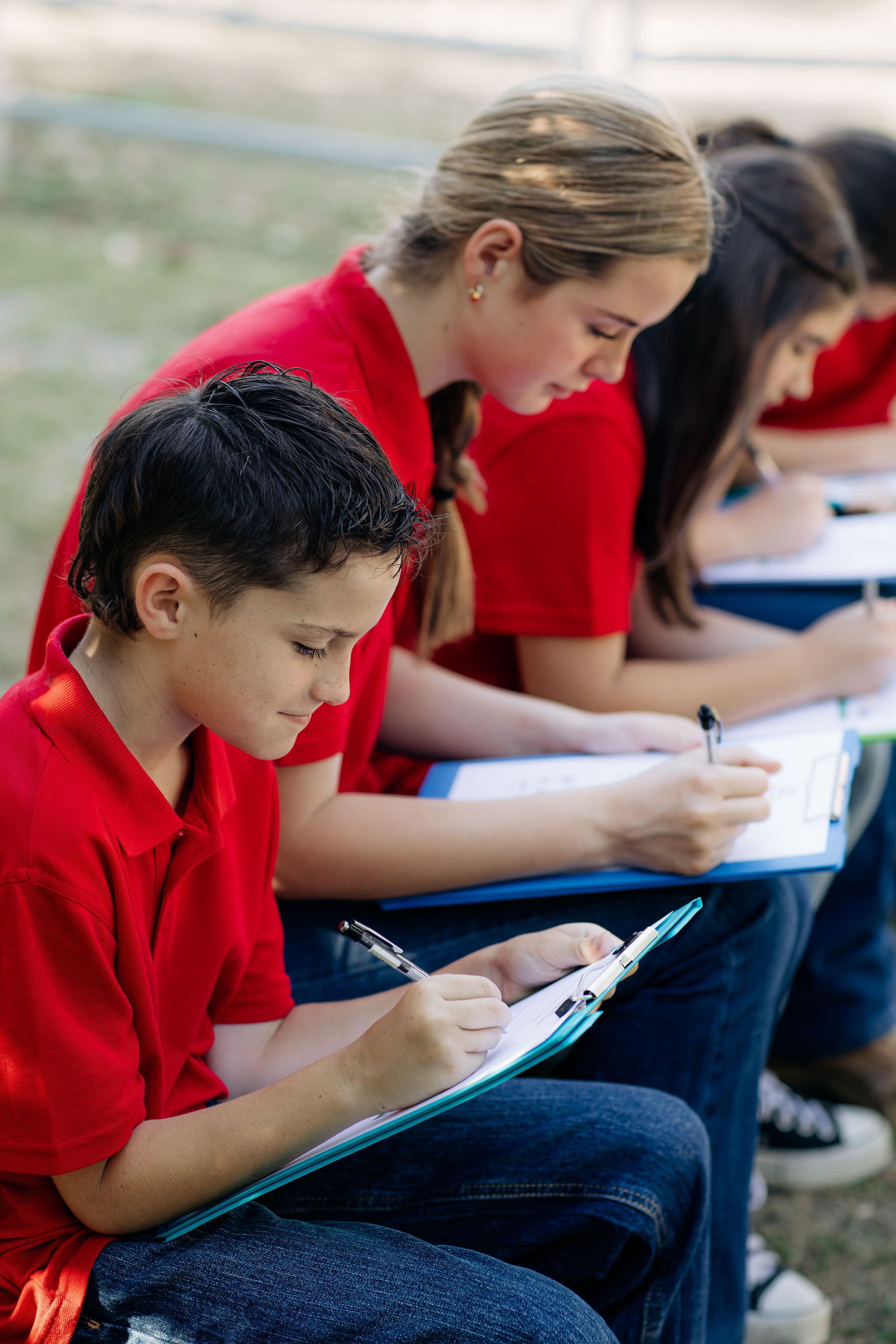
The most prepared class doesn't always have the best day on the farm. Sometimes it's the group that arrives genuinely unsure of what they're about to encounter that leaves with the most lasting impressions. The difference usually comes down to what the teacher did in the week beforehand, and just as importantly, what they chose not to do.
Preparation matters. So does knowing what not to prepare for.
The practical groundwork is straightforward. Students need to know what to wear and why it matters on a working property, how to conduct themselves around large animals, and what the basic shape of the day will look like. Arriving without this foundation creates unnecessary friction: school shoes in mud, students startled by animals they weren't expecting, time lost managing avoidable problems instead of getting into the learning.
Curriculum priming works best when it opens questions rather than answers them. Activating prior knowledge before a farm visit, what students already understand about animals, food production, or land systems, builds a framework for new experiences to attach to. But teachers who arrive at Six Keys Cattle Co in Central Queensland with students who already know the answers tend to spend the day confirming rather than discovering. The aim is to arrive curious, not empty-handed.
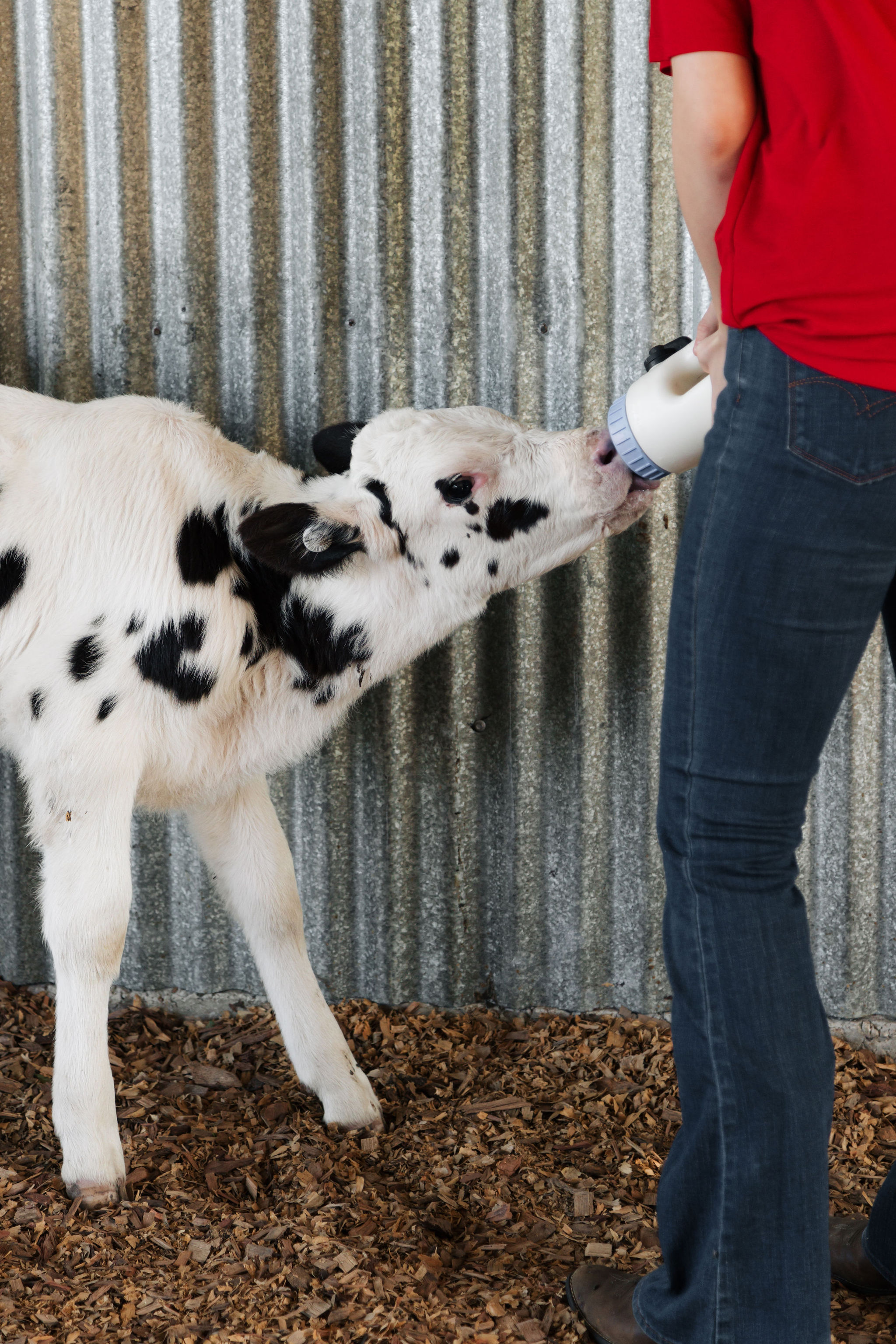
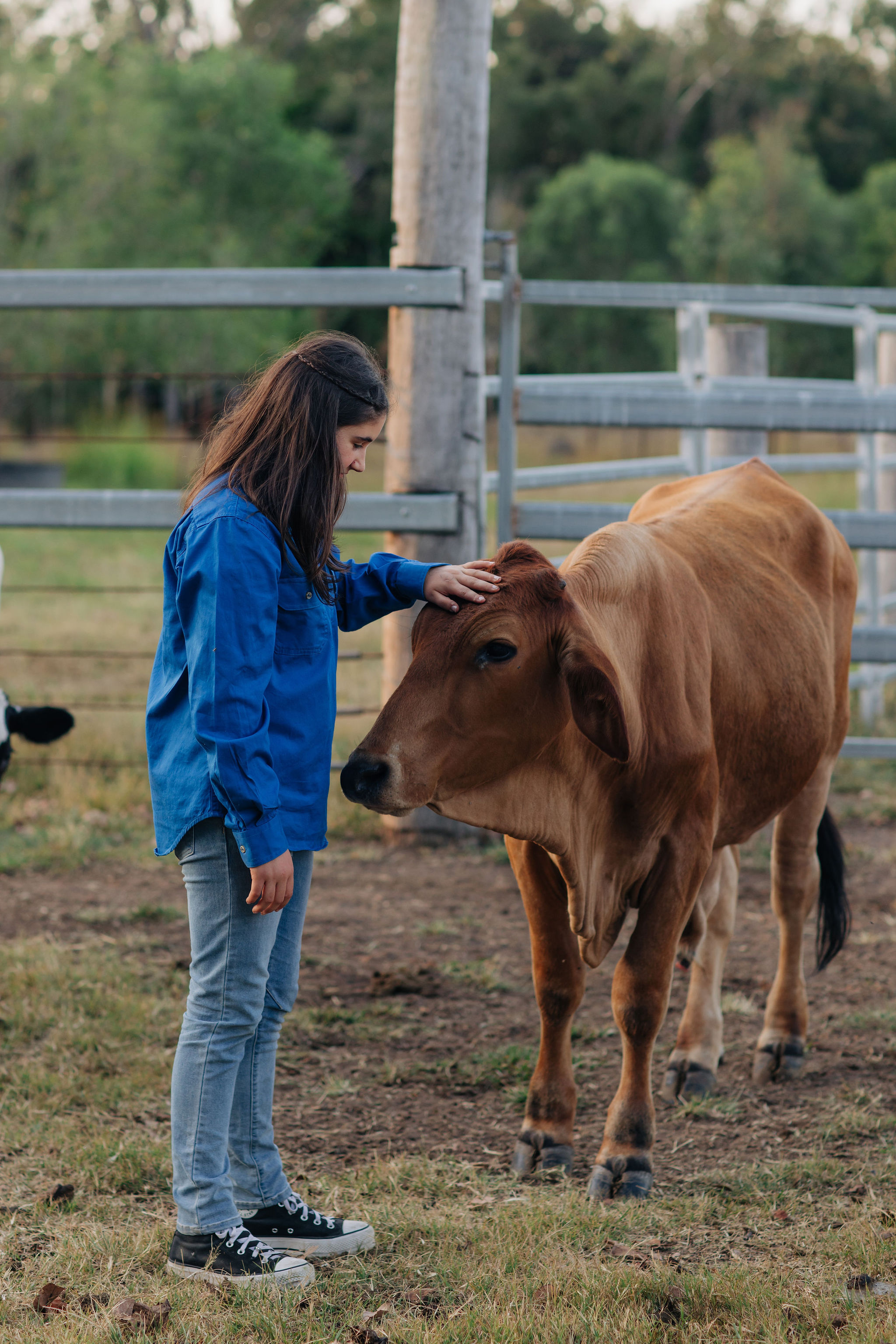
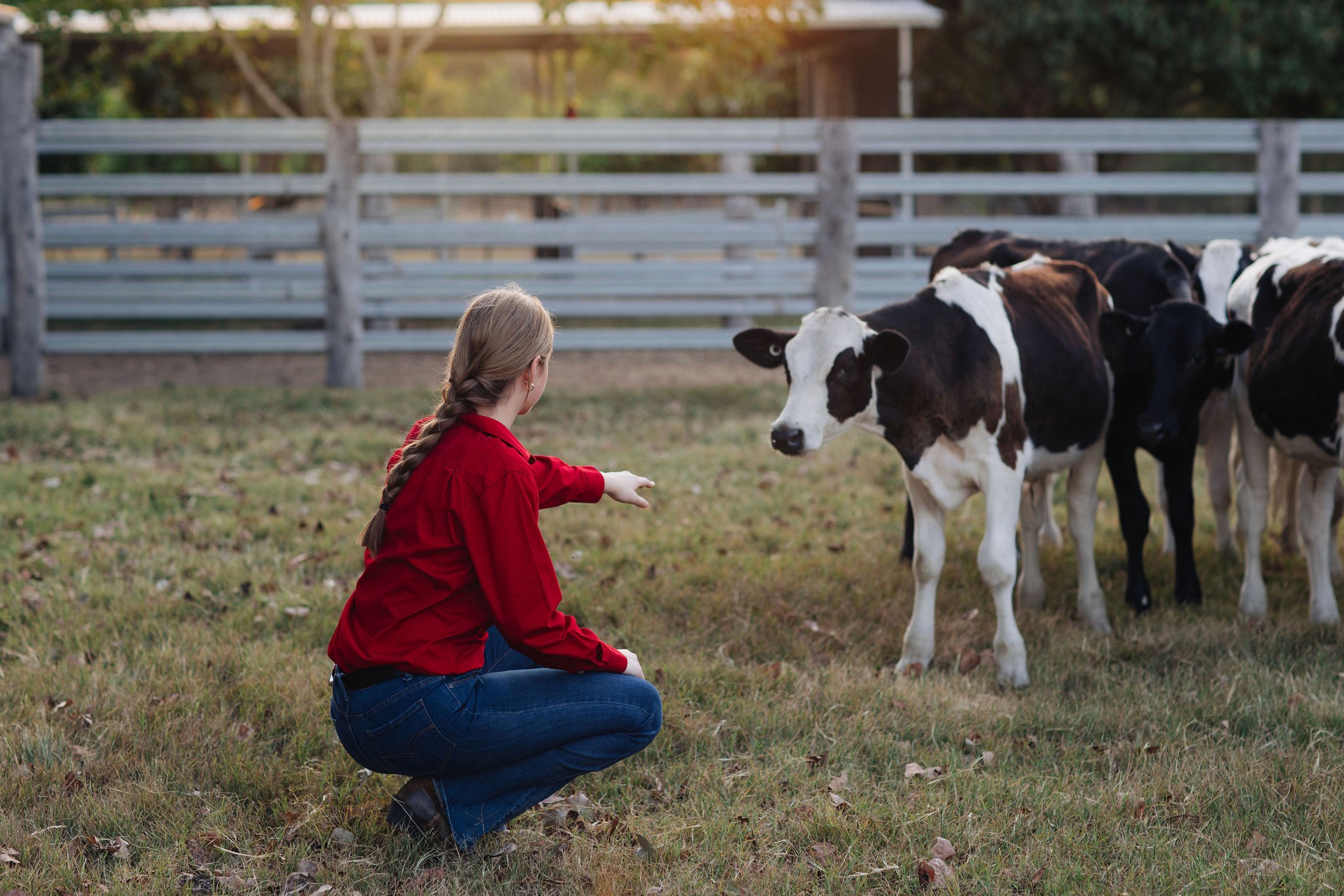
Behaviour around animals is worth covering specifically and practically before the visit. Large animals respond to energy, noise, and sudden movement in ways that students can directly observe and influence. Framing this as part of what they'll learn, rather than as a list of rules imposed on the visit, means students carry the information differently when they're in among the stock.
Managing anxious students before the day also deserves thought. A quiet, individual conversation that acknowledges the unfamiliar without amplifying it tends to serve these students better than group reassurance that unintentionally draws attention to the concern. The farm environment often does the settling work on its own once students arrive. Knowing which students need a lower-pressure entry point into activities allows a teacher to facilitate that without making it an issue on the day.
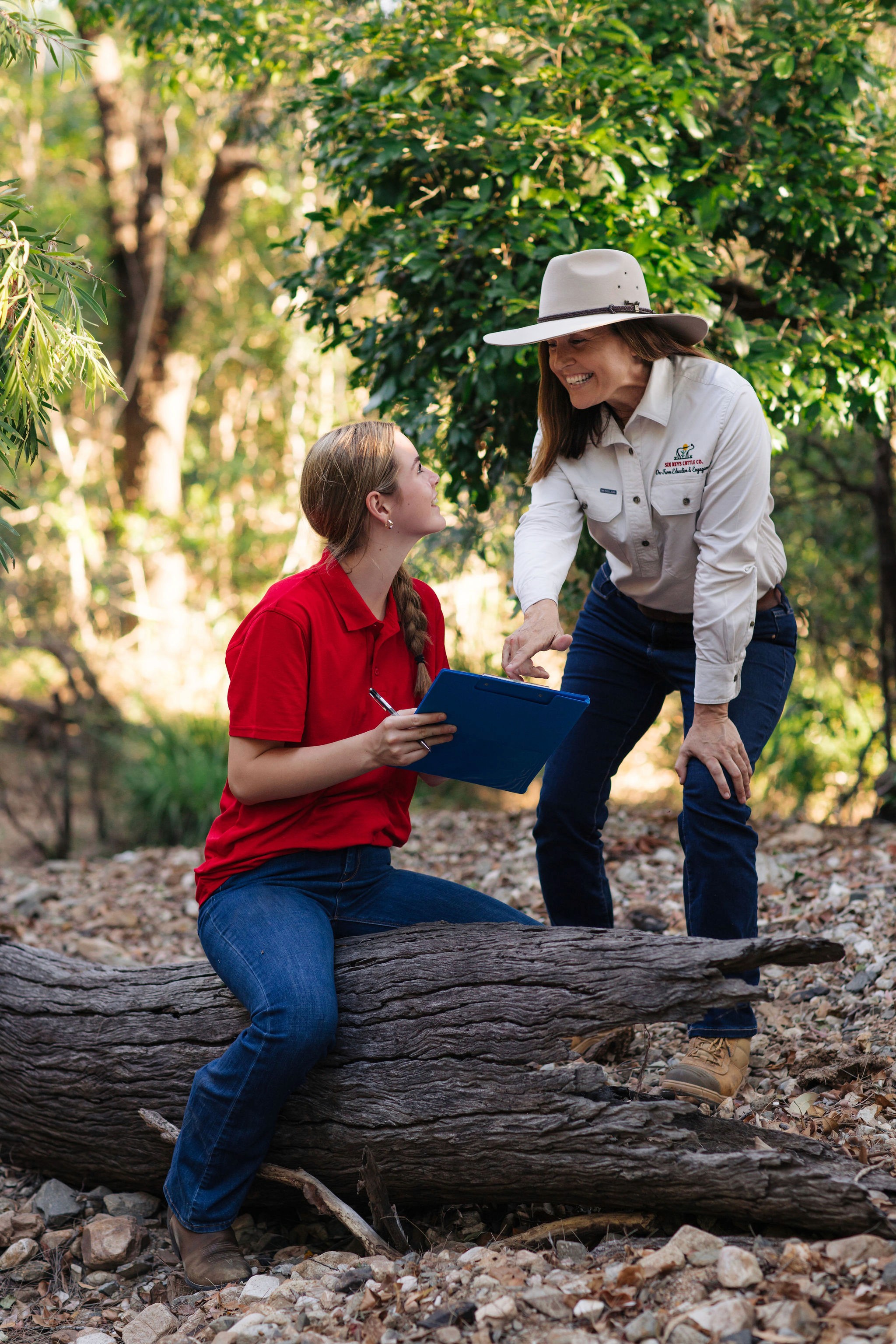
The most useful posture a teacher can bring is co-learner rather than supervisor. Teachers who are visibly curious, who ask genuine questions alongside their students, who respond to unexpected moments with interest rather than control, tend to produce visits where something memorable and unplanned finds its way in.
At Six Keys, the program carries the structure. Teachers who trust that and stay genuinely present tend to find the day exceeds whatever they planned for.
Prepare the logistics. Leave space for discovery.