Both work with living systems that don't follow scripts. Both deal with unpredictable responses to their input. Both are deeply invested in outcomes that take years to become visible. The parallel runs deeper than most people initially recognise.
A farmer manages land, animals, and weather, none of which cooperate on demand. A teacher manages a classroom of individuals, each arriving with a different set of needs, moods, and prior knowledge. Both require the same core disposition: the ability to observe carefully, adapt quickly, and hold a long-term view when the immediate situation is messy.
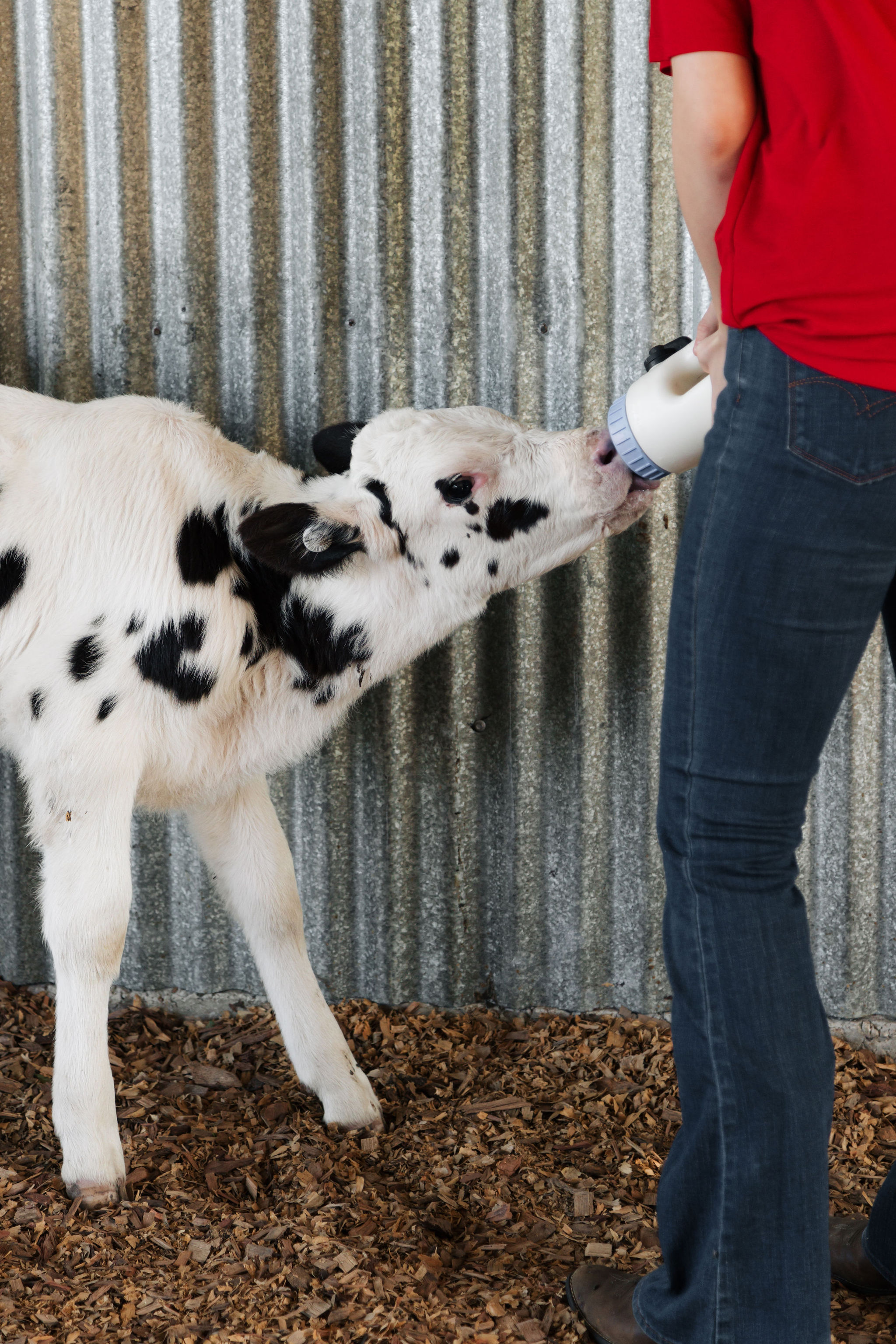
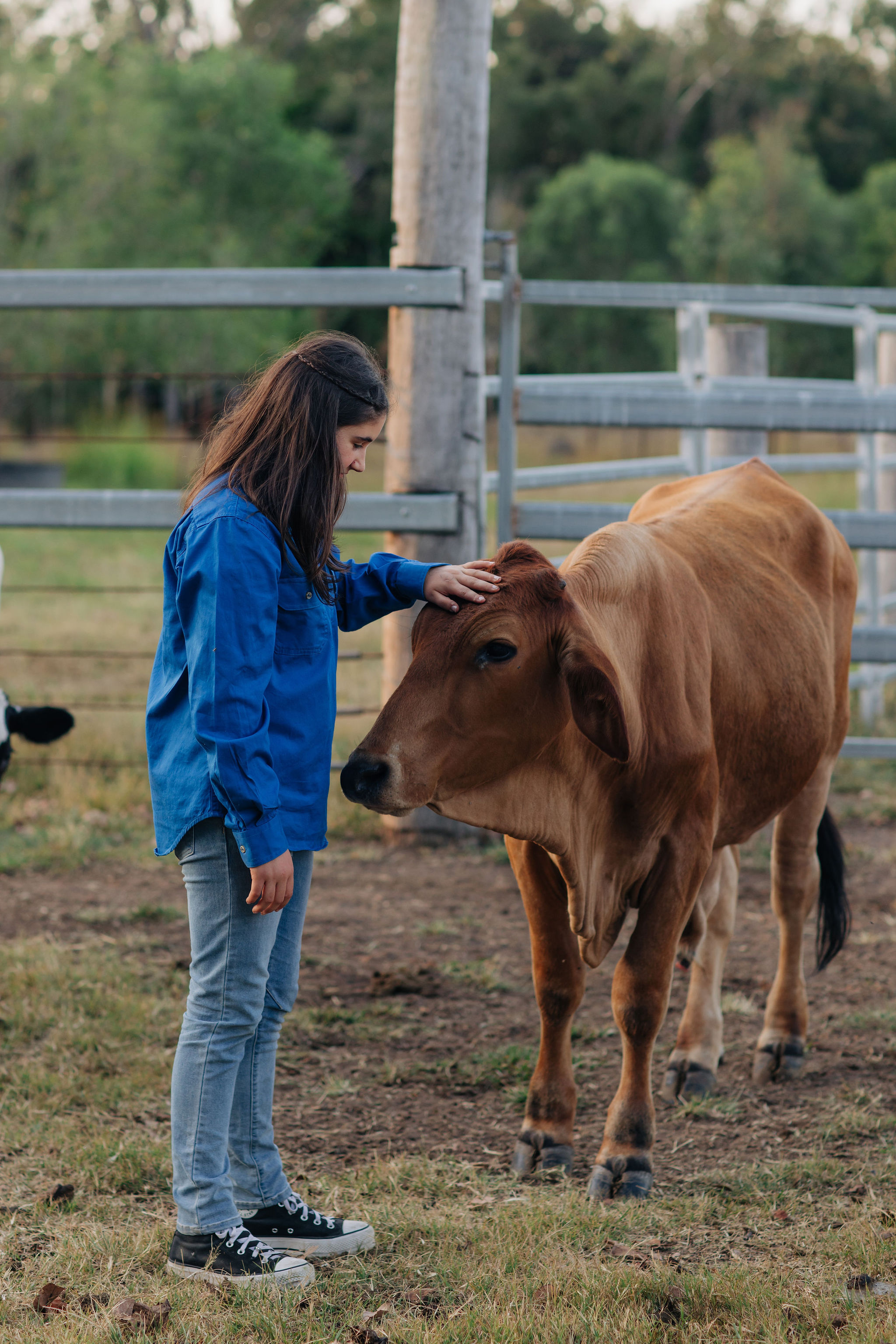
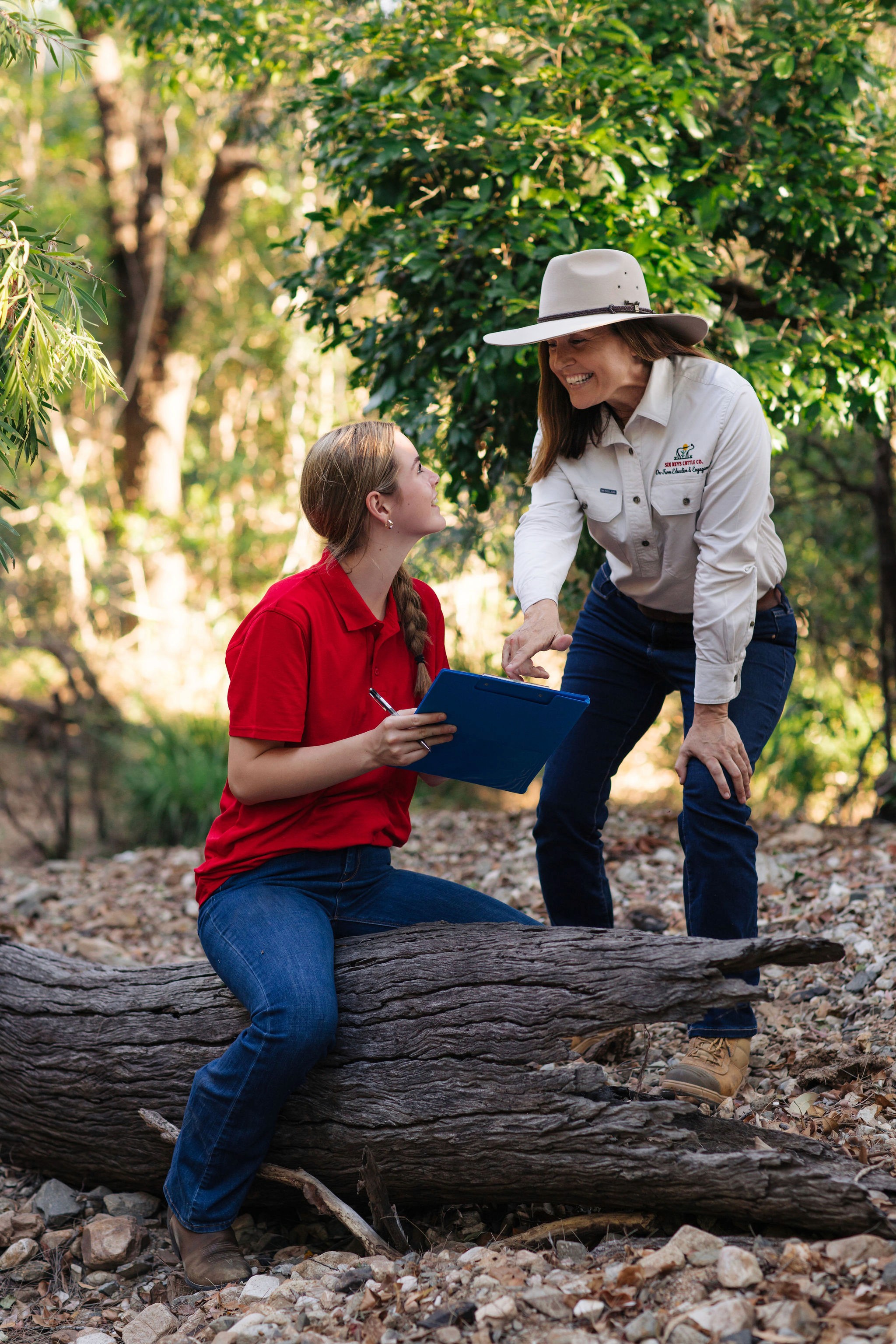
At Six Keys Cattle Co, this shared ground becomes obvious the moment a class arrives. Teachers who visit the farm often comment on how naturally the environment mirrors what good teaching looks like in practice. Observation before action. Clear, consistent communication. Working with individuals where they are rather than where you wish they were.
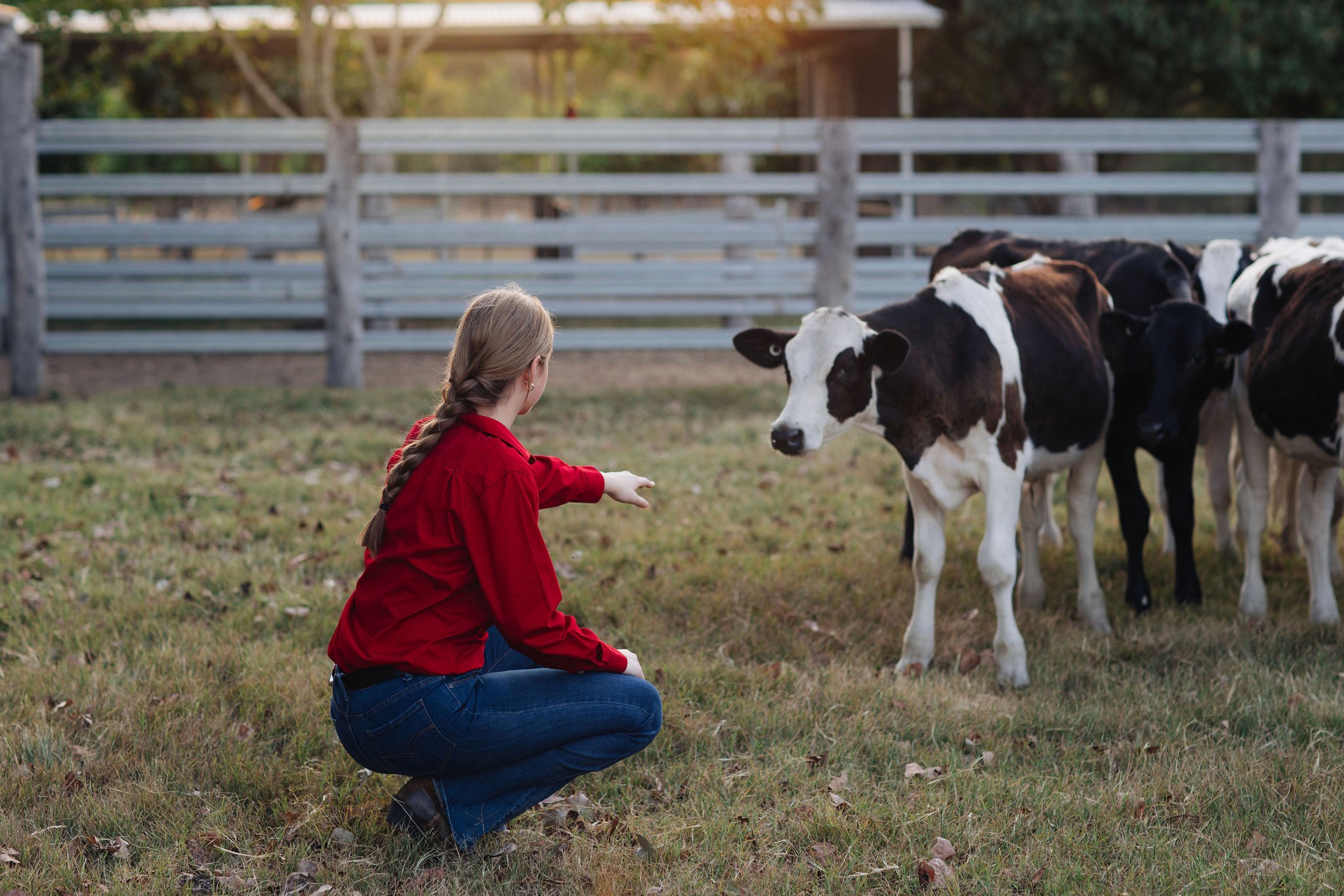
Farmers read their animals the way skilled teachers read a room. A change in behaviour signals something worth investigating, an unmet need, a shift in conditions, something that requires adjusting before it becomes a bigger problem. The instinct to notice and respond rather than simply proceed is something both roles demand, though it's rarely named as a professional skill in either.
There's also something to the way both roles carry responsibilities that extend beyond the immediate moment. A farmer making decisions today is thinking about what the paddock looks like in five years. A teacher making decisions in a classroom is thinking about what kind of learner, thinker, and person that child is becoming. Short-term indicators matter, but neither job is really about the short term.
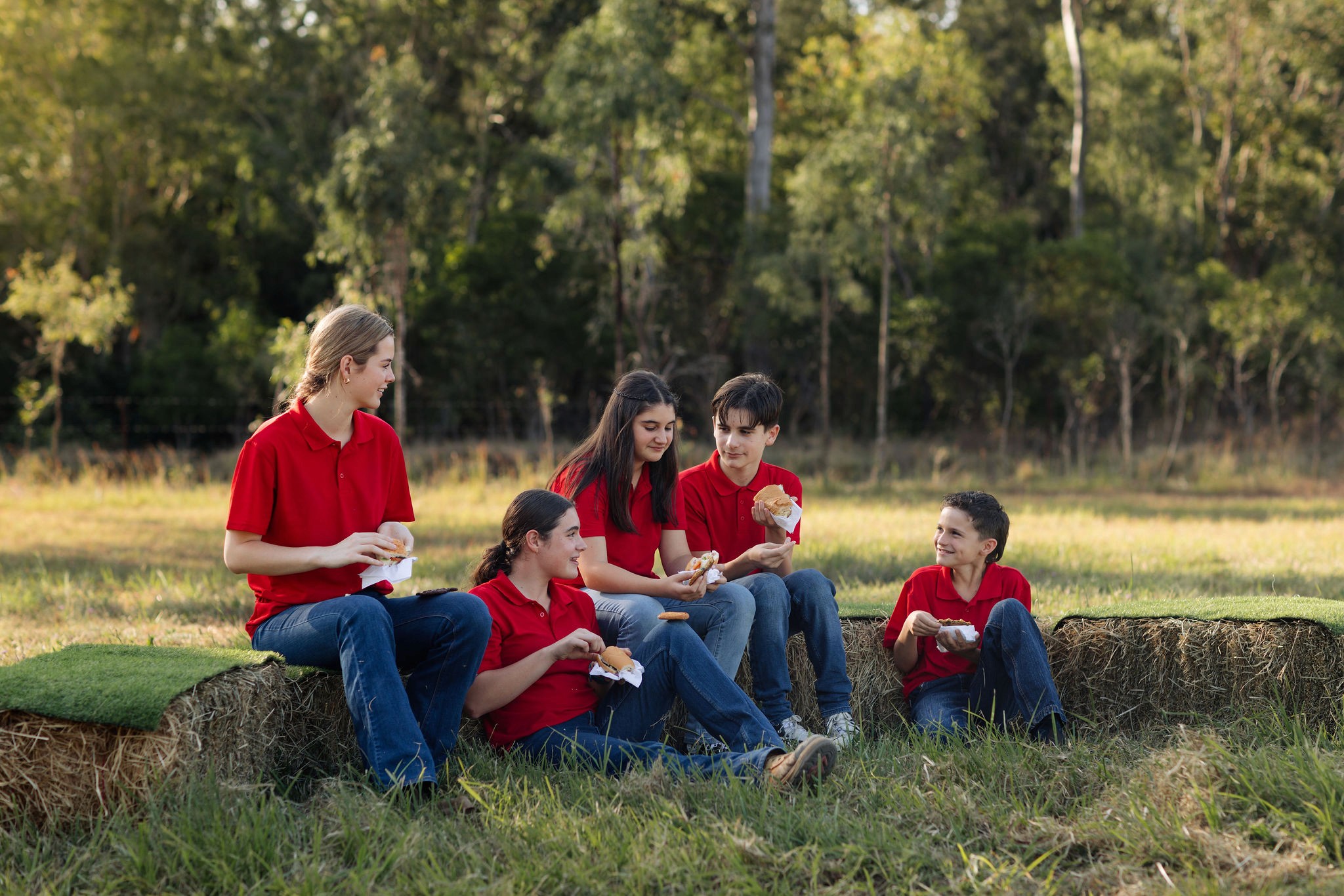
When teachers and farmers share space at Six Keys, something useful happens. Teachers see their own work reflected differently, through the lens of land stewardship, animal care, and practical decision-making. Farmers articulate knowledge they typically carry quietly: how to build trust, how to stay calm when things go sideways, how to read an environment and respond to what it's actually telling you.
That exchange is worth more than it looks. The connection between these two roles isn't metaphorical. It's structural. And recognising it tends to sharpen both.