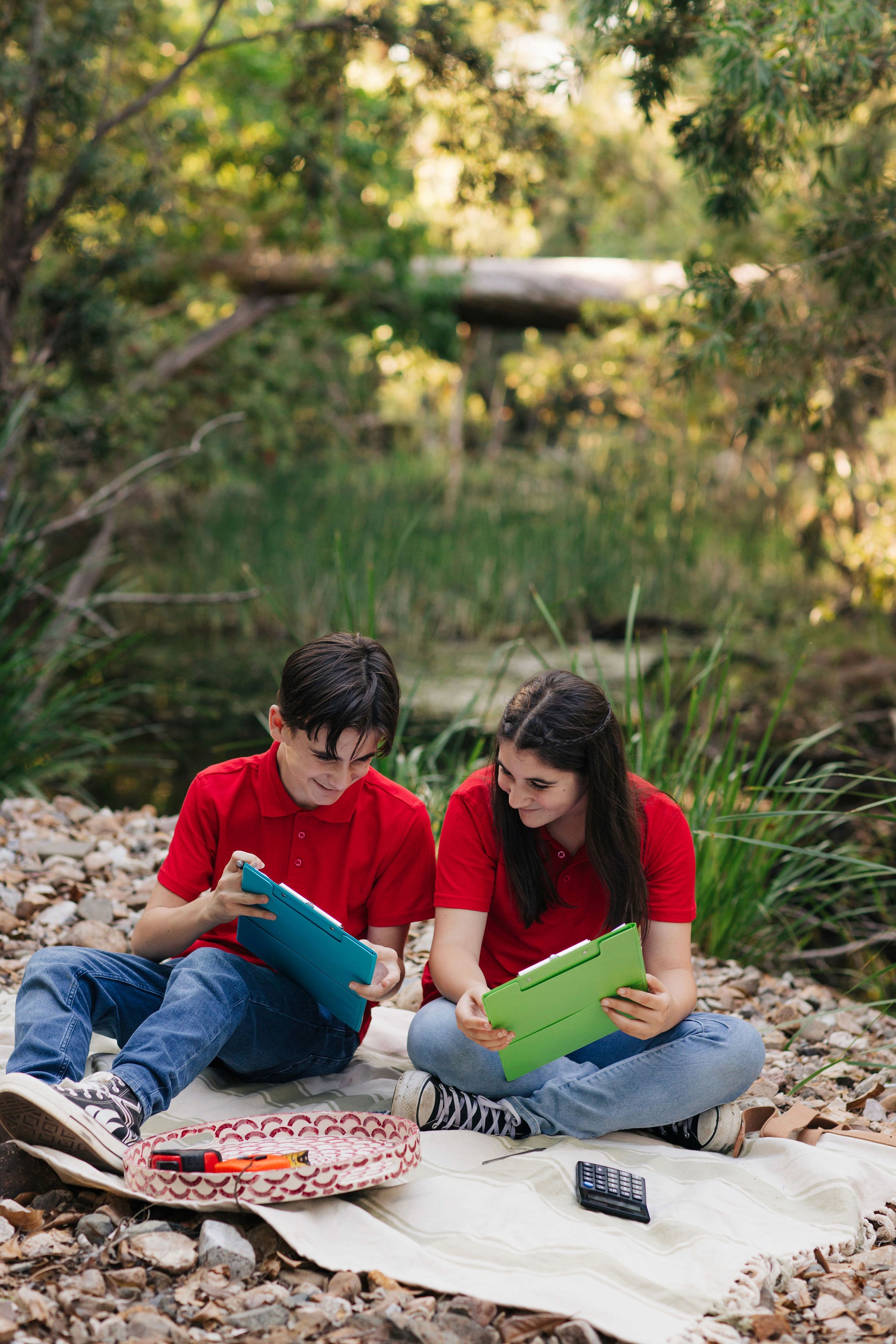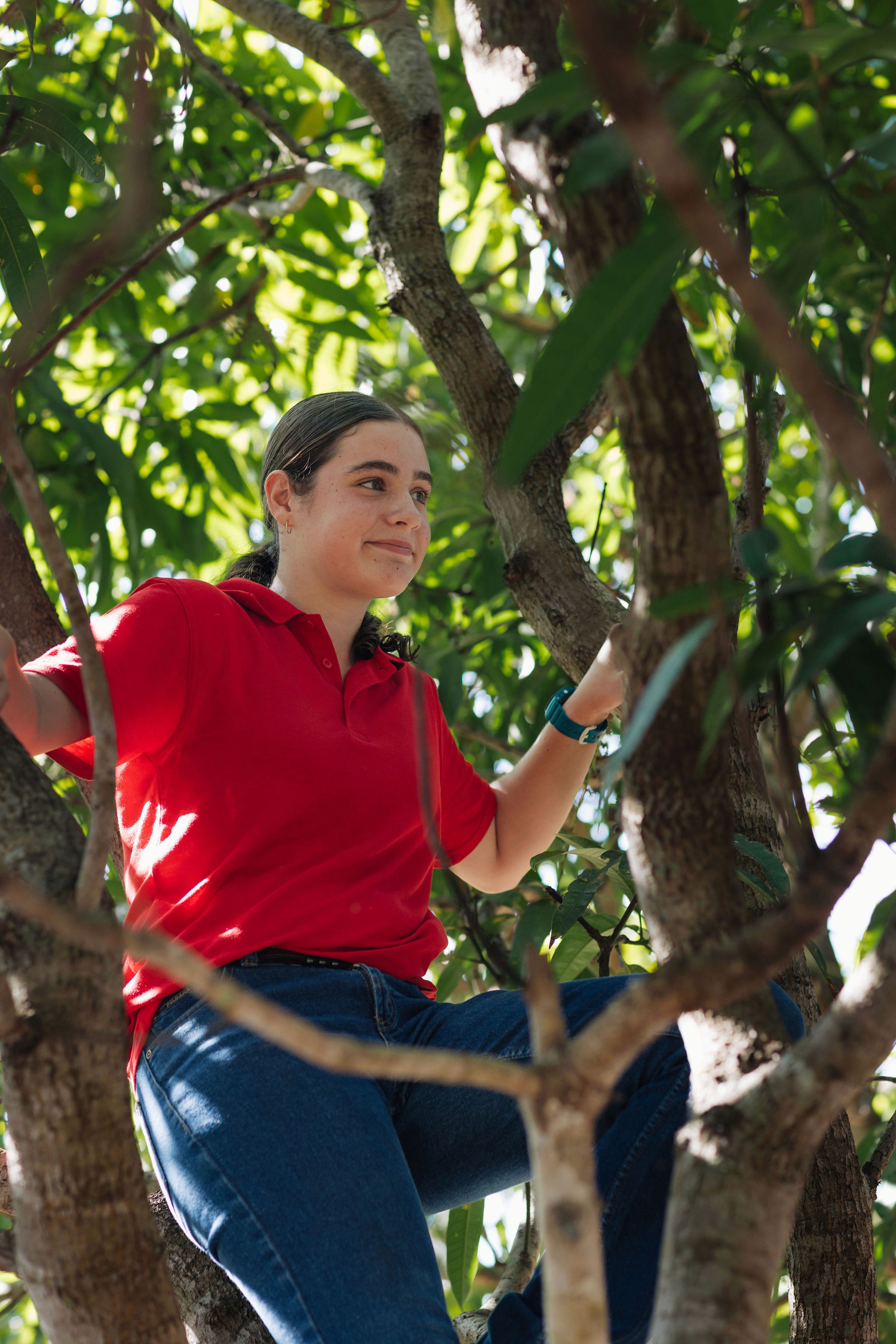
Behaviour support plans are built from evidence, from what works, from what has been tried, and from what a particular student consistently responds to. Most include adjustments to the classroom environment, modifications to task presentation, check-in systems, and strategies for de-escalation. Few include structured outdoor learning as a deliberate component.
That gap is worth examining.
For students whose behavioural challenges are rooted in anxiety, chronic disengagement, poor emotional regulation, or difficulty with sustained attention, outdoor learning addresses the underlying conditions rather than managing the surface presentation. A classroom modification helps a student survive a difficult environment more effectively. Outdoor learning puts them in an environment that is inherently less difficult to navigate, and that's a different kind of intervention altogether.
Schools building behaviour support plans tend to draw from the same toolkit: seating adjustments, sensory breaks, modified tasks, preferred adult check-ins. These are useful strategies with real evidence behind them. What the toolkit often lacks is the recognition that a fundamentally different environment, one that demands physical engagement, reduces evaluative pressure, and connects learning to tangible purpose, produces outcomes that in-classroom strategies alone cannot replicate.
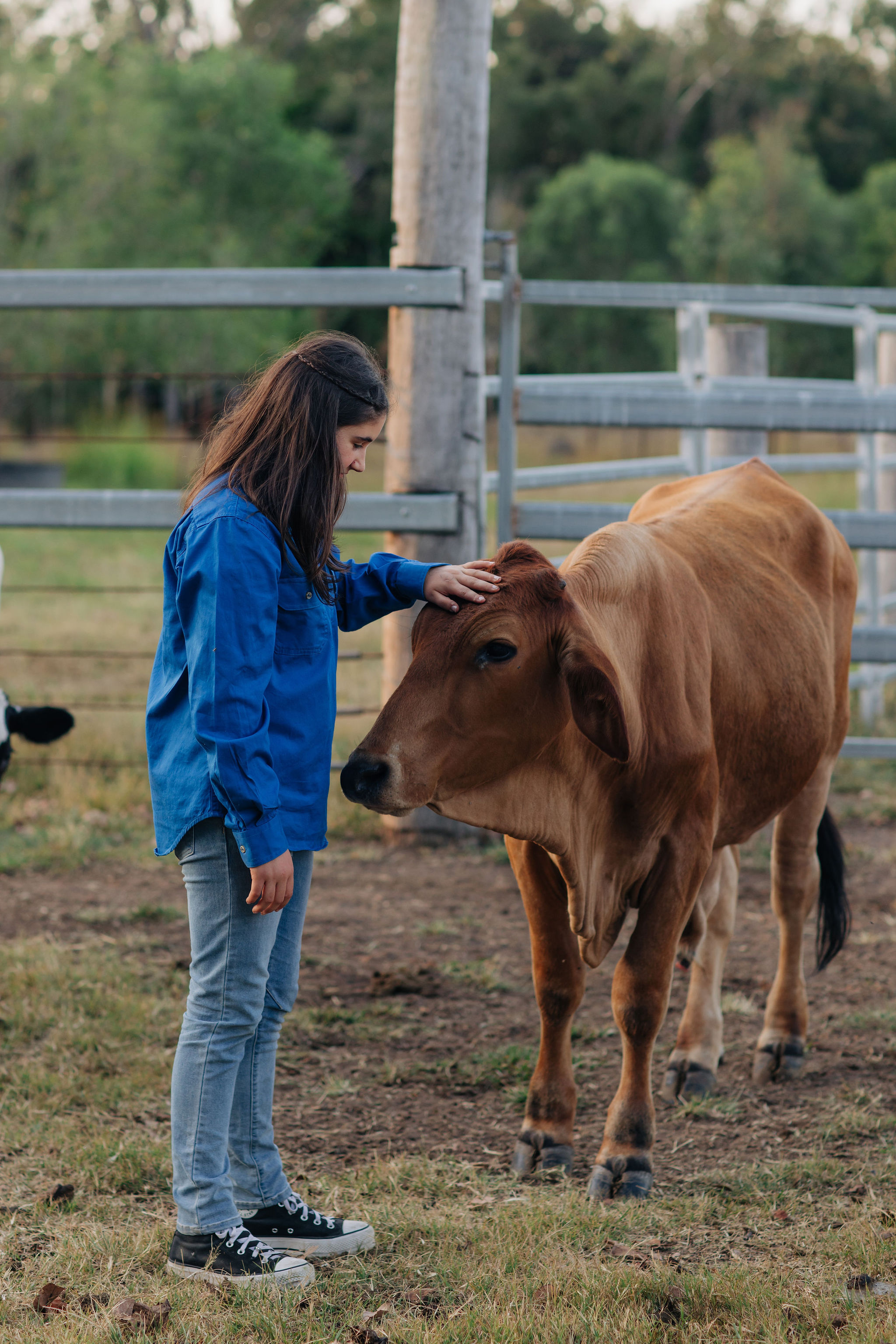
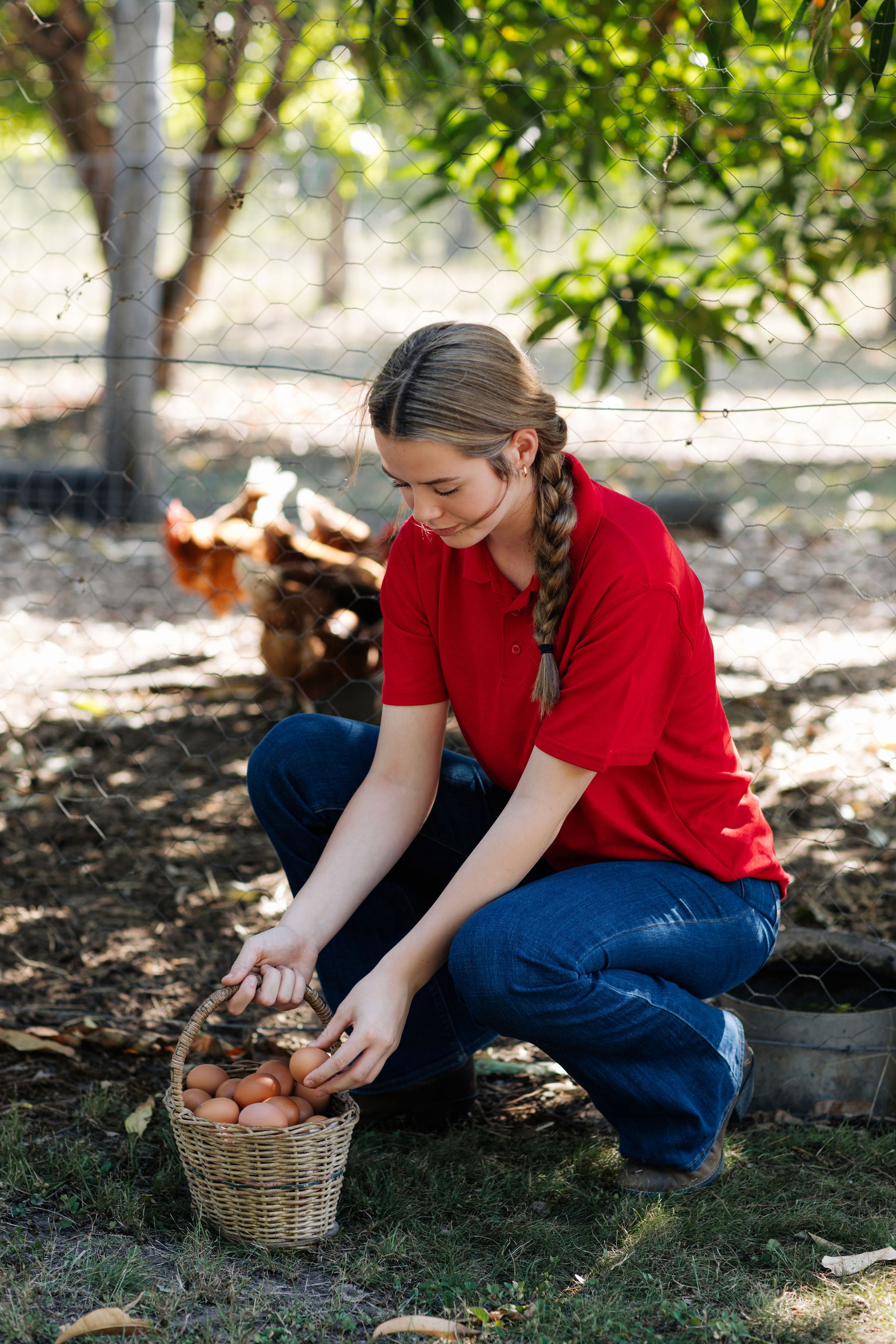
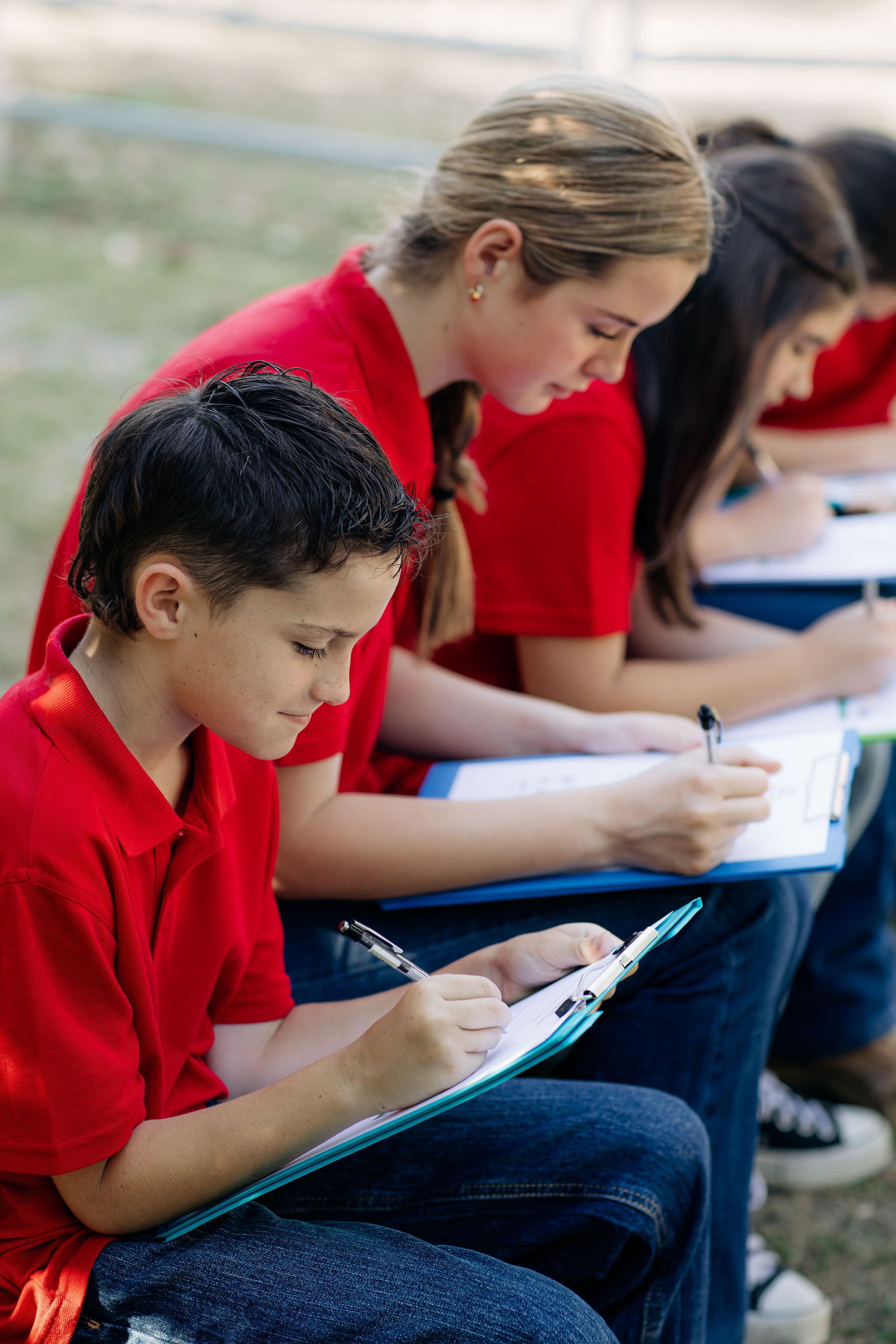
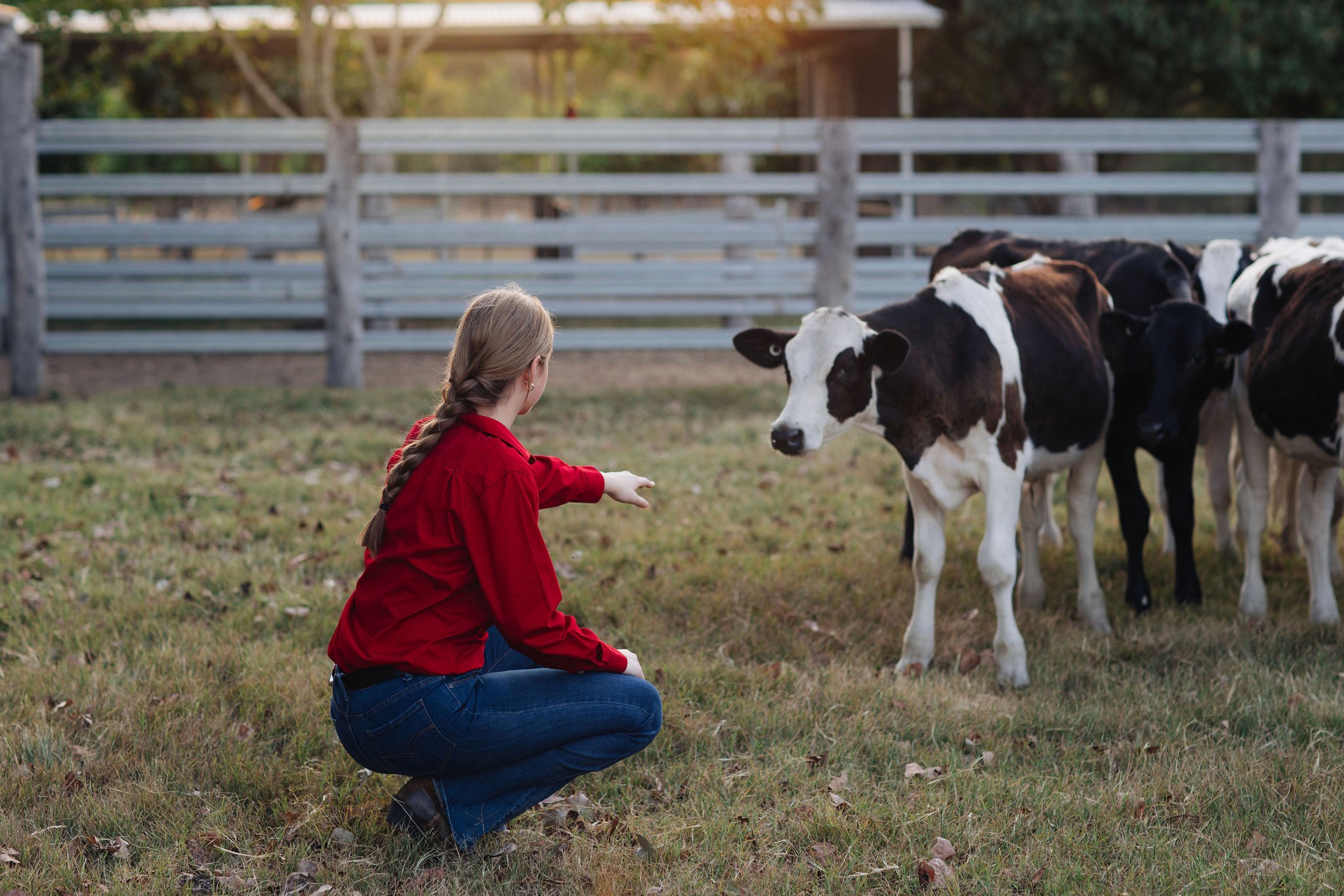
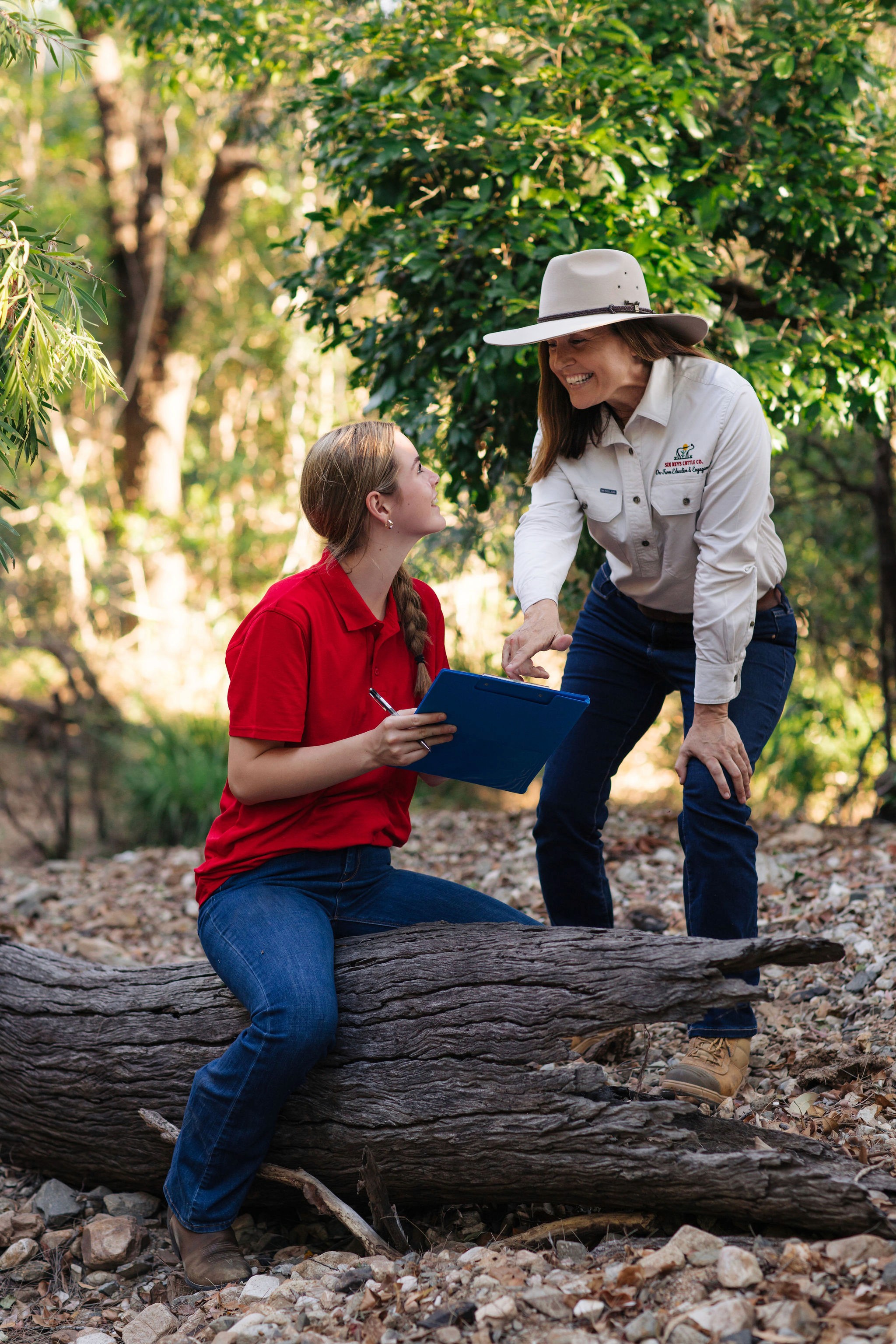
At Six Keys Cattle Co in Central Queensland, teachers and support staff regularly observe changes in students identified on behaviour plans that surprise even the people who wrote them. Students who require constant intervention across a school day manage sustained, productive engagement across a full morning on the farm. The absence of the triggers that drive their classroom behaviour creates a different baseline, and with the right reflection and follow-through, that baseline can be built on back at school.
Research into nature-based intervention for students with behavioural challenges is growing in both volume and specificity. Regular, structured access to outdoor learning environments has been linked to reductions in disruptive behaviour, improved self-regulation, and better engagement with academic tasks when students return to their classrooms. The effects are more pronounced when outdoor experiences are planned intentionally and connected to classroom practice, rather than offered as standalone events.
This is the case for including outdoor learning explicitly in behaviour support documentation. Not as a reward system. Not as a break from learning. As a planned, evidence-informed strategy with clear goals and a process for recognising what changes over time.
The outdoors is not a soft option. For students who spend most of their school day in a state of low-level resistance to an environment that doesn't work for them, genuine access to one that does is a serious intervention.
Writing it into the plan is how it gets taken seriously.