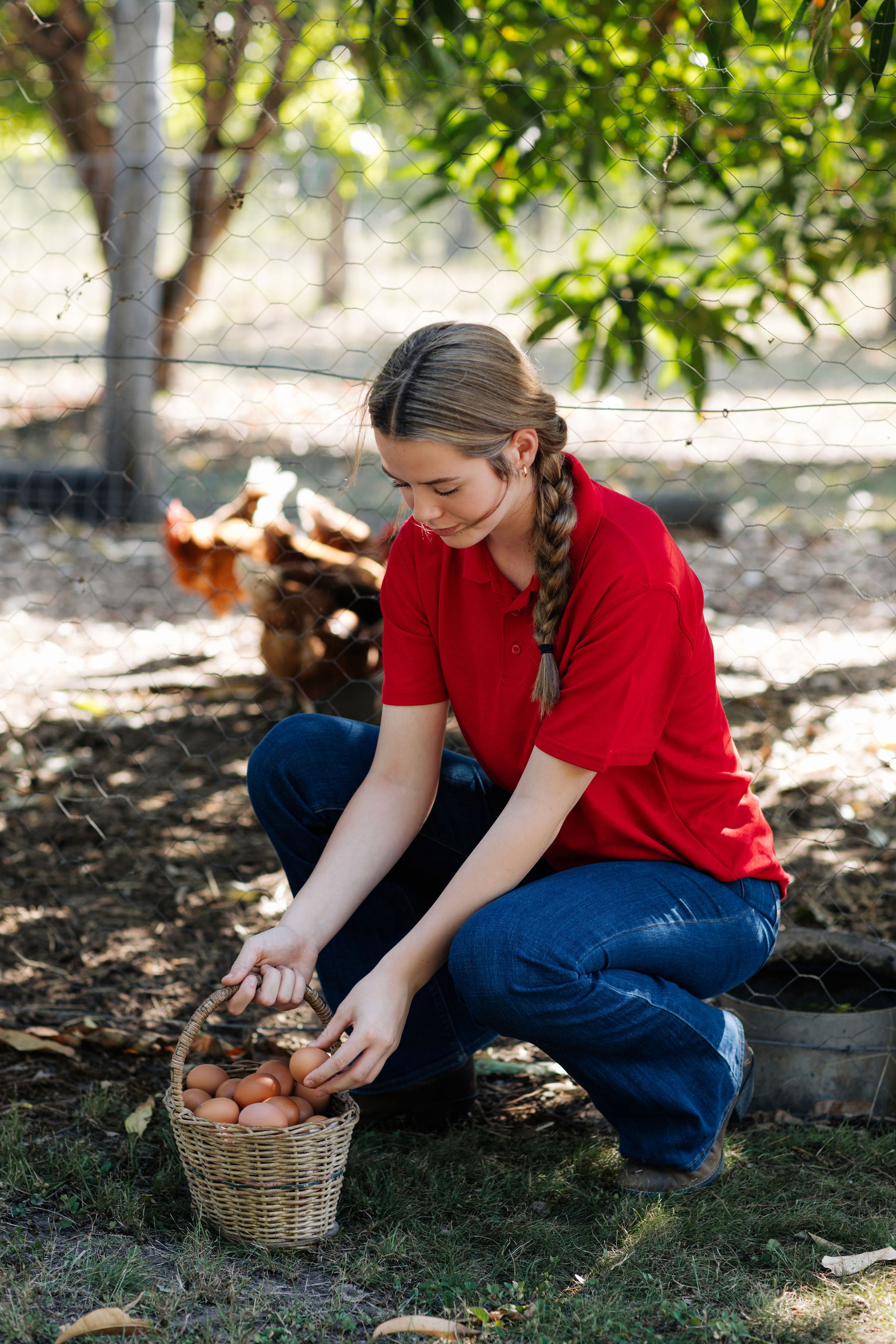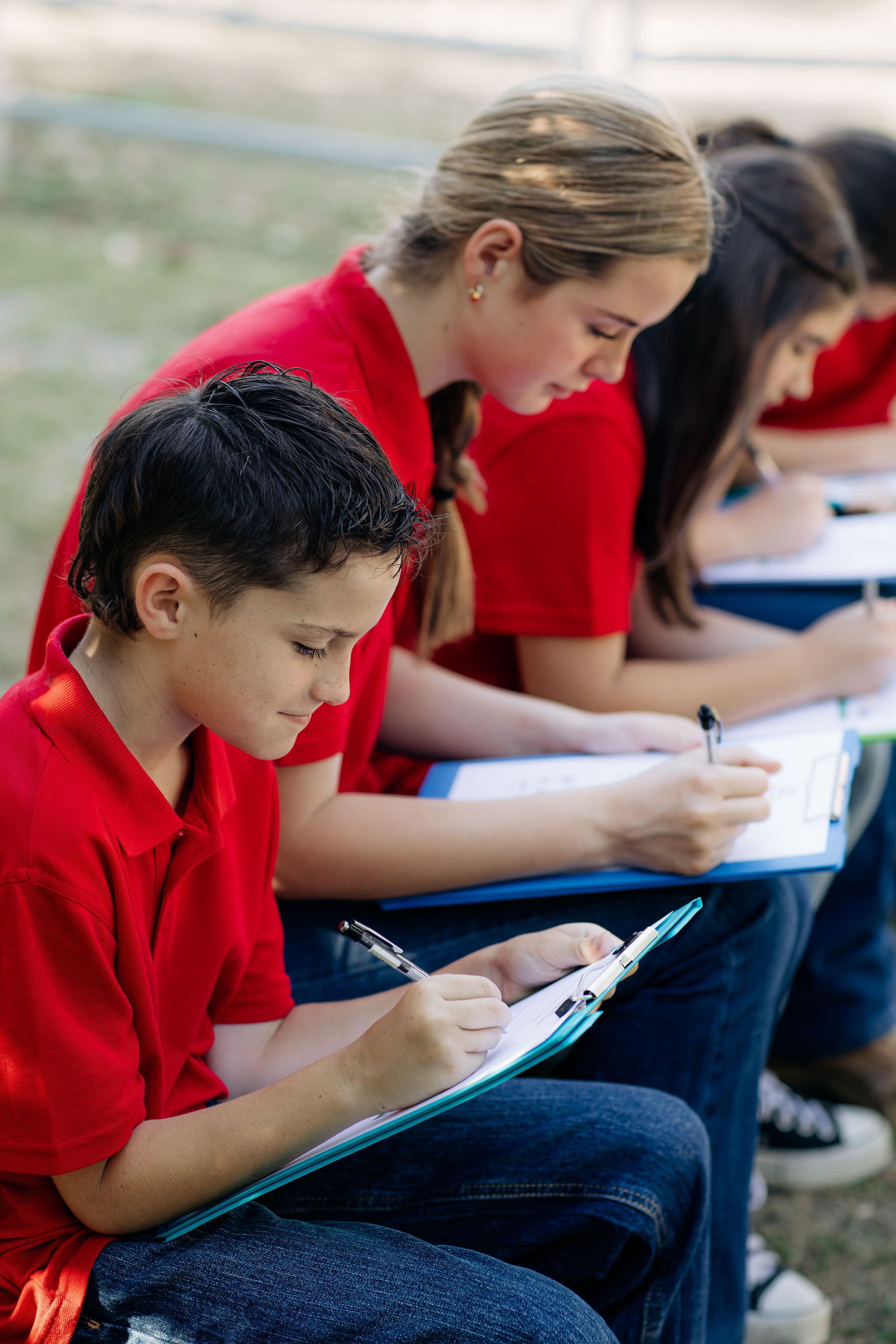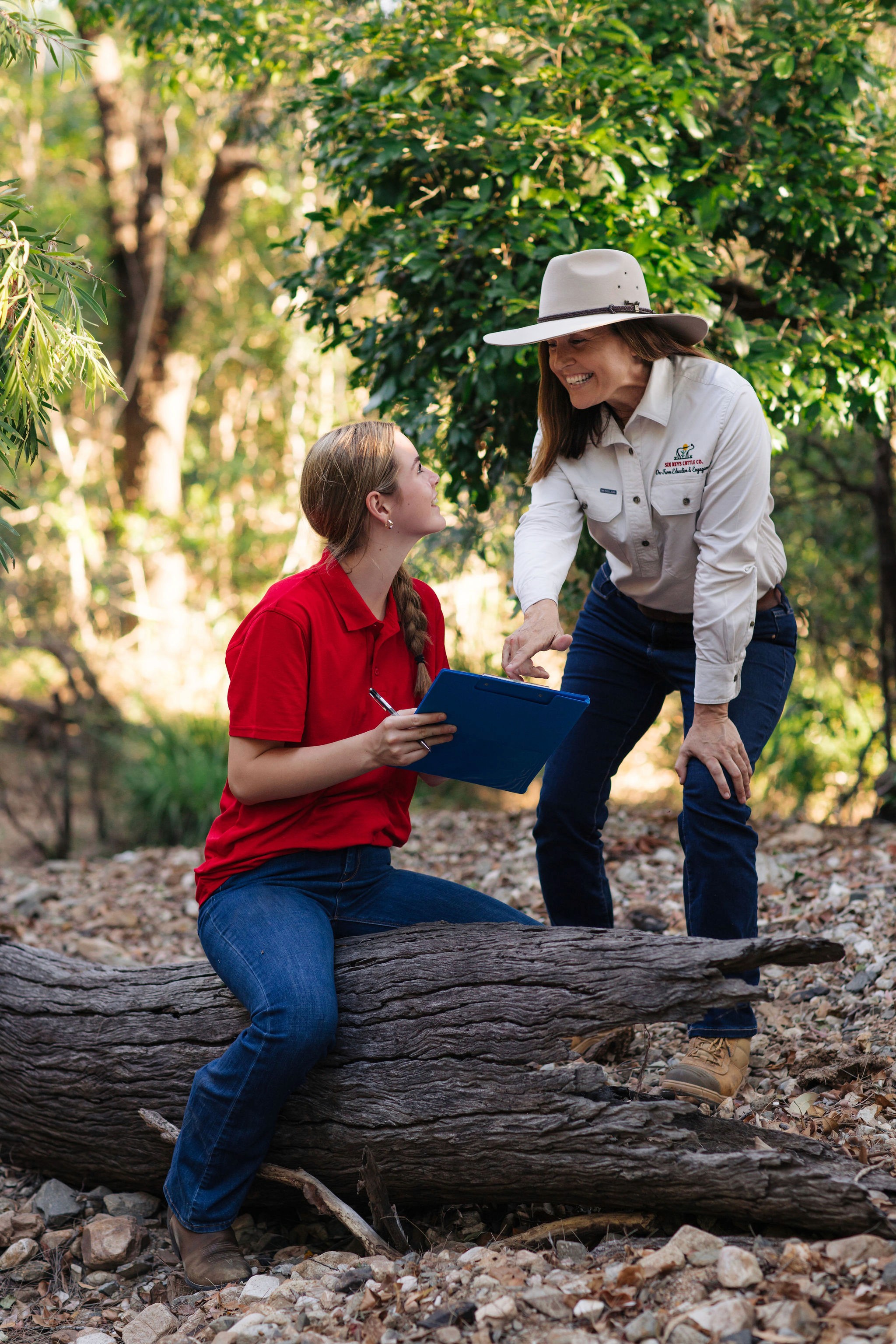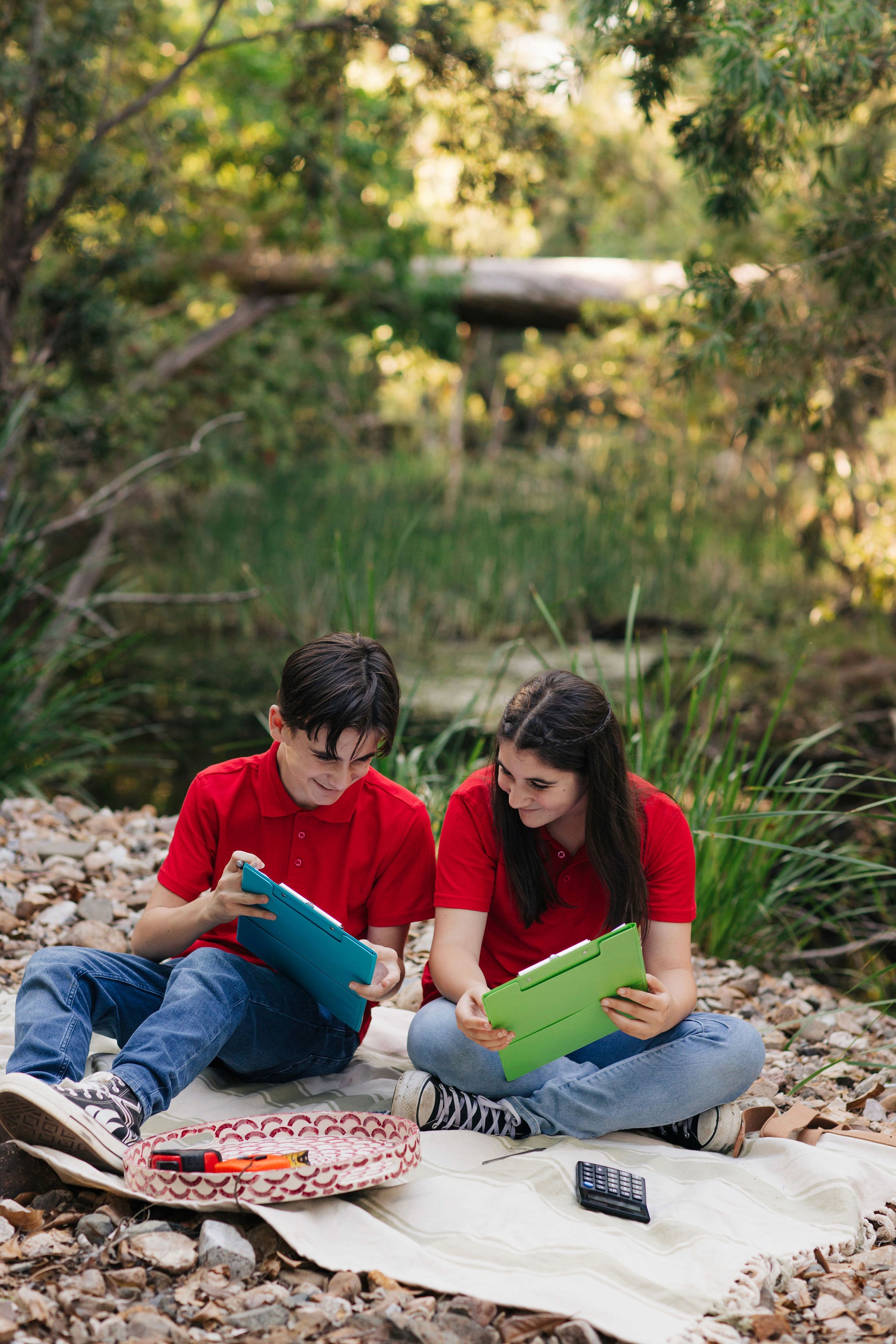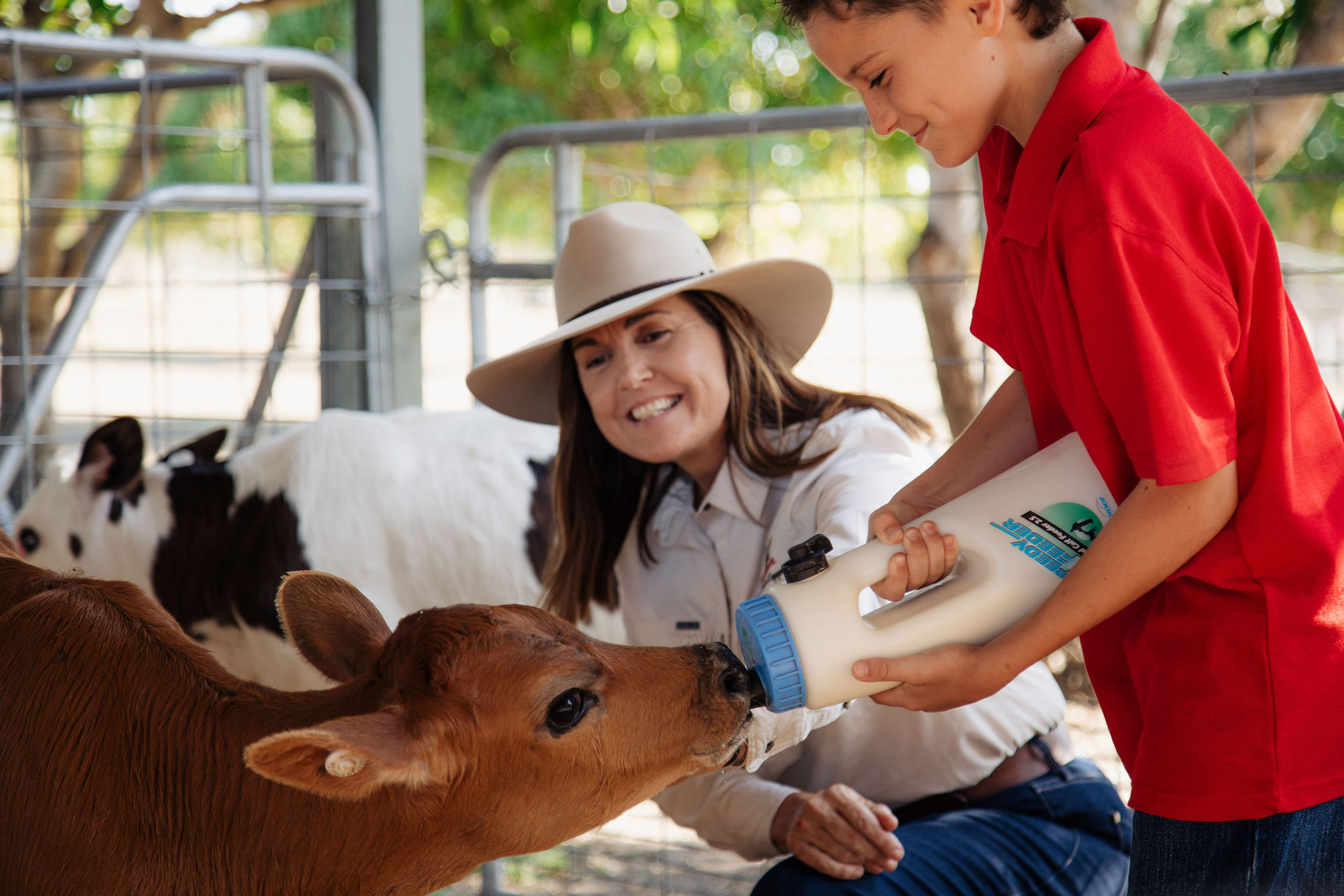
Something shifts in a student when they step onto a working farm. Teachers notice it quickly. The child who fidgets through every lesson, who checks out halfway through an explanation, who needs constant prompting just to stay on task, that same child is often fully present the moment learning becomes tangible and real.
It's not a coincidence.
Educators who bring their classes to on-farm programs consistently report changes in engagement that classroom environments rarely produce on their own. For students who struggle with abstract content, the farm offers something different: learning that moves, that smells, that responds. On a working cattle property, there's no sitting still because the environment doesn't allow for it. Students are observing, doing, asking, and thinking all at once.
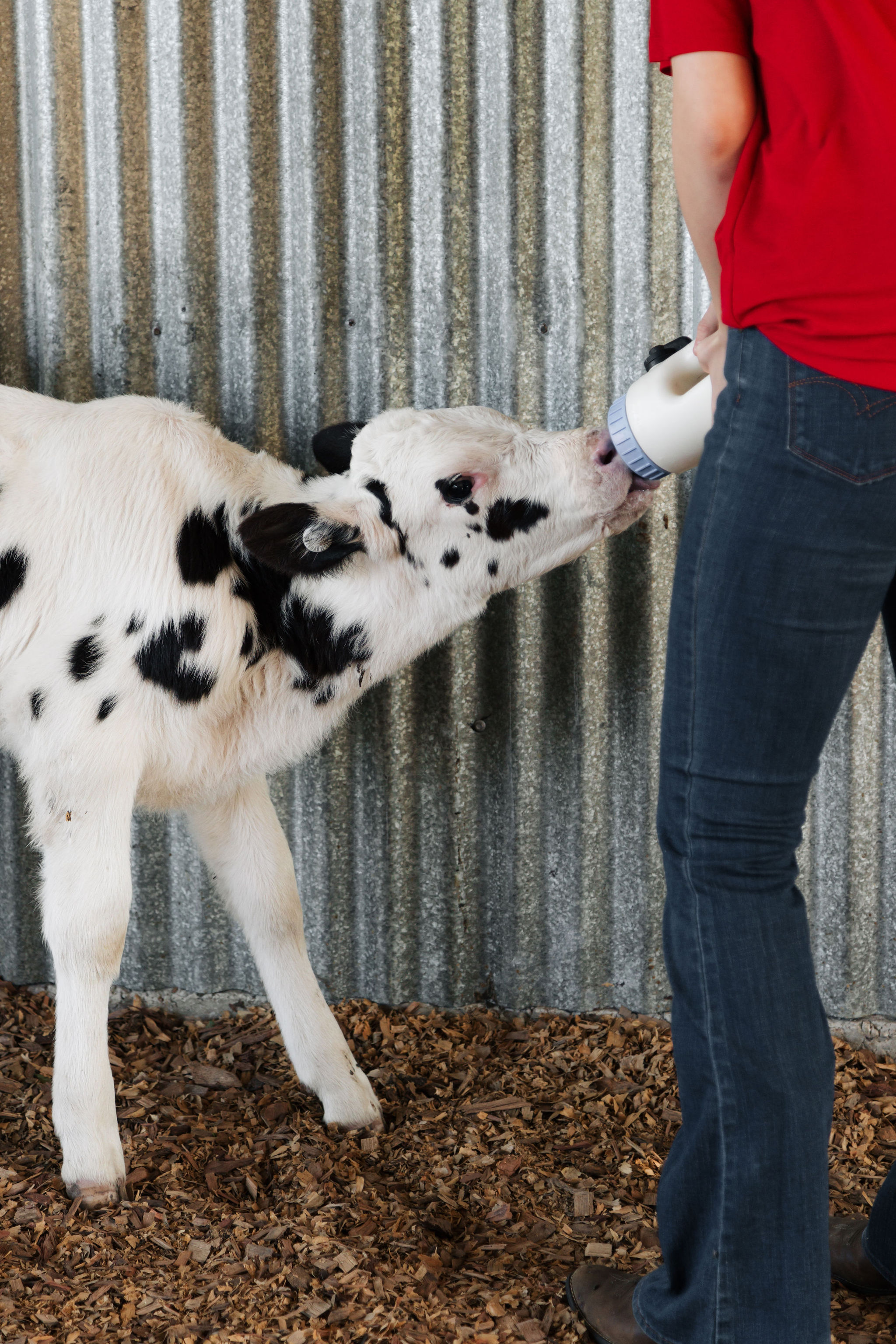
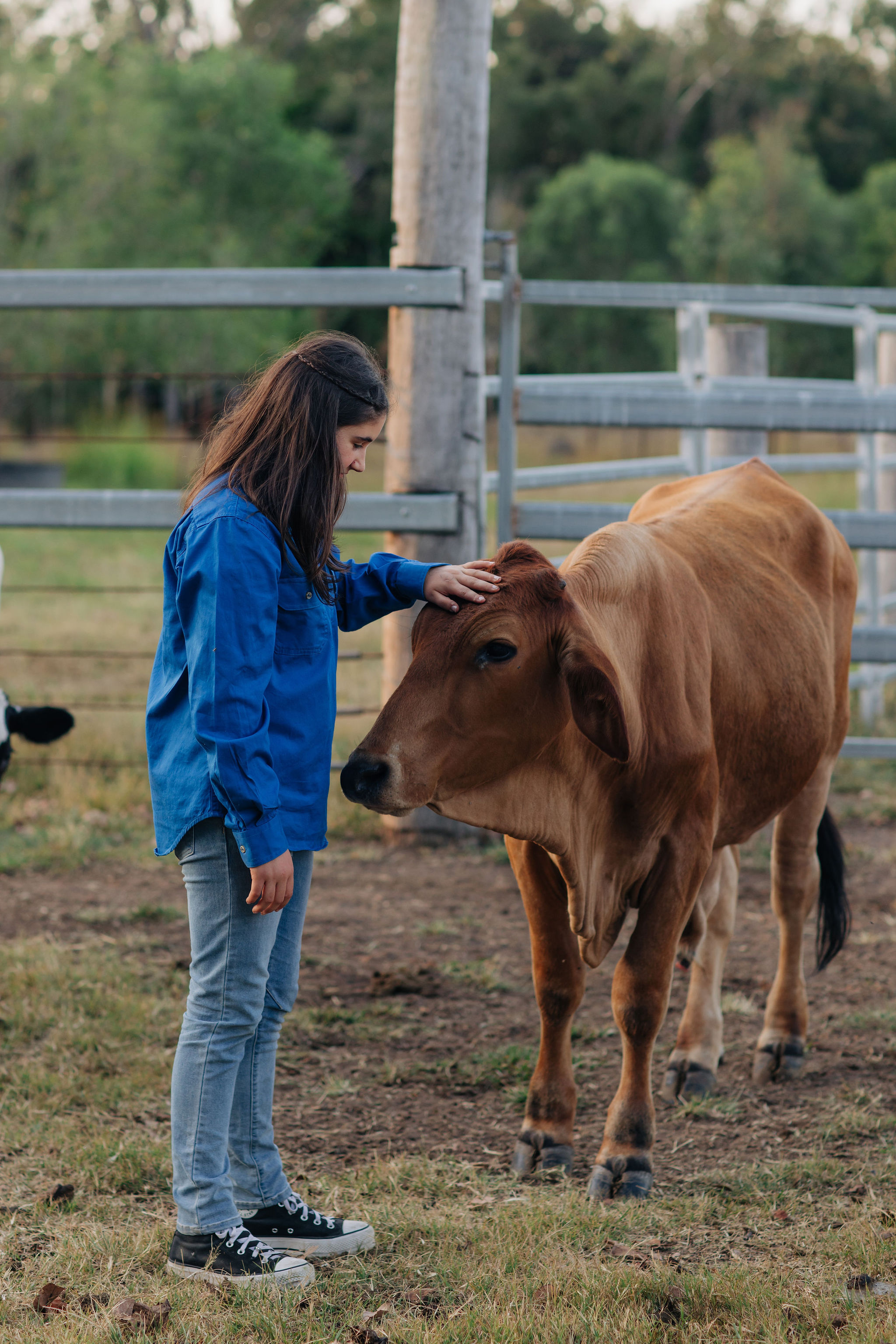
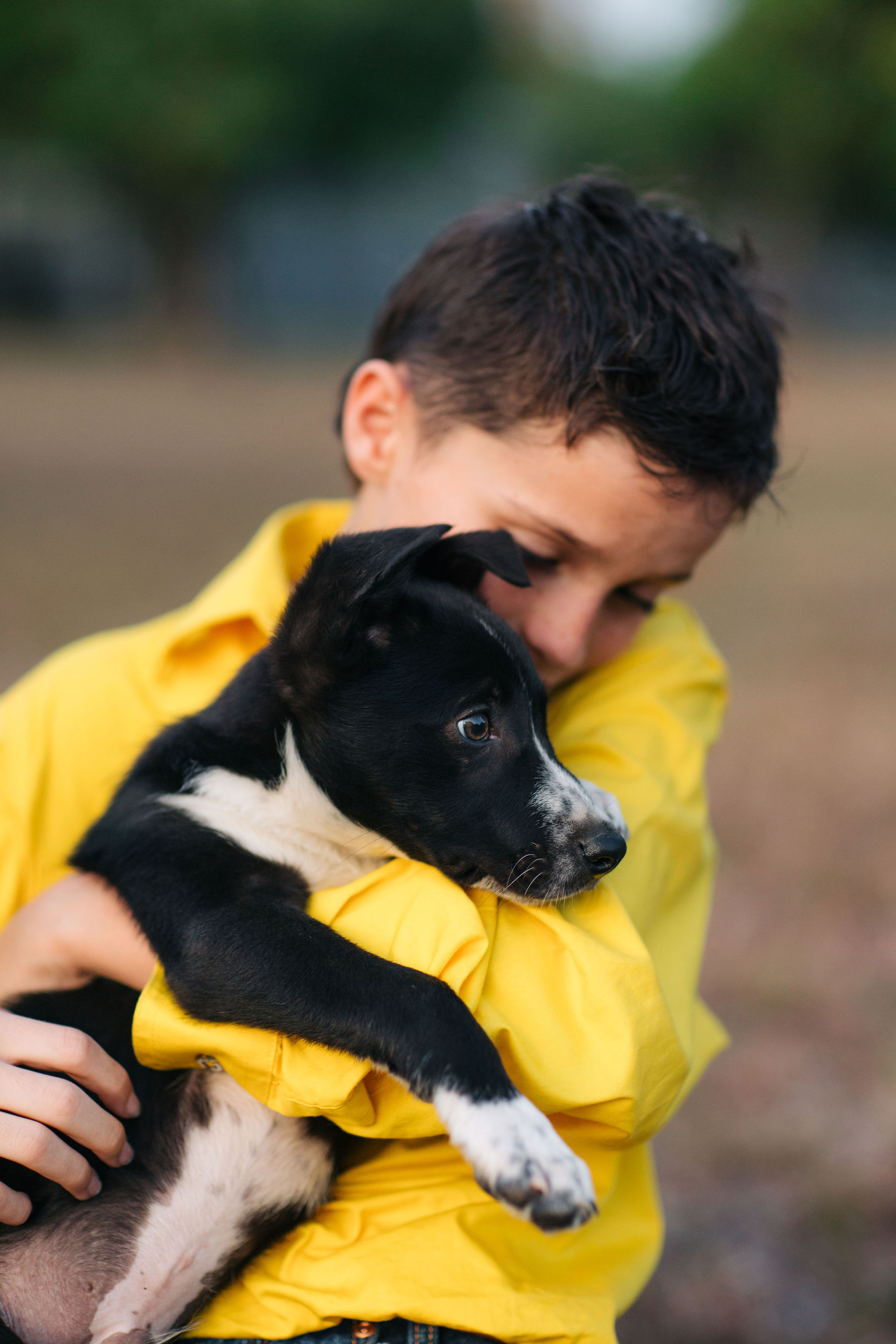
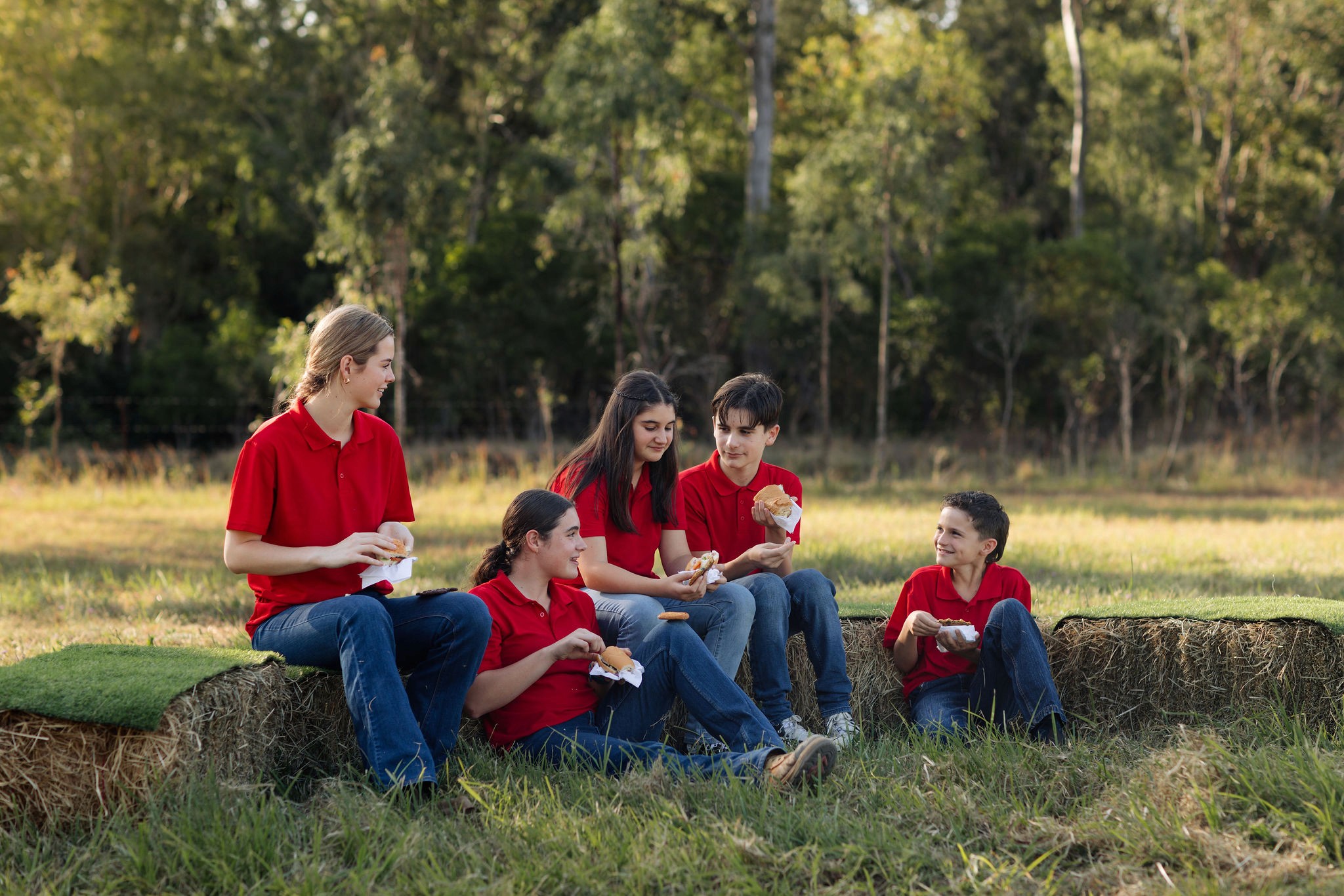
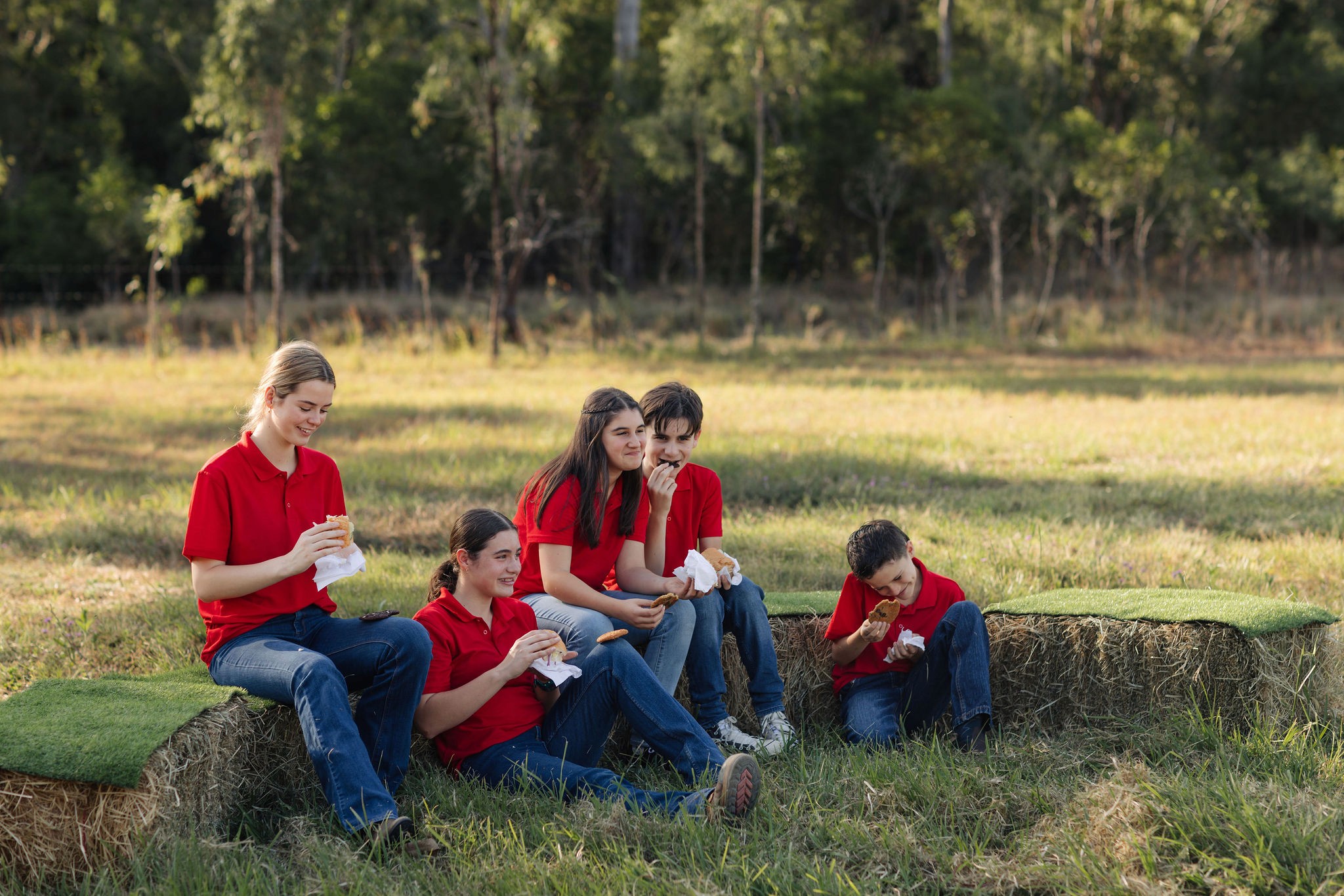
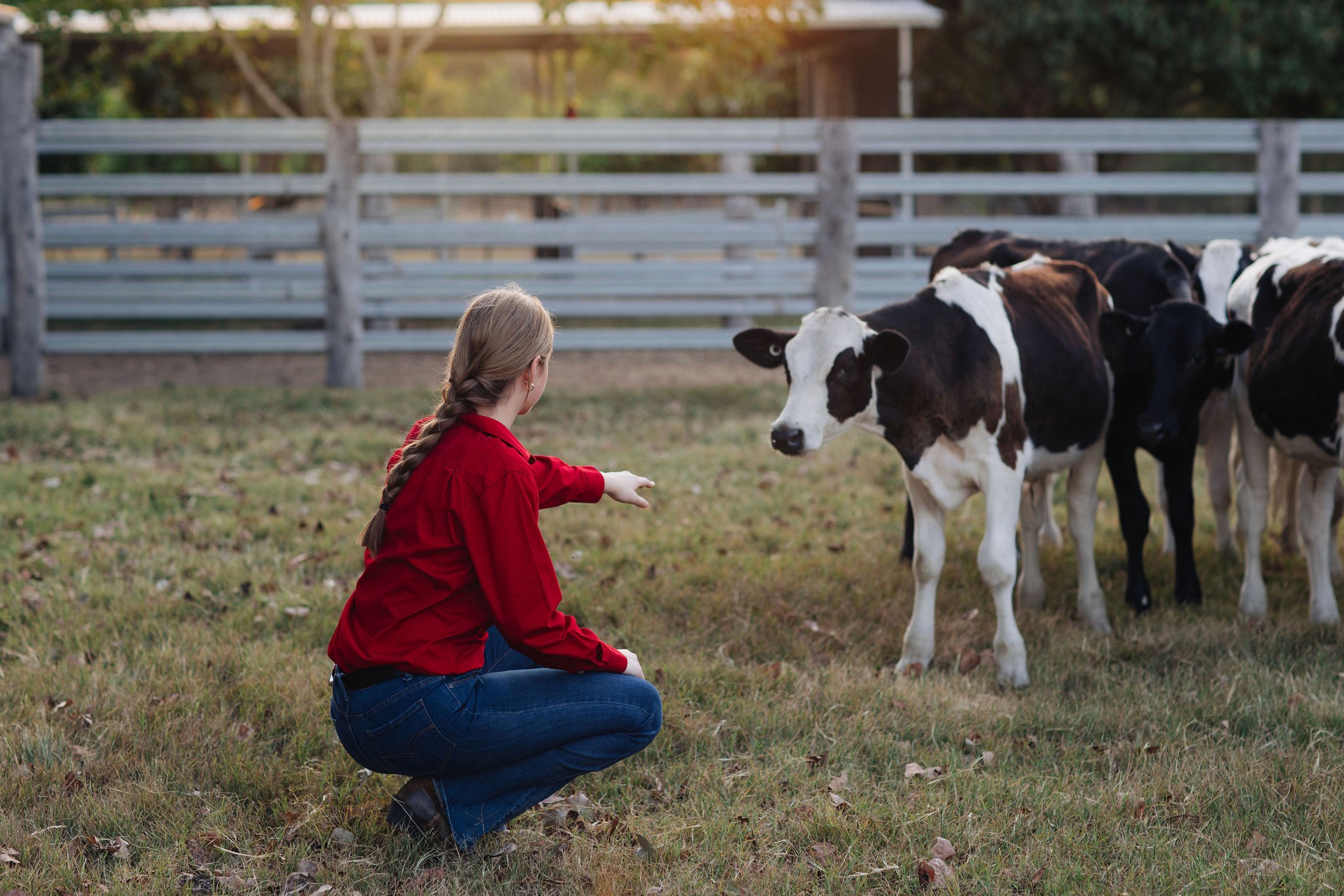
At Six Keys Cattle Co in Central Queensland, teachers see this play out regularly. Students who might otherwise disconnect from learning arrive curious and leave with real confidence. Whether they're observing cattle behaviour, working alongside a kelpie, or understanding how land management decisions affect the whole property, the learning is purposeful and the engagement follows naturally.
Research in outdoor and experiential education supports what these teachers are observing. Studies consistently link hands-on, real-world learning with improved focus, better social behaviour, and reduced anxiety. Time outdoors, particularly in structured, meaningful activity, has been shown to support emotional regulation in ways that benefit students long after the excursion ends.
For many children, the farm is simply the first place where learning has made sense. When students understand the why behind what they're doing, rather than working through content because the curriculum says so, behaviour changes. They listen more carefully. They collaborate without being asked. They stay engaged because they're genuinely interested in what happens next.
Teachers also speak about what follows when students return to school. The curiosity doesn't always disappear at the classroom door. Students carry questions back with them, spark conversations, and approach new content with a different kind of readiness. That ripple effect is difficult to measure but easy to see.
On-farm education isn't designed as a behaviour strategy. But the outcomes educators are reporting suggest it may be one of the more powerful ways to reconnect students with learning itself, inside a living, breathing, bellowing classroom.