Cross-curriculum planning always sounds more straightforward in theory than it turns out to be in practice. The real effort lies in finding authentic connections between learning areas rather than forcing them, and teachers who plan with integrity rather than simply ticking coverage boxes know the difference.
Farm activities are unusual in how genuinely they resist single-subject mapping. The connections aren't constructed. They're already present in what students are actually doing.
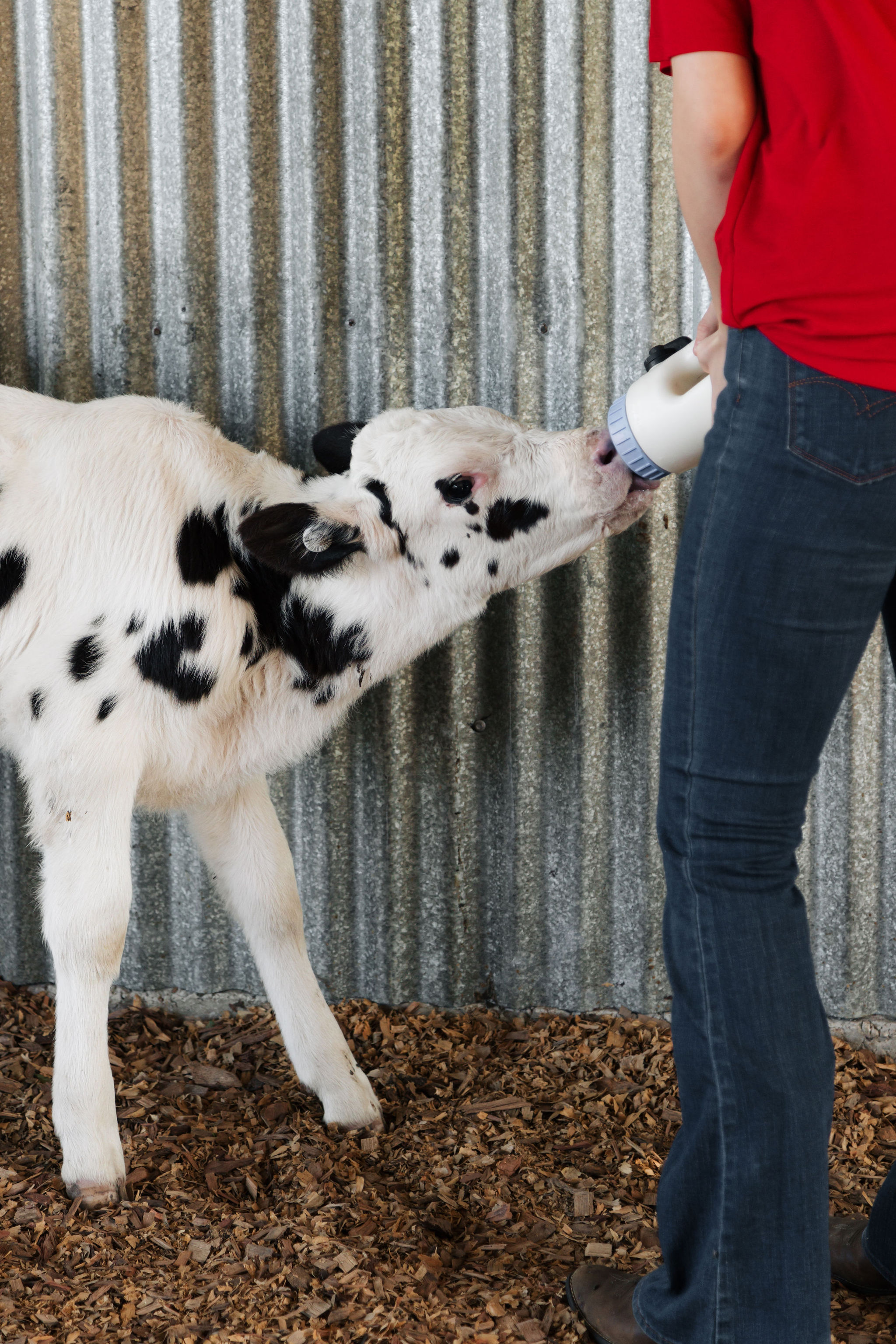
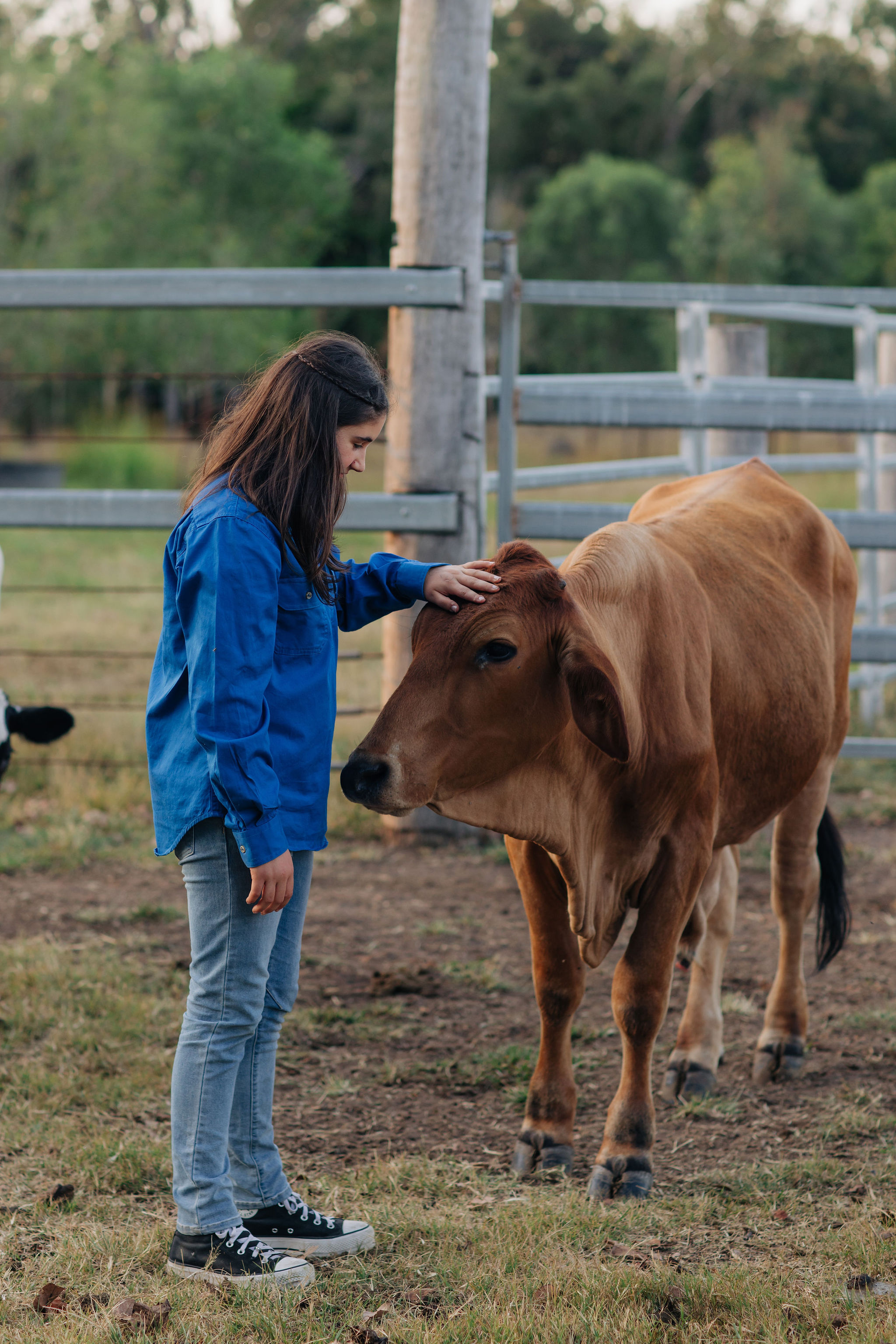
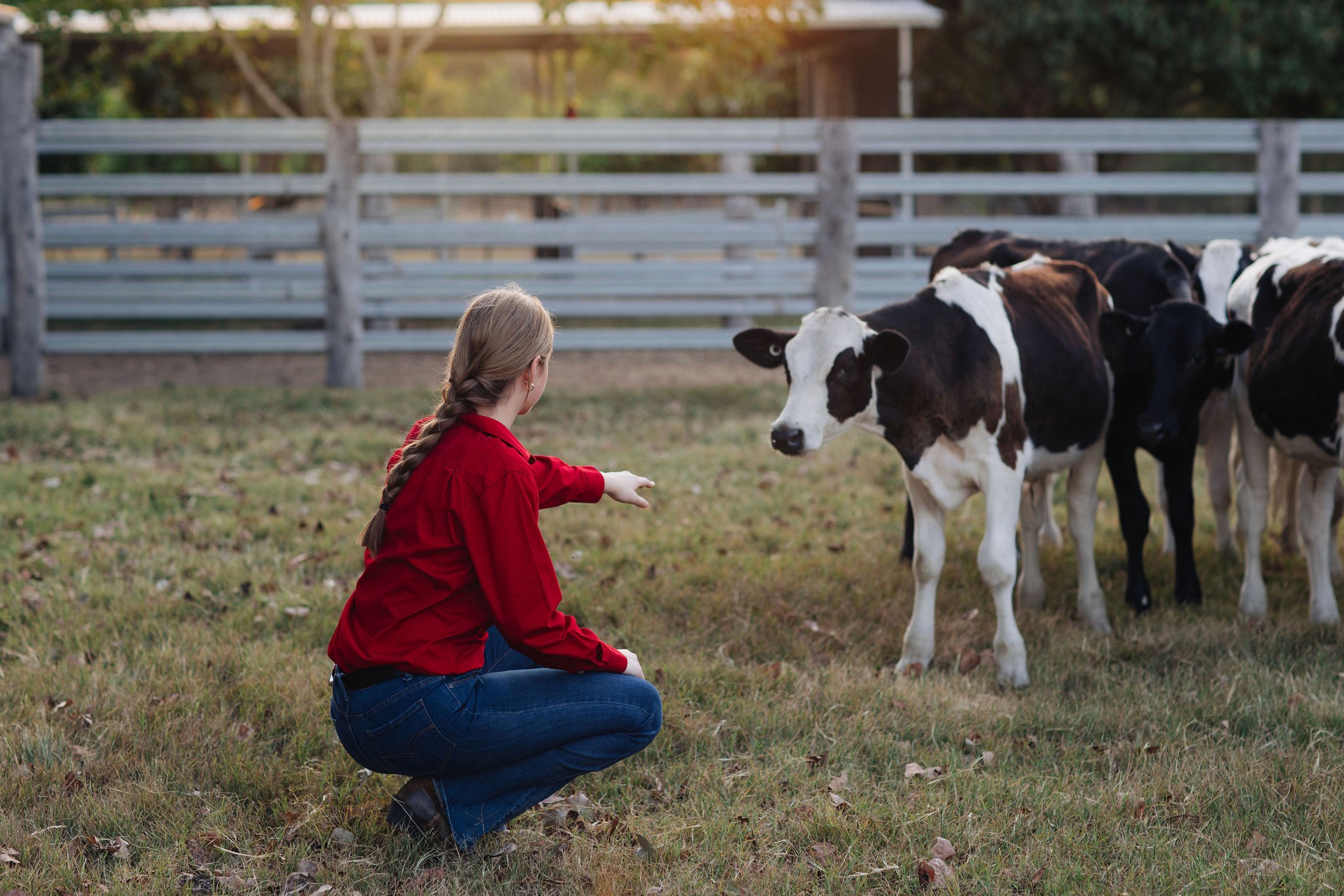
Take a cattle health check at Six Keys Cattle Co in Central Queensland. In terms of the Australian Curriculum Version 9, a single activity draws meaningfully across Science, HASS, and English, not because the links have been manufactured, but as a natural result of what the task involves.
In Science, the activity sits within Biological Sciences. Students observe living things and gather evidence about their condition, consider what healthy animals look like, identify what signs indicate change or concern, and understand how humans support animal wellbeing. At upper primary, this connects to how living systems function and how organisms are classified. At lower primary, it maps directly to observable features of living things and their basic needs.
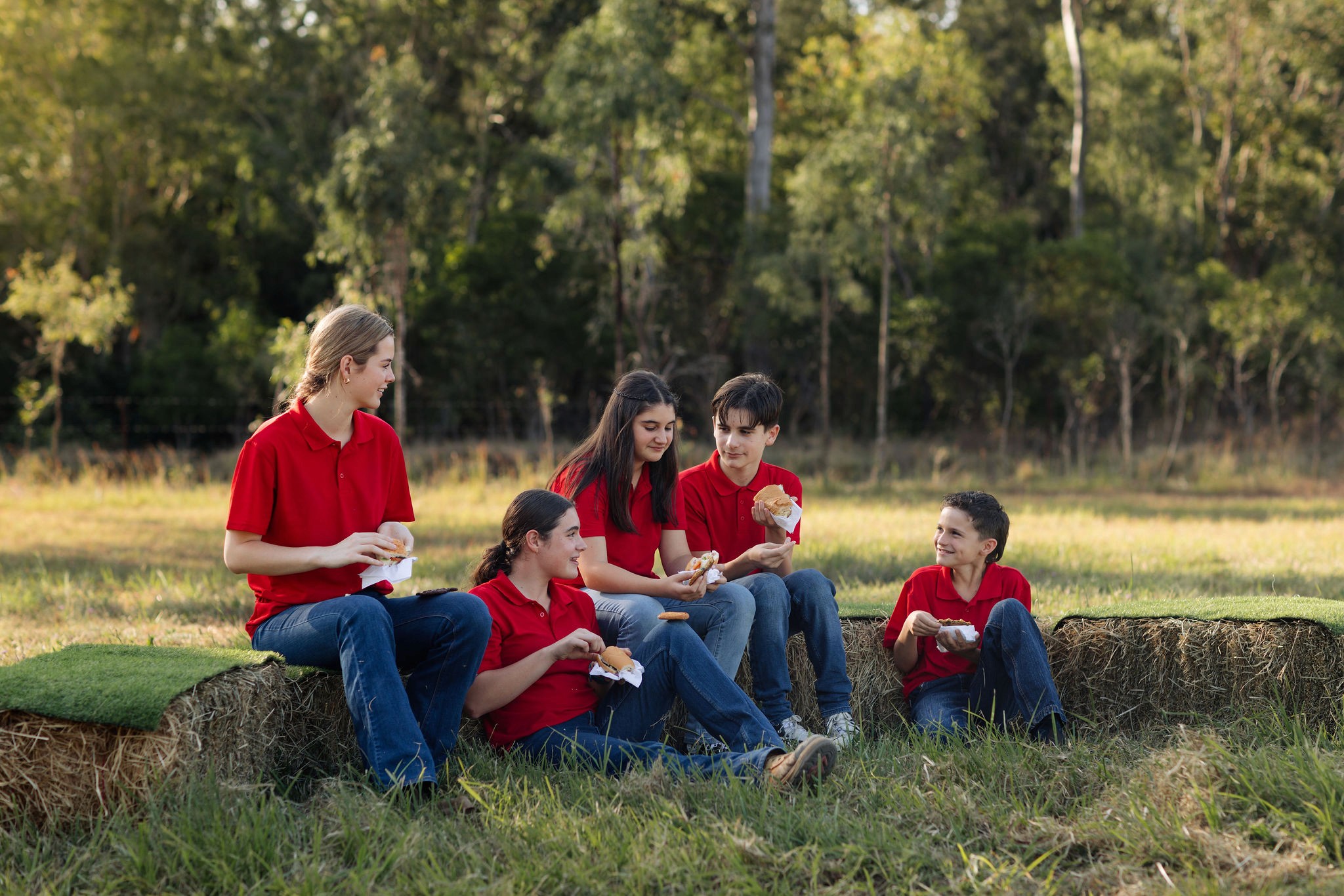
In HASS, the same activity touches on food and fibre production, which runs through both the Geography and Economics and Business strands in Version 9. Students are examining how agricultural work contributes to the Australian economy, how farming decisions reflect values around sustainability and animal welfare, and how the daily work of a cattle farmer connects to what appears on the family table. For Year 3 and 4 students especially, the connections to how people contribute to communities are direct and accessible rather than abstract.
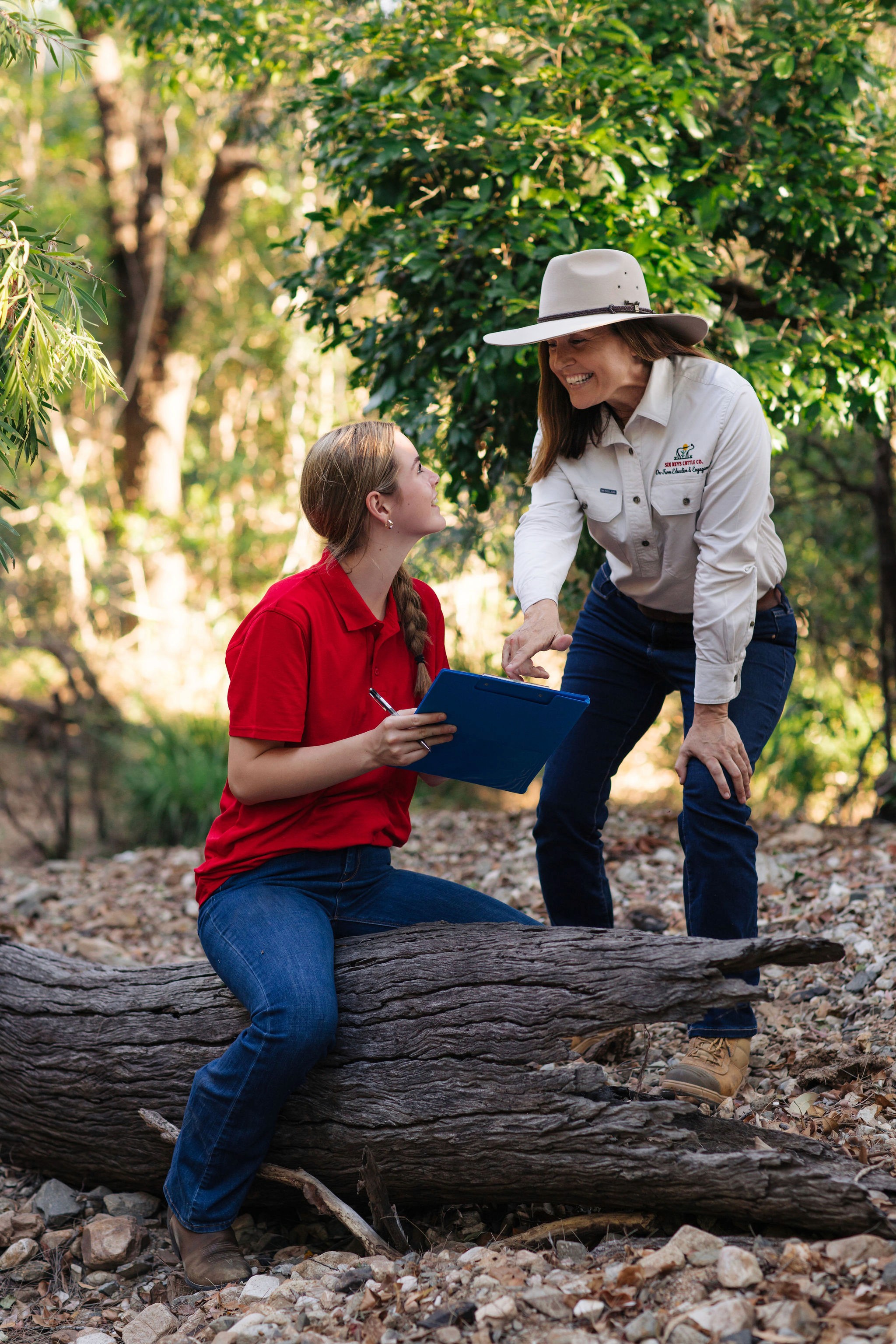
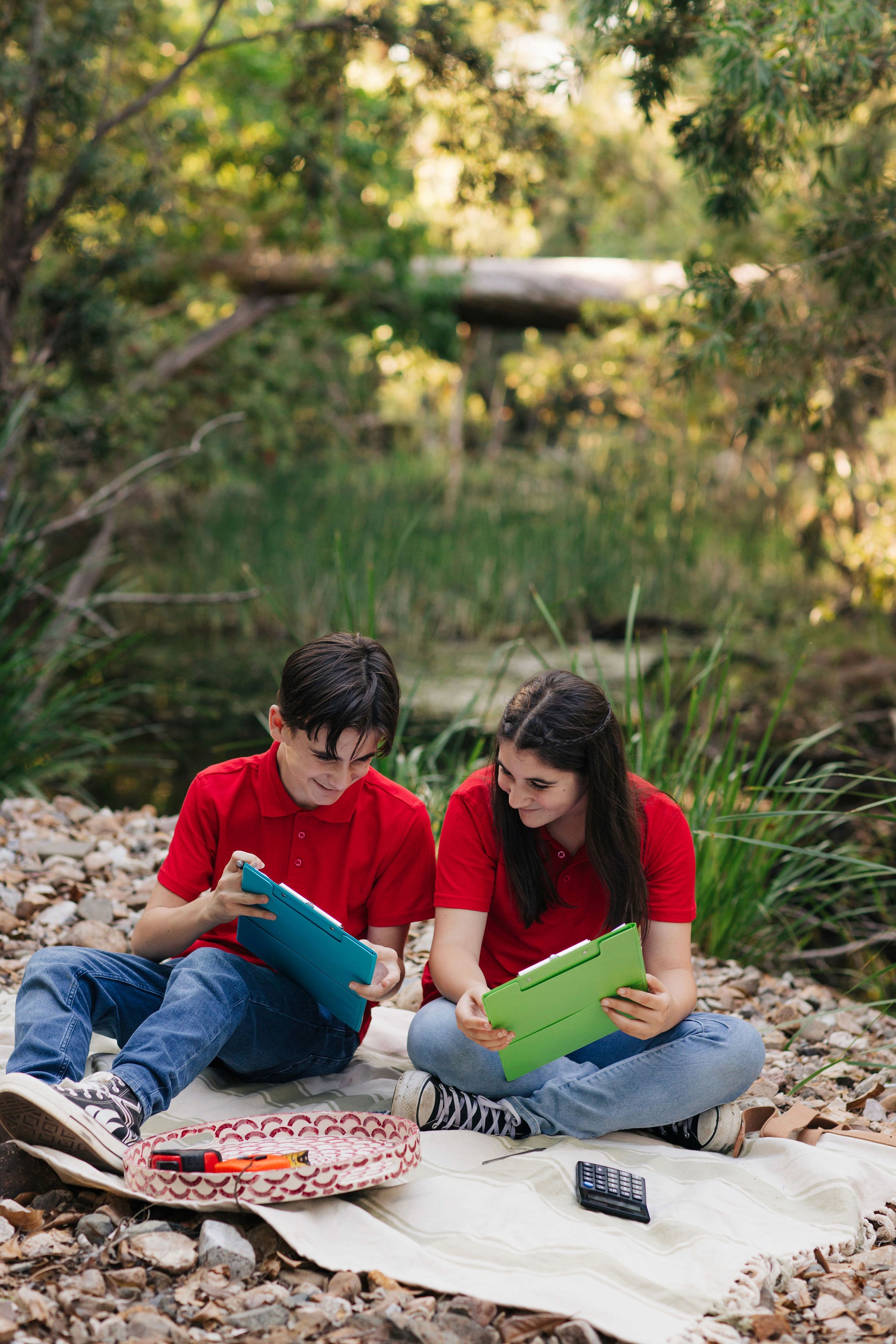
In English, the activity creates genuine opportunities across multiple strands. Students listen to expert explanation and formulate questions in response. They observe and process complex information. When they write or speak about what they witnessed, they're drawing on vocabulary acquired through real immersion, which produces qualitatively different work than a prompt offered without that grounding.
The practical planning move is to identify one farm activity and map it explicitly before the visit. Which content descriptors does this activity genuinely address? What will students experience that creates a foundation for specific classroom tasks when they return?
At Six Keys, programs are designed with curriculum alignment in mind, which means teachers aren't required to manufacture the connections. They're already built into the activities. The planning task shifts from finding links to deciding which ones to document and develop into post-visit work.
One activity. Three learning areas. The farm does most of the heavy lifting.