"It was fun" is a social response, not a learning one. It's what students say when the question hasn't given them anywhere better to go. The familiar post-excursion circle, where a teacher asks what everyone thought and gets a sequence of affirmative one-liners back, is a ritual of closure rather than a genuine learning activity. Nobody is being asked to think. They're being asked to perform appreciation. The question was too open, too comfortable, and too easy to answer without accessing anything that actually happened.
Good debrief questions work differently. They narrow the field of response enough that students have to return to specific moments rather than summarise general impressions. They create a small amount of productive difficulty, asking students to connect, compare, or account for something rather than simply recall. And they leave enough room that the answers aren't obvious, which means students who usually stay quiet might have something worth contributing.
Questions that land well after a farm visit tend to share a few qualities. They're grounded in what students actually experienced rather than generic. They surface something that wasn't explicitly taught, asking students to make an inference from what they observed. And they invite some degree of surprise or uncertainty, because that's where genuine thinking tends to start.
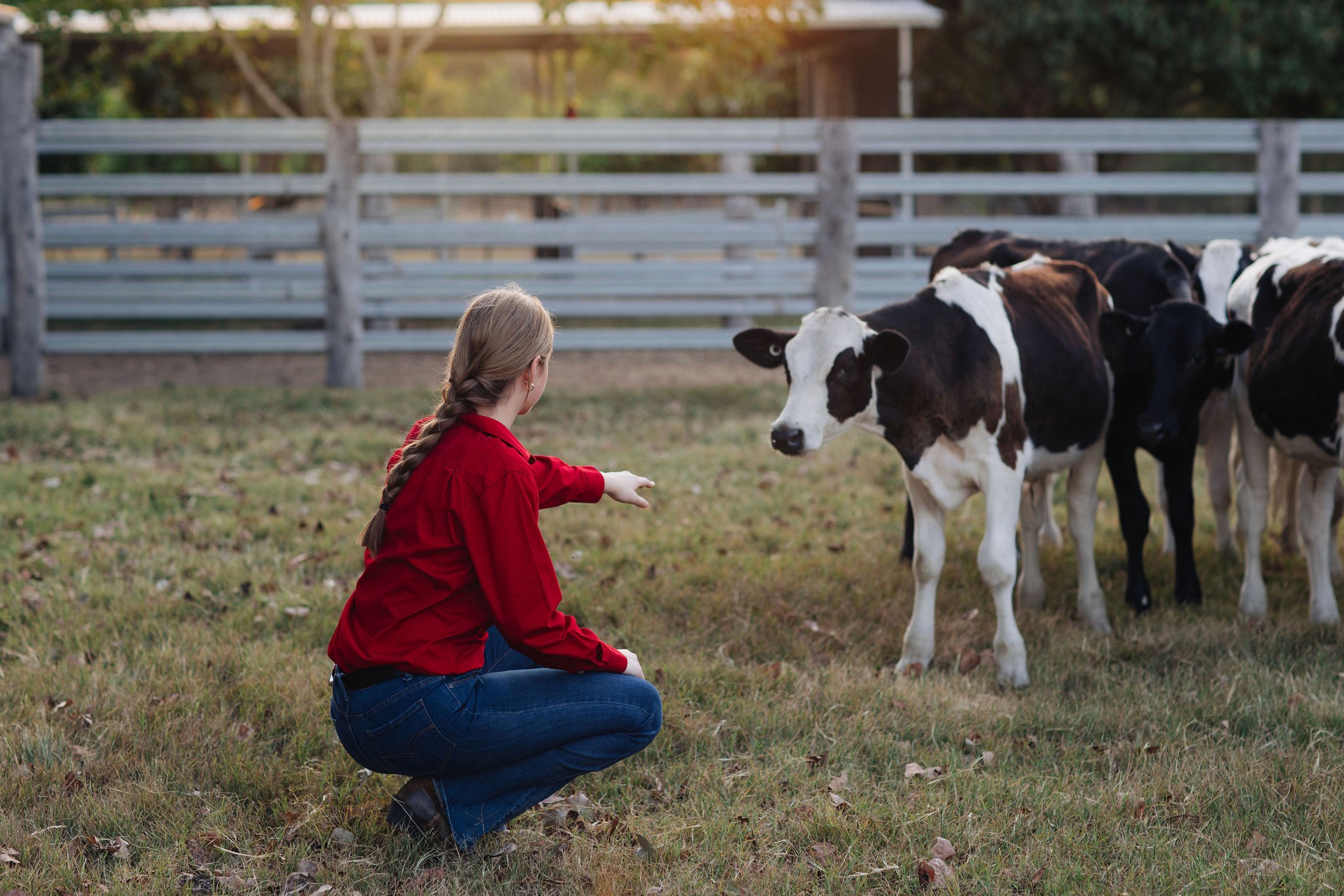
"What did you notice about how the cattle moved that we didn't expect?" works considerably better than "What did you learn about cattle today?" The first question asks students to return to a specific moment and interpret it. The second asks them to produce a summary.
"What's one thing that didn't work the way you thought it would?" is worth asking because it targets productive dissonance. Students who were wrong about something, who found a task harder than they expected, or who watched an animal do something they couldn't explain, have more to say in response to this kind of question than students who found everything straightforward.
"What question do you have now that you didn't have before?" reveals what the experience opened rather than what it simply confirmed. Students who arrive at a question of their own are significantly more likely to pursue it independently, in the classroom and beyond.
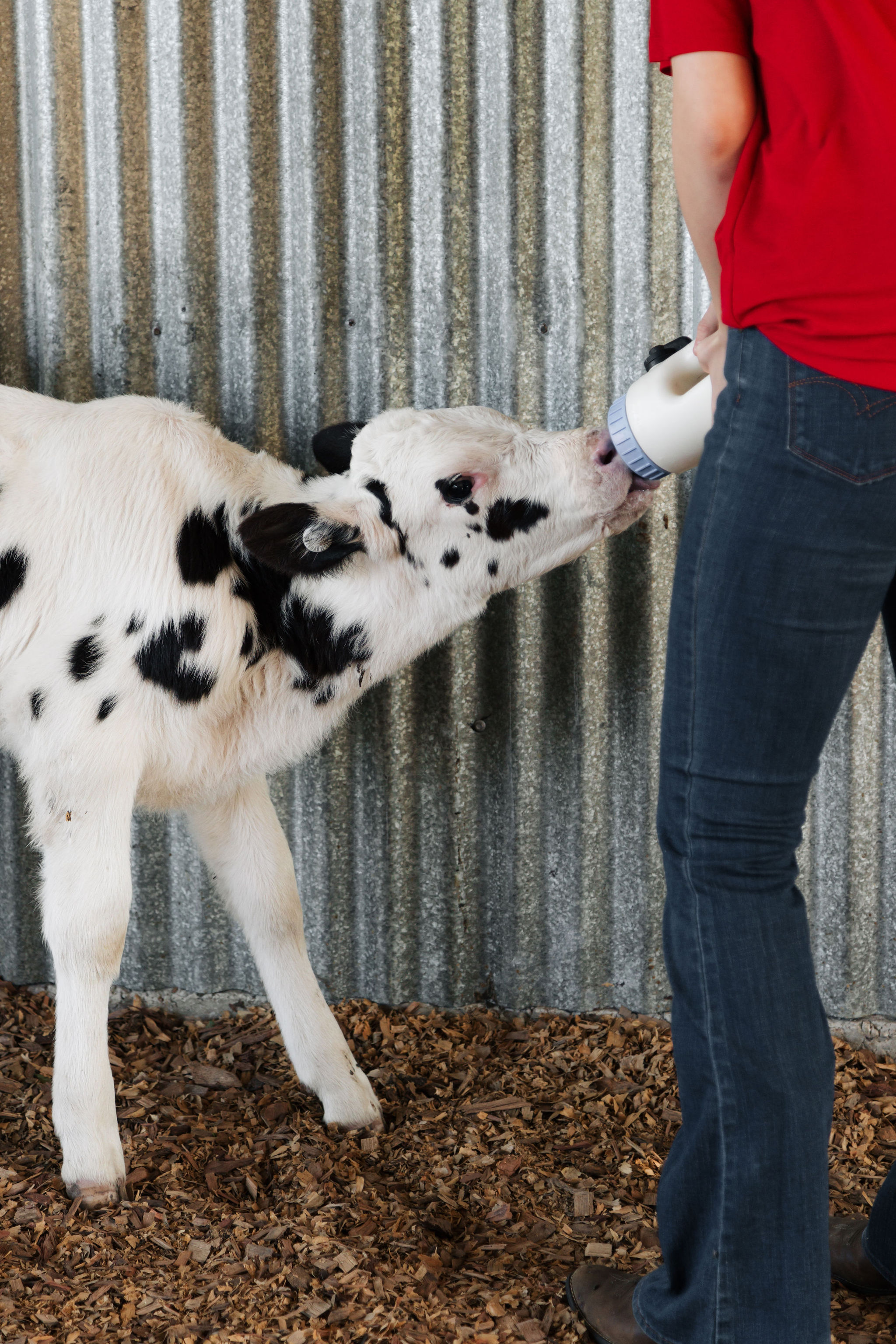
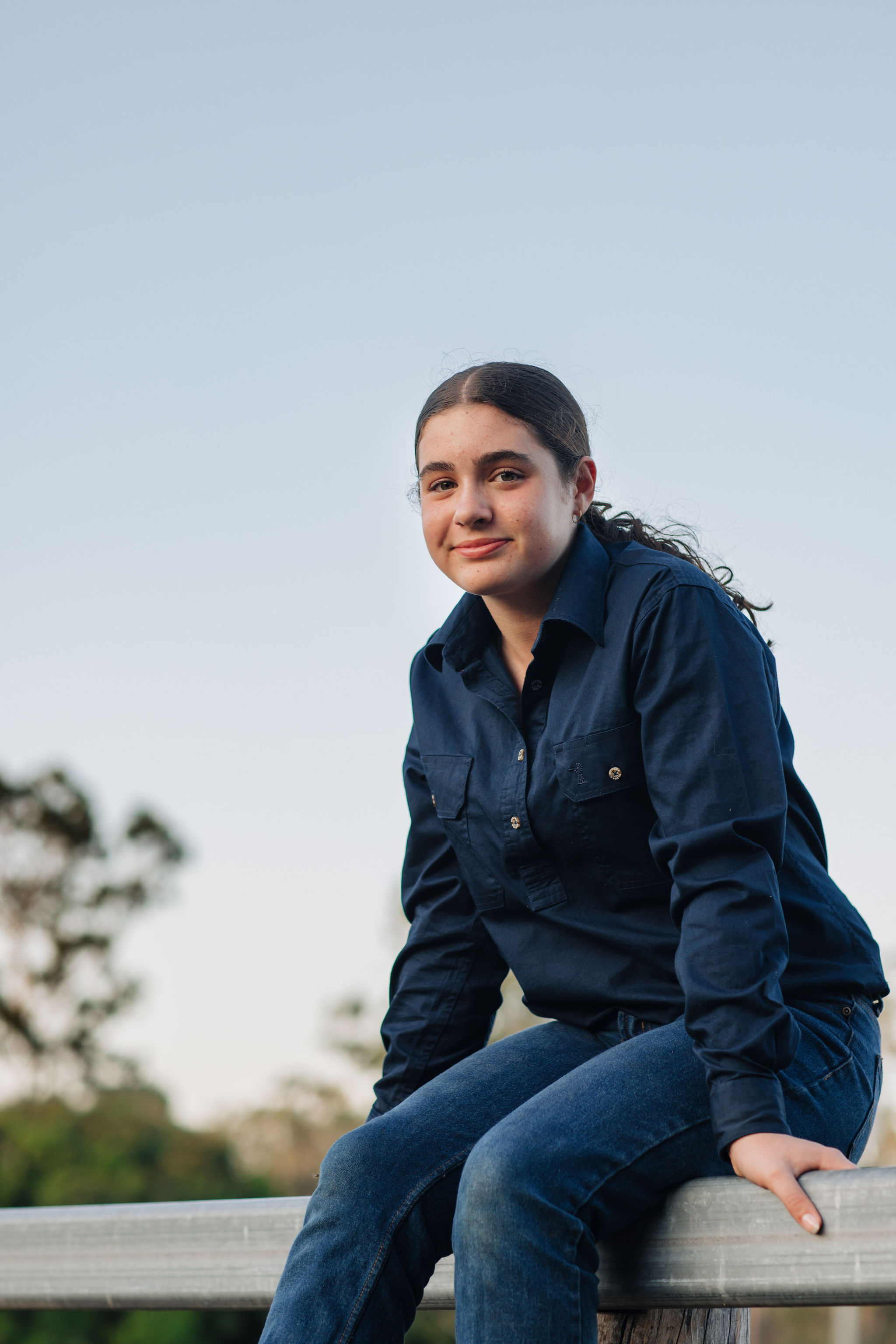
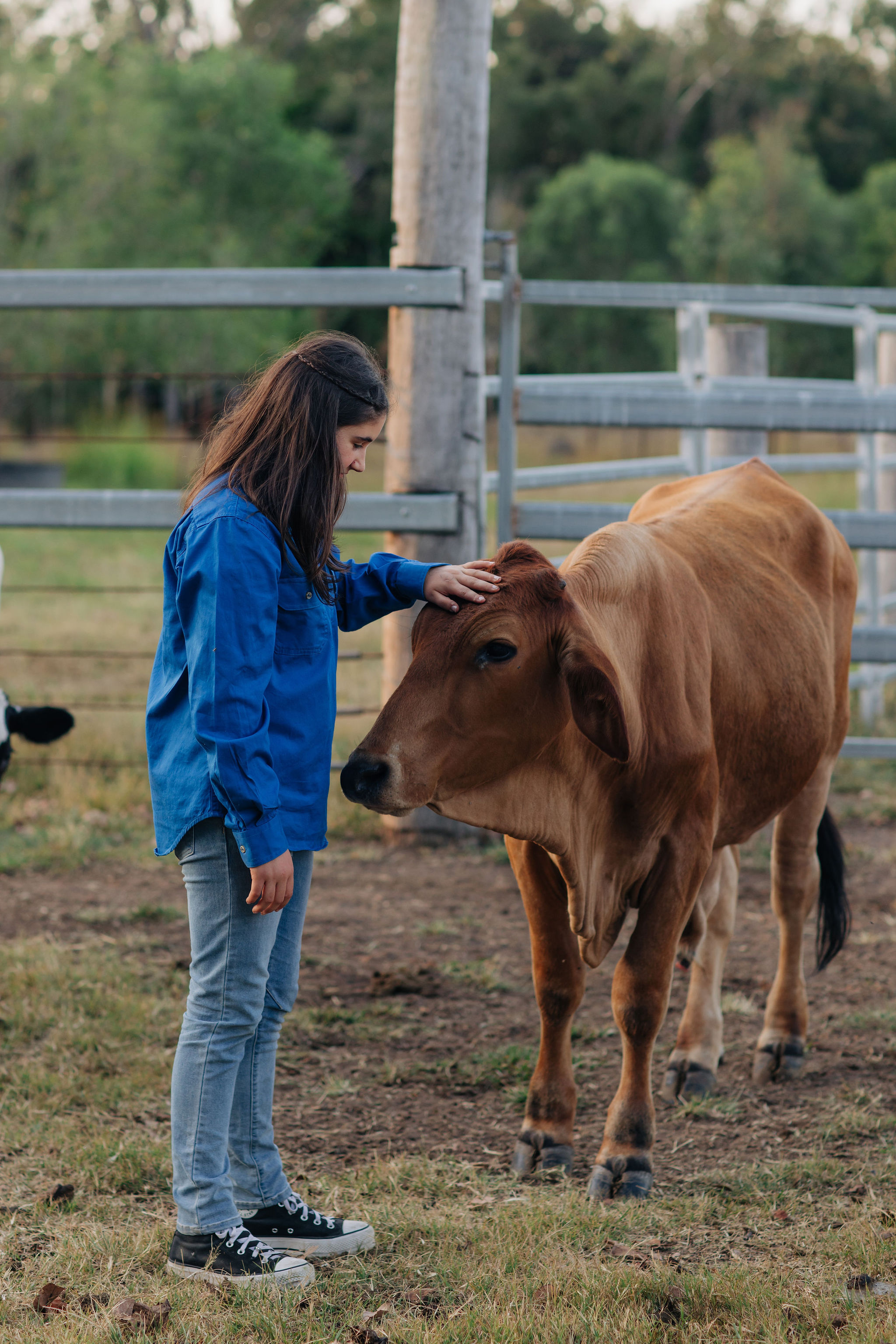
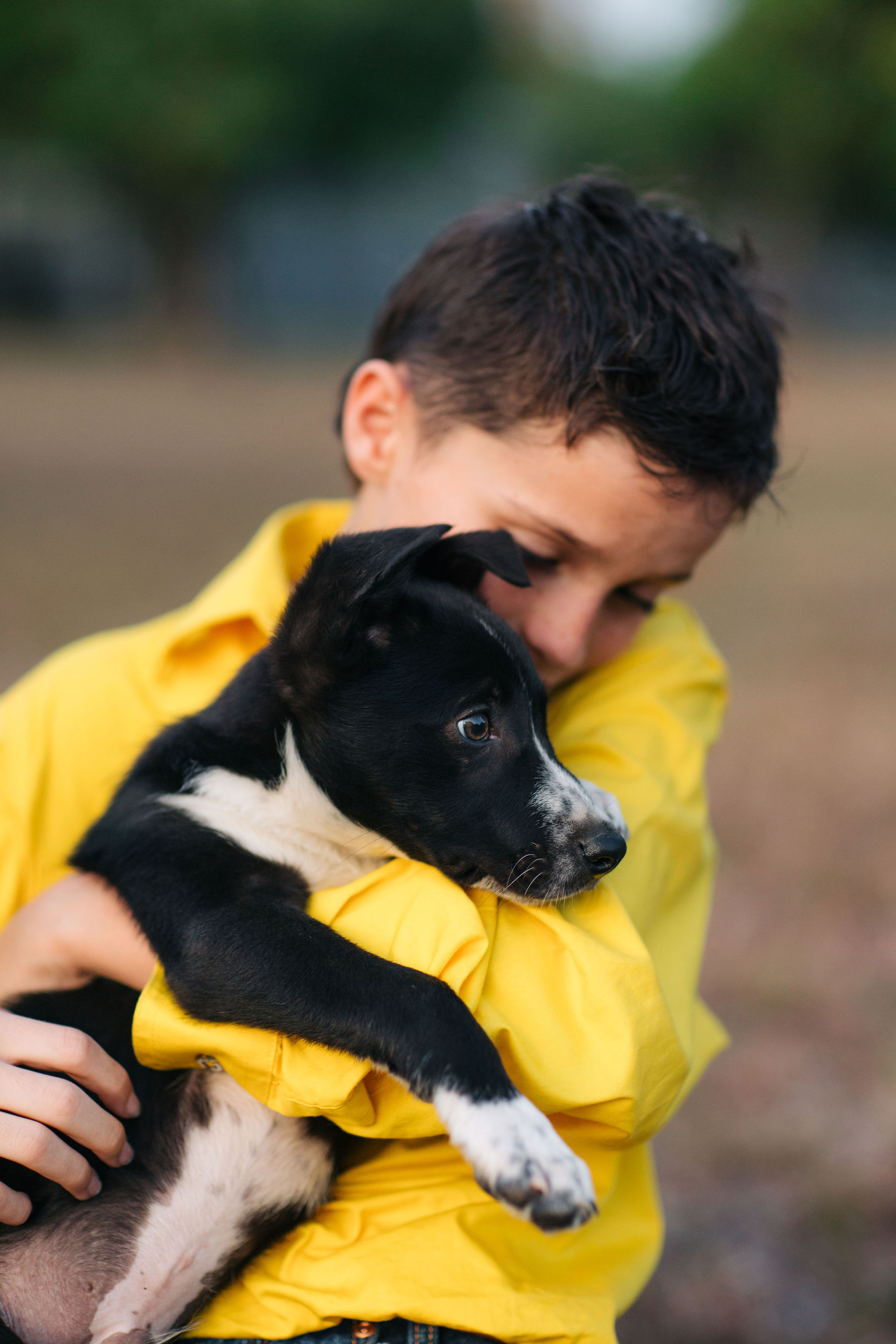
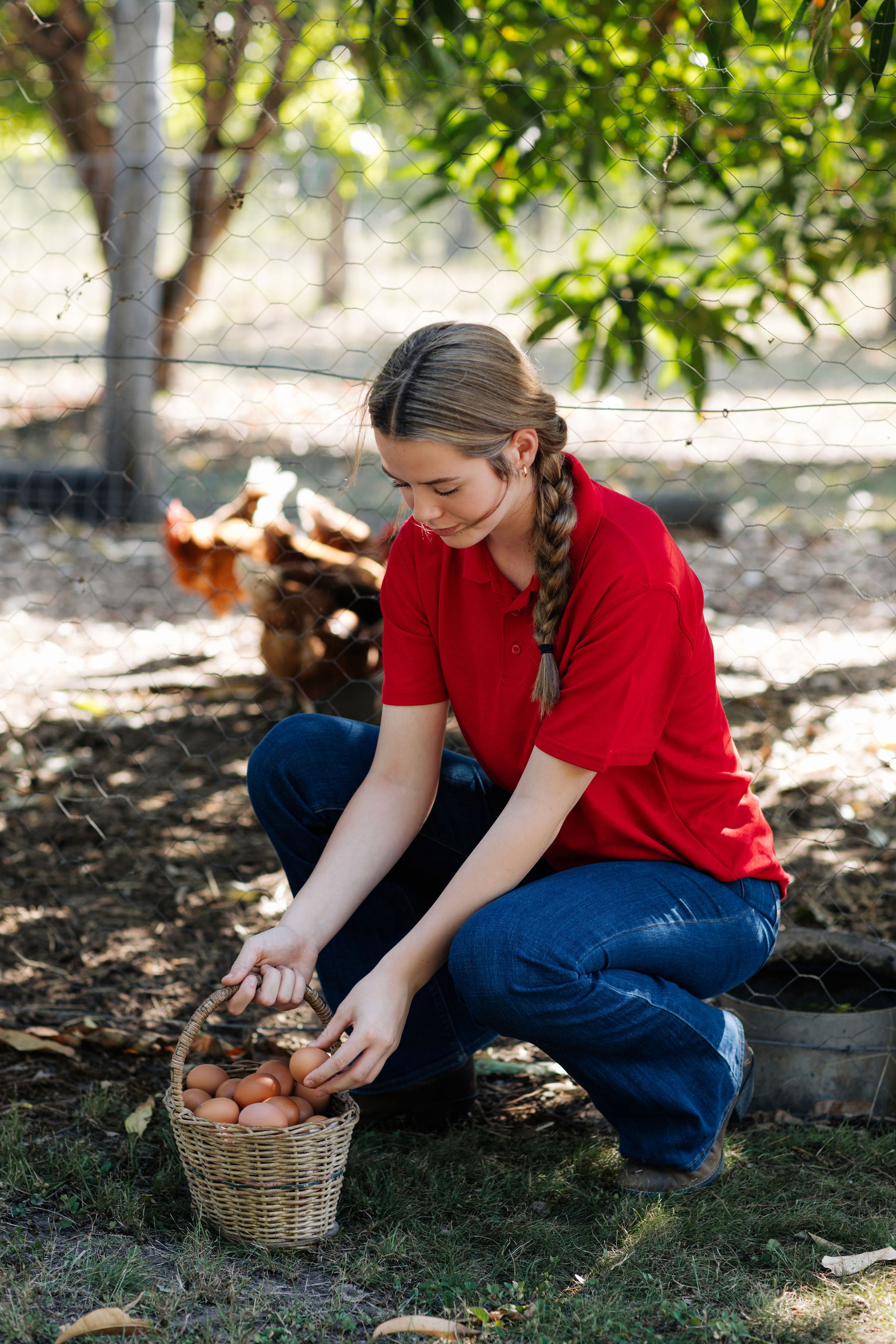
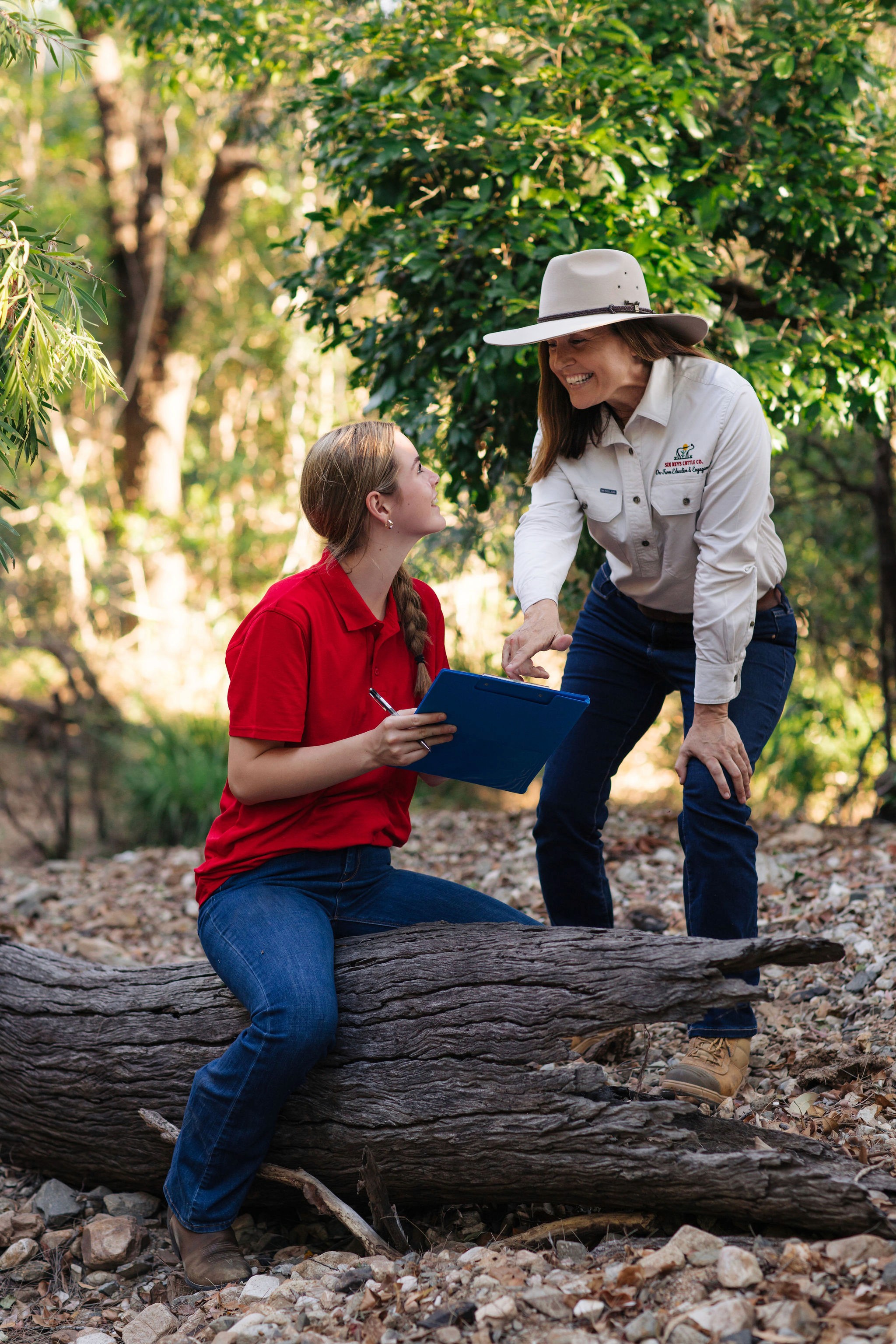
At Six Keys Cattle Co, student programs generate enough specific, sensory, and surprising material that a well-framed debrief produces conversations of real substance. Students have been in genuine situations, made real decisions, and encountered things they couldn't have anticipated. The experiences are already there.
The questions are what bring them out.
"It was fun" usually means the debrief question wasn't interesting enough. That's entirely fixable.