Empathy is often treated as a character trait rather than a skill, something children either have or don't, as though it arrived with them and can't be meaningfully developed. The reality is that empathy builds through practice in specific kinds of situations, and some situations are considerably better suited to building it than others.
Animal care is one of the more effective of those situations, and in ways worth examining closely.
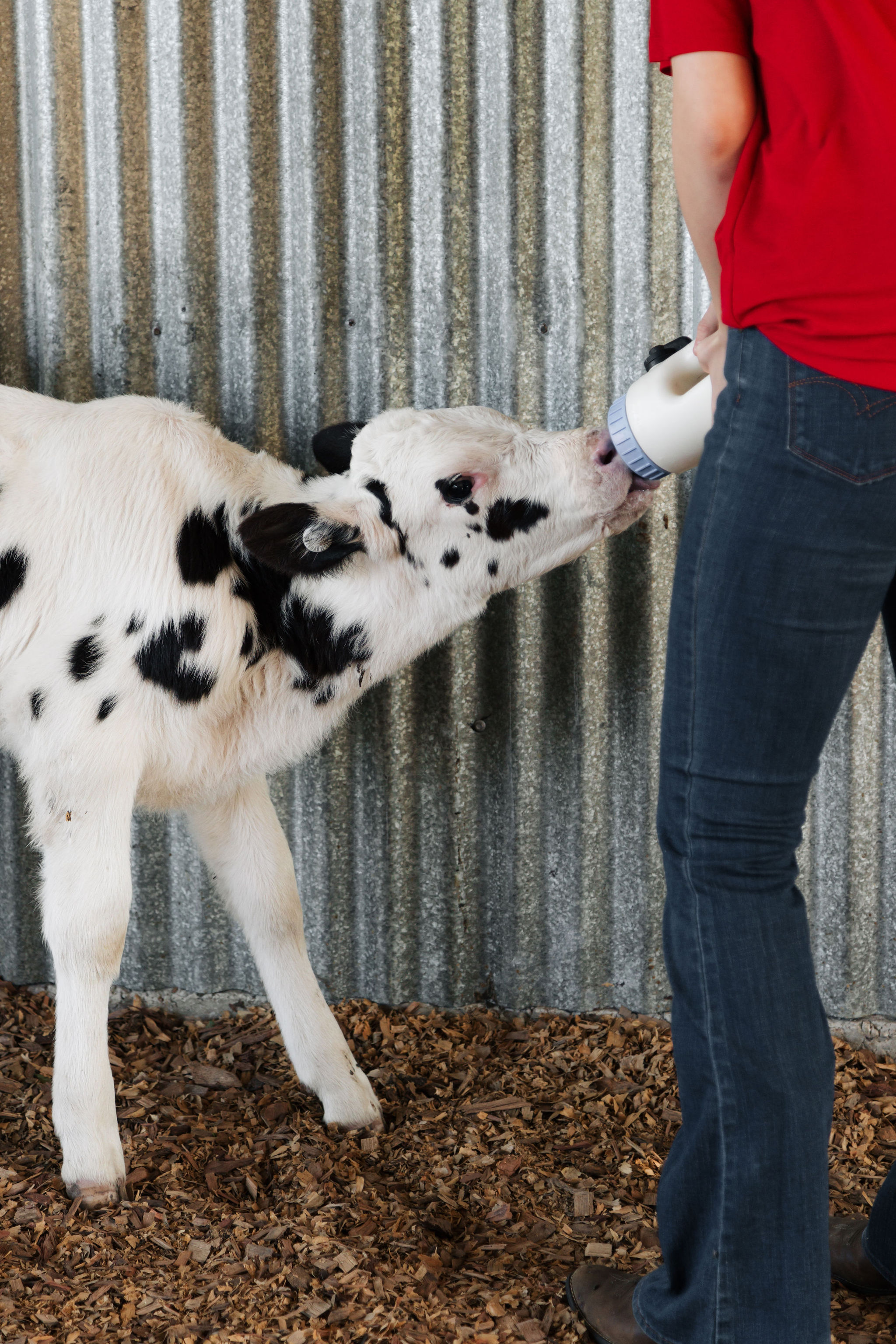
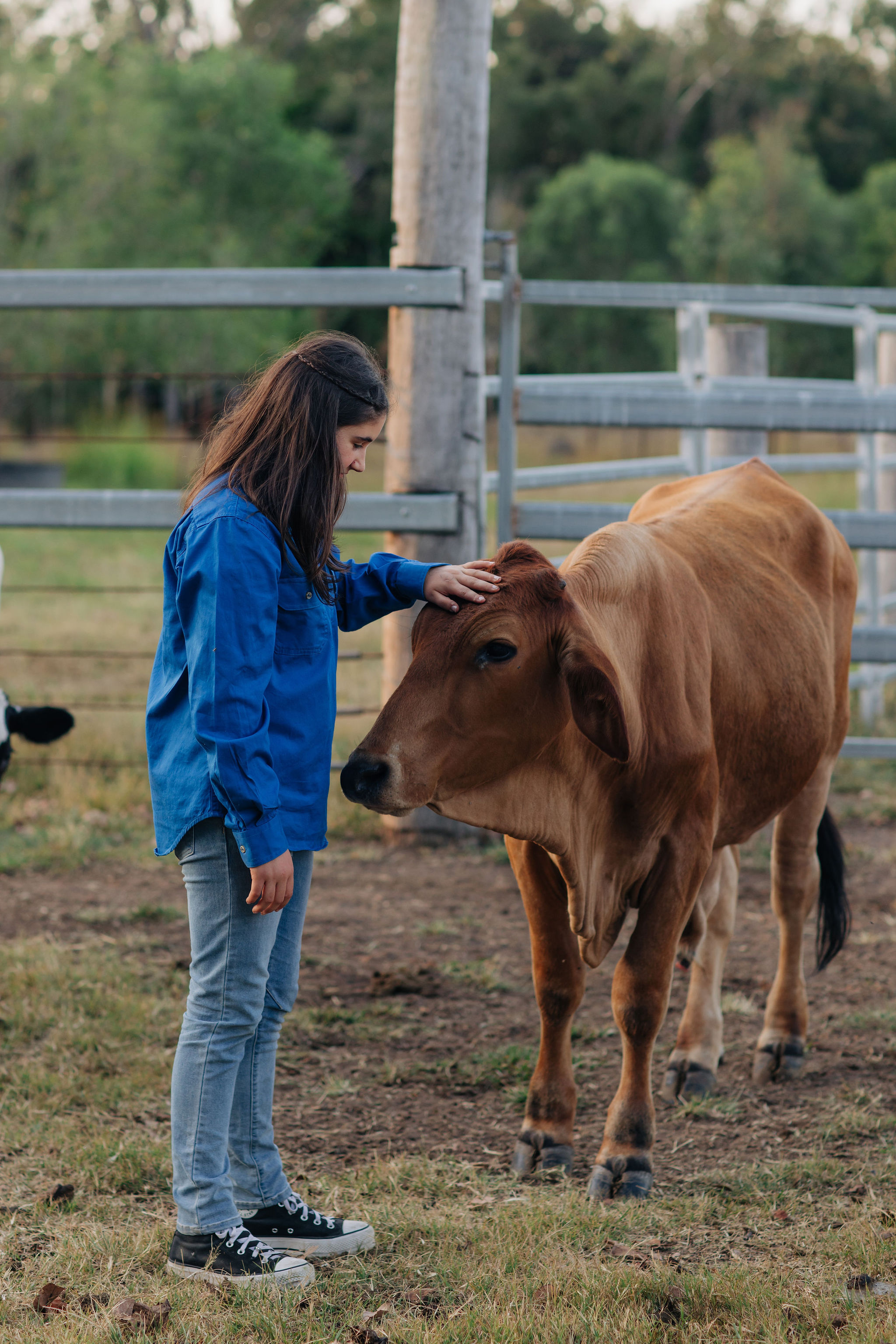
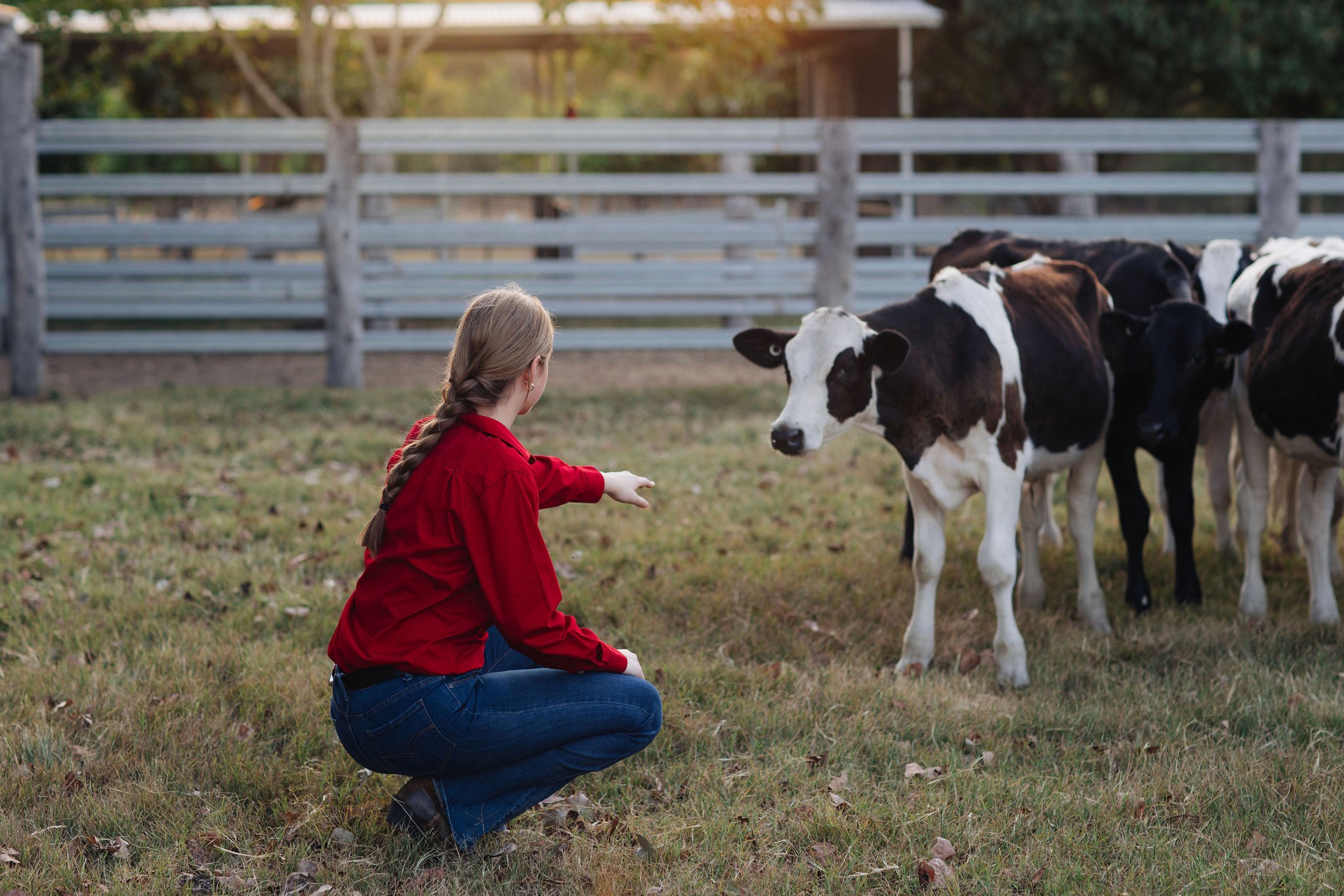
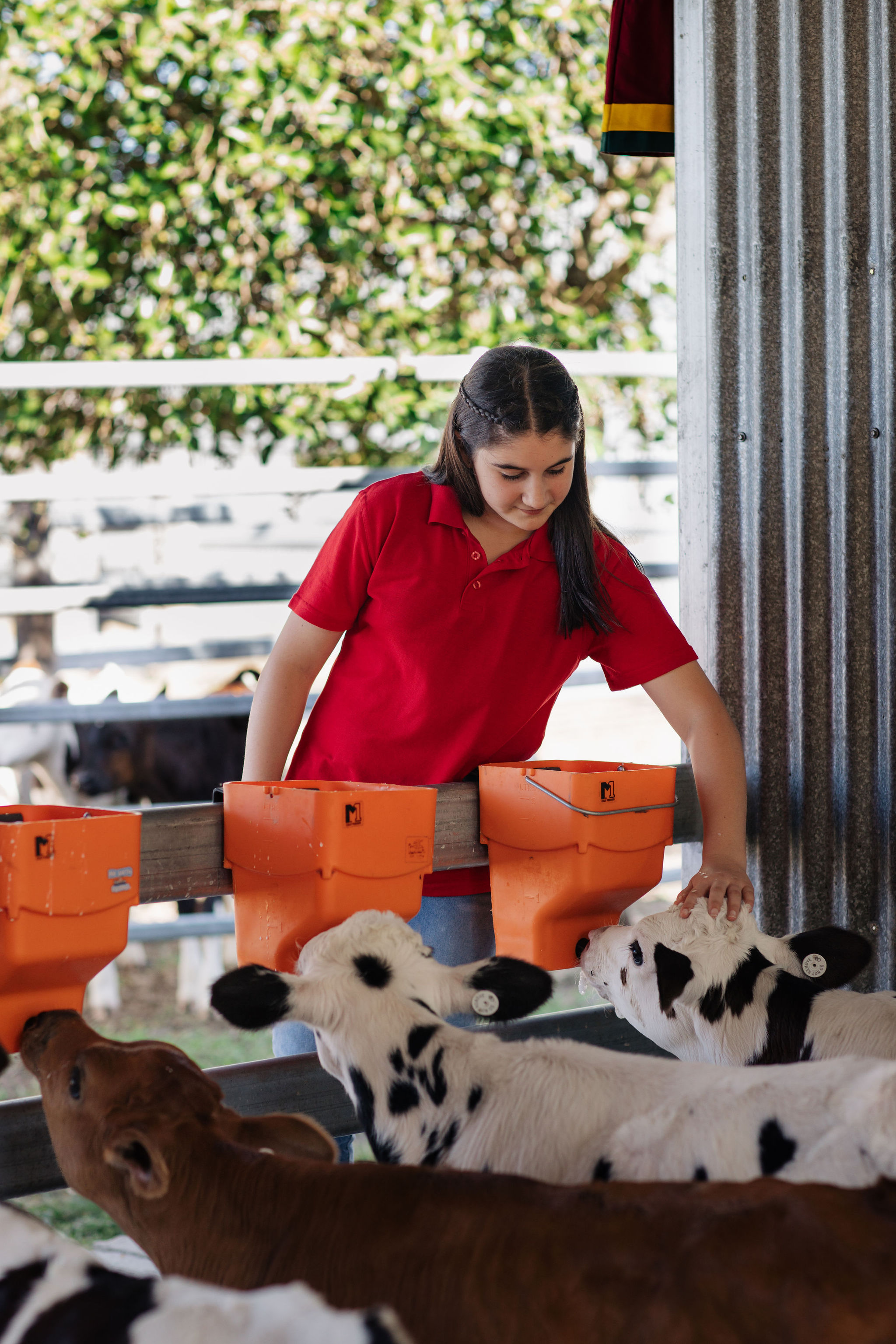
Looking after an animal requires a student to attend to the needs of a being that cannot explain how it is feeling. There is no verbal communication to rely on. The information arrives through behaviour: how the animal moves, how it holds its body, what changes when a student approaches differently, whether an unsettled animal becomes calm. Reading that information accurately requires genuine attentiveness. It asks students to focus their attention outward, toward another being's experience, rather than staying anchored entirely in their own.
This is the foundational layer of empathy. Not the philosophical understanding that another being has an inner life, but the practiced skill of observing carefully enough to sense what they need and responding to it.
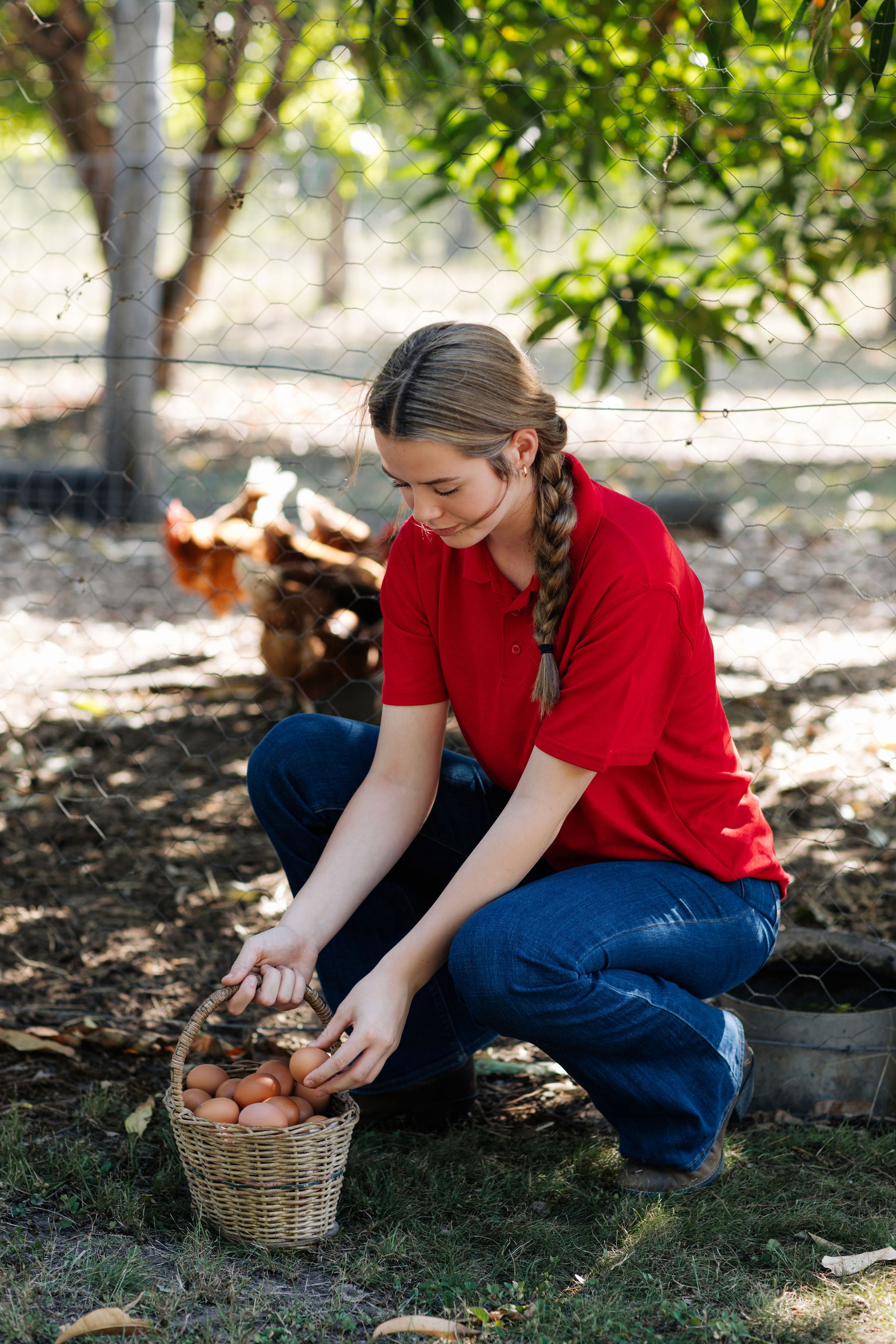
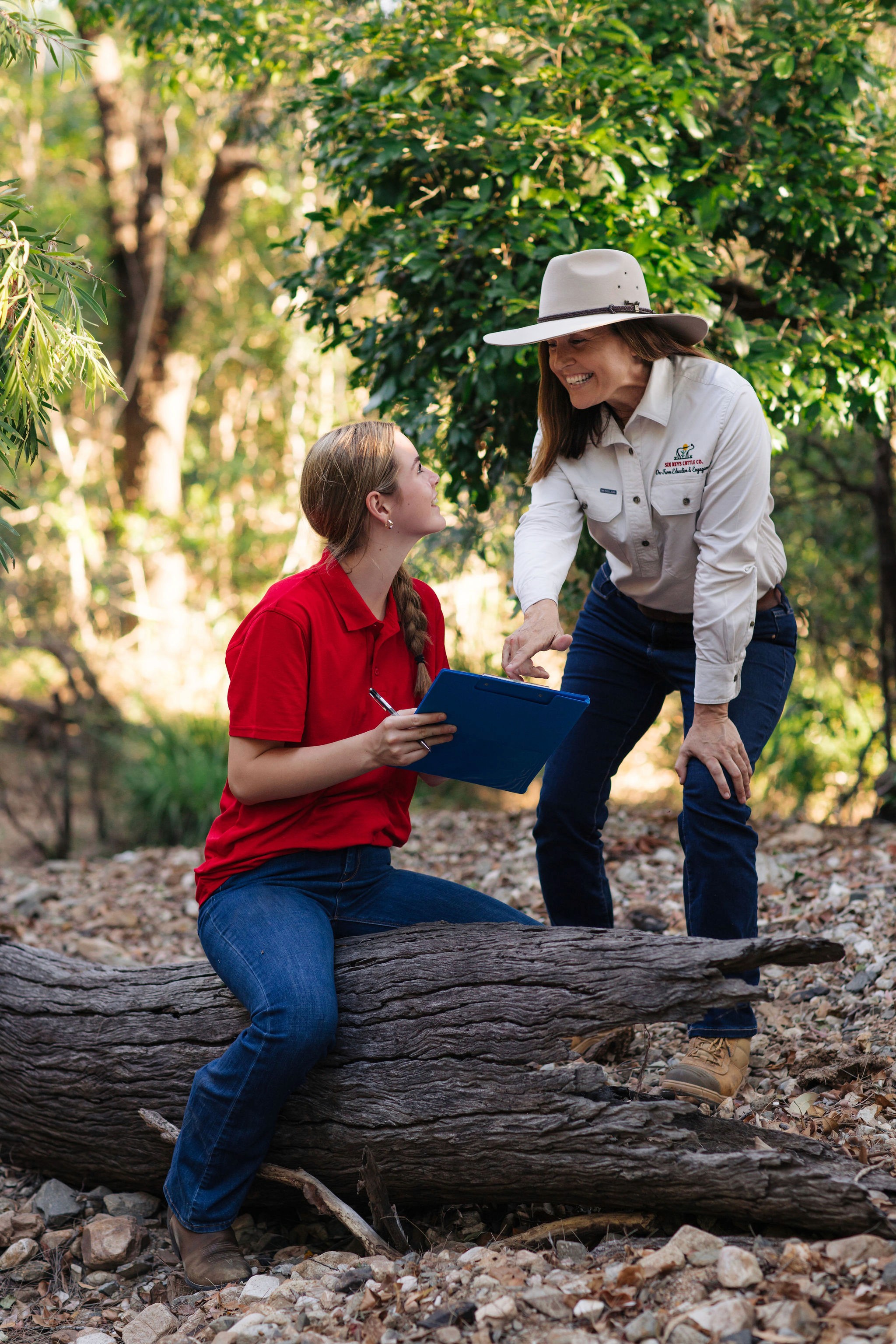
At Six Keys Cattle Co in Central Queensland, students engage with cattle and other animals in ways that make this attunement necessary. Understanding animal welfare, reading condition, observing behaviour during stock work and feeding, these activities ask students to hold another being's experience in mind and adjust their own behaviour accordingly. The connection between that practice and how students treat each other is not incidental.
Research linking animal care and prosocial development in children is well established. Young people who take genuine responsibility for animals demonstrate higher levels of empathy toward peers, show greater willingness to consider others' perspectives, and tend toward more cooperative behaviour across social settings. The mechanism appears to be the transfer of attunement skills. Students who become practiced at reading non-verbal signals in animals carry that same capacity into navigating their social world with classmates.
Teachers notice versions of this after farm programs. Students who previously showed little awareness of how their behaviour affected others, or who responded poorly to a peer's visible distress, sometimes return from a farm visit with something slightly different about them. It isn't guaranteed or immediate. But it appears with enough consistency that attributing it to coincidence becomes difficult.
The student who has learned to settle an anxious animal by adjusting their own energy has understood something fundamental: that their behaviour reaches beyond themselves, and that adjustment produces a different outcome.
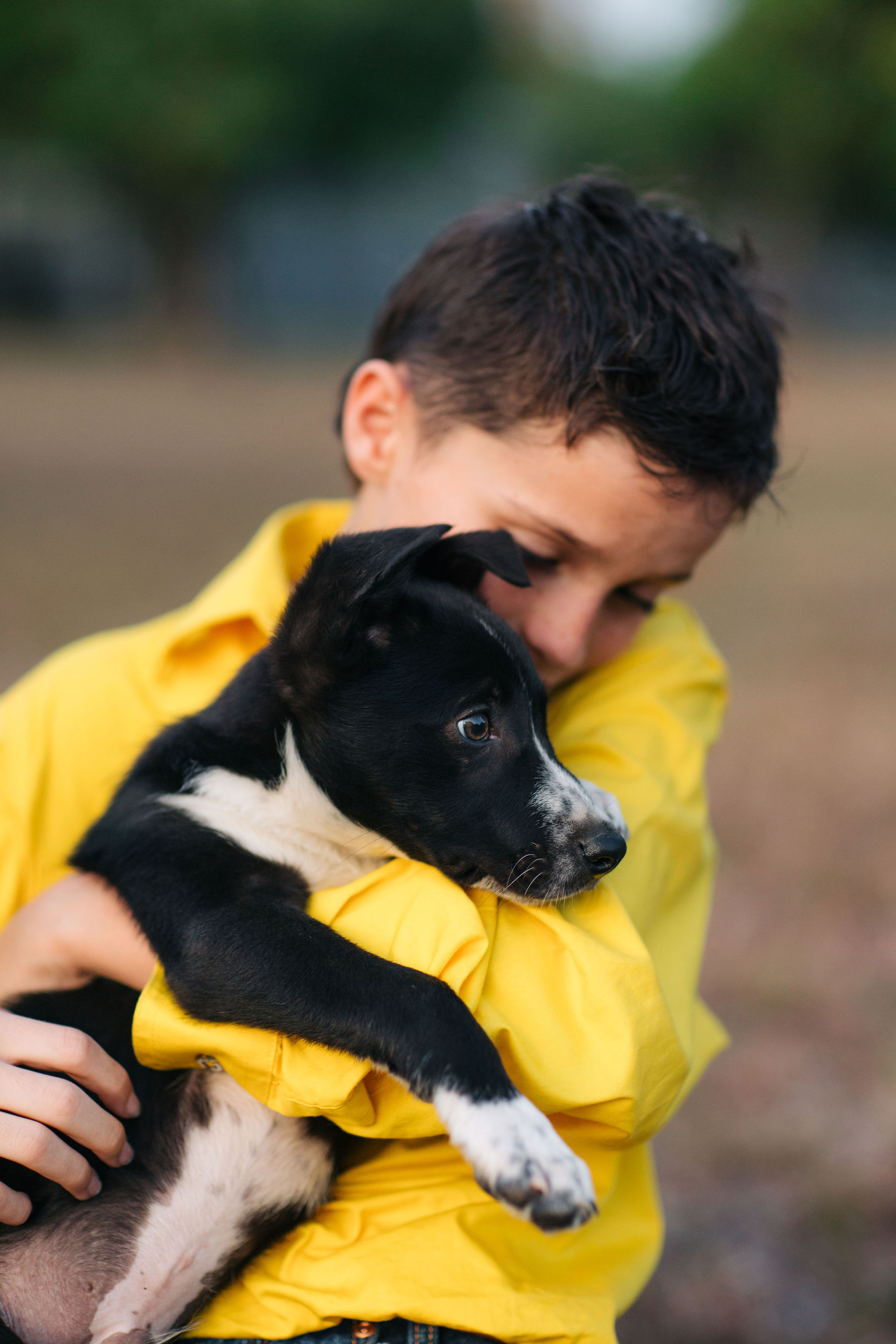
Children who learn to care well for animals are practising the skill of caring. What they begin with the animal, they carry into everything else.