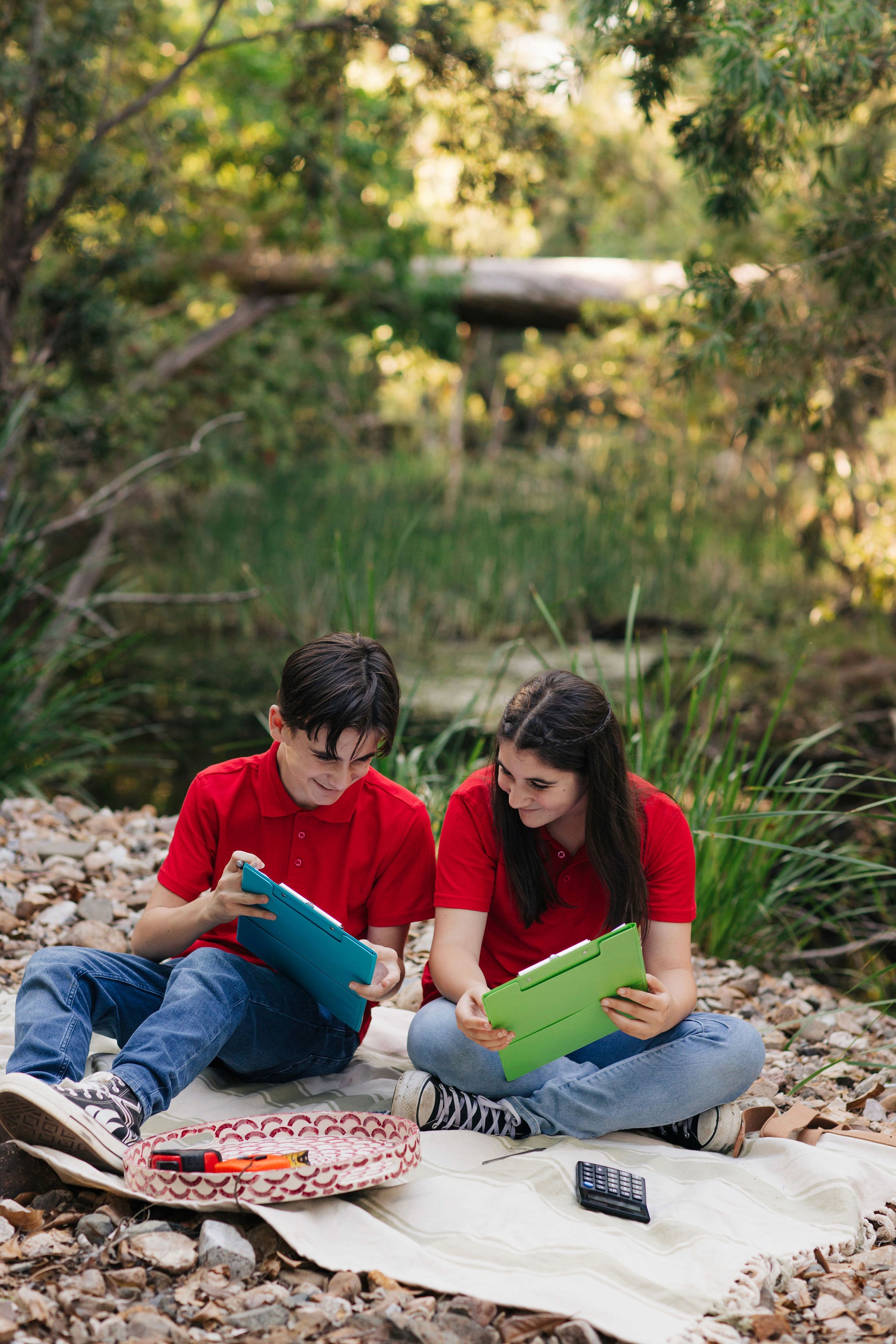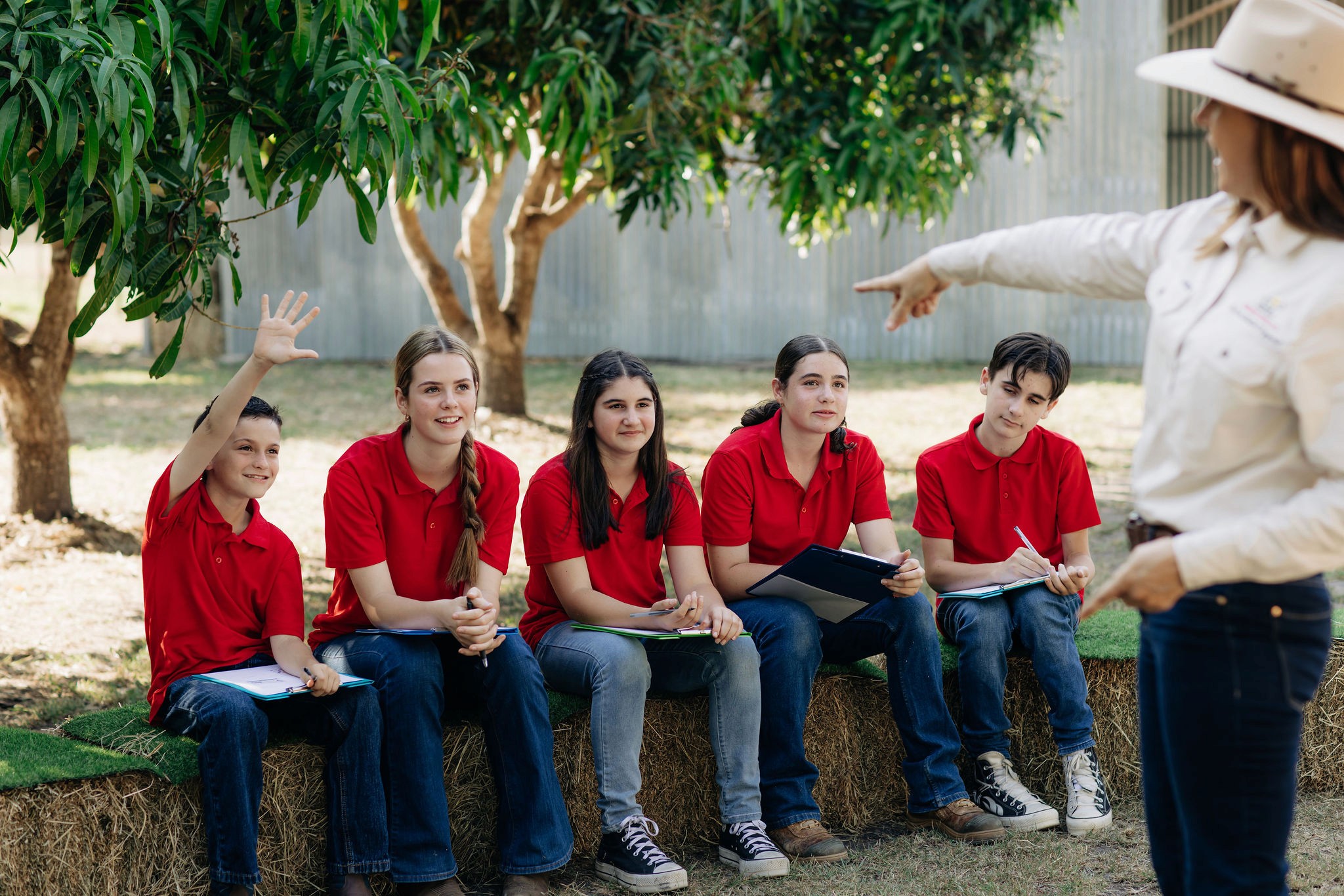
When a student is acting out or switching off, what most teachers are actually seeing is a learning environment that hasn't managed to hold them. That's not a criticism of teachers. It's an honest look at what traditional classroom conditions ask of children who learn differently, move more, or simply need a reason to care before they can concentrate.
Outdoor education, particularly on a working farm, addresses these conditions at the source rather than managing symptoms after the fact.
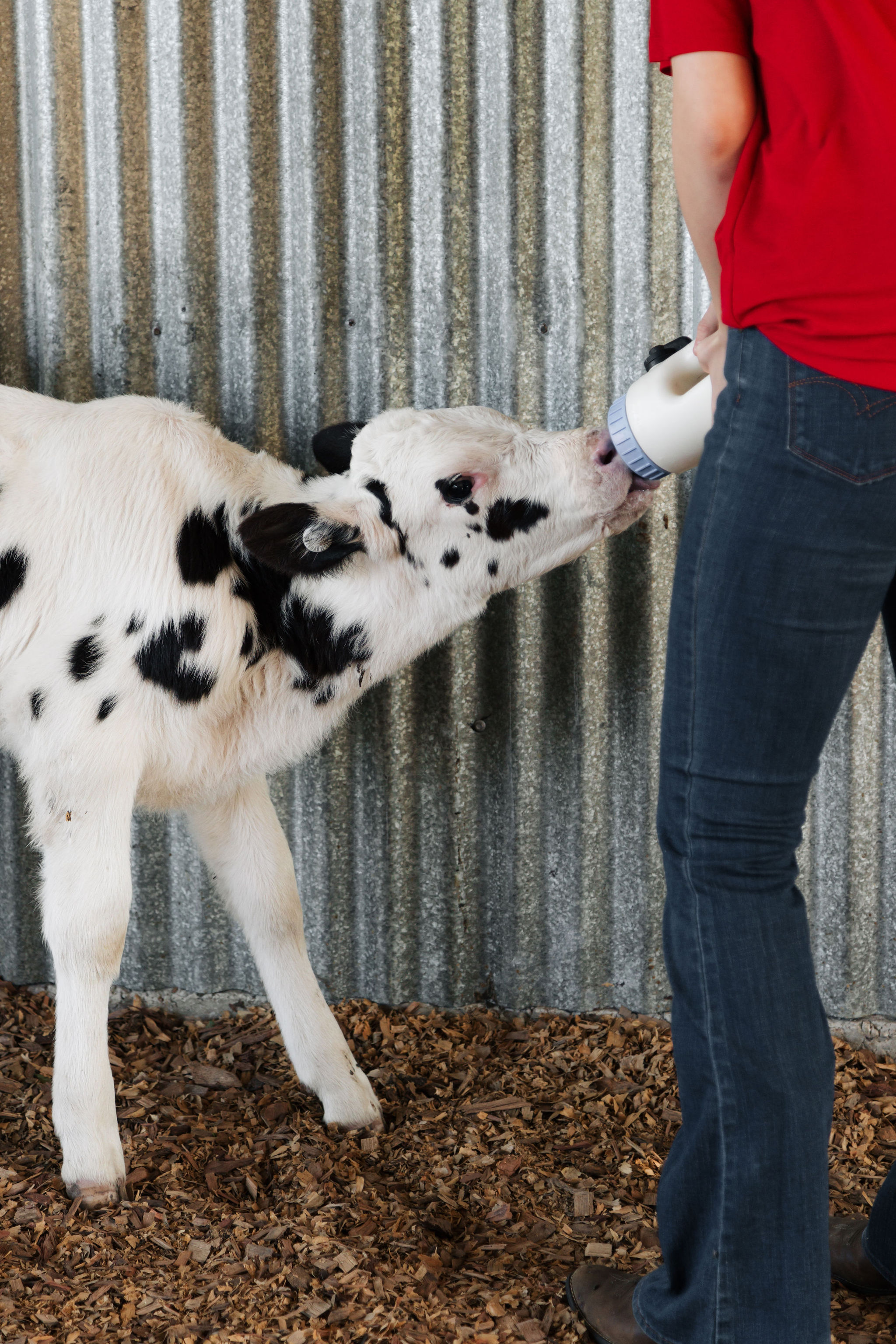
The shift begins with relevance. On a cattle property, every task has a reason, and students can see it. Feeding routines aren't exercises in following instructions. They're the reason an animal stays healthy. Yard design isn't a lesson in geometry. It's the reason cattle move safely. When purpose is embedded in the activity rather than explained from a whiteboard, students who struggle with abstract content find their footing quickly and tend to stay there.
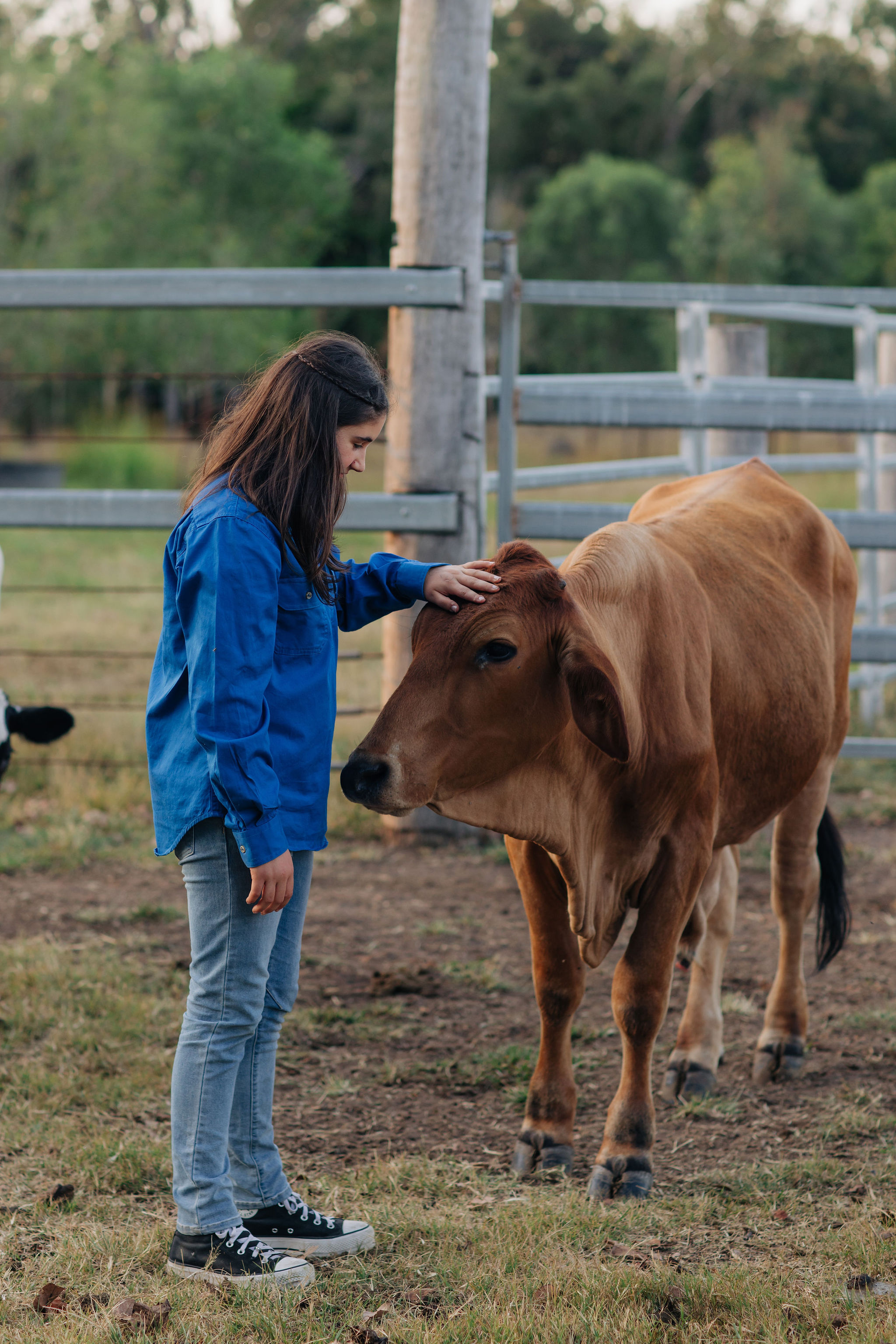
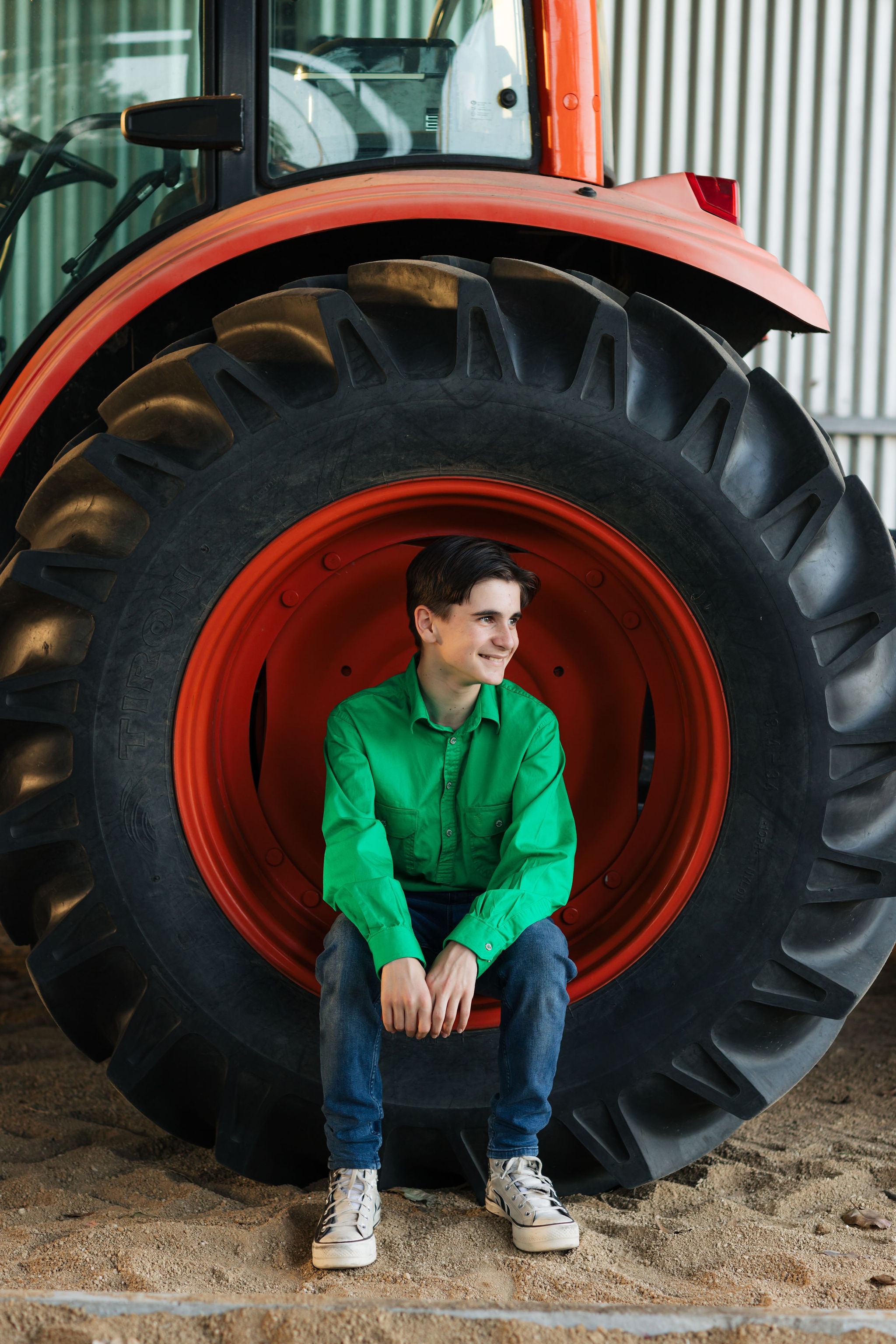
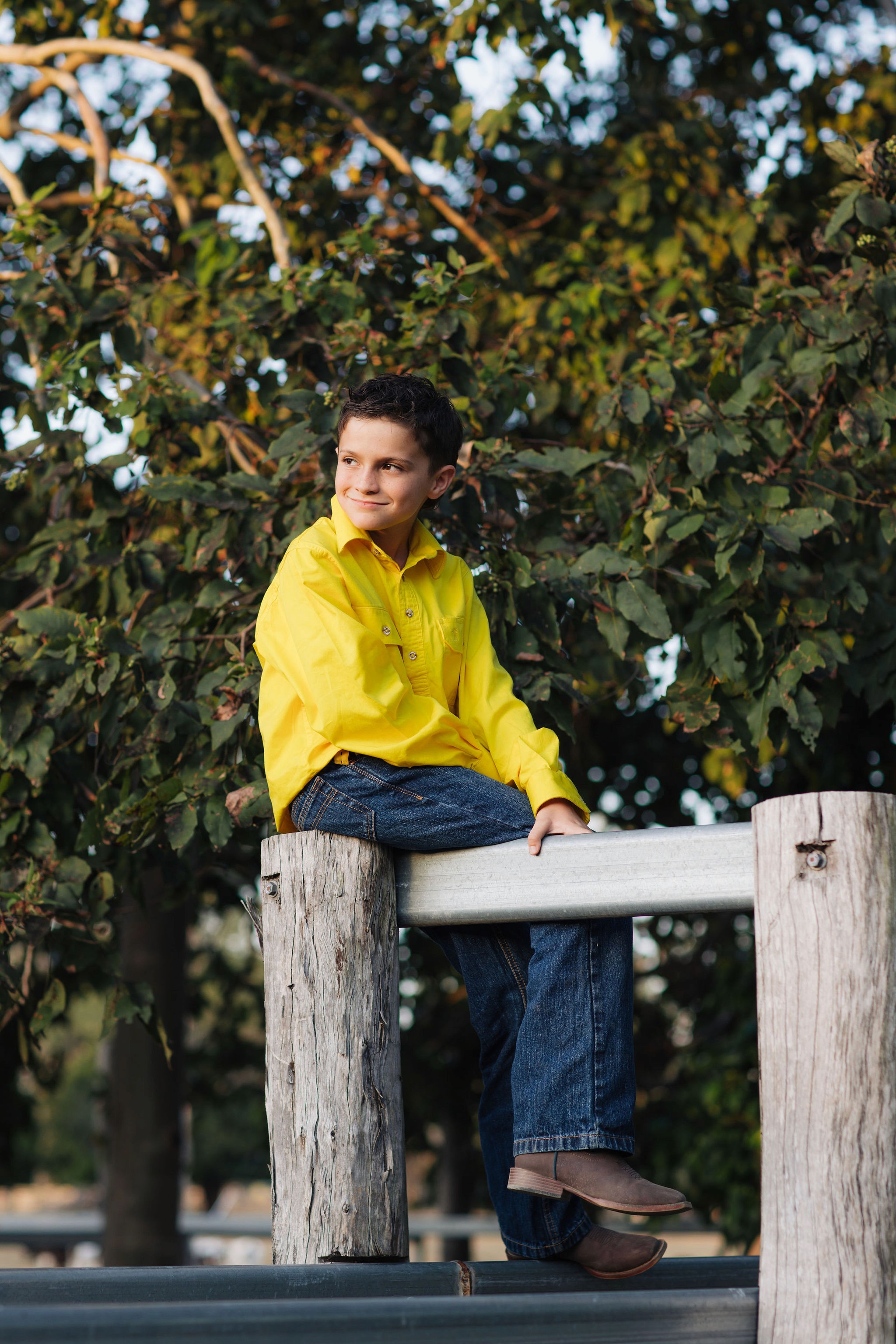
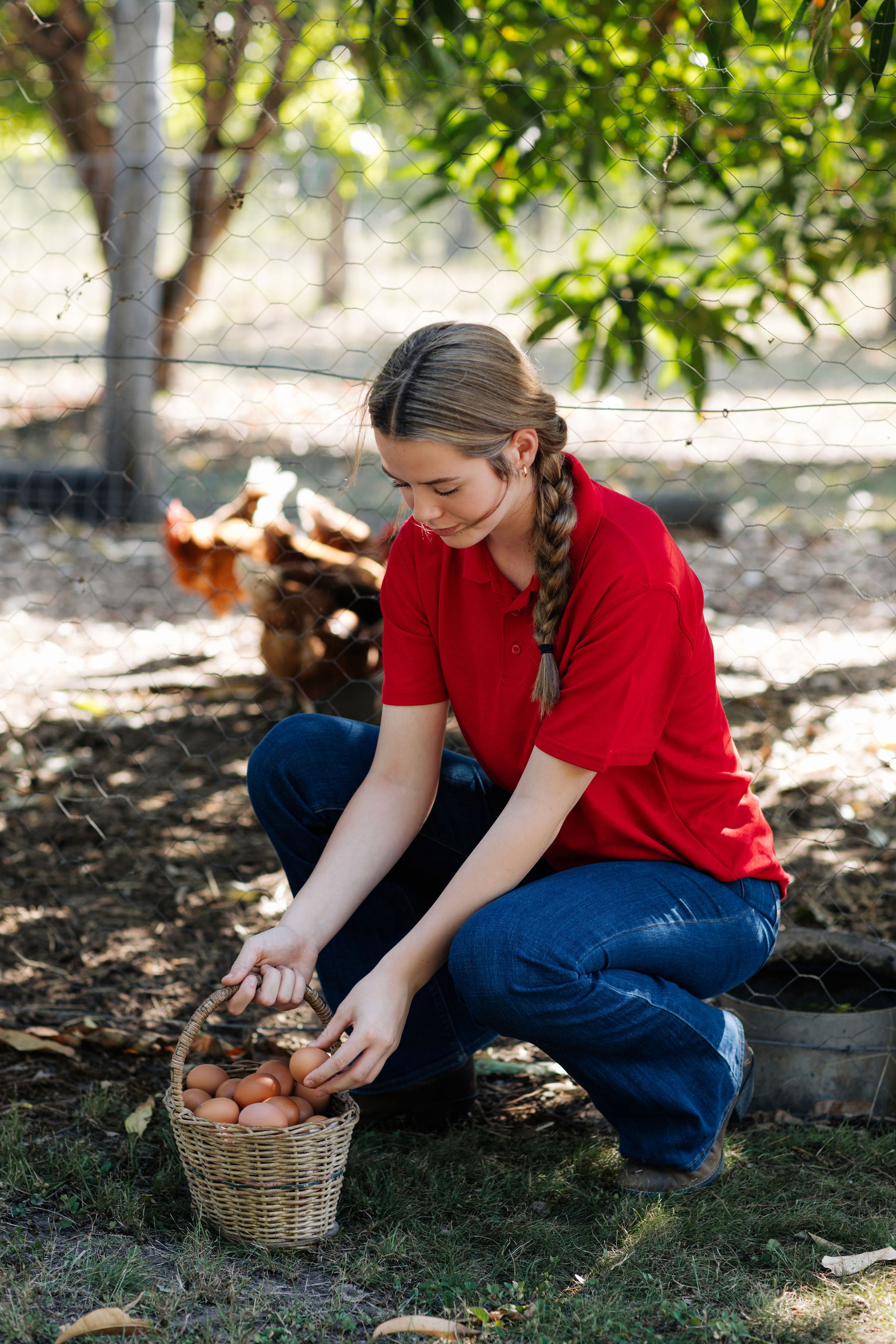
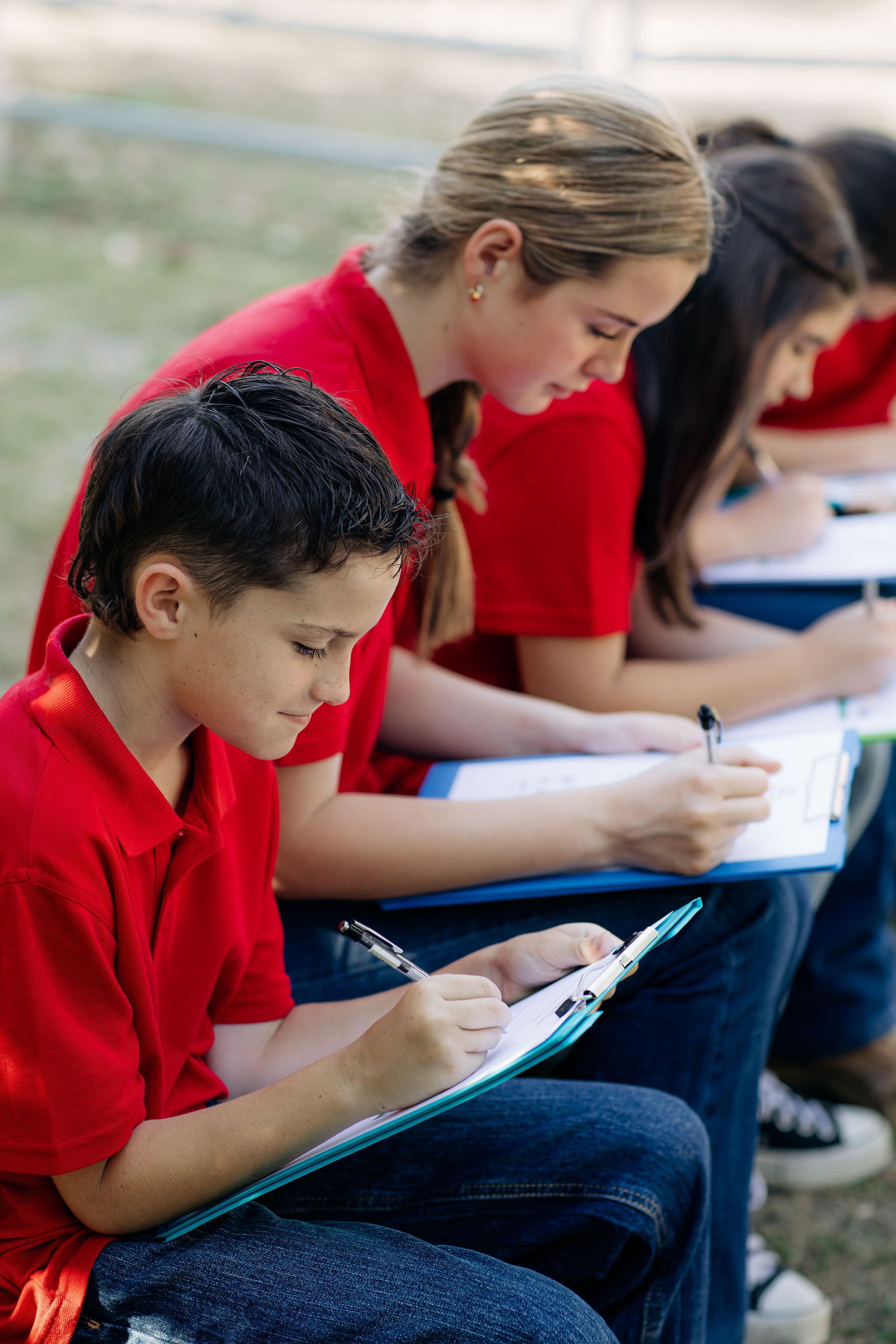
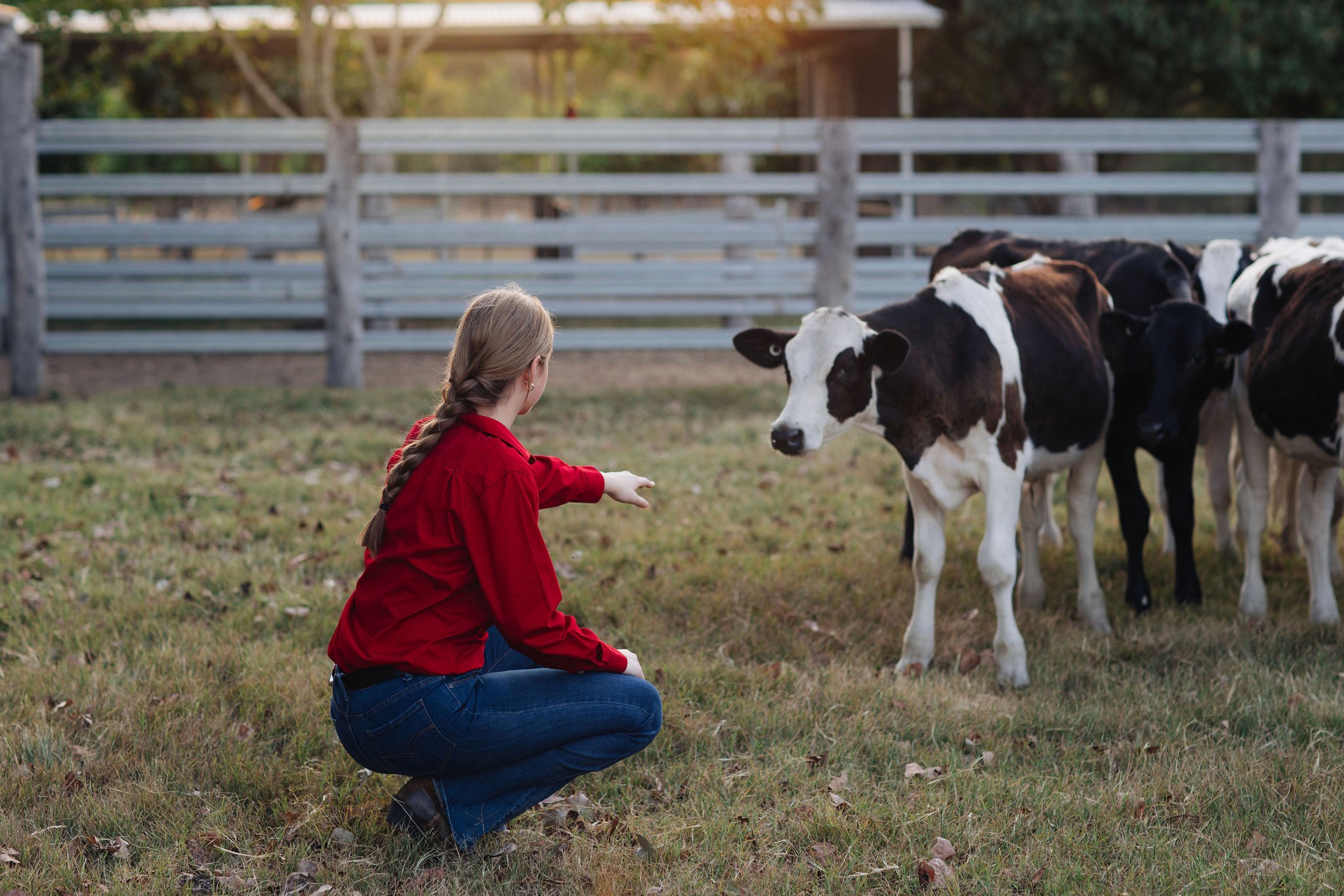
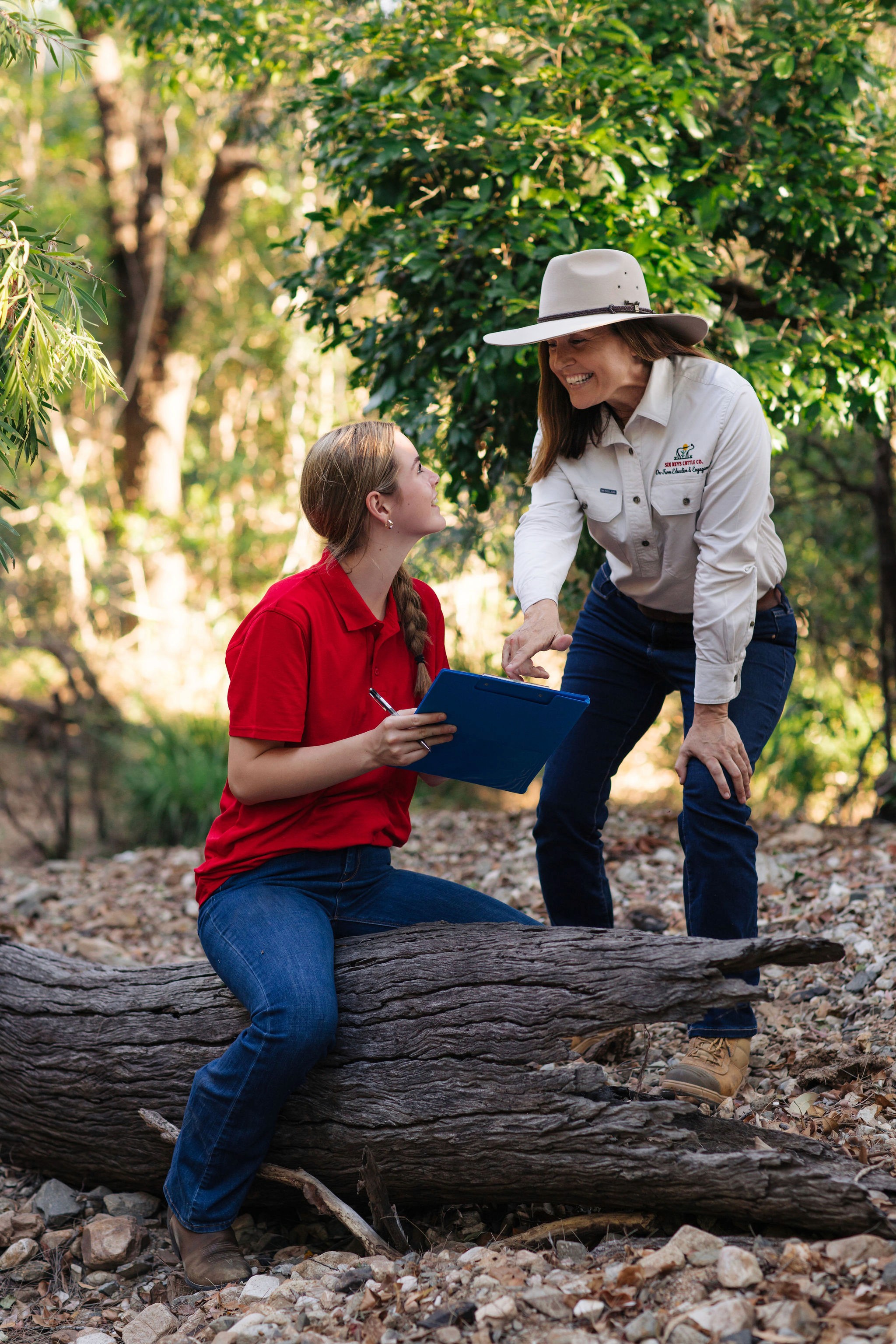
At Six Keys Cattle Co in Central Queensland, student programs are built around exactly this kind of purposeful engagement. Students aren't given simplified tasks to approximate the real thing. They observe actual stock work, participate in genuine land management activities, and develop an understanding of farming systems grounded in direct experience. That authenticity is what makes the difference for students who have learned to disengage from content that feels removed from anything they recognise as real.
Physical movement is another factor that outdoor environments handle naturally. Research has established a consistent link between physical activity and cognitive engagement, particularly for children who find sustained stillness difficult. On a farm, movement isn't a reward or a managed break. It's built into the learning itself, which means students who thrive in motion are better placed to absorb and retain what they're experiencing.
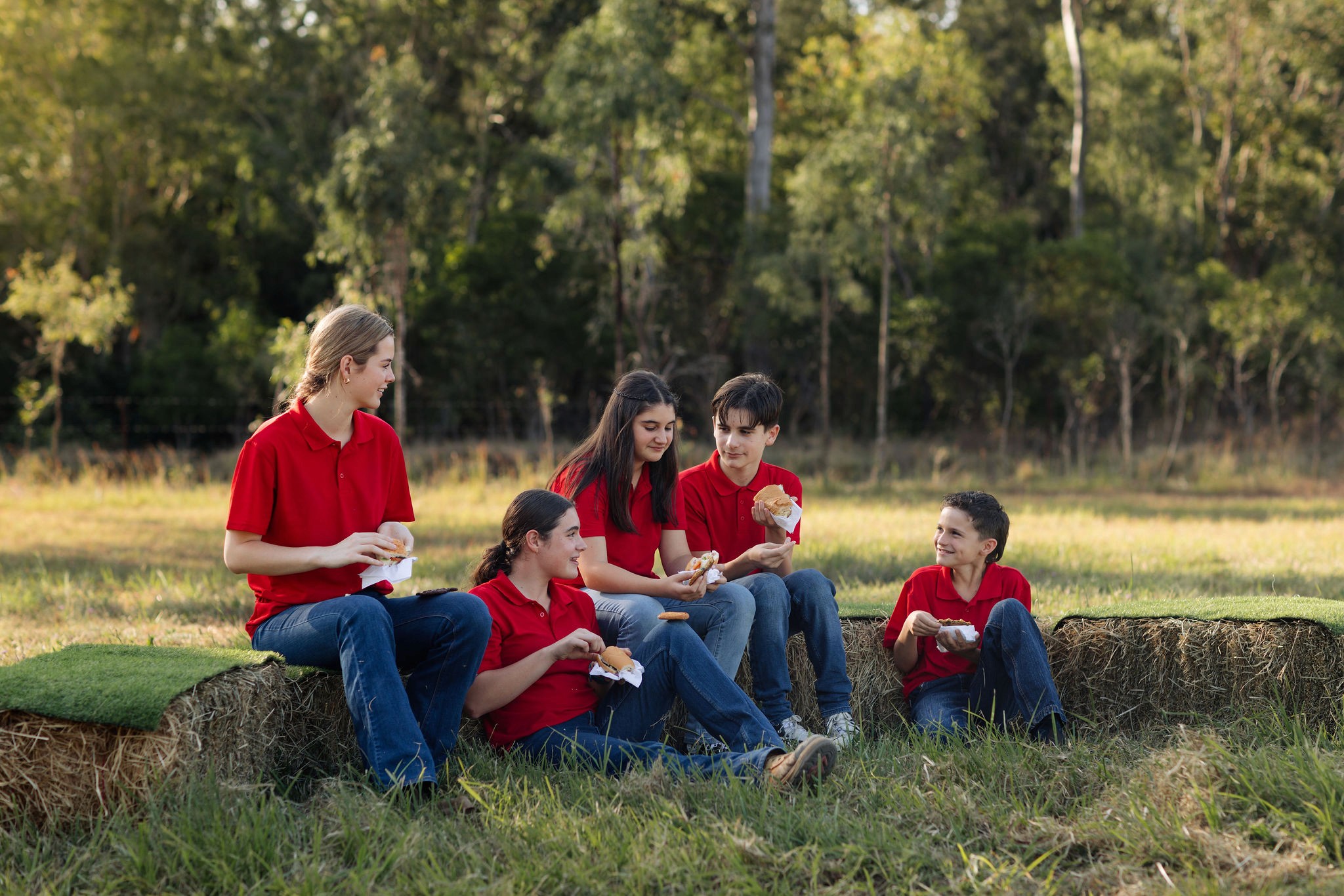
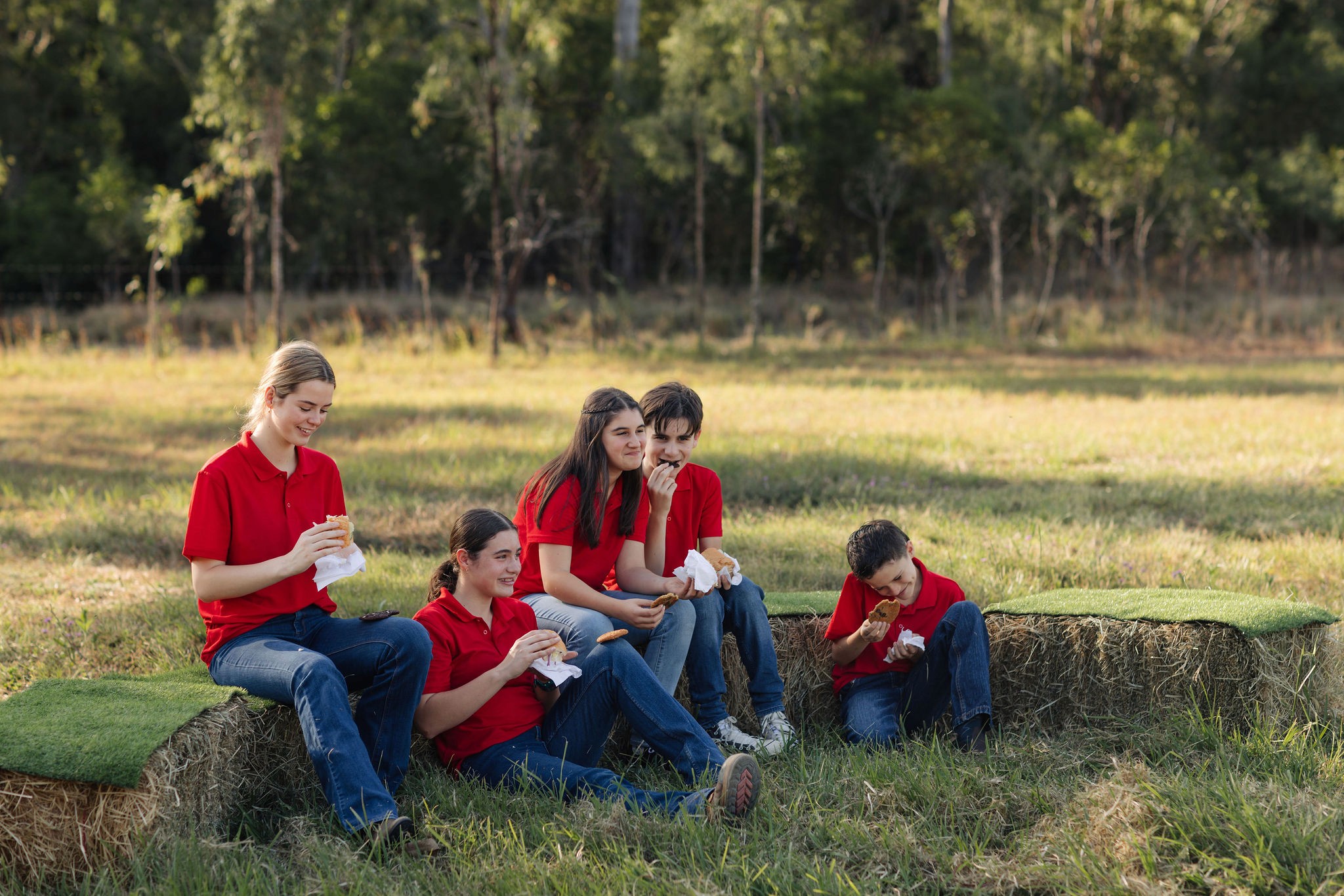
The social dynamics shift as well. Students working together on a farm task don't carry the same pressure points that can make group work in a classroom fraught. The shared focus is external. The goal is clear. Collaboration happens because the work requires it, not because it's been structured in, and that tends to produce very different behaviour than forced group activities ever do.
For teachers managing students with chronic disengagement or persistent behavioural difficulty, a farm visit rarely provides a permanent fix. What it often does is offer a reset point. A moment where a student remembers what it feels like to be capable, curious, and genuinely involved in their own learning.
That memory matters. And students tend to carry it back with them.