Most children who eat meat have never seen a cattle property. Most who eat vegetables haven't thought much about soil, rainfall, or the distance between a paddock and a supermarket shelf. Food arrives in packaging, and the chain of events that produced it sits largely out of sight.
This isn't a failure of parenting. It's a description of how contemporary food systems work. The distance between production and consumption has grown large enough, and been managed efficiently enough, that connecting food to its origins now requires deliberate effort in a way it simply didn't for previous generations.
Food literacy, the genuine understanding of where food comes from, how it's produced, and what conditions shape it across seasons and geography, gives children something that matters well beyond the dinner table. It changes how they value food, how they understand the work of farmers, and how they make decisions about eating across their lives. It's also harder to develop without direct experience than most people assume.
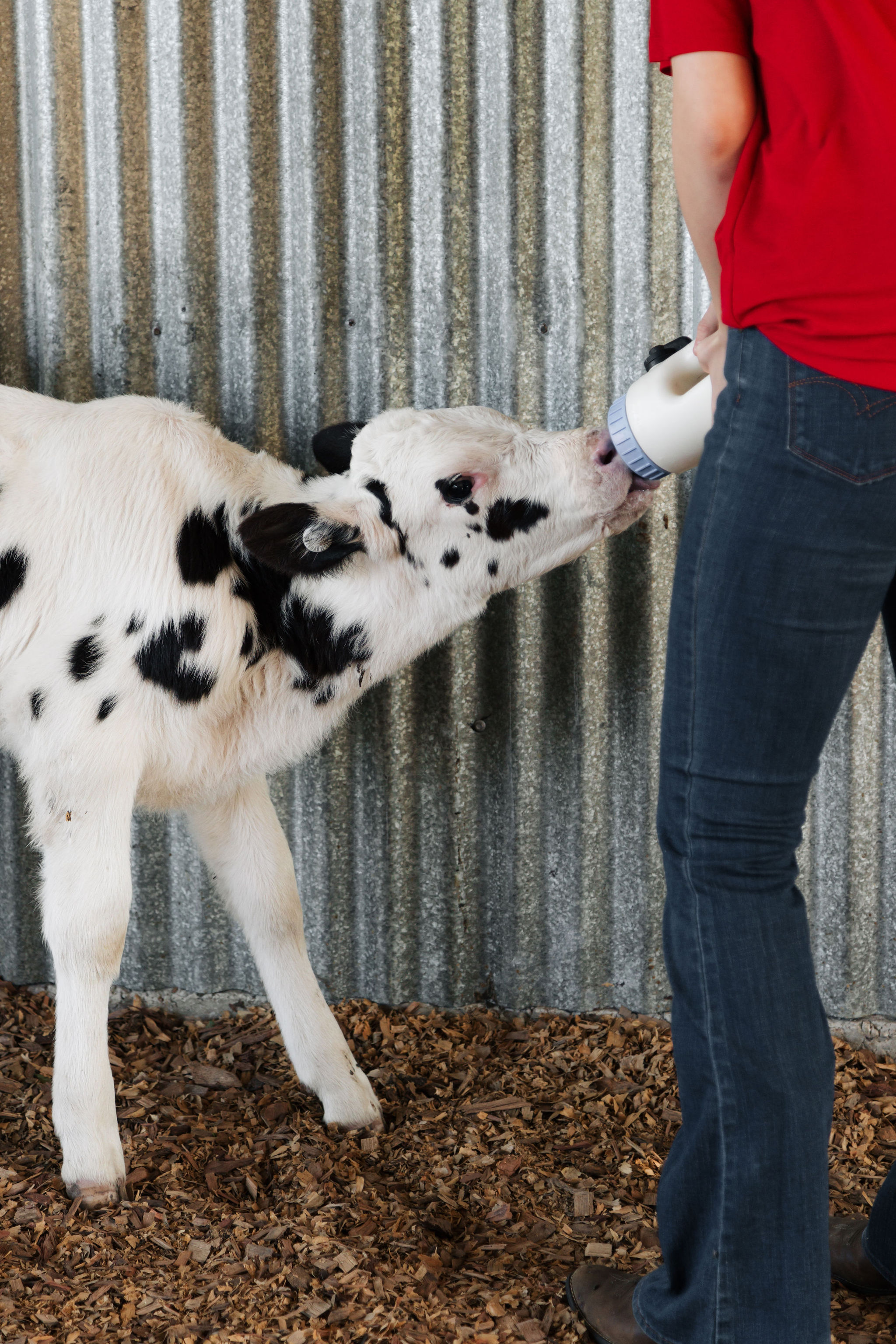
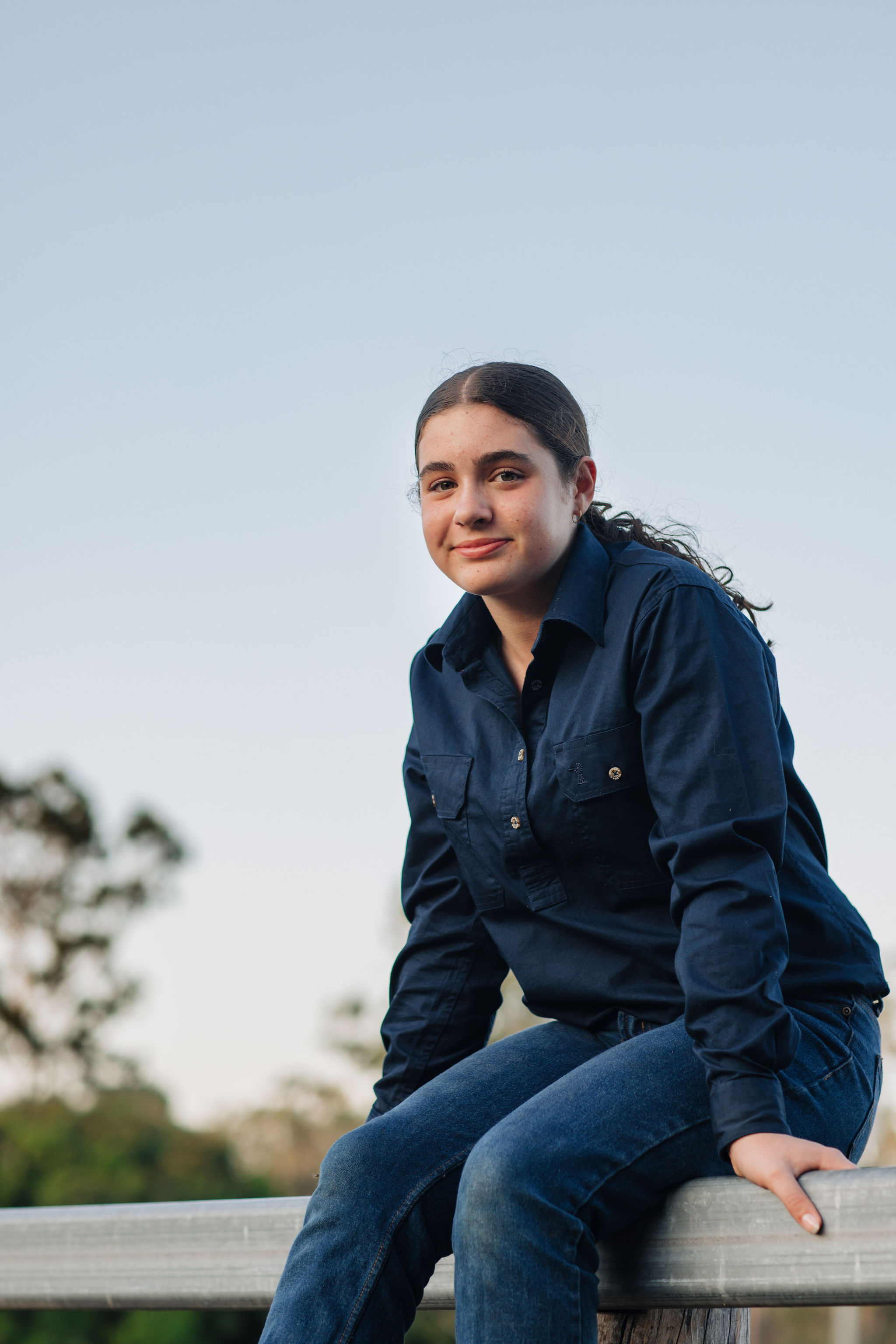
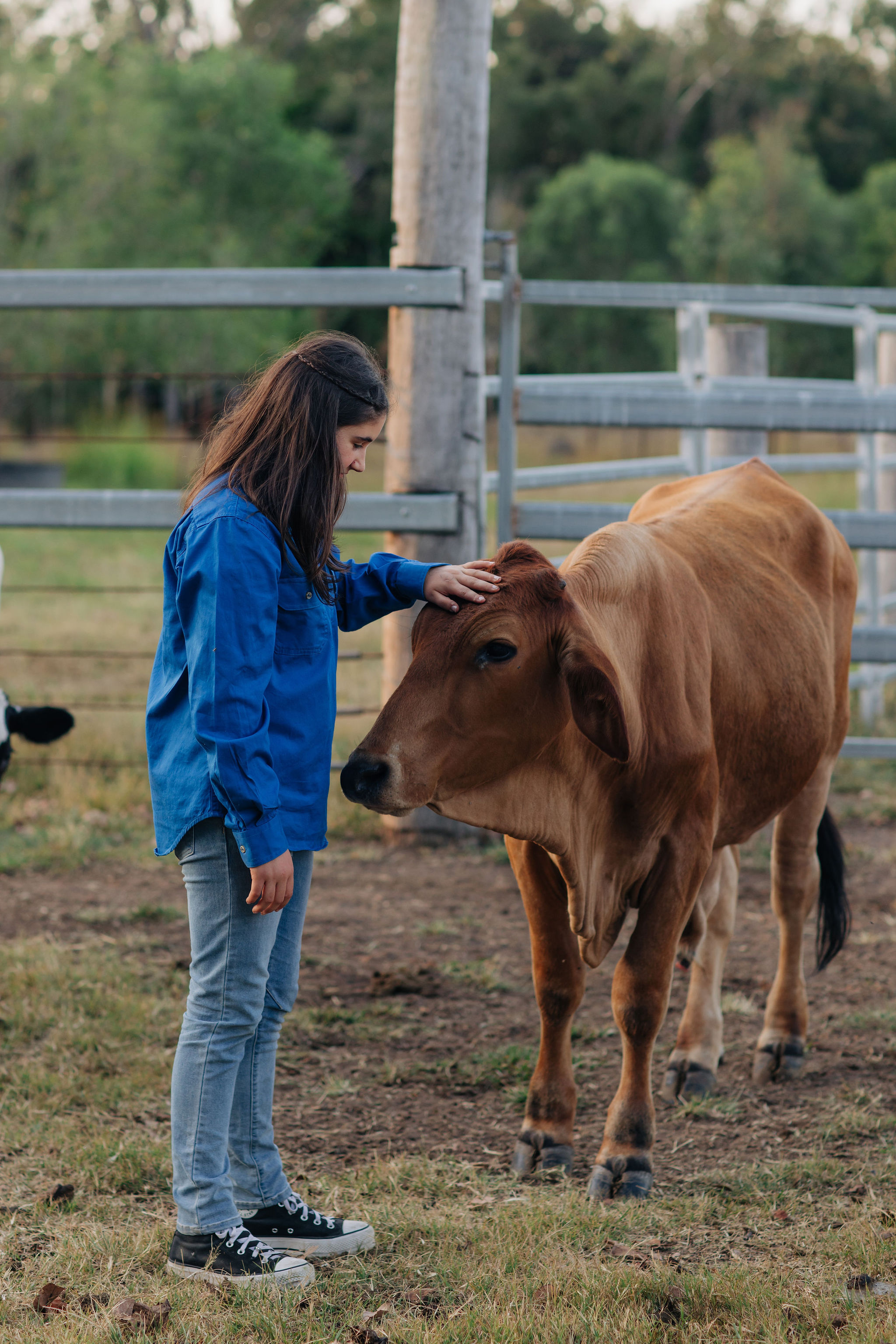
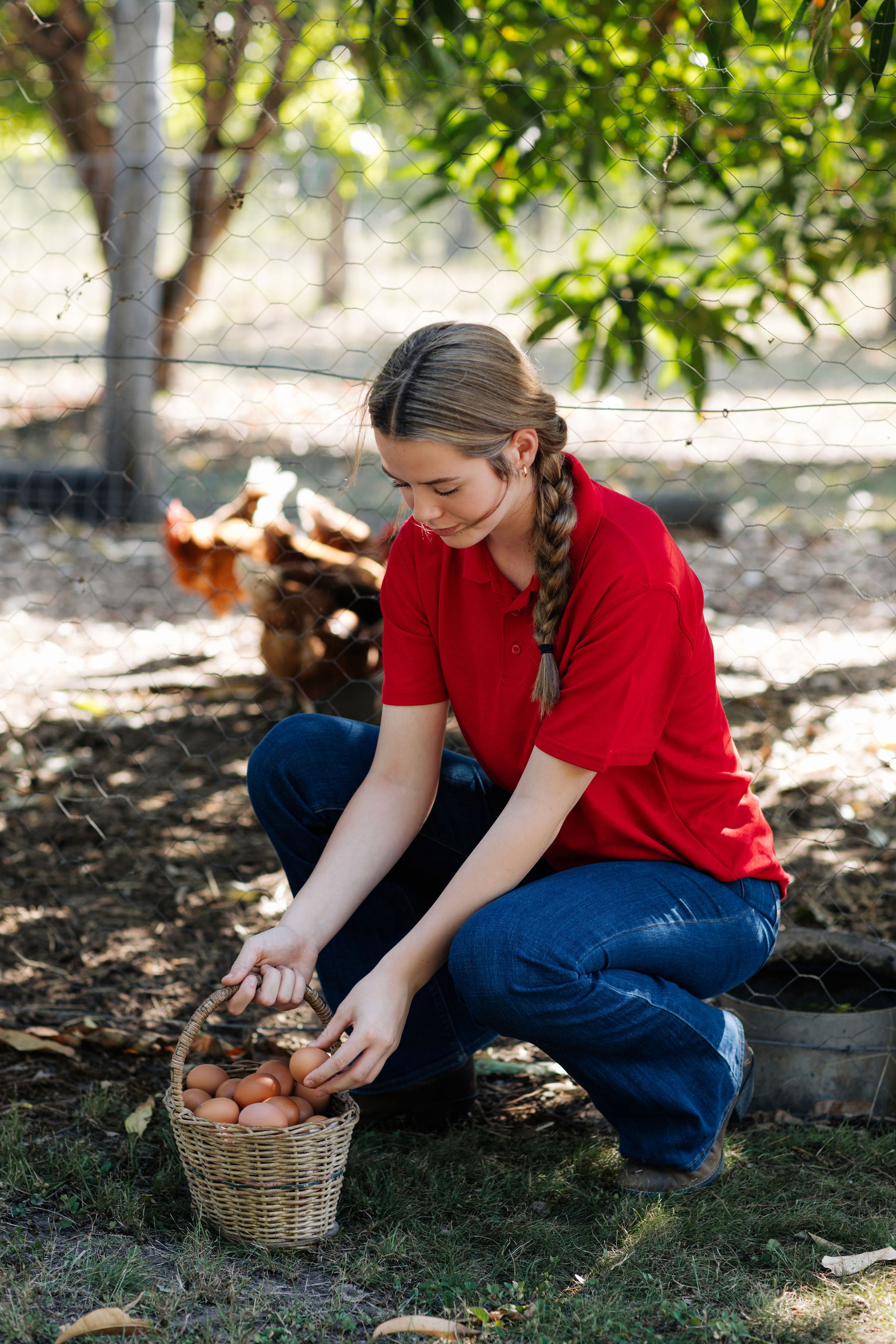
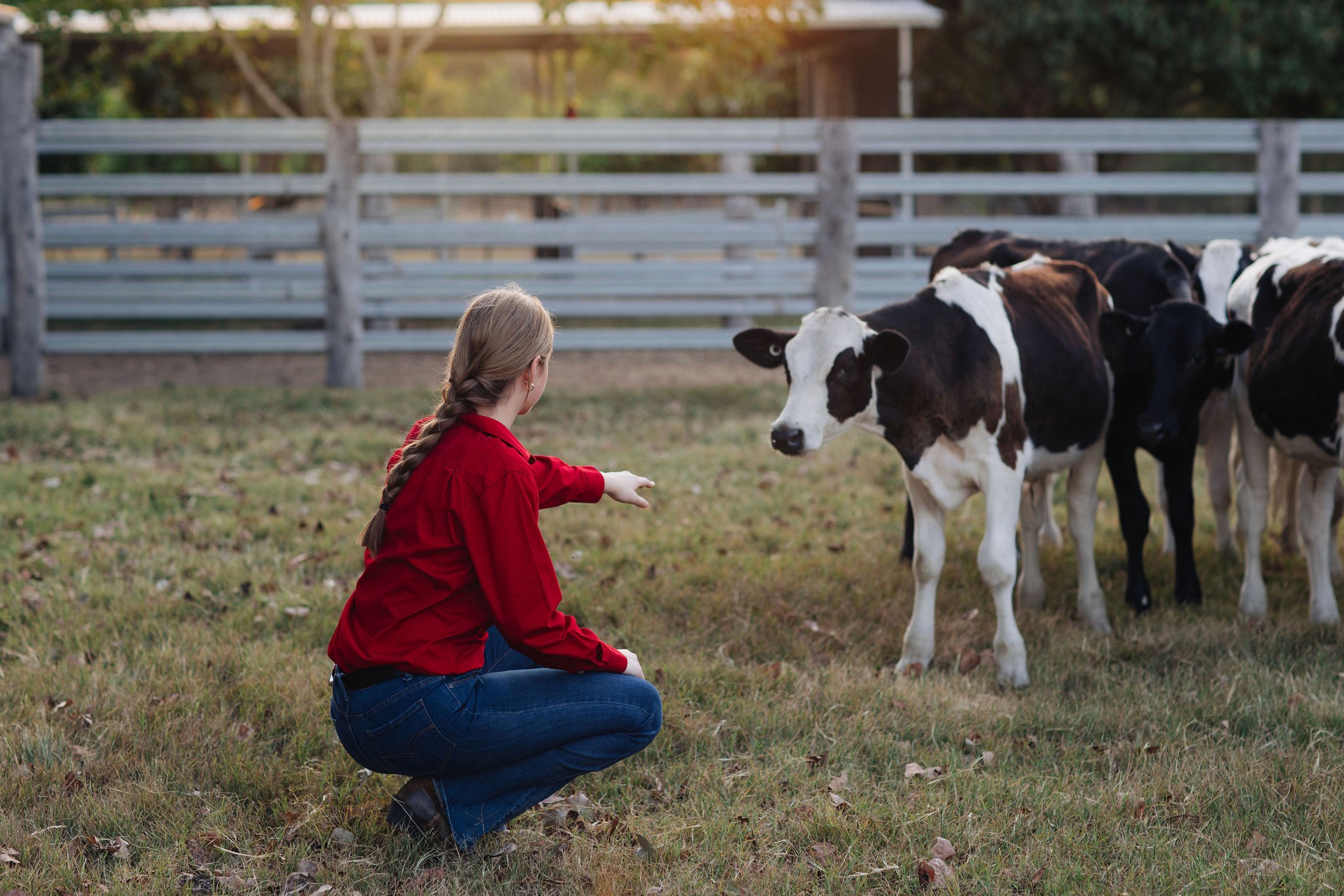
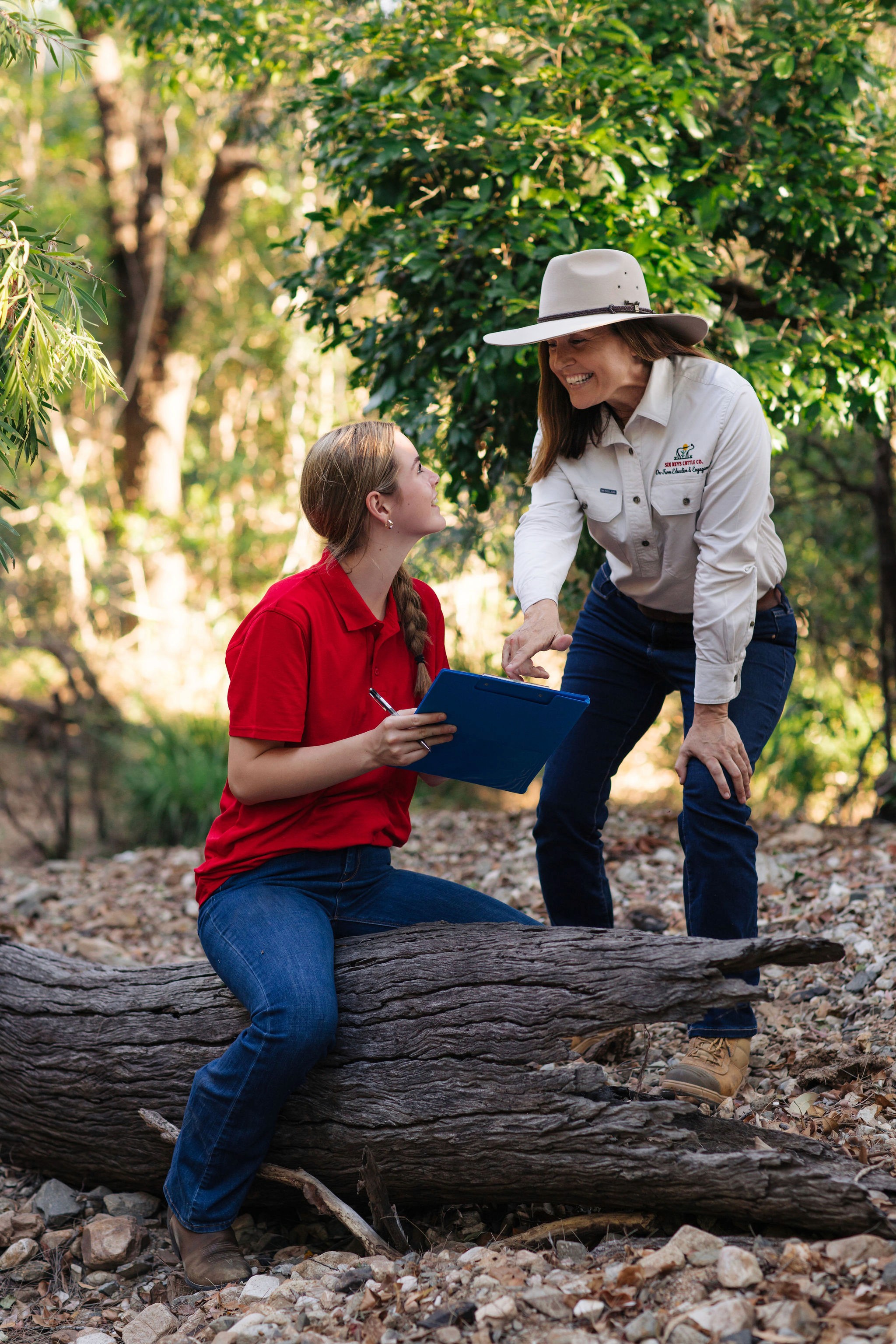
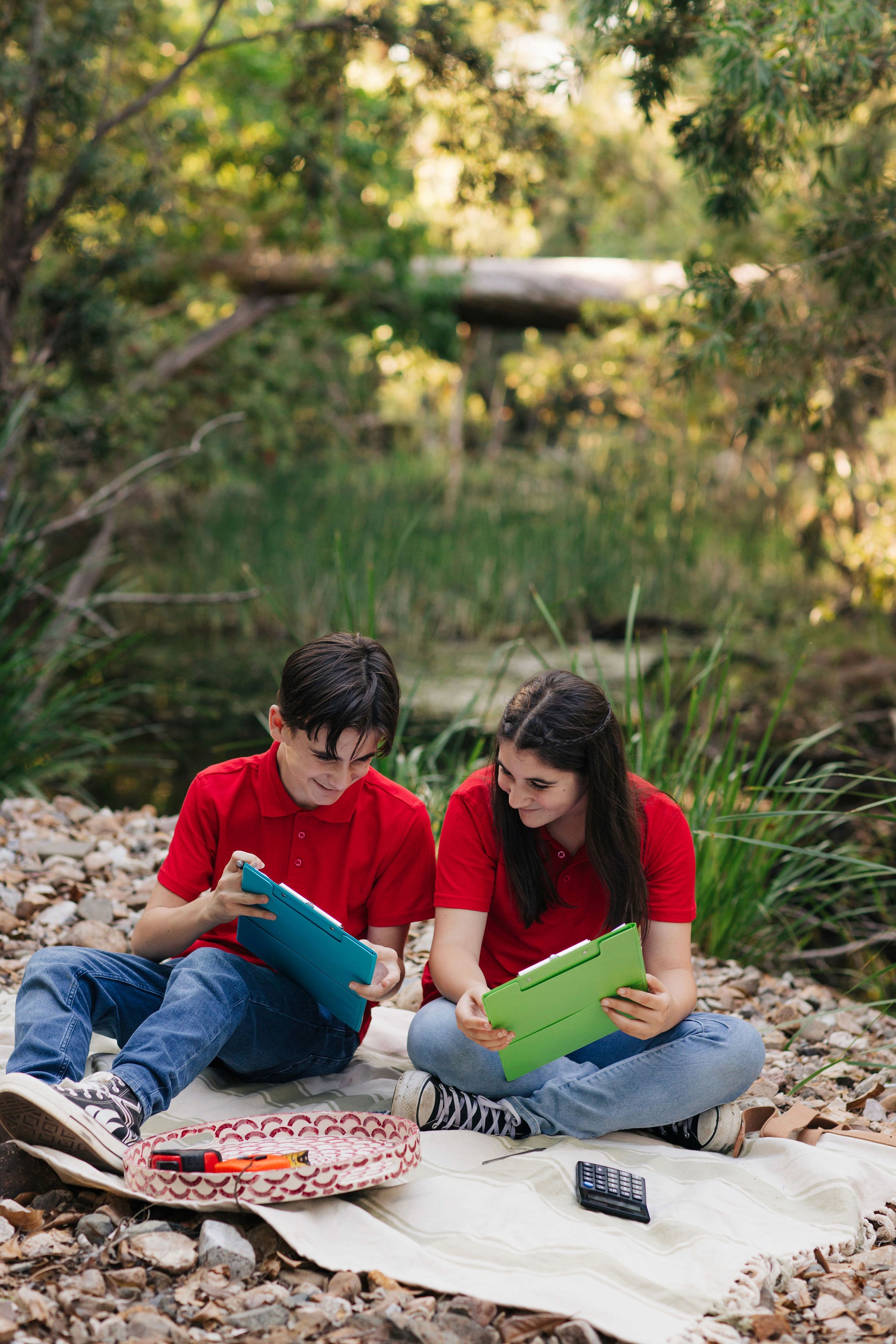
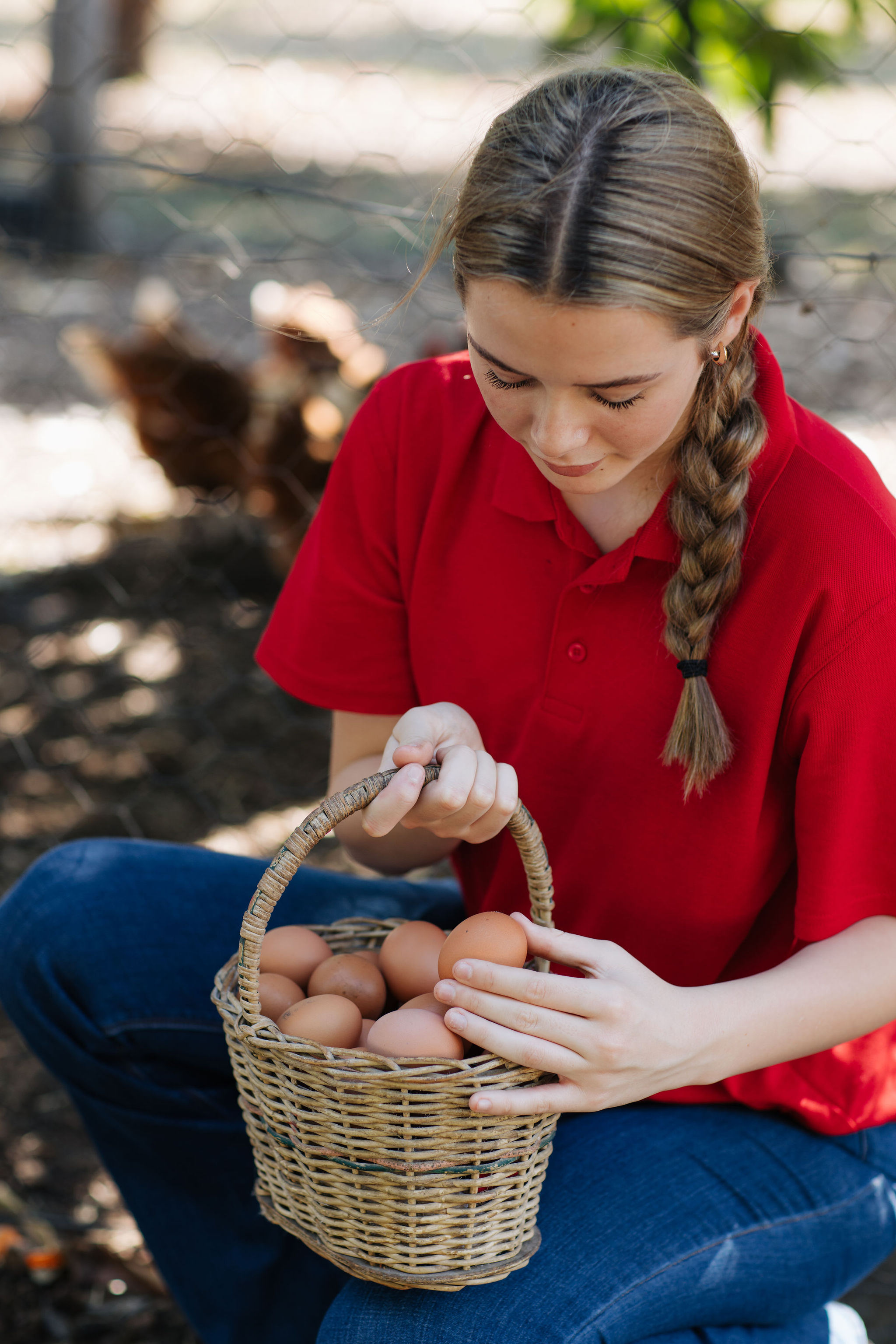
Farm visits create the foundational moment. When a child has stood in a cattle yard, observed feeding routines, and understood what animal welfare involves in daily practice, the abstract idea of food production becomes specific and real. At Six Keys Cattle Co in Central Queensland, students engage directly with beef cattle and land management in ways that establish this connection for many of them for the first time. Something they couldn't have learned from a diagram or a documentary becomes something they actually witnessed.
What families do with that connection in the days and weeks after shapes how far it reaches.
Dinner conversations are the most natural opportunity. Asking a child which part of the property they spent time on, what the farmer's work looks like across different seasons, or what happens to feed and pasture in a dry year, shifts a meal into a genuine exchange about where food actually comes from. These don't need to be lengthy. A few specific questions, offered regularly, build the kind of accumulated understanding that nutrition labels and cooking lessons alone don't produce.
Supermarkets become a different space once children know what they know. Reading country-of-origin labels, noticing seasonal availability, understanding why certain prices shift with weather, these observations carry real meaning for a child who has seen the relationship between land, conditions, and production firsthand.
Research into food literacy consistently shows that children with genuine knowledge of food origins make more considered choices and develop a stronger appreciation for the economic and environmental realities behind production.
Children who understand where food comes from eat differently. They also think differently about the people who grow it.
The farm is often where that understanding begins.