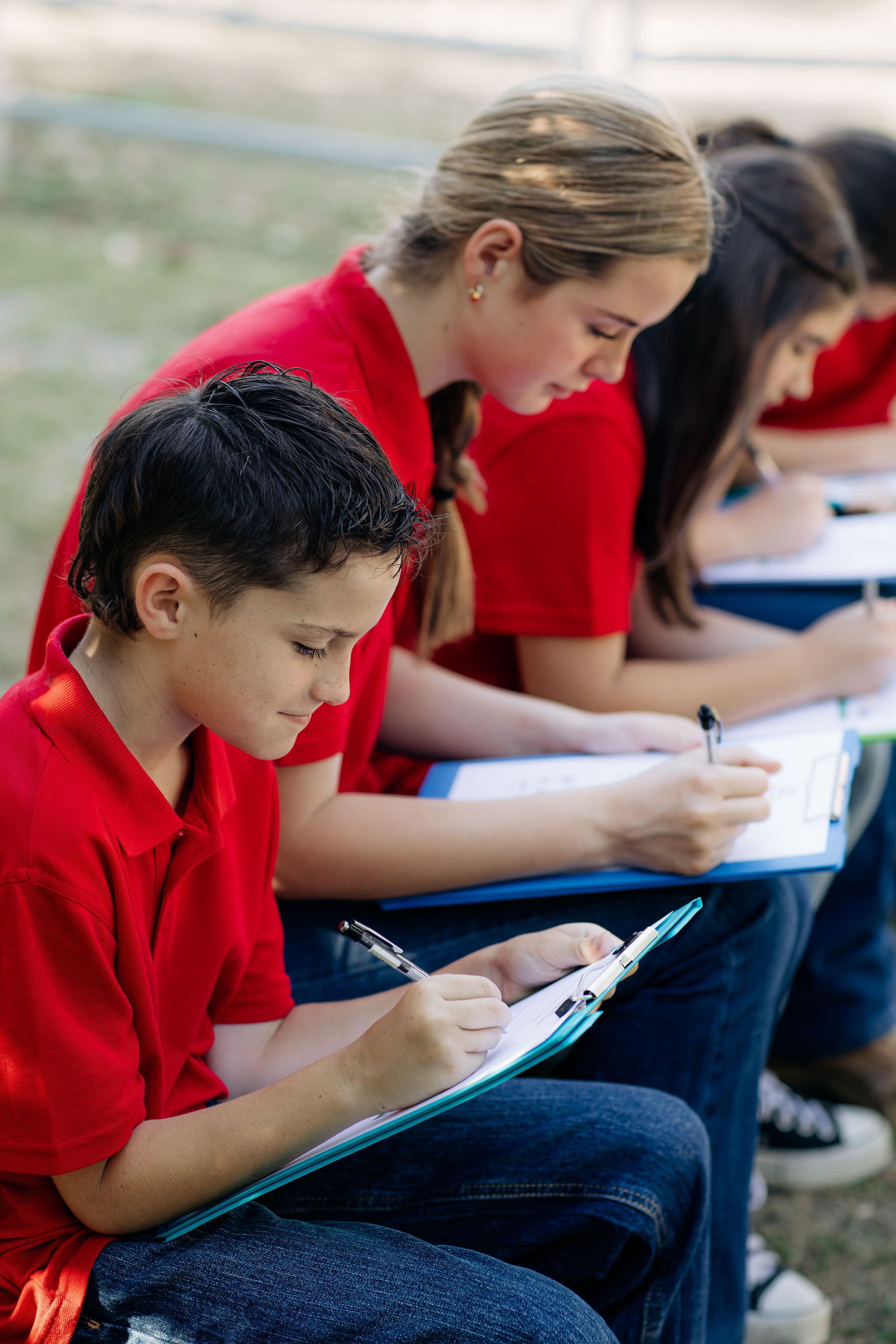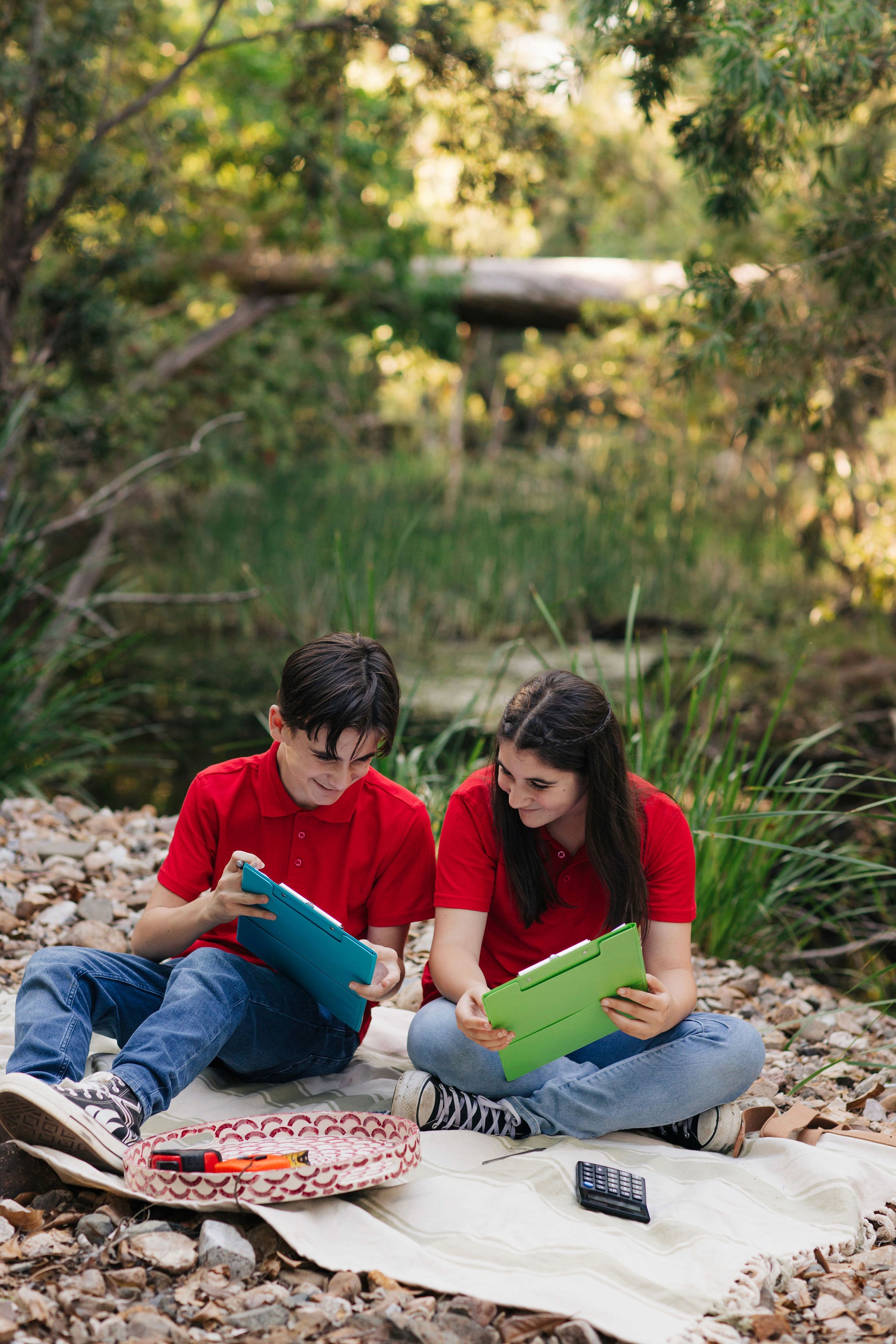
An anxious student in a classroom isn't simply struggling with school. Their nervous system is actively doing a different job to the one learning requires.
Hypervigilance is a state of sustained threat-scanning. A readiness for danger that keeps a person alert to social cues, evaluation signals, and potential failure in ways that consume exactly the cognitive bandwidth that learning depends on. For students managing anxiety, the classroom operates as a near-constant source of triggers: being called on unexpectedly, the social visibility of not knowing something, the compressed social hierarchies that develop across a school year. The environment designed to educate them often makes genuine engagement close to impossible.
Outdoor and farm-based settings interrupt this pattern in a specific and important way.
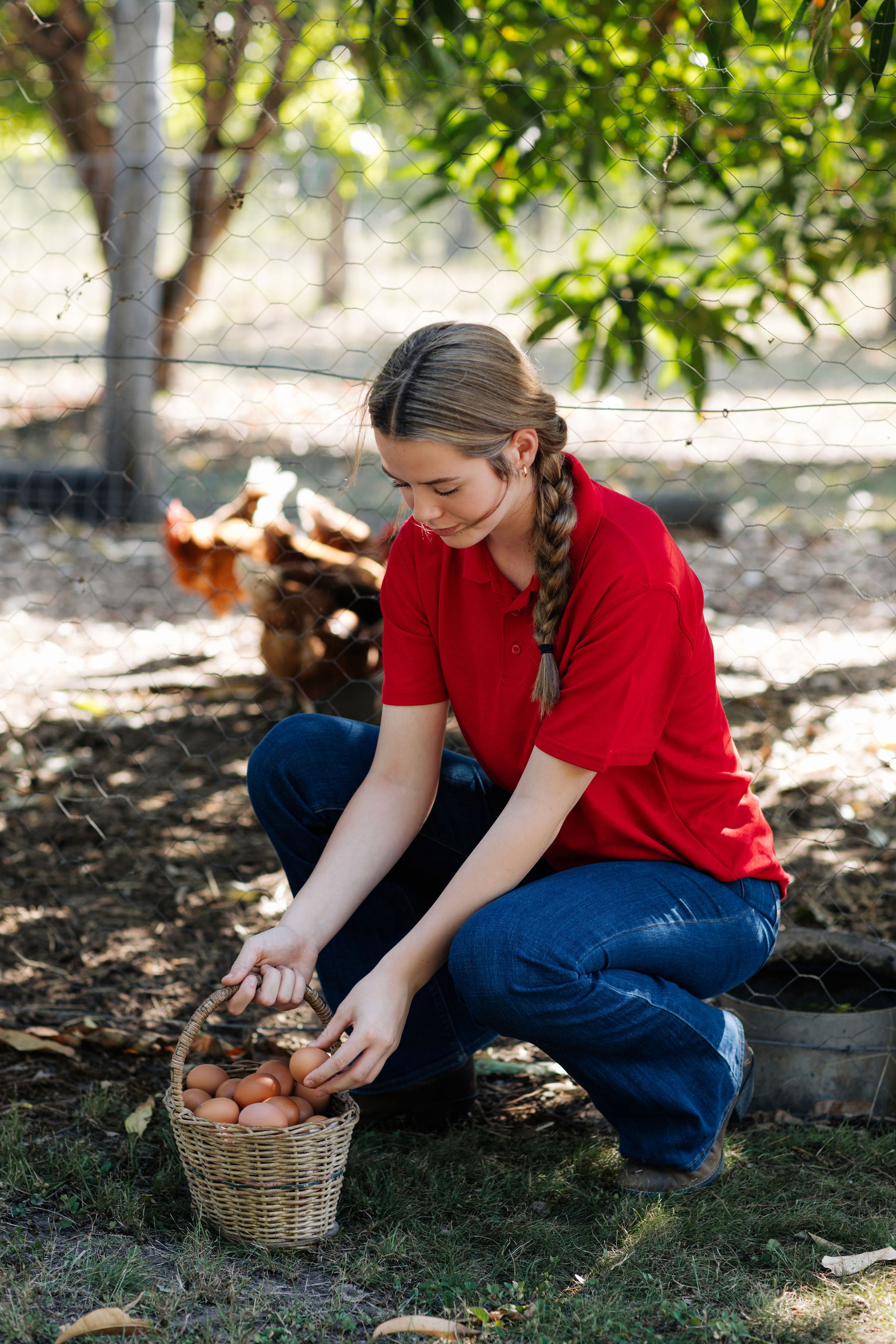
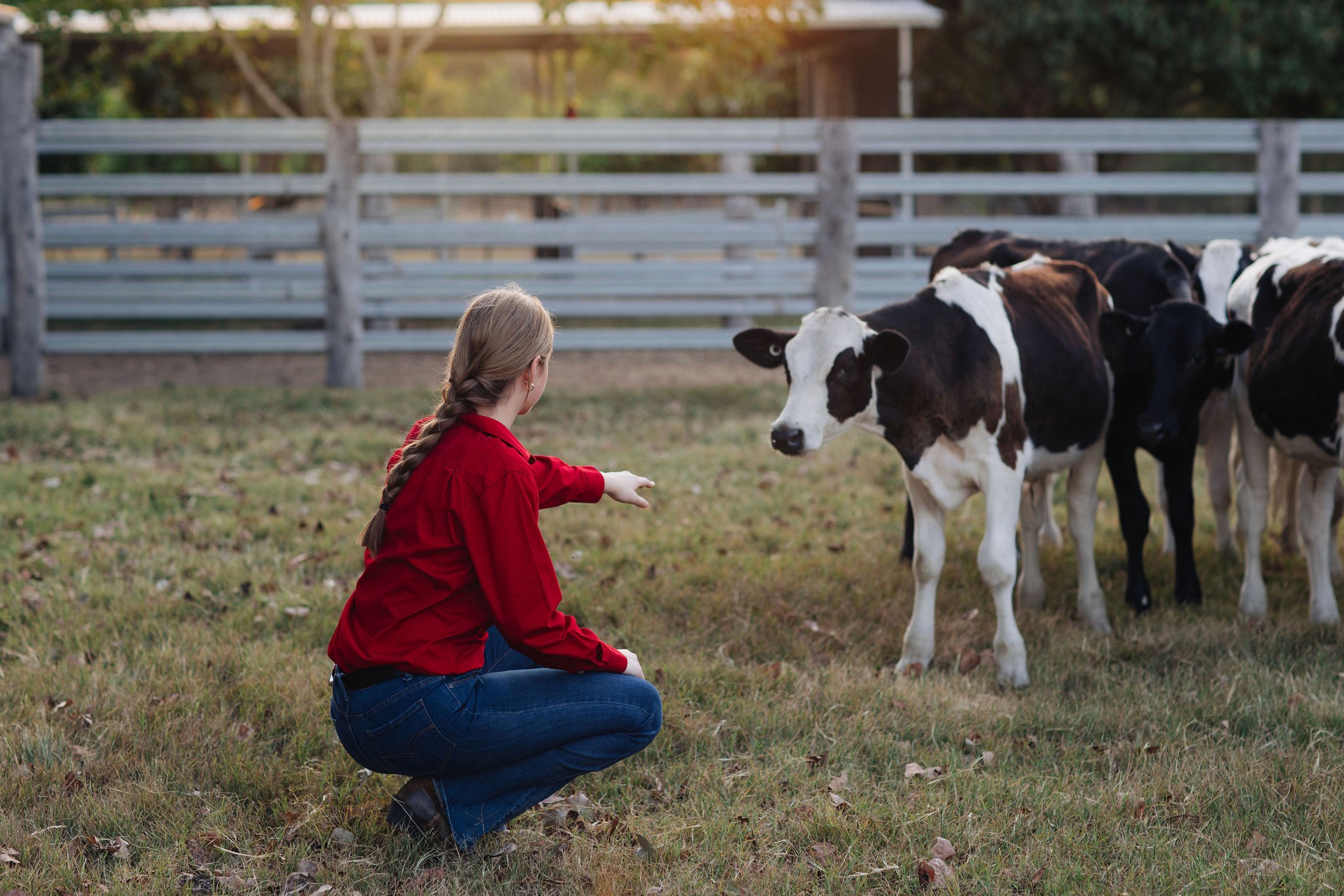
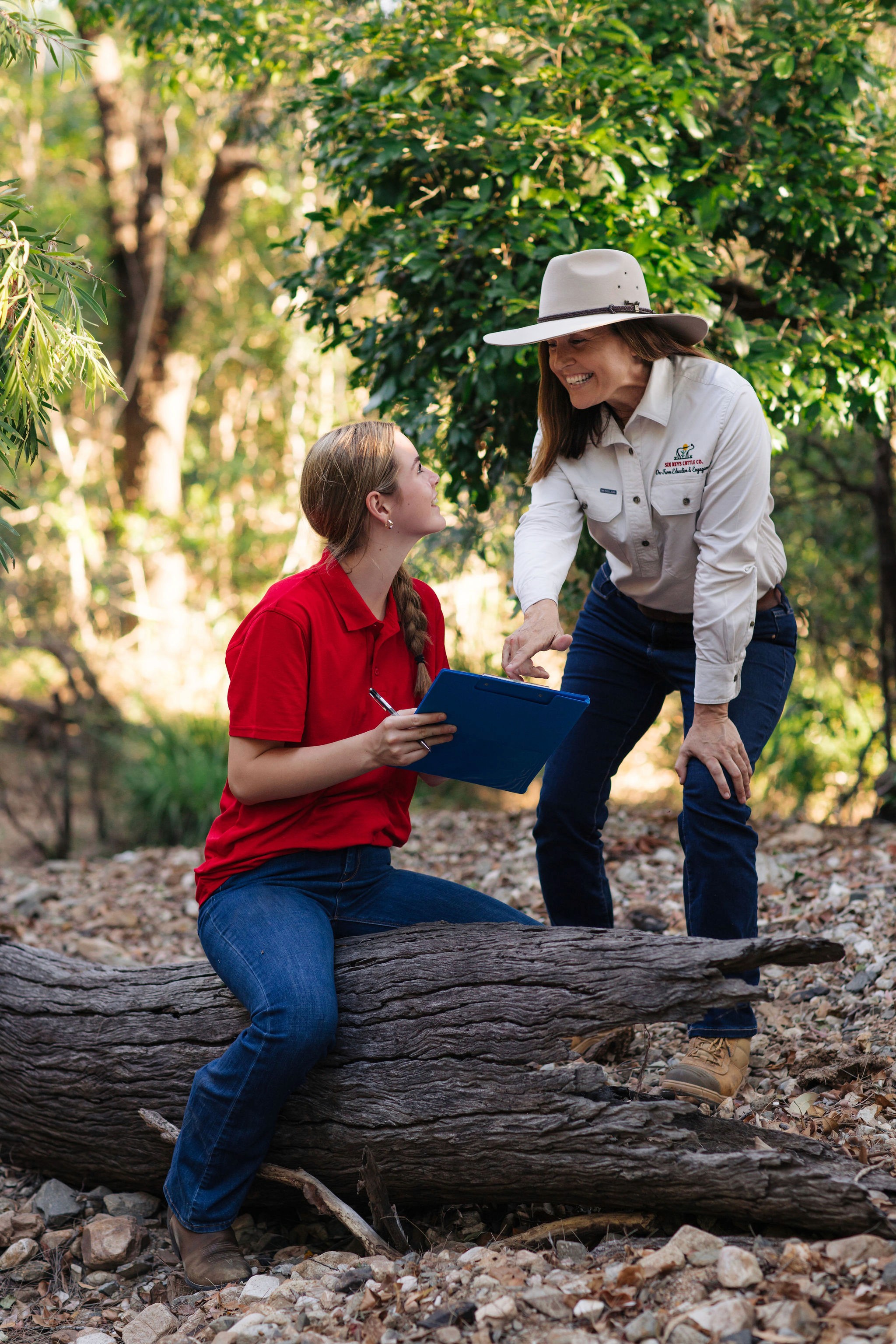
The shift isn't simply about fresh air or open space, though both contribute. It's about what the environment is asking of the student. On a working farm, attention moves naturally outward. There's an animal to observe, a task to work through, a space to navigate. The social stakes of the classroom, where struggling has visible consequence, dissolve against the shared focus of actual work. Nobody is measuring academic performance. The cattle certainly aren't.
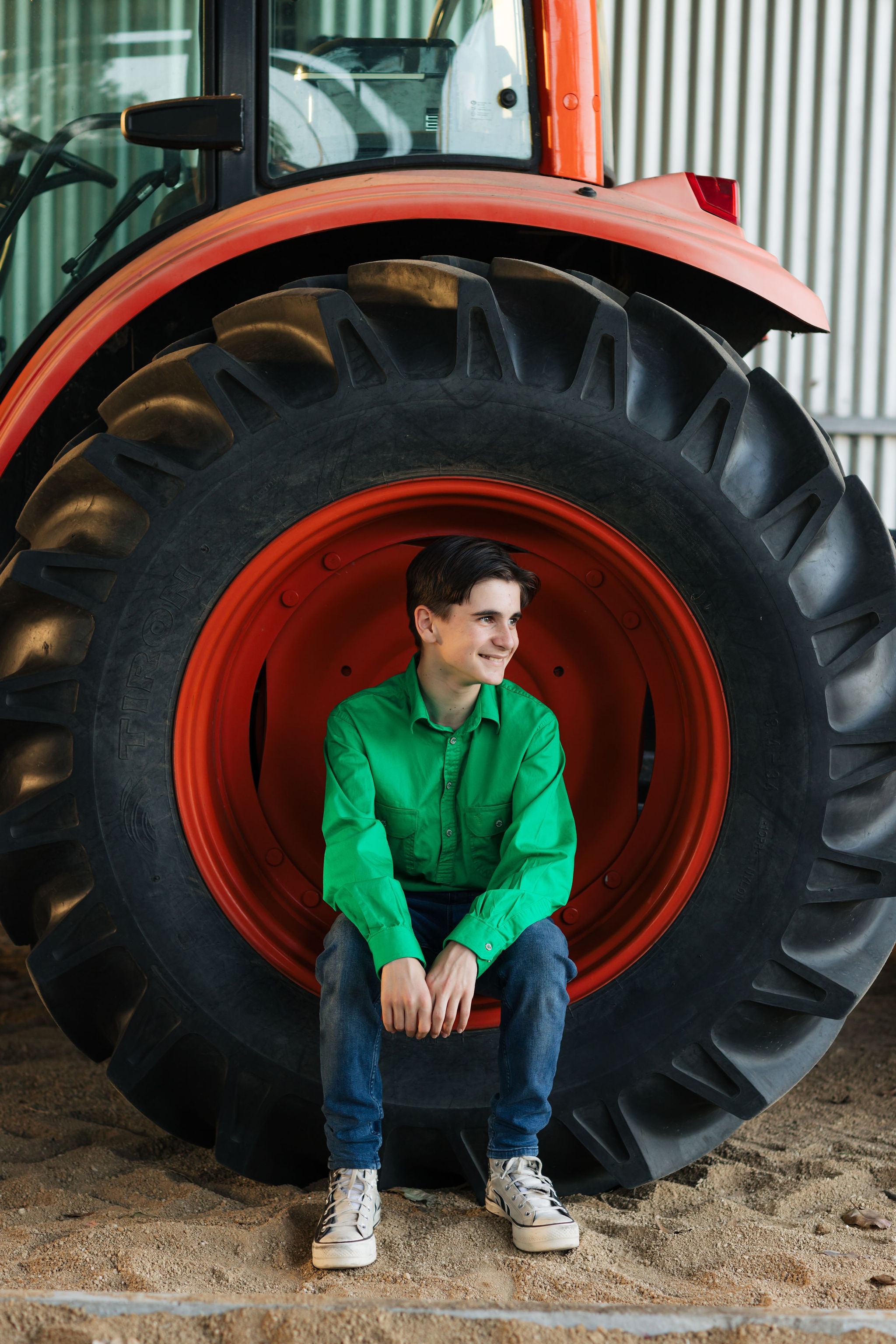
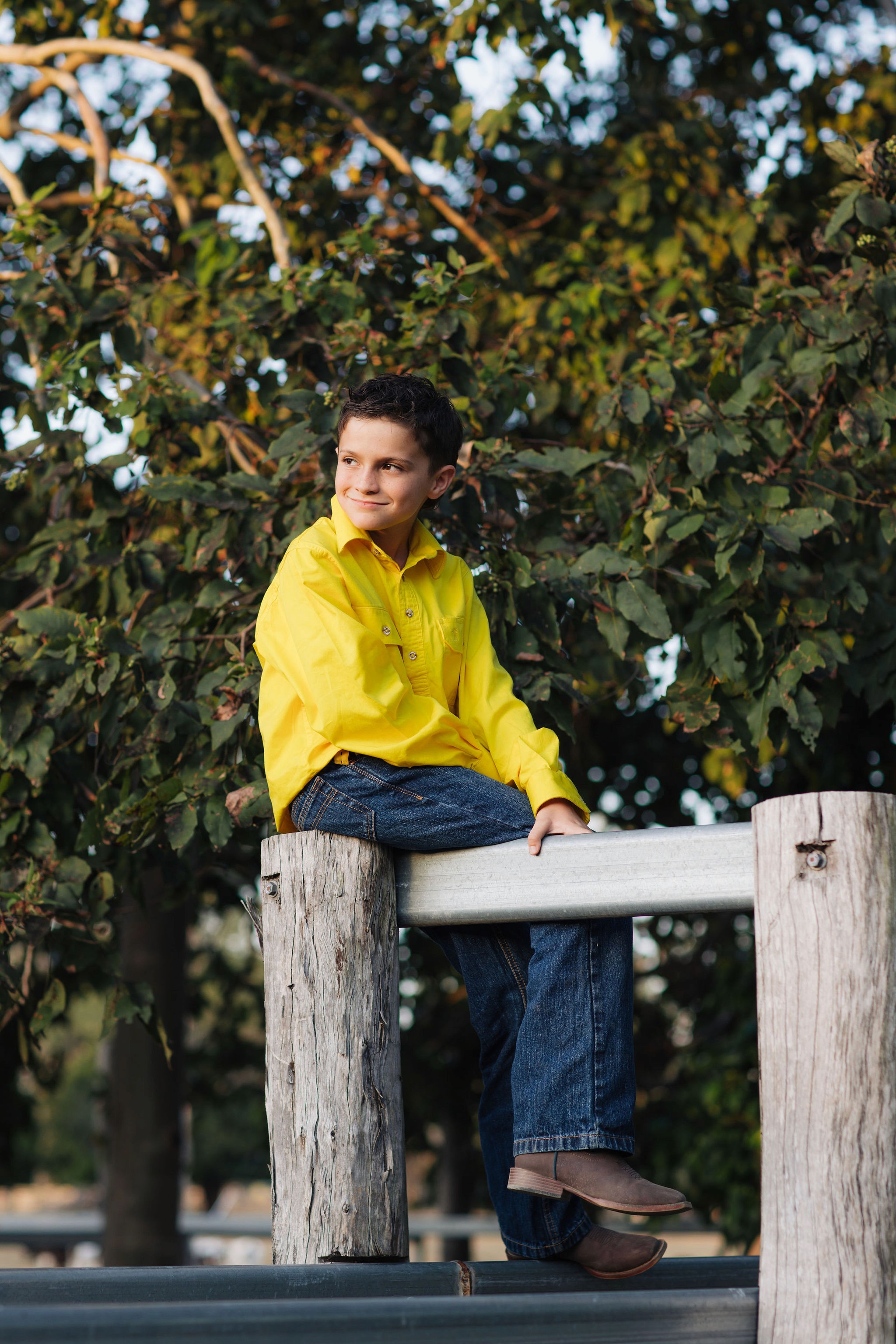
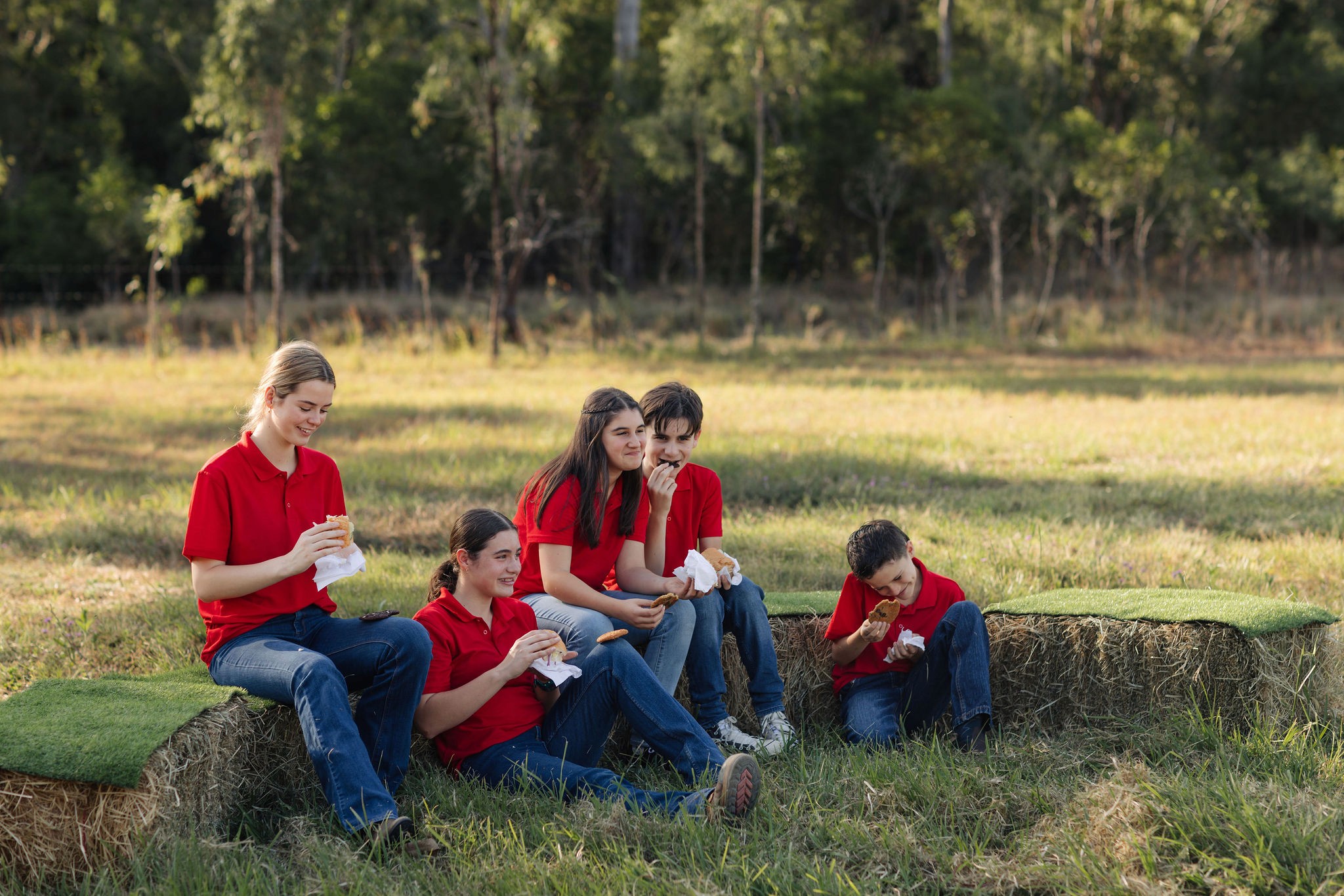
At Six Keys Cattle Co in Central Queensland, this shift in how anxious students carry themselves is visible and consistent. Students who arrive tightly wound and watchful tend to loosen as the morning progresses. Not because anyone has managed them into a calmer state, but because the environment has stopped asking the questions they're most afraid to answer incorrectly.
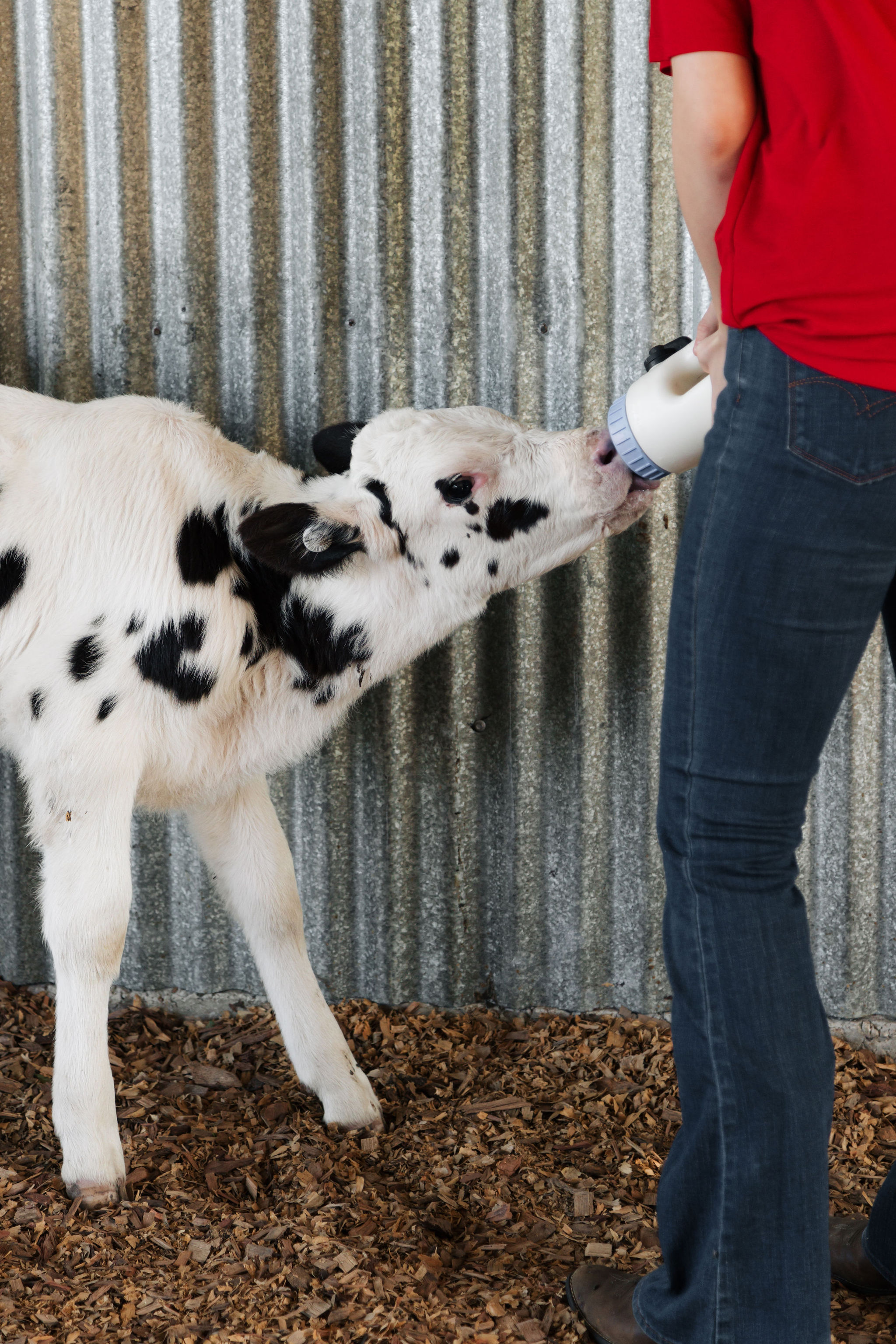
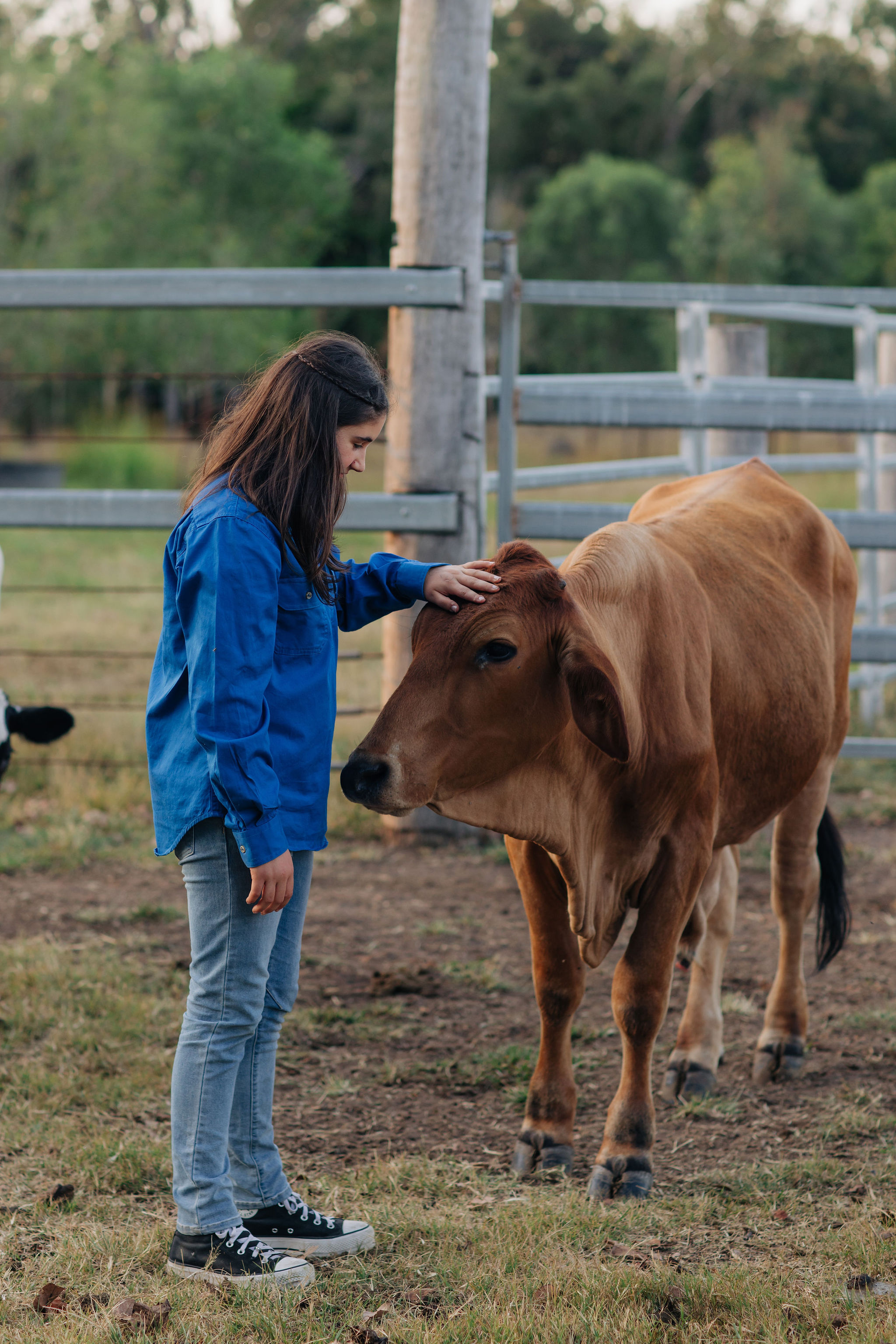
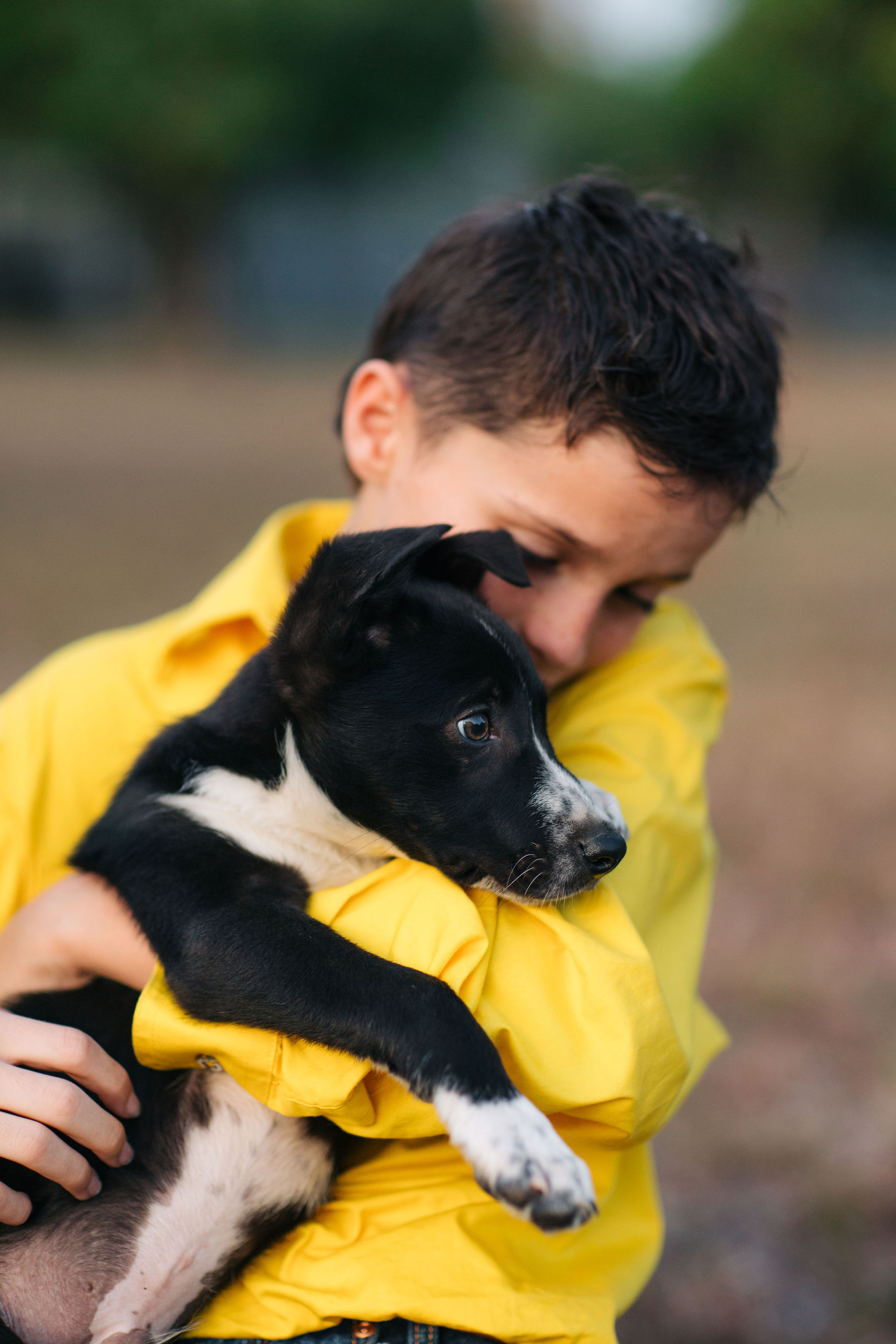
Animals play a particular role in this. Livestock are entirely indifferent to a child's test results or social standing, and students feel that indifference intuitively. Approaching an animal requires stillness and attention, not performance. For an anxious student, this is often the first interaction in a school context where the pressure of evaluation is completely absent. What moves in to fill that space, tentatively at first, is curiosity.
Research into anxiety and outdoor learning consistently identifies the reduction of evaluative threat as central to reengagement. When the environment stops signalling danger, the nervous system gradually reallocates resources from scanning for threat toward exploration and interest. That reallocation is what allows learning to resume.
The aim on a farm isn't to treat anxiety or manage it into submission. It's to create conditions where anxiety doesn't dominate the experience. Where a student who has been contracted and guarded for months has enough room to notice something genuinely interesting and follow it.
Curiosity can't be instructed. But it can be given space to return.