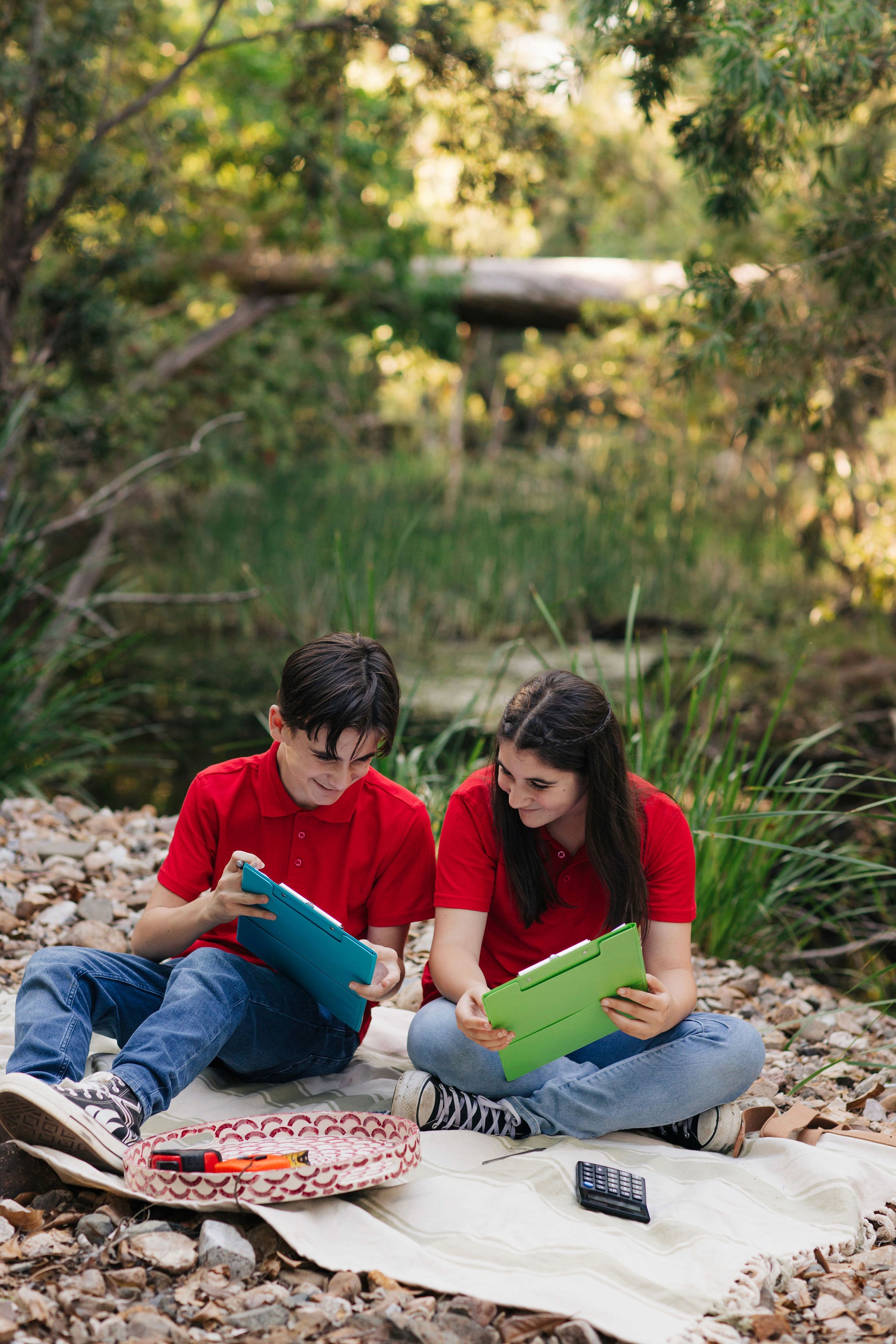
A child who has never held a soil sample, never watched an animal feed, never felt the particular discomfort of working in heat or mud, is missing something a screen cannot replace. Not because technology is the enemy of education, but because physical experience and digital experience are not equivalent, and some things can only be understood through the body.
This is the generation most schools are now teaching. Children for whom a touchscreen is more familiar than a paddock, a garden, or a farm animal up close. Their ability to navigate digital interfaces is genuine and shouldn't be dismissed. But the skills and sensitivities that come from real-world contact with land, animals, and physical work are not growing at the same rate.
The consequences show up in classrooms. Limited tolerance for tasks that don't produce immediate feedback. Difficulty sitting with processes that take time and have variable outcomes. A gap between abstract knowledge and the tangible world that knowledge is meant to describe. None of this is the fault of the children. It's a reflection of the environment they've grown up in.
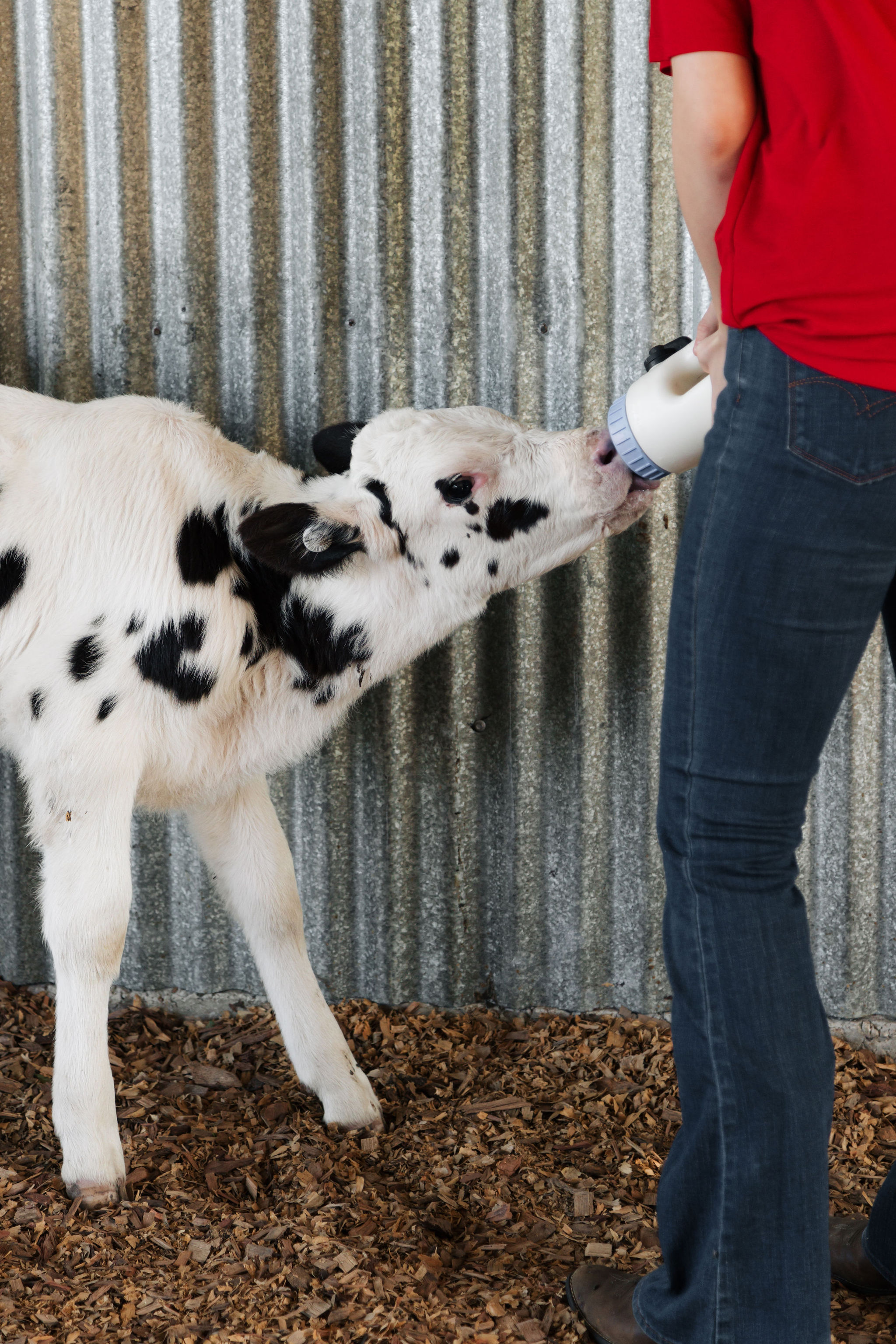
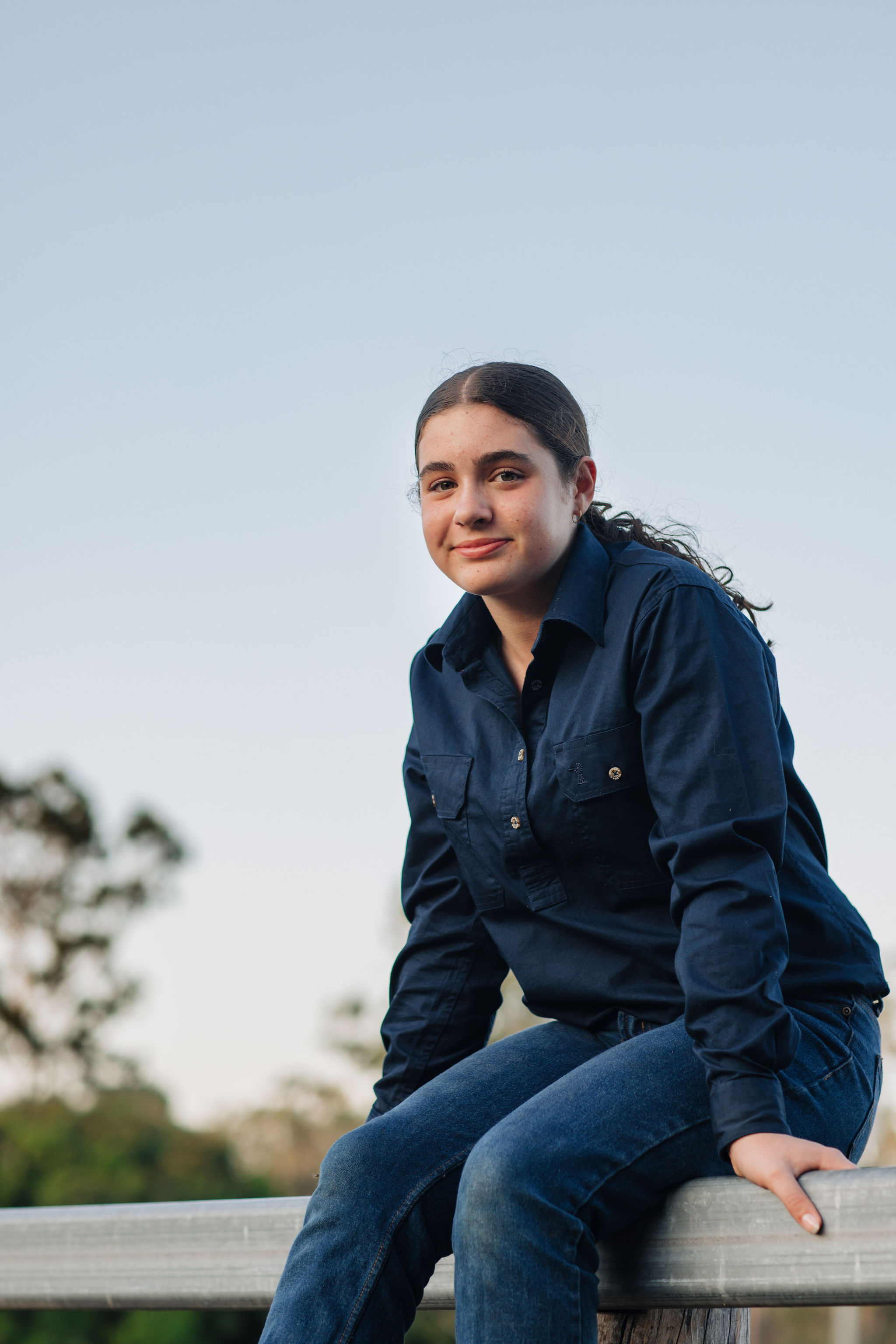
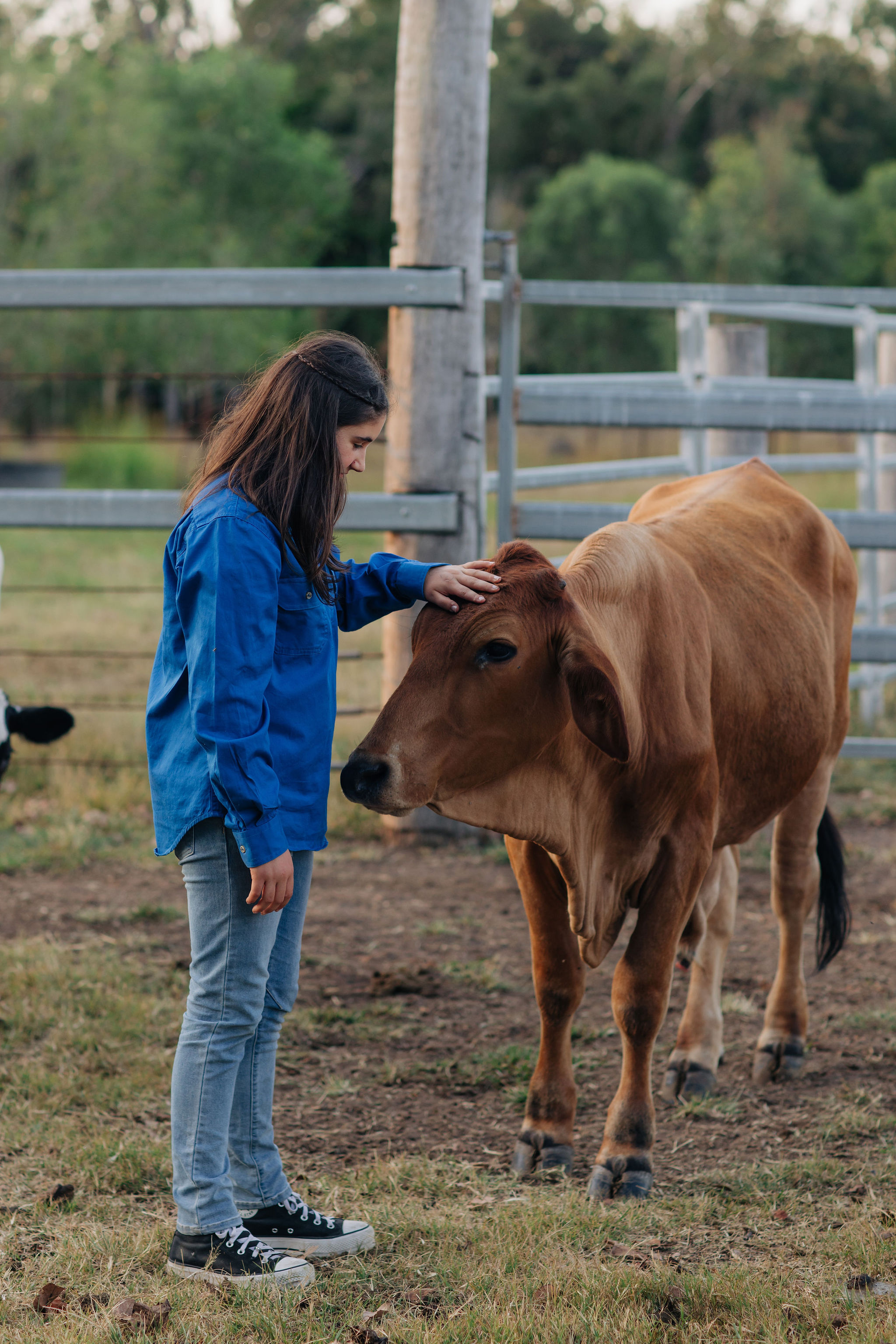
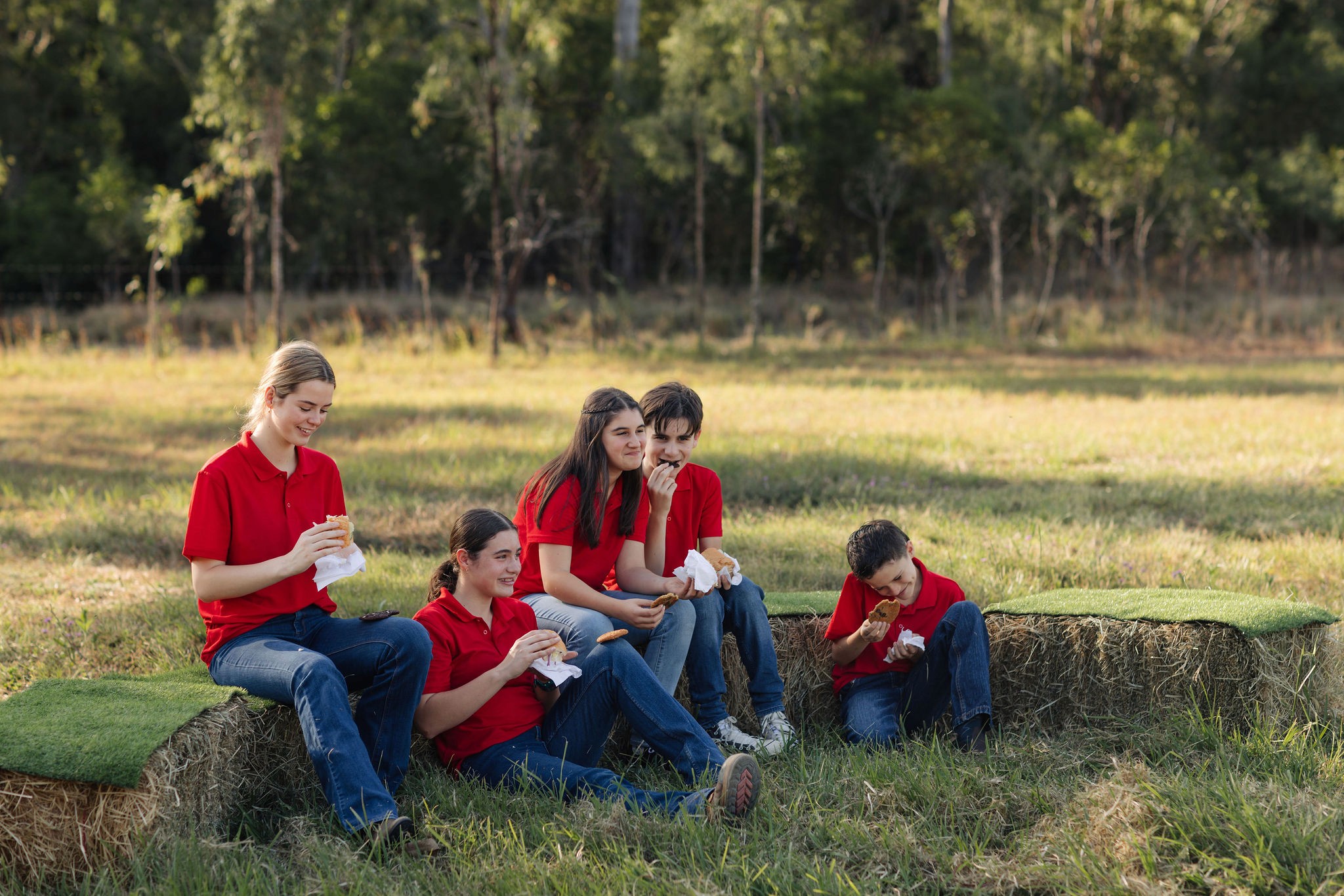
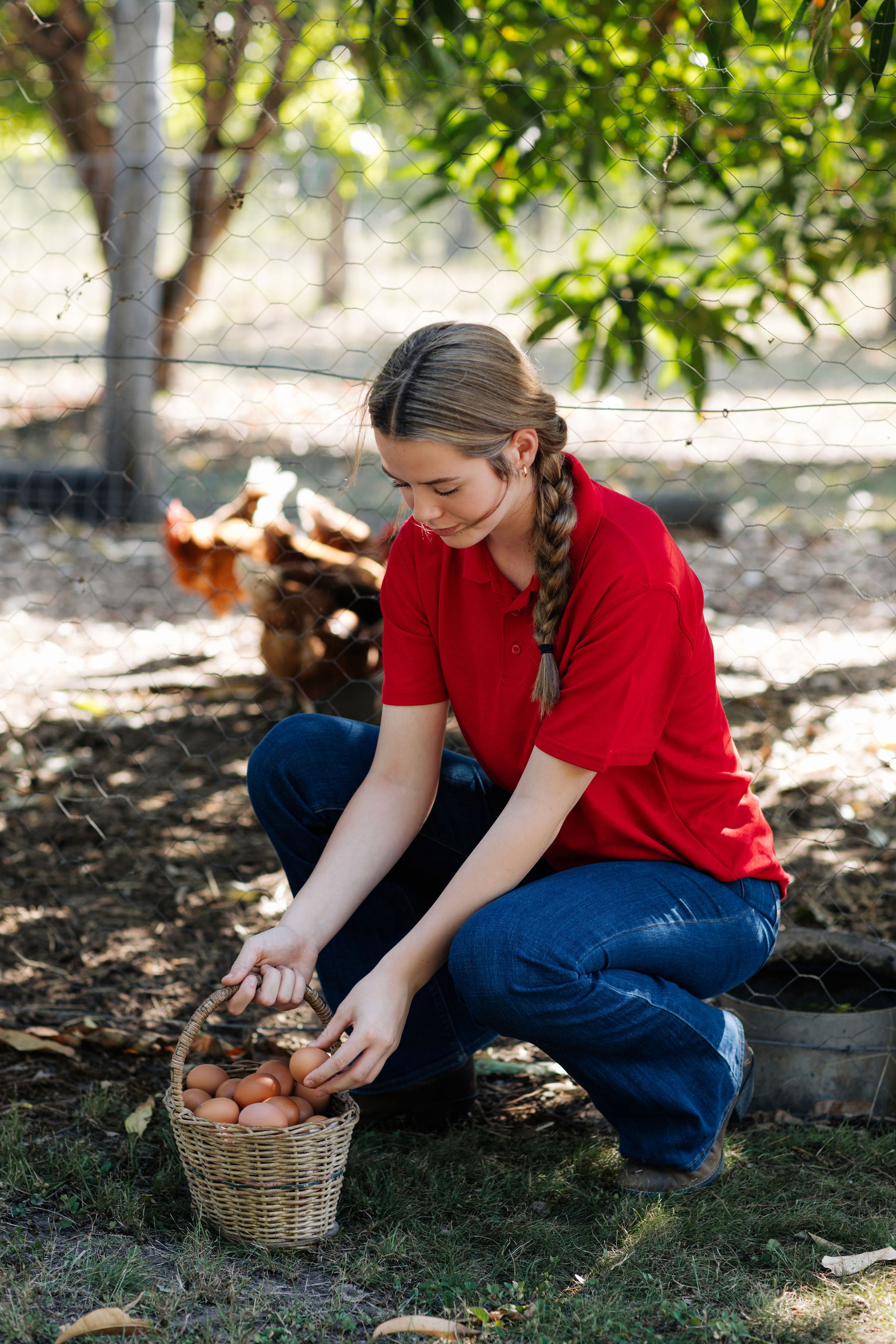
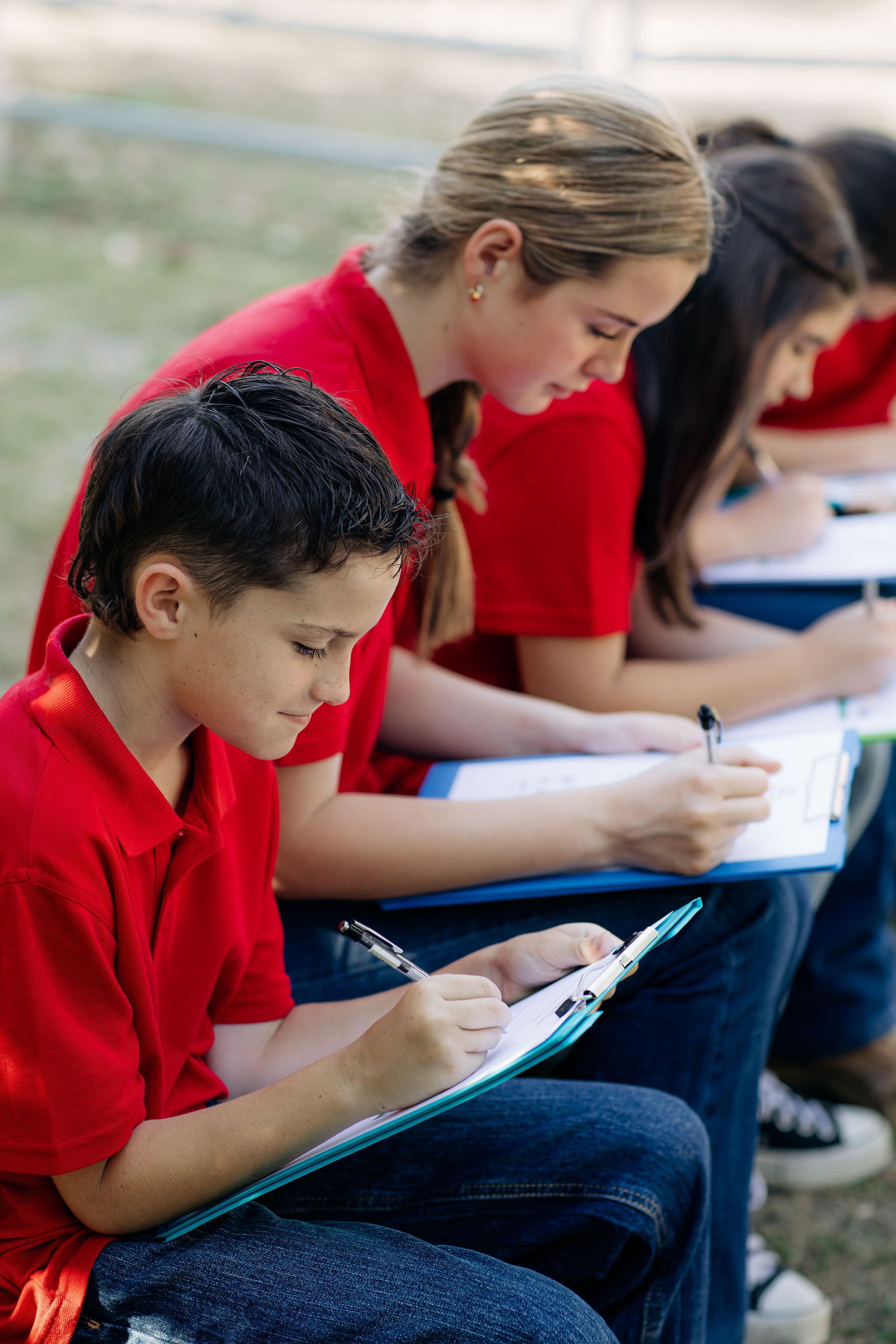
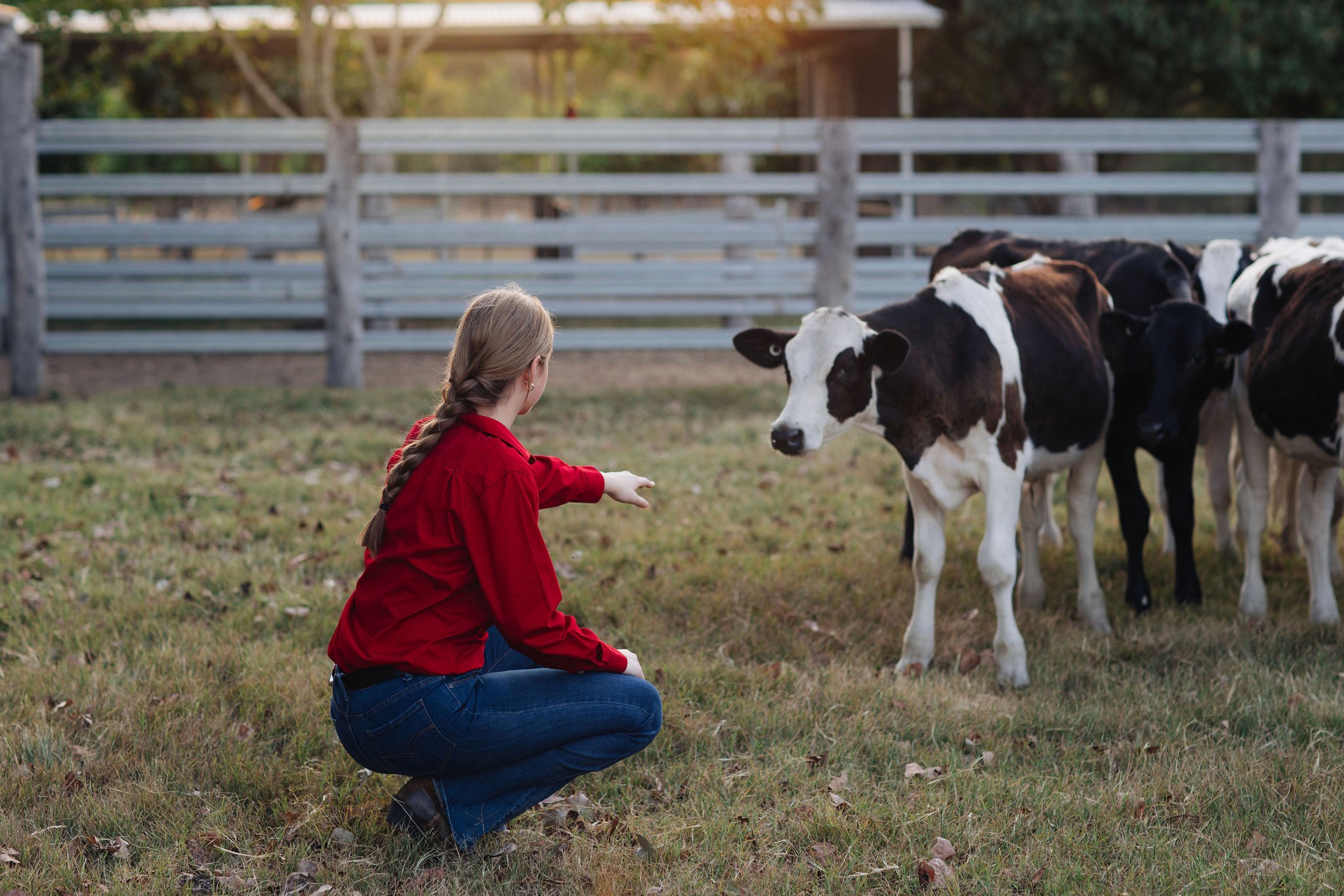
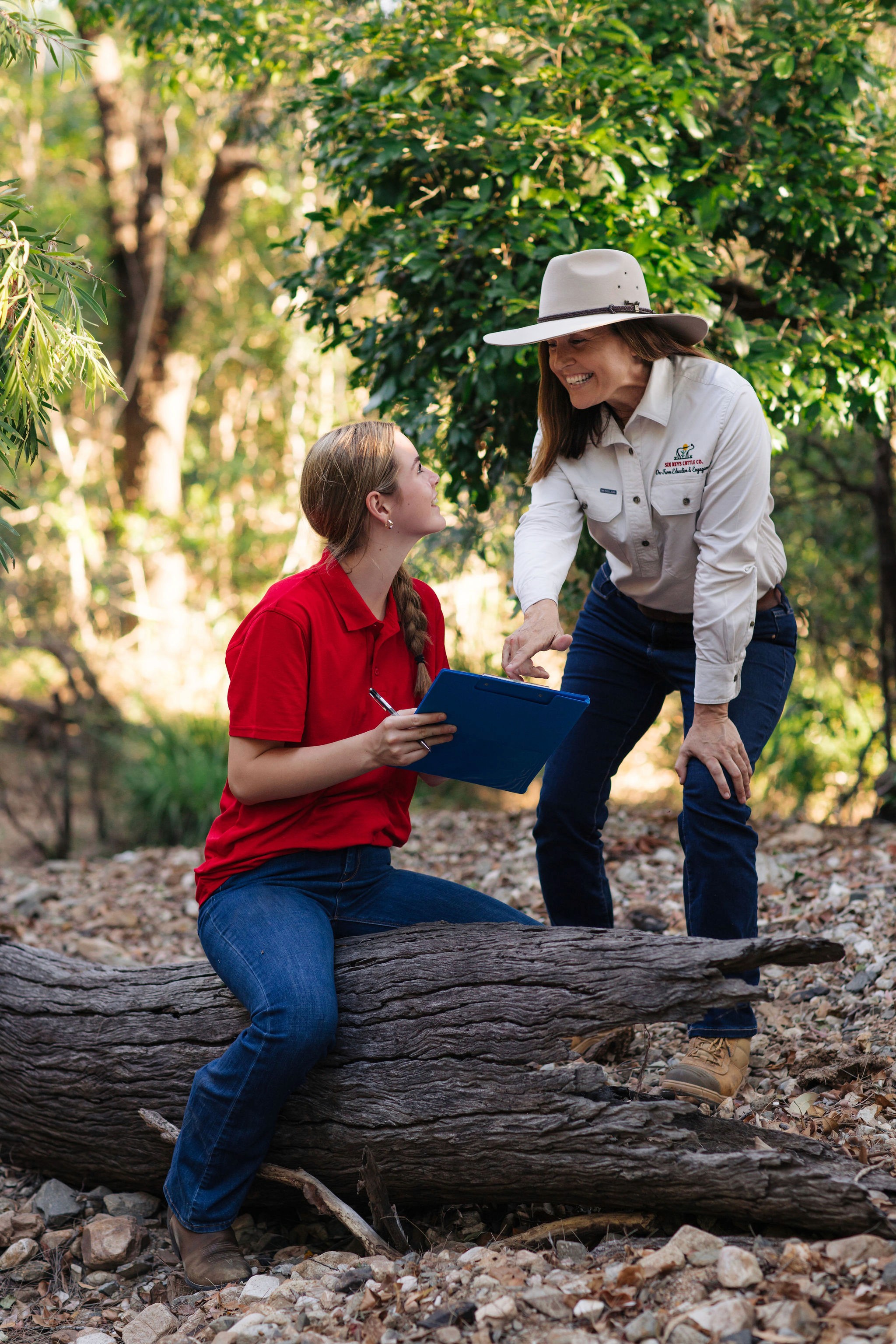
At Six Keys Cattle Co in Central Queensland, students step into an environment that offers almost none of what screens provide and a great deal of what they've been missing. The outcomes aren't instant and aren't always tidy. Animals don't follow a script. Weather doesn't cooperate. Results depend on careful observation and patient effort rather than quick input. For children accustomed to digital feedback loops, this is disorienting at first. Then it becomes absorbing.
Research into outdoor and nature-based learning consistently finds that children who spend meaningful time in natural environments demonstrate stronger sensory processing, better physical coordination, improved attention spans, and greater tolerance for complexity and ambiguity. These aren't minor developmental gains. They're foundational capacities that deeper learning depends on.
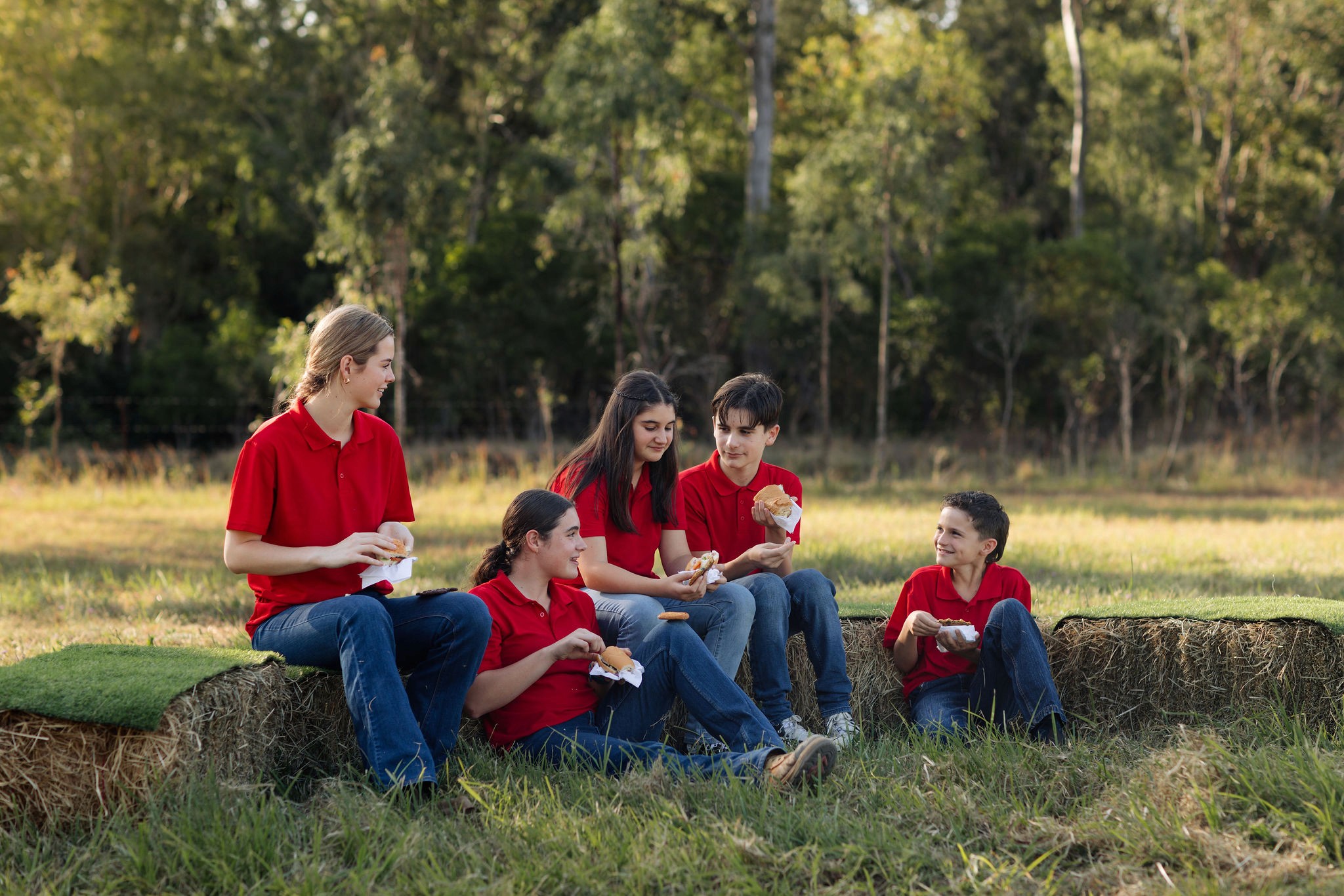
Teachers who bring classes to farm programs report students engaging at a different level to anything they observe in the classroom. Students who are usually restless become focused. Students who usually dominate become one voice among many. Students who rarely ask questions start asking the ones that actually matter.
What a farm offers is not a nostalgic detour from modern education. It's a corrective. A reminder that children are physical, sensory beings whose understanding of the world deepens significantly when they are allowed to touch it, work in it, and get it on their hands.
Dirt is not a distraction from learning. For a lot of children, it's where learning begins.