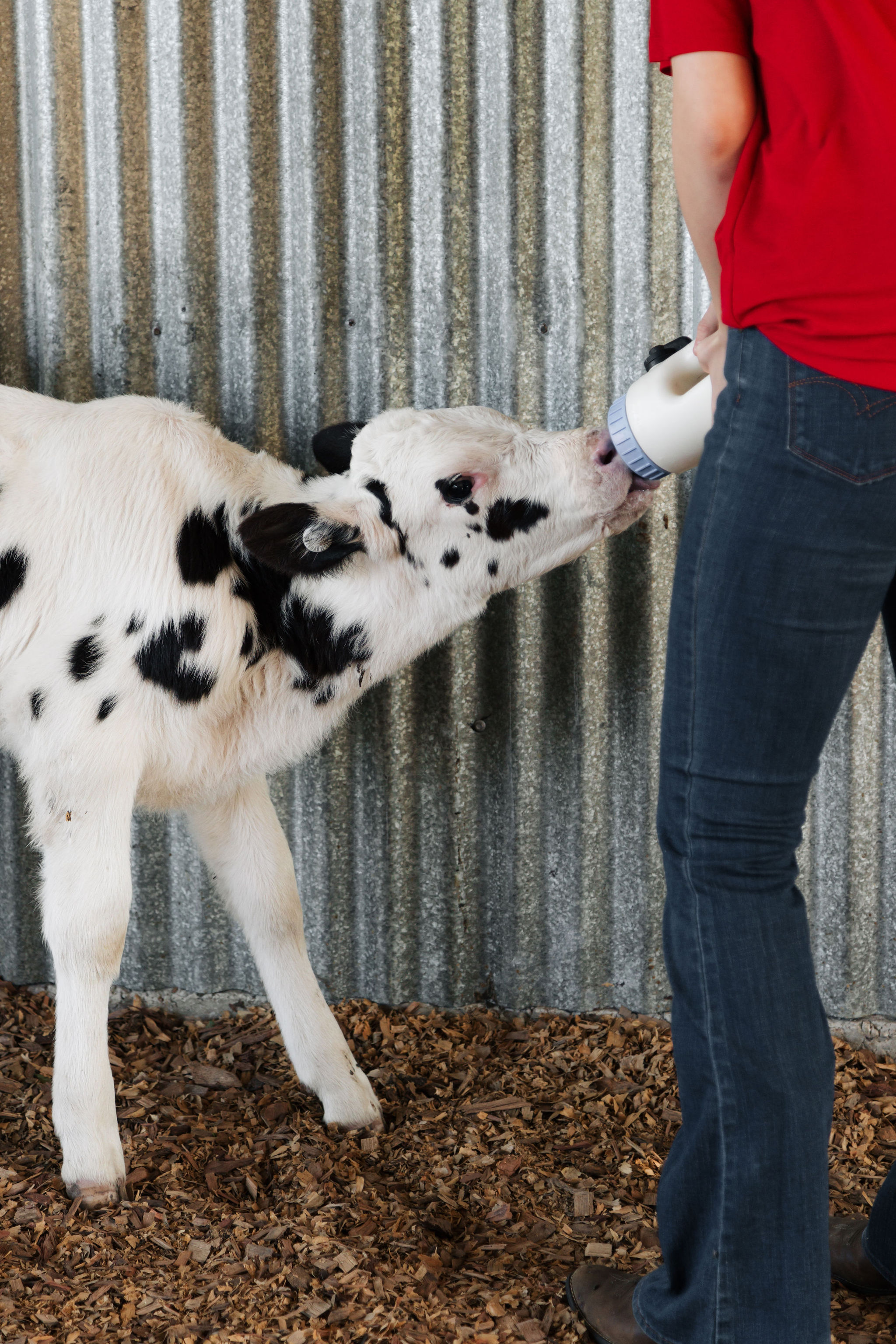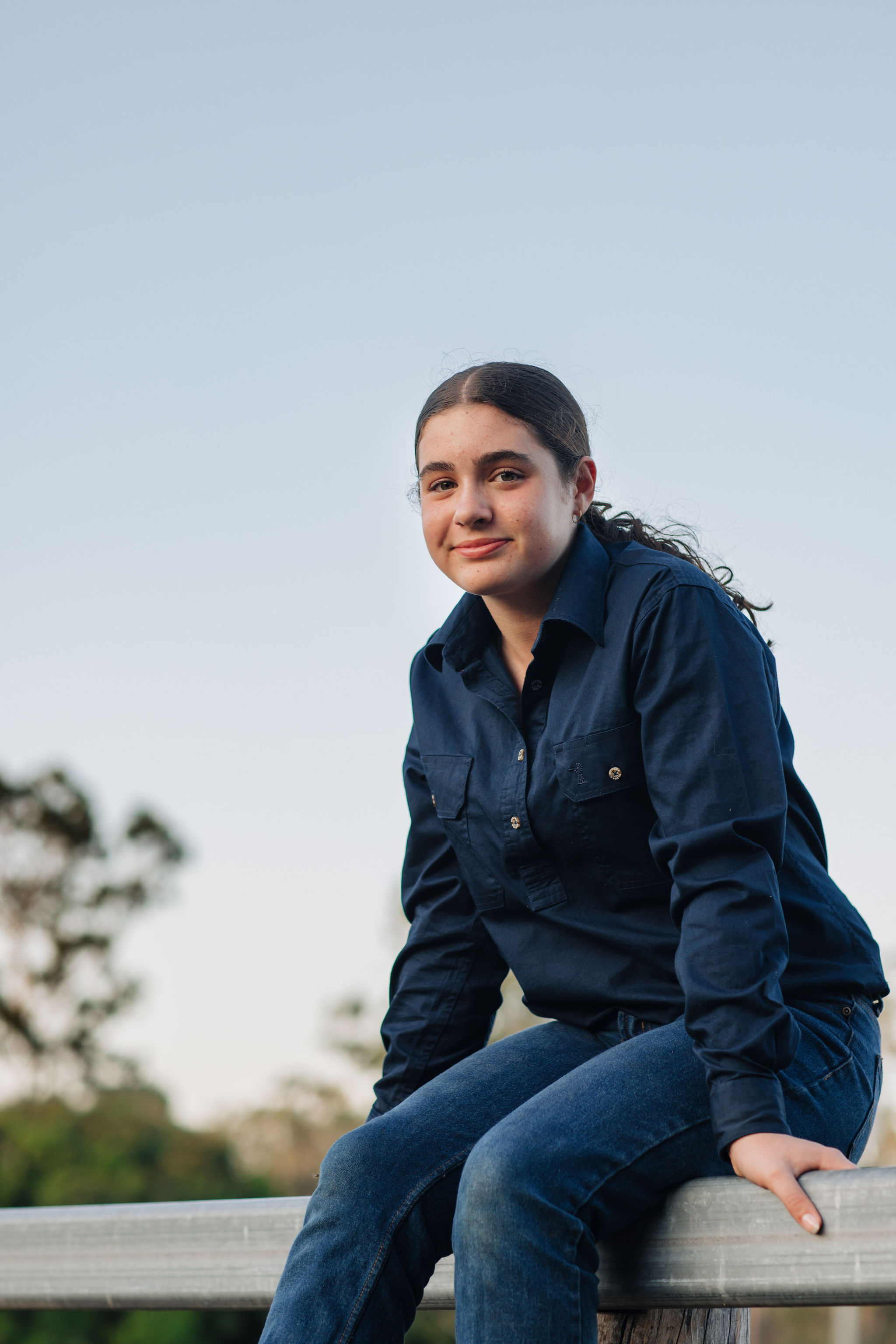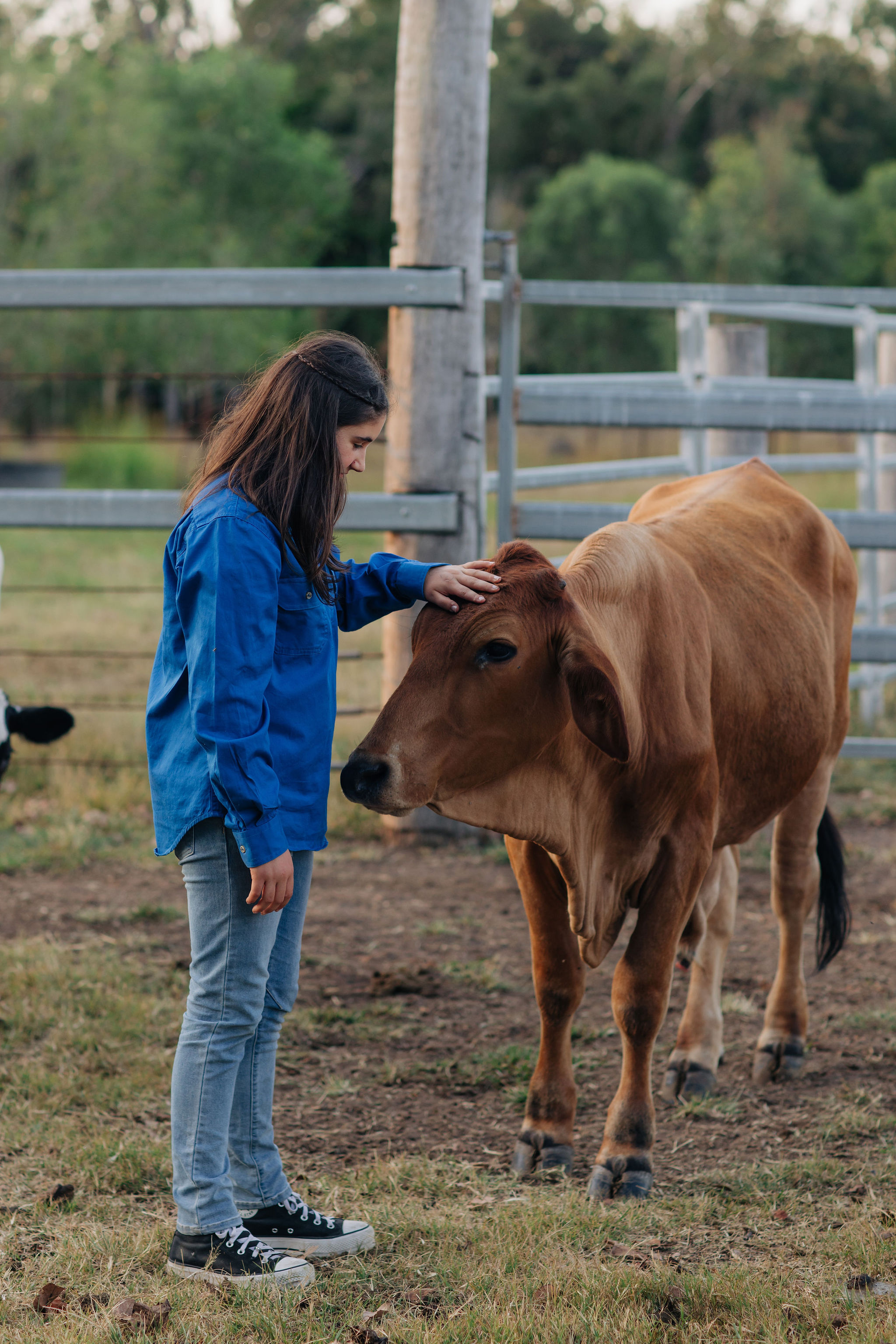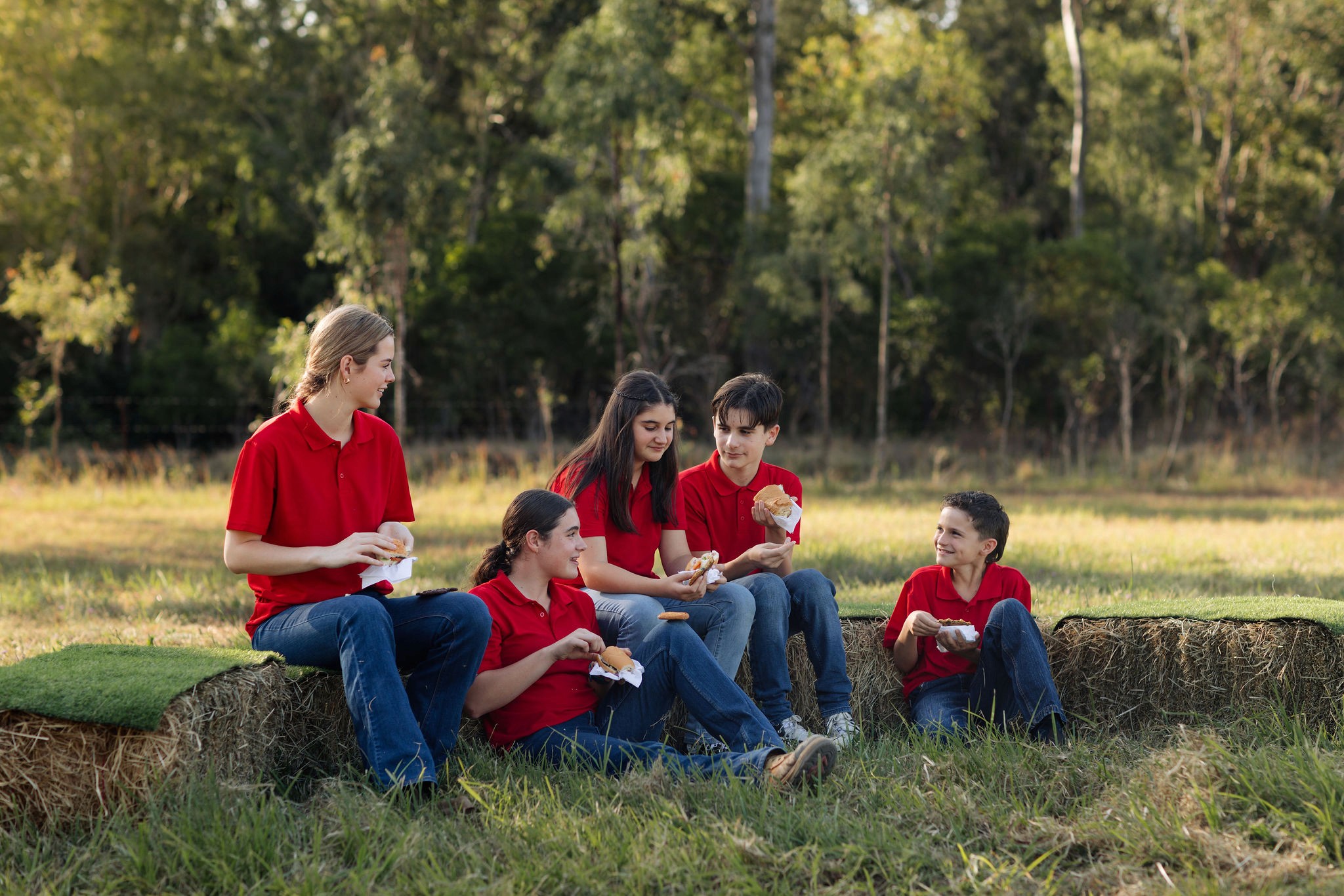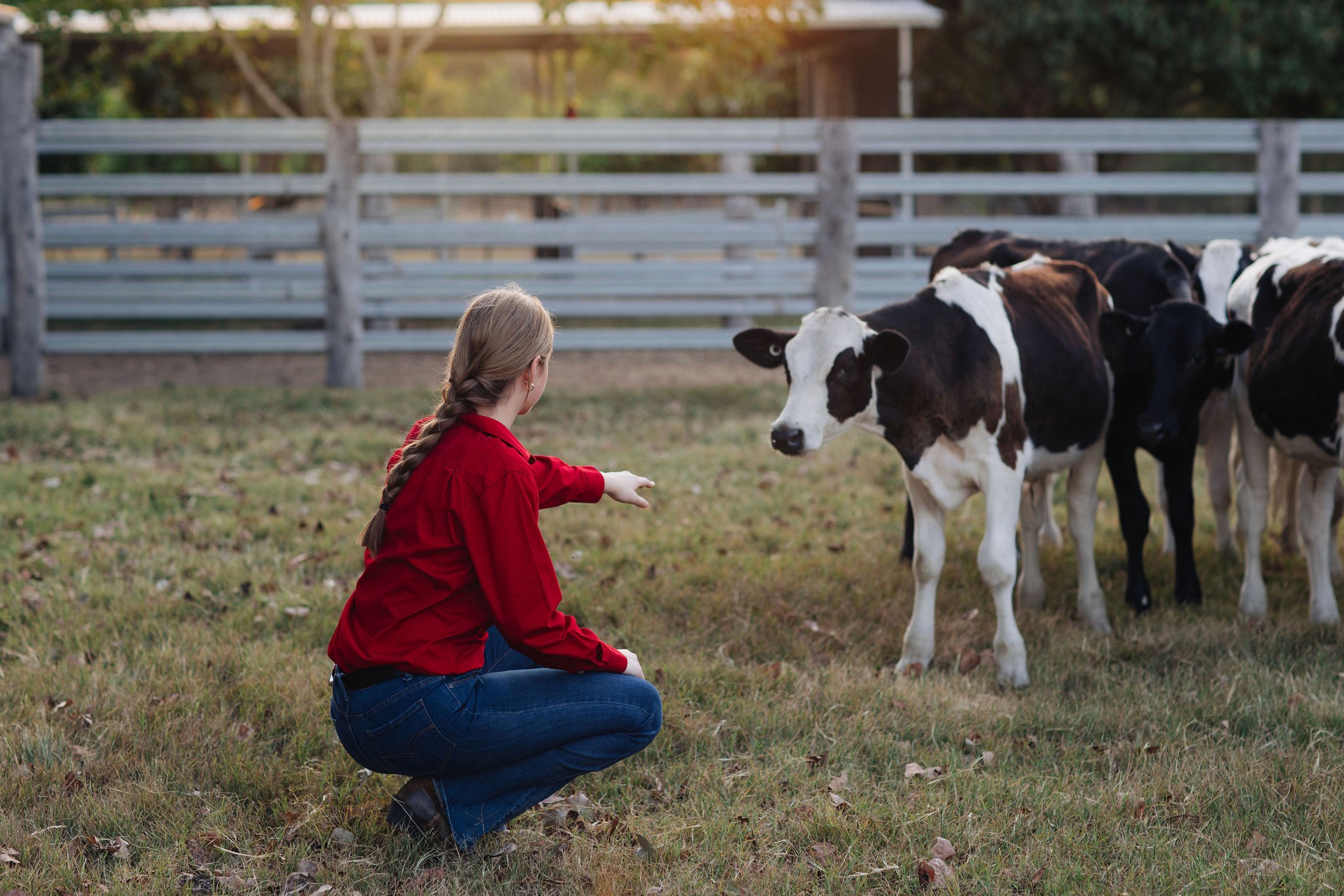
HASS content has a well-known problem in primary classrooms. The concepts are genuinely important: how communities function, how economic systems operate, how land management connects to long-term outcomes. But they're difficult to render concrete for students who have no direct experience of the contexts being described. Teaching about the contribution of primary industries to the Australian economy through a diagram is a different experience entirely to standing on a working cattle property and seeing what that contribution looks like from the ground up.
Farming environments resolve this problem at the source.
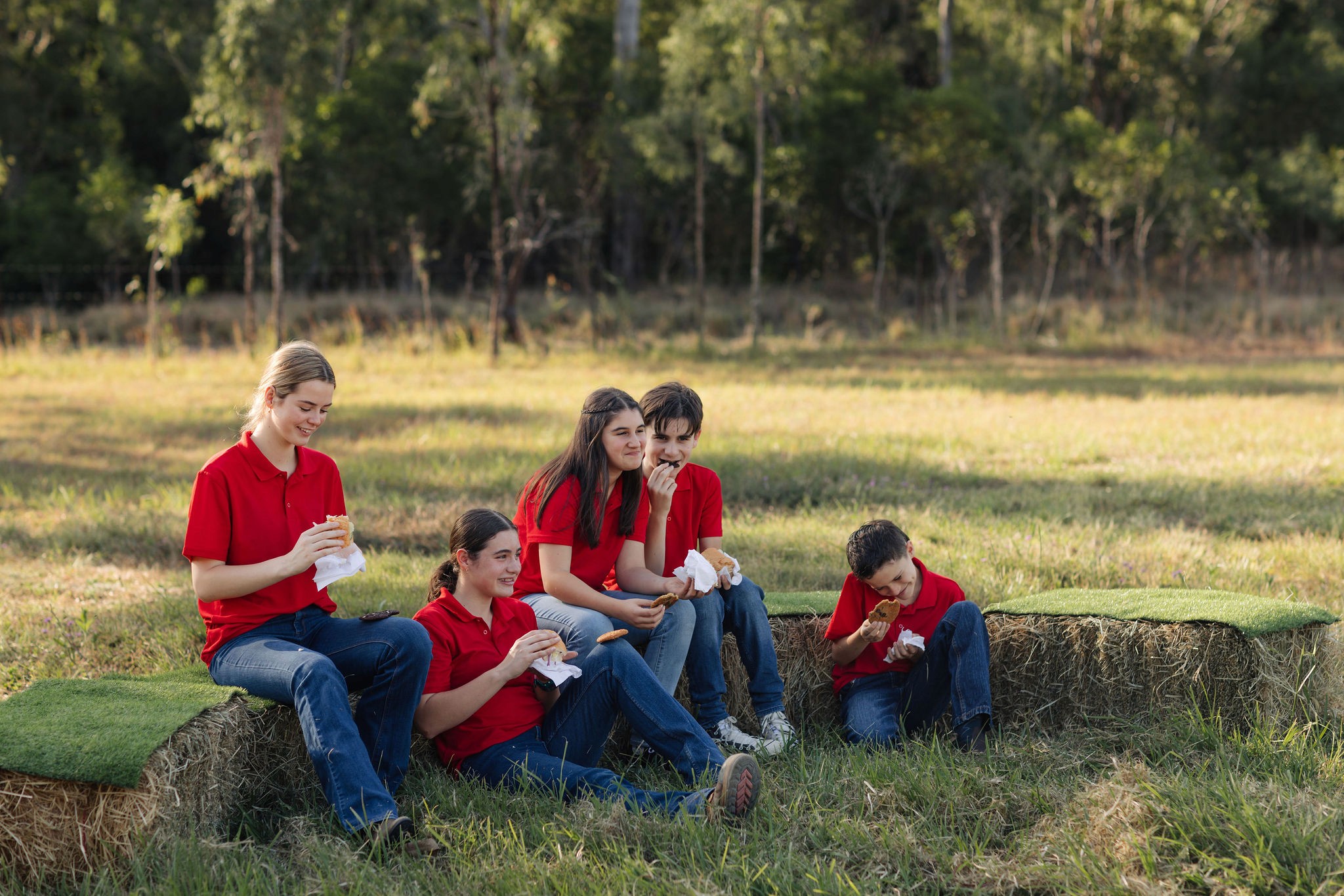
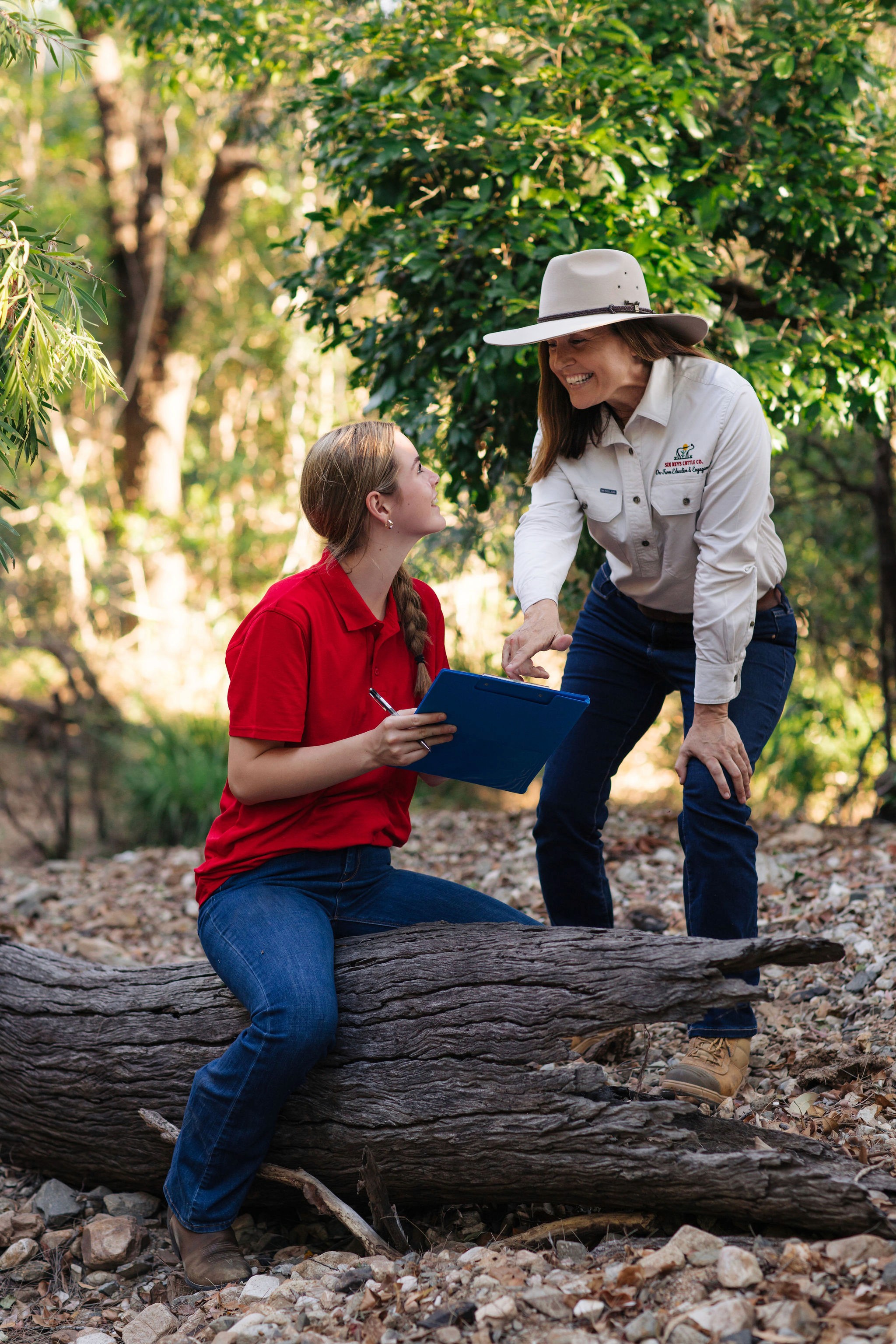
Community in an agricultural context isn't abstract when students are meeting the people who do the work and observing how the property connects to the region around it. A working cattle operation is embedded in local and regional infrastructure in ways that are visible and specific: suppliers, contractors, veterinary services, processing chains, transport networks. At Six Keys Cattle Co in Central Queensland, students encounter the genuine social and economic fabric that supports a beef cattle operation. The HASS strand exploring how people contribute to communities, and how communities depend on productive industries, comes to life through this direct exposure in a way that no textbook case study quite manages.
Economic systems become comprehensible when students can trace them from a concrete starting point. Understanding how decisions on a single property connect to market forces and consumer outcomes gives students a real model to work with. When to sell, how to manage stocking rates, what inputs to reduce in a difficult season: these are producer decisions with genuine economic reasoning behind them, and upper primary students exploring economics and business content can observe that reasoning in practice rather than through a hypothetical.
Sustainability earns particular depth in a farming context. Land management decisions on a cattle property involve genuine trade-offs between productivity and long-term land health. Students who see paddock rotation, water management, and responsible stocking practices in operation aren't learning about sustainability as a principle. They're watching it applied to something that genuinely matters to the people responsible for it.
The Australian Curriculum Version 9 HASS strands are built around contextual understanding: geographical inquiry, economic reasoning, and civic awareness. Farm environments ask students to engage with all of these through direct observation rather than textbook representation.
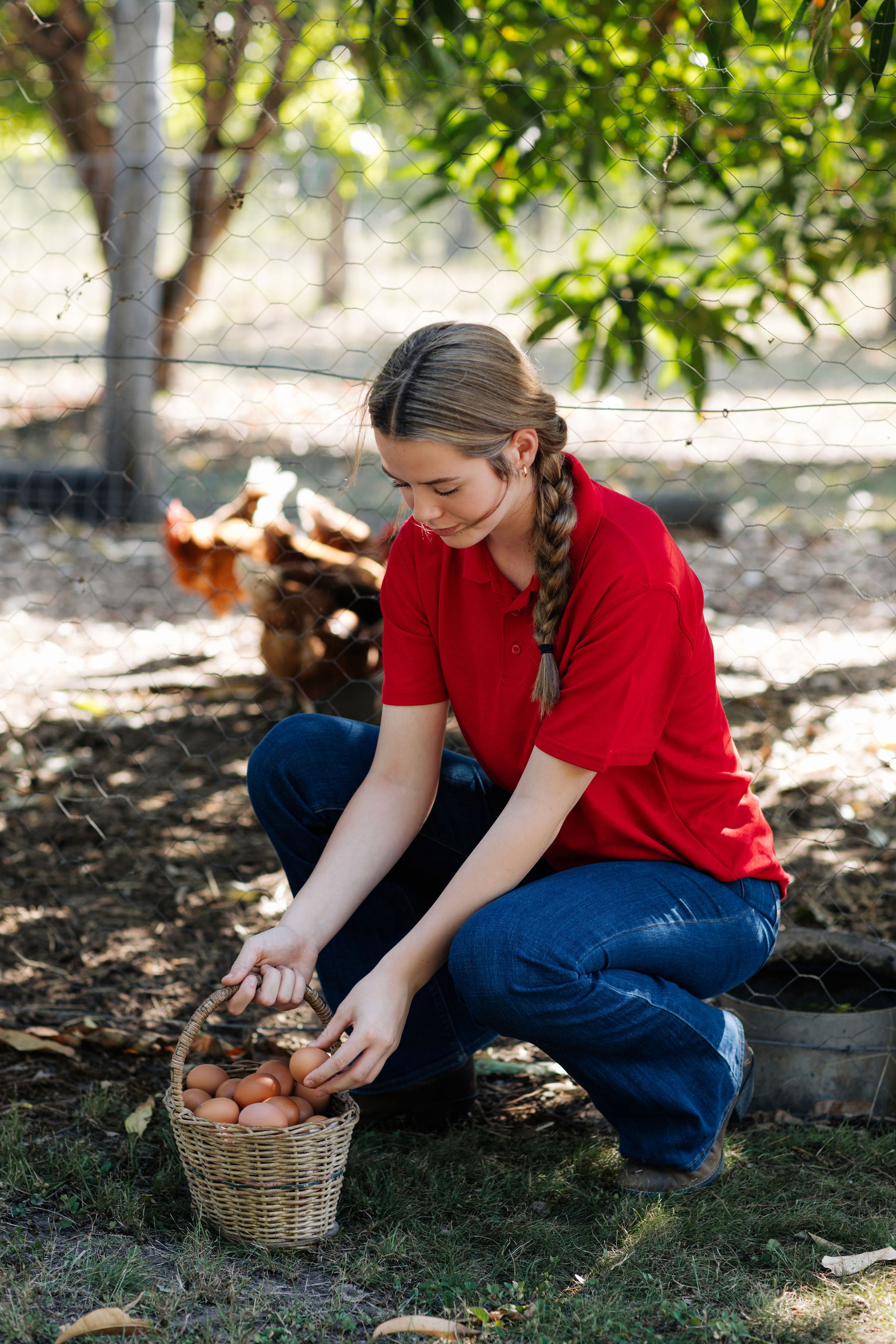
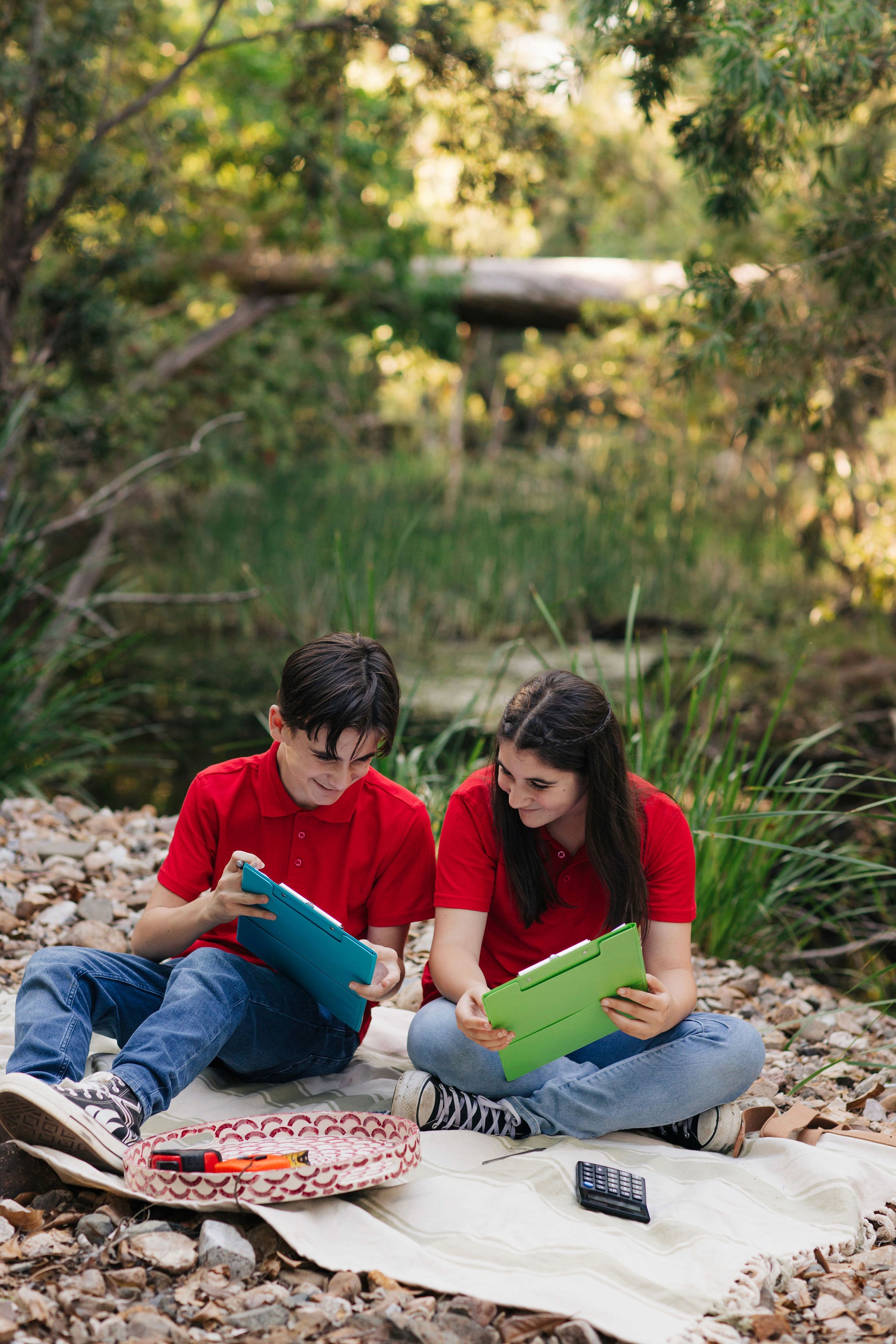
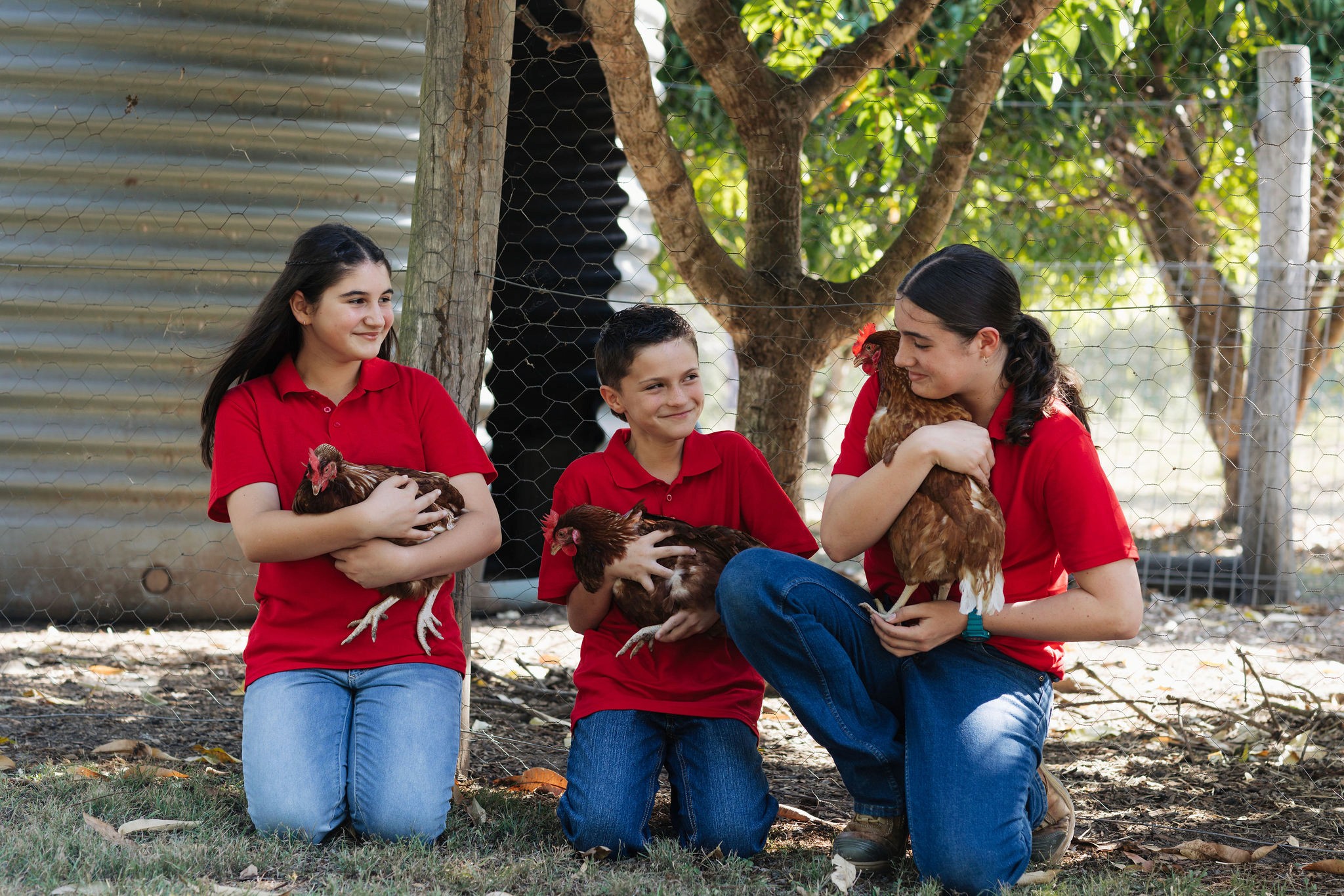
At Six Keys, these connections are embedded in the program itself rather than mapped onto it retrospectively. Students working through a day on the property are simultaneously working through substantial HASS content because farming is, at its core, a HASS subject lived in practice every single day.
Community, systems, and sustainability aren't abstract ideals on a cattle property. They're what keeps the place running.