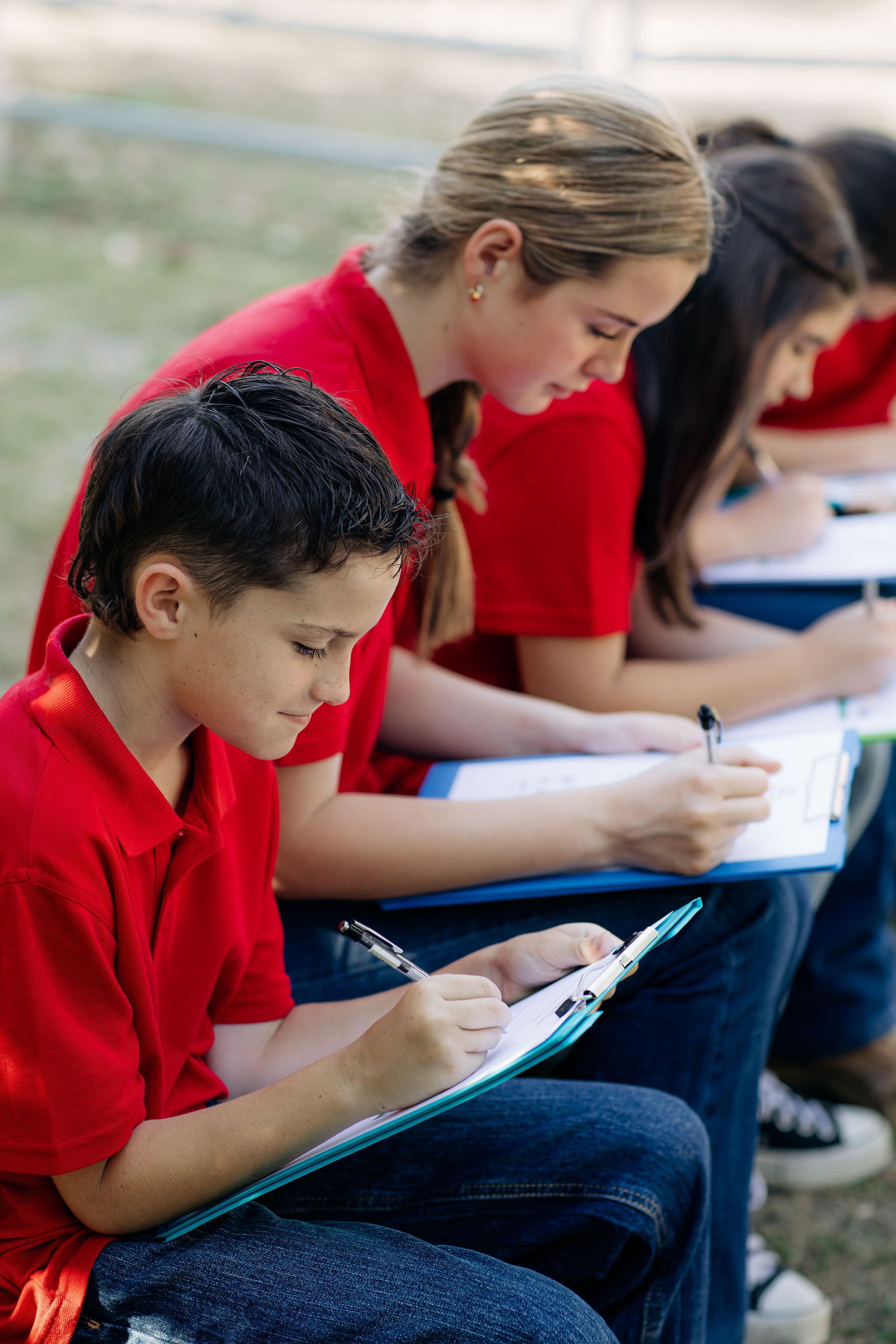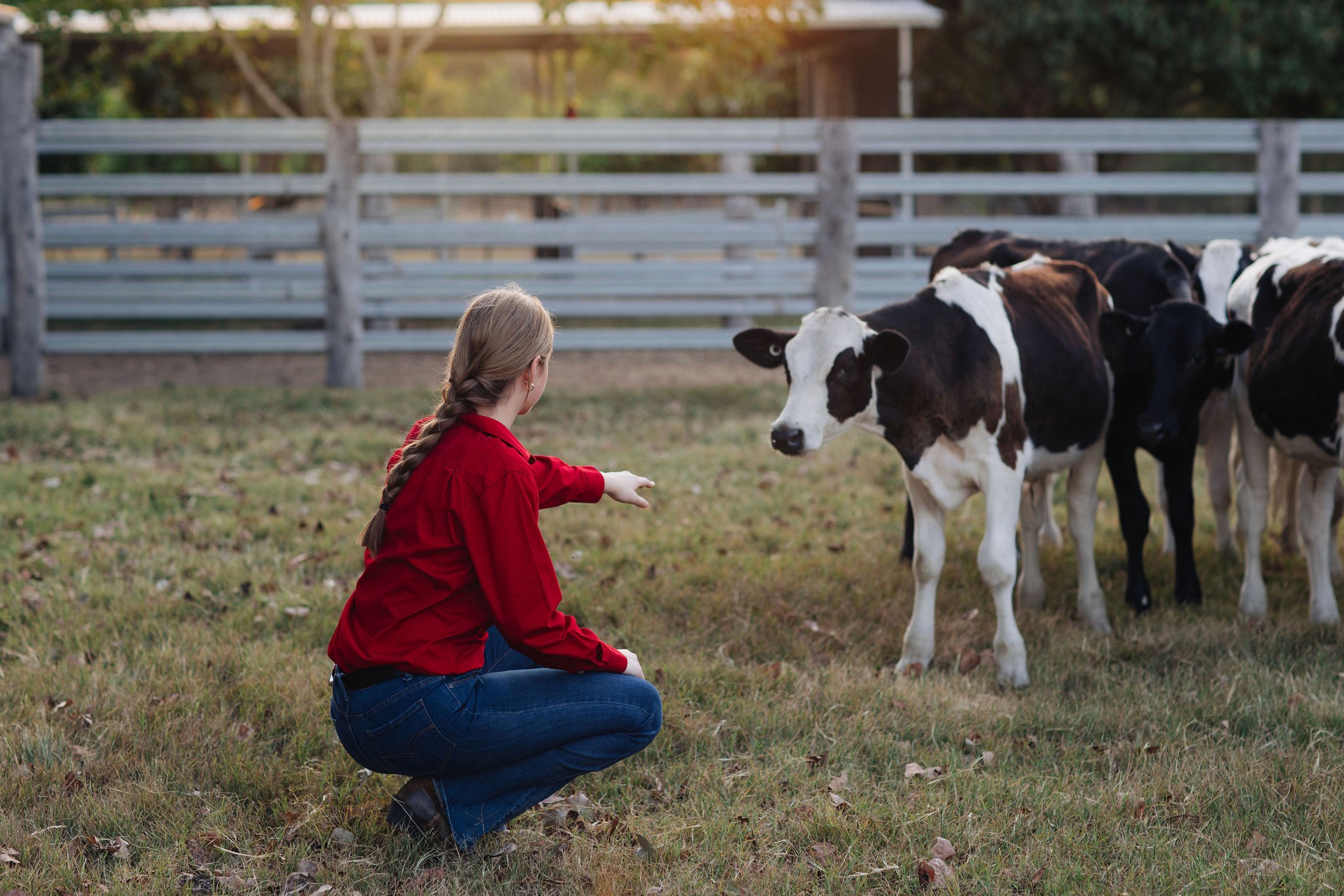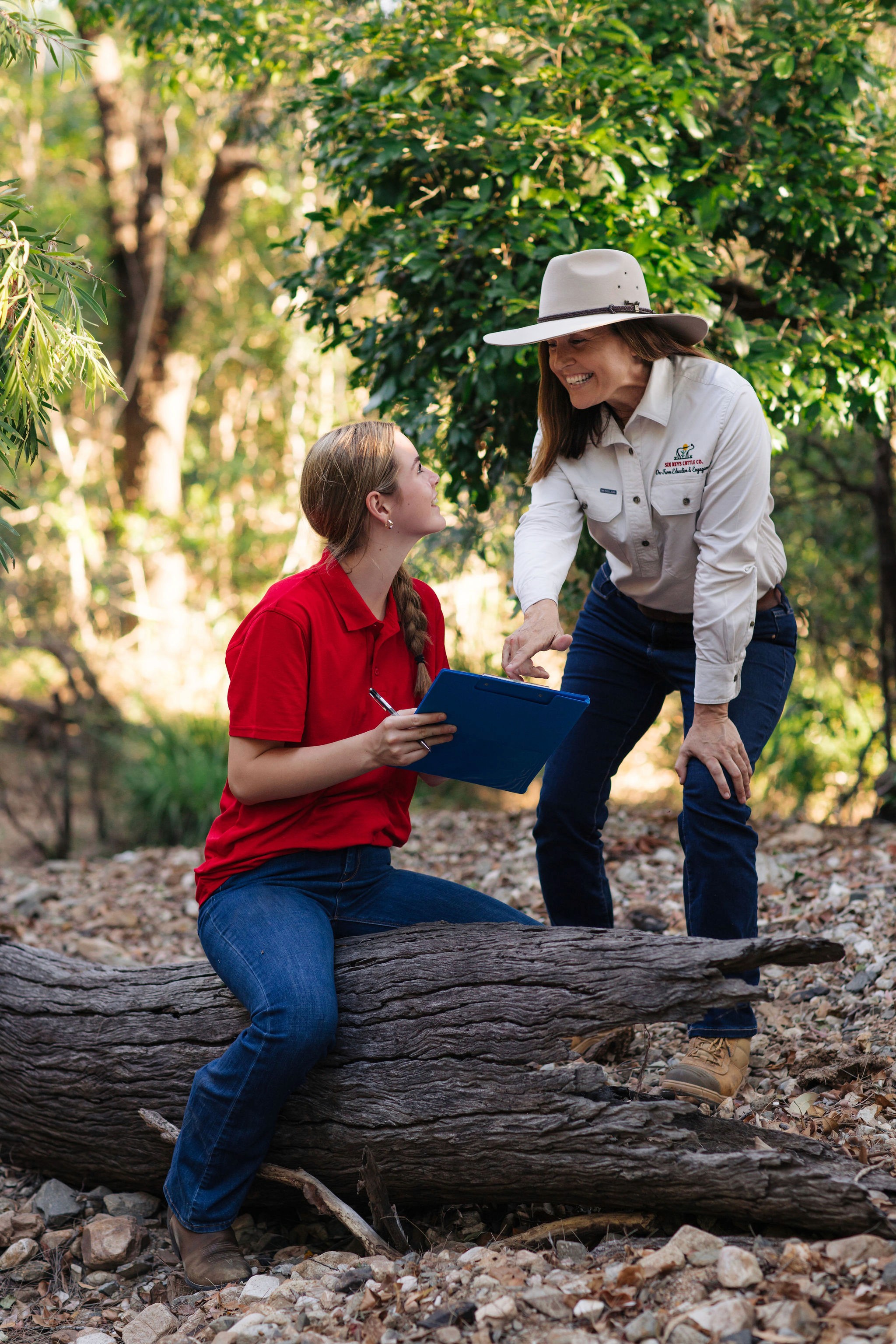
For students who disengage from structured Physical Education, the gym or the oval can feel like exposure rather than opportunity. Team selection, visible performance differences, the social pressure of competition: these features of traditional PE create barriers for students who are physically capable but don't thrive under those particular conditions.
Farm tasks operate under an entirely different social structure. And the physical demands they make on students are genuine.
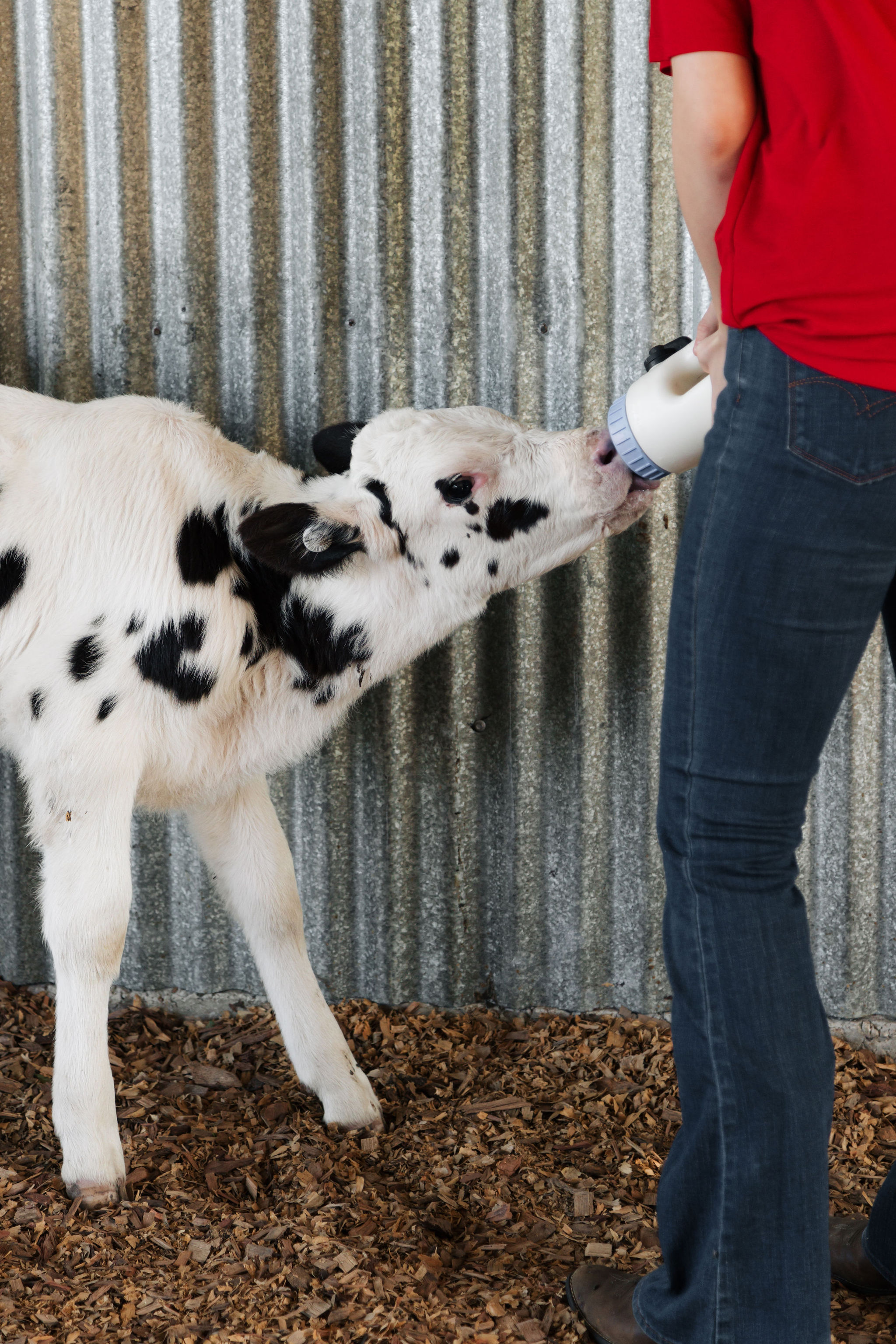
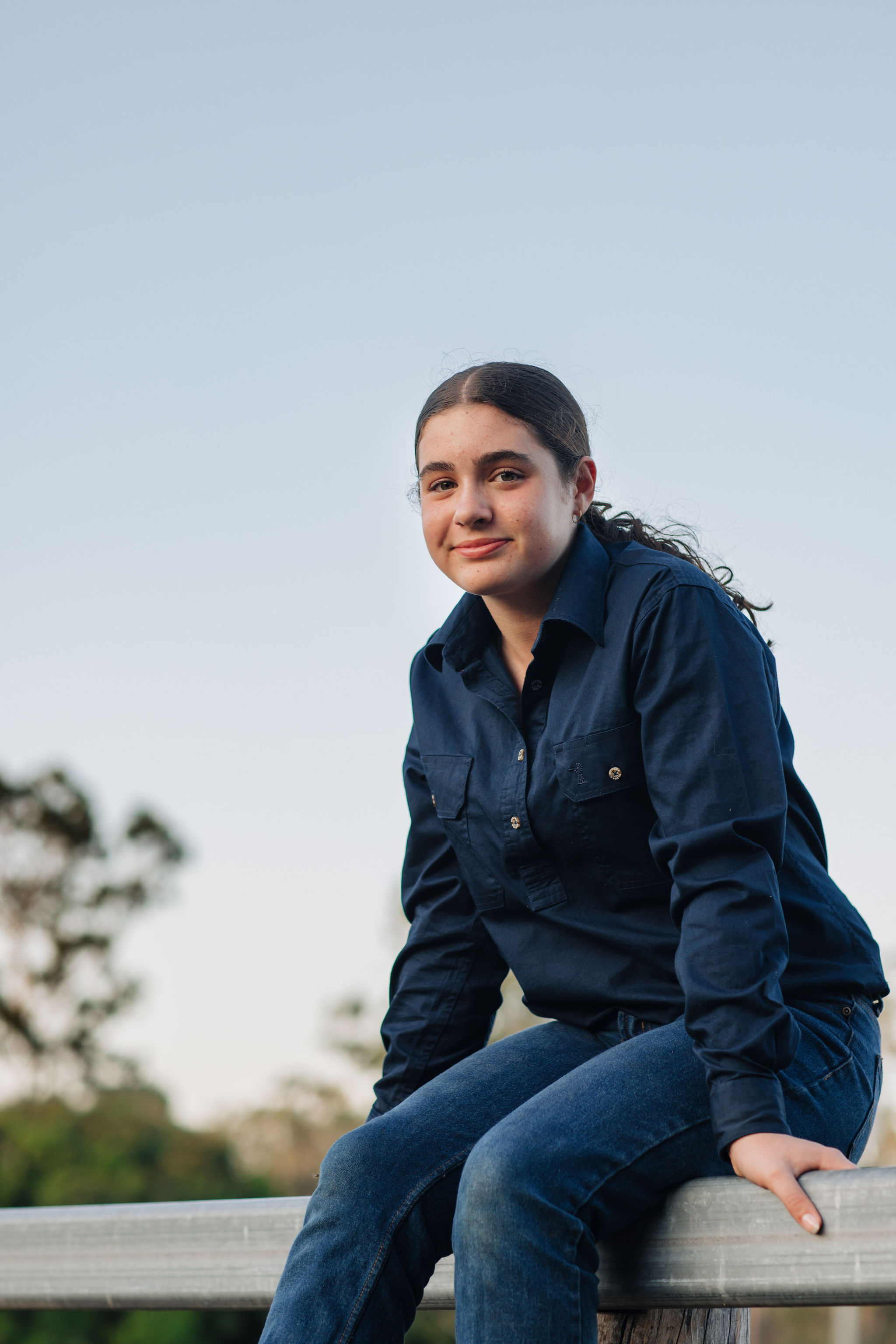
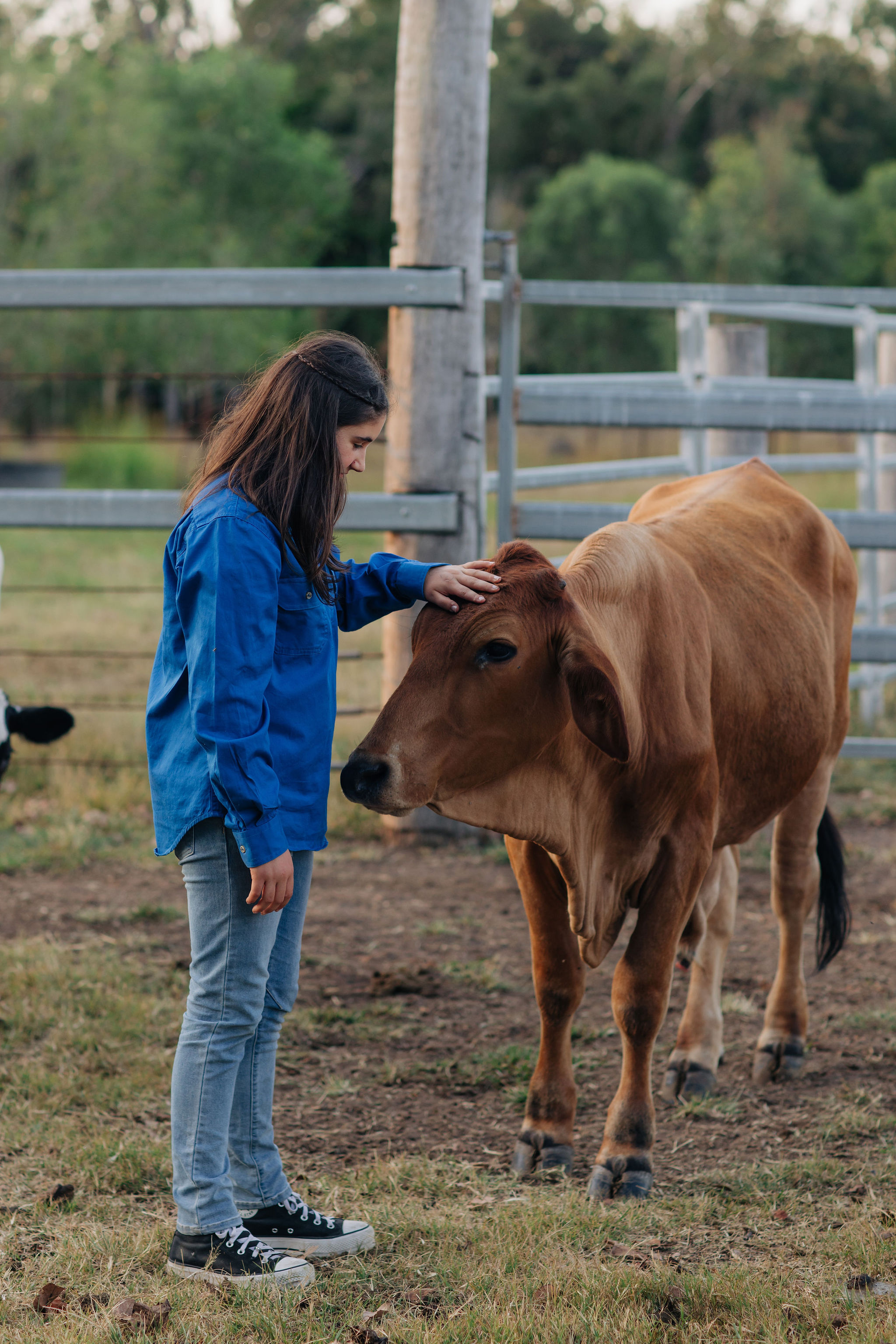
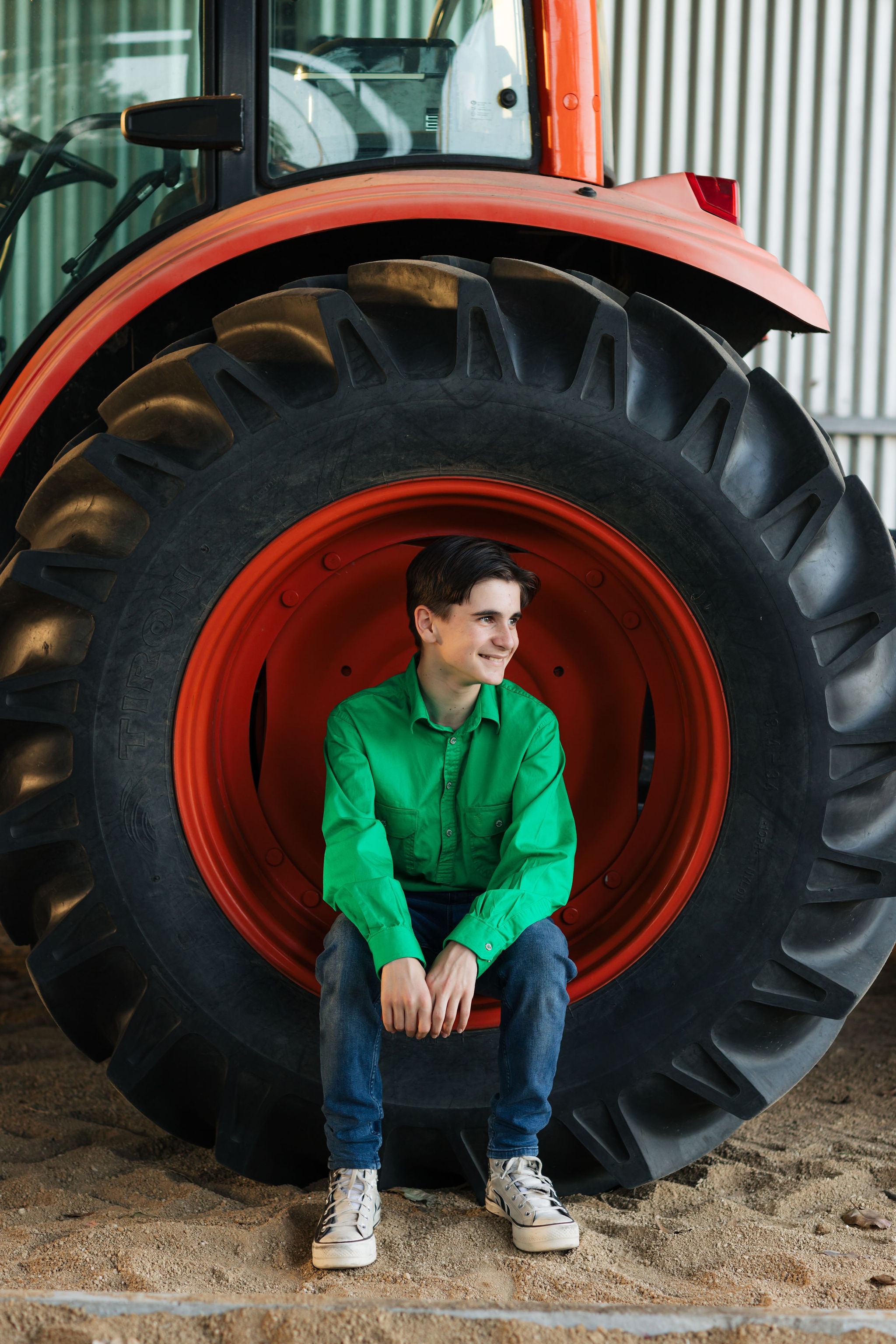
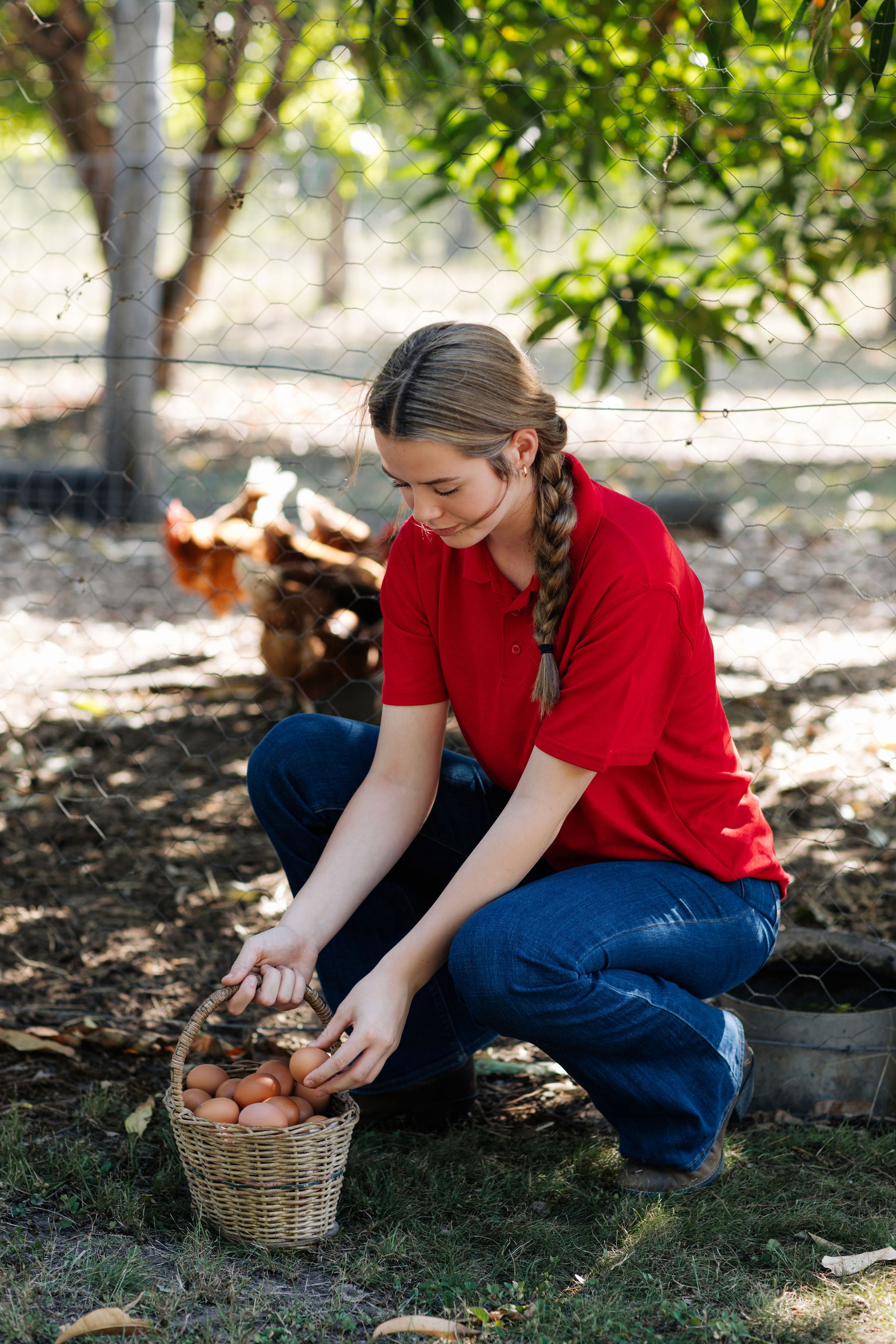
A day at Six Keys Cattle Co in Central Queensland involves a level of sustained physical activity that most primary students rarely encounter in a structured school context. Students are on their feet throughout, covering ground across a working property, engaging physically with real tasks, and using their bodies in coordination with others toward shared practical goals. The movement isn't managed from the sidelines. It's what the work requires.
The Australian Curriculum Version 9 Health and Physical Education strand addresses both Movement and Physical Activity outcomes and Personal, Social and Community Health outcomes. Farm tasks engage both simultaneously, in ways that feel purposeful to students rather than prescribed.
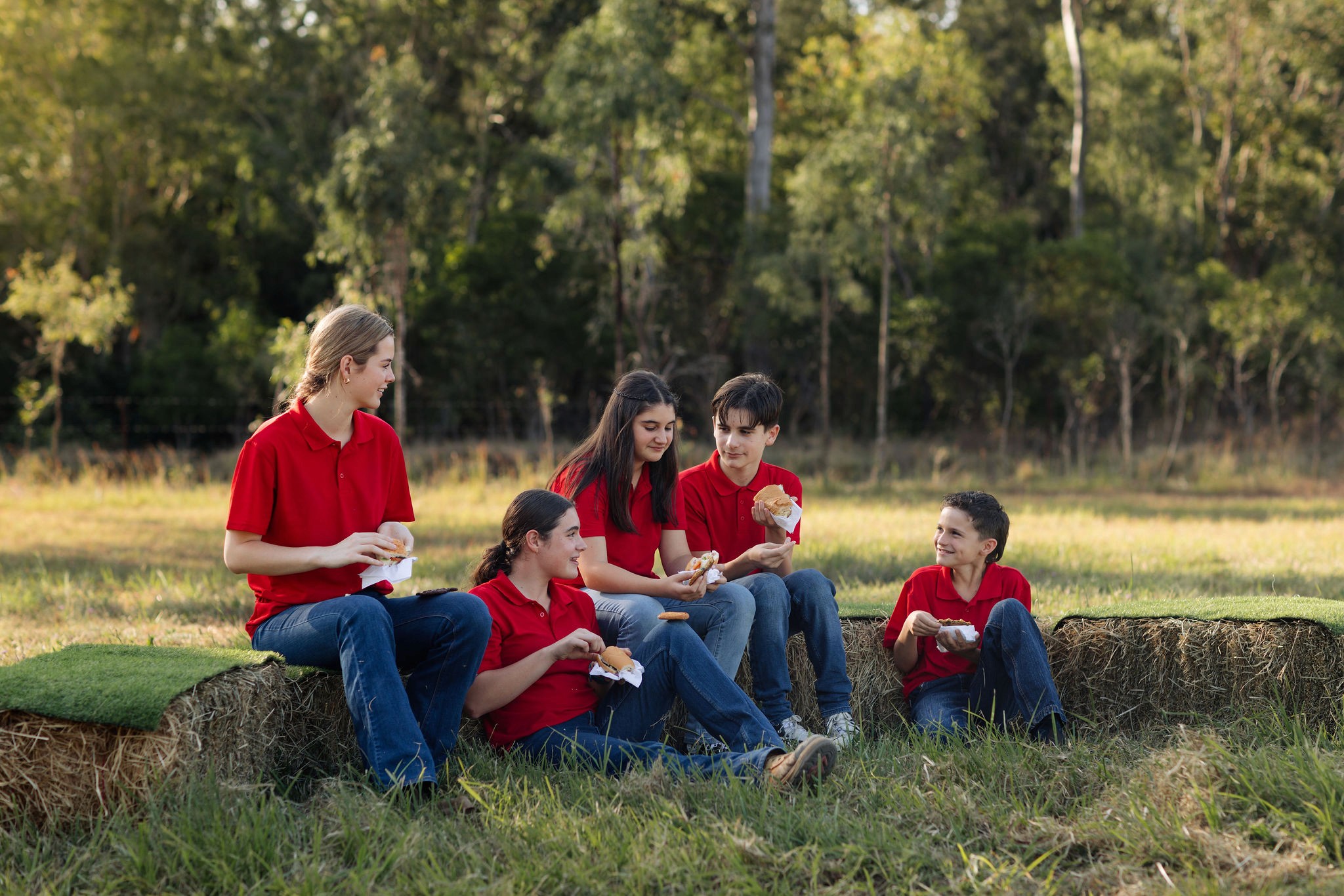
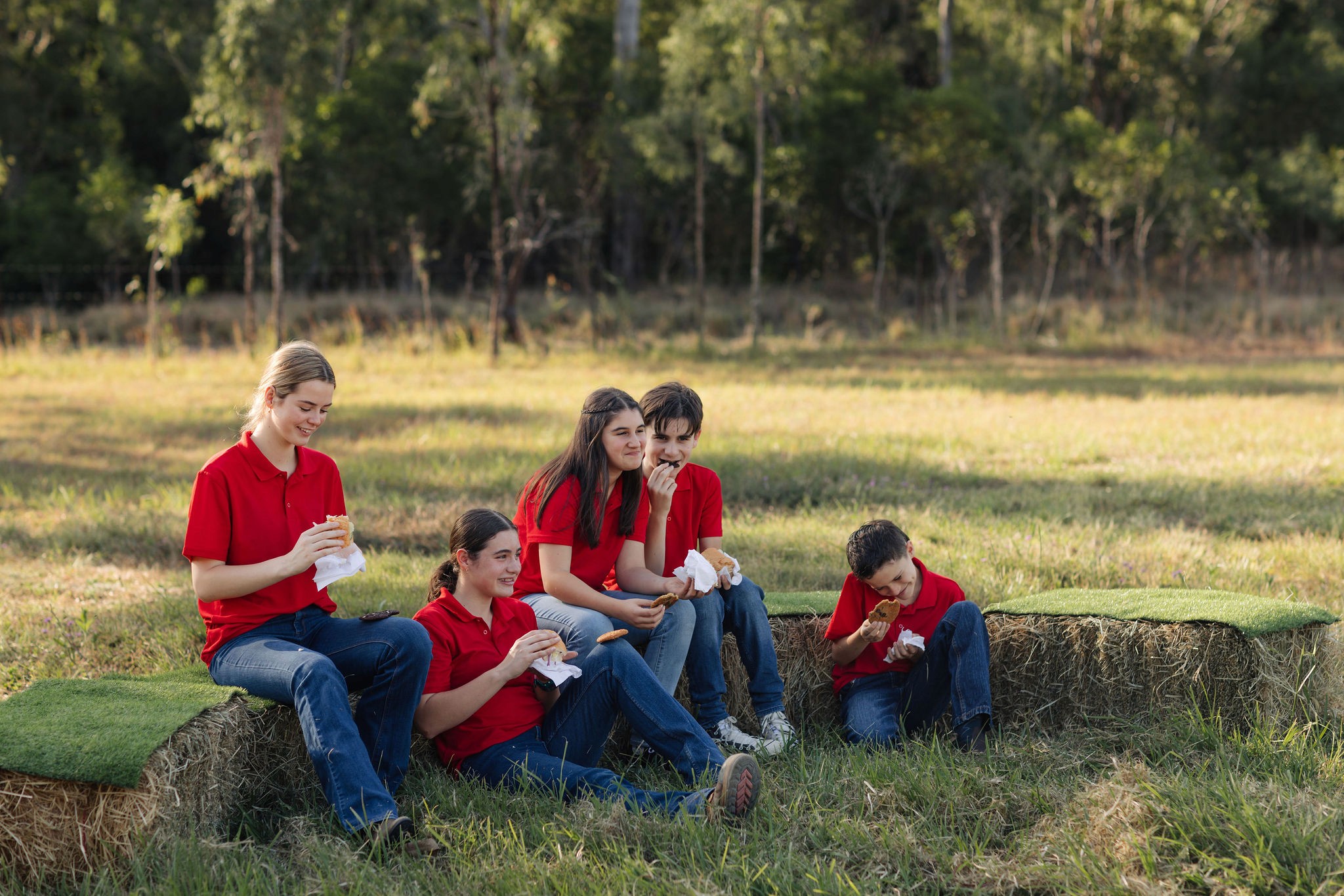
On cooperation: working stock, carrying out feeding routines, or assisting with yard activities asks students to coordinate their actions with those of their classmates in real time, toward an outcome that depends on all of them contributing. There's no dominant individual performance being assessed. The task is shared, the effort is shared, and success is shared. For students who withdraw from competitive physical contexts, this cooperative model generates genuine physical engagement and social participation that structured PE can struggle to reach.
On confidence: physical competence built through farm work develops through real capability rather than through comparison with others. A student who lifts, carries, and moves accurately alongside working adults develops a different relationship to their own physical ability than one whose physical experience has been primarily observed and ranked. That kind of earned confidence carries real HPE outcomes and broader wellbeing benefits that research consistently links to physical self-efficacy in children.
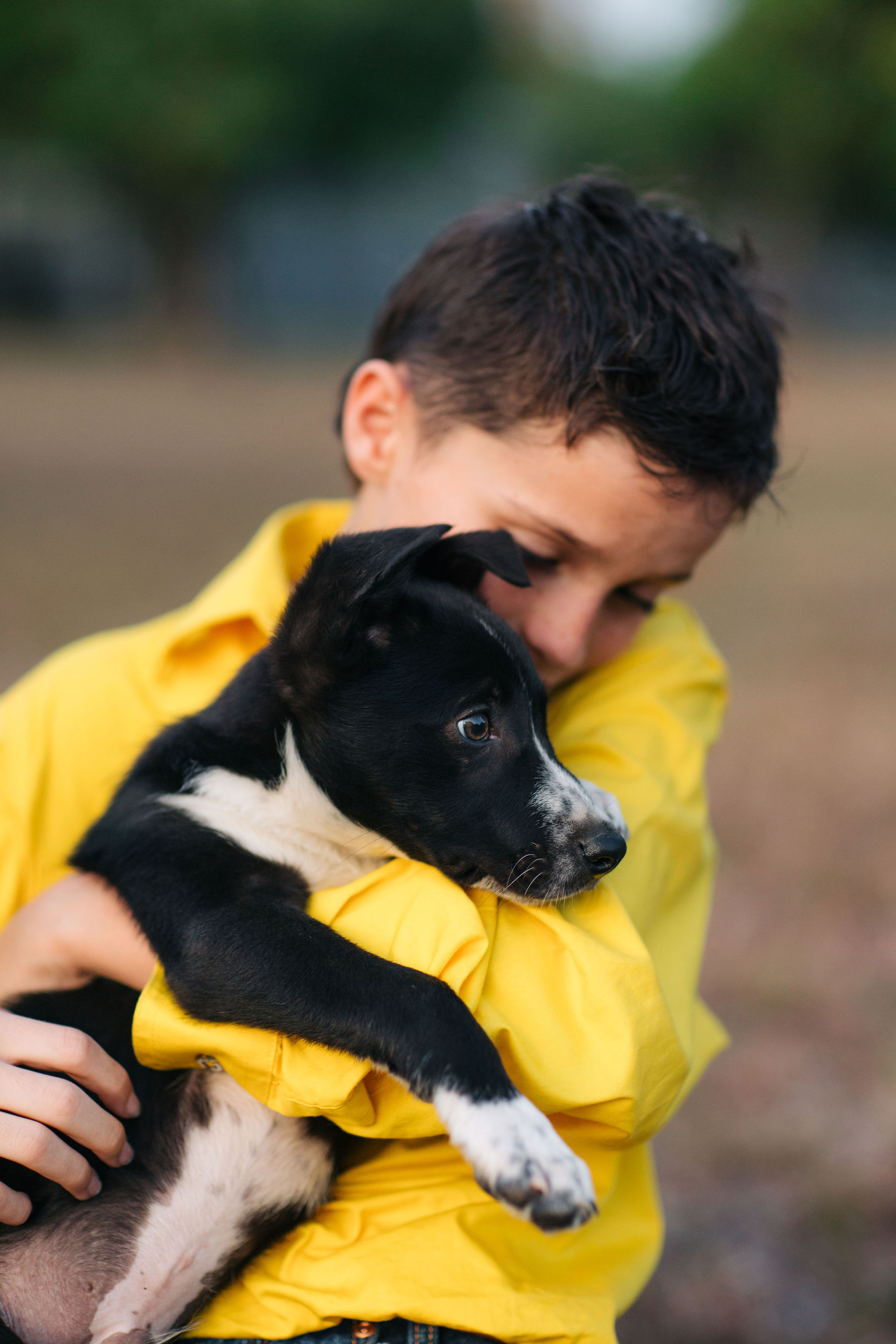
On wellbeing: the evidence connecting outdoor physical activity to mental health, emotional regulation, and general wellbeing in primary students is substantial and consistent. Farm tasks generate these outcomes while simultaneously being cognitively engaging, purposeful, and situated in a social context that provides belonging alongside movement.
Structured sport and gymnasium-based PE serve their purpose. But for students who have never connected meaningfully with physical education in those forms, a working farm can be the setting where their relationship to physical activity finally shifts.
Movement with genuine purpose produces different outcomes.