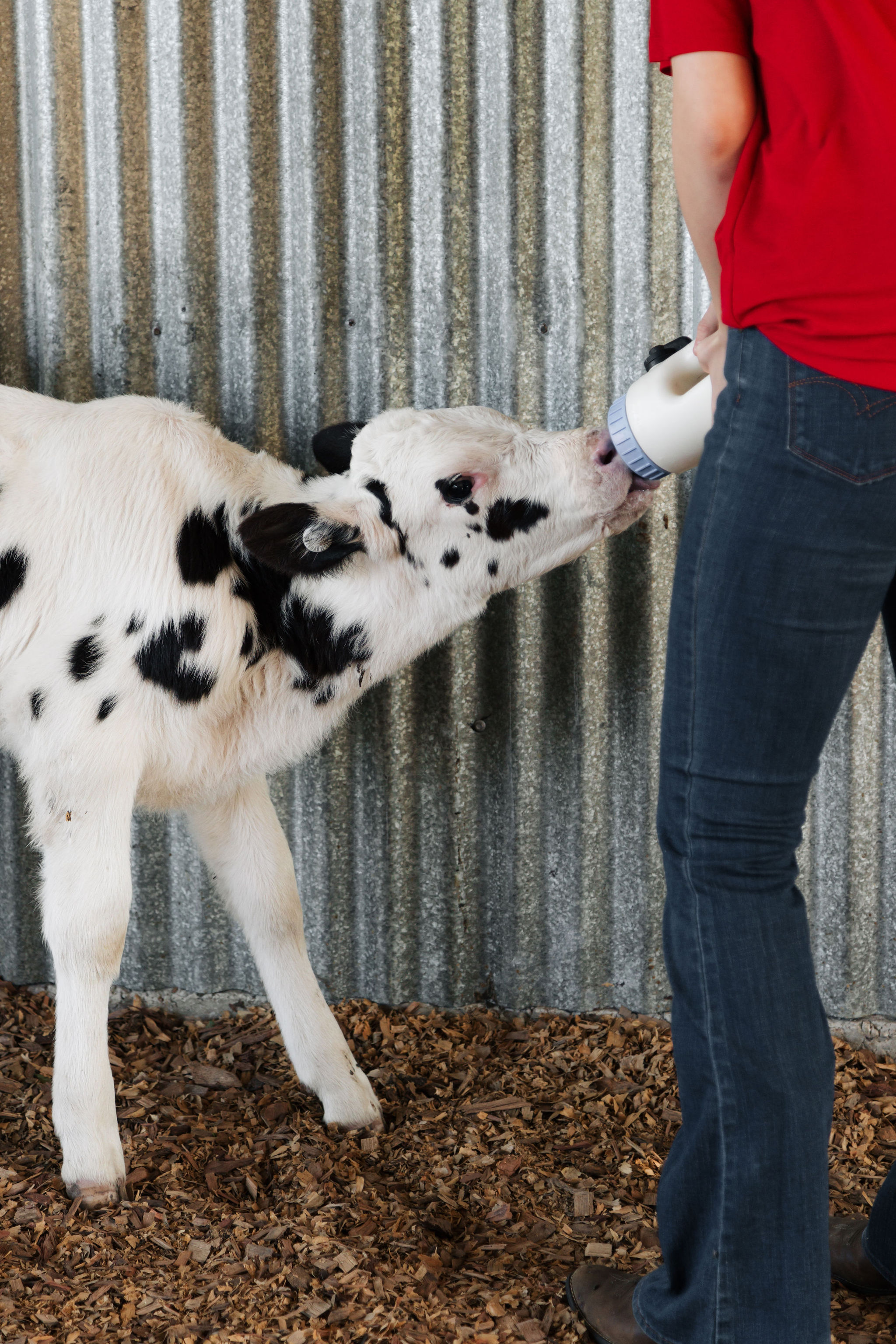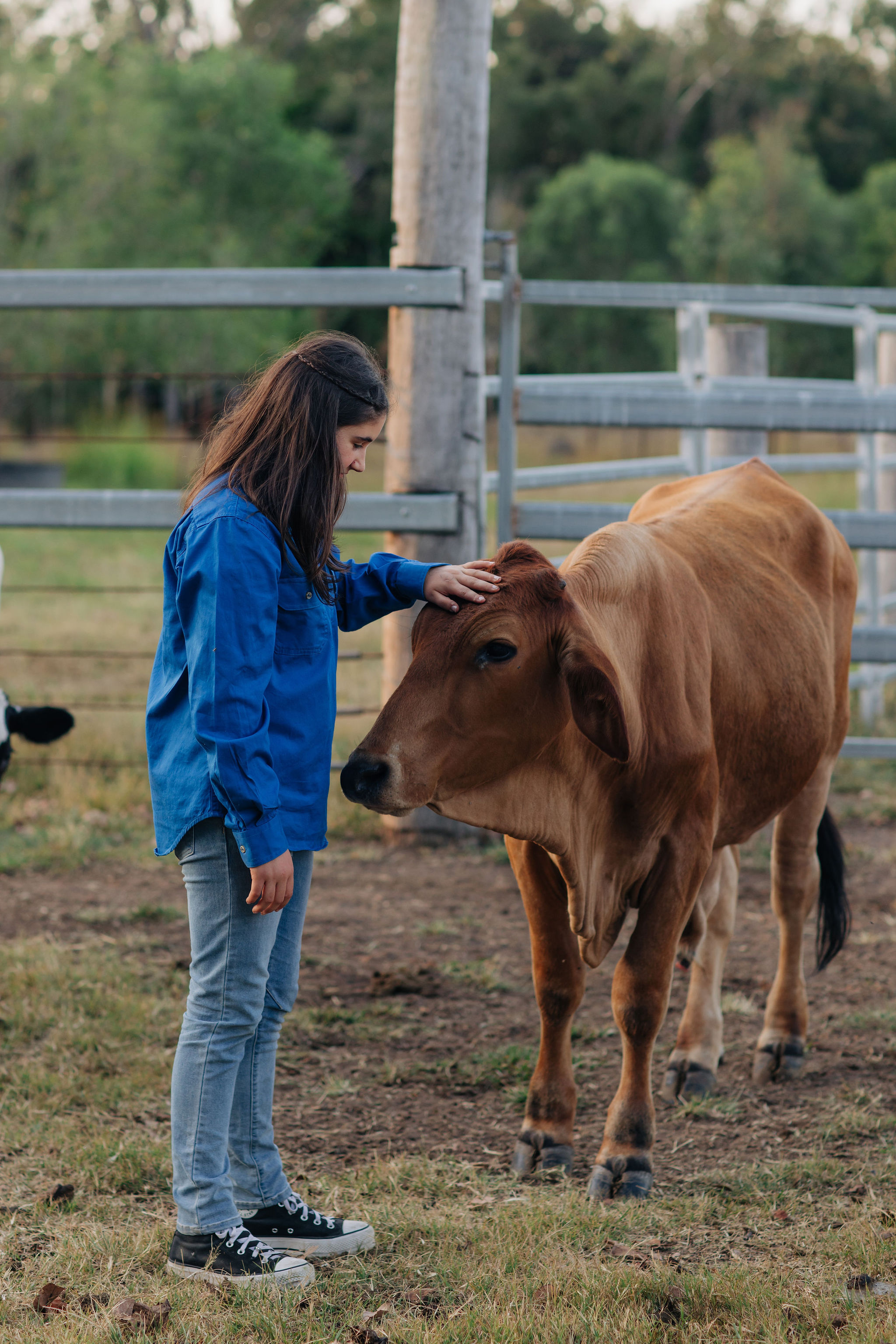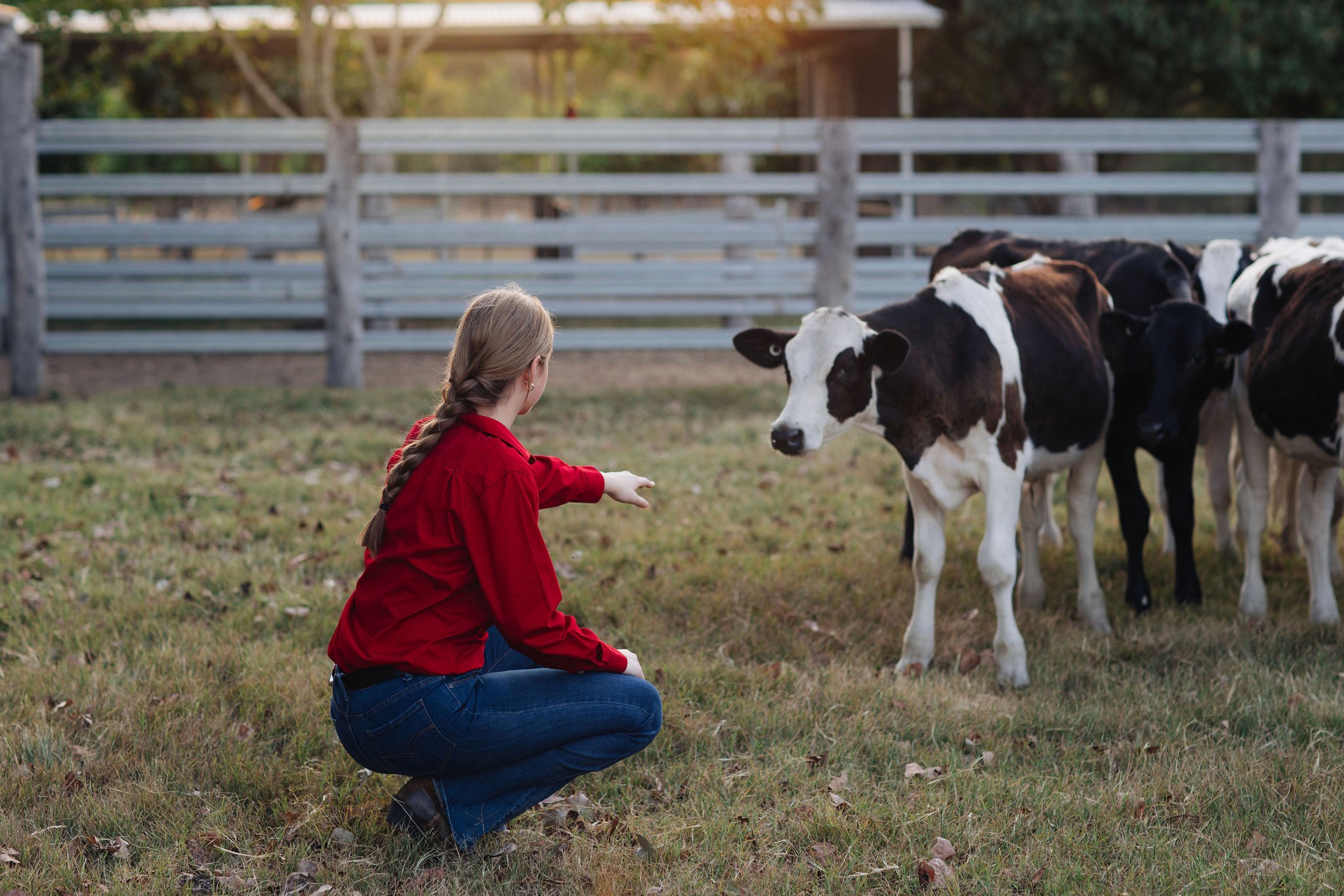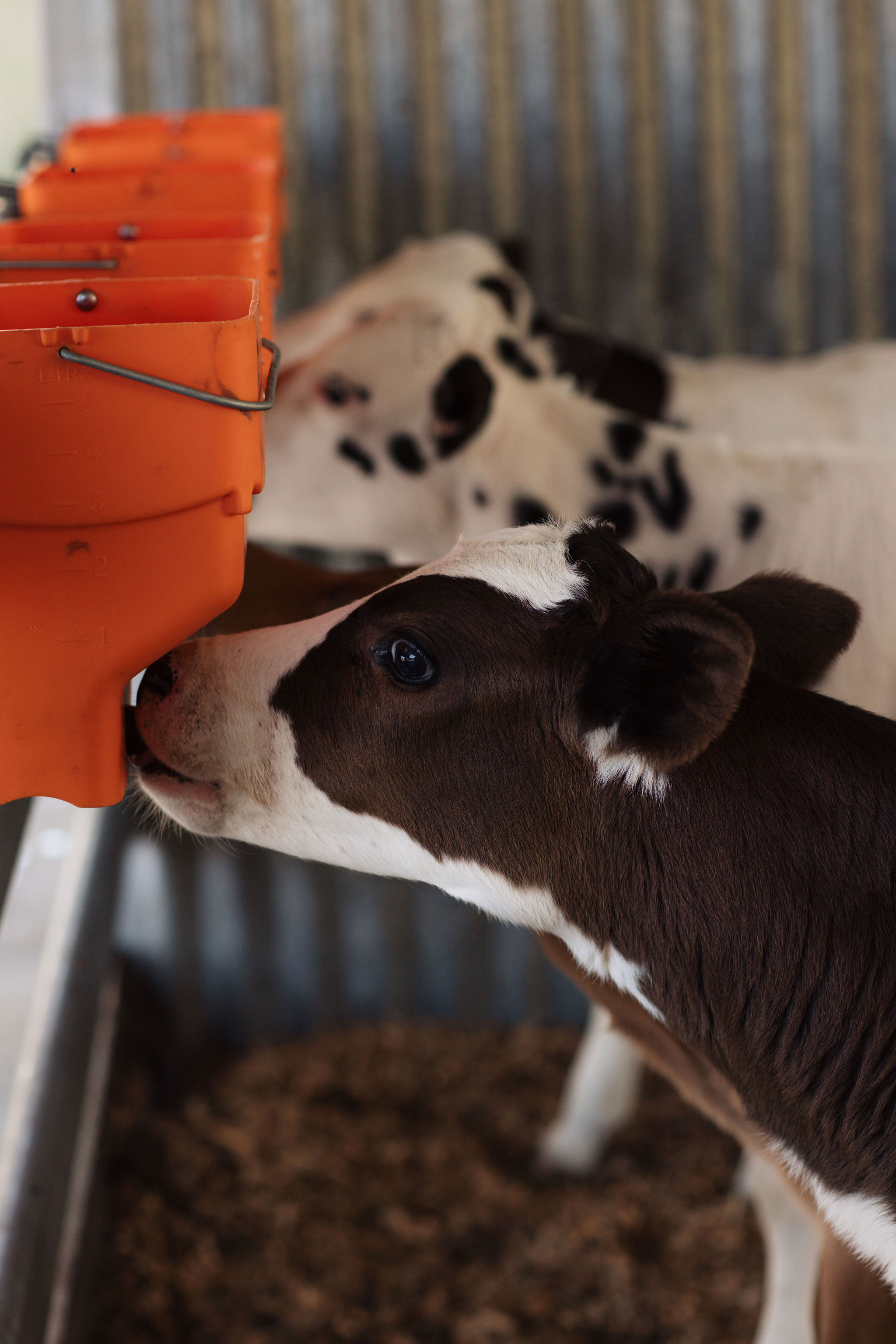
Ethical reasoning rarely develops from abstract instruction. Telling a student that animals deserve care and respect lands differently than standing in a cattle yard and asking: how do we know if this animal is comfortable? What does distress look like? What's our responsibility here?
At Six Keys Cattle Co, animal welfare isn't a topic that gets added to the day. It's embedded in everything that happens on the farm. How students approach cattle, the language used when discussing animal health, the decisions made around feeding and handling, all of it reflects a set of values that students absorb through participation rather than lecture.
That absorption matters for ethical reasoning because the reasoning becomes grounded. Students aren't working through hypothetical scenarios. They're observing real animals, asking real questions, and arriving at conclusions that have genuine stakes attached. When a student notices that an animal is behaving differently and asks what it might mean, they're practising empathy and inquiry at the same time.
The questions that emerge in this environment tend to reach further than the immediate situation. Why do we manage animals this way and not another? Who decides what counts as good welfare? What happens when productivity and animal comfort are in tension? These are not simple questions, and they don't have simple answers. That difficulty is precisely what makes them valuable for developing ethical thinking.
Teachers can extend this well beyond the farm visit. Animal welfare sits naturally alongside broader conversations about environmental responsibility, food systems, and the ethics of land use, all content areas with genuine curriculum connections in HASS and Science under the Australian Curriculum Version 9. The farm provides the concrete anchor. The classroom extends the thinking into broader ethical territory.
What students carry back from these conversations is something more durable than a position on animal welfare. They carry the habit of asking: what is the right thing here, and how do I reason my way toward that?
That habit is one of the most useful things school can develop.