Chronic absenteeism rarely begins with a deliberate decision. It builds gradually, through a series of days when the calculation of staying home felt easier than the calculation of going in. When enough of those days accumulate, the pattern becomes harder to reverse, not because the student has chosen absence as a preference, but because the gap between them and school has widened into something that feels genuinely difficult to cross.
The common response is to treat attendance as the problem to solve. Monitoring systems, parent notifications, engagement officers. These have their place, but they address attendance as a behaviour rather than as a symptom. The more useful question underneath most attendance challenges isn't how to get this student to come in. It's what would make school genuinely worth coming to.
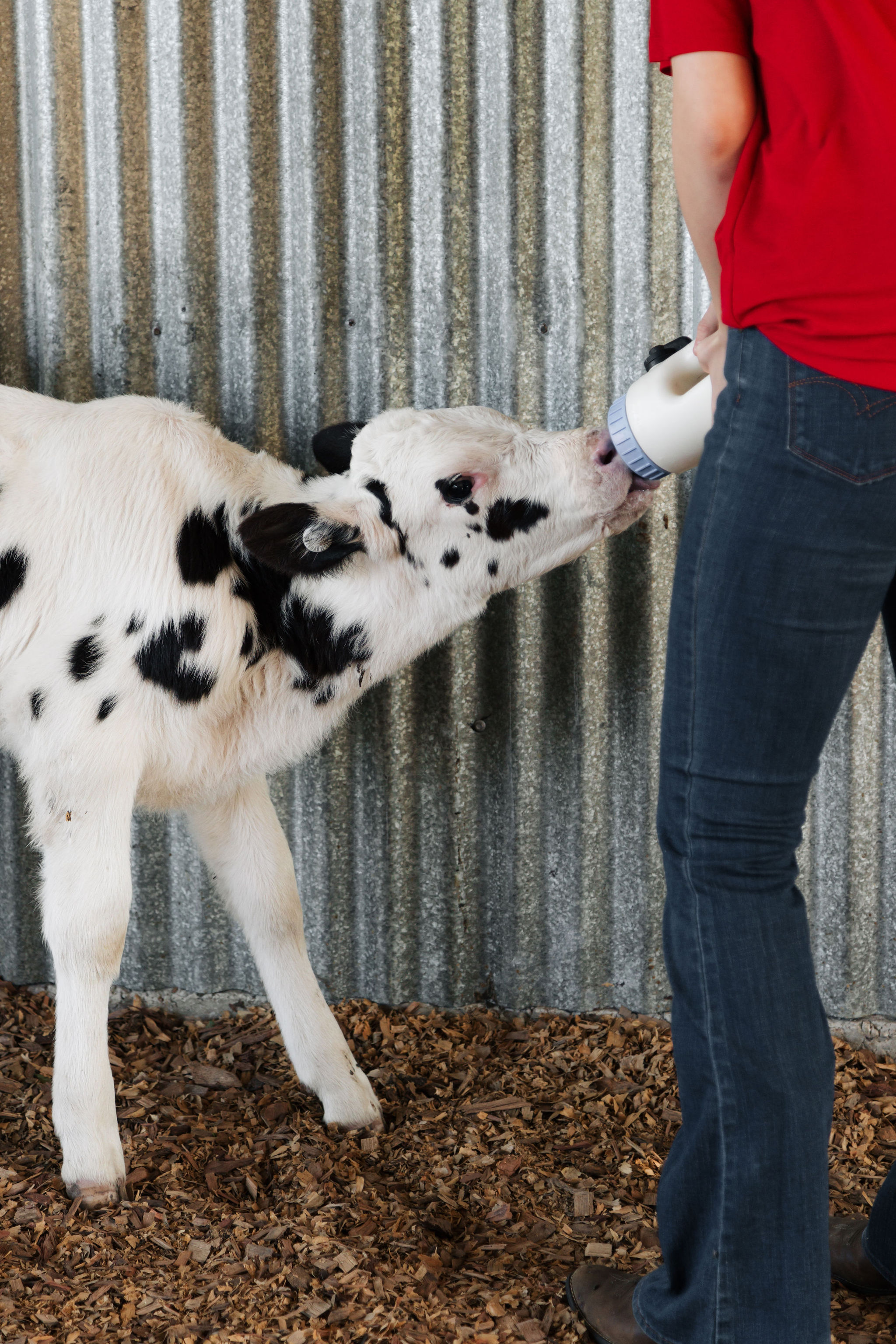
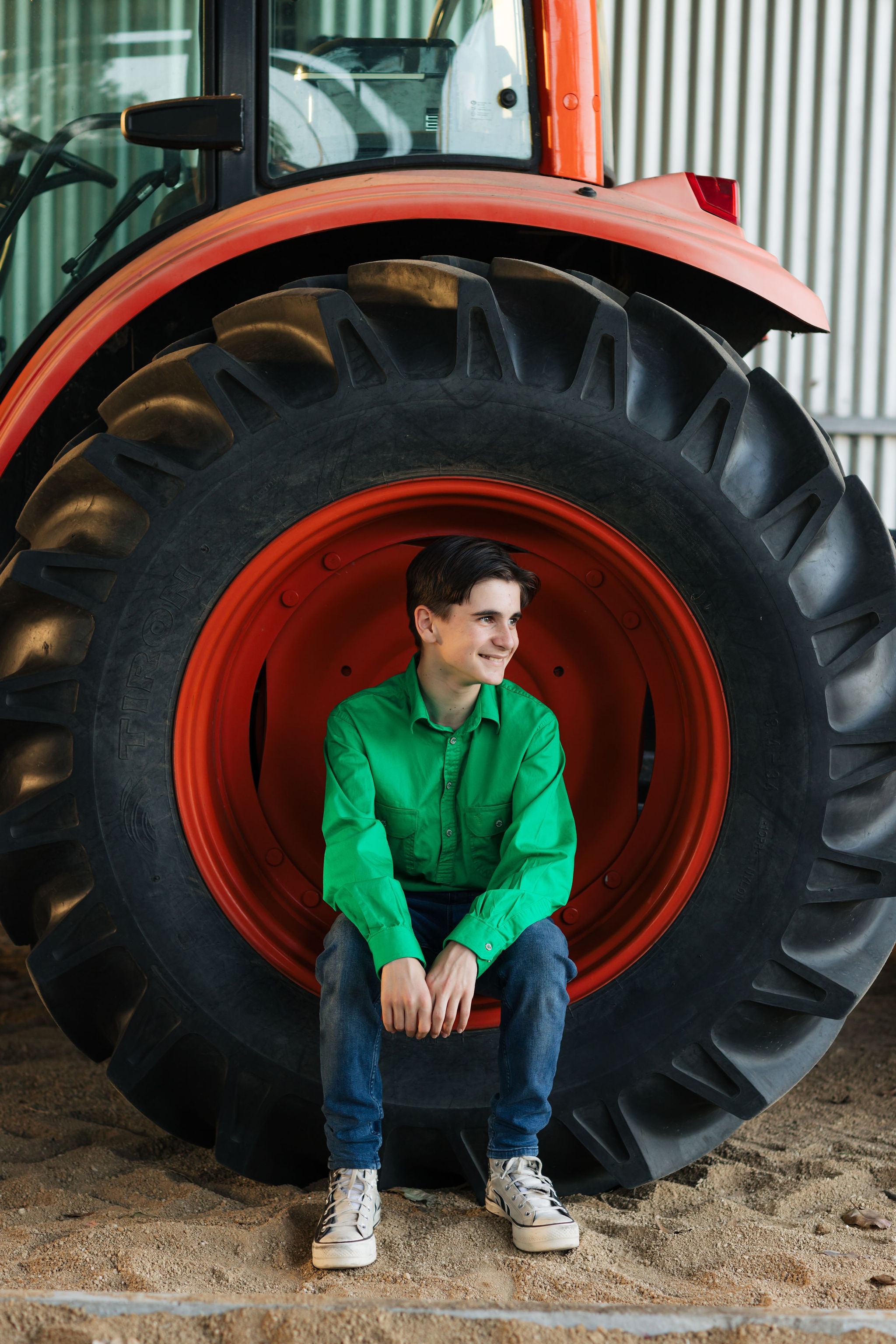
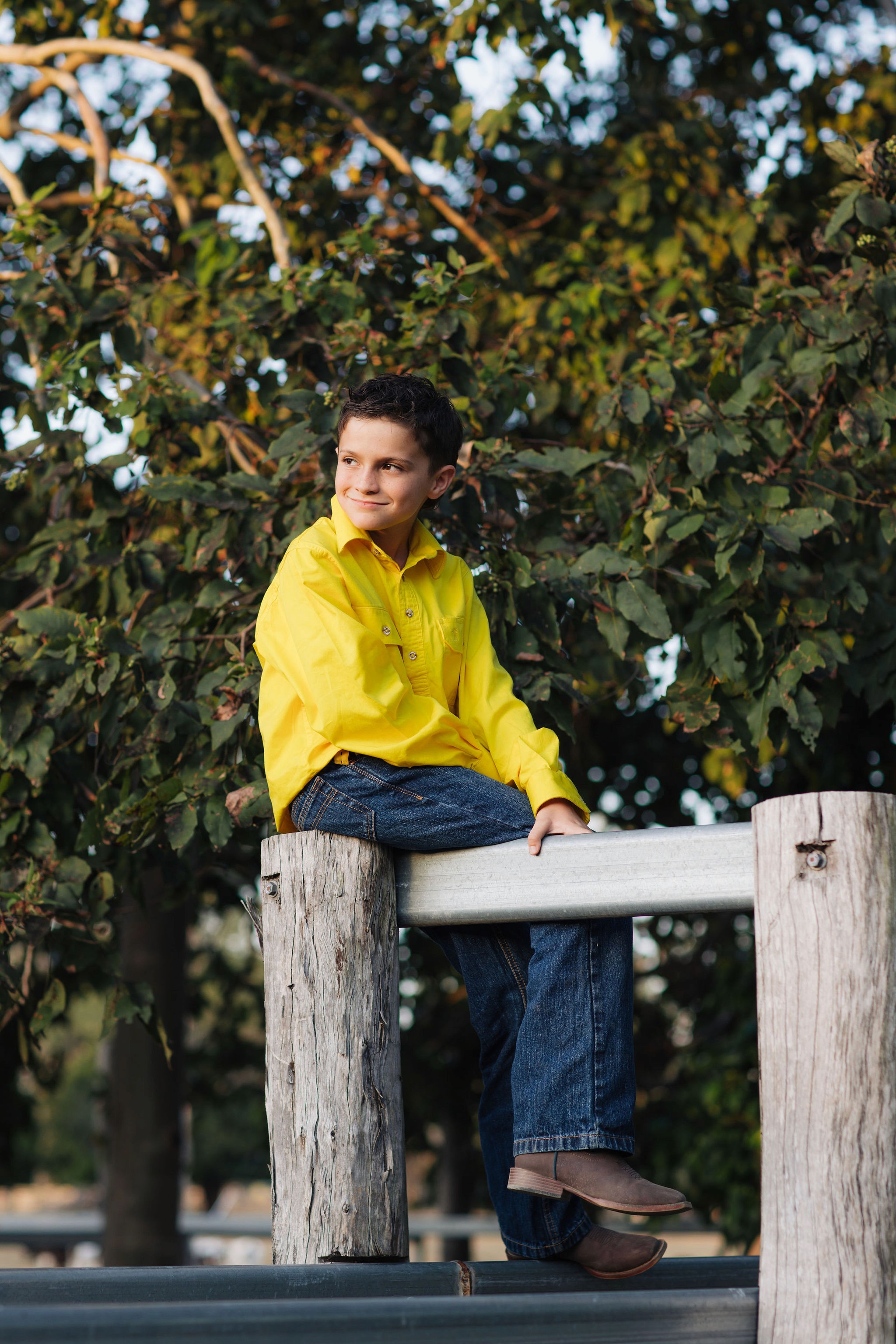
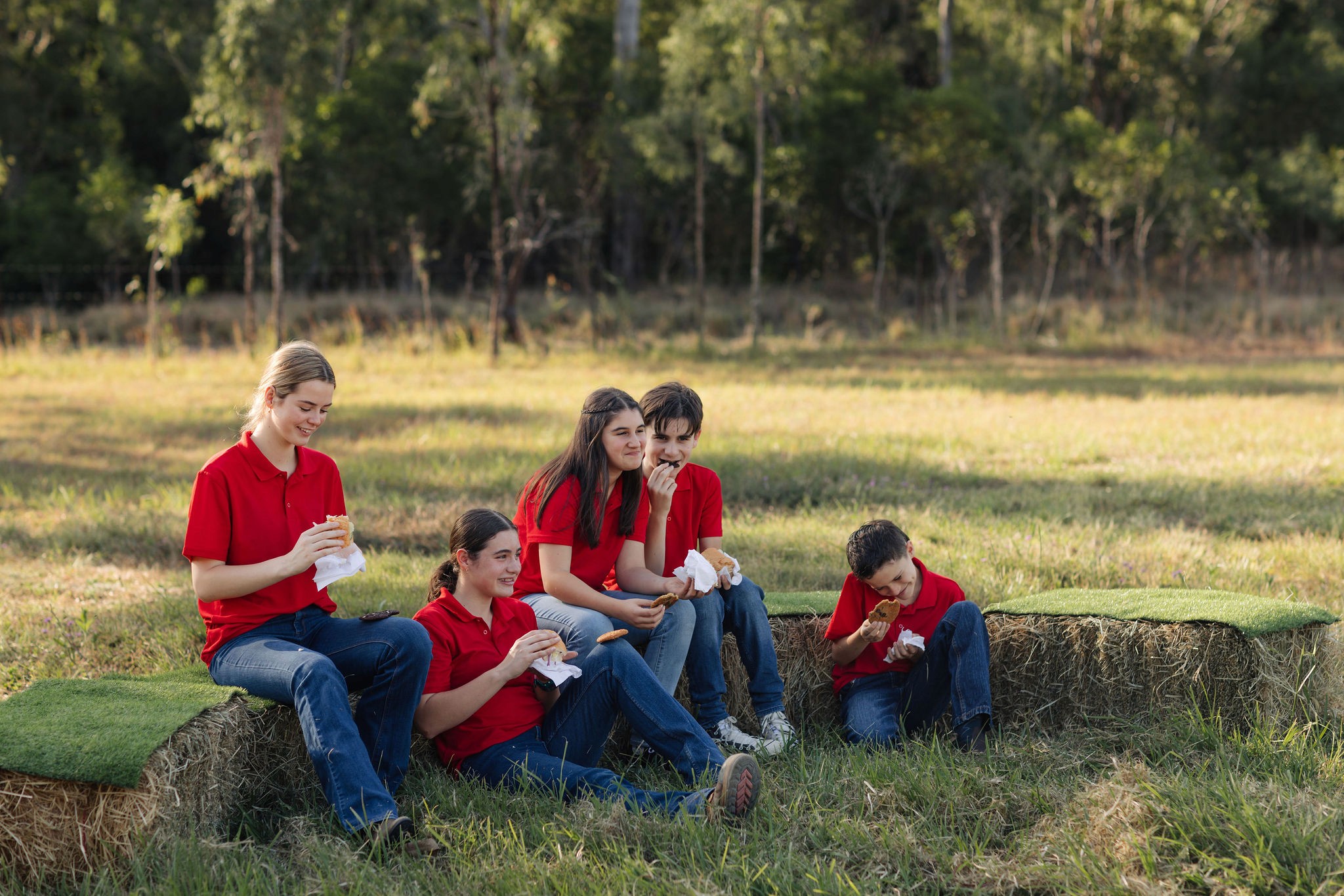
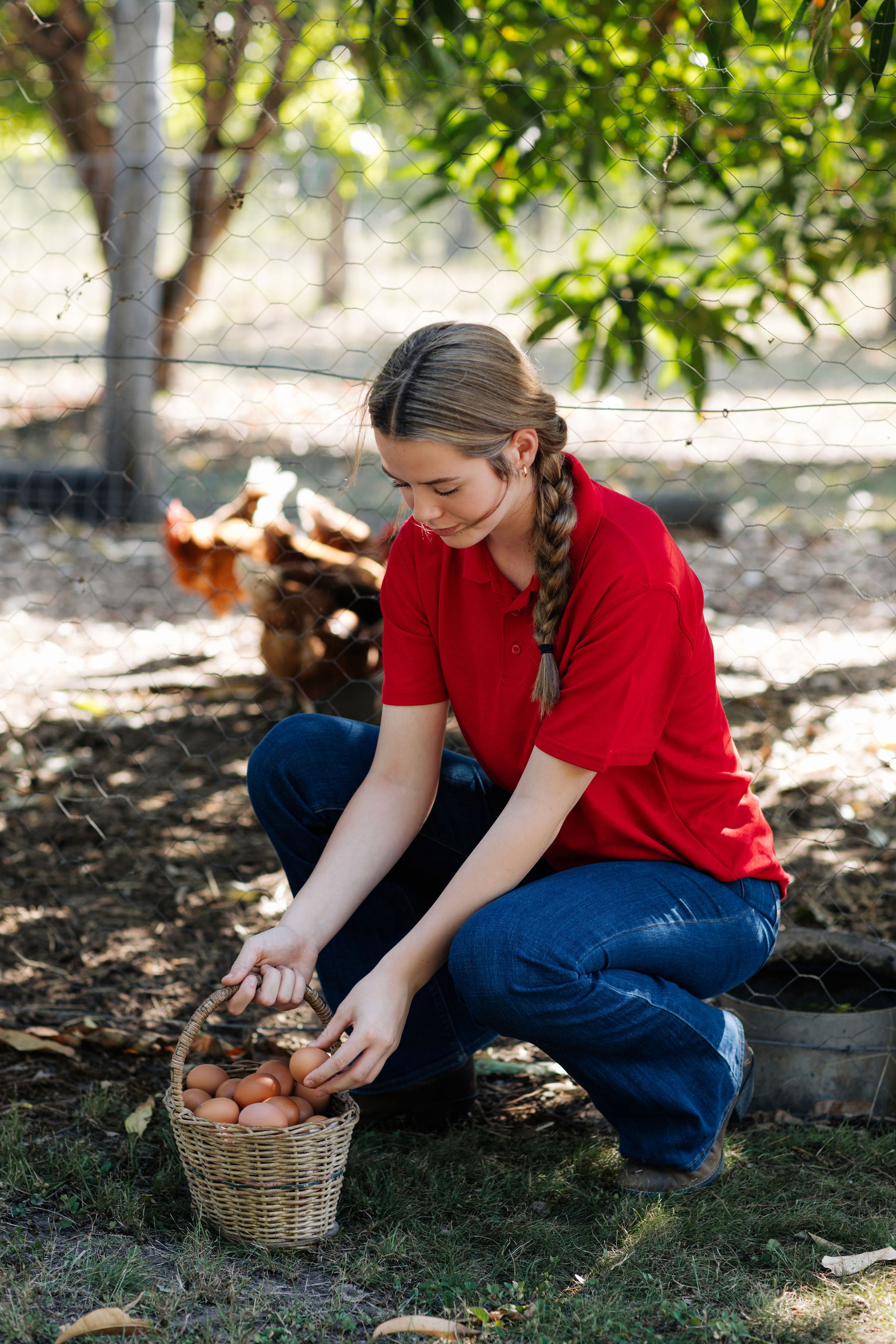
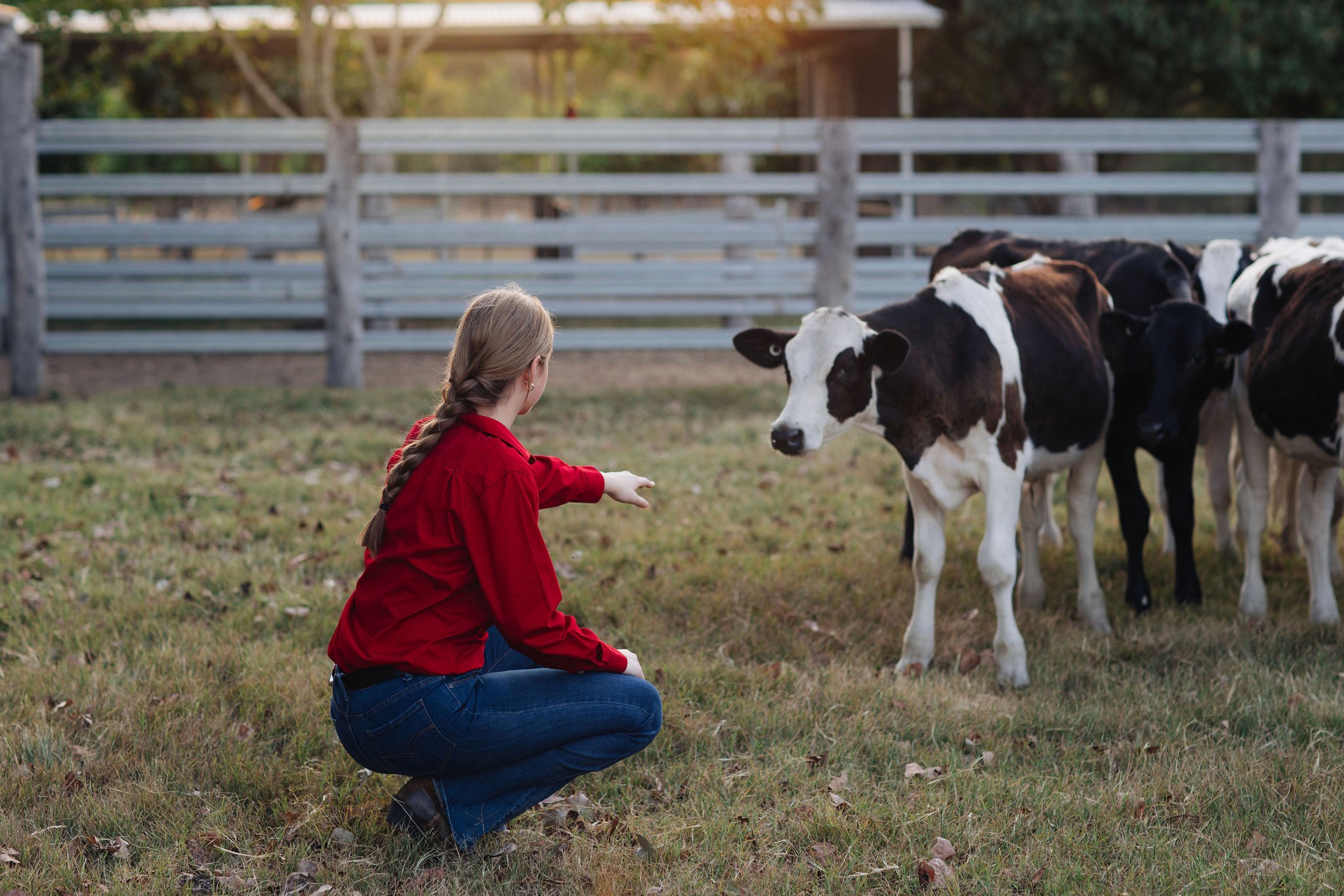
Farm-based learning offers something that most school weeks can't: a specific, concrete, upcoming experience that a student actually wants to be present for. This functions differently to a general invitation back into the building. It's a reason, not a requirement. And for students who have developed a well-established internal case for staying away, reasons are considerably more persuasive than rules.
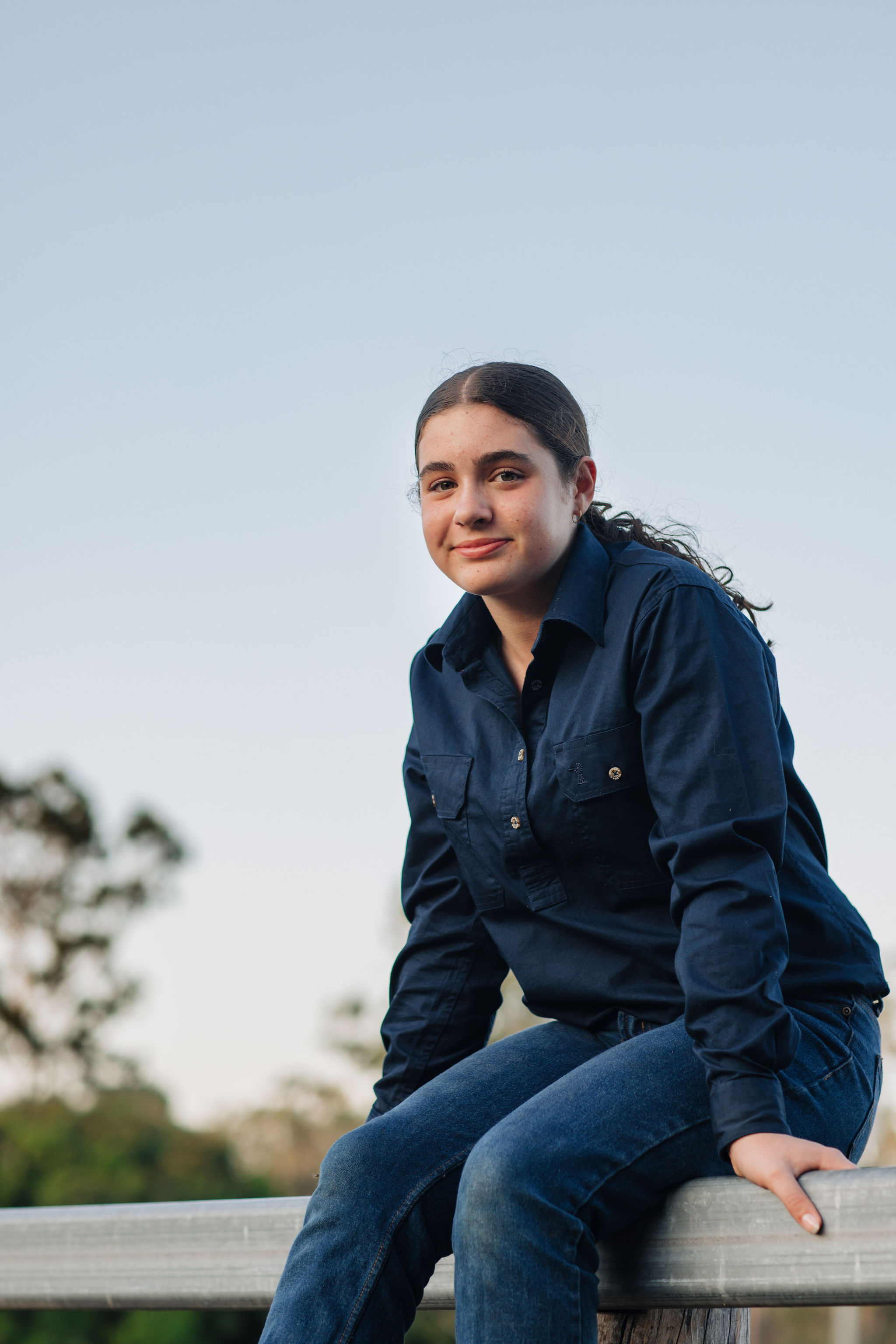
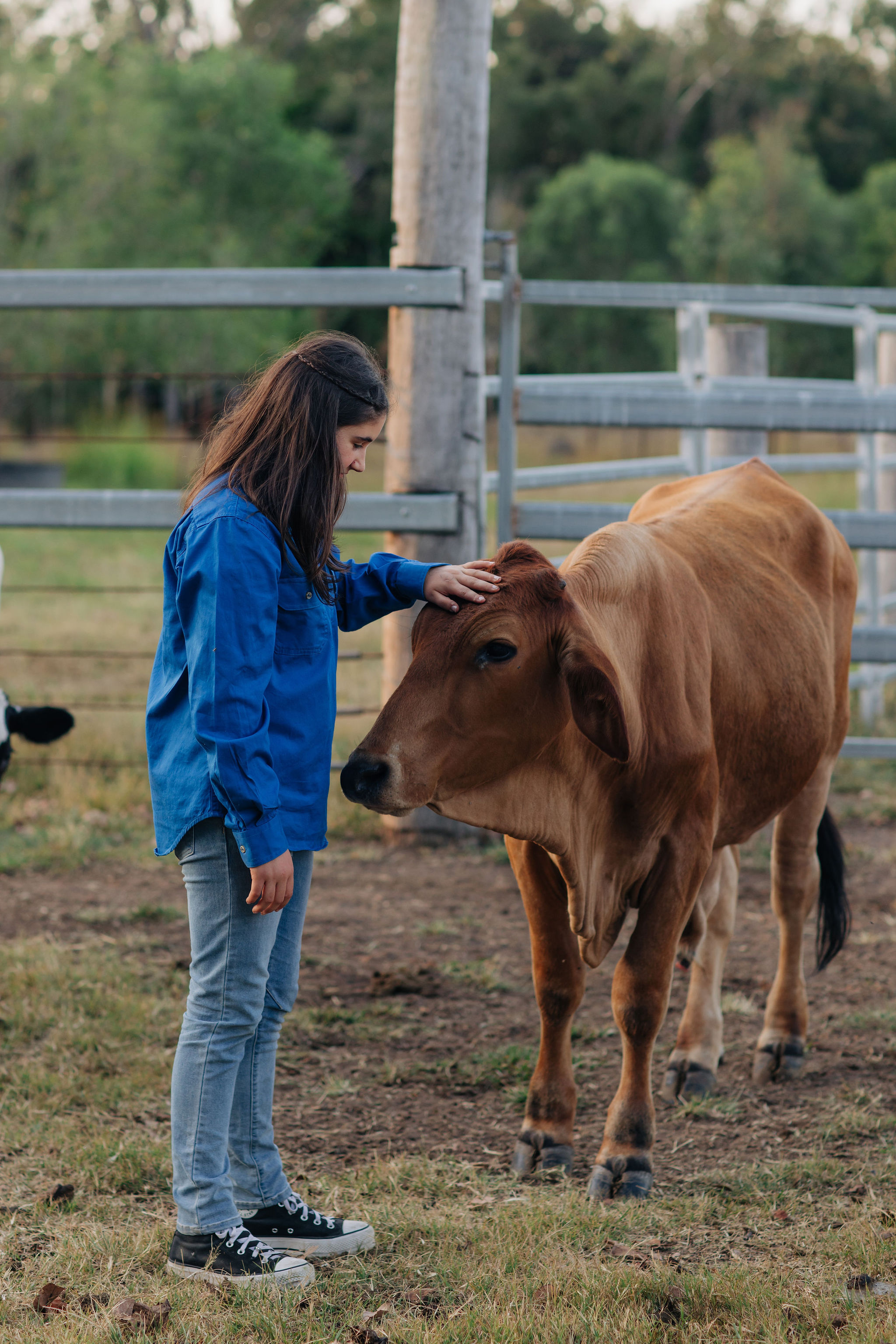
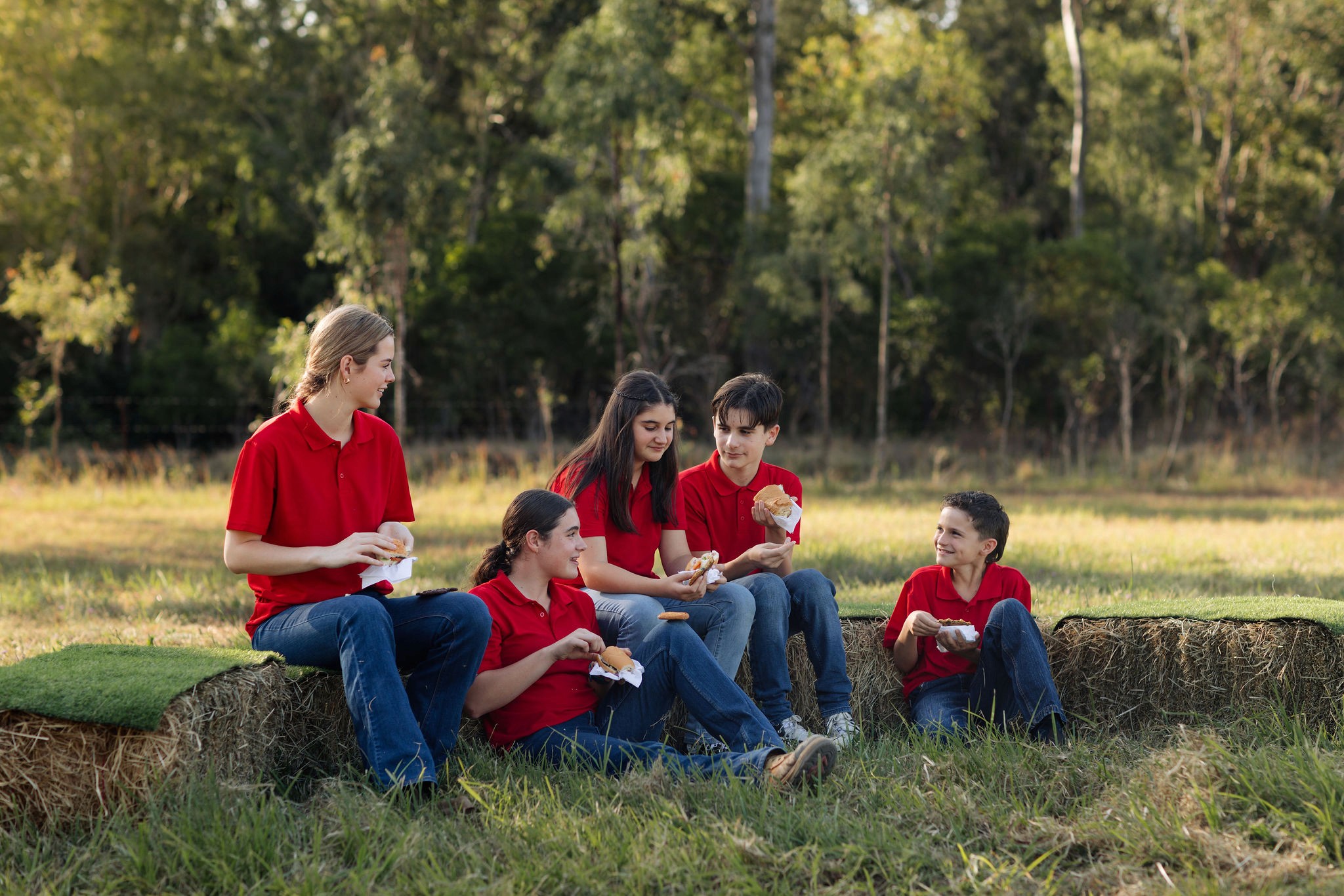
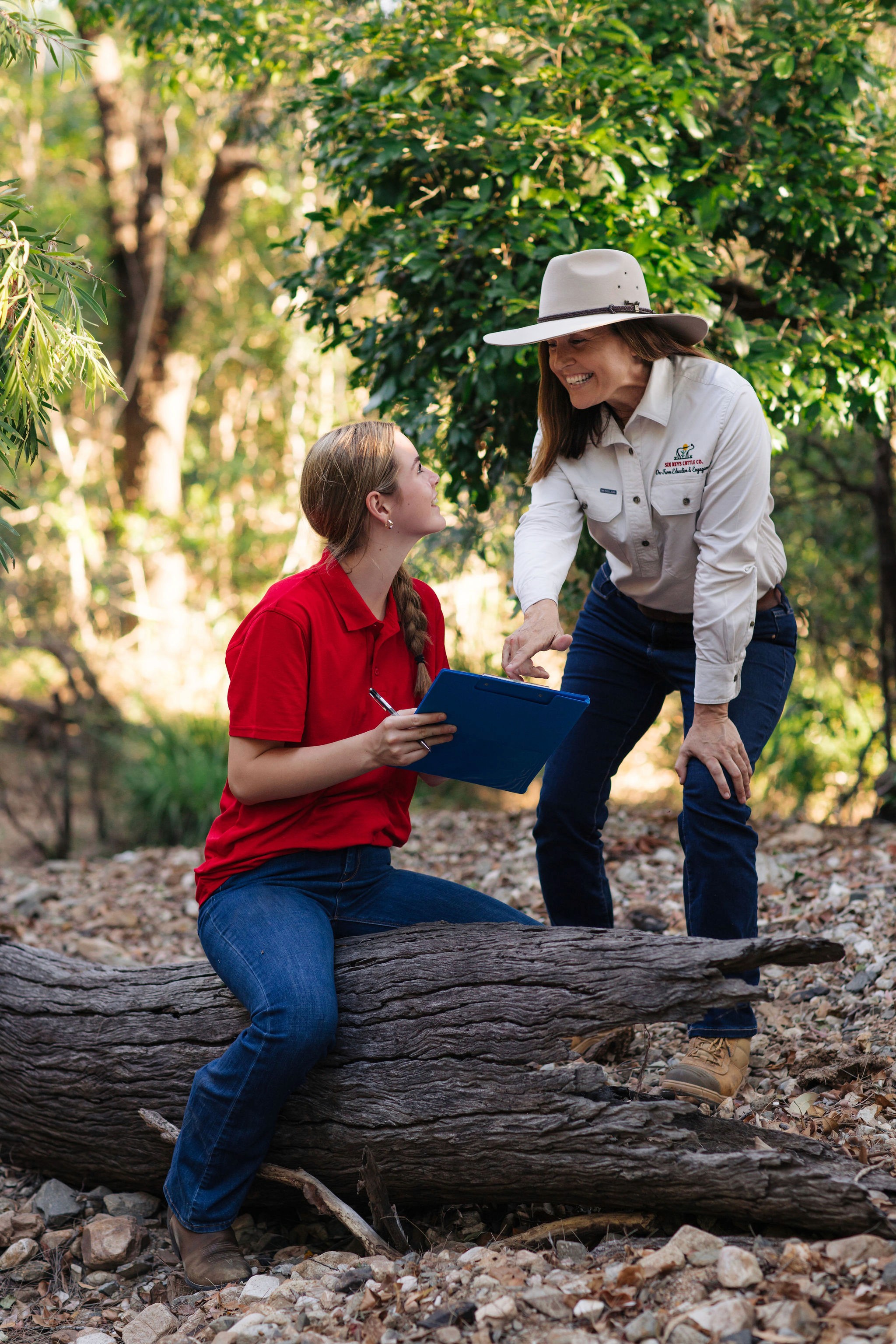
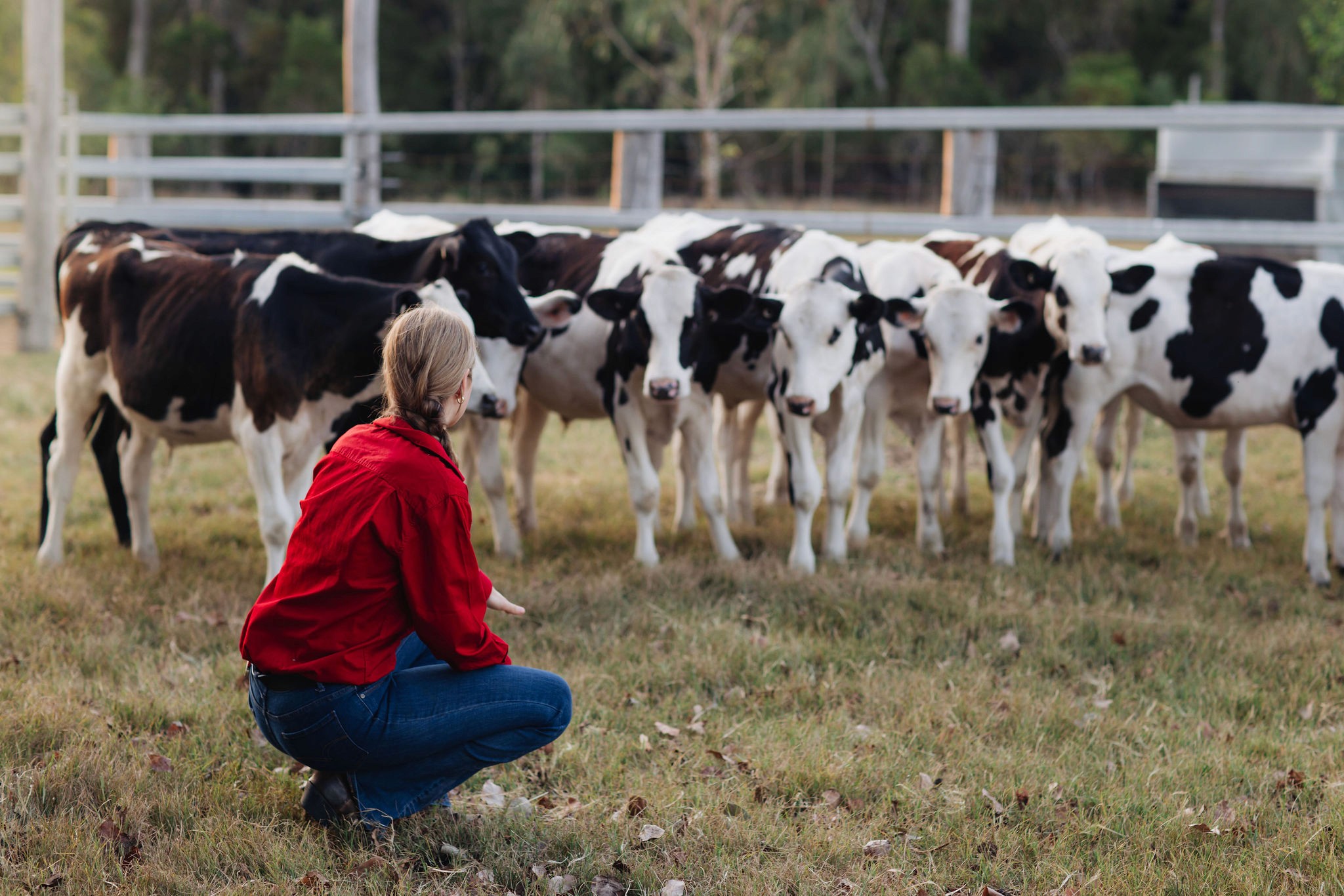
At Six Keys Cattle Co in Central Queensland, students with complex attendance histories are often among the ones whose responses during farm programs are most pronounced. The environment doesn't carry the associations that school does. There are no grades, no social hierarchies built up across years of accumulated history, no reminders of previous failure. Students arrive into something genuinely unfamiliar and are asked to contribute to real work that produces real outcomes. That experience of belonging and capability, without the weight of what school has come to mean for them, reaches something that persistent attendance strategies rarely manage to touch.
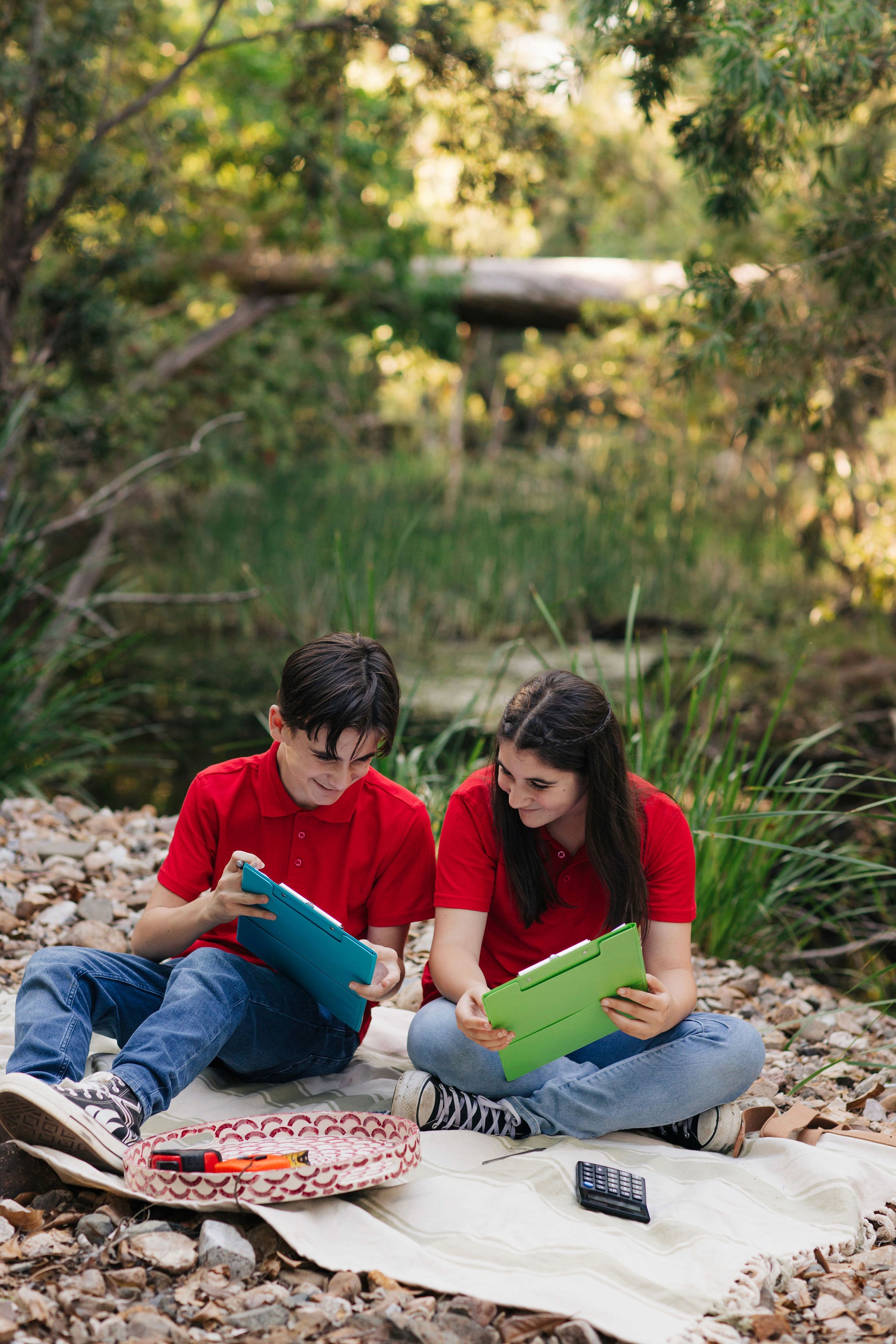
Research into chronic absenteeism consistently identifies belonging and genuine academic engagement as the two strongest predictors of whether a student returns and sustains their attendance. Farm-based experiences can shift both, and in ways that carry forward. Students who reconnect with their own capacity through hands-on learning return to classrooms carrying different evidence about themselves than the kind that accumulated during the days they stayed away.
The aim isn't a farm visit as a reward for improved attendance. It's a farm visit as an experience that gives students a different relationship with learning itself, one that makes the next school day slightly more worth attending than the one before it.
Chronic absenteeism is a message. It says that school hasn't been a place where this student gets to be capable, valued, or genuinely engaged.
The farm, on a good day, is the beginning of a different answer.