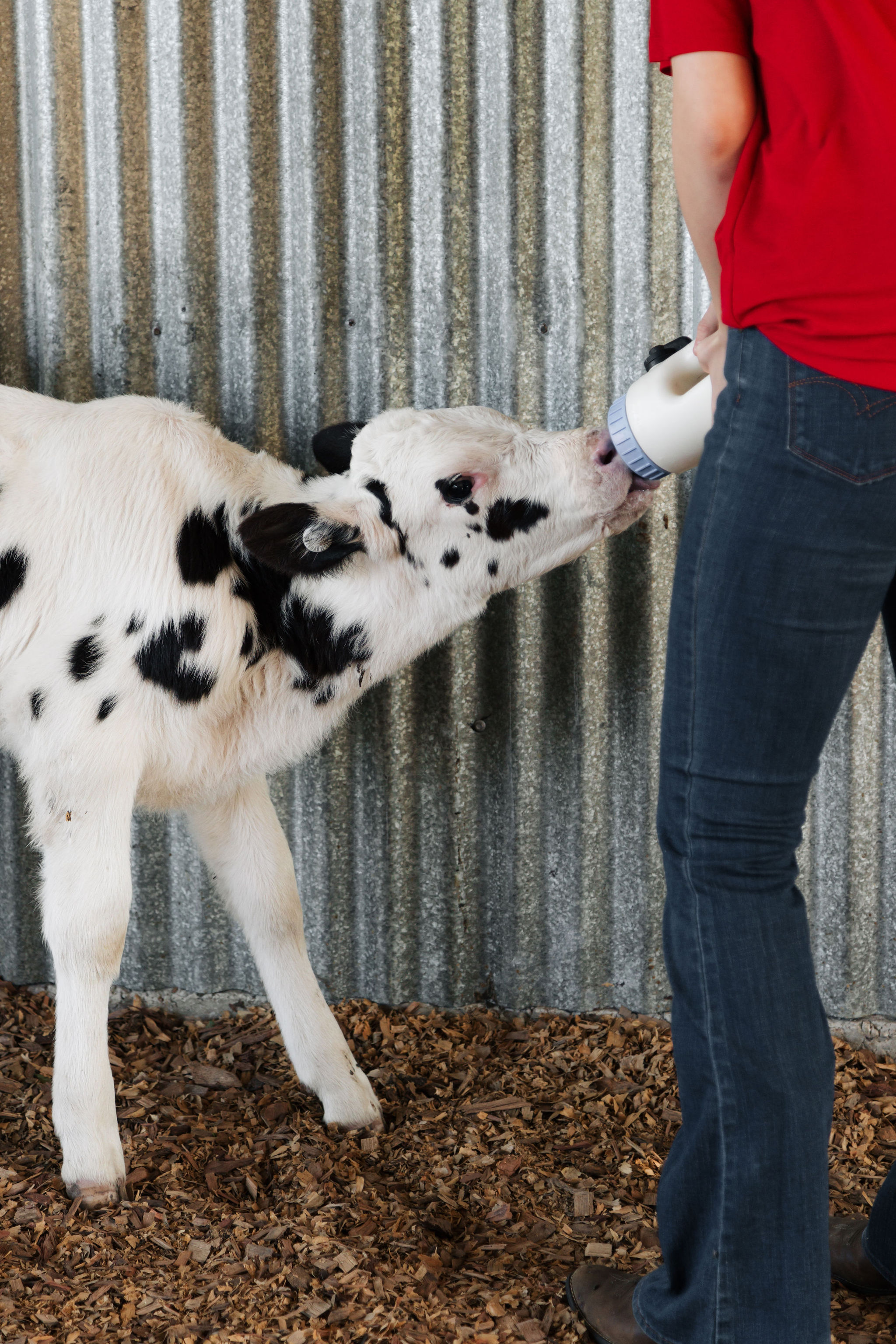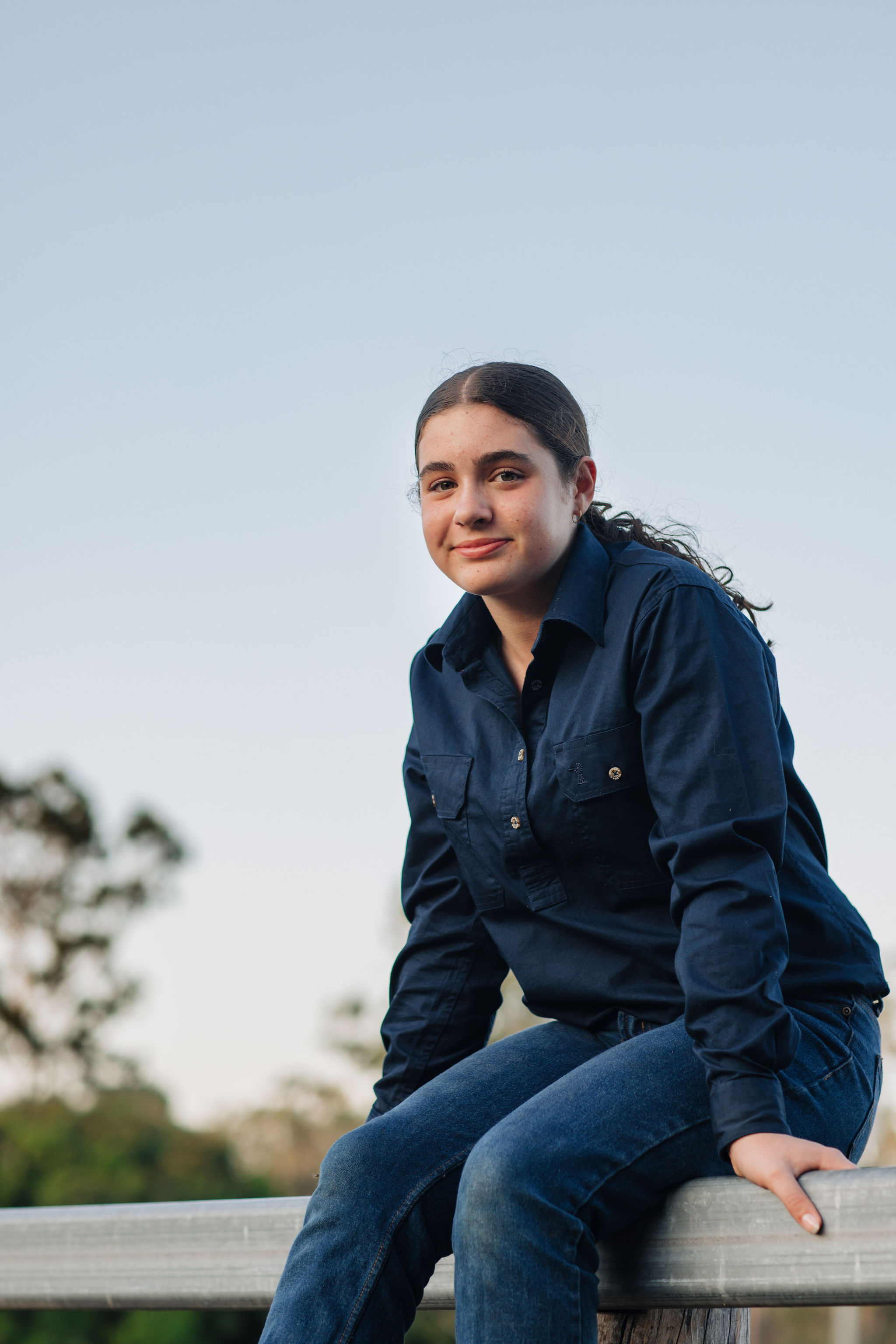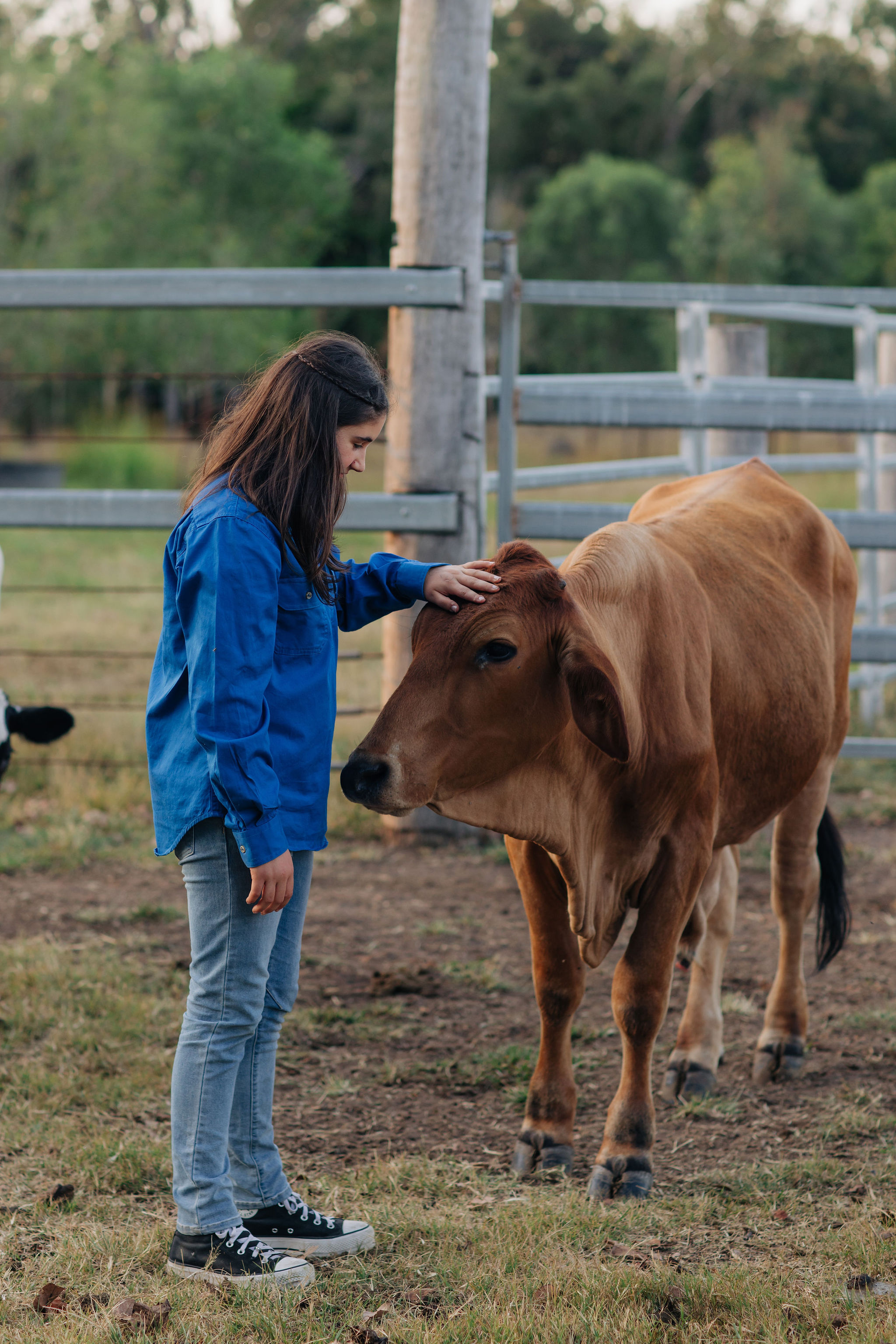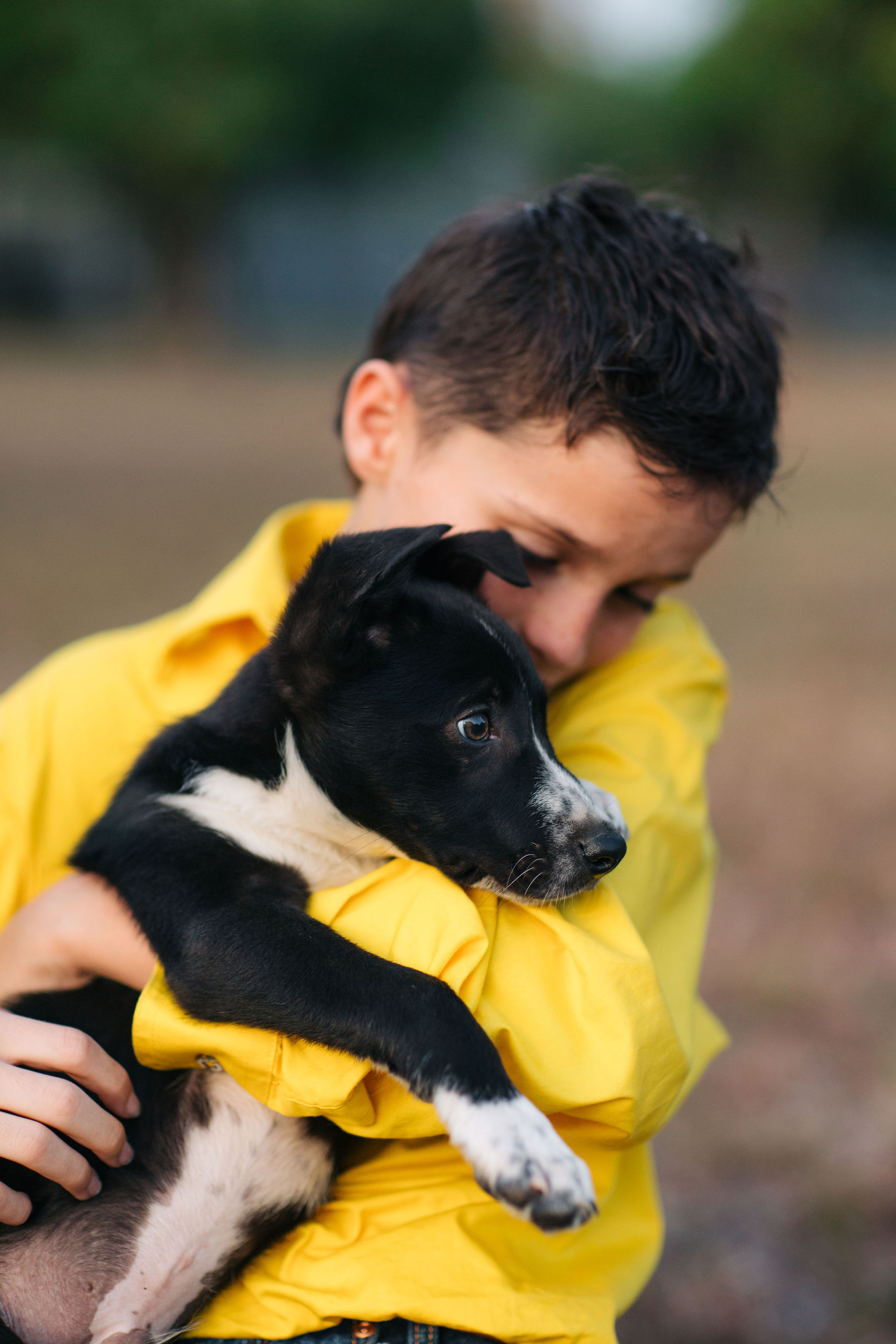
The quality of relationships inside a learning environment shapes almost everything else. How engaged students are, how willing they are to take risks, how much they trust the process enough to actually try. Schools understand this intuitively. What's harder to engineer is the conditions that allow those relationships to form genuinely, rather than simply by default.
Farm experiences do something unusual in this regard.
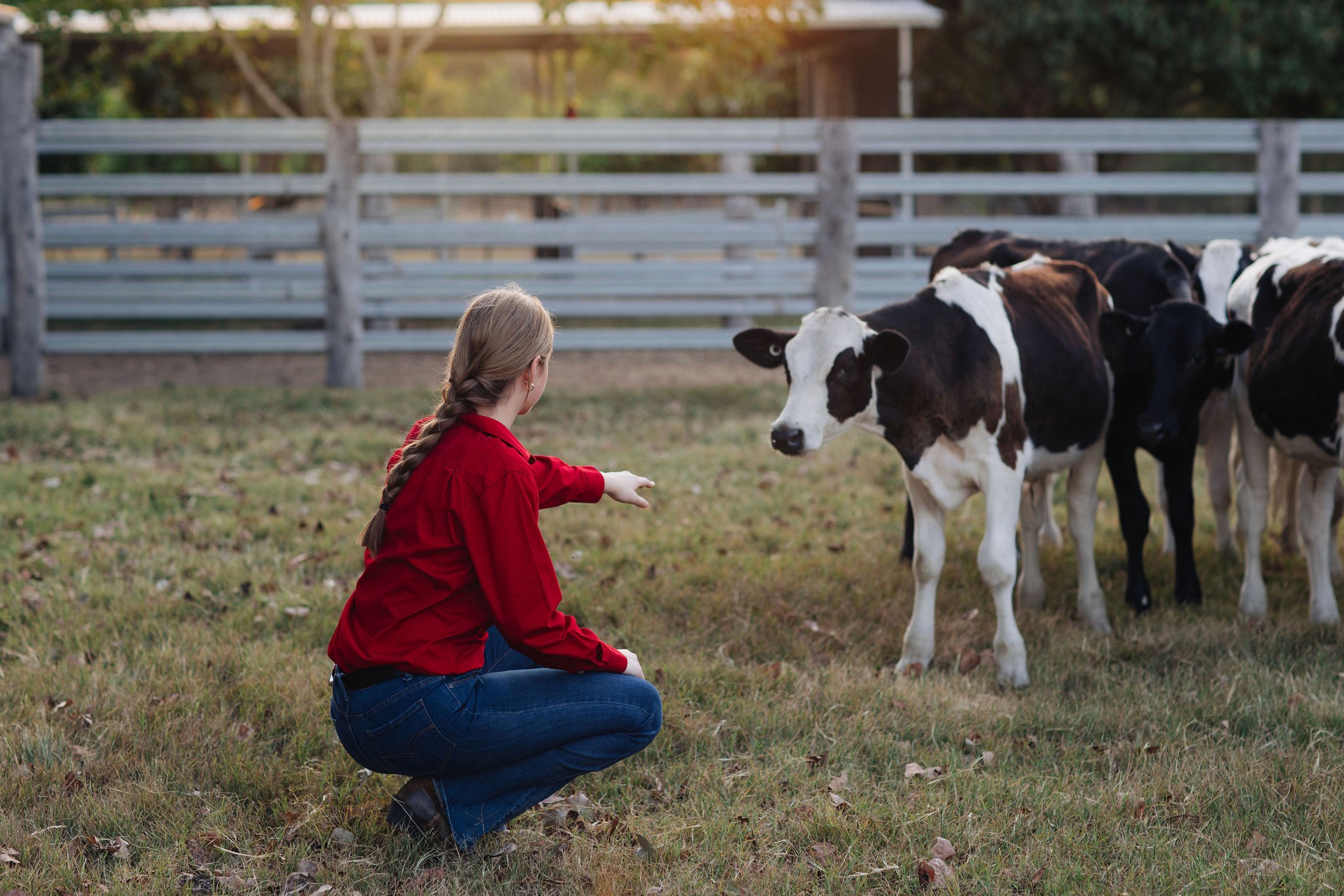
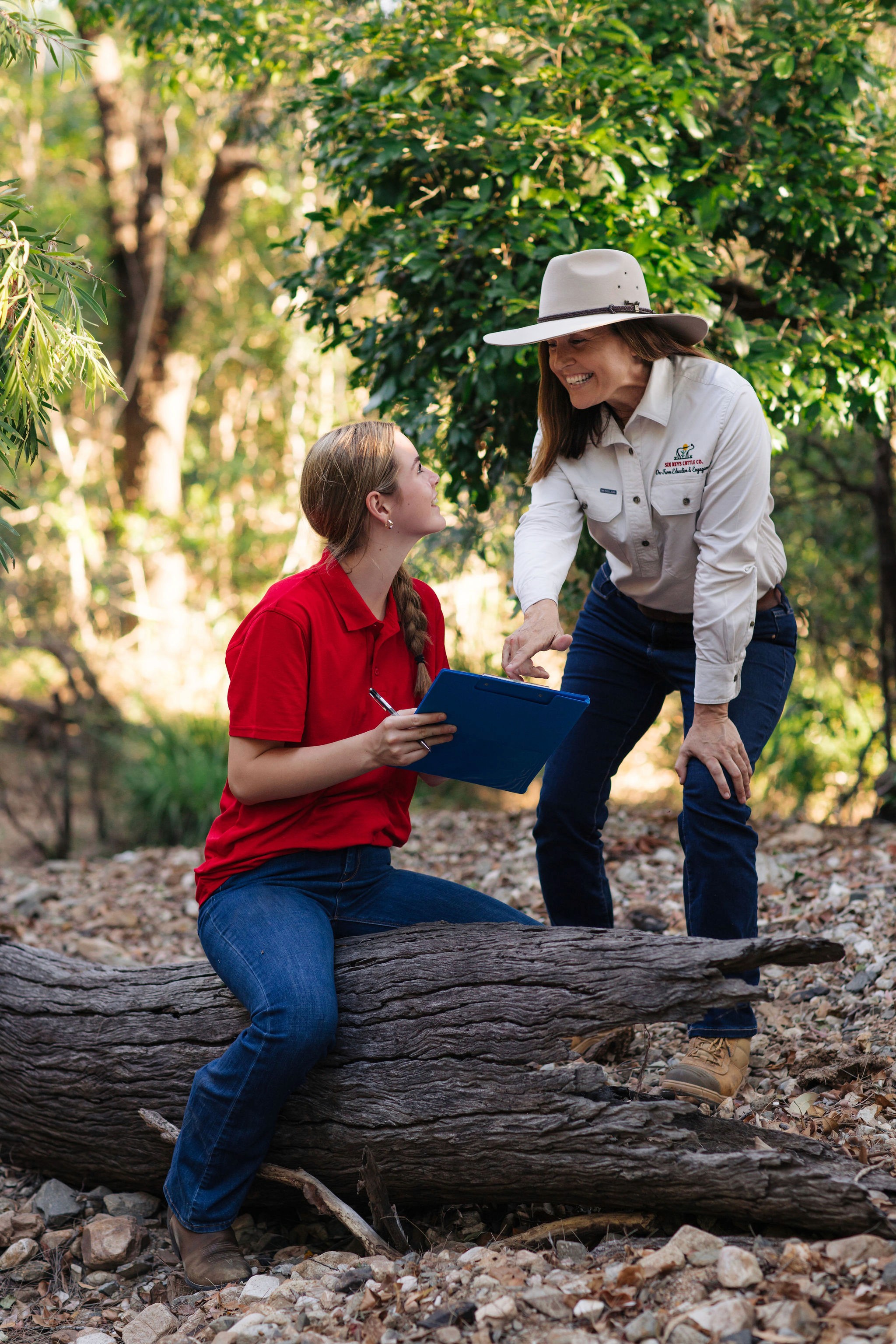
When a class steps onto a working property, the usual classroom structure loosens. The teacher who manages behaviour and delivers content back at school becomes something different on a farm: a co-participant, curious and uncertain in some of the same ways students are. That shift matters more than it might seem. Students who have learned to relate to teachers purely as authority figures often find a different kind of connection when they see their teacher genuinely engaged with something unfamiliar, asking real questions, and working through things alongside them.
At Six Keys Cattle Co in Central Queensland, this plays out consistently across school groups. Teachers who arrive expecting to supervise often leave having learned things alongside their students, and the dynamic that produces carries back into the classroom long after the visit ends.
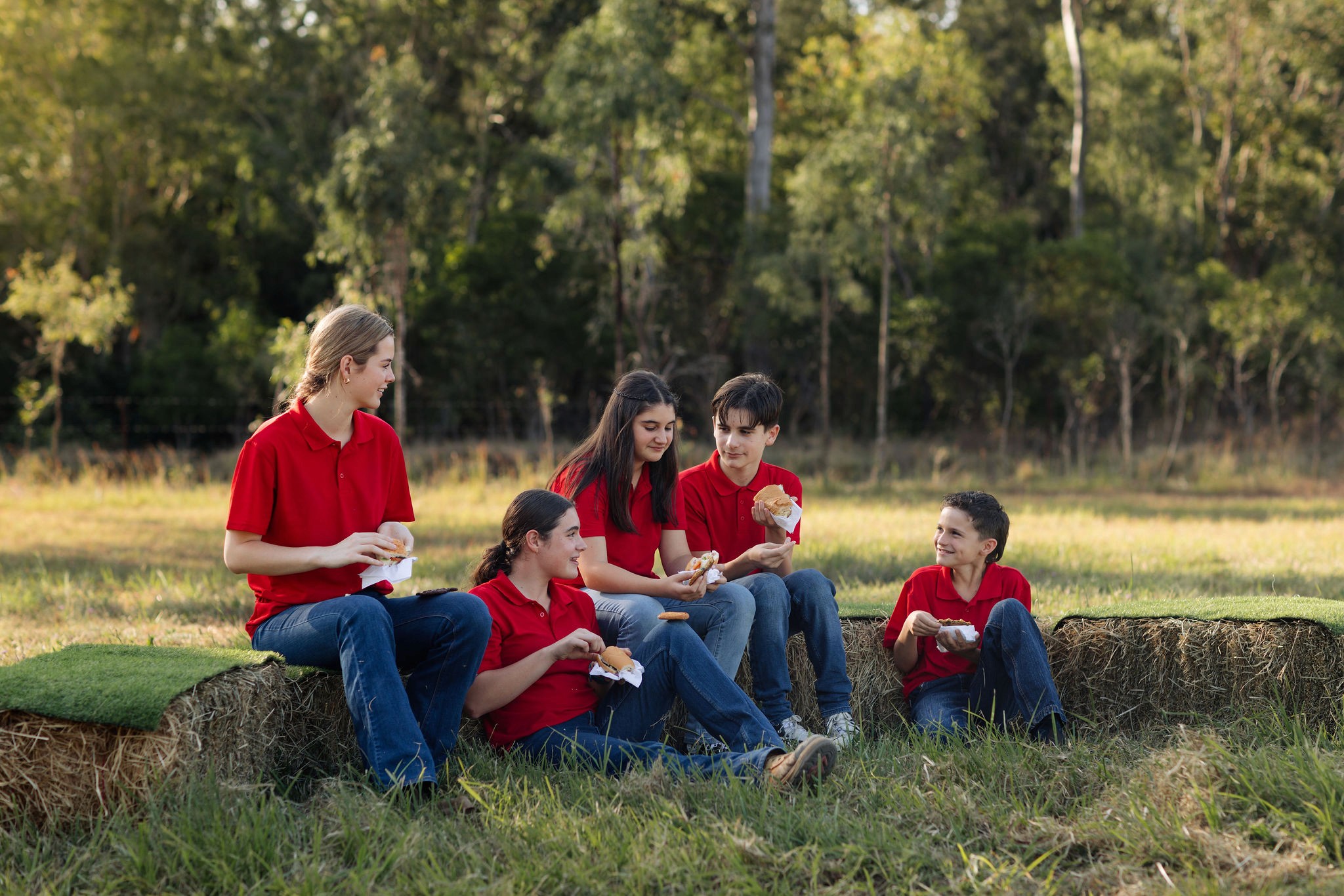
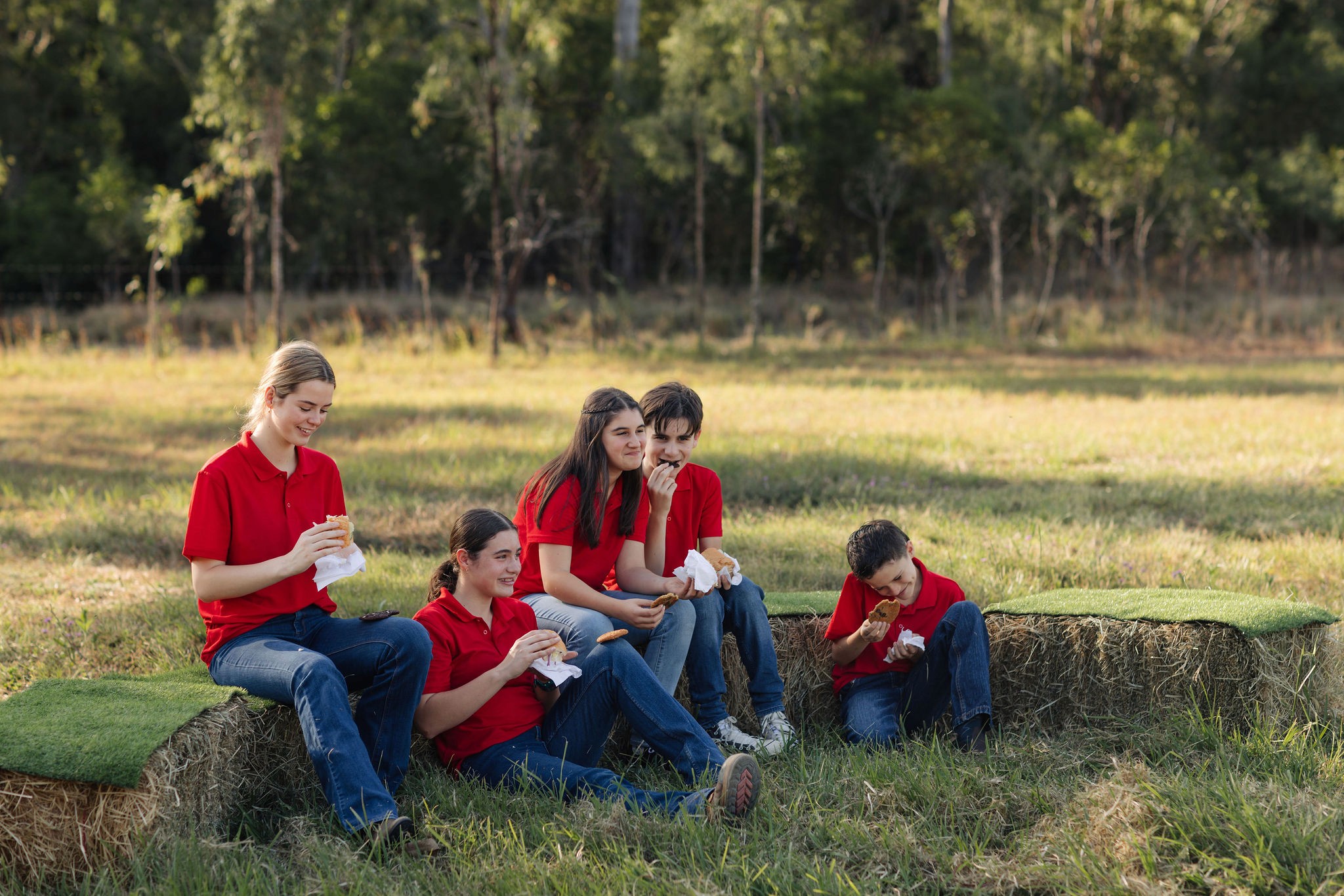
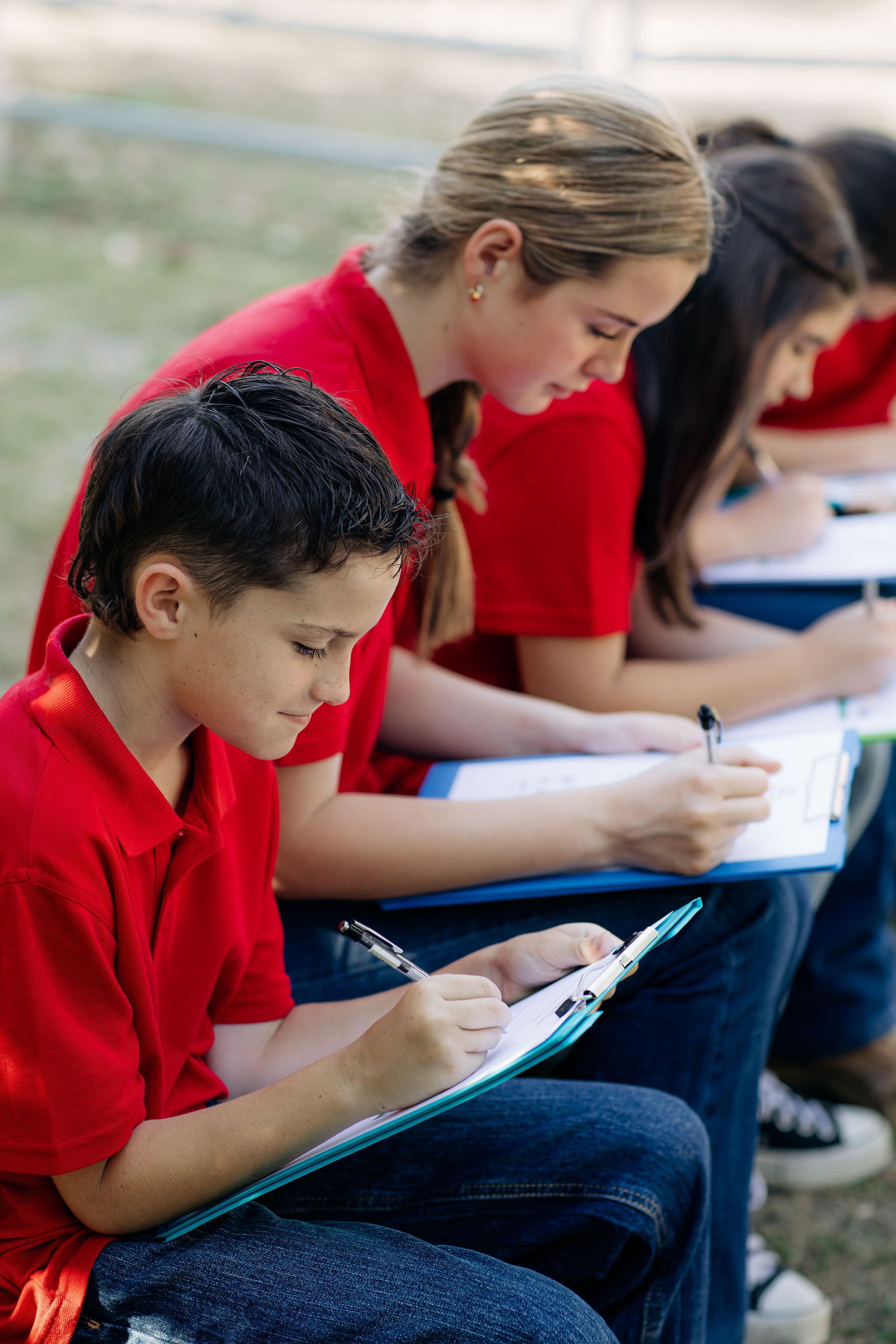
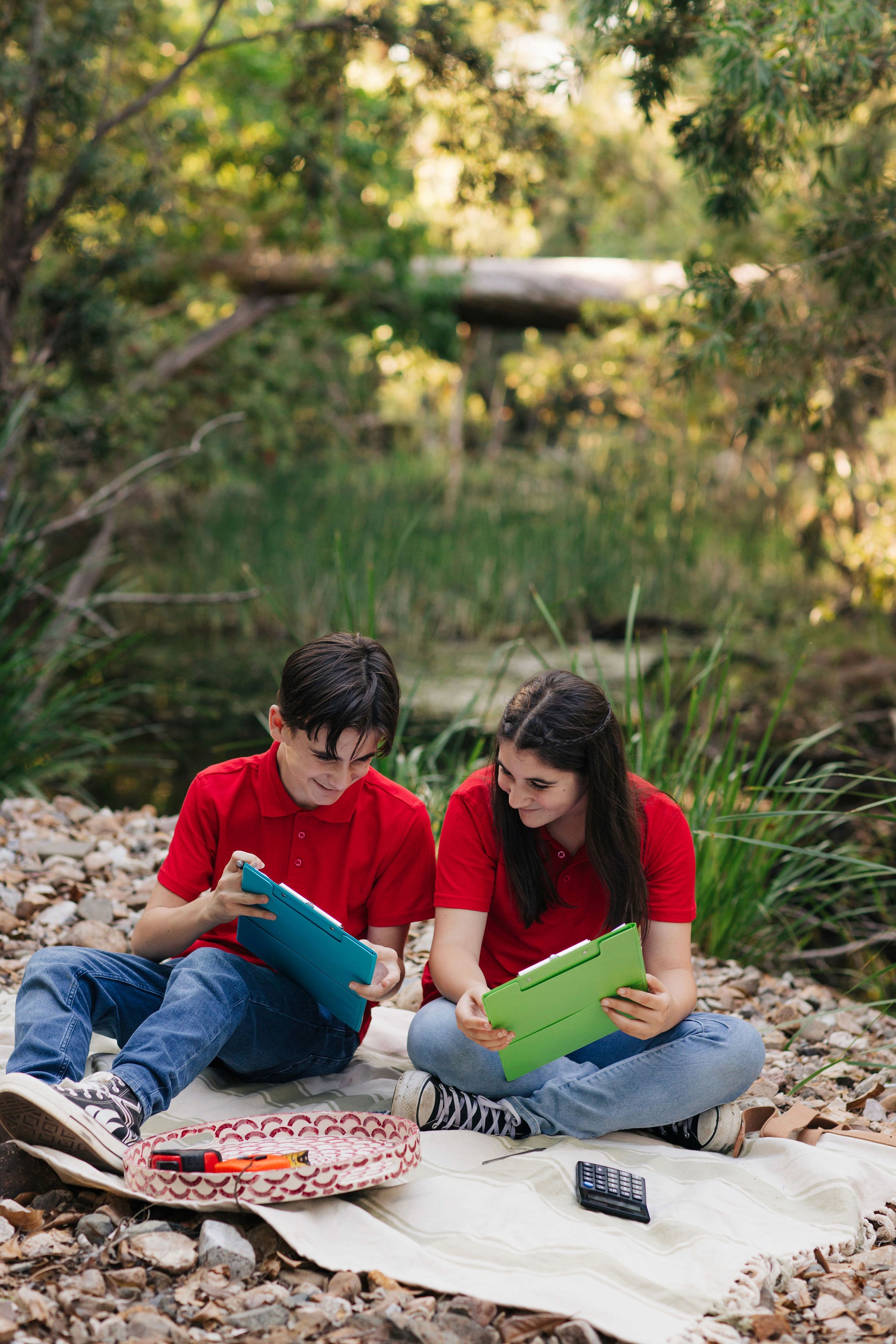
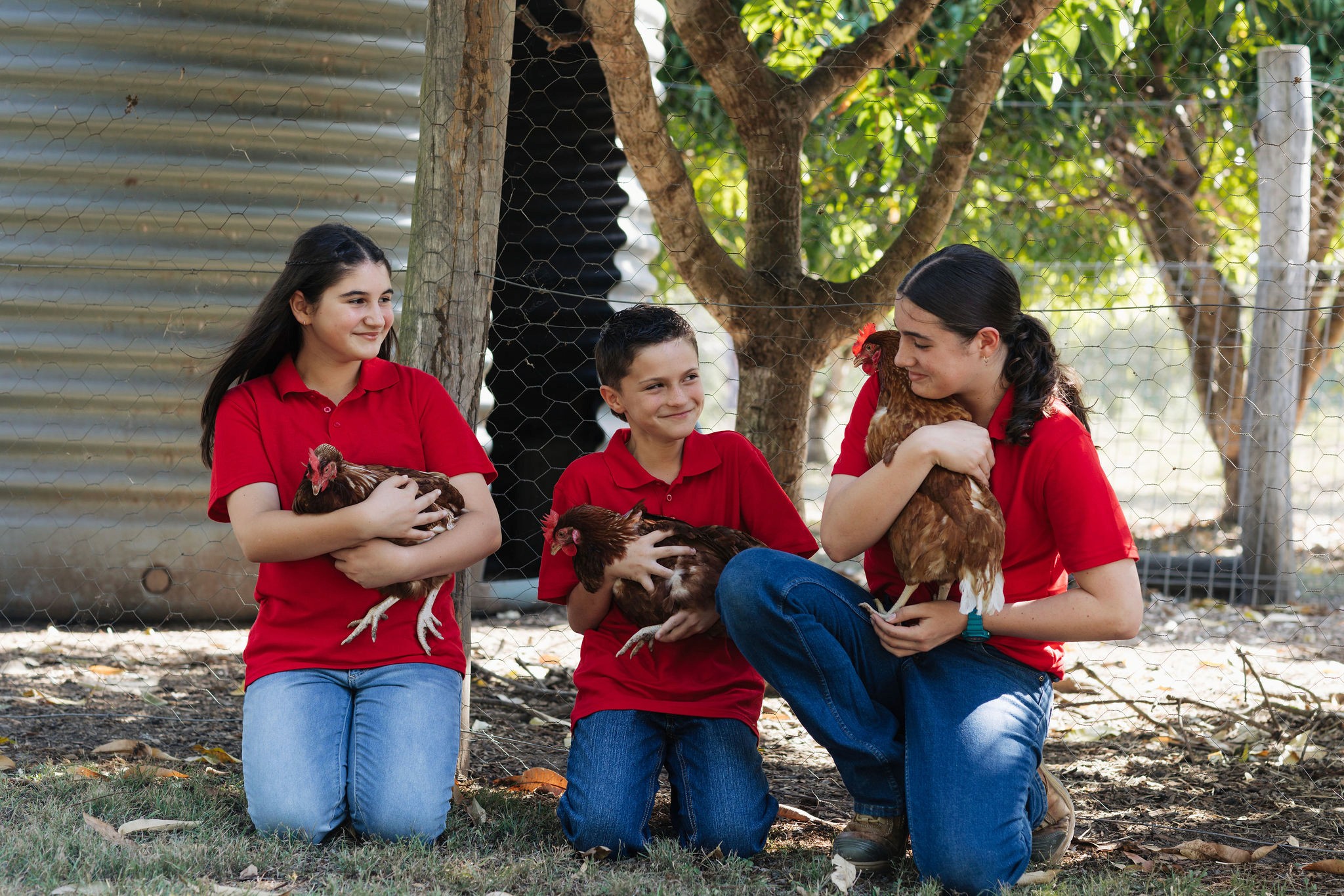
Peer relationships shift in ways that go deeper than ordinary classroom collaboration. Shared experience on a farm isn't just a group task with mutual accountability. It's often the first time certain students find genuine common ground with peers they've struggled to connect with indoors. Physical challenge, unfamiliar animals, unexpected situations that require everyone to pay attention and work together, these create the conditions for real rapport. Not the managed, assessed kind. The kind that persists.
Research on relationship-based learning consistently finds that students in strong relational environments show higher engagement, greater resilience, and better outcomes across the board. The farm doesn't manufacture those relationships, but it creates conditions where they can form quickly and authentically in ways that a standard classroom term rarely manages to produce.
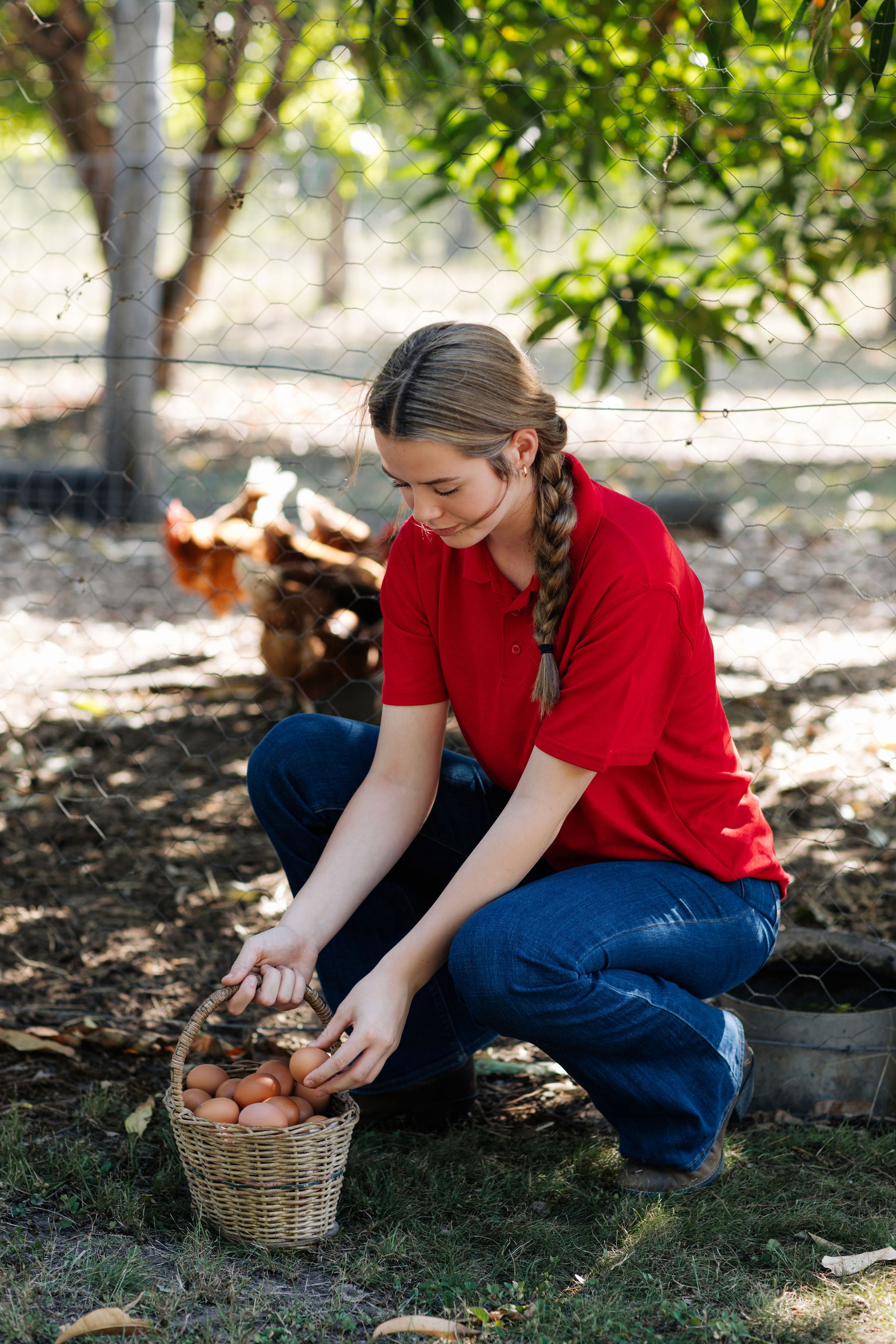
The third relationship that farm education builds is perhaps the most significant and the least often discussed: a student's relationship with purpose. When children understand where food comes from, how land is managed responsibly, and what skilled agricultural work actually involves, learning stops being a transaction and becomes a reason.
Students who find that reason carry it differently. They're more invested, more curious, and more willing to stay with difficulty because the subject has become something genuinely worth knowing about.
Relationships with teachers and peers matter. A relationship with purpose might matter most of all.