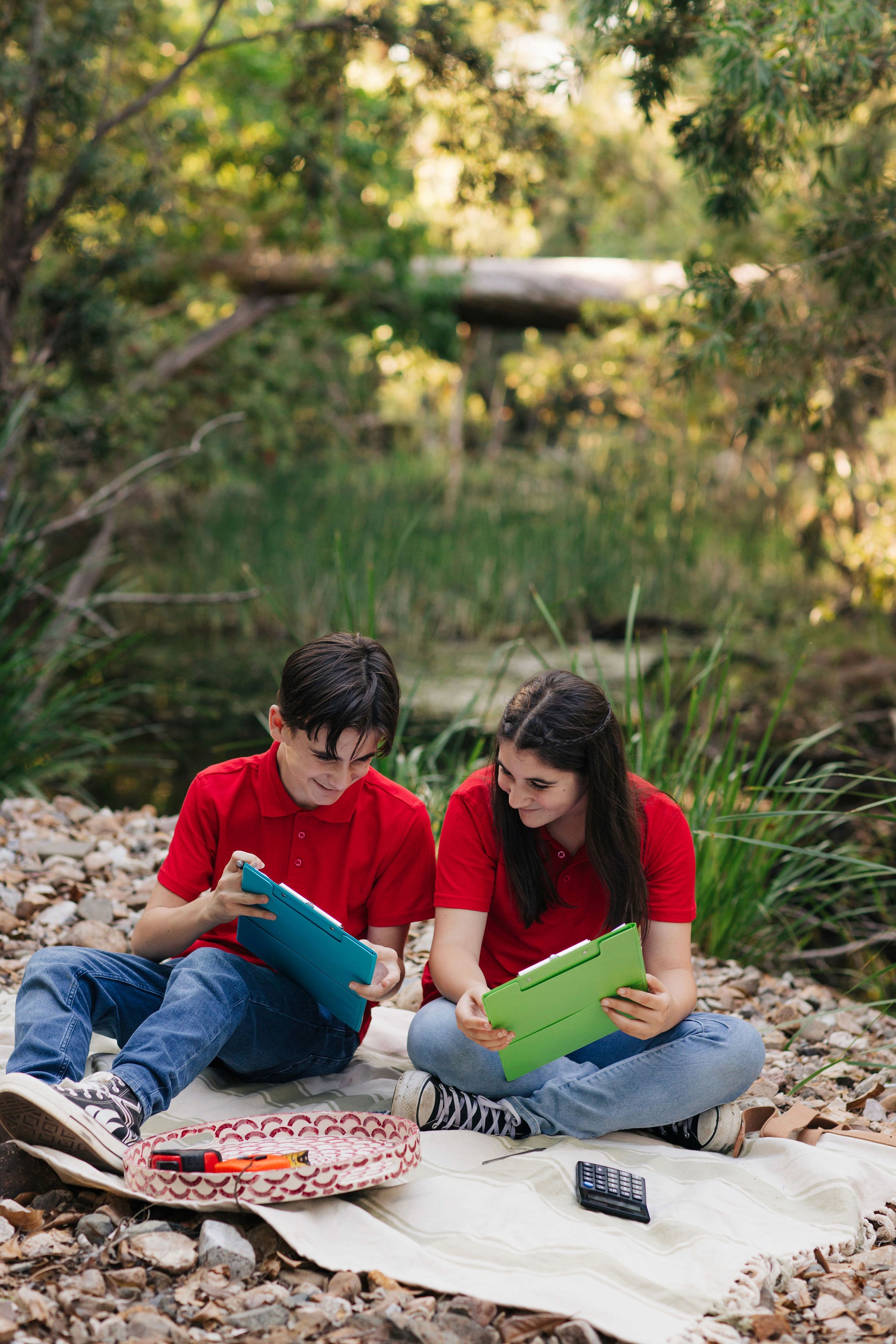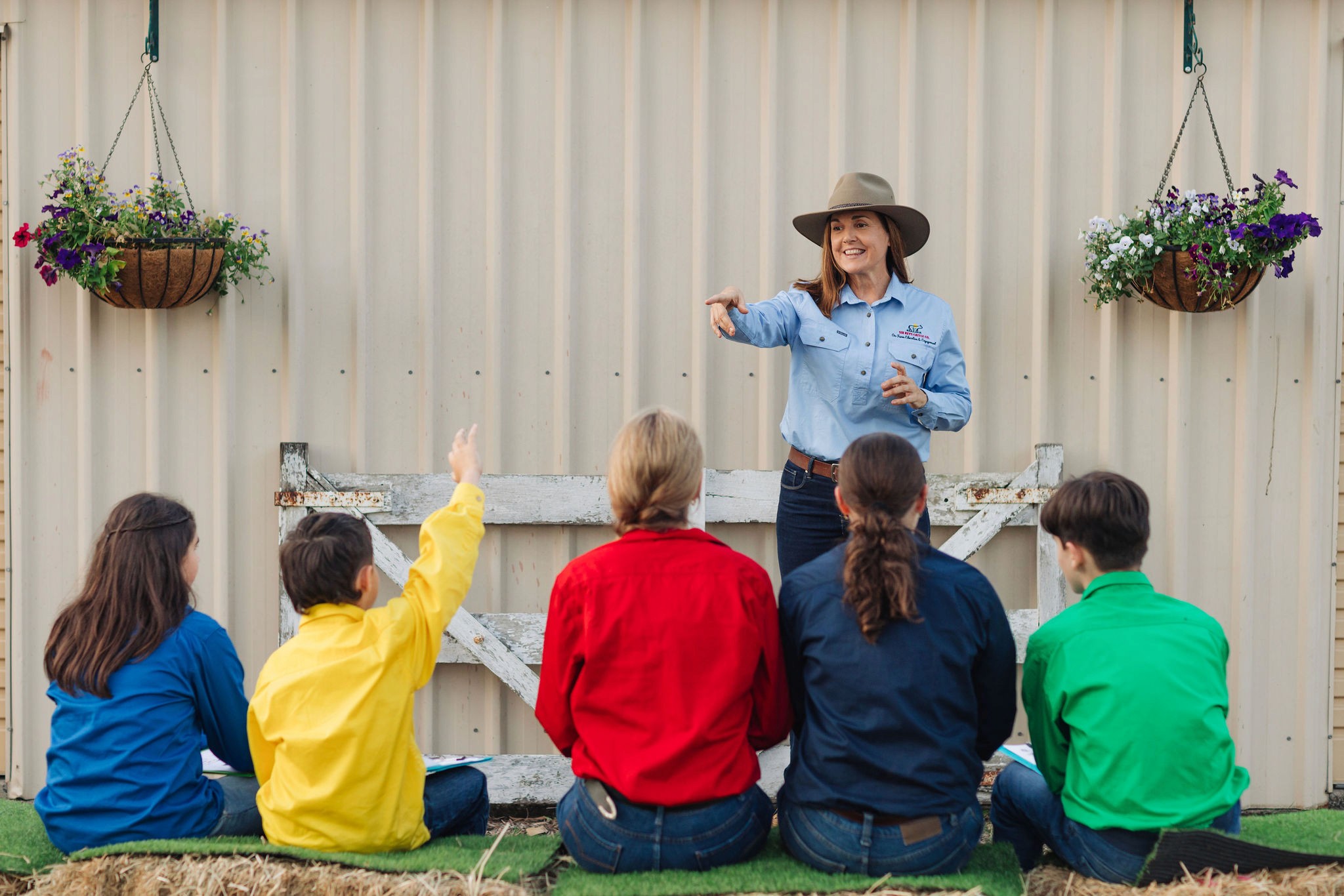
Every minute of school time has to count. Teachers know this better than anyone, and when they're considering taking a class off-site, the question they need to answer is a practical one: what does this deliver against the curriculum?
At Six Keys Cattle Co, the answer is considerable. A working beef cattle farm in Central Queensland isn't a detour from the Australian Curriculum Version 9. It's one of the most complete environments in which to teach it.
Version 9 places stronger emphasis on real-world application, cross-curriculum integration, and the development of general capabilities including critical and creative thinking, personal and social capability, and sustainability as a cross-curriculum priority. A farm addresses all of these not as extras bolted on to the day, but as the natural consequence of how farming actually works.
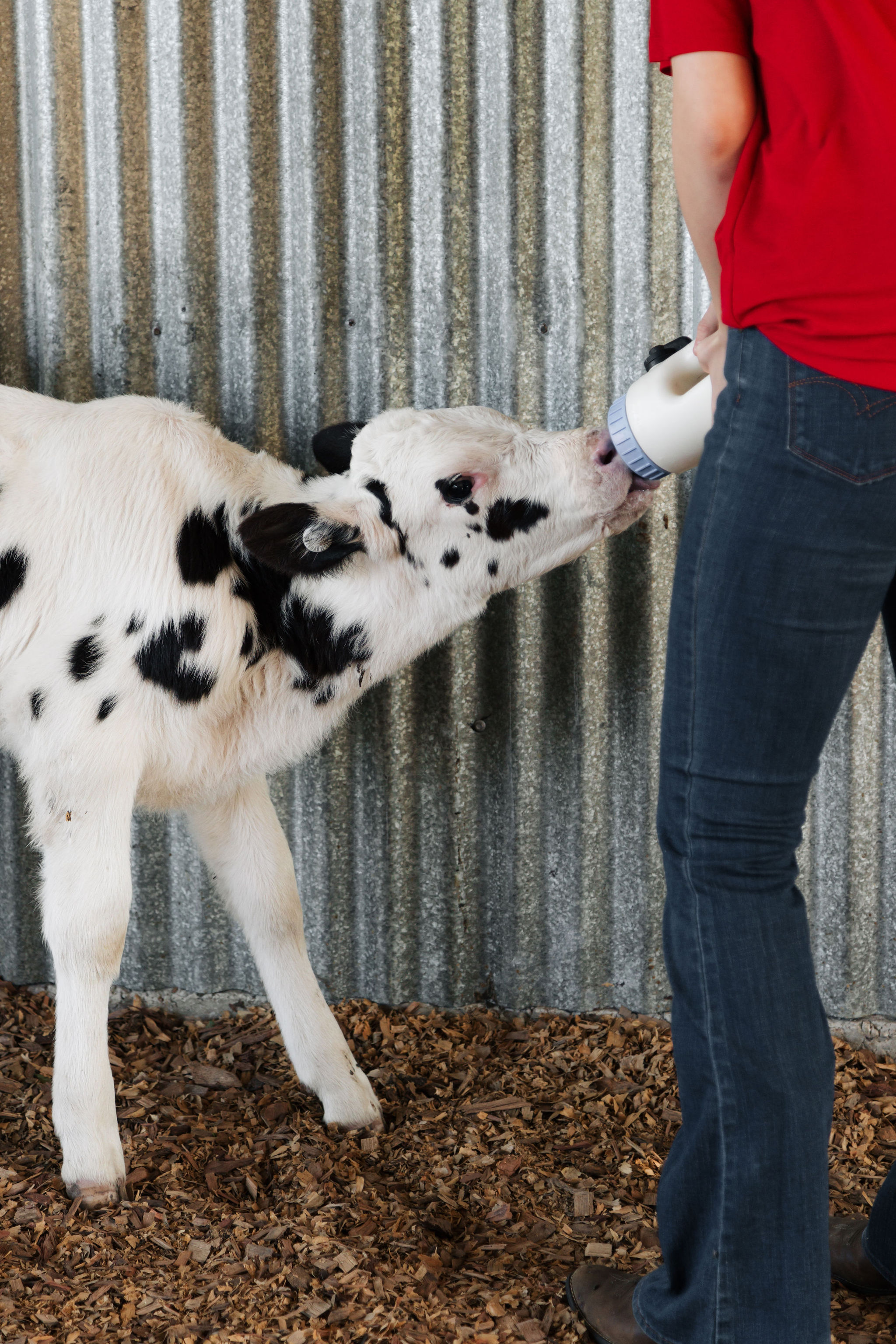
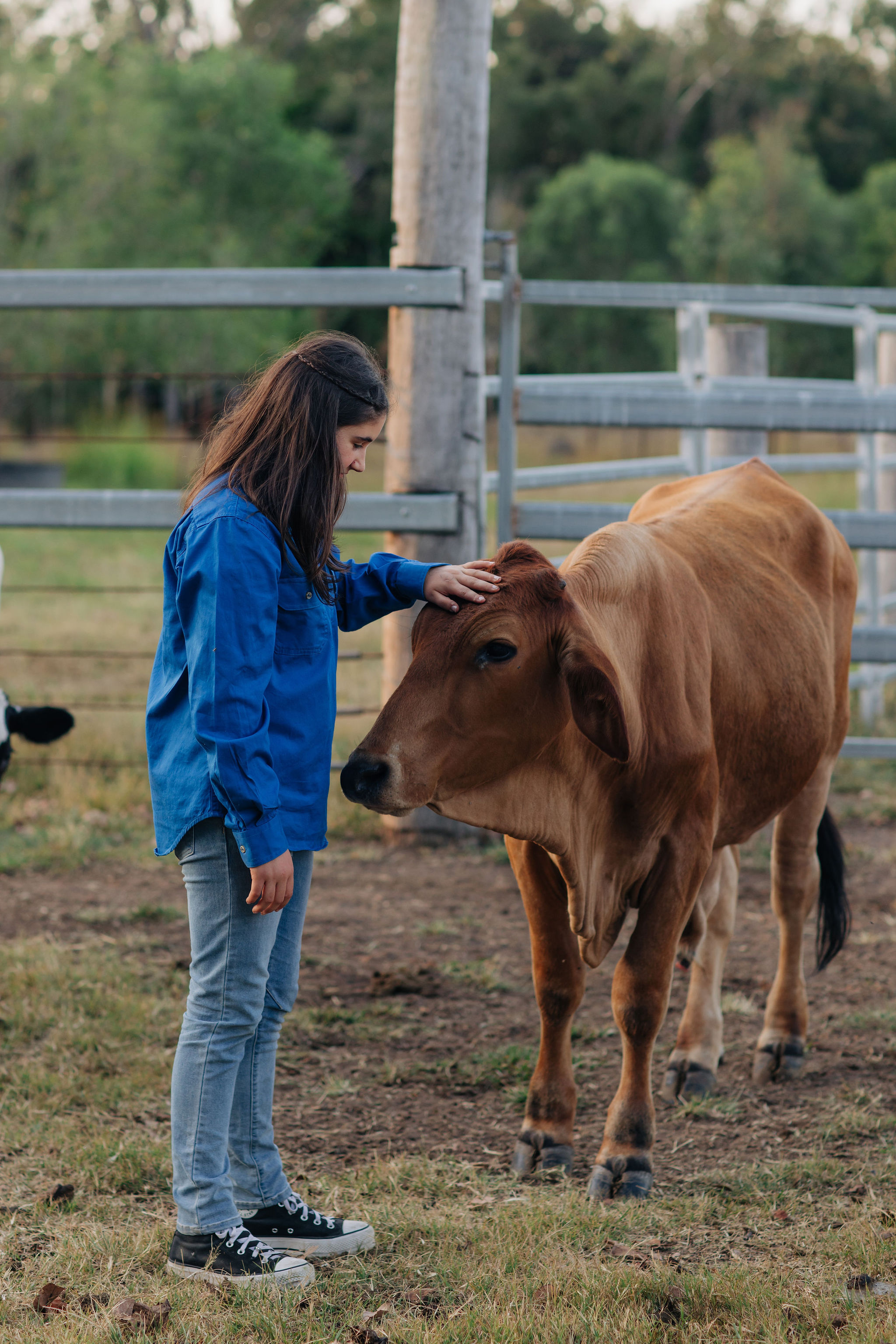
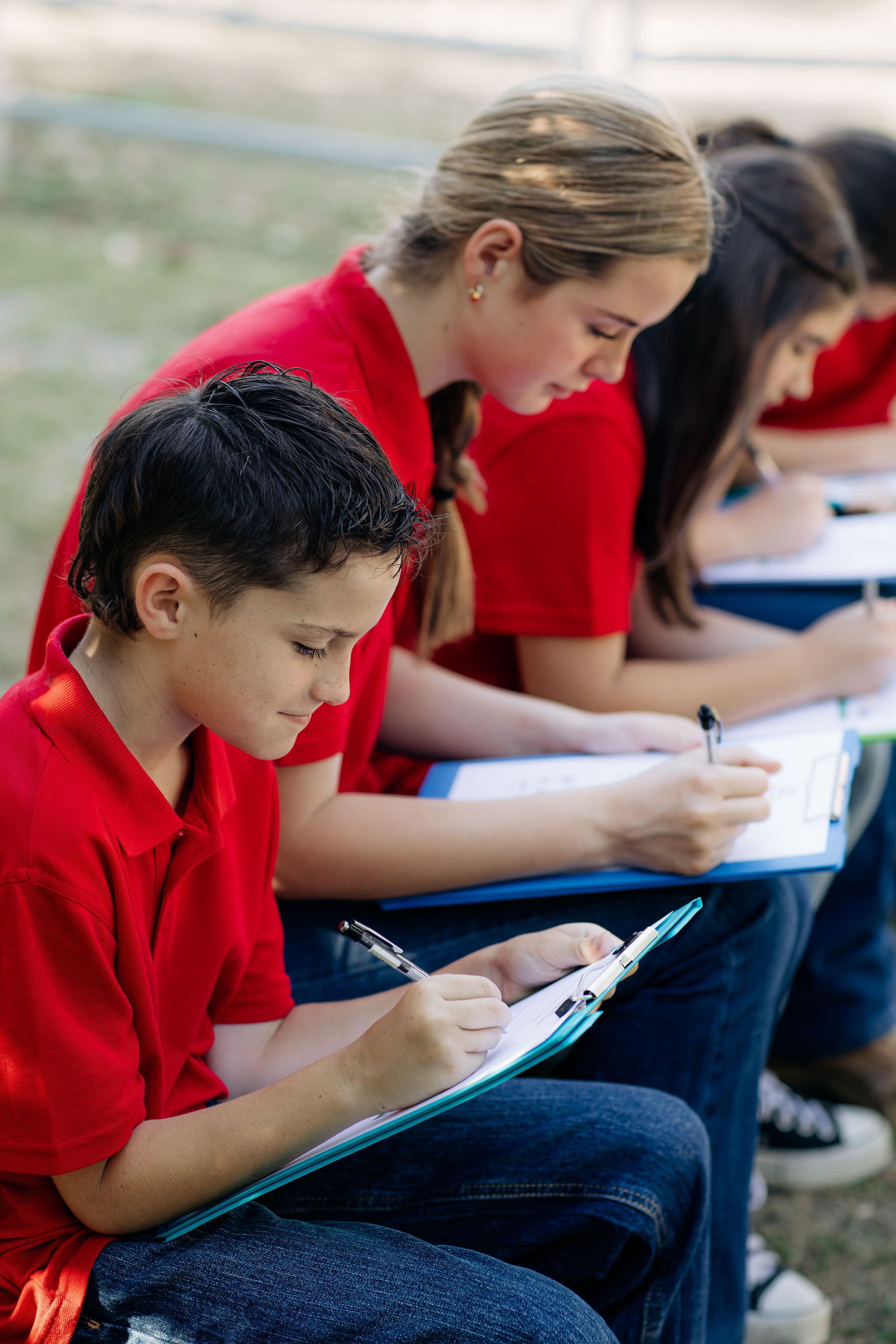
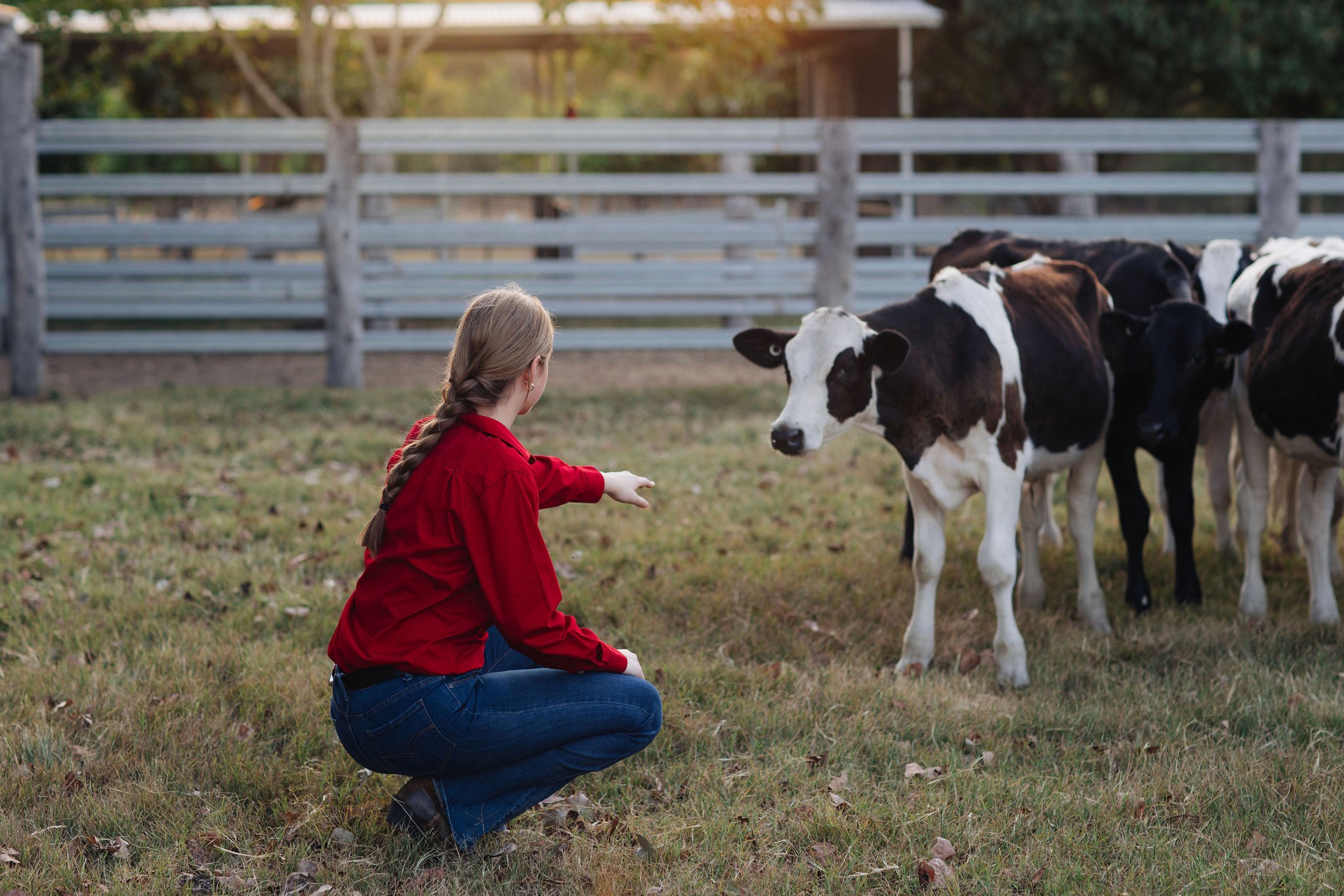
Science is perhaps the most obvious connection. Students at Six Keys observe biological science in direct action: animal adaptations, life cycles, ecosystems, and the relationships between organisms and their environment. The scientific inquiry process, observing, questioning, predicting, and recording, happens organically when students are alongside cattle asking why animals behave the way they do, or tracking how land management decisions affect the health of a paddock.
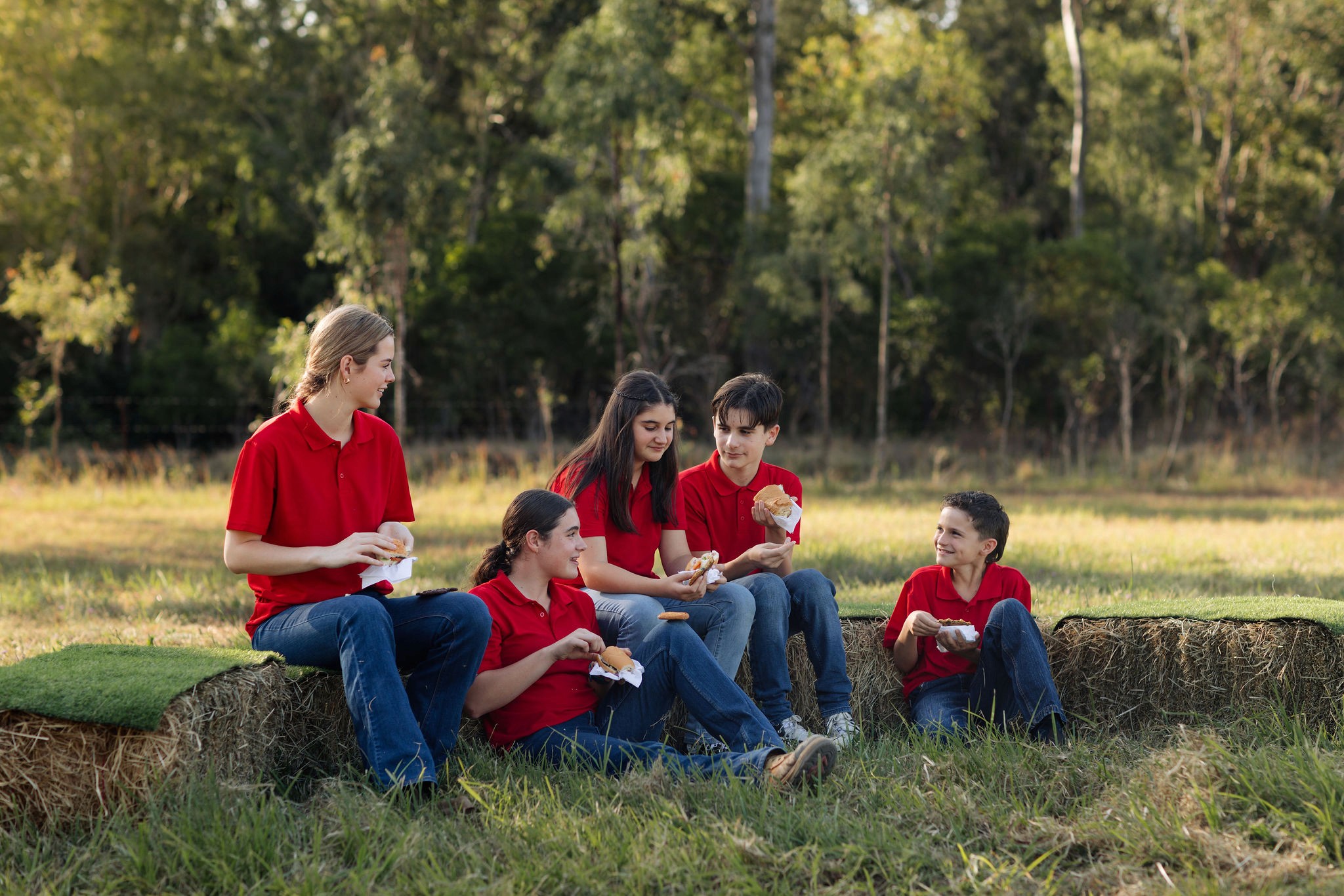
HASS connections run just as deep. Food and fibre production is a core content area, and students who stand in a working cattle operation understand it at a depth that a textbook case study simply cannot replicate. They see how agriculture supports communities, how land is managed sustainably, and how the food on their plate connects to decisions a farmer makes every single day. For students with little exposure to rural Australia, that understanding carries real significance beyond the classroom.
Technologies content surfaces throughout. Yards, water systems, machinery, and handling equipment are all examples of design and systems thinking applied to real problems. Students don't just observe these structures; they learn the reasoning behind them.
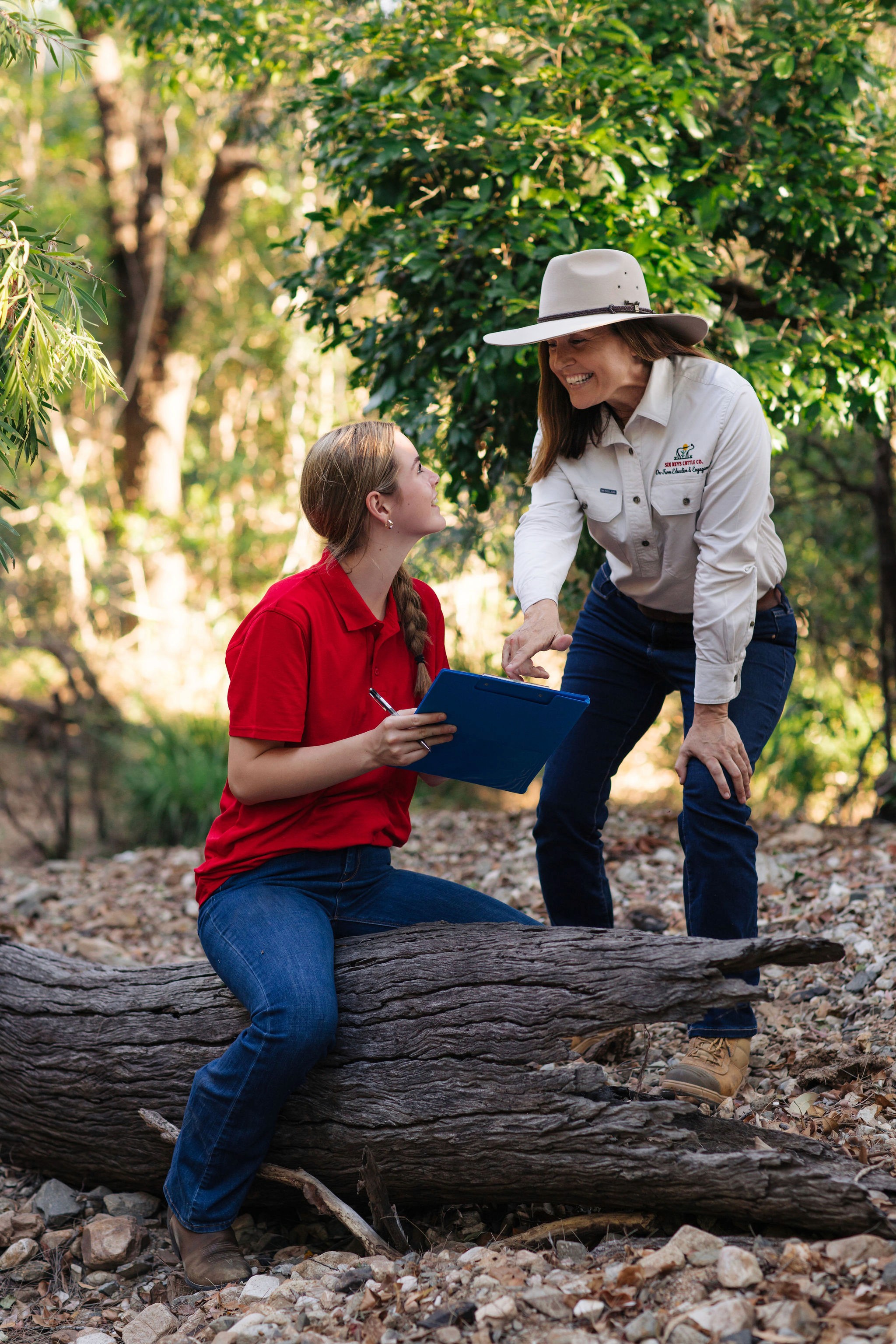
What makes Six Keys different from a general farm visit is the structure behind it. Programs are built around specific AC v9 content descriptors and designed for both lower and upper primary year levels. Teachers arrive with confidence that the time is planned, purposeful, and directly aligned to what students are already working through in the classroom.
Cross-subject integration happens here without being forced. English builds through questioning and reflection. Mathematics surfaces in measurement, data, and practical estimation. Health and physical activity are embedded in the day. The curriculum areas don't compete. They simply converge.
Version 9 describes what students should understand about the world. Six Keys is part of that world.