The conversation about COVID learning loss tends to centre on academics. Gaps in literacy. Numeracy setbacks. Students arriving in upper primary with foundational skills well below where they should be. These concerns are real, and schools are still working through them.
But the deeper damage was harder to measure. Extended periods at home, away from peers, away from structured routines, and away from the ordinary rhythms of school life, reshaped how many children related to learning itself. Motivation dropped. Confidence followed. The social skills that develop through daily proximity to other children simply didn't get the practice they needed. For many students, the problem wasn't only what they missed. It was how they came back.
Recovery strategies have largely focused on what makes intuitive sense: more classroom time, targeted intervention, structured catch-up programs. These have their place. But for students whose relationship with learning was genuinely disrupted, more desk time in an environment that already felt difficult can compound the problem rather than resolve it.
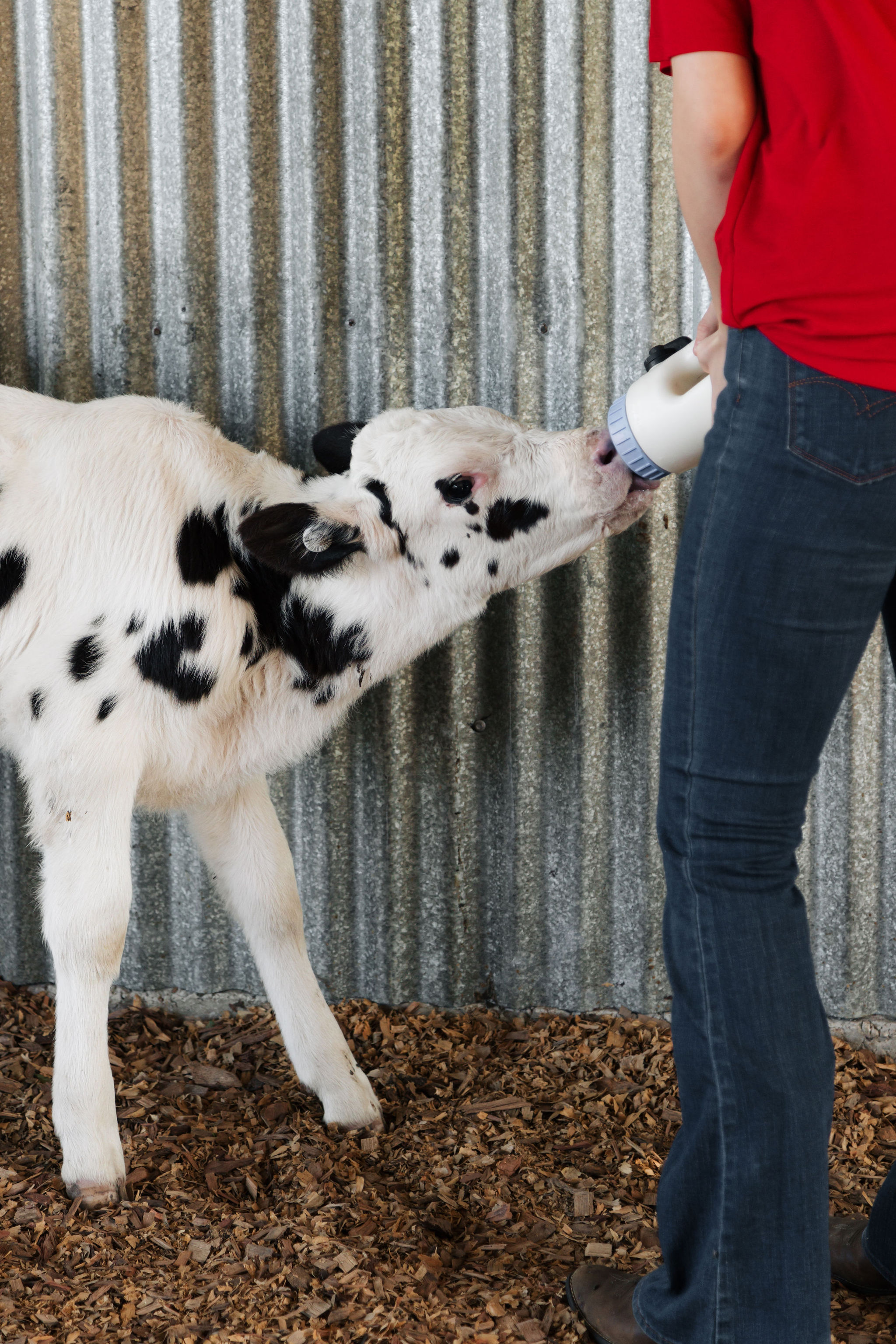
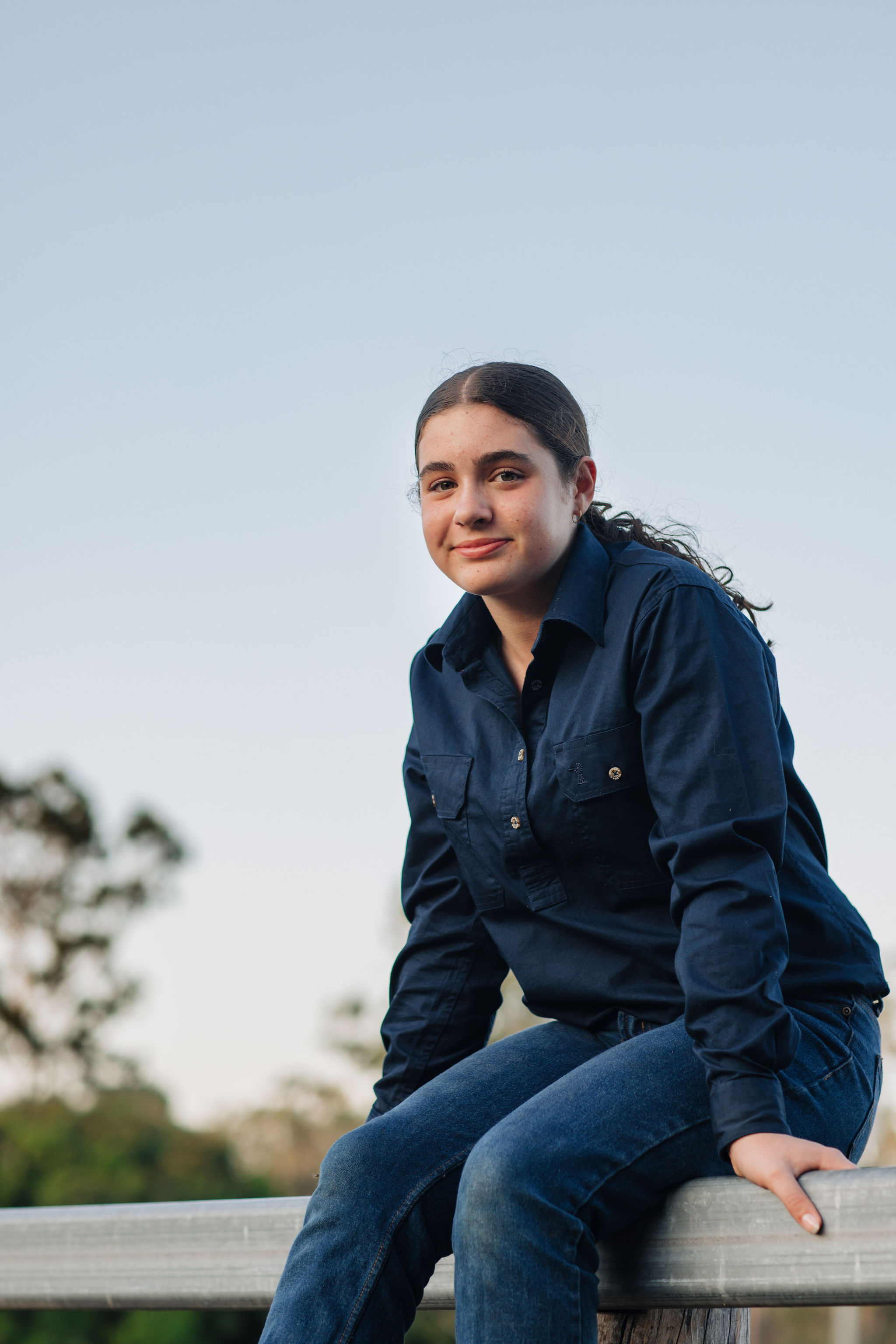
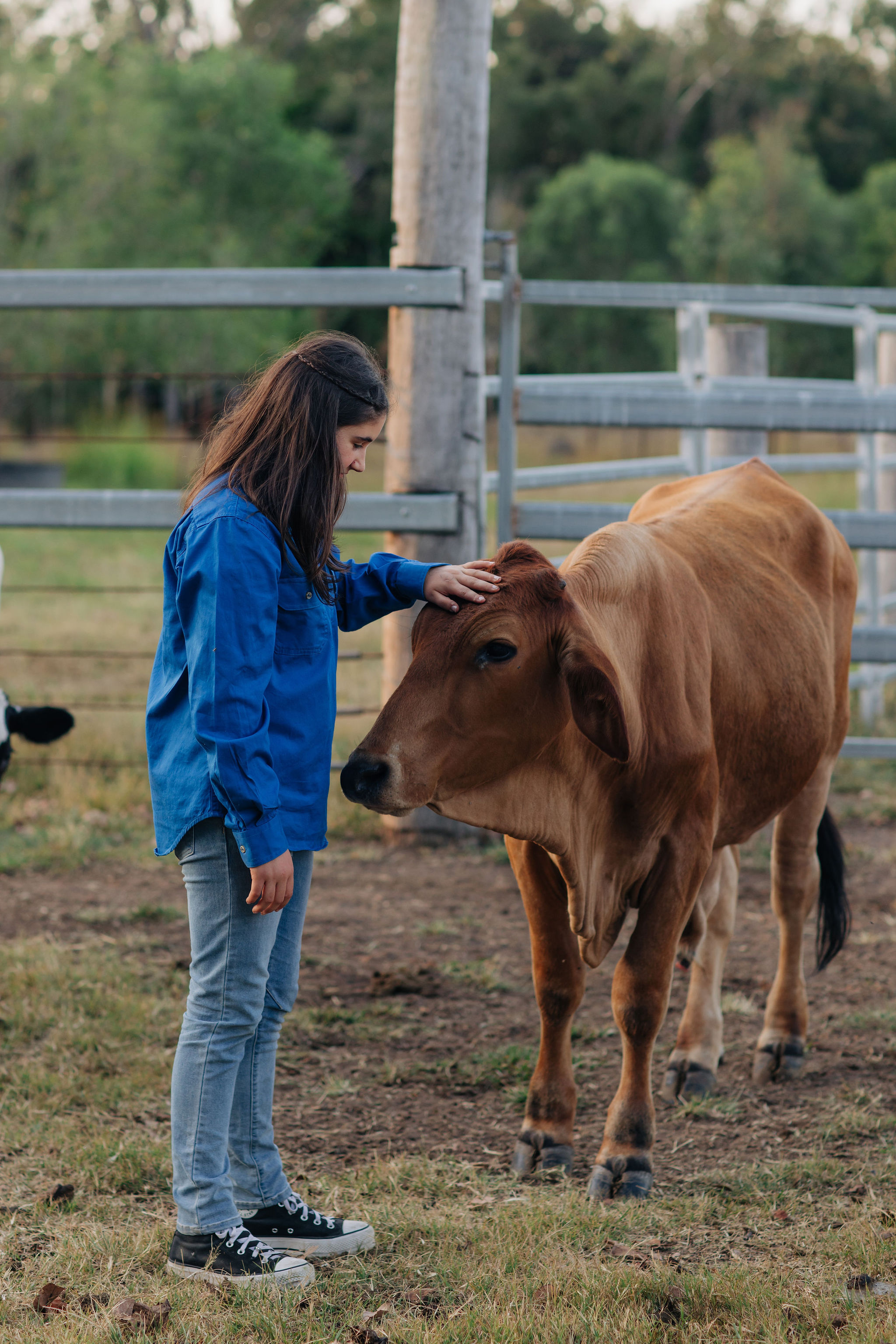
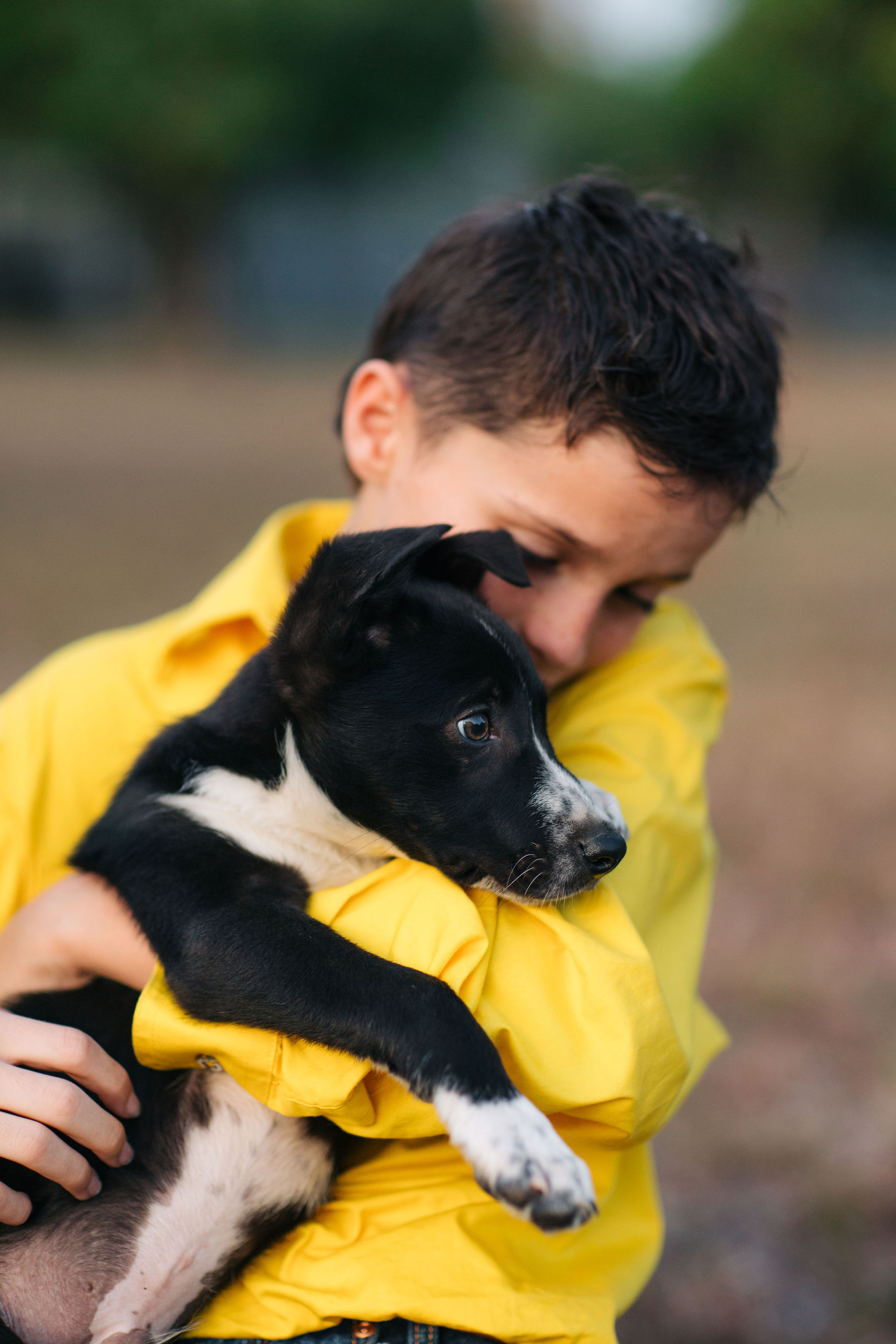
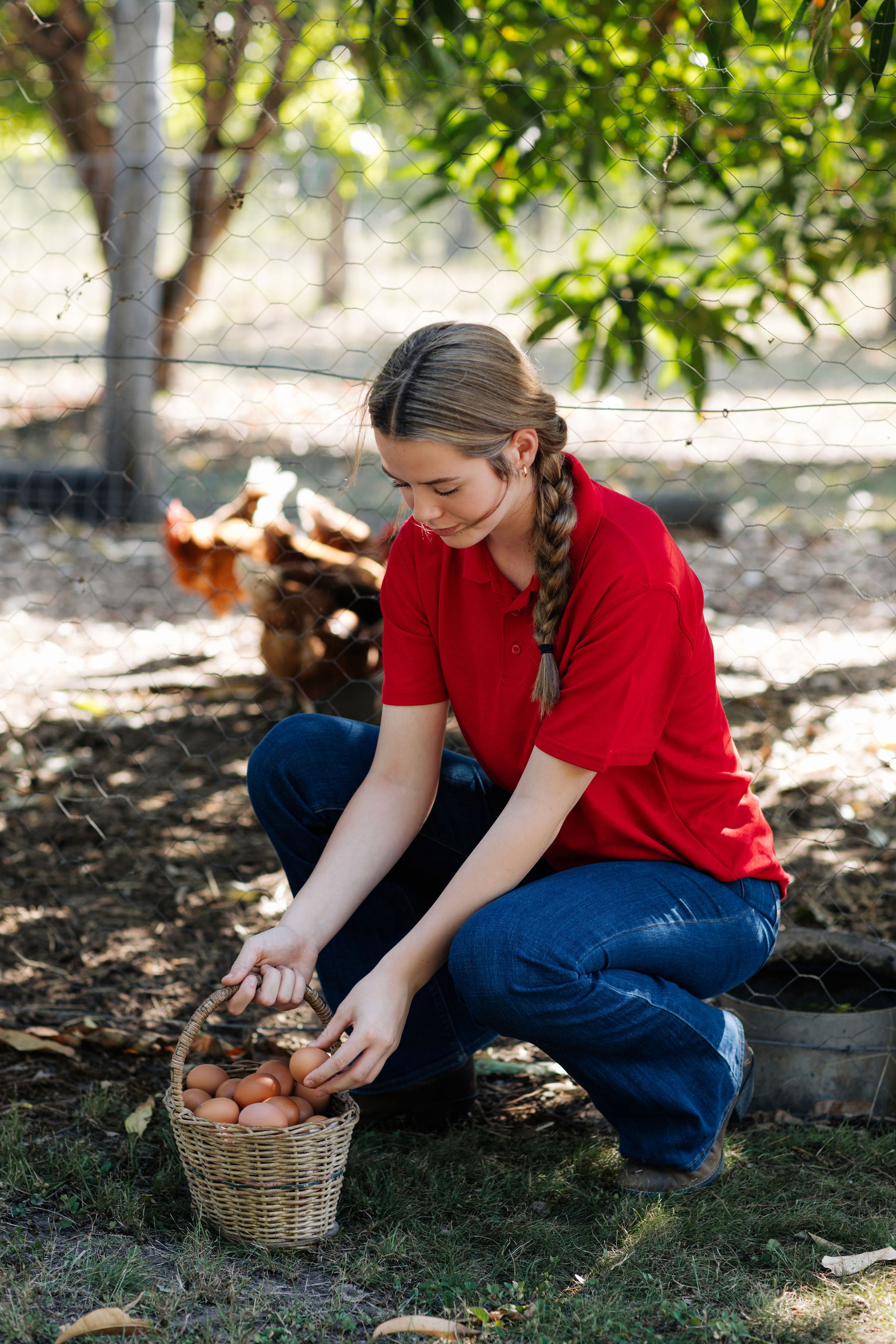
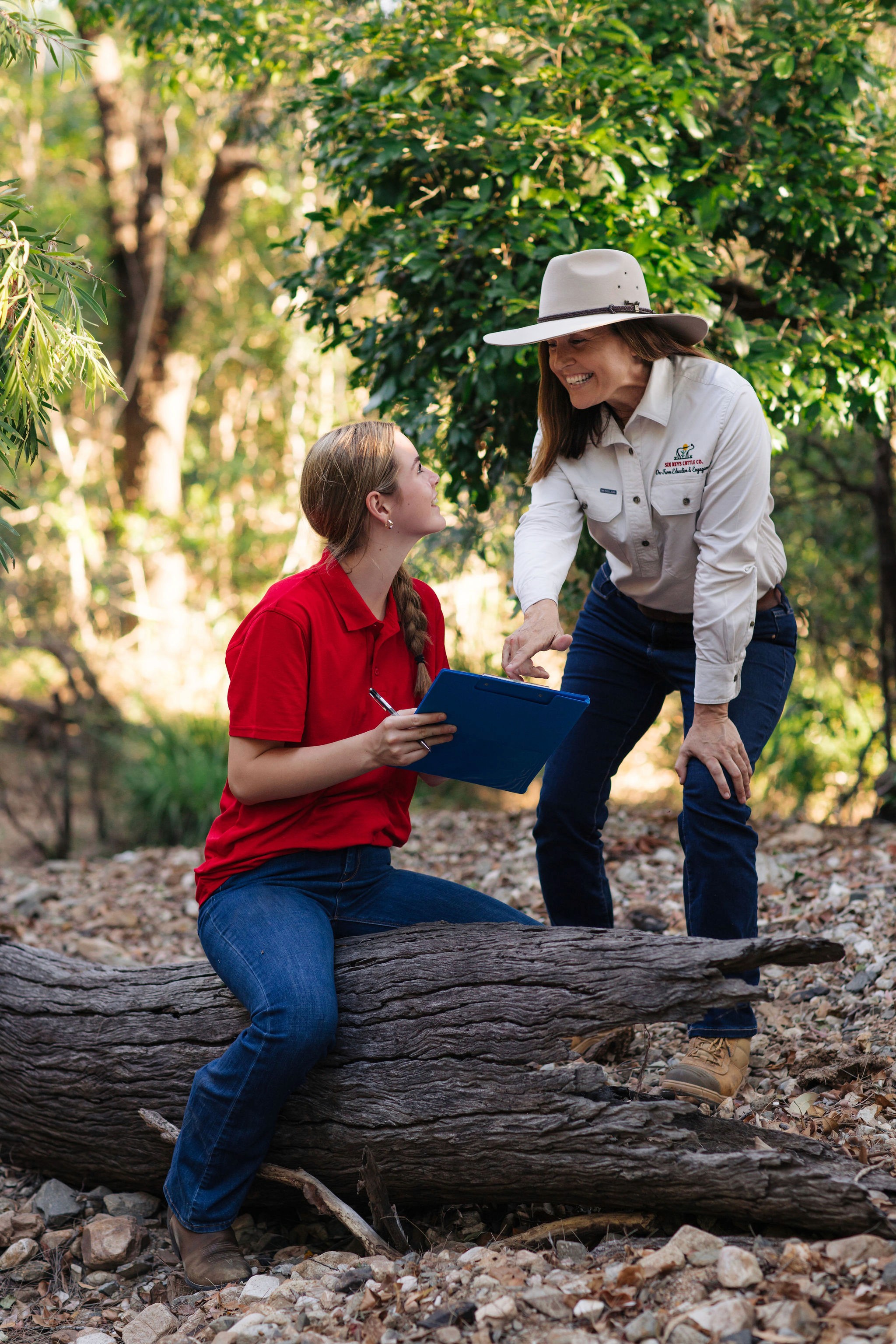
Outdoor education approaches recovery differently. At Six Keys Cattle Co, students aren't measured against what they've missed. They're placed in an environment that rebuilds the conditions for learning from the ground up: curiosity, genuine engagement, physical confidence, and the kind of social connection that comes from working alongside peers toward something real.
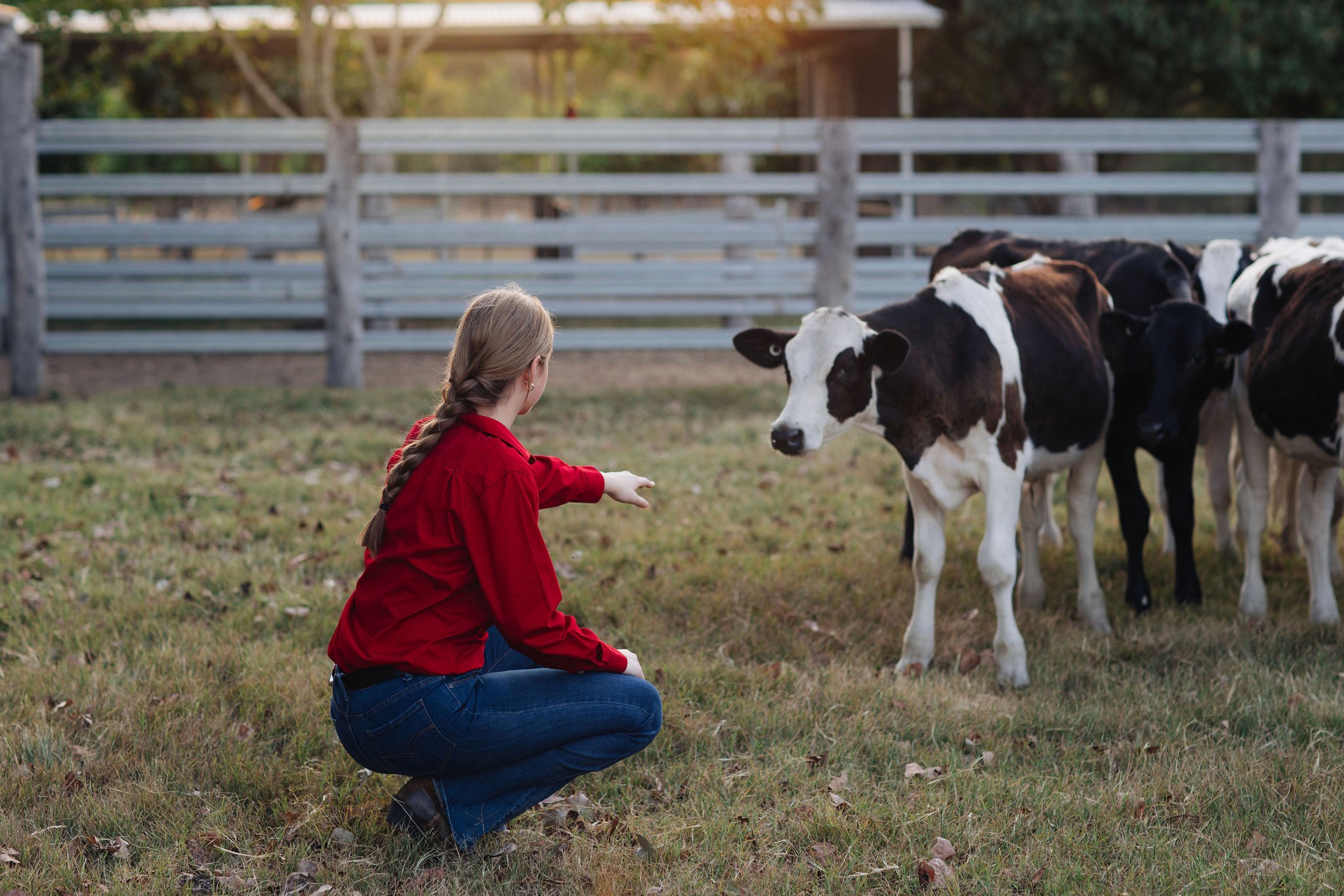
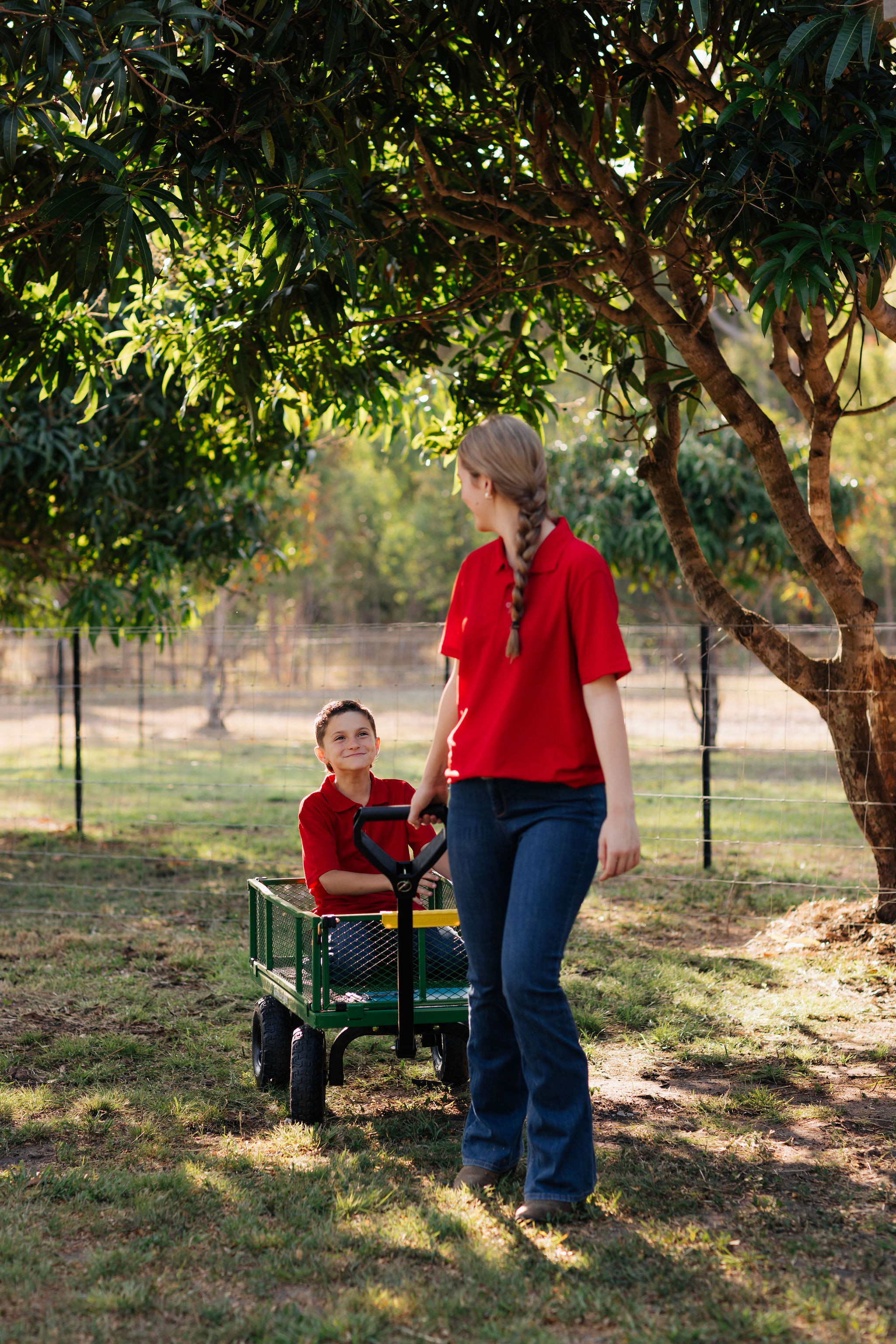
The physical environment matters more than it might seem. Children who spent months learning through screens in relative isolation respond to open spaces and working farms in ways that classroom re-entry rarely produces. The sensory richness, the animals, the movement, the sense of contributing to something purposeful, these reset something that lockdowns quietly eroded.
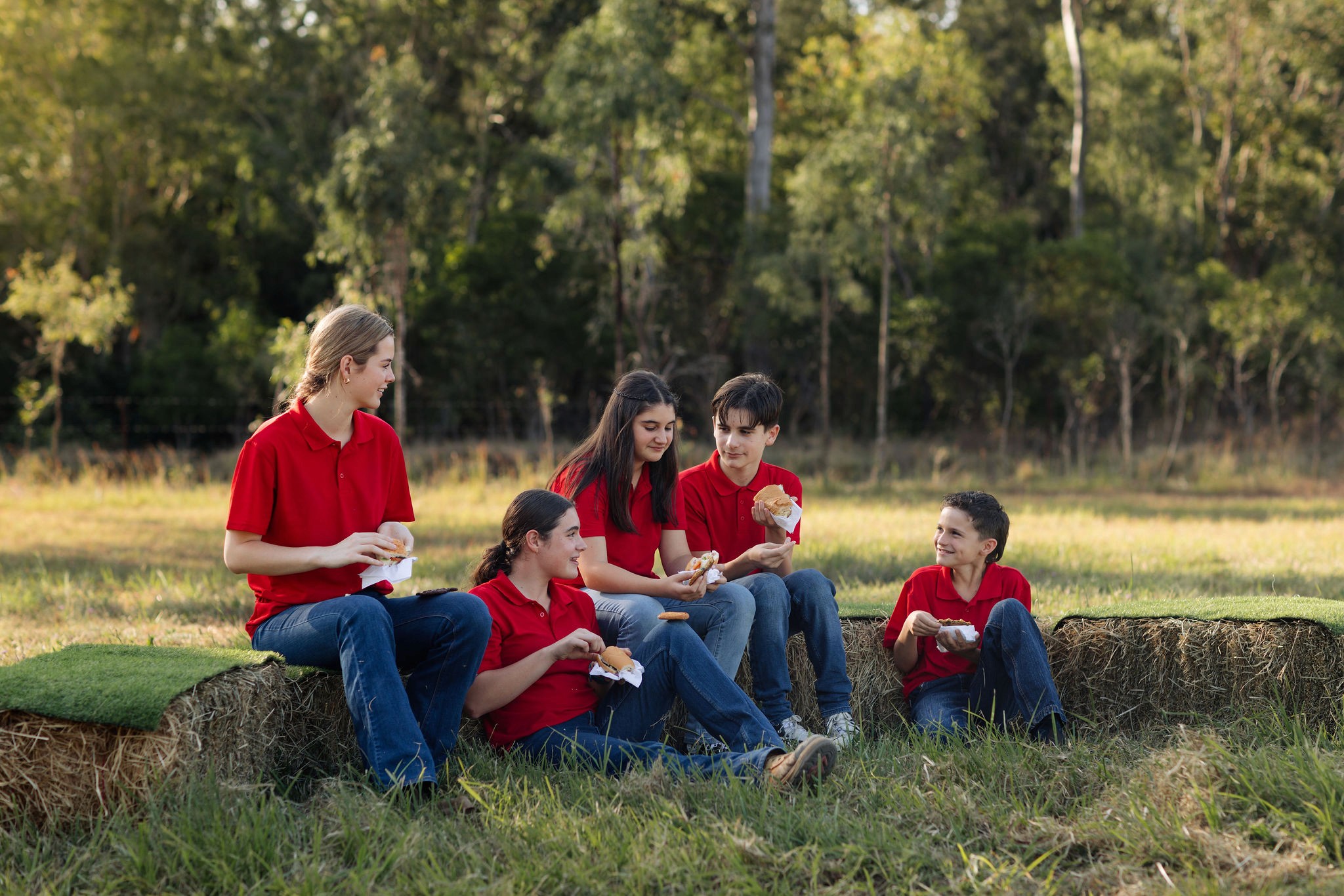
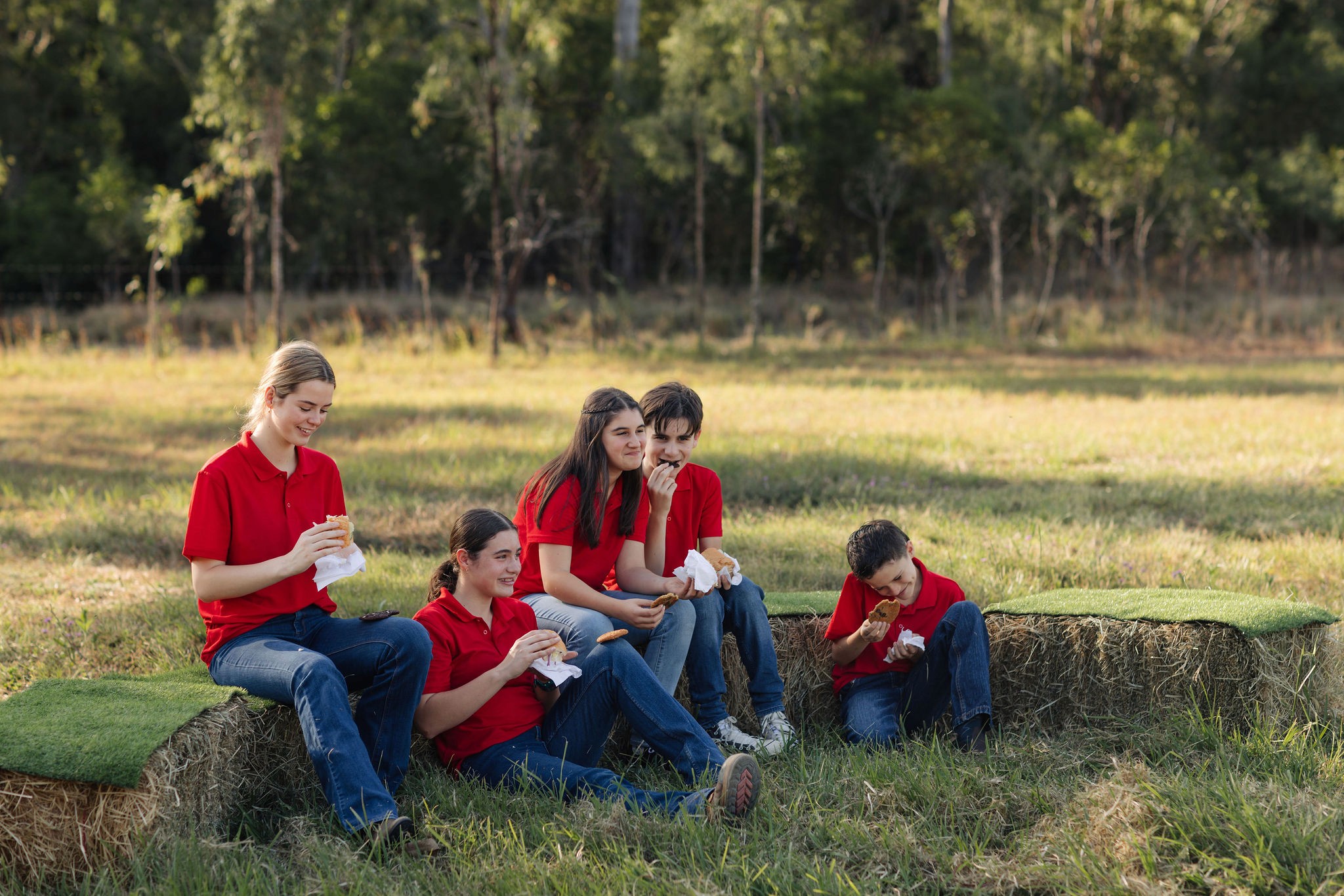
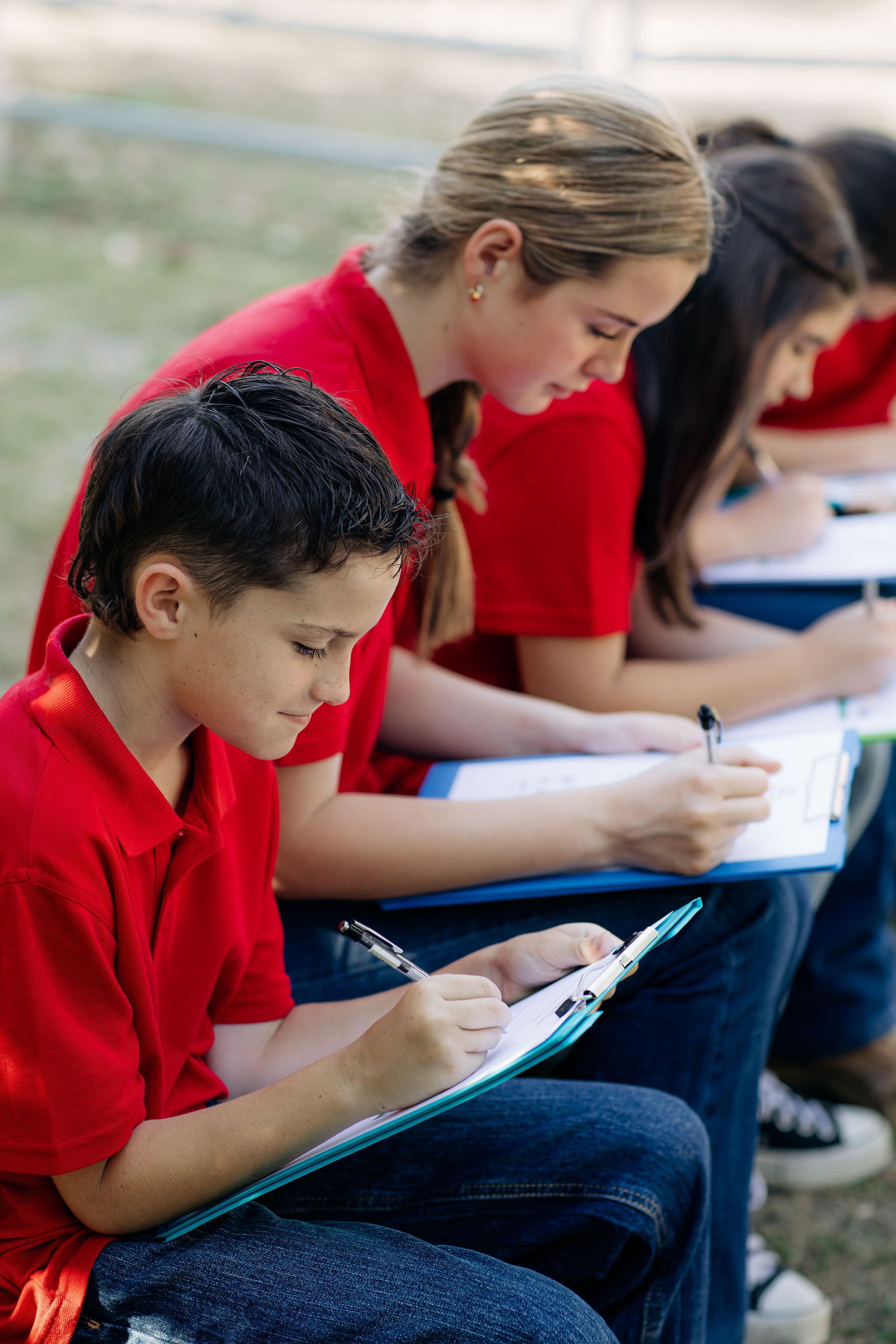
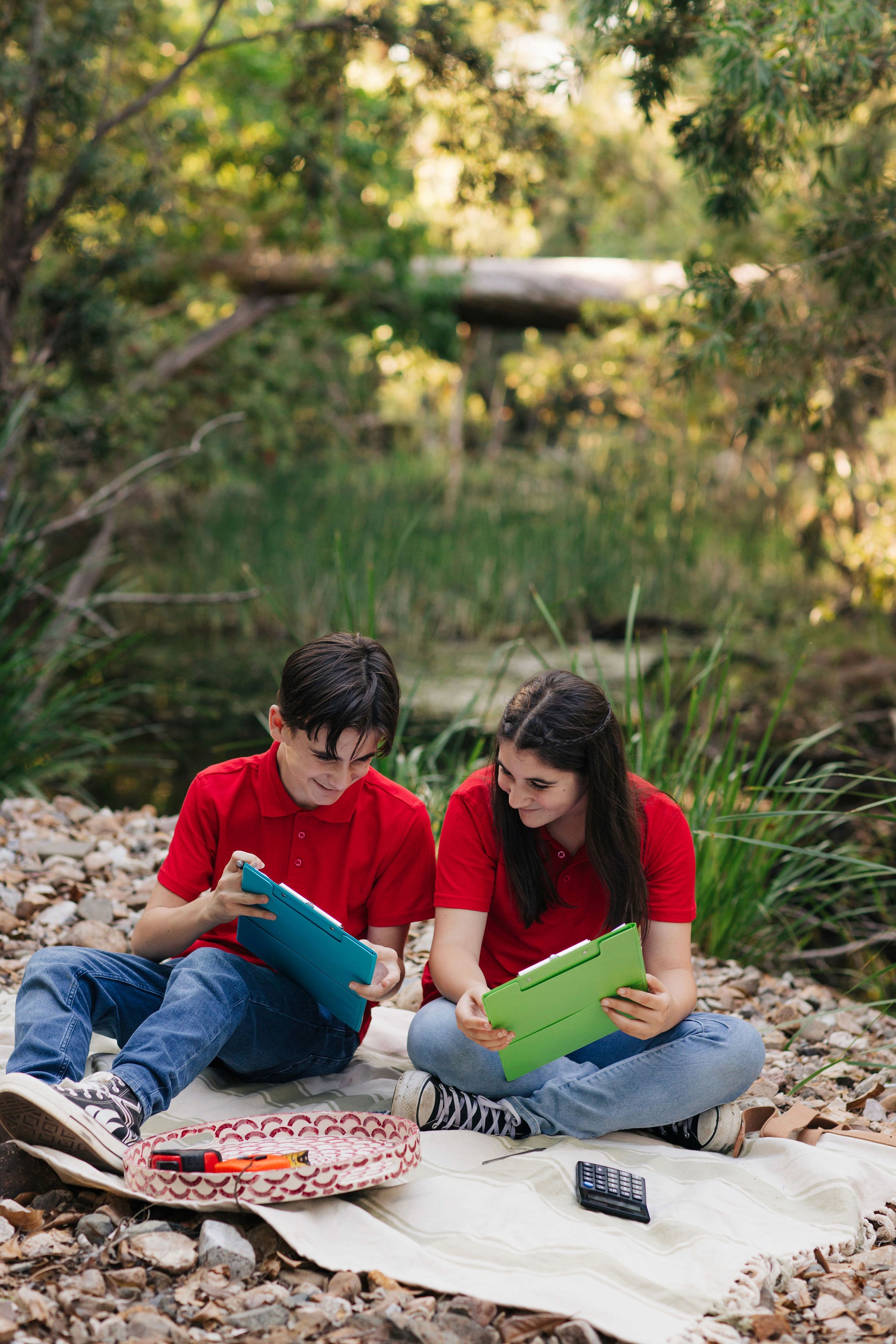
Social recovery is equally important and often overlooked. Many students who returned to school post-COVID struggled to re-establish the easy rhythm of peer interaction. Farm learning creates natural conditions for that to rebuild. Small groups working through genuine challenges together rebuild communication and collaboration without the social pressure of a formal classroom environment.
For teachers, on-farm programs offer something else worth noting: a chance to observe students outside their usual context. Children who appear disengaged or low-confidence in a classroom often present a completely different profile on a farm. That observation alone is useful information for how a teacher approaches that student's recovery on return.
Rebuilding children's trust in learning, and in their own capability, is where genuine recovery starts.
Six Keys Cattle Co offers a practical place to begin.