Self-discipline doesn't respond well to being told about it. A child can hear a hundred times that patience matters, that listening is important, that caring for something requires consistency, and none of it quite sticks the same way as actually experiencing the consequences of getting it wrong.
That's what a farm does differently.
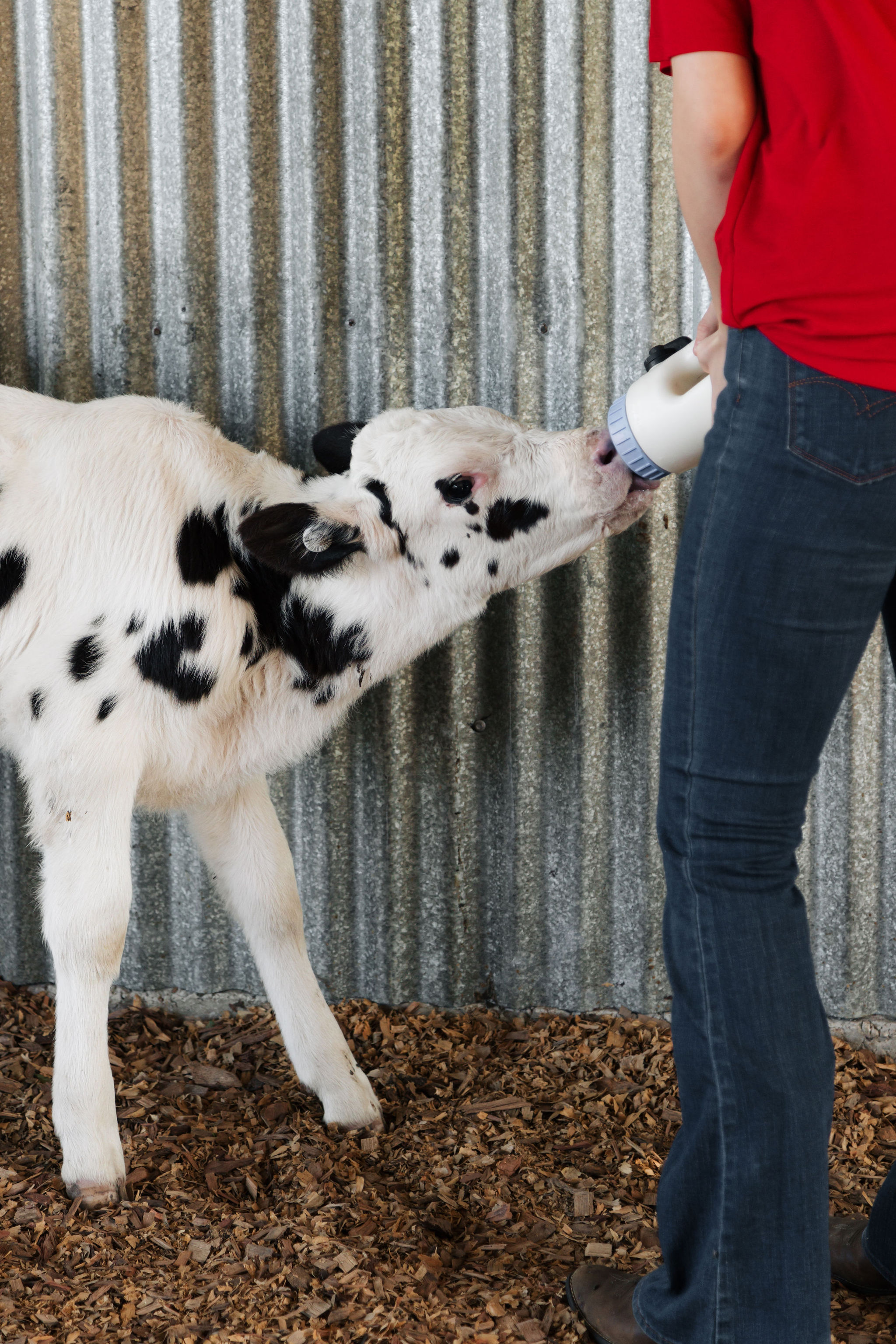
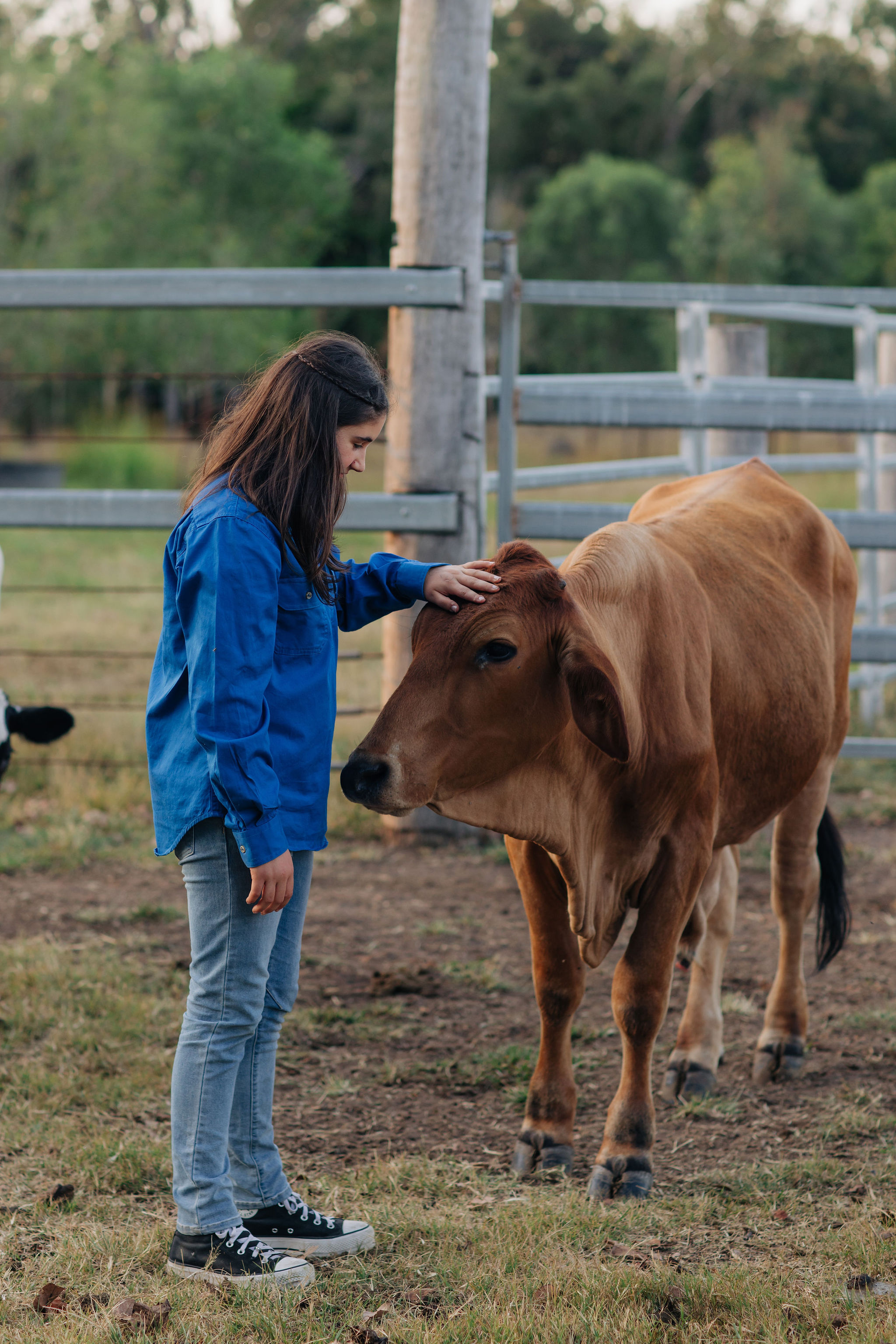
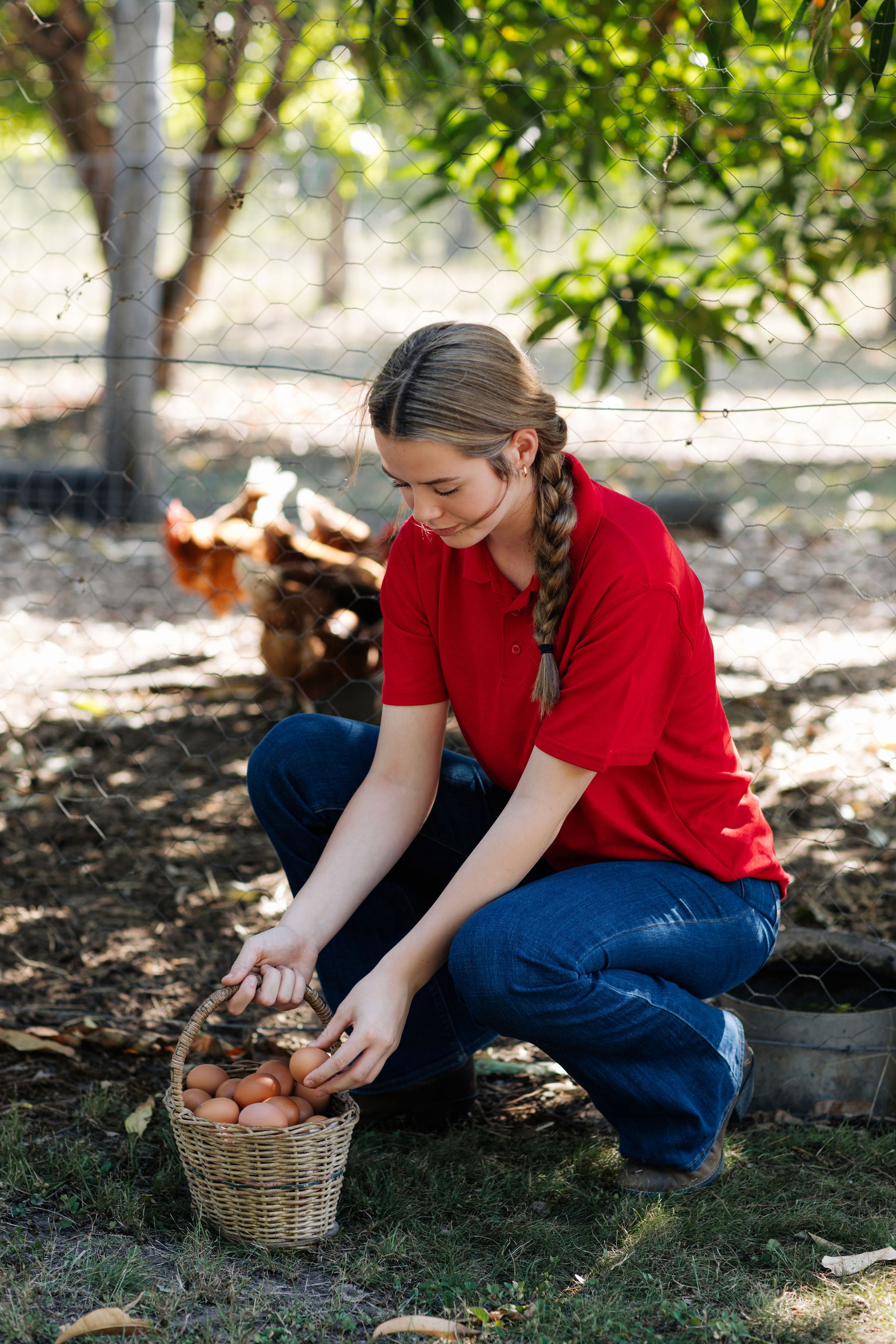
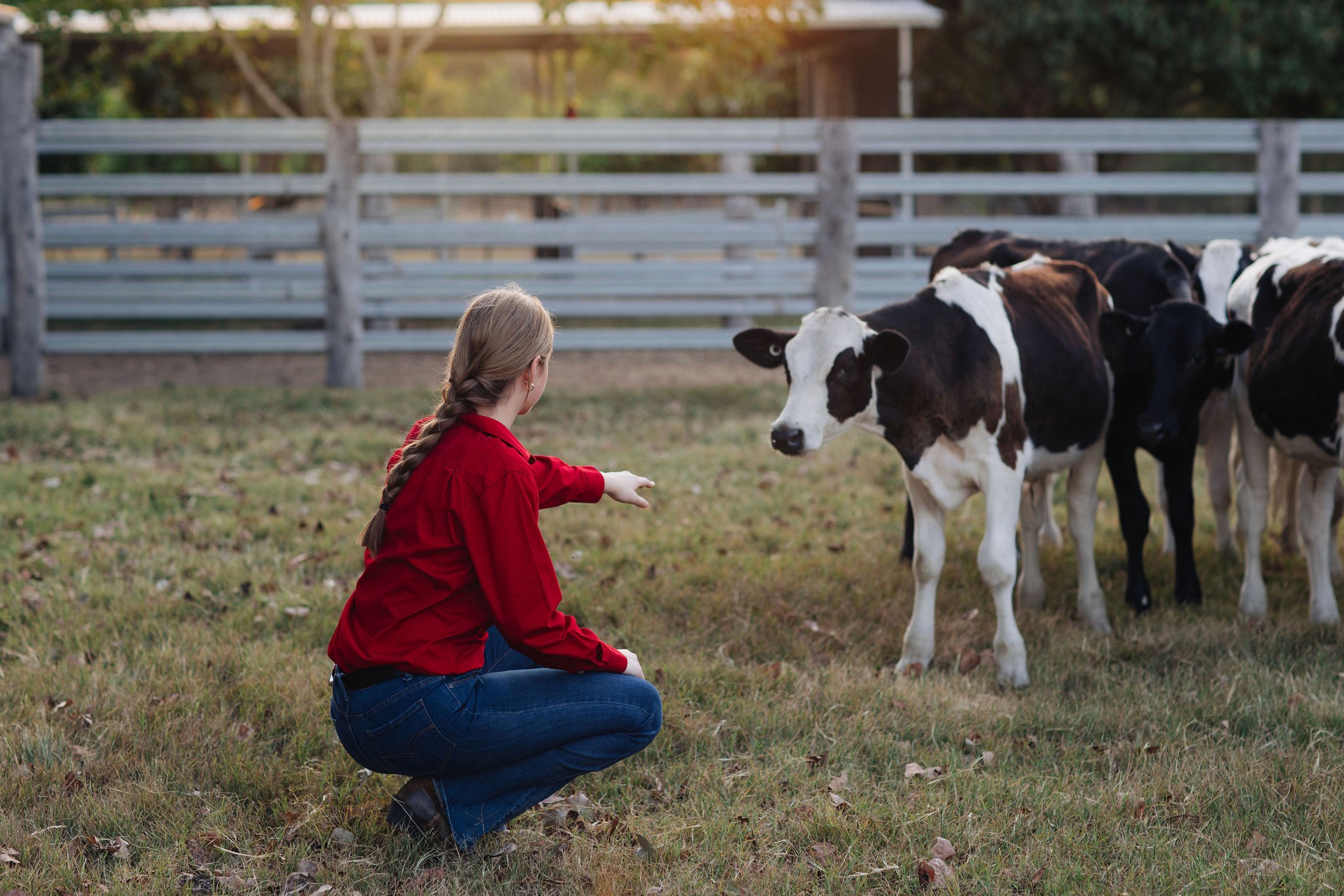
On a working property, outcomes are real. Animals need feeding at a certain time regardless of whether a student feels like paying attention. Cattle respond to how calmly or carelessly they're approached. Tools are used correctly or they don't work. There's no coasting, no vague sense of consequence. The feedback is immediate, concrete, and honest. For many students, this is the first time they encounter a situation where their own behaviour directly affects something outside themselves.
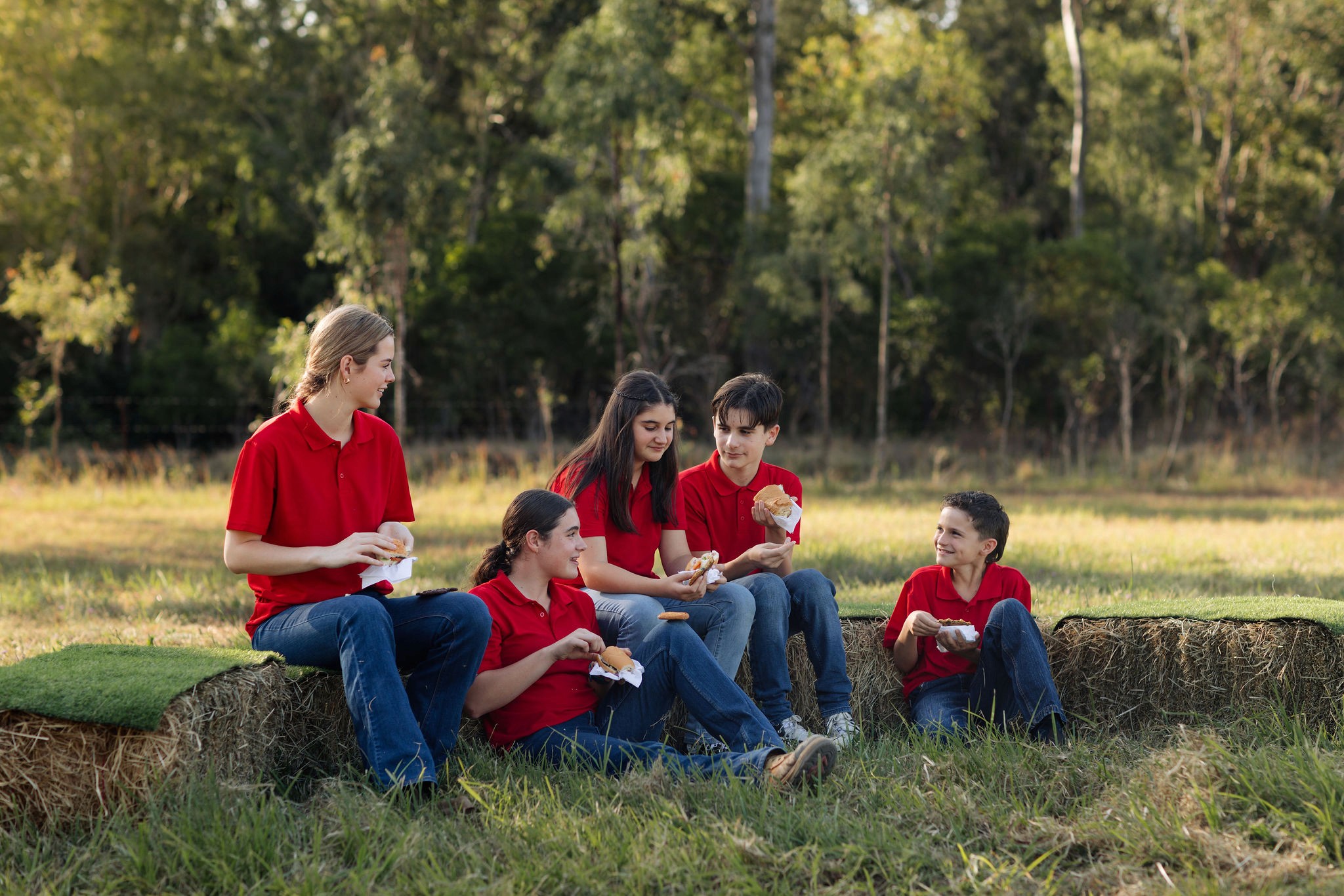
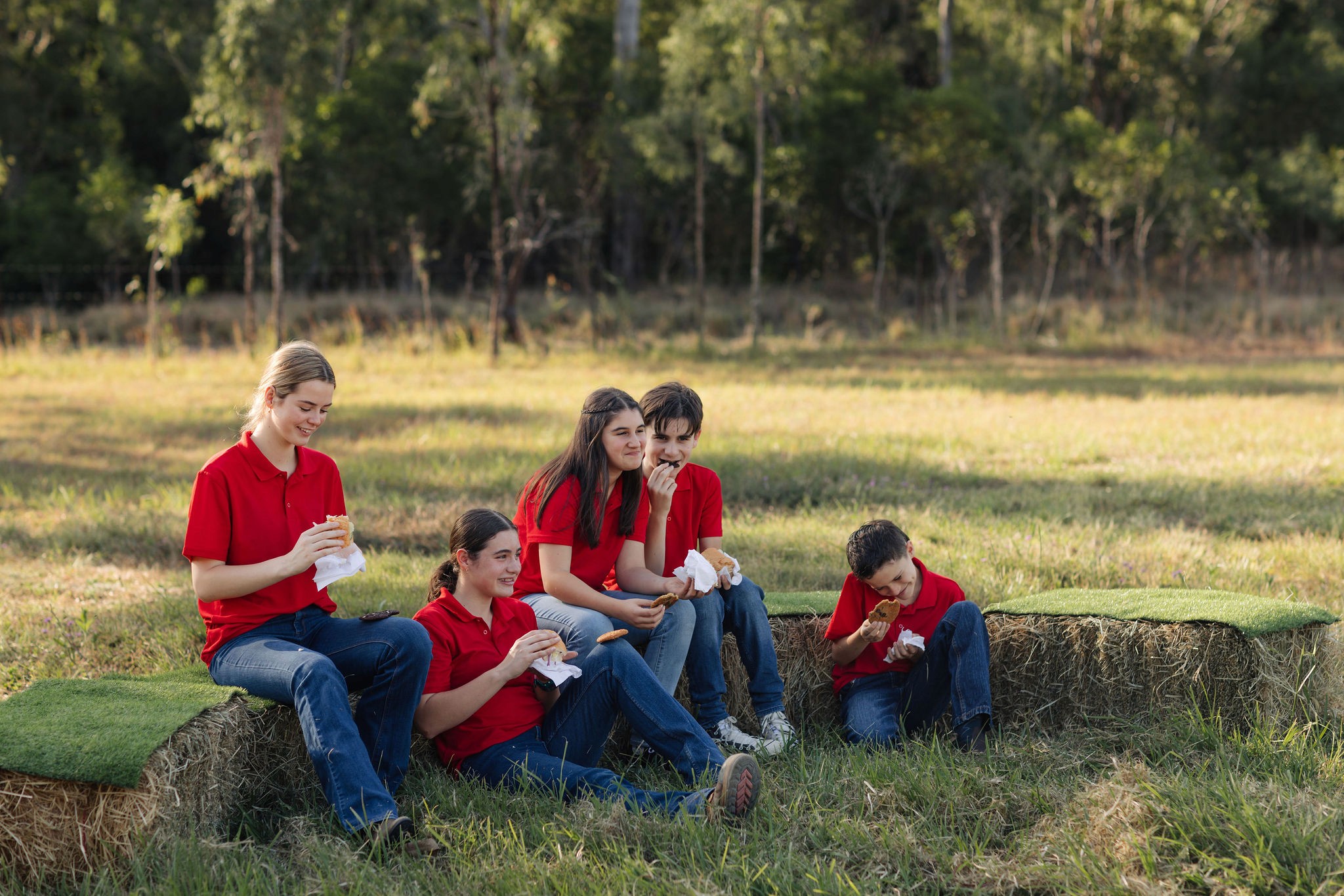
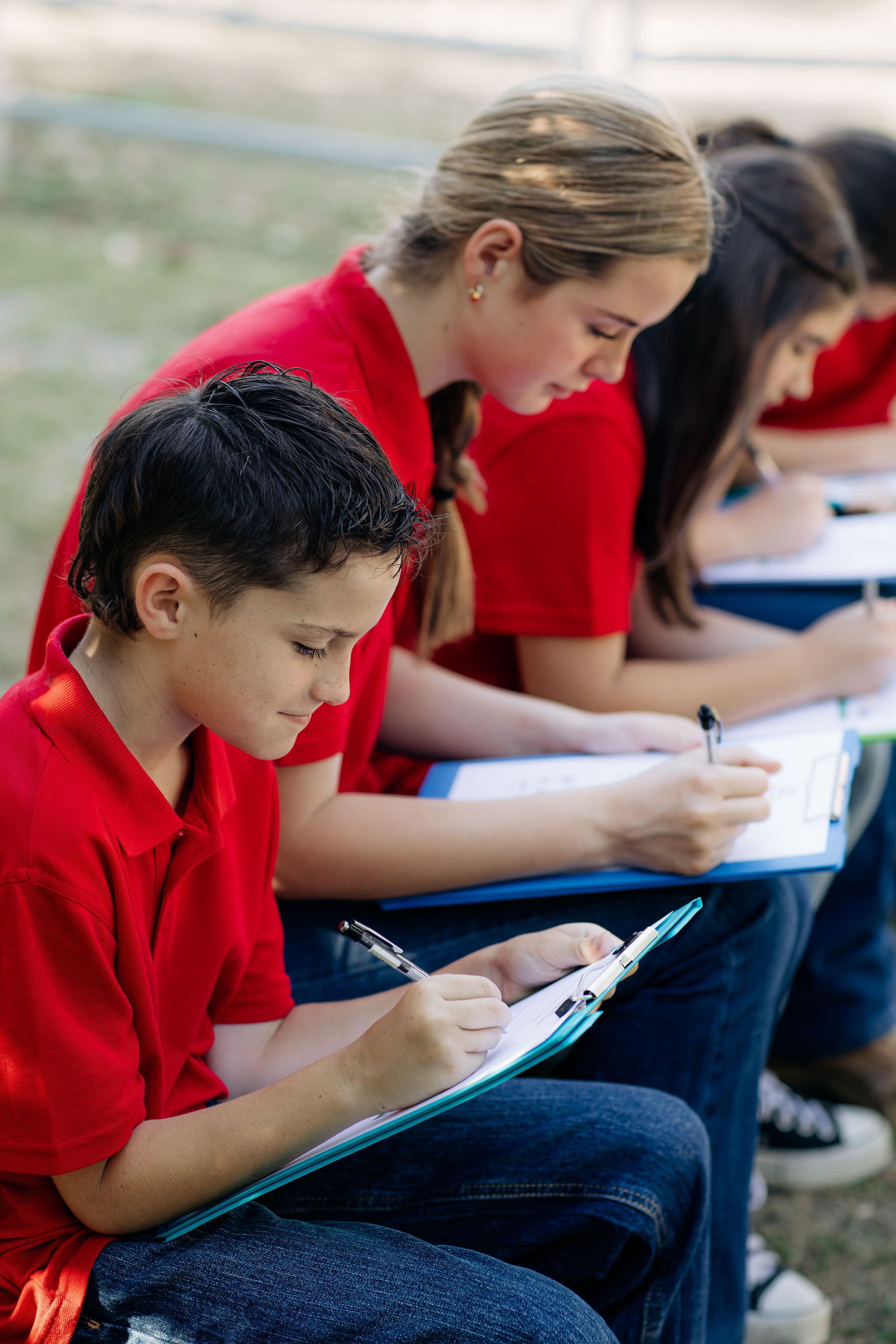
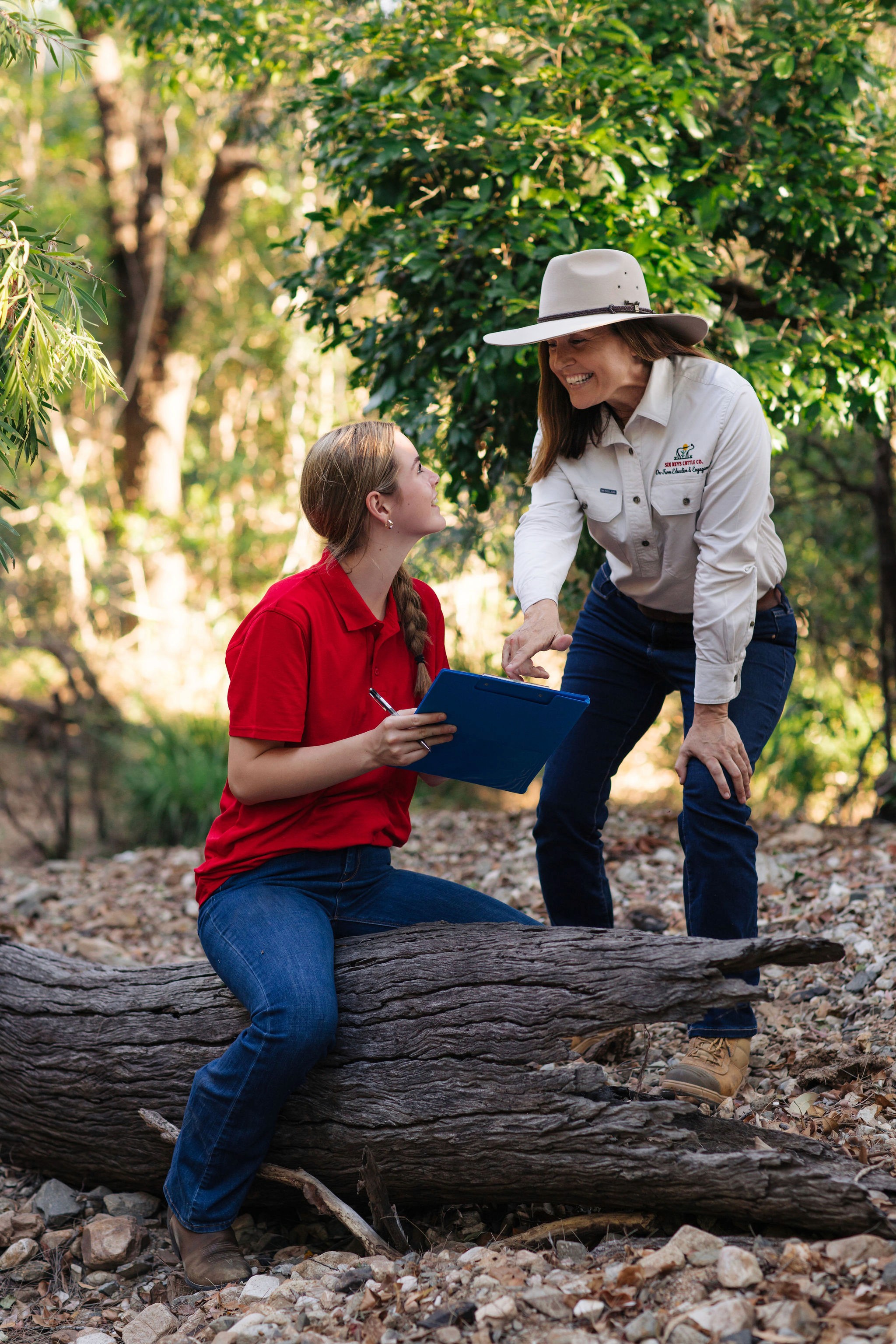
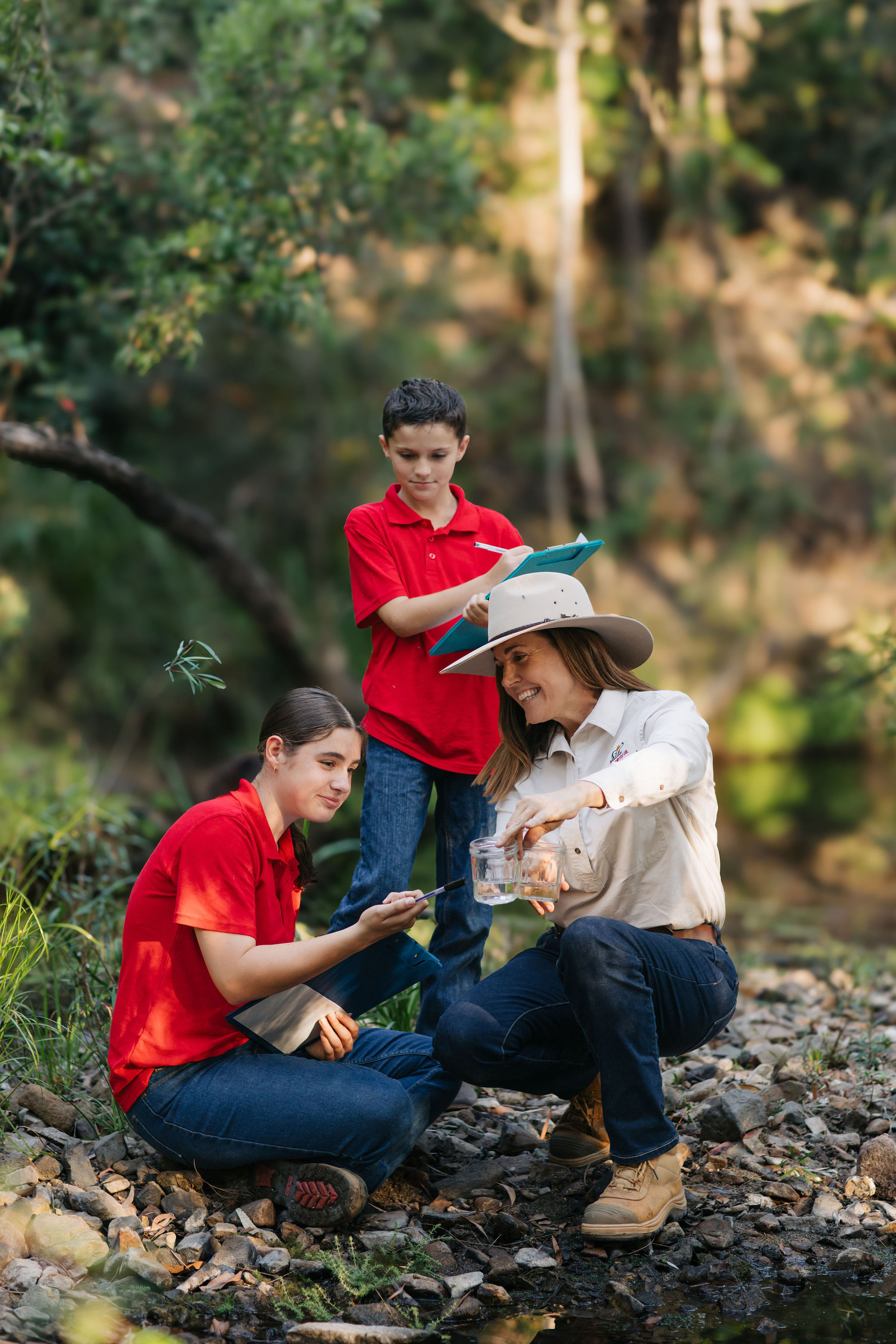
At Six Keys Cattle Co in Central Queensland, students move through this kind of learning throughout their programs. Whether they're working cattle in the yards, observing health checks, or learning how land management decisions connect back to what ends up on a dinner plate, every activity asks something of them. Focus. Care. Patience. Restraint. Not because a teacher has requested it, but because the environment demands it.
That's the difference. Self-discipline on a farm isn't imposed from outside. It's drawn out by genuine responsibility. Students adjust because the context makes it obvious they need to, and that adjustment is far more lasting than the compliance that comes from rules alone.
Research in outdoor experiential learning supports this consistently. Children who engage in real-world, purposeful tasks develop stronger impulse control, better emotional regulation, and a greater capacity for sustained attention. These aren't soft outcomes. They translate directly back into the classroom in ways educators notice and remember.
Teachers frequently report that students return from farm visits with something difficult to name but easy to see. More settled. More willing to wait their turn, follow a process, work through a problem without abandoning it halfway. The rushed, reactive behaviour that defines a lot of classroom disruption seems to quiet down, sometimes for a while, often for longer.
What on-farm education builds in students isn't a set of rules they've agreed to follow. It's an understanding, absorbed through experience, that care and attention produce better outcomes than impatience and disregard. That lesson is more durable than most things taught at a desk.
At Six Keys, students leave a living, breathing, bellowing classroom carrying more than knowledge of cattle and country. They leave with a different relationship to effort and responsibility, and that tends to follow them home.