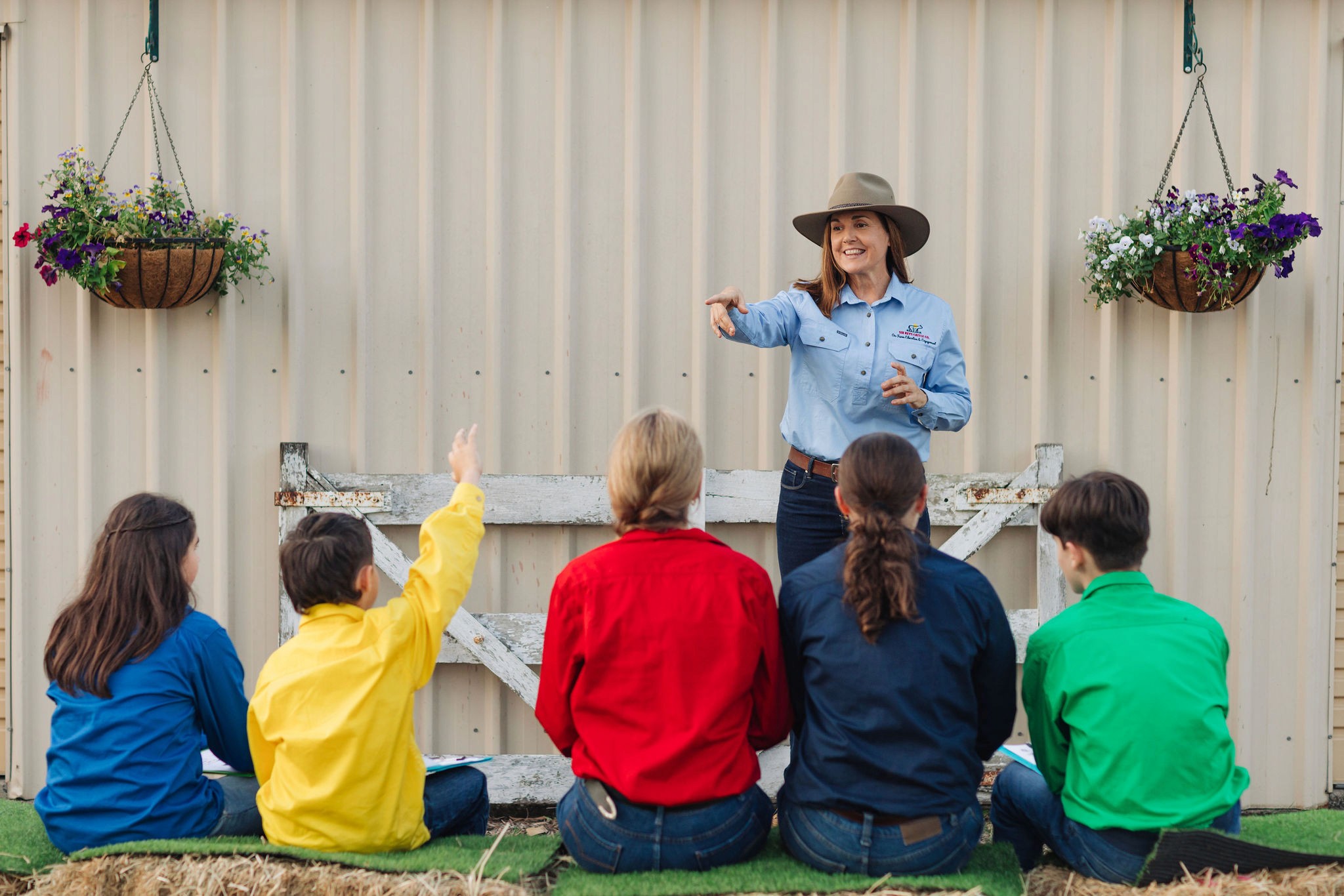
Most parents send their child off on a farm excursion with a general sense that it sounds worthwhile and a specific set of questions they haven't quite had answered. What does the day actually look like? Is my child expected to handle animals? What if they're nervous? What should they wear?
Here's what a day at Six Keys Cattle Co in Central Queensland actually involves.
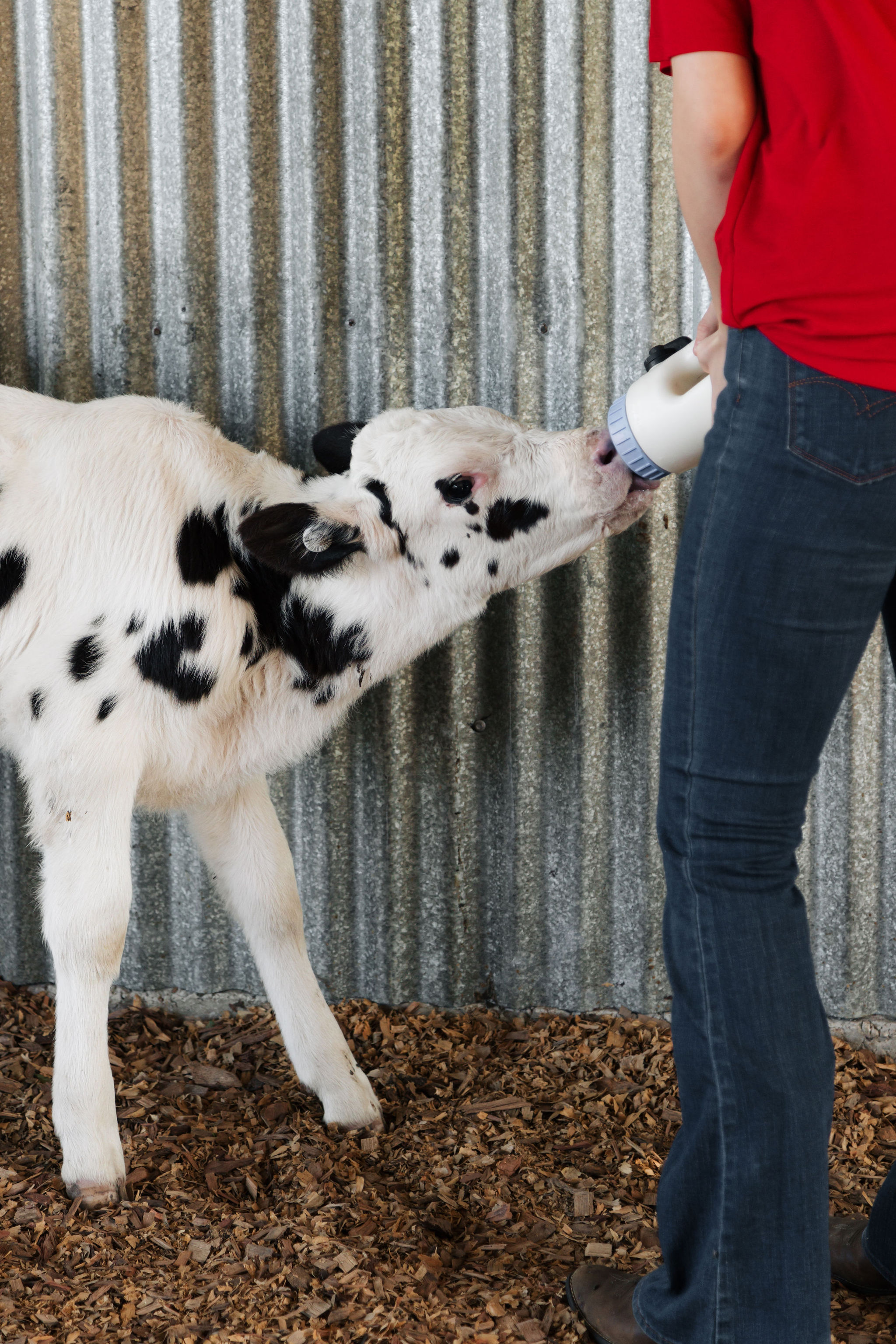
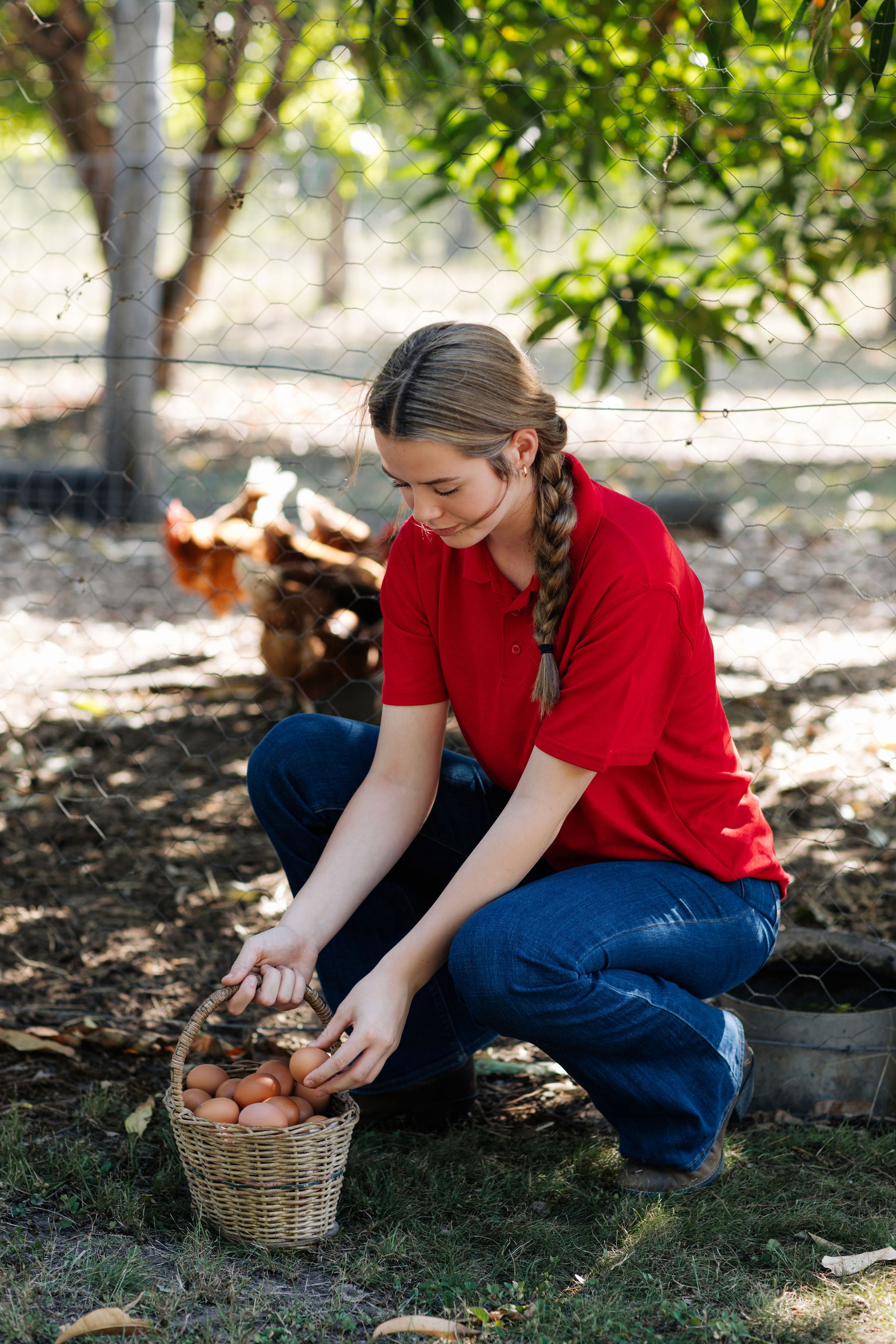
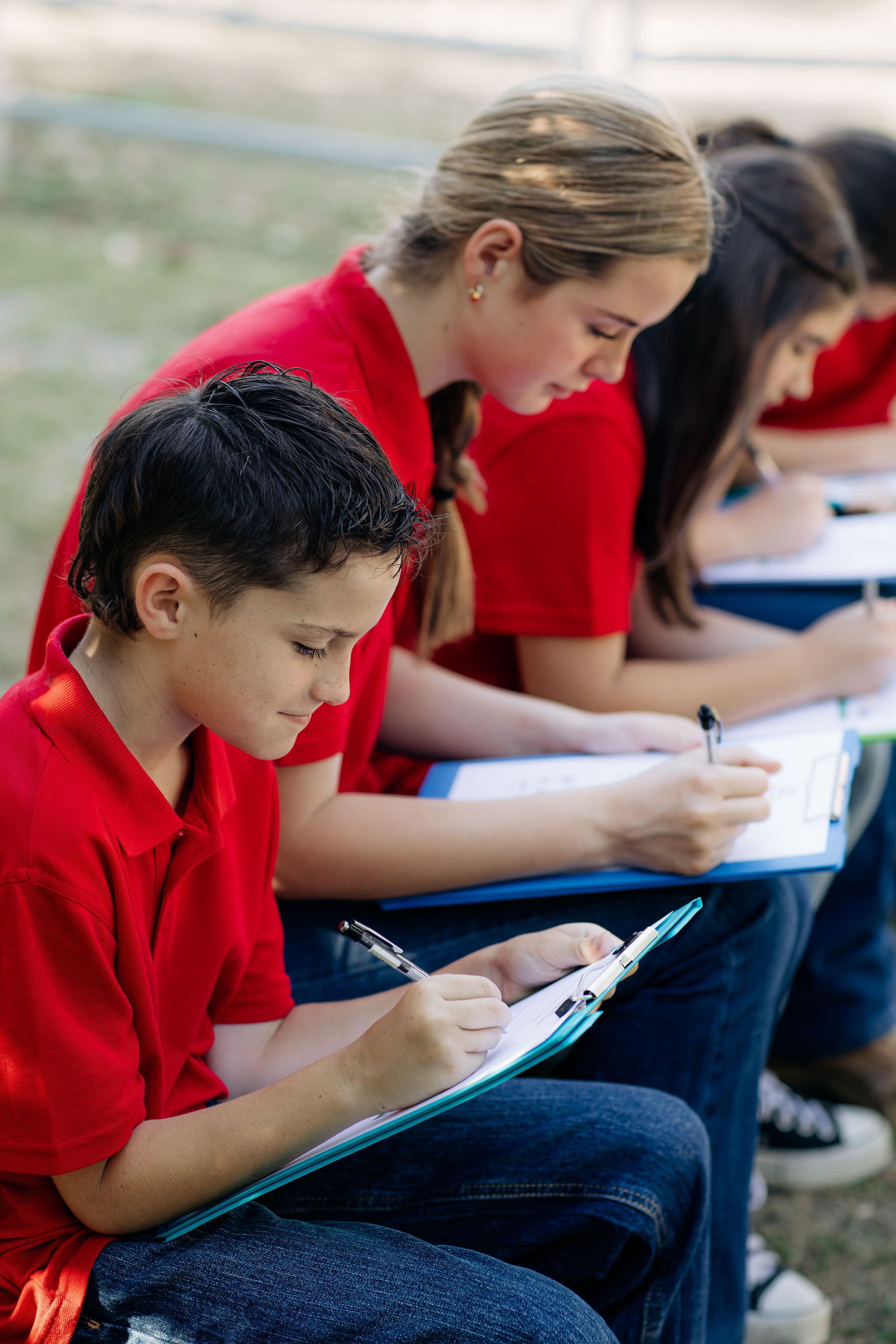
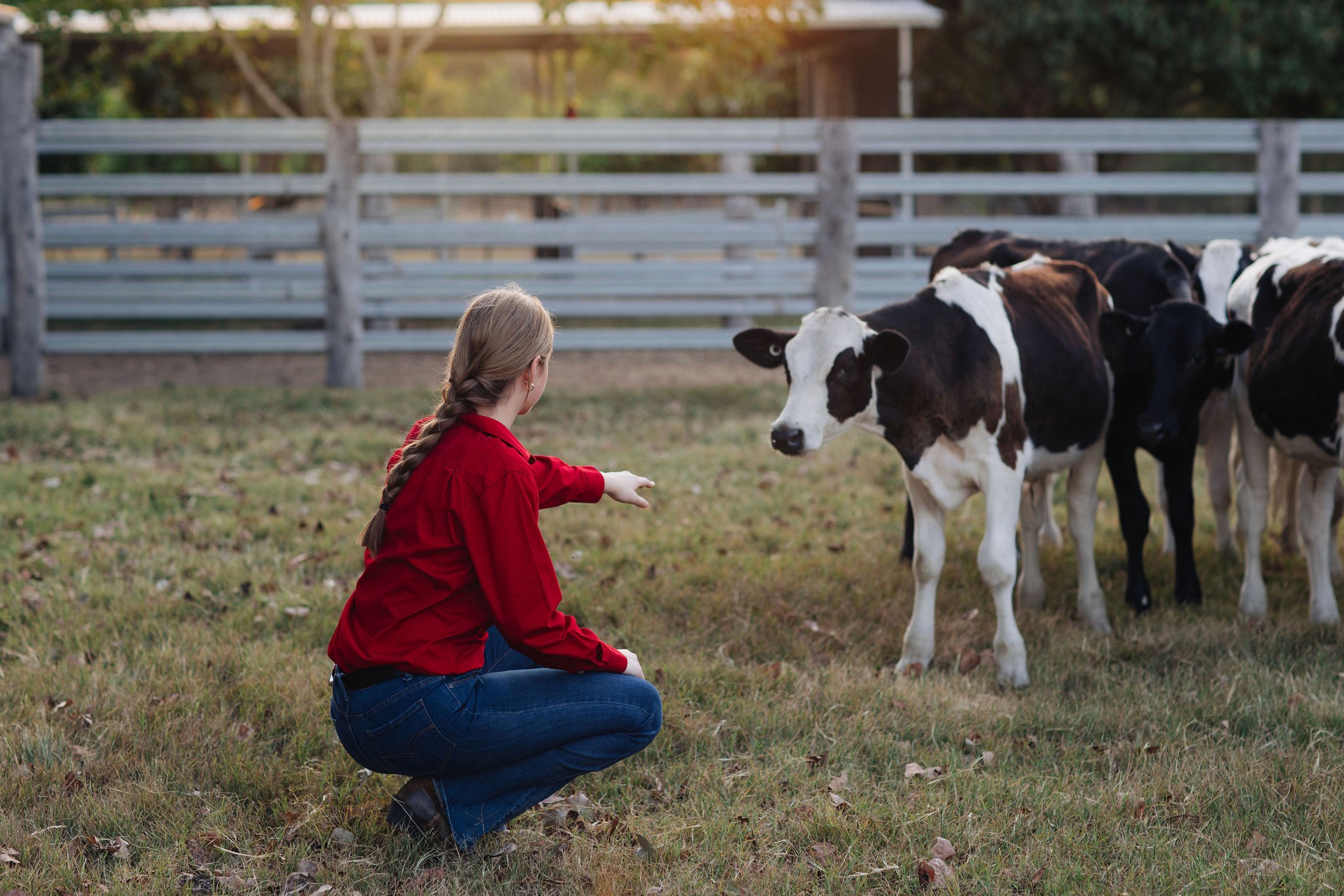
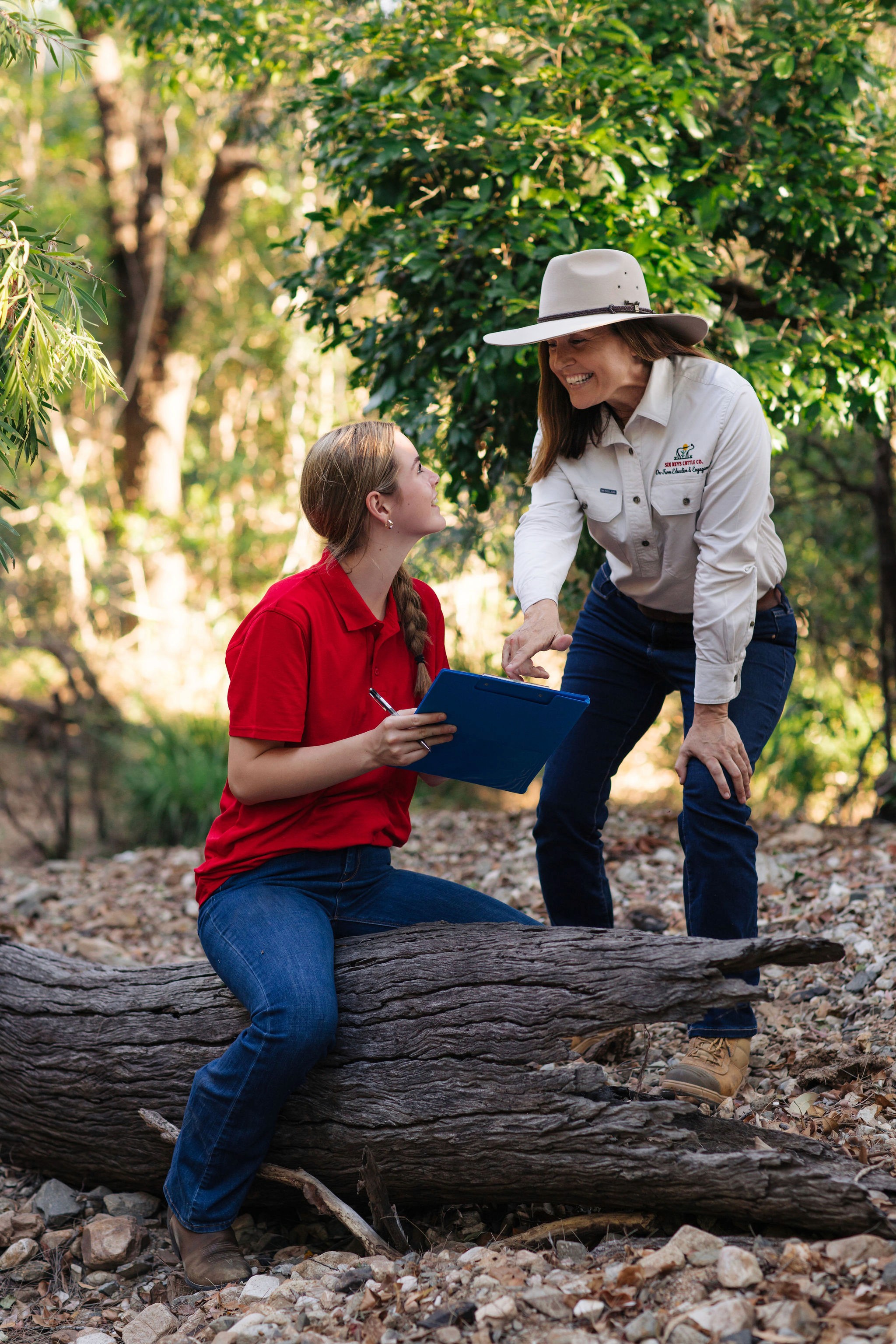
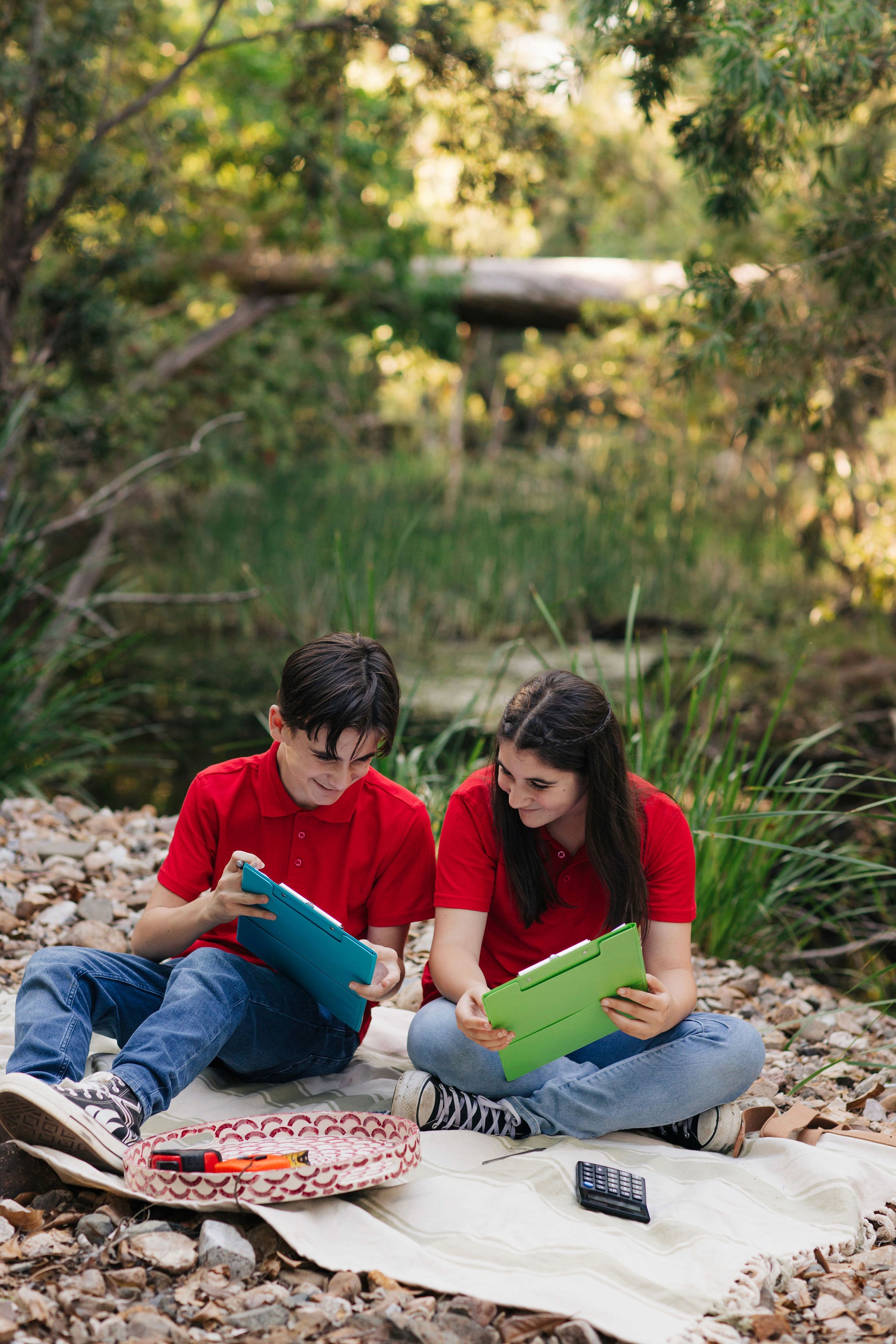
Students spend the day on a working beef cattle property, moving through a range of hands-on activities guided by experienced staff. This isn't a tour where children walk past things and look at them. It's an immersive program where they participate directly. Activities typically include observing and learning about cattle behaviour and welfare, working with or near livestock in the yards, learning about animal care routines and what healthy animals look like, exploring how a working property is managed, and understanding how farming connects to the food on their plates.
The pace is structured but not rigid. Students move through the property in small groups with supervision throughout, and the activities are designed to be engaging for a wide range of learners, including those who are naturally cautious or who prefer to observe before jumping in.
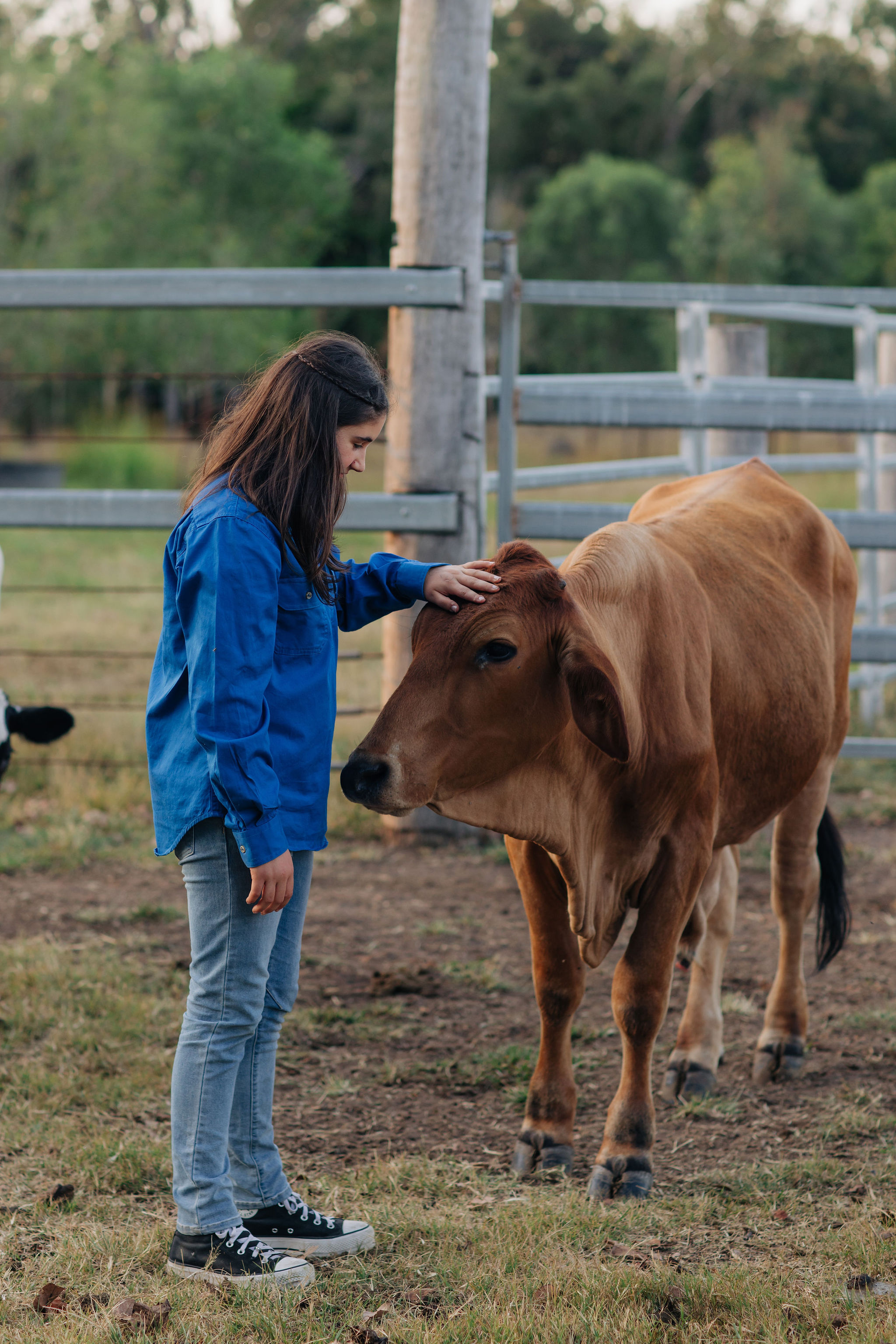
On the question of safety: student welfare is the first priority of the program. All activities are age-appropriate and risk-assessed, and students are briefed on how to behave around large animals before they're anywhere near them. Understanding how to move safely and calmly around livestock is itself part of the learning, and it's taught clearly before it's practised.
For children who are nervous about animals, this is actually one of the more valuable aspects of the day. Anxiety around unfamiliar animals tends to settle naturally once students are given proper context and a chance to approach at their own pace. Most children who arrive hesitant leave with a very different feeling about the experience than they expected.
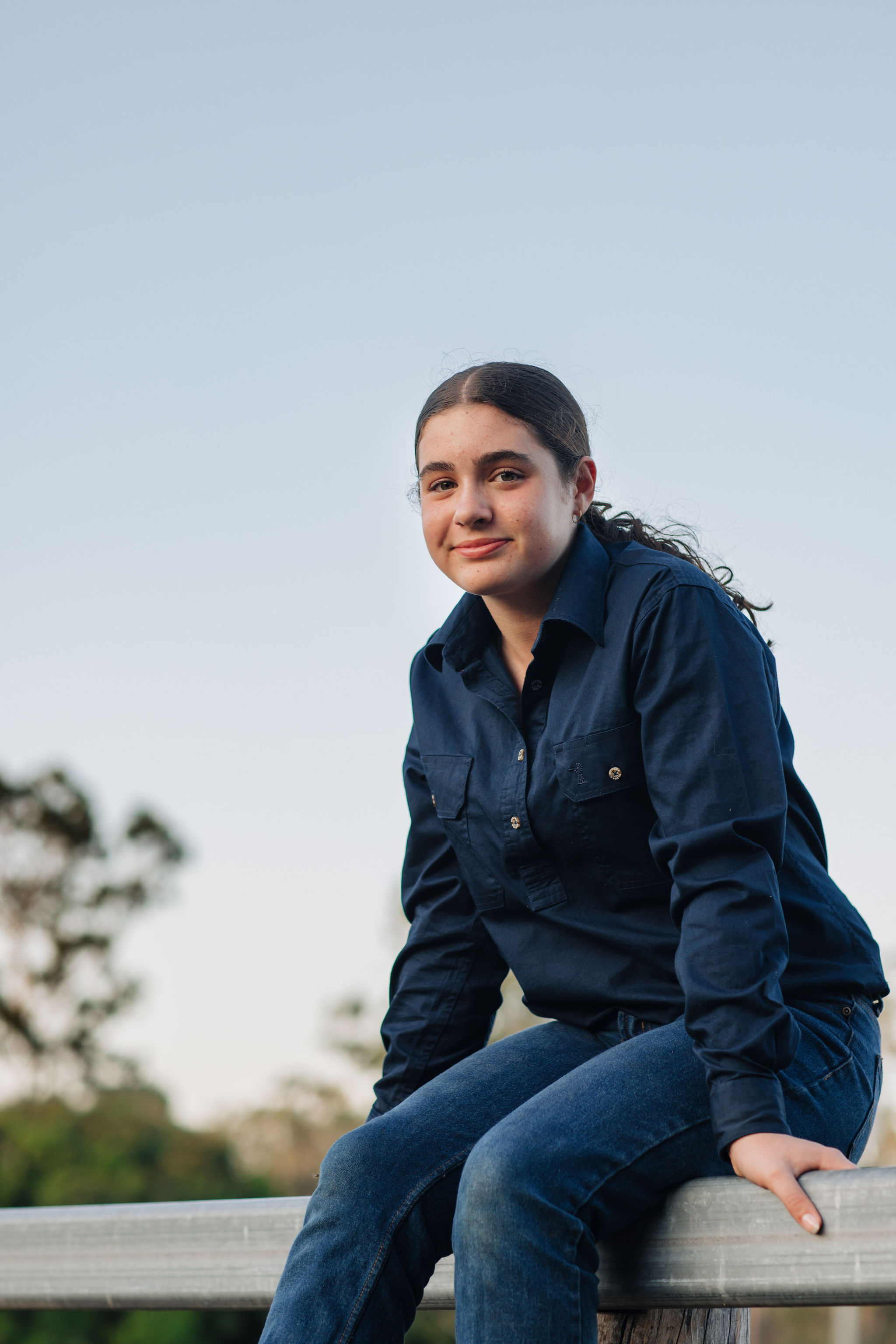
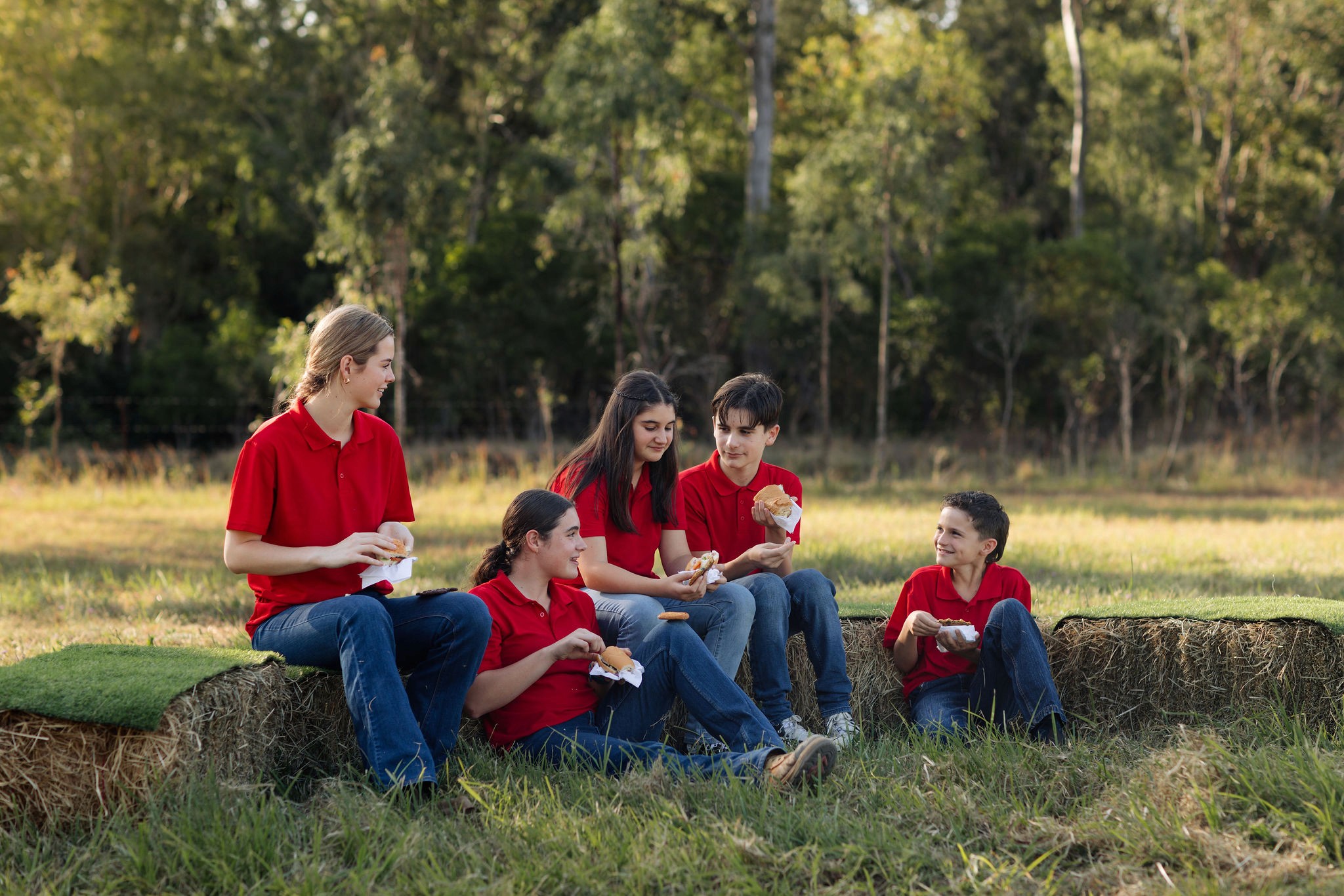
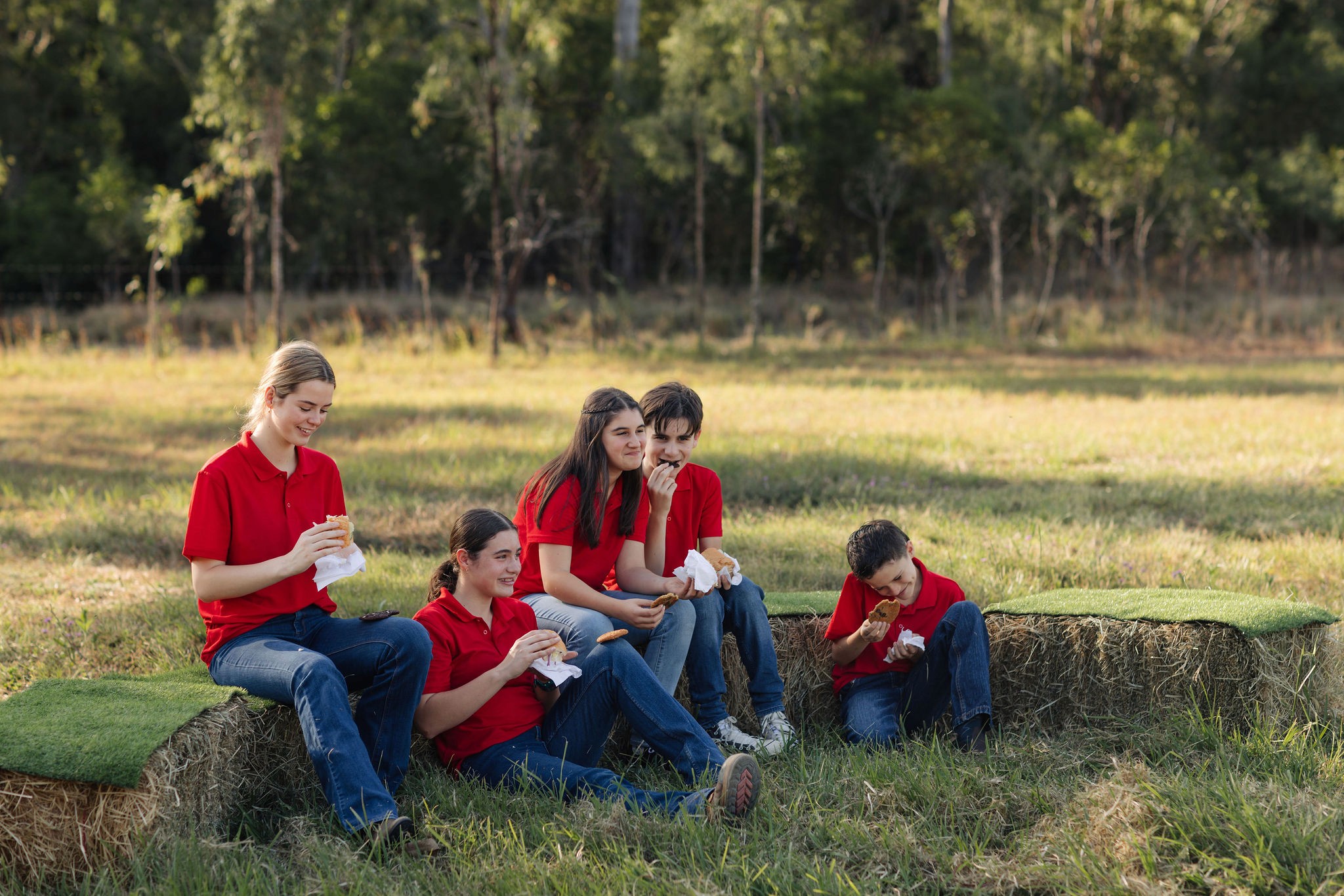
For the practical side: sturdy closed-toe shoes are essential. Long pants are recommended. Students should bring a hat, sunscreen, a water bottle, and a packed lunch. There will be outdoor time throughout the day, so dressing for the weather is worth thinking about when packing.
Students with additional needs, whether physical, sensory, or behavioural, are welcome and supported. The outdoor, practical nature of the program is often genuinely better suited to diverse learners than a traditional classroom setting. If your child has specific requirements, speaking with their teacher beforehand ensures the day can be facilitated with that in mind.
The day will be messy, physical, and genuinely memorable. That's rather the point.