Children in many households today receive more praise in a week than previous generations received in a year. That's not a criticism. It reflects genuine warmth and care. But the research on what actually builds capability has been consistent enough for long enough now that it's worth taking seriously, and what it suggests is that the relationship between praise and genuine confidence is considerably more complicated than the logic assumes.
Praise tells a child how an observer feels about them. A completed real task tells a child something about themselves.
That distinction matters more than it might initially seem. A child who has been told repeatedly that they are clever, capable, and wonderful has a great deal of external information but no internal evidence. The moment they encounter something genuinely difficult, something they might actually fail at, there is nothing they've done to draw on. Praise doesn't provide that. Experience does.
Research into capability and mindset has identified something important here. Children praised for their ability tend to avoid challenge in order to protect the identity that praise has created. Children who have developed genuine competence through real task engagement are considerably more willing to try hard things and to sustain effort when those things don't resolve immediately. The difference between those two groups often becomes most visible when difficulty arrives.
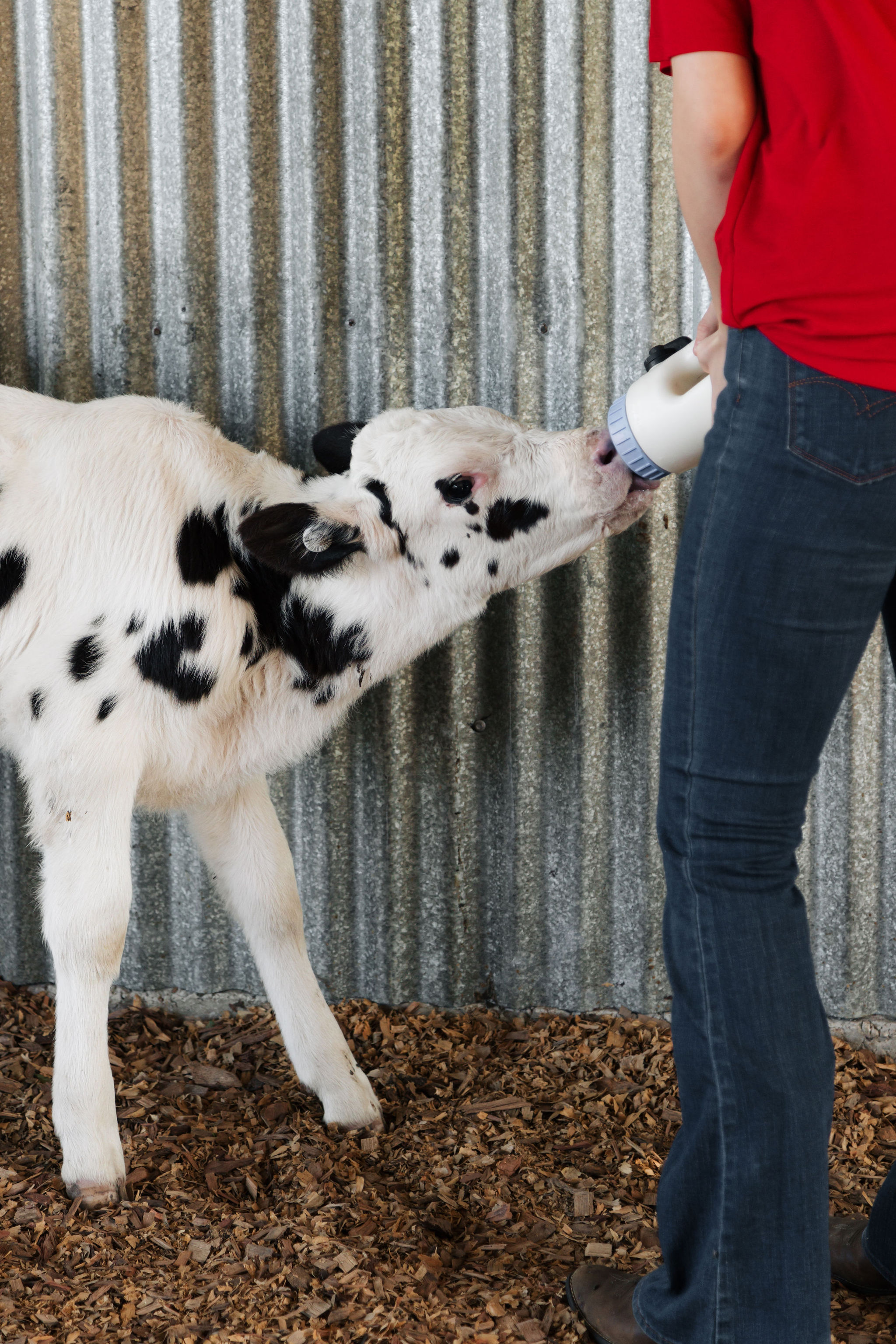
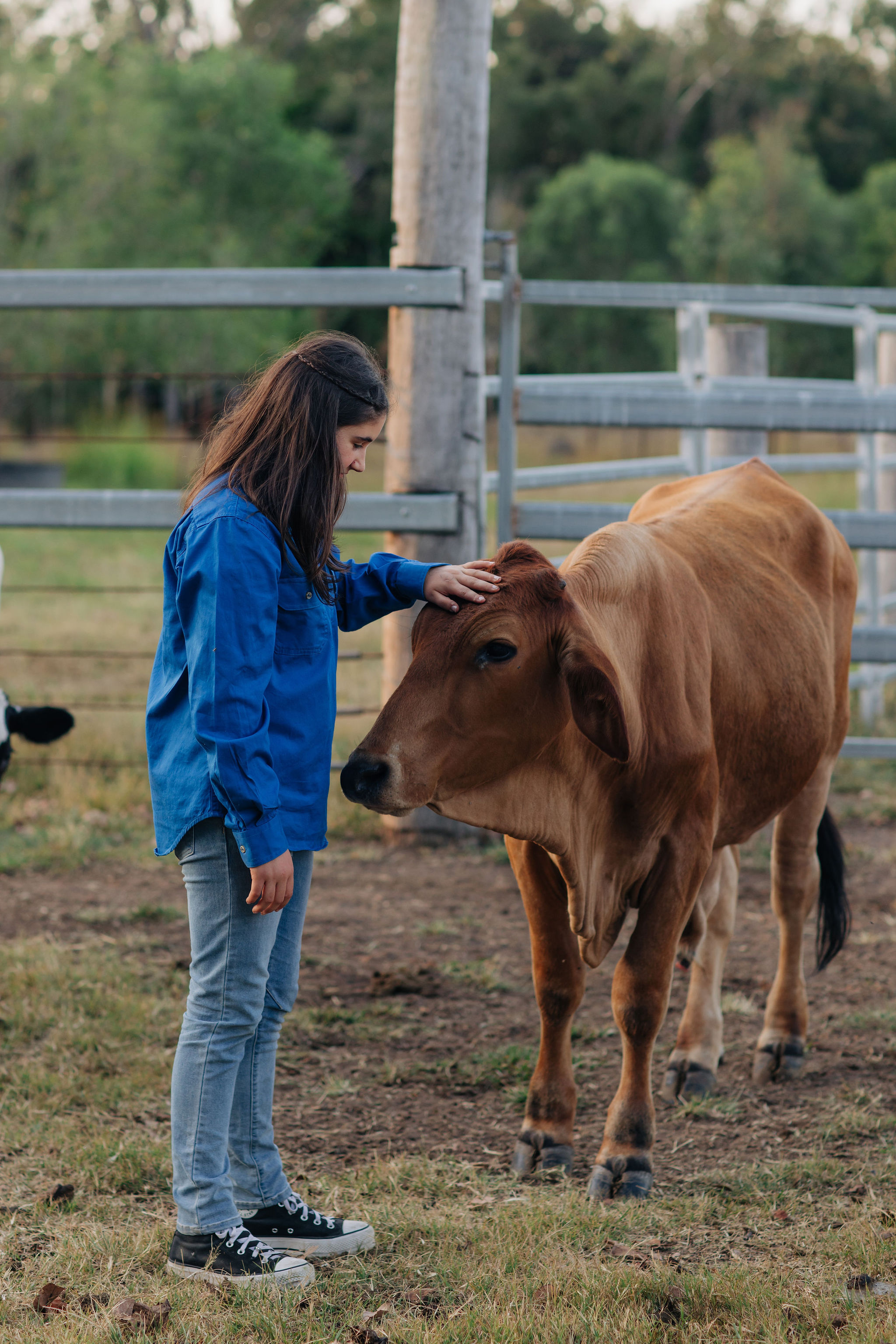
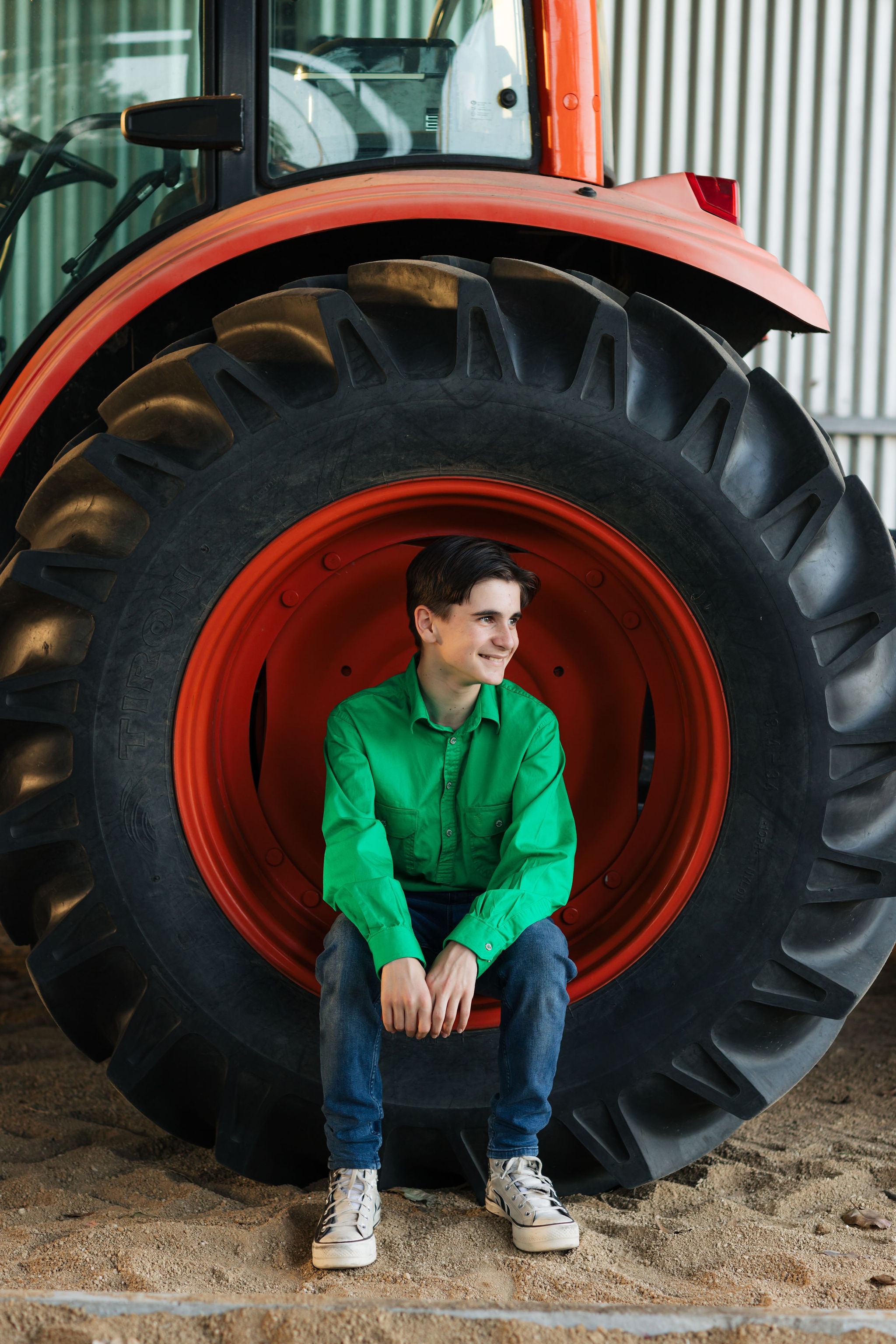
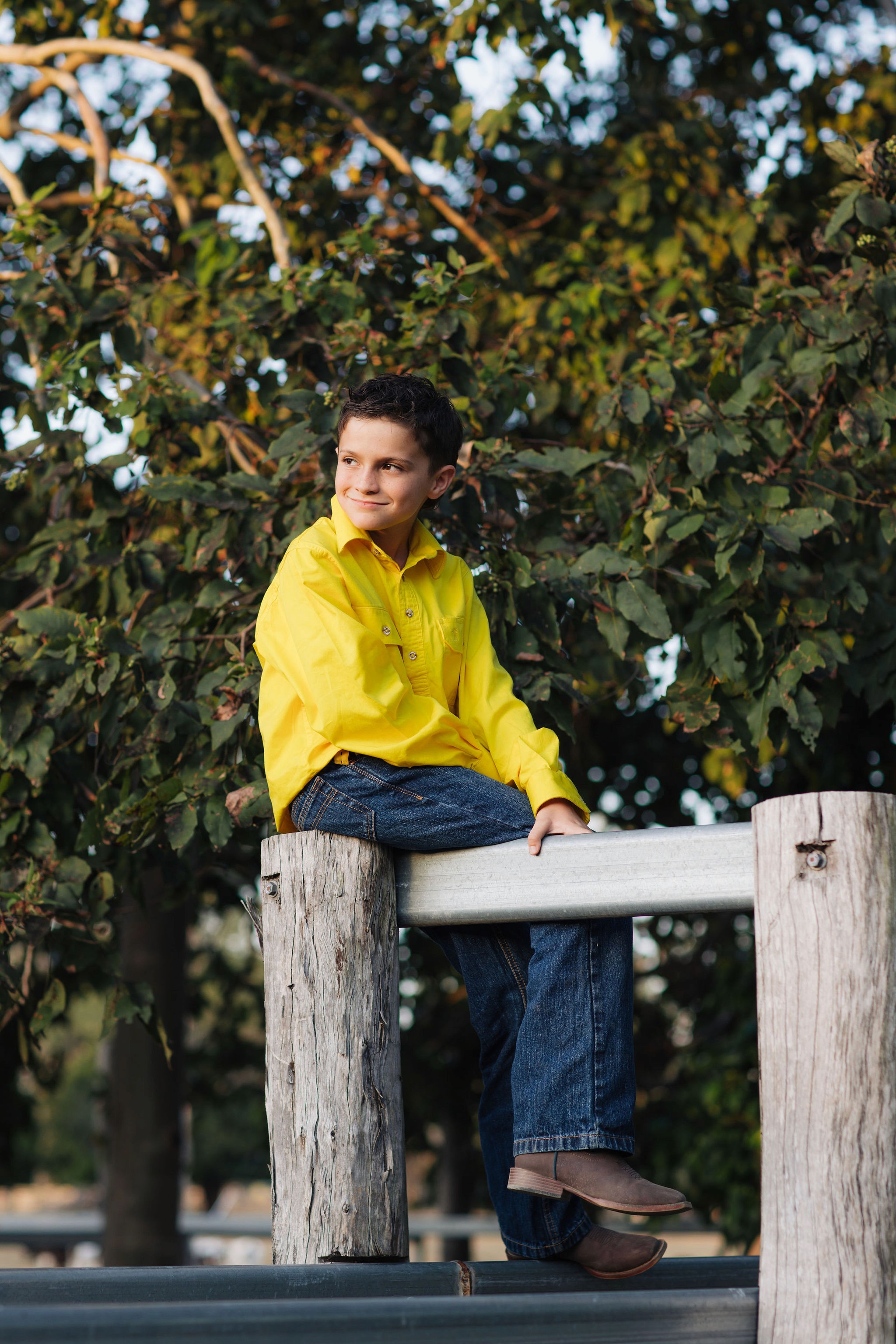
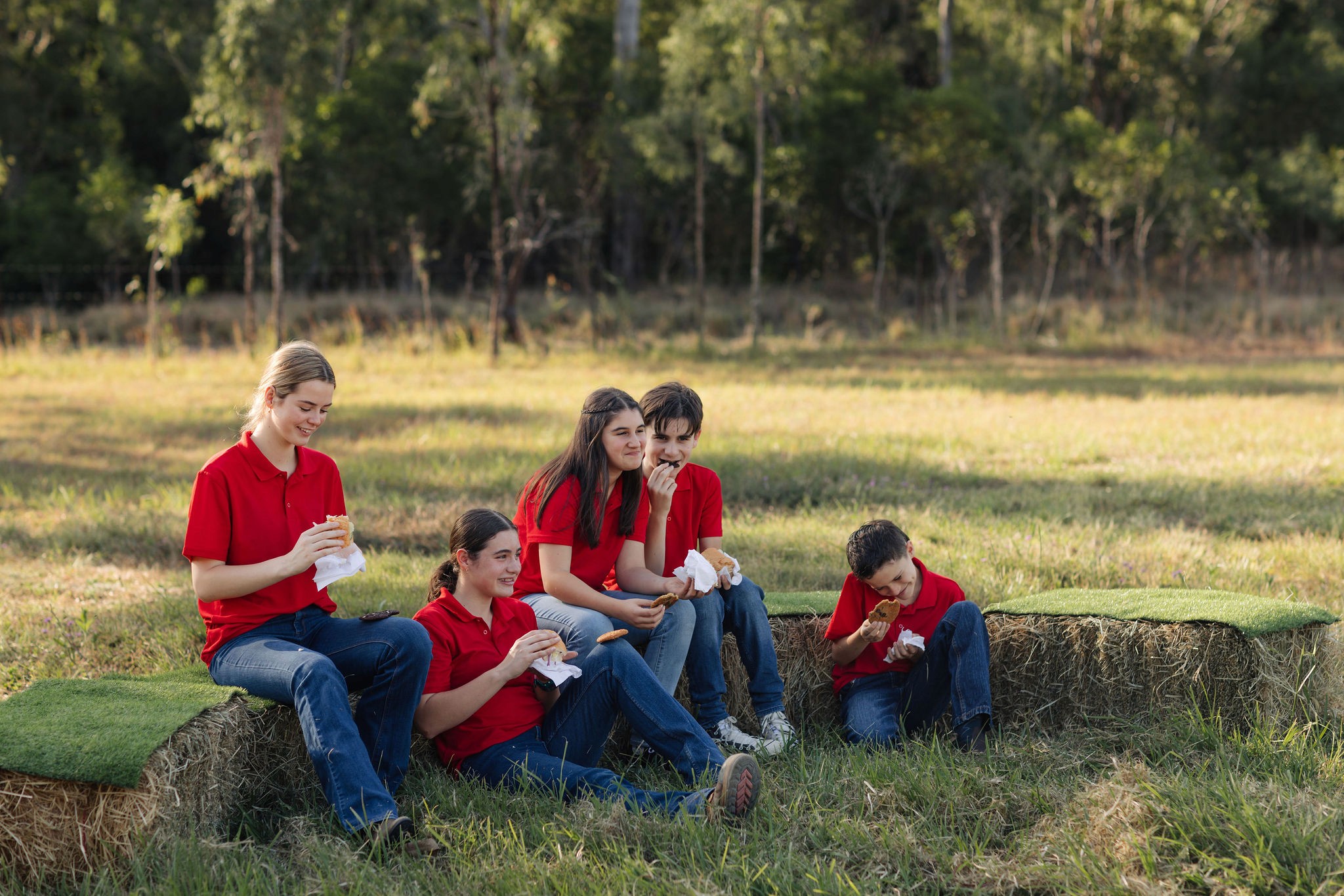
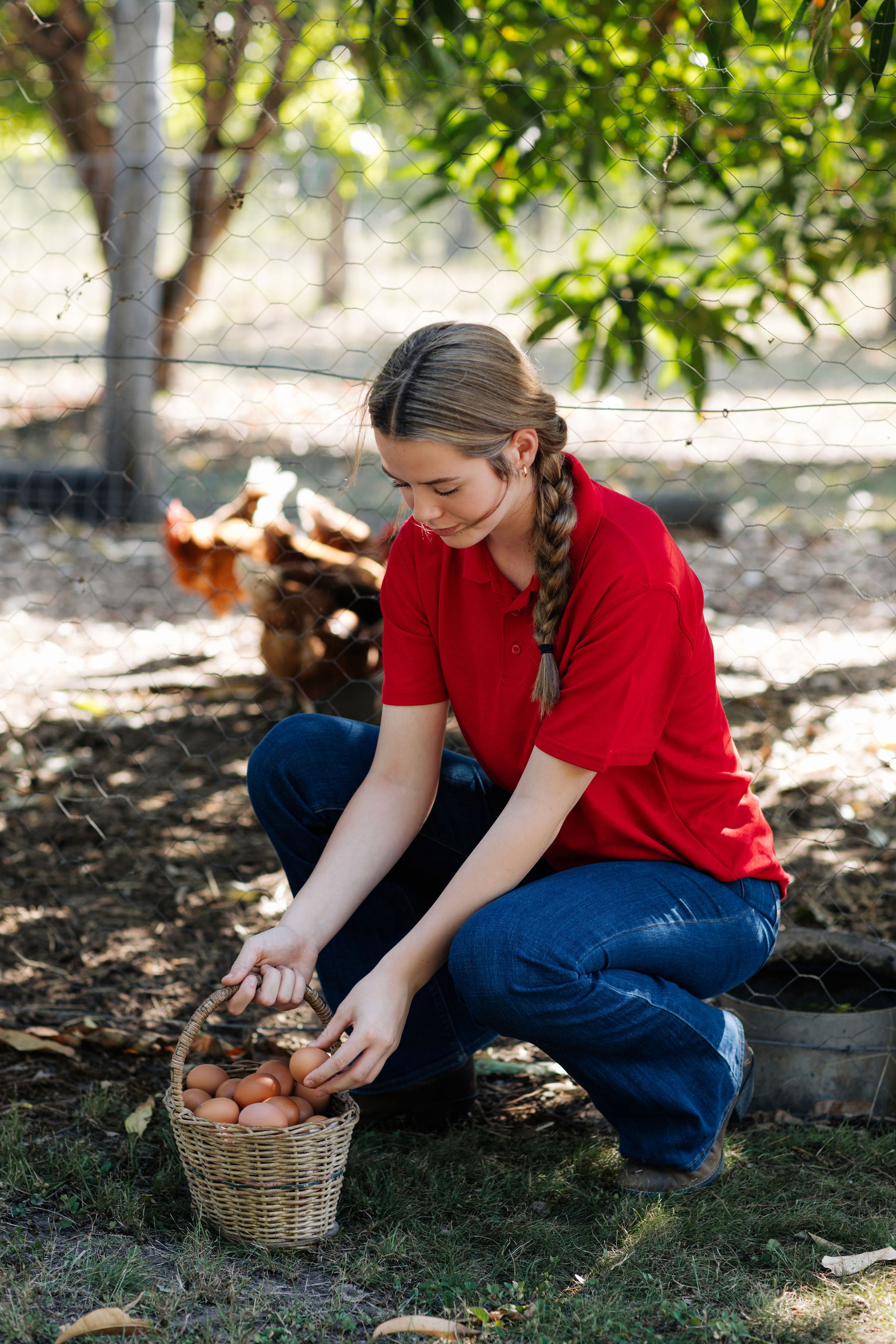
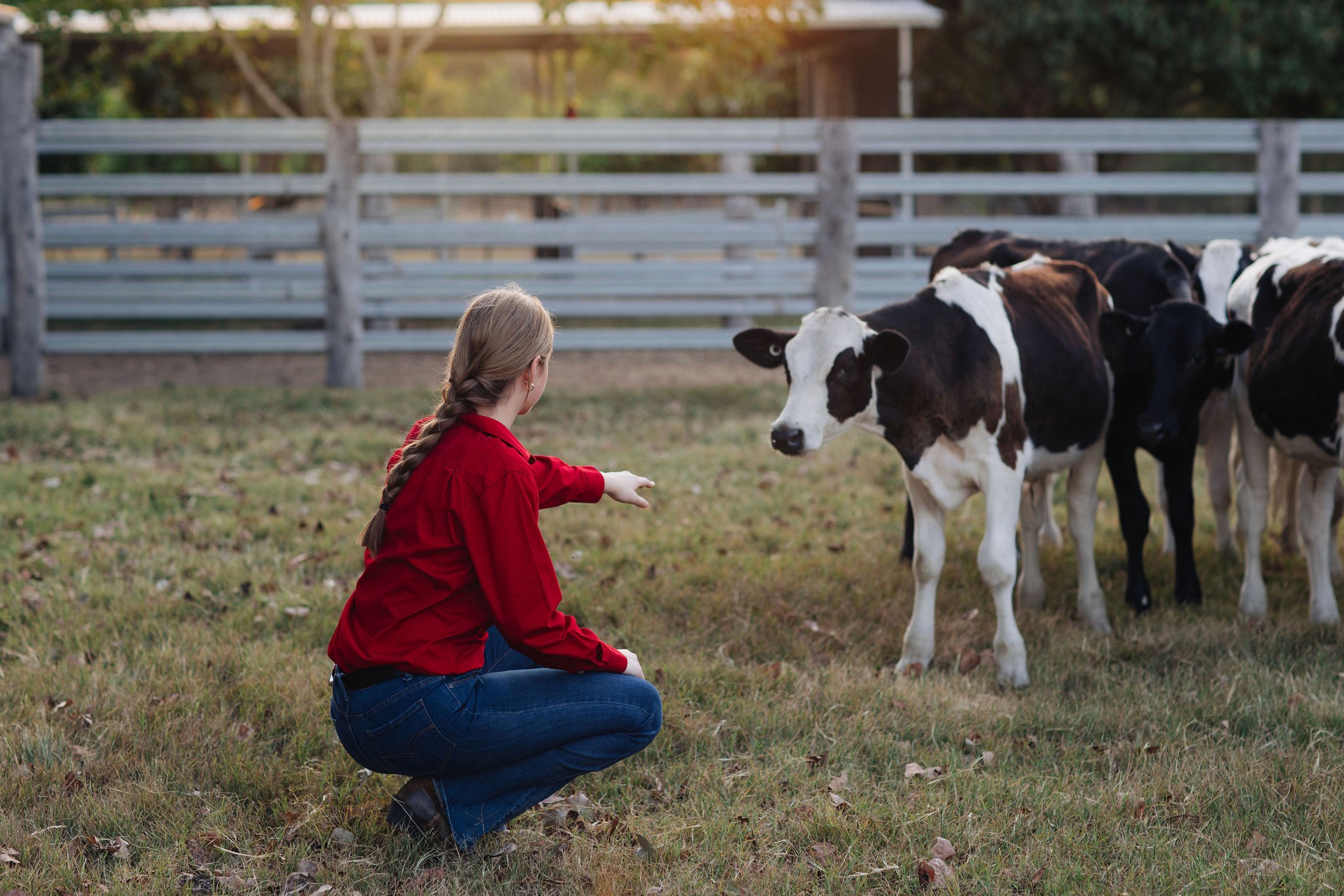
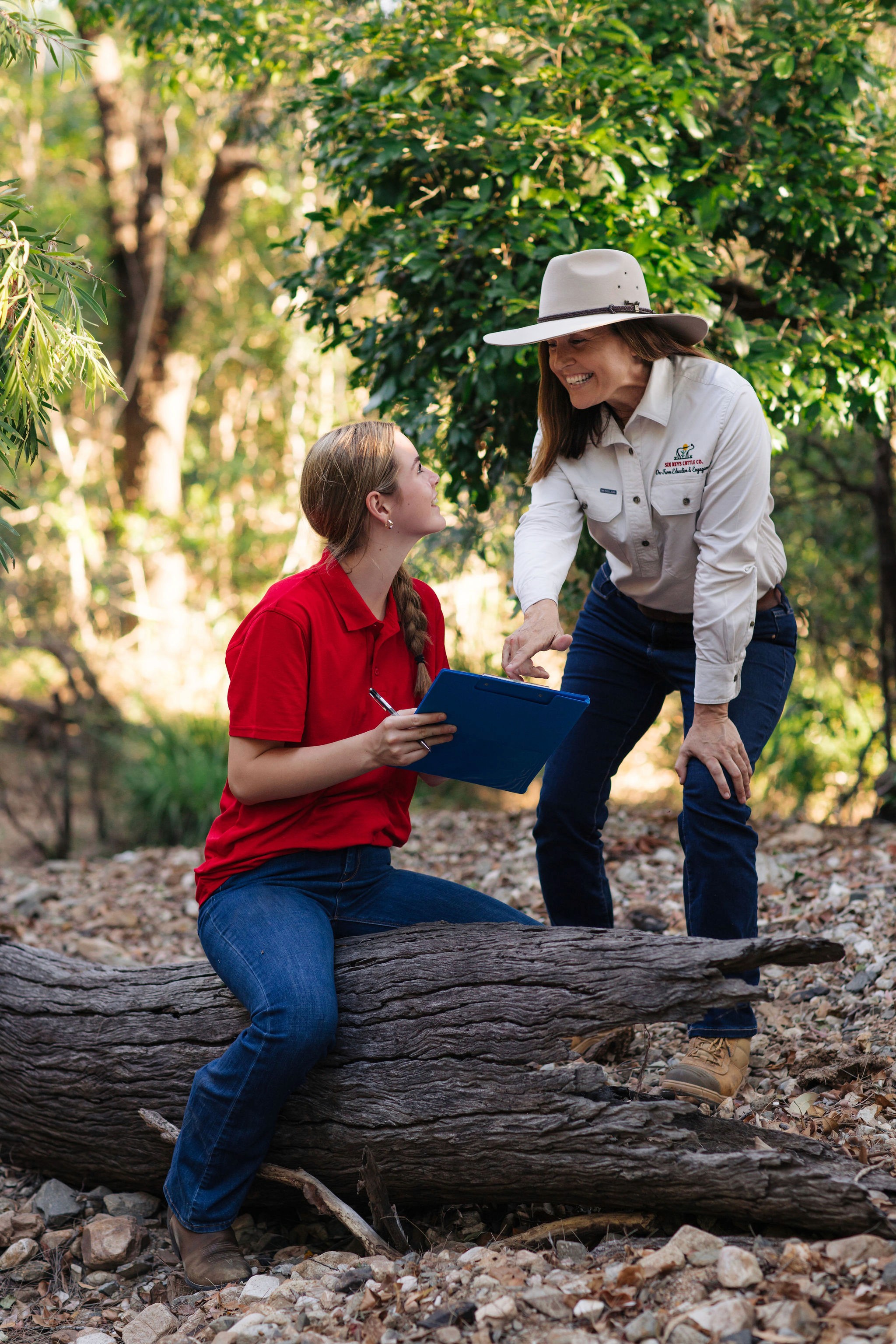
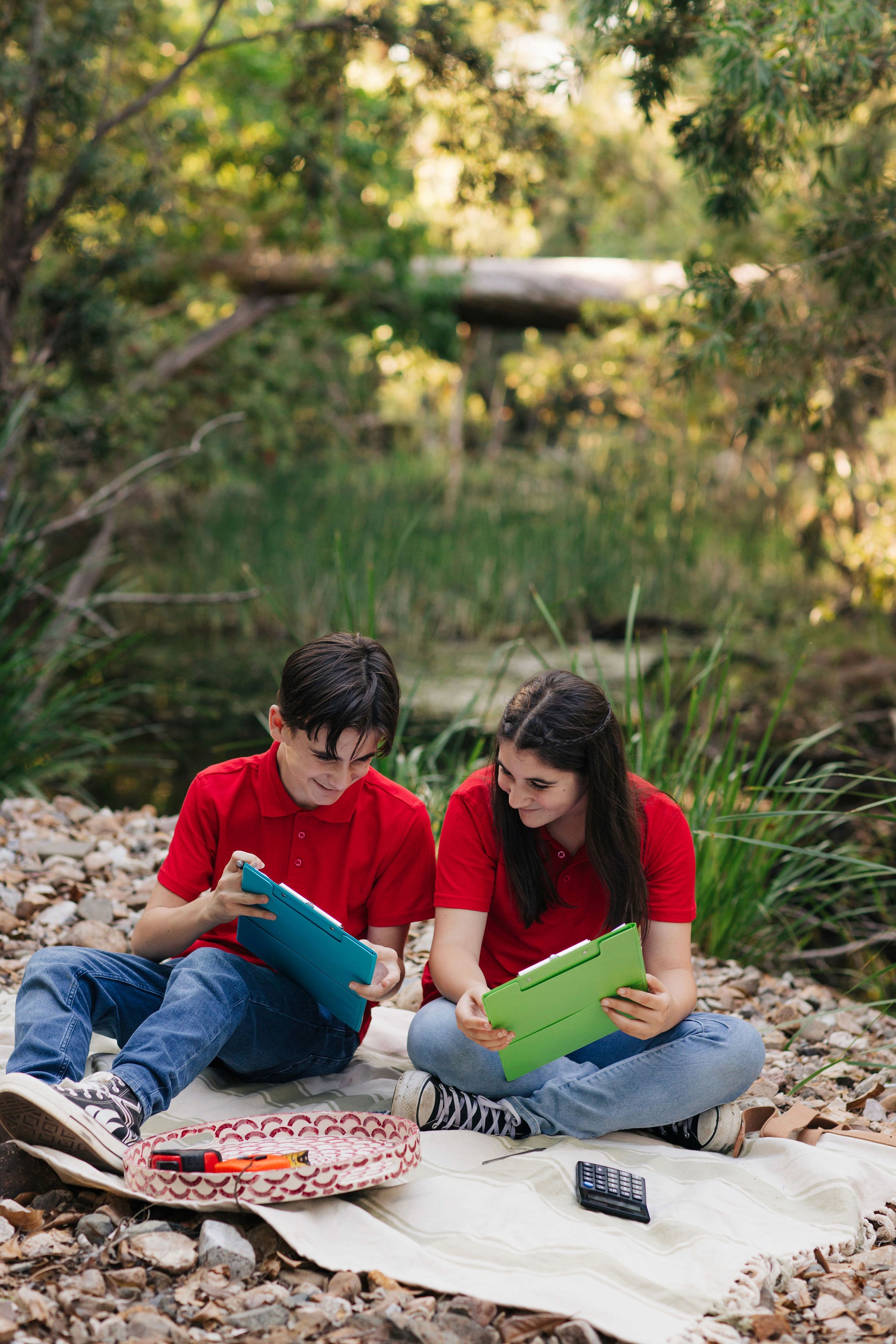
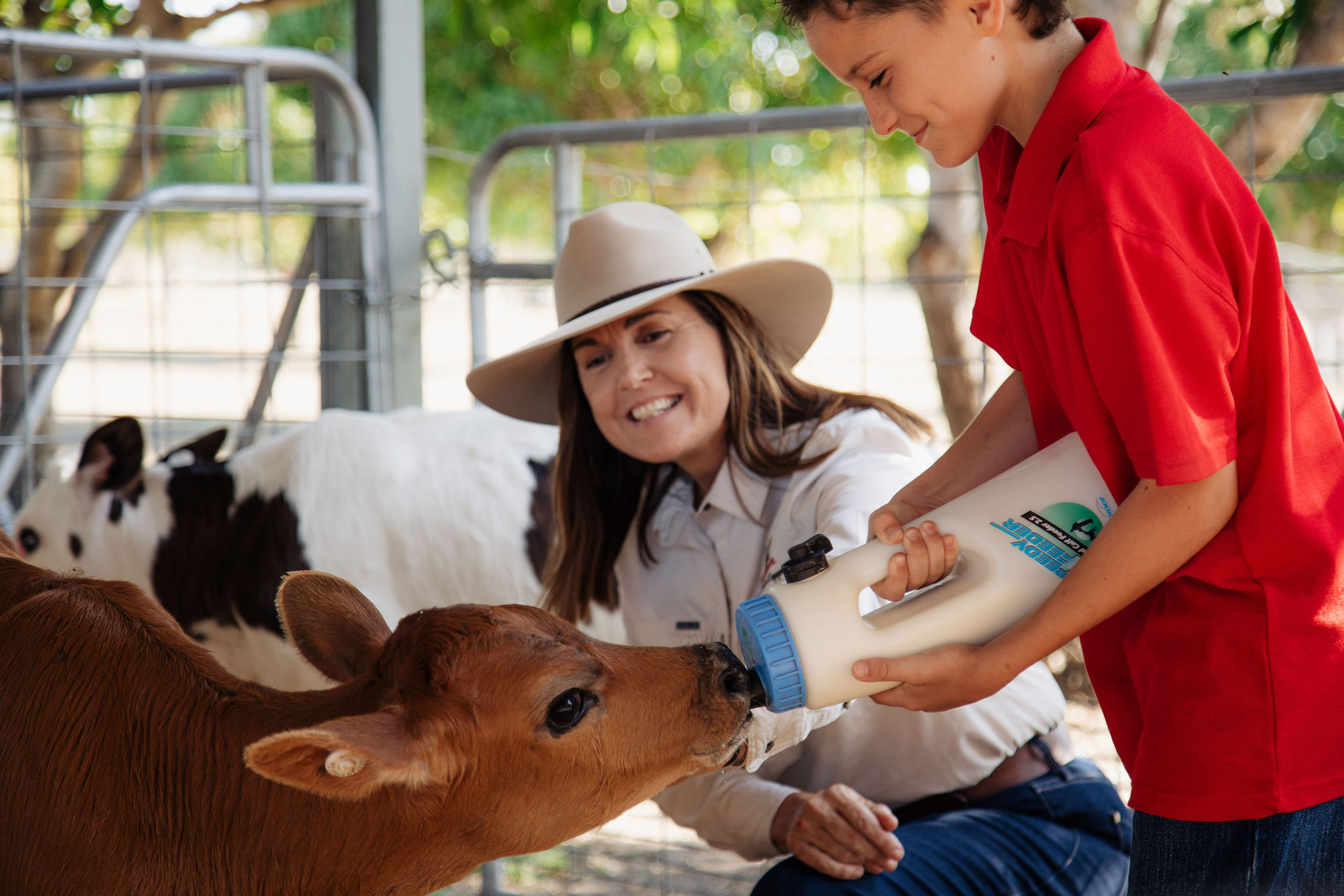
Farm tasks produce real competence in a way that many childhood activities don't. At Six Keys Cattle Co in Central Queensland, students complete genuine work: observing and contributing to animal care, assisting in stock management, carrying responsibility for tasks that produce tangible outcomes. Nobody is praised for attempting. Students succeed or they adjust, and the record of that experience belongs entirely to them.
A child who has correctly identified an animal's condition, held a steady position while cattle moved through a yard, or worked through a task that didn't go right the first time, carries something forward that no amount of well-meaning reinforcement can replicate. They know what they actually did. That knowledge is built from a different material entirely than being told about it.
For parents, this has a practical implication that extends well beyond farm visits. Creating genuine opportunities for children to complete real tasks, tasks where success is possible but not guaranteed, is the investment that builds lasting capability. Farm experiences produce this in concentrated form. But the principle runs through every choice about how much difficulty to allow and how much to smooth away.
Praise communicates warmth. It doesn't build capacity.
What children need most is the experience of finding out, firsthand, that they can.