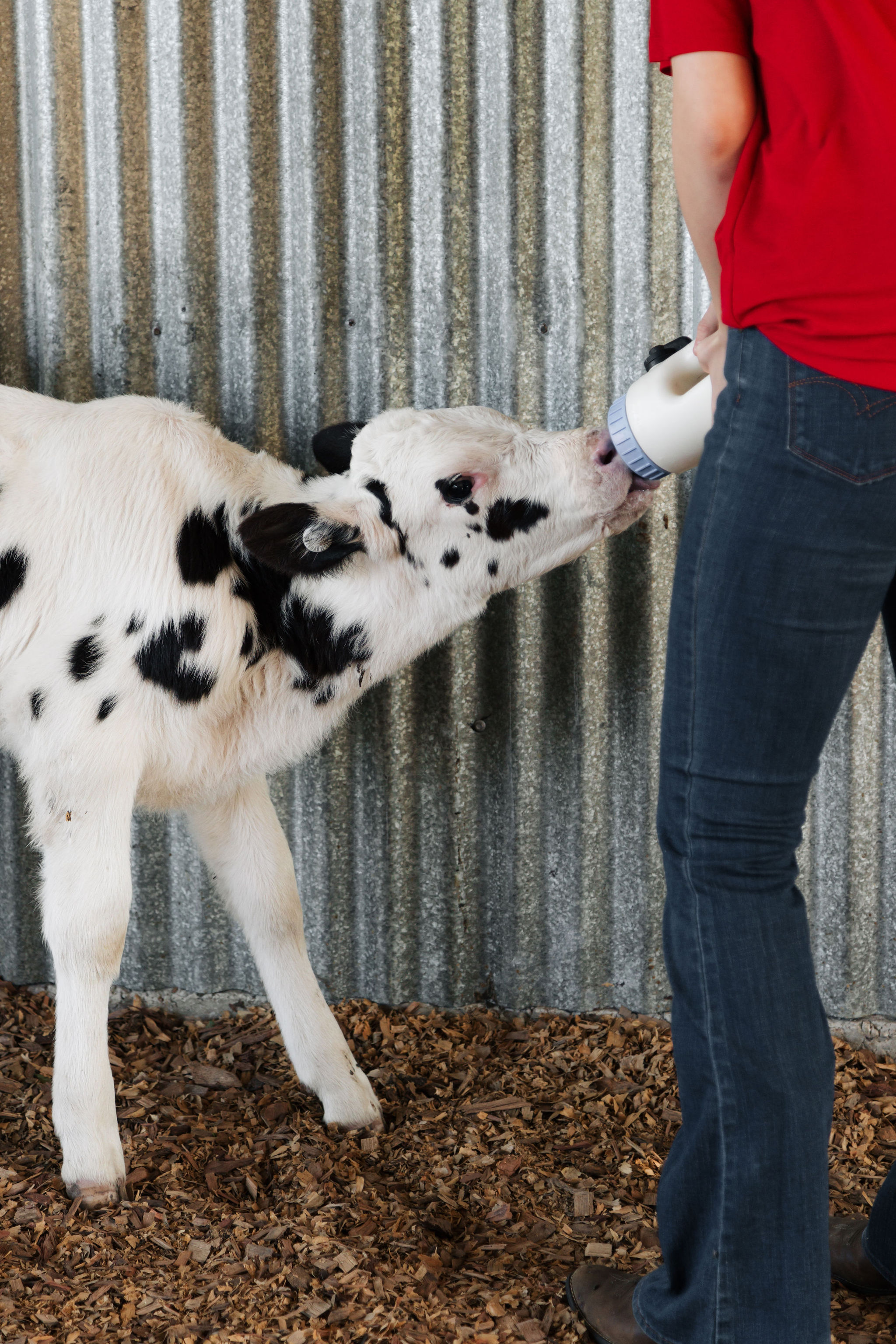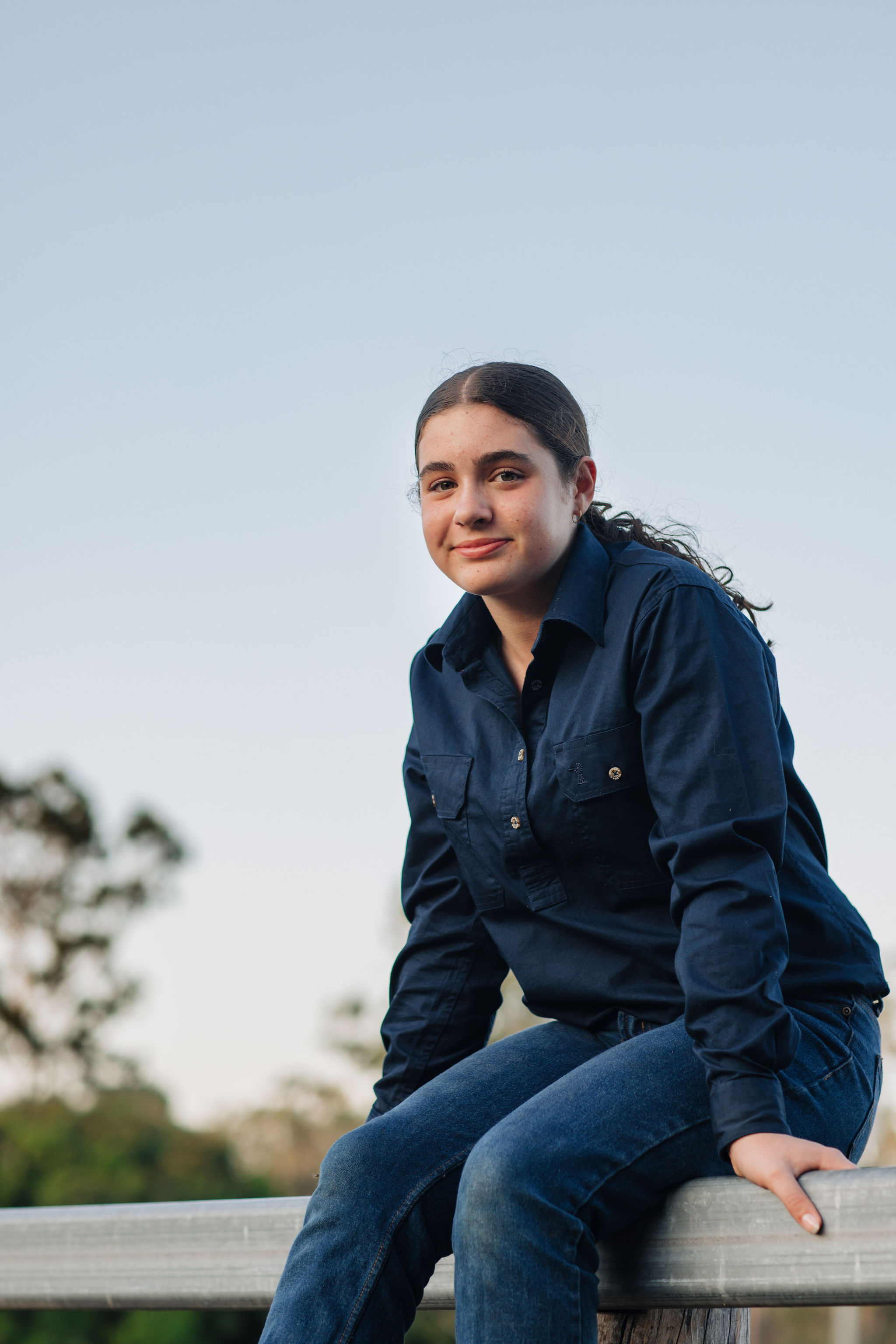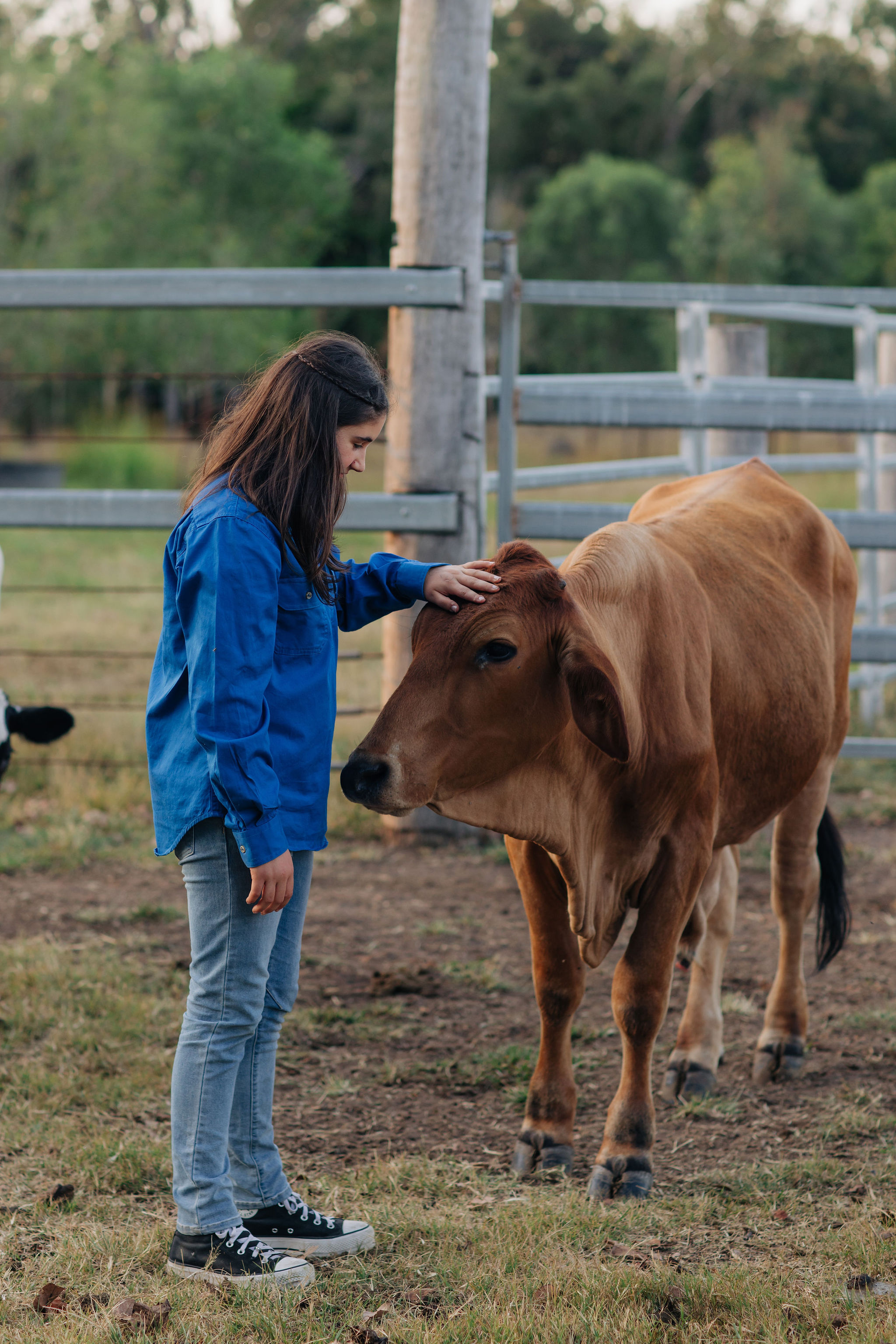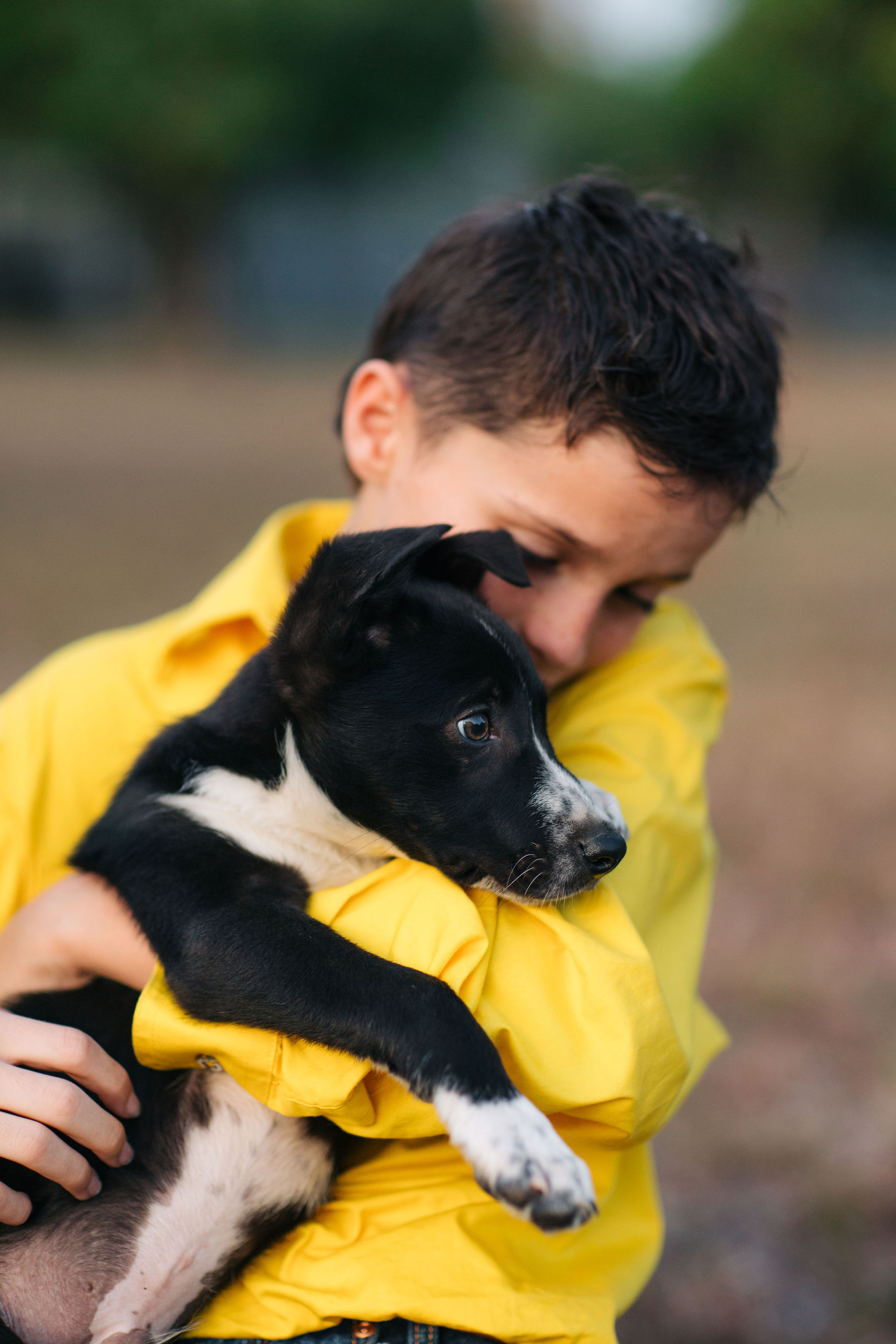
The concern that surfaces most predictably when schools consider farm visits is safety. And it's not an unreasonable one. A working cattle property involves large animals, machinery, varied terrain, and conditions that change without notice. These are real considerations that deserve careful planning.
But somewhere between genuine danger and managed risk, a generation of students has lost access to something they need.
Research into child development has been building a clearer picture of what risk-aversion actually costs. Children who grow up without meaningful exposure to managed risk, situations where something could genuinely go wrong within proportionate and bounded consequences, develop weaker risk assessment skills rather than stronger ones. The capacity to read a situation accurately, weigh likely outcomes, and make a considered decision before acting comes from practice. Remove that practice consistently enough and the skill simply doesn't develop.
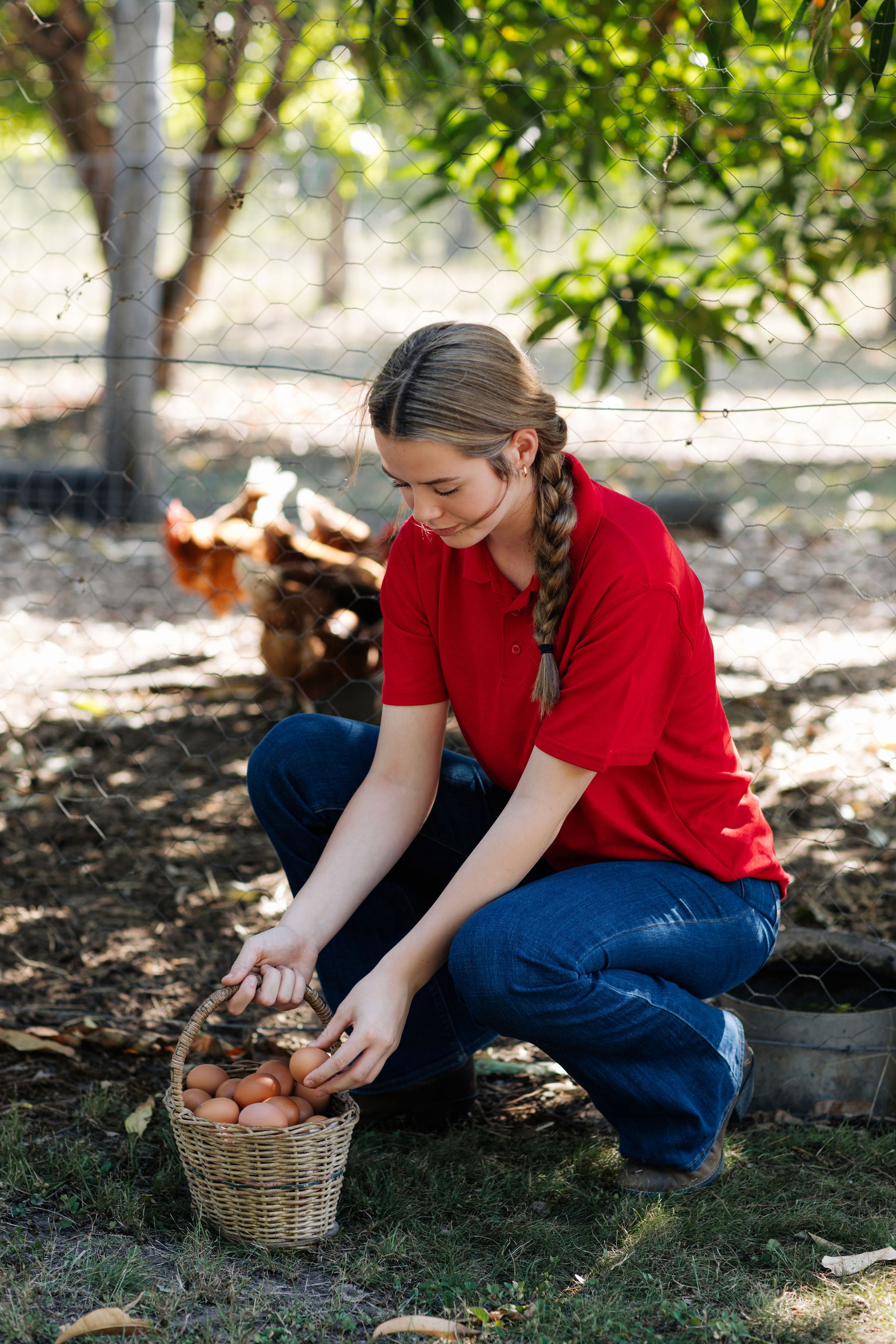
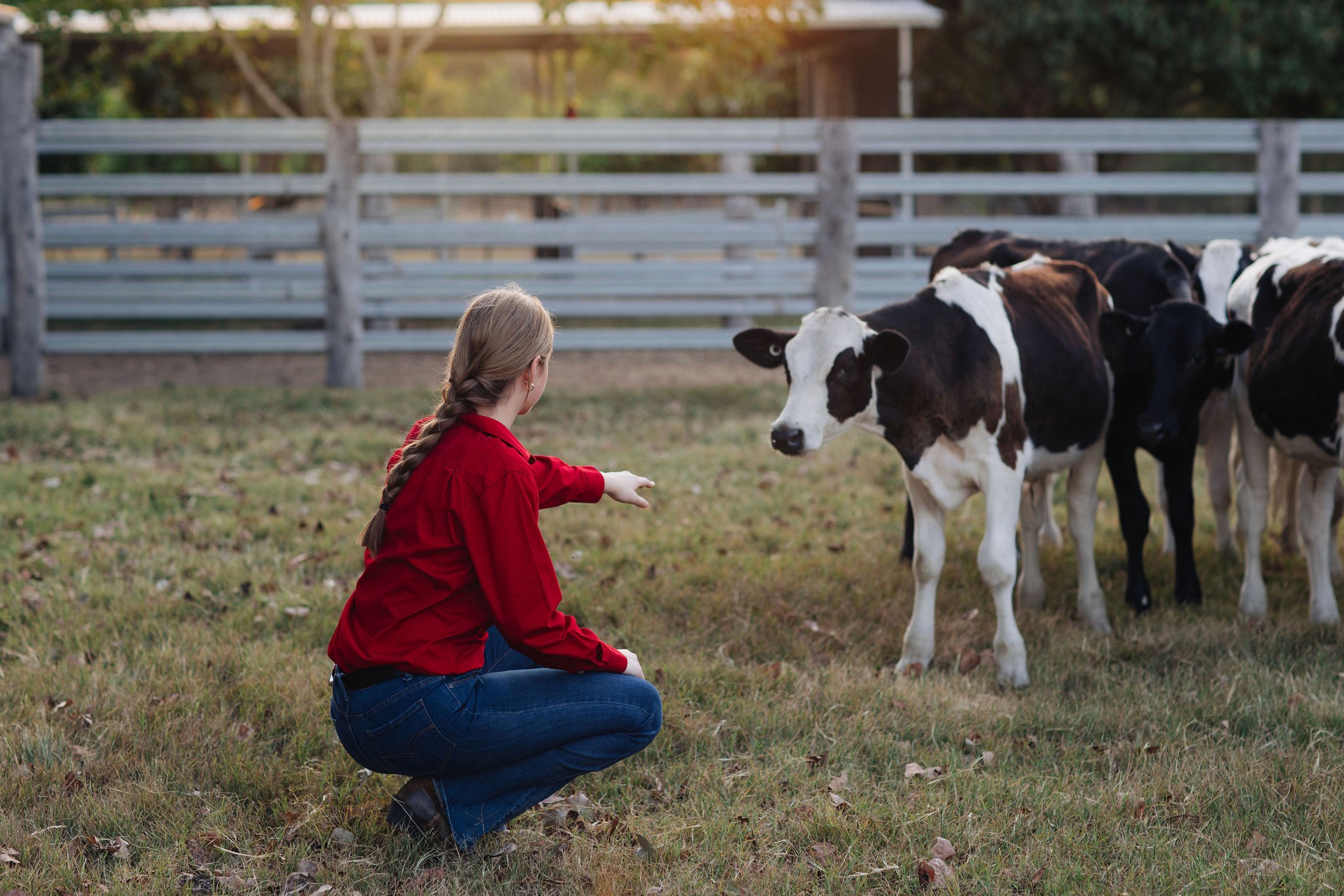
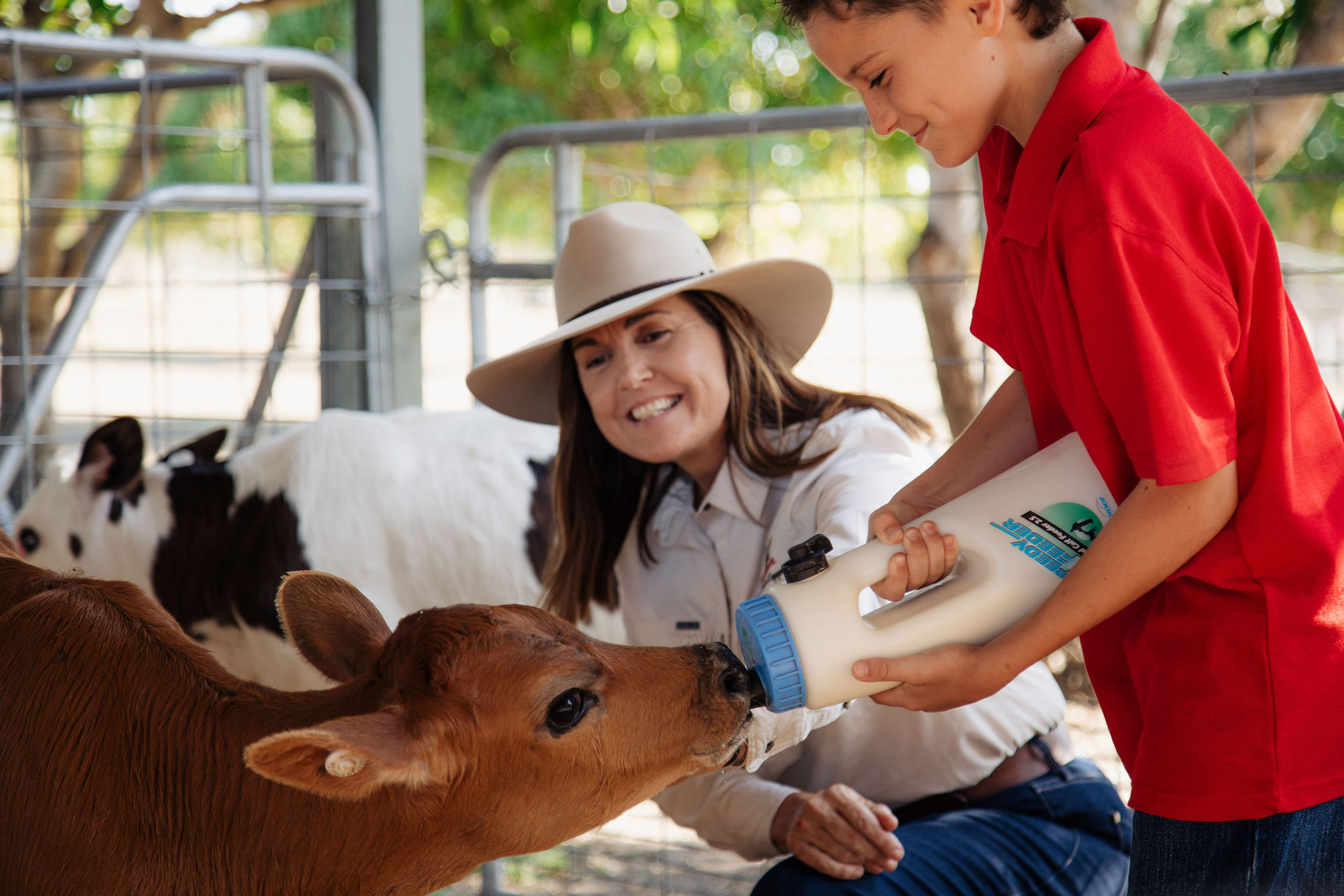
Farm environments offer the right kind of risk. Not unmanaged exposure, but situations where attention and careful reading of cues are what keep things going well. Approaching cattle means interpreting animal body language and understanding what happens when you move too quickly or carelessly. Working near farm equipment requires knowing the difference between safe and unsafe operation and acting accordingly. Navigating physical terrain means assessing footing before committing to it. None of these are reckless. They are exactly the conditions that build sound judgement in people who haven't yet had much opportunity to practise it.
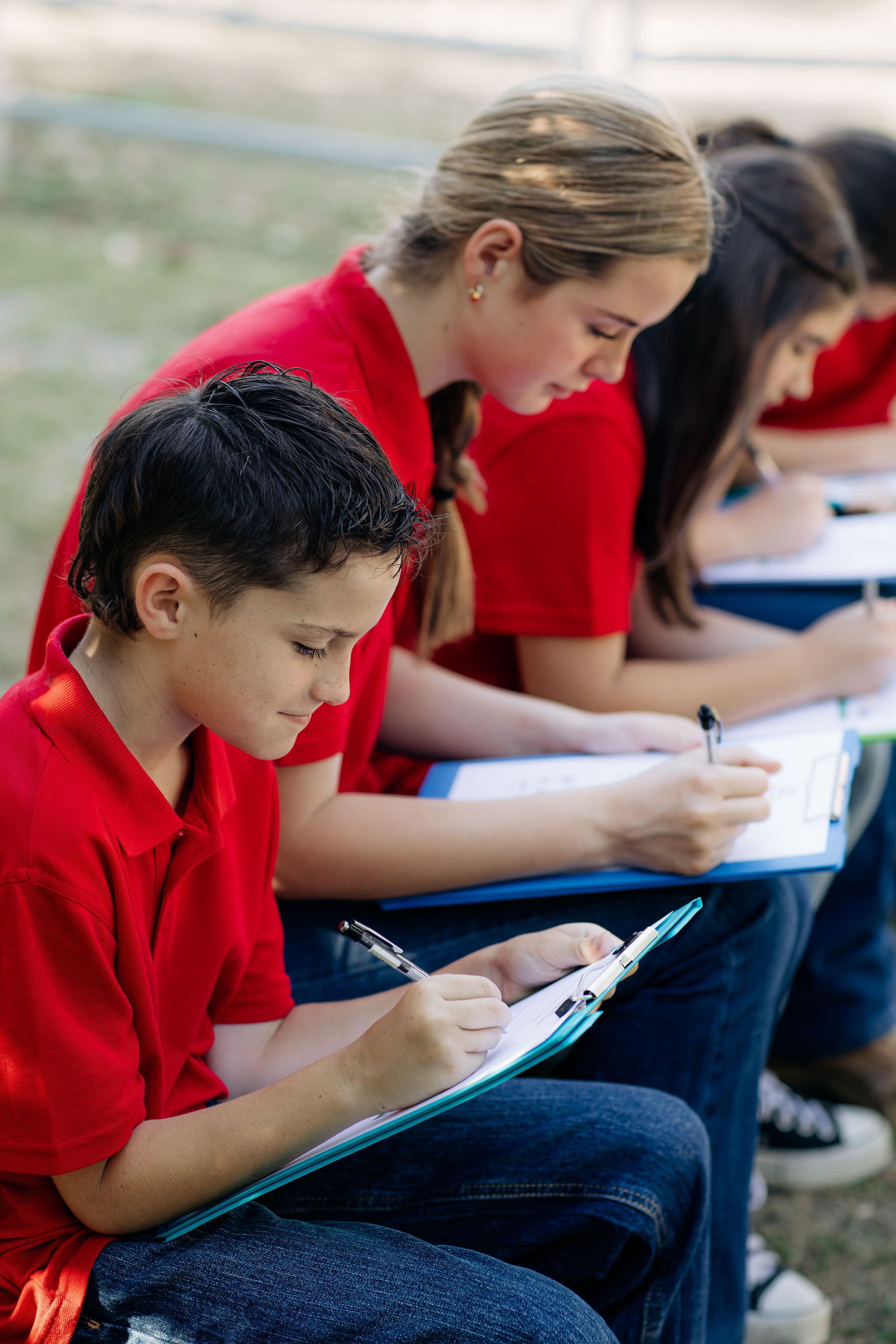
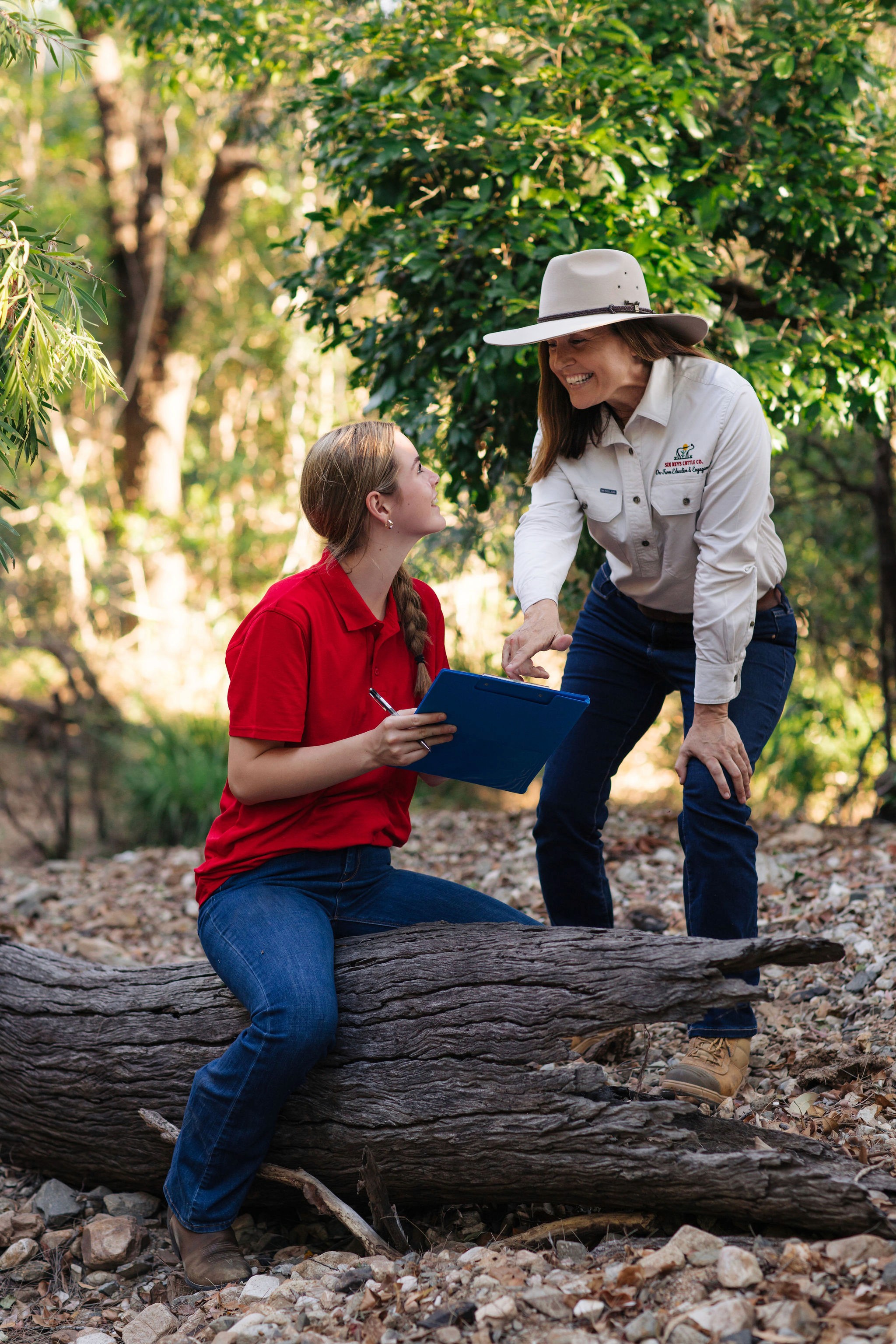
At Six Keys Cattle Co in Central Queensland, student programs are structured with safety as a genuine priority, not a disclaimer. Students are prepared before they enter new environments, supported by experienced staff throughout, and given responsibilities calibrated to their age and readiness. Within that structure, the decisions they make are genuinely their own. So is the feedback when those decisions need adjusting.
This is what risk literacy looks like in practice. Not anything goes, but deliberate exposure to situations that require real thinking before acting.
Research consistently links appropriate risk exposure in childhood to better self-regulation, stronger judgement under pressure, and greater capacity to navigate unfamiliar situations with confidence. The brain develops its decision-making architecture through use. Students who are rarely asked to make consequential choices in physical environments don't remain neutral in their development. They build a different relationship to uncertainty than the one that tends to serve people well.
On-farm learning was never about recklessness. It's about calibrated exposure to decisions that actually matter, inside an environment designed to support the student making them rather than simply remove the need to decide.
Trust, extended thoughtfully, is part of how people learn to earn it.