A diagram of a food web is a useful starting point. It names the relationships between organisms, shows the direction of energy flow, and gives students something to study and reproduce. What it cannot do is show those relationships actively unfolding, which is a significant limitation when the goal is genuine scientific understanding rather than accurate recall.
Observing a living ecosystem requires a living ecosystem. And a working cattle farm is one of the most biologically rich environments a primary student can step into.
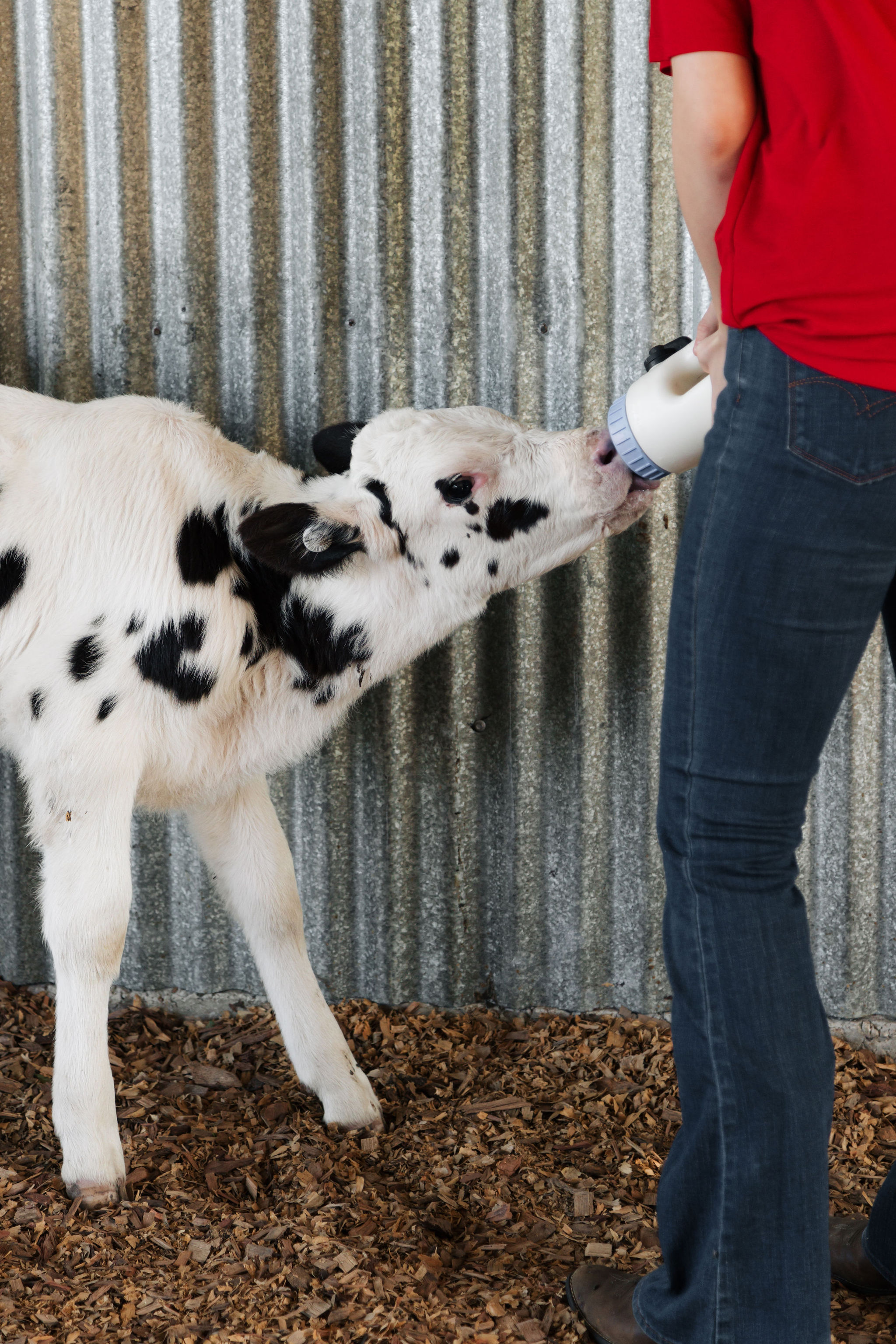
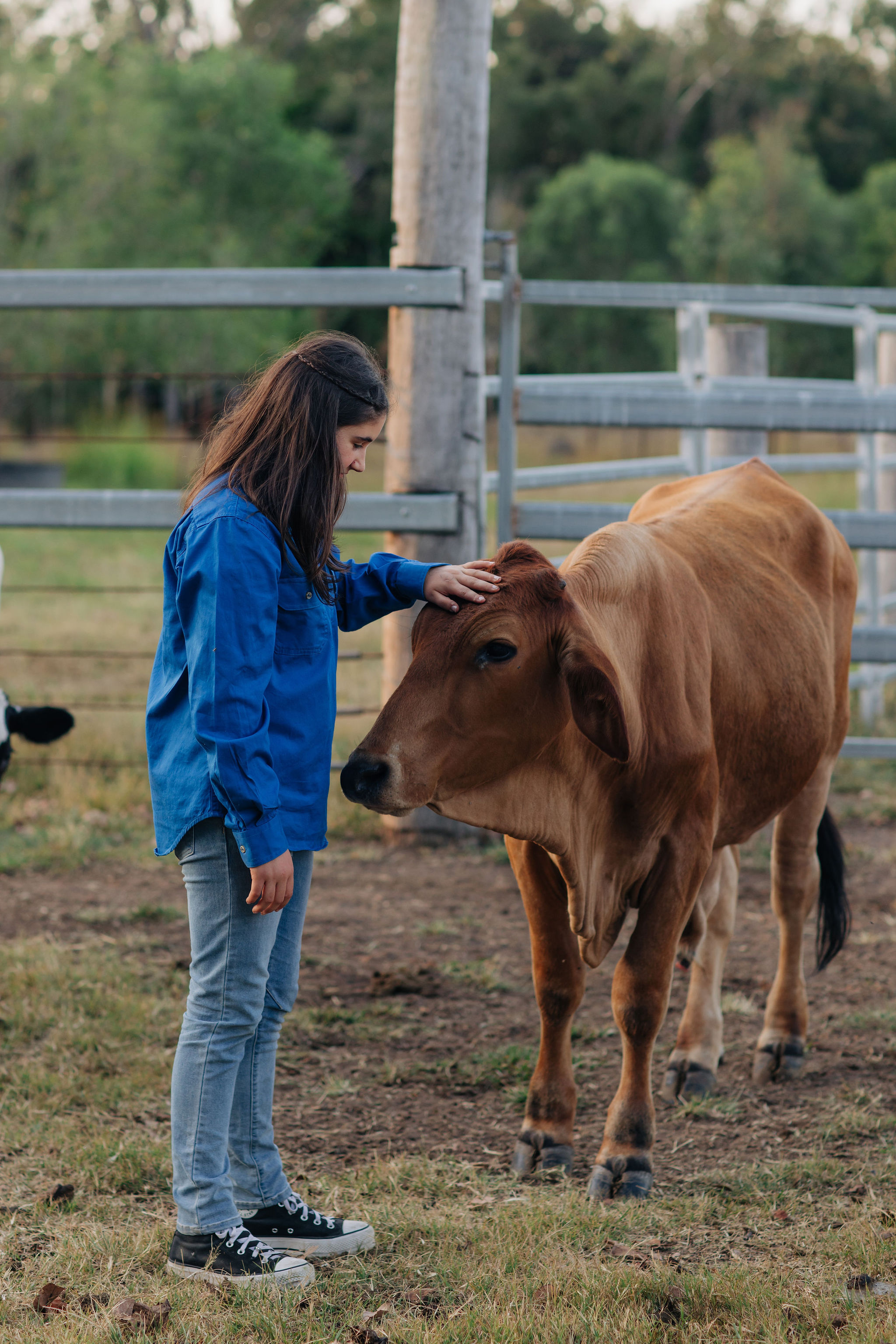
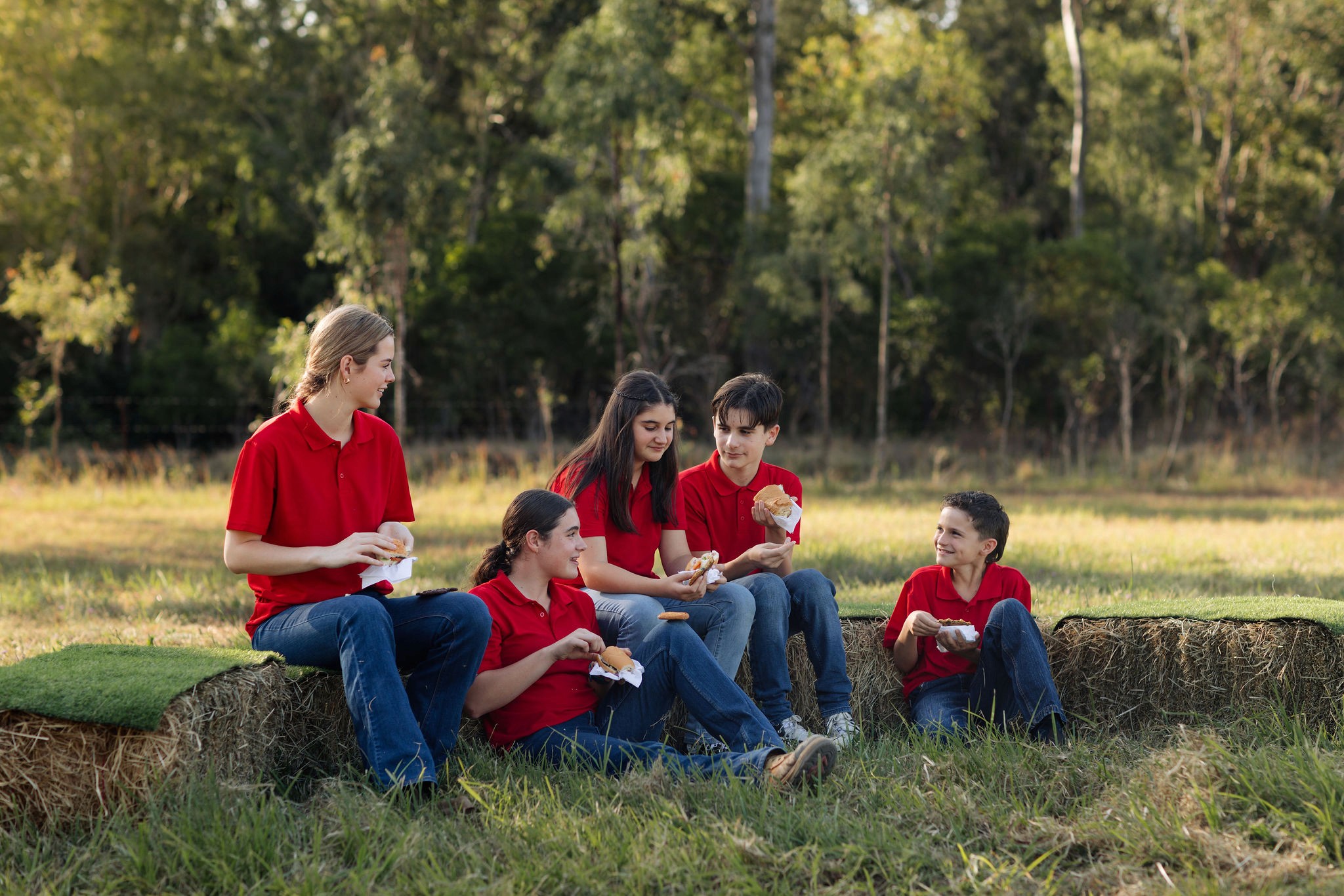
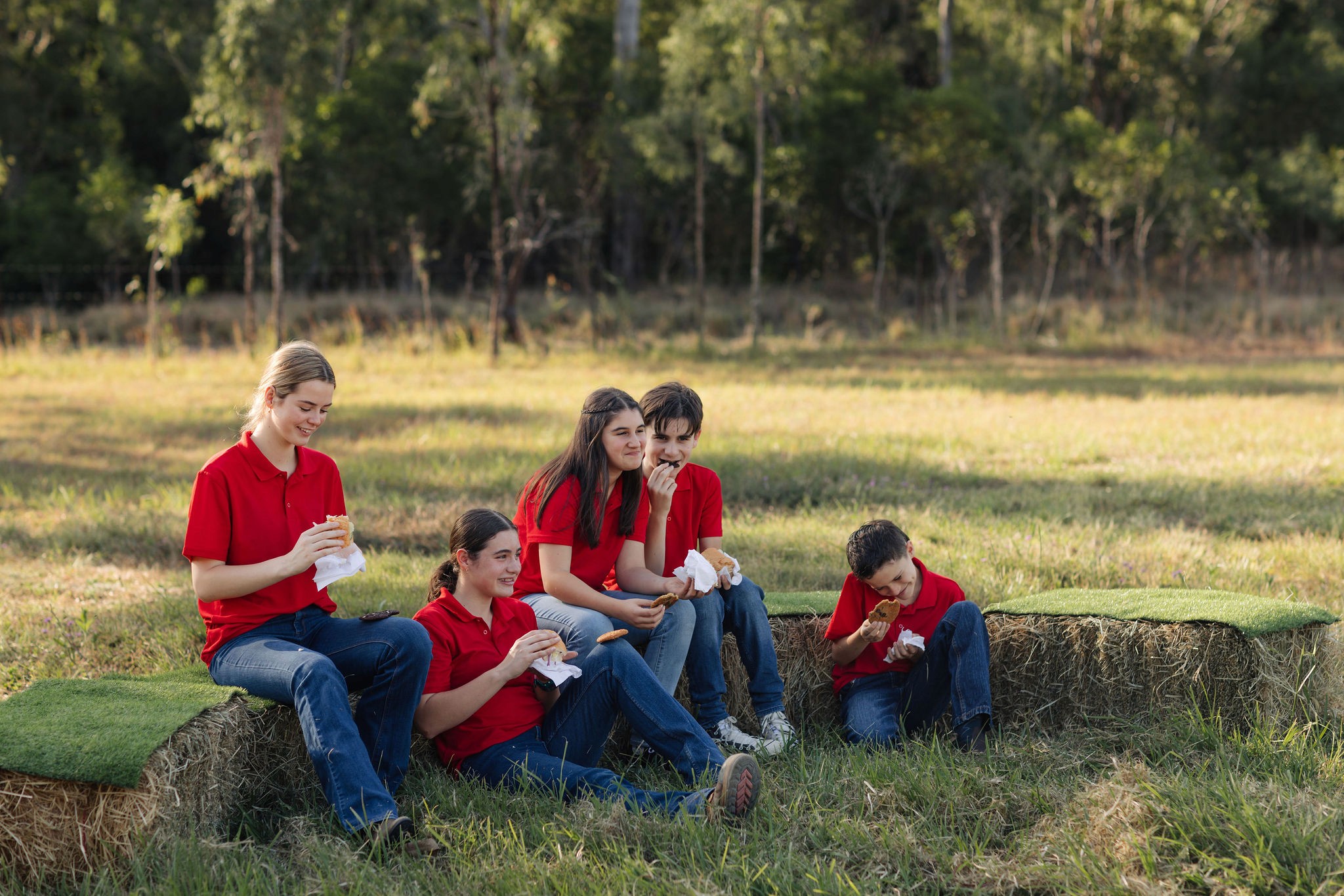
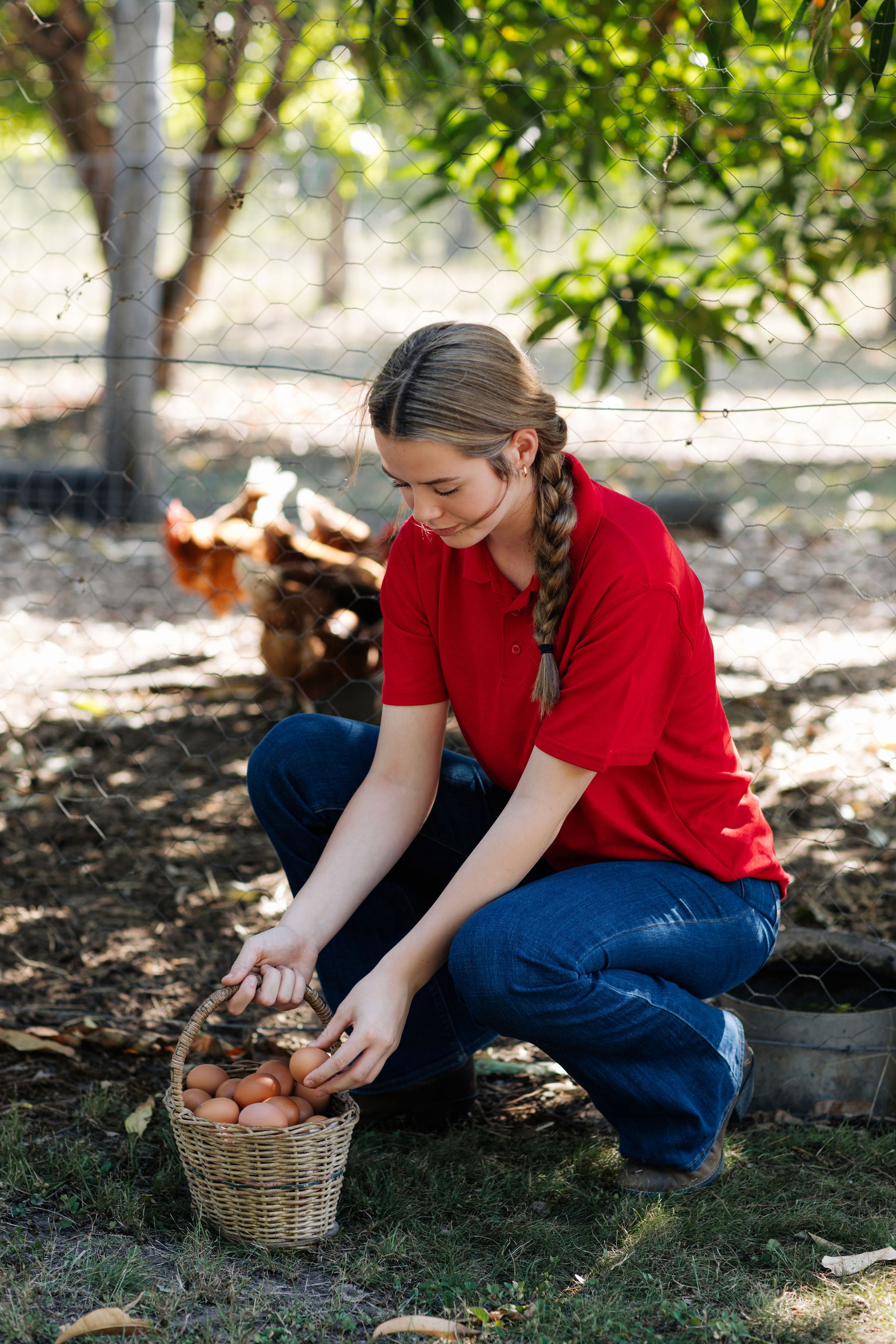
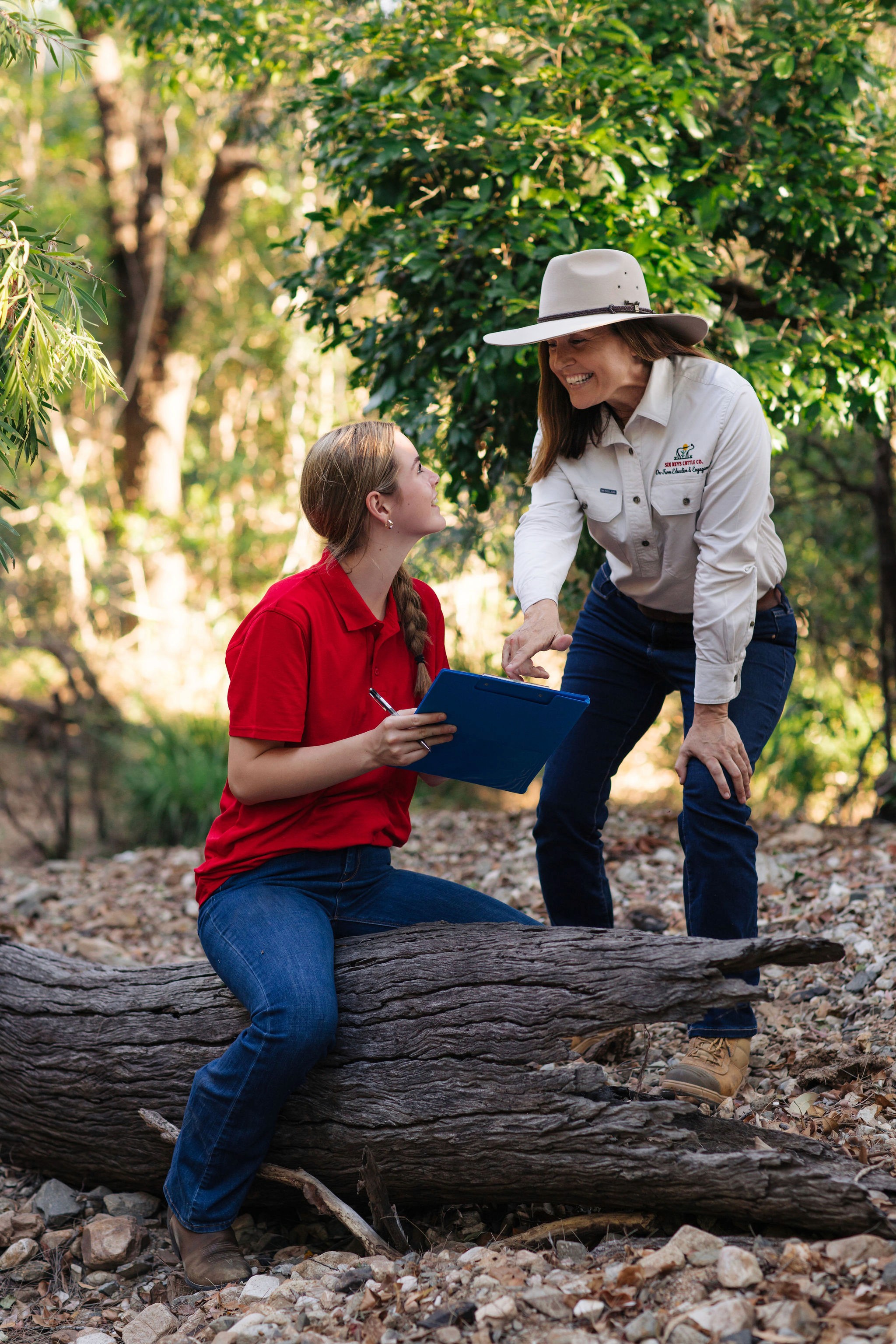
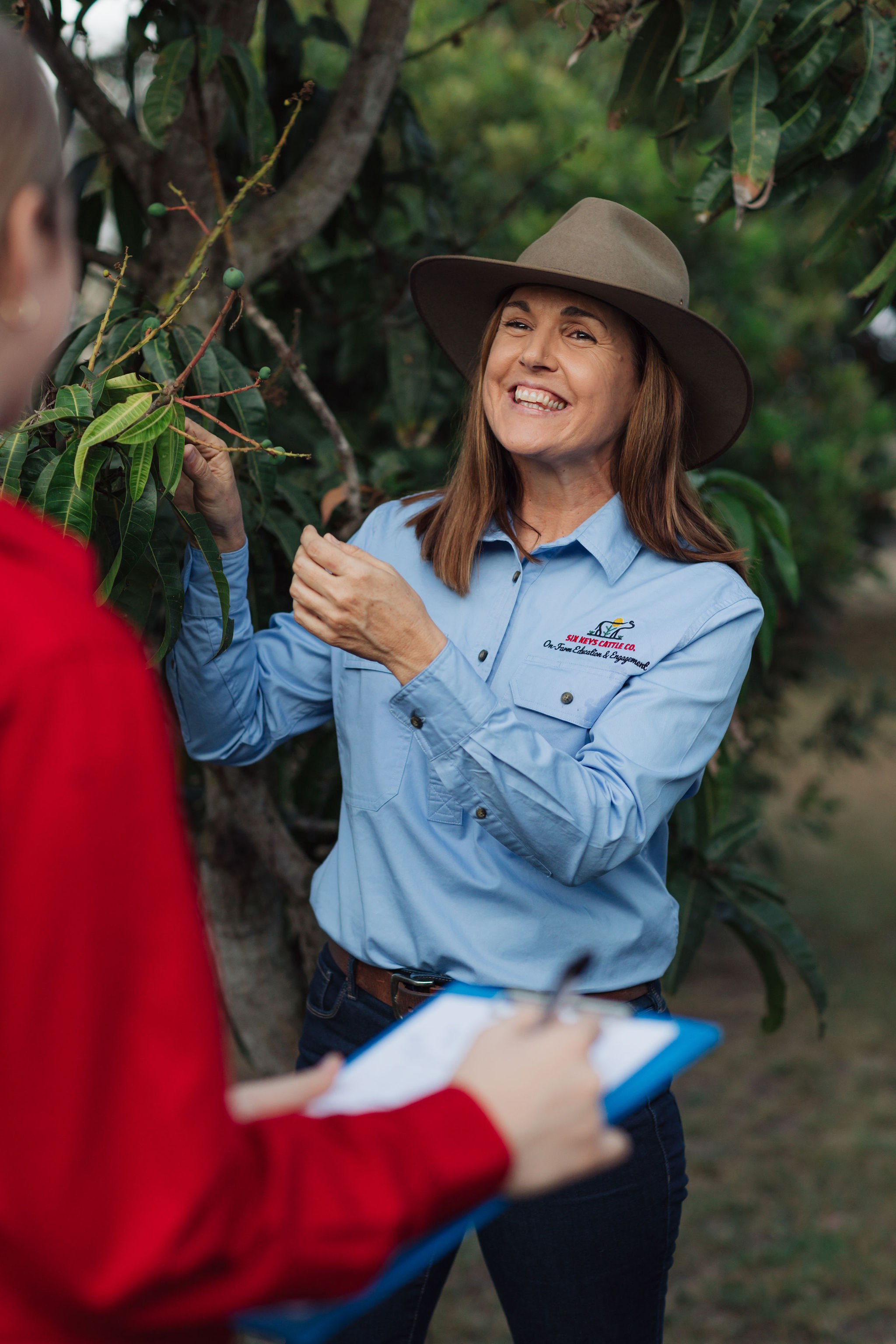
At Six Keys Cattle Co in Central Queensland, students encounter the components of Australian Curriculum Version 9 Biological Sciences not as content to absorb but as phenomena happening around them. Food webs are visible in the relationship between pasture, cattle, insects, birds, and soil organisms. Ecosystems are not described from a page but experienced in a landscape where students can ask directly how different elements connect and what happens when the balance shifts. Life cycles are present in the animals themselves, in seasonal growth patterns across the property, and in the changes students can observe firsthand rather than trace from a textbook image.
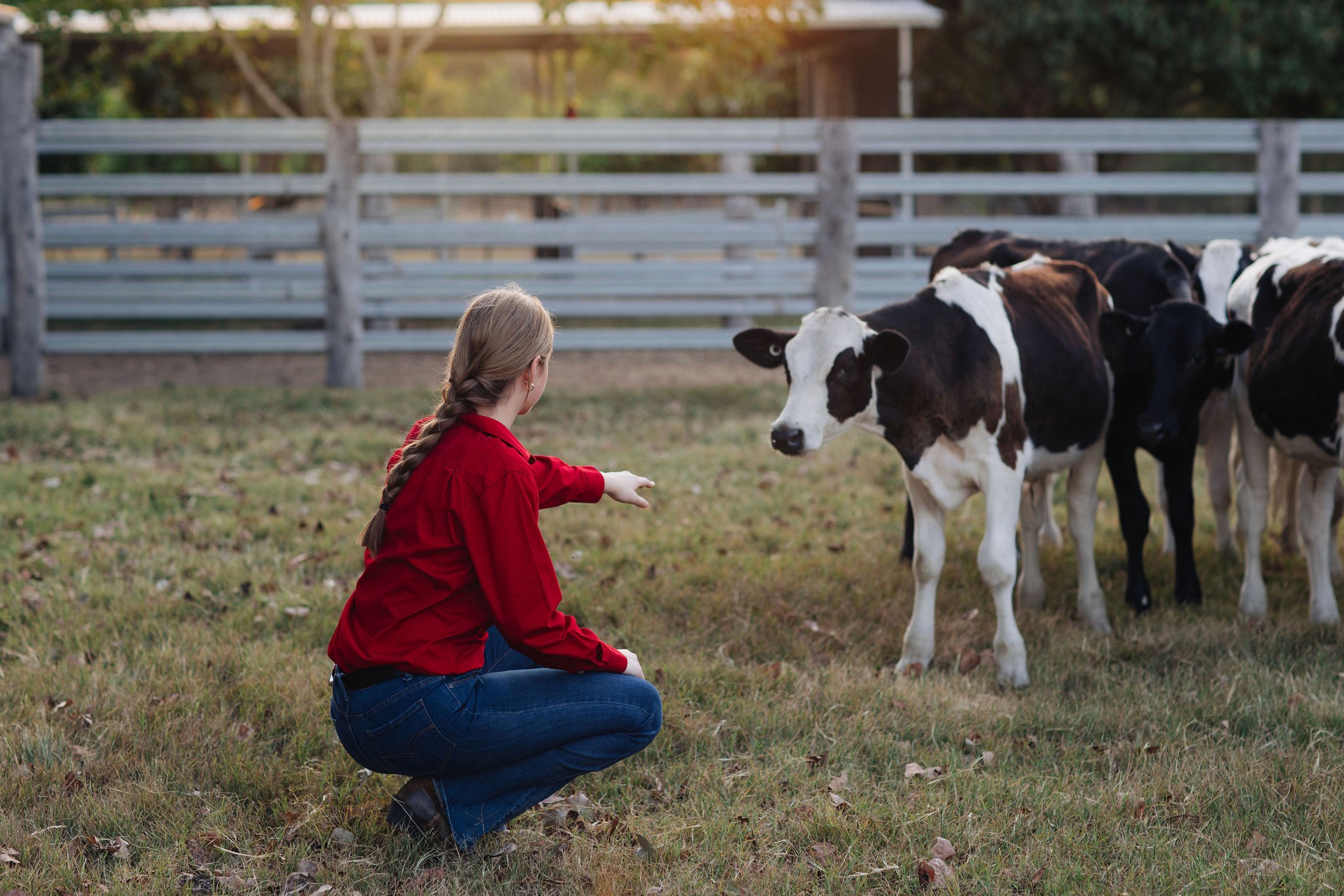
This is what real observation does for scientific understanding. It builds the mental model from direct sensory contact rather than from description. A student who has watched a calf beside its mother and understood the relationship between maternal care, feeding, and early growth holds that life cycle differently than a student who has drawn it in a worksheet. The biological concepts are the same. The understanding is not.
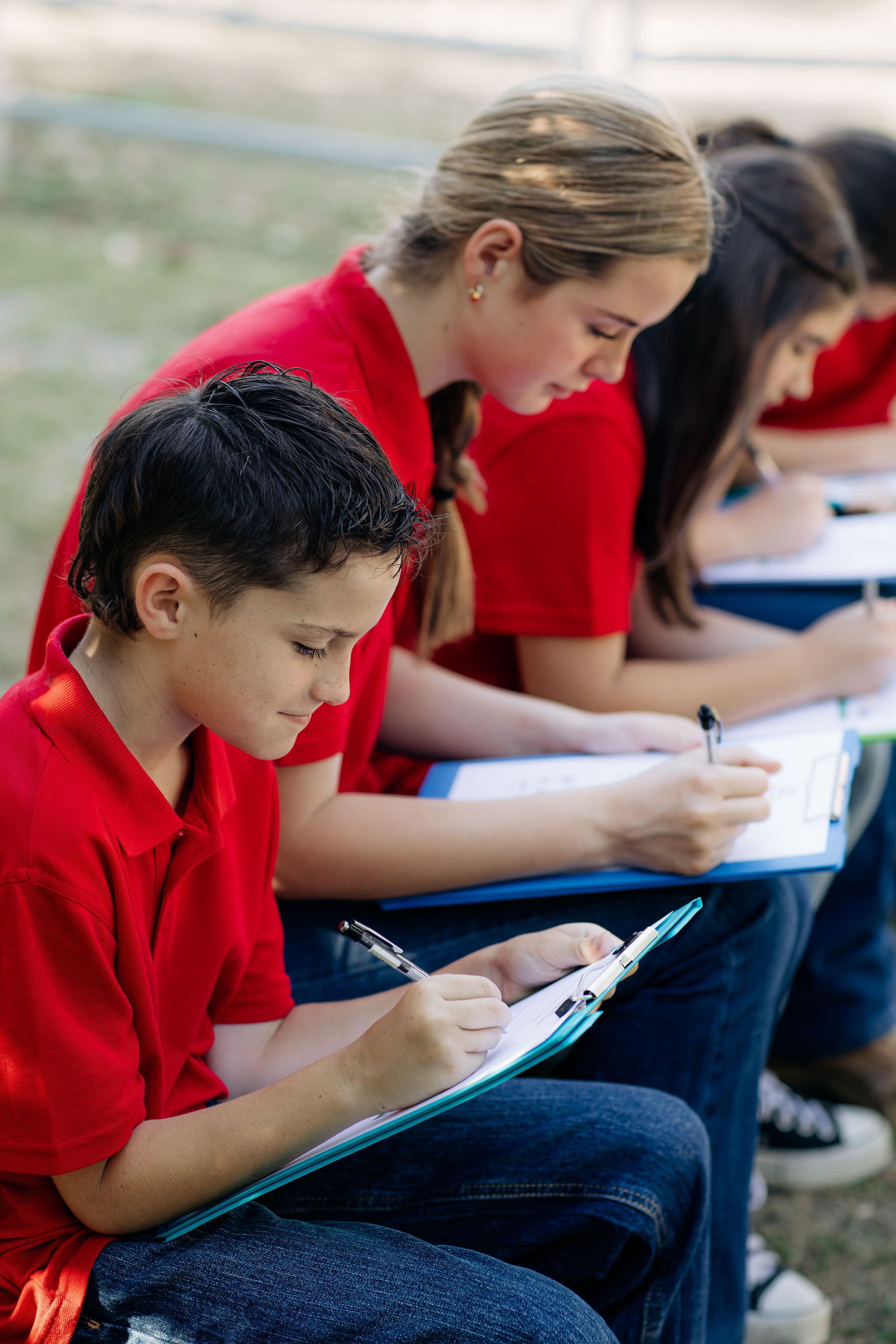
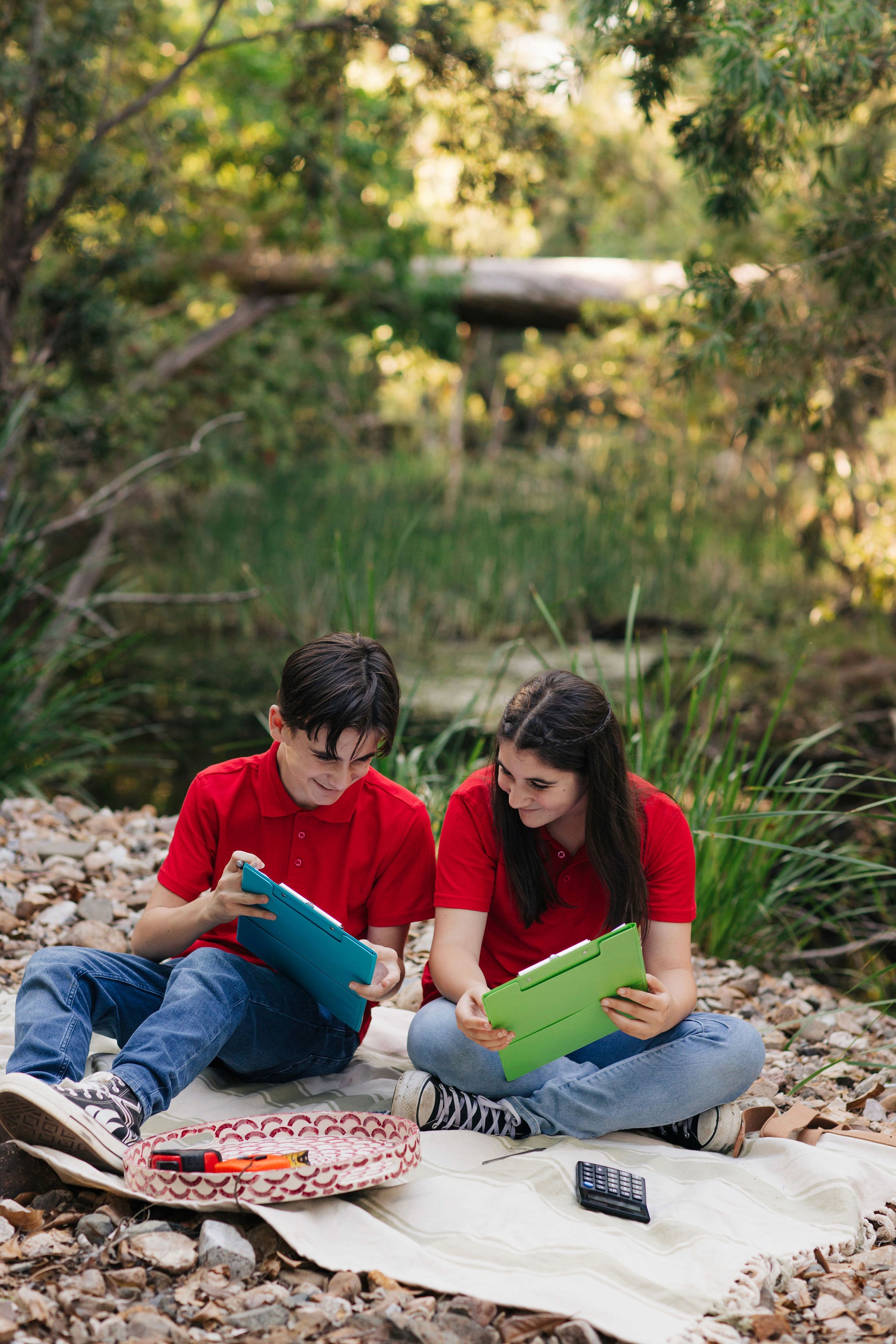
Observation also develops the science inquiry skills that the curriculum identifies alongside the content itself. When students are in a real environment, they question naturally. They notice things that weren't pointed out to them. They record observations that reflect genuine attention rather than copied detail. They predict what might happen next and test that prediction against what they actually see. These are the habits of scientific thinking, and they develop through practice with real phenomena rather than through exercises designed to simulate it.
Land management practices on a working property extend this further into environmental and earth sciences. Students observing how farmers make decisions about stocking rates, pasture recovery, and water systems are engaging with ecology and sustainability through the lens of real problem-solving rather than hypothetical scenarios.
The Australian Curriculum makes clear that science involves both understanding and doing. Farms provide both simultaneously.
What students observe on a living property stays with them in ways that diagrams don't. Science understood through genuine observation becomes a way of looking at the world rather than a set of content to remember for a test.