The attention system isn't infinite. Directed attention, the kind that requires deliberate effort, sustained focus, and active filtering of competing input, depletes. And the conditions of modern childhood are depleting it at a pace that most children cannot recover from before the next day's demands begin.
Screen use is relentless in this regard. Tracking moving content, responding to notifications, choosing between competing stimuli, staying with material that constantly refreshes to retain engagement. These activities draw continuously on directed attention in ways that accumulate. Children arriving at school after significant screen exposure are often arriving with an attentional system already in deficit. The restlessness, distractibility, and low threshold for frustration that teachers increasingly describe reflect this, more than they reflect any characteristic intrinsic to the child.
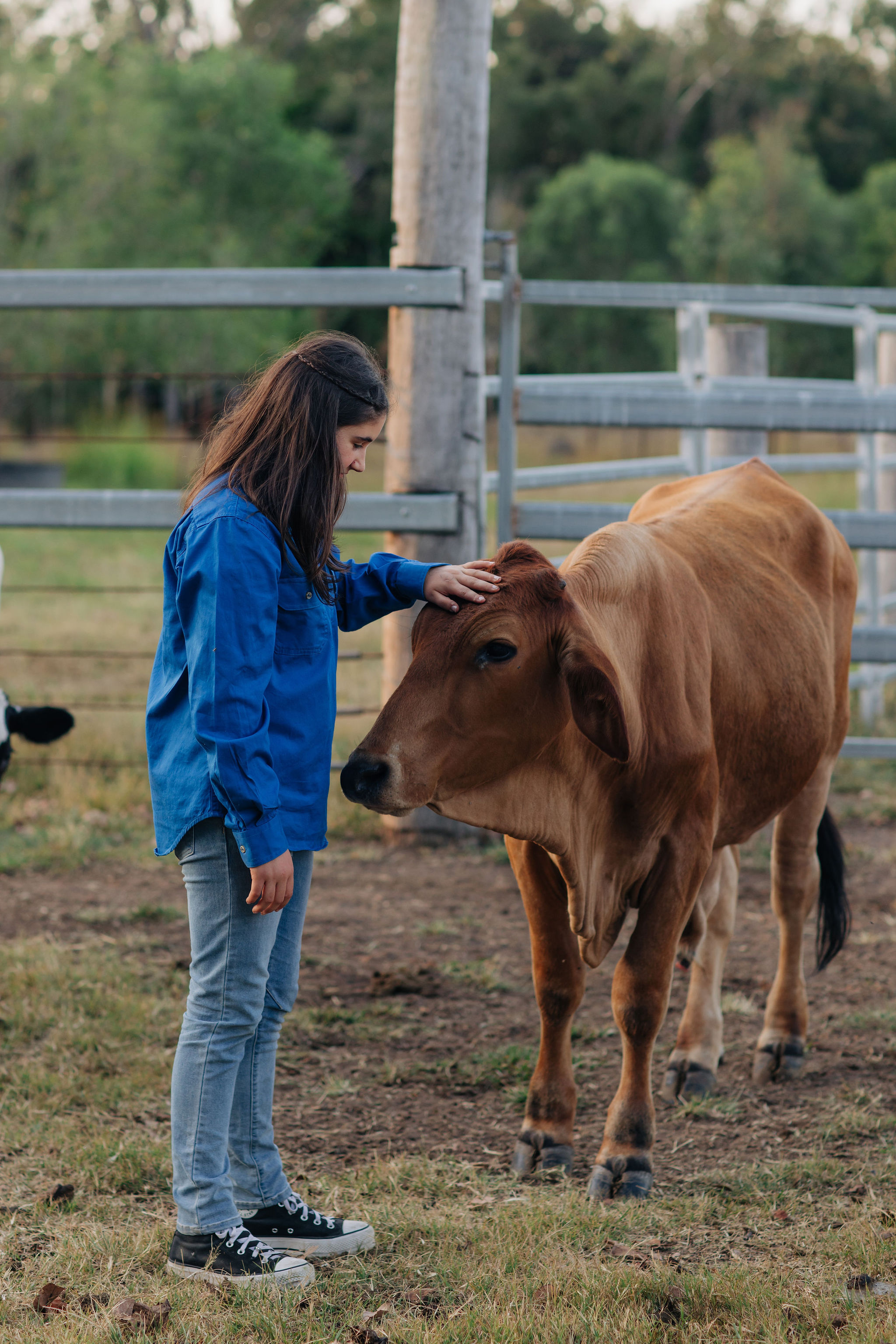
Natural environments work through a different neurological mechanism. Research into Attention Restoration Theory identifies natural settings as unusual in their capacity to engage what researchers describe as soft fascination, interest that holds attention without demanding it. A paddock in the early morning. The movement of cattle through a yard. The sound of a working dog responding to command. These hold a child's attention effortlessly, without the depletion that sustained screen engagement produces. The attentional system rests while remaining genuinely engaged, which is precisely the condition under which it recovers.
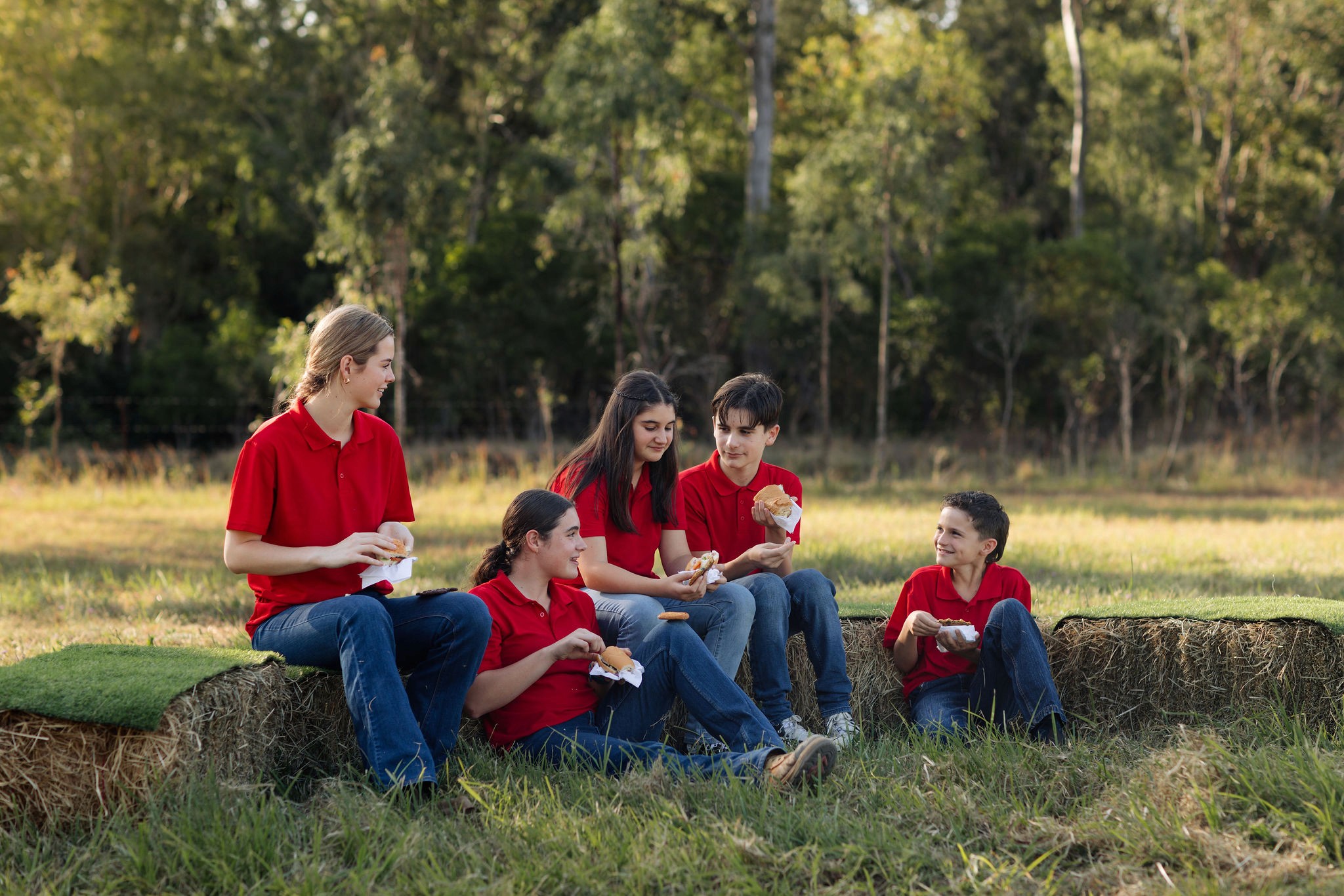
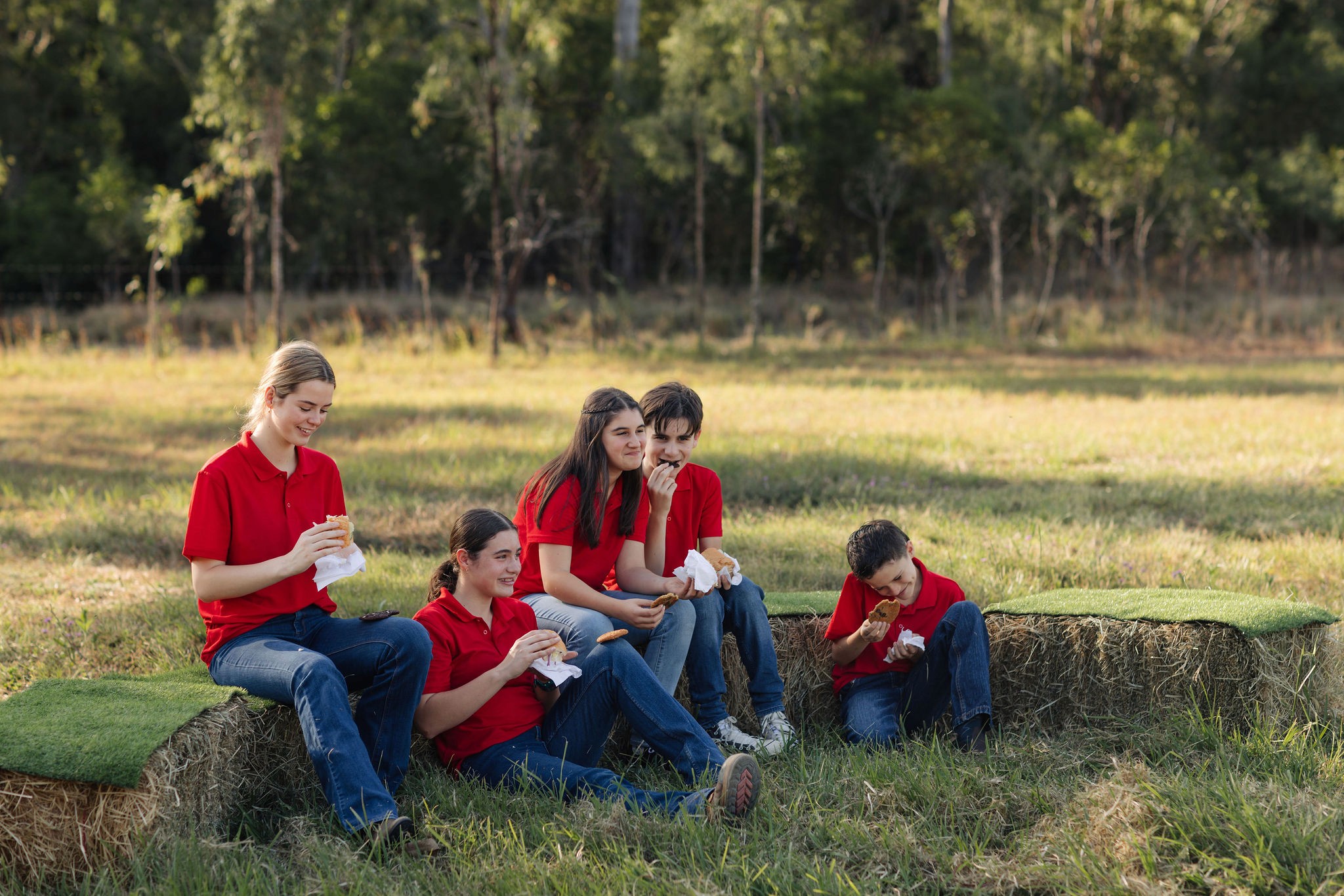
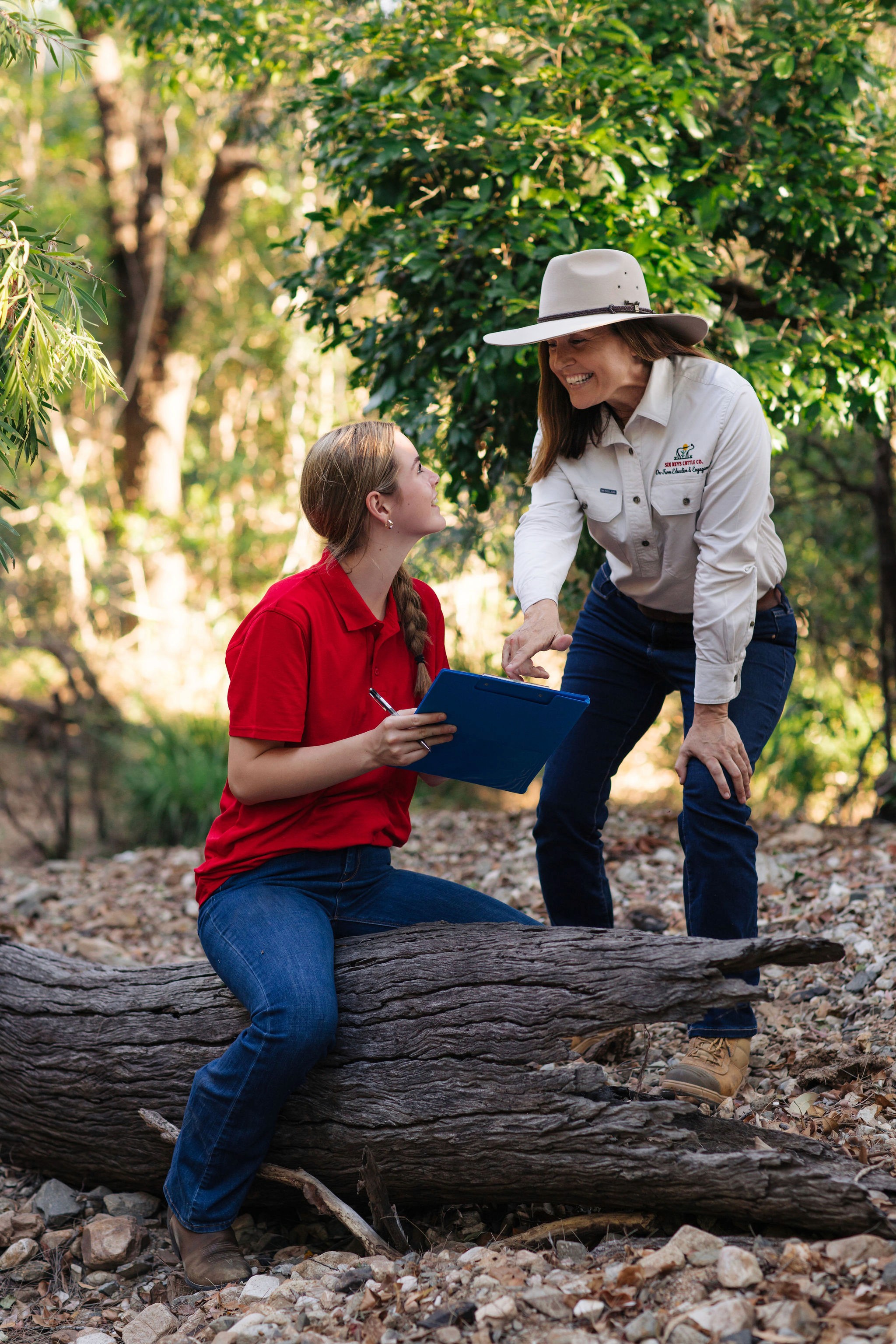
At Six Keys Cattle Co in Central Queensland, the farm environment produces this restoration throughout the day. Students who arrive carrying accumulated screen fatigue encounter a setting that asks nothing comparable to what depleted them. The sensory richness is genuine but unhurried. The input is varied and alive without being fragmented or engineered for dependency. There are no notifications, no reflexive pulls on attention. The environment holds interest because it is interesting, not because it has been designed to trap.
Research consistently links time in natural settings with measurable improvements in sustained attention, impulse control, and working memory, effects that are particularly pronounced in children with existing attention difficulties and that persist meaningfully after the outdoor exposure ends.
The farm doesn't simply offer a break from screens. It offers an environment where the neurological recovery that screen-heavy days prevent can actually take place. Students whose attention has been fragmented across weeks of high digital exposure need more than a rest. They need a setting that draws on attention differently and allows the depleted system genuine conditions to restore itself.
That's what the farm provides. And the difference tends to show up in how students focus when they return.