The assumption, when schools first consider farm visits for students with sensory processing differences, often runs in one direction. A working cattle property means smell, noise, unpredictable animals, unfamiliar textures, and open space without clear boundaries. The instinct can be to err toward caution, to wonder whether a farm might overwhelm rather than support.
The experience tends to run the other way.
What makes classroom environments difficult for sensory-sensitive students is rarely the volume of sensory input on its own. It's the compression and the absence of control. Fluorescent lighting, thirty bodies in close proximity, overlapping noise at unpredictable intervals, and almost no capacity to move away from any of it. The sensory load is dense, continuous, and largely inescapable.
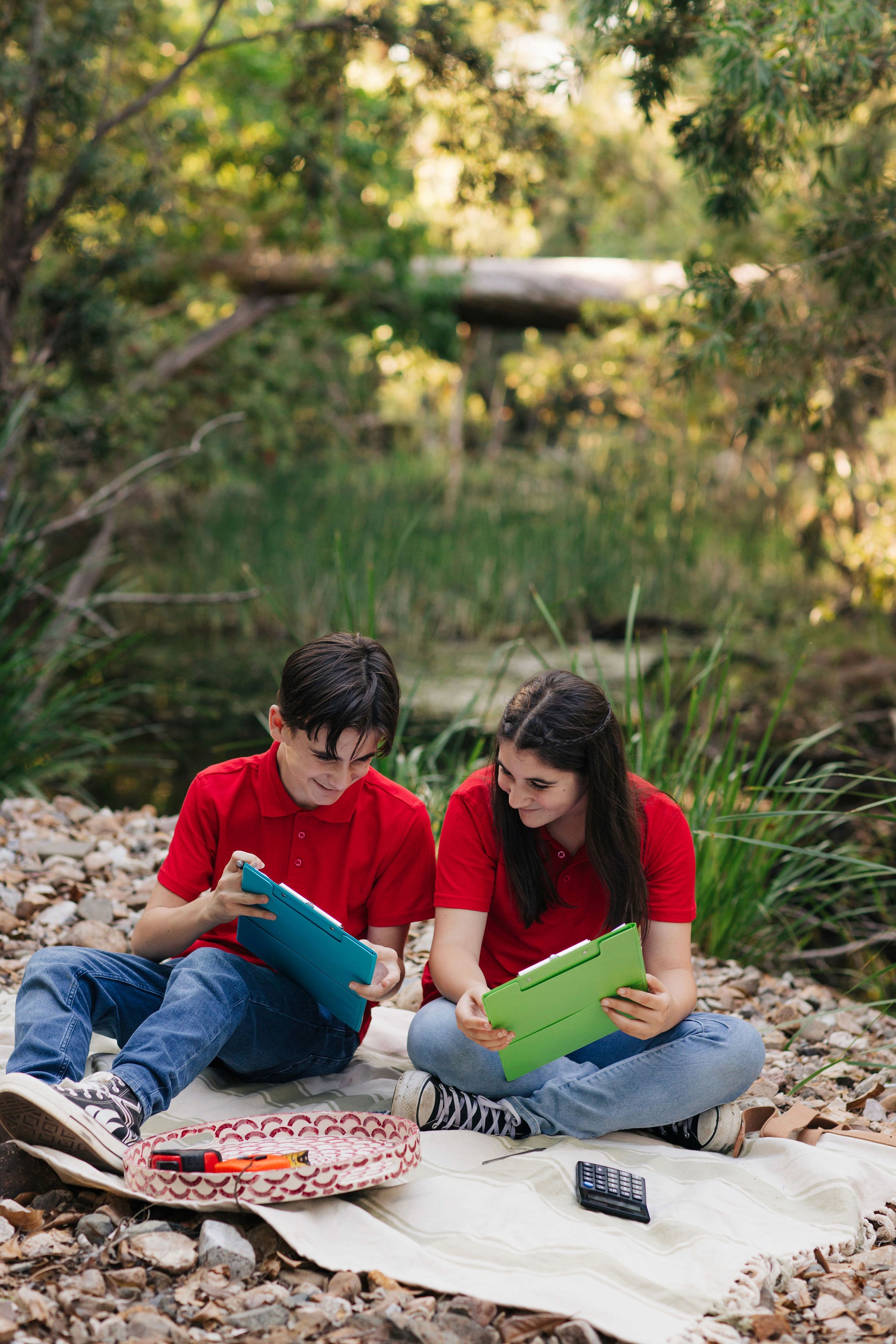
Farm environments are structured differently. The input on a working property is varied, but it's also distributed across space and time. There's room to step back from something intense and approach something else. Natural light rather than artificial. Movement built into the day rather than permitted as an exception. And a rhythm to the work that, once established, provides the kind of predictability that sensory-sensitive students often find genuinely grounding.
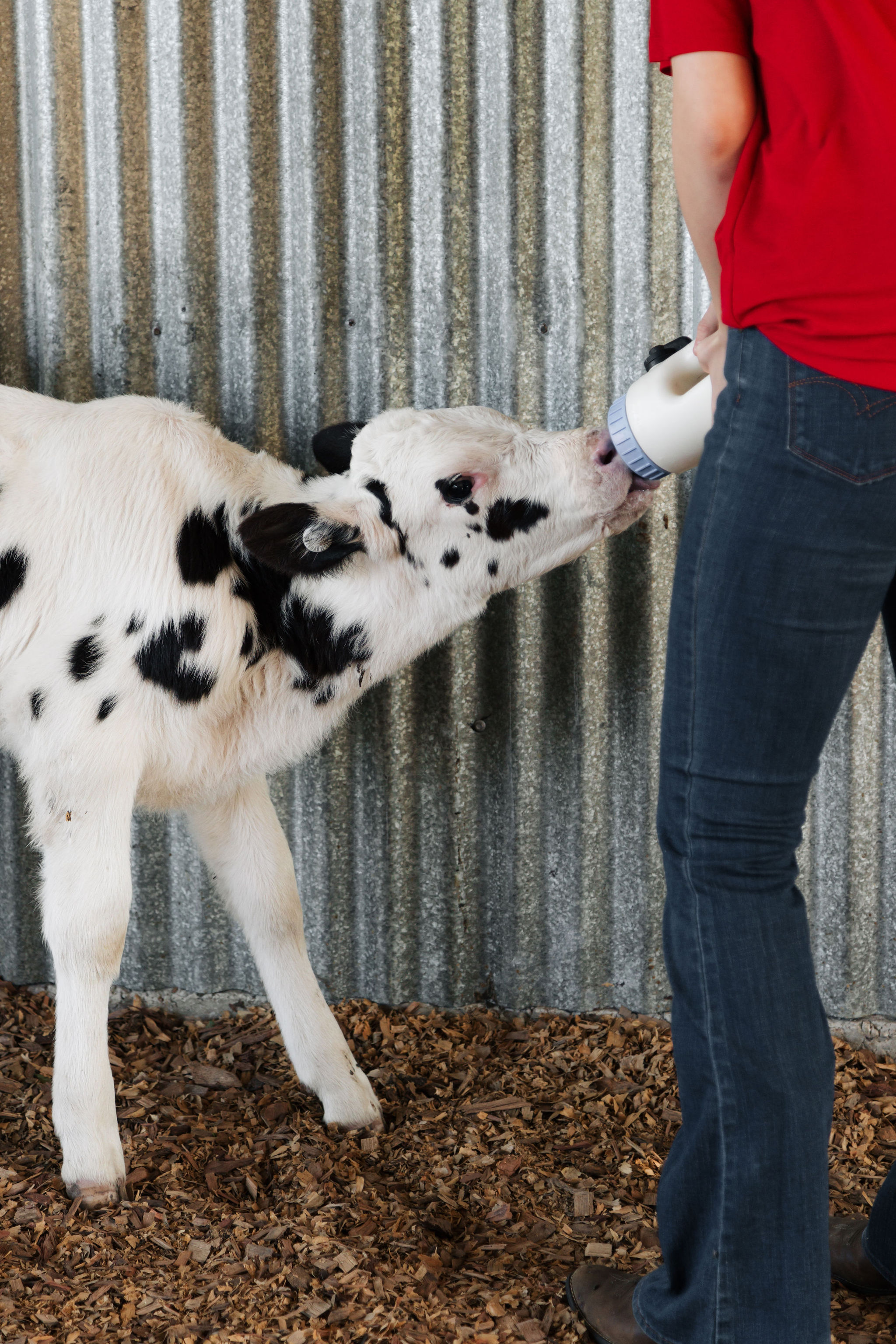
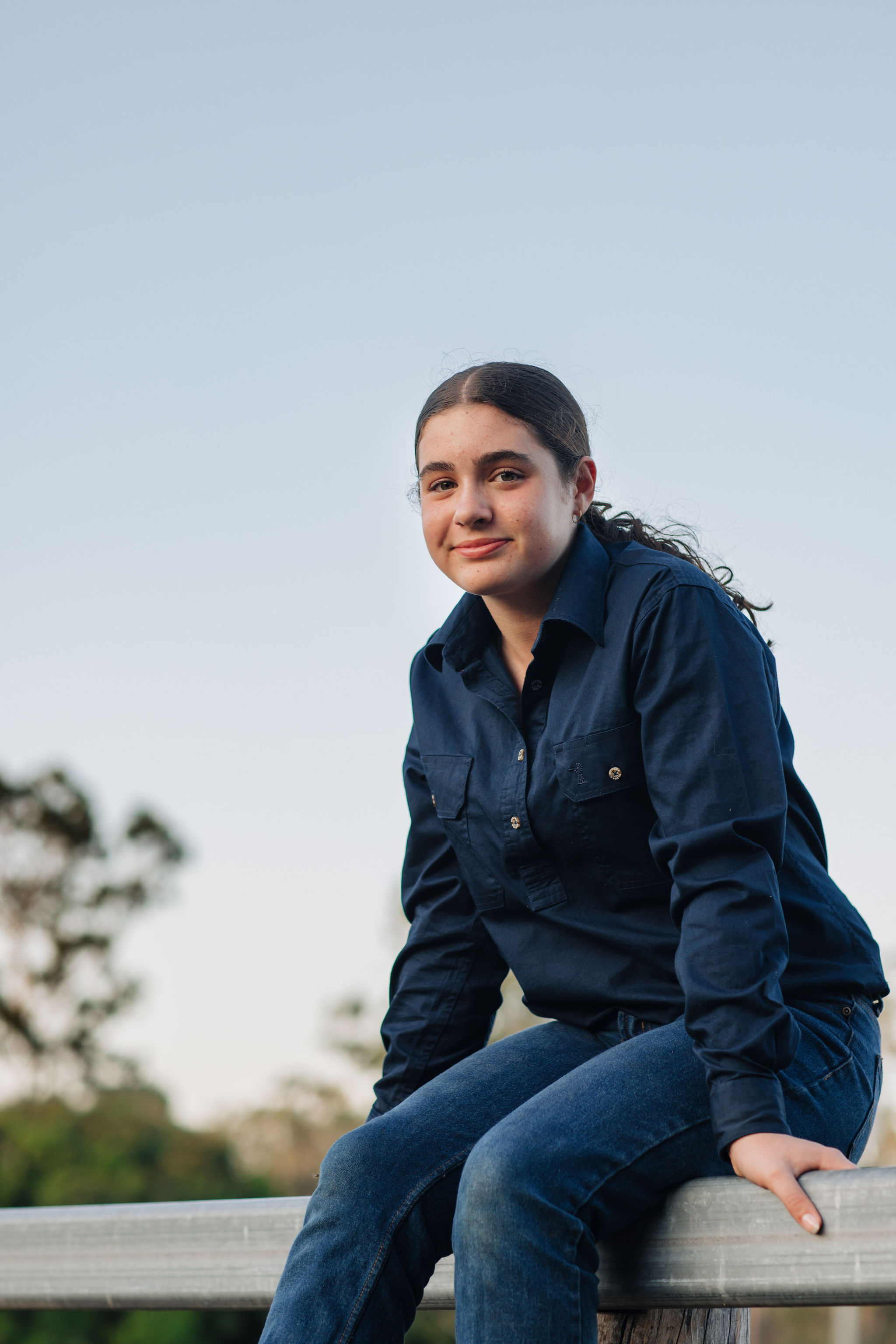
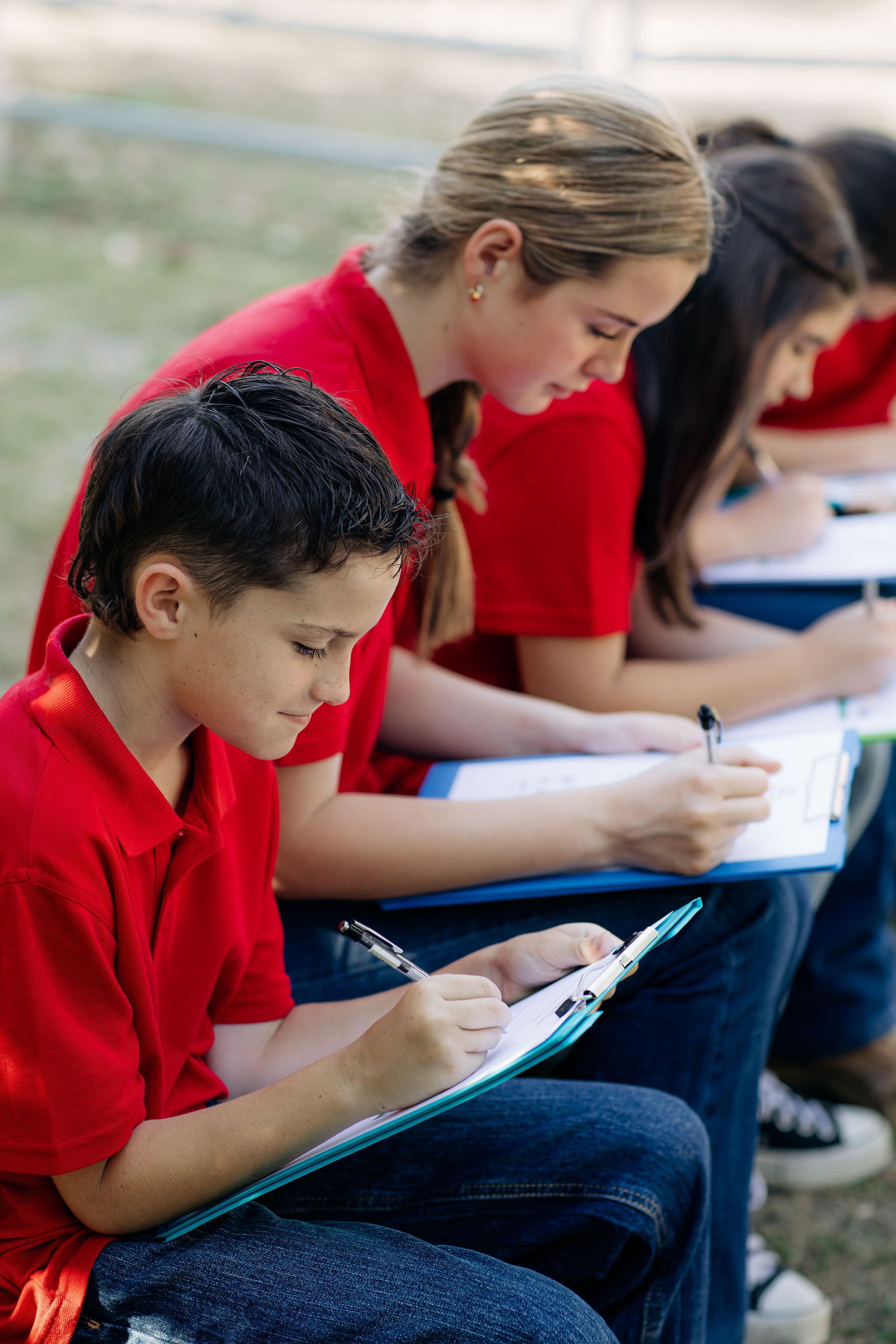
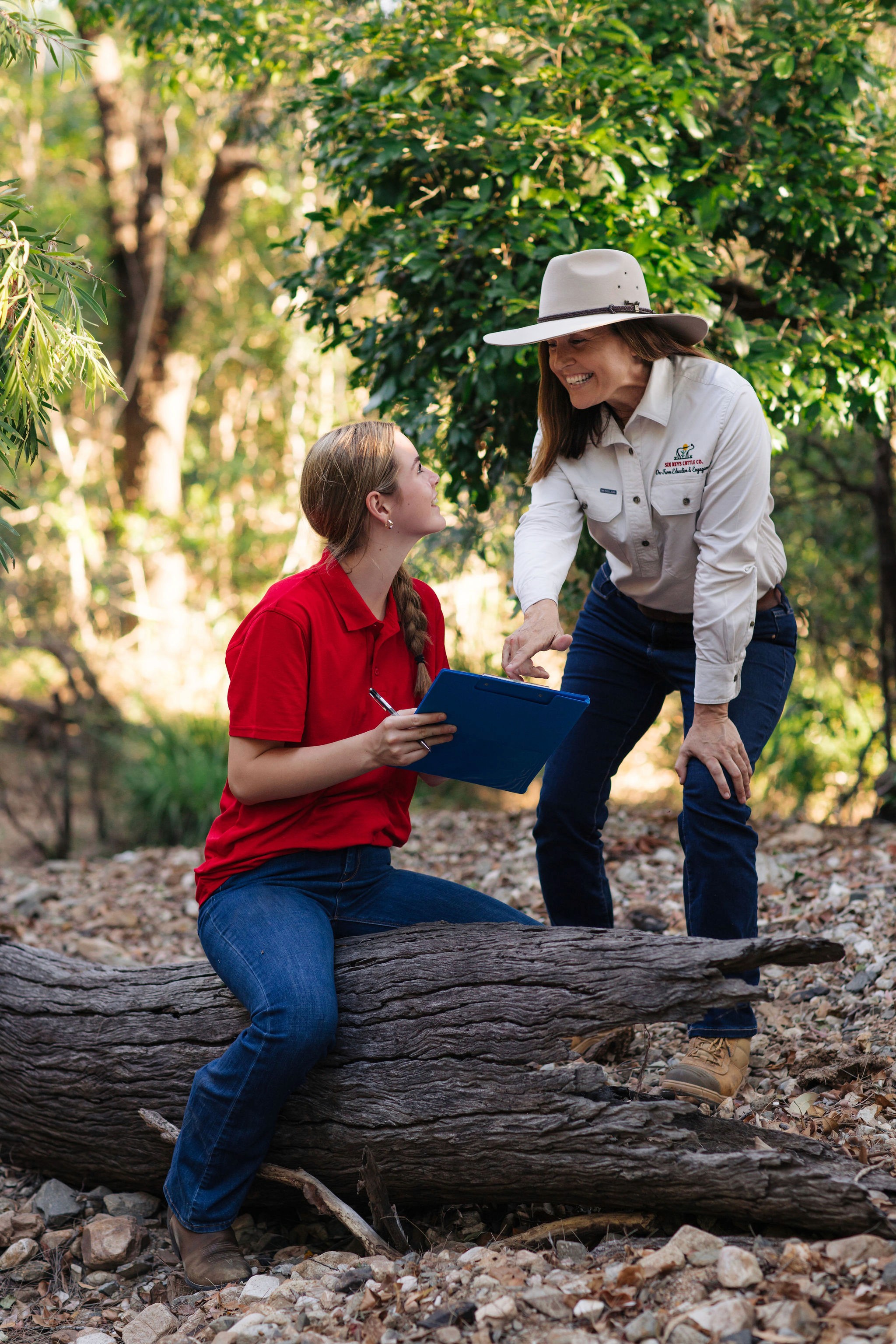
At Six Keys Cattle Co in Central Queensland, farm programs work well for students with sensory differences precisely because the environment doesn't demand uniform engagement from a fixed position. Students who need to observe before participating can do exactly that. Students who find certain textures or smells difficult can approach gradually and move closer at their own pace. The work offers graduated entry points rather than requiring full immersion from the moment of arrival.
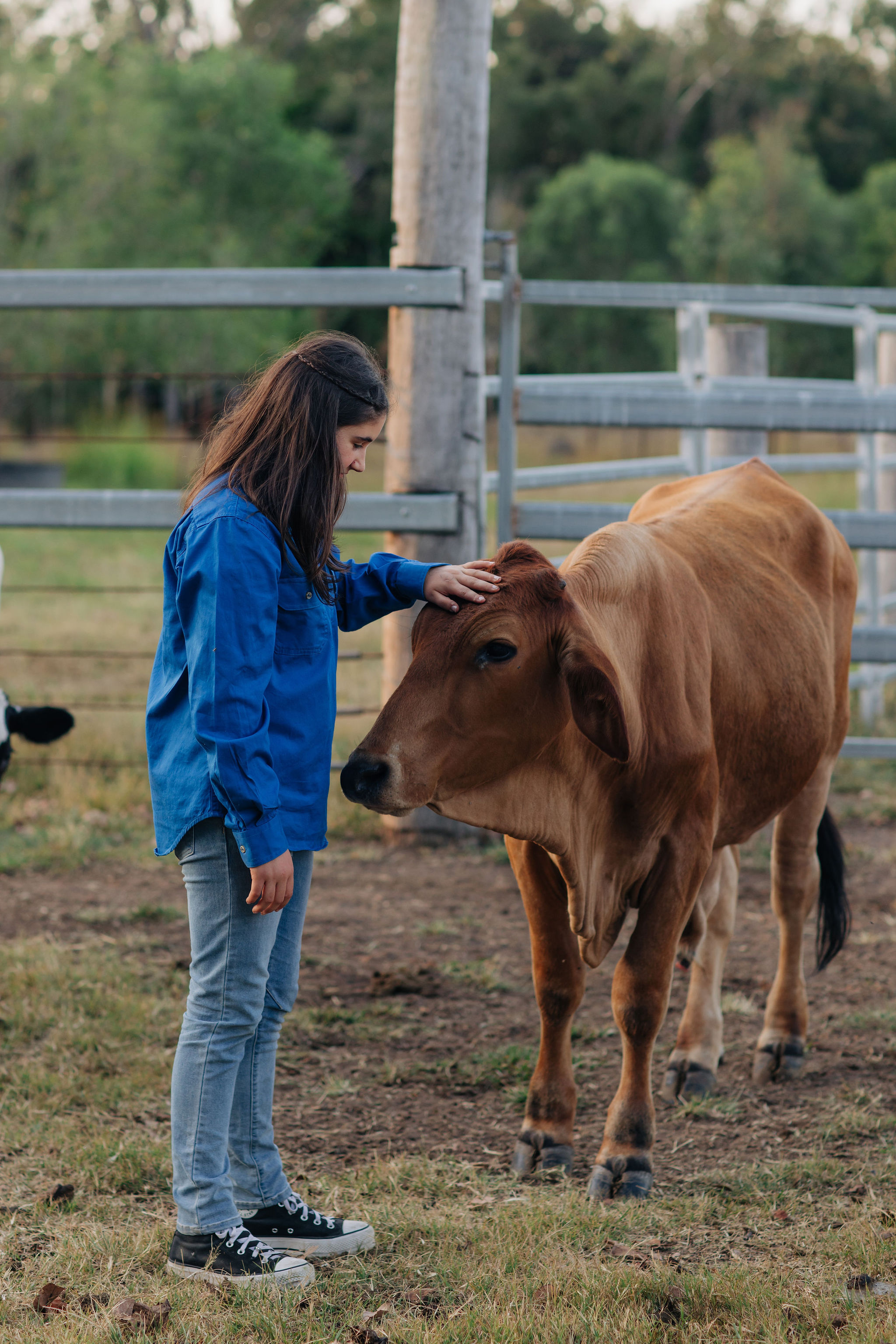
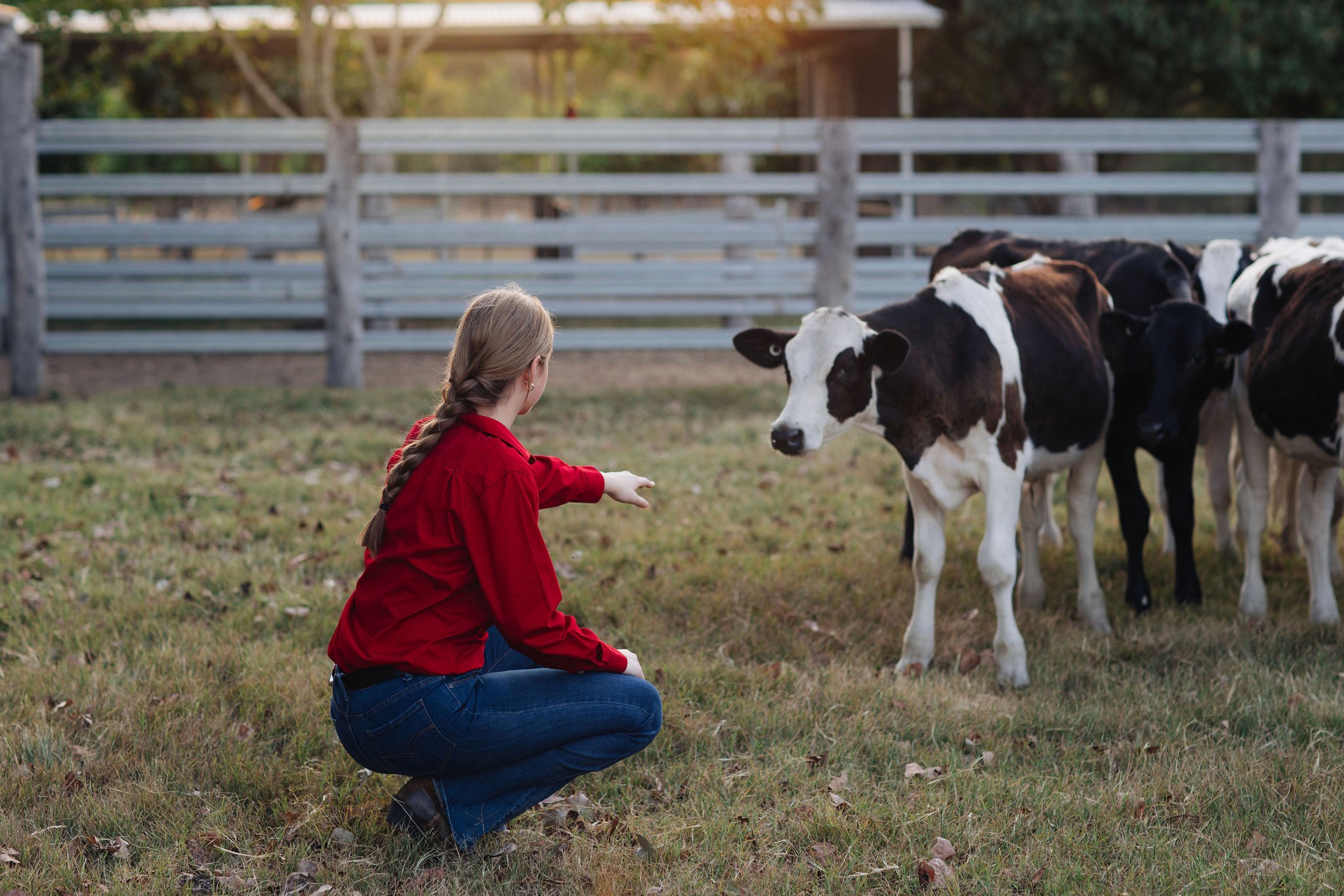
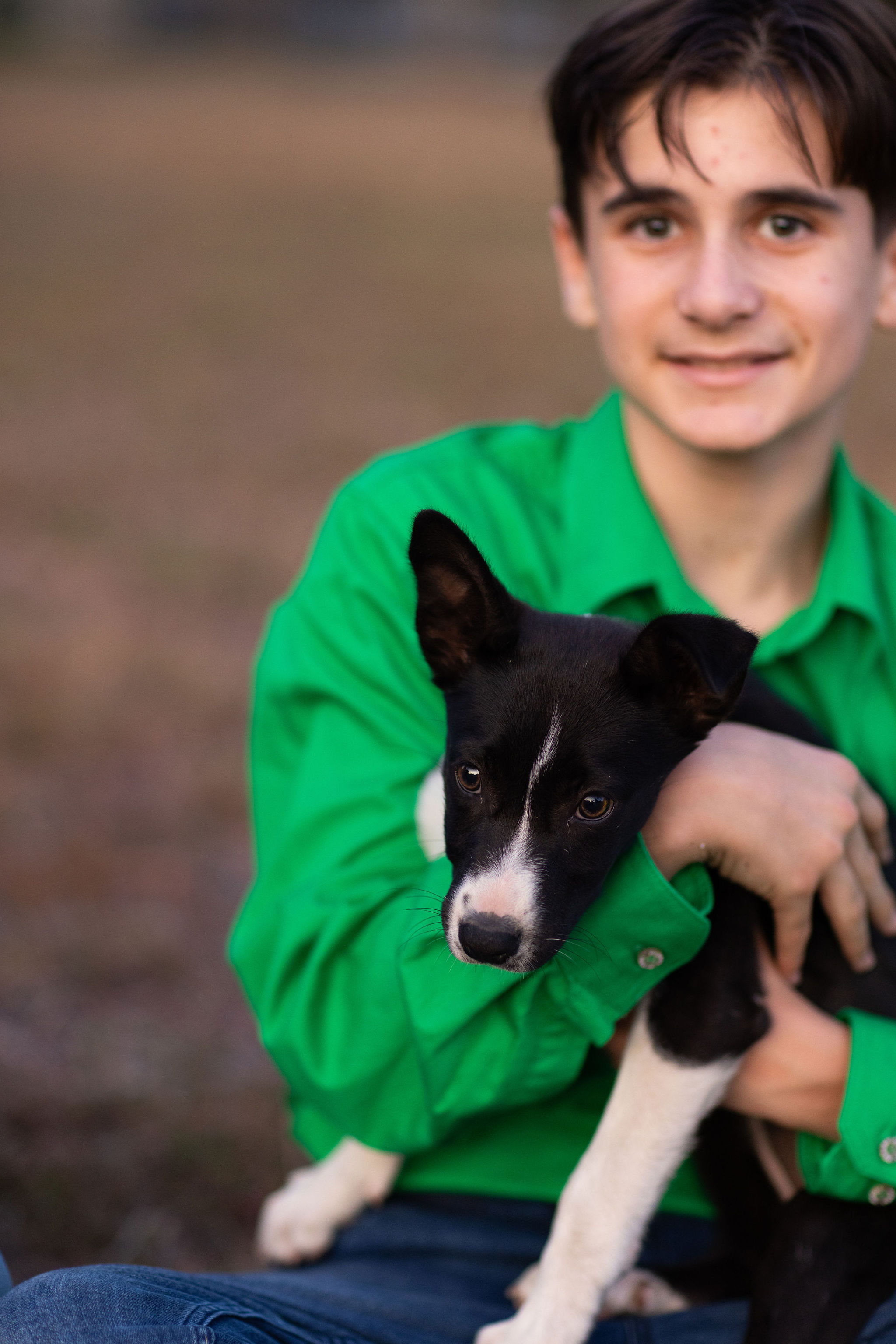
Animals, interacted with carefully and at appropriate distance, offer a particular quality of sensory input that many students with sensory differences respond to well. The rhythm of an animal's movement, the focus required to approach livestock calmly, and the tactile experience of appropriate contact can ground students who find the compressed sensory environment of a classroom difficult to sustain across a full day.
Research into outdoor and nature-based learning for students with sensory processing differences points consistently in the same direction. Natural environments tend to reduce sensory overwhelm rather than amplify it, partly because the input is organic and distributed rather than dense and artificial, and partly because outdoor spaces offer genuine capacity to regulate exposure rather than simply endure it.
A well-designed farm program doesn't eliminate challenge for sensory-sensitive students. It structures the experience in a way that allows genuine participation without demanding constant tolerance of difficulty.
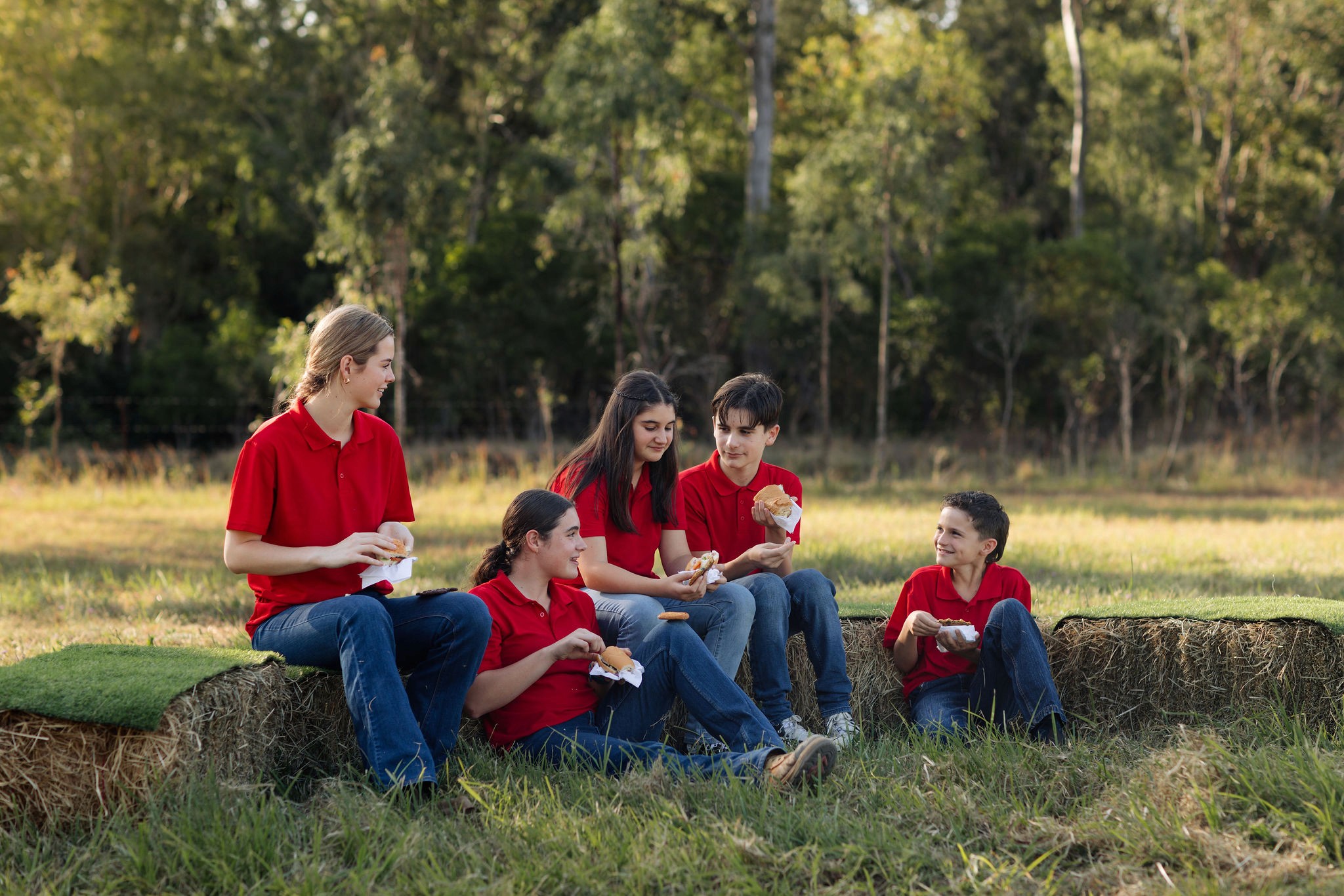
The farm doesn't require everyone to engage in the same way at the same time. For many students, that's exactly the opening they've been waiting for.