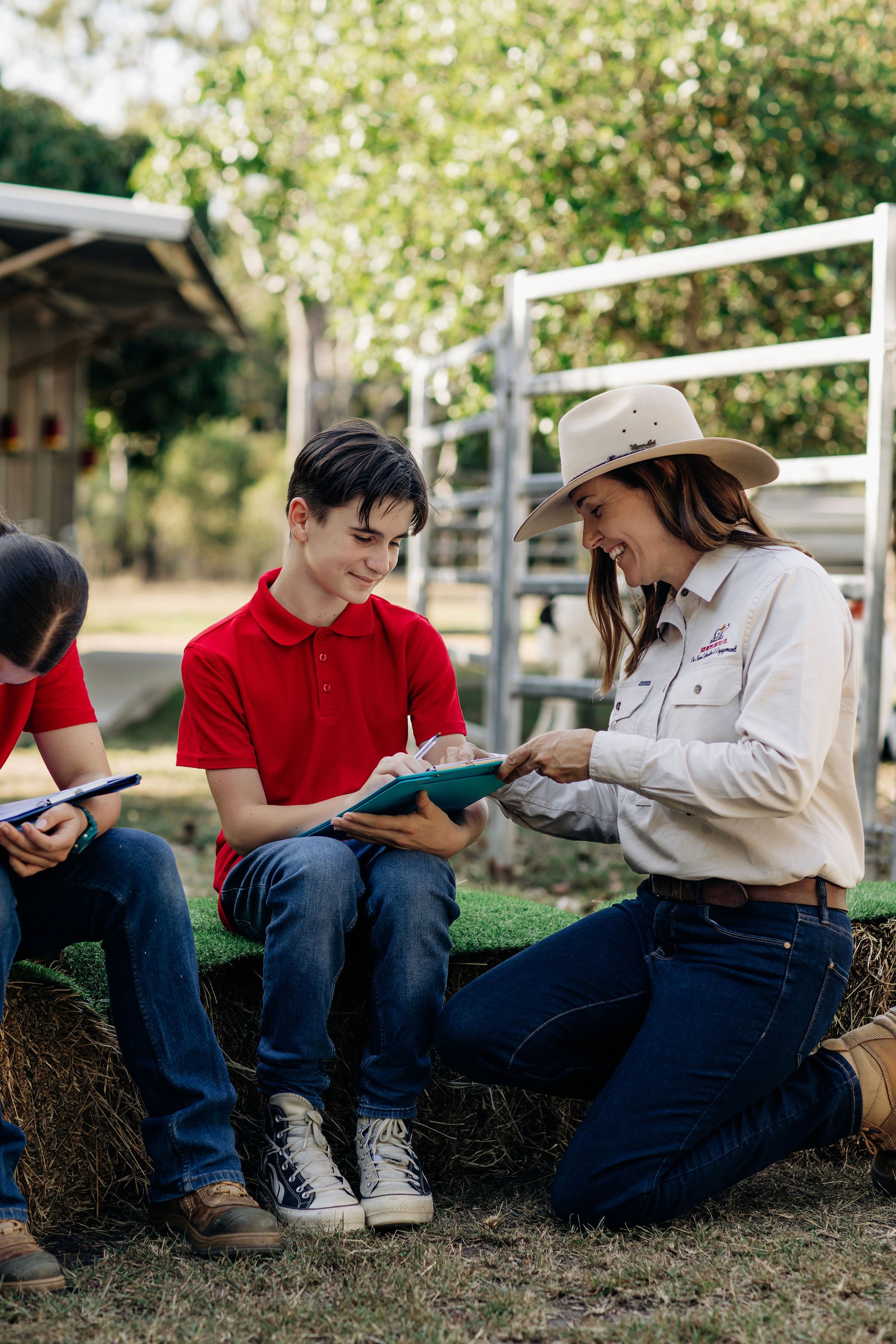
Design and Technologies is one of the harder learning areas to make feel genuinely relevant in a primary classroom. The design briefs can feel constructed. The problems are often hypothetical. Students are asked to think through systems and processes for challenges that don't quite connect to anything they've actually encountered.
A working cattle property offers something the classroom rarely can: technology as it actually exists, built to solve real problems, functioning right in front of them.
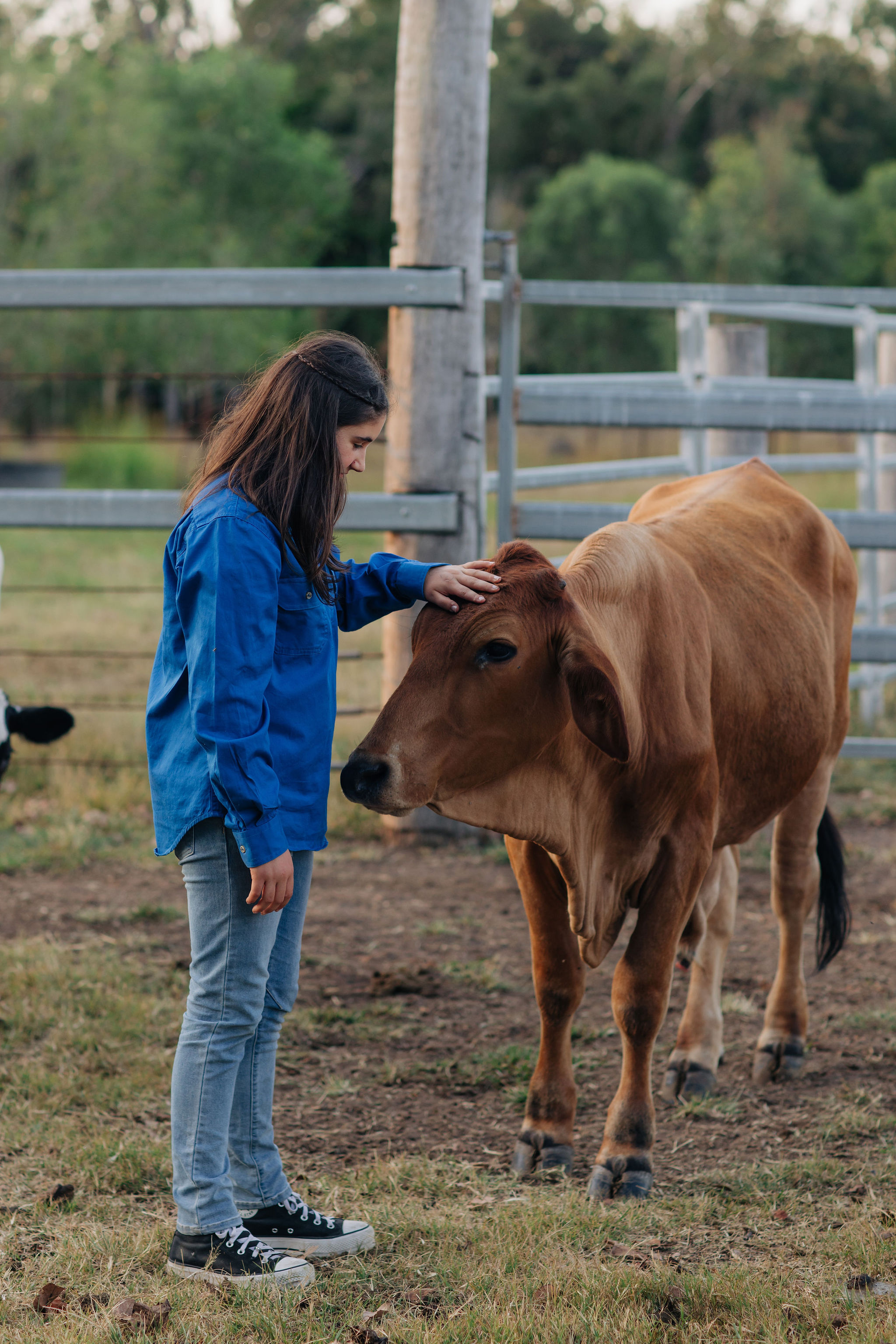
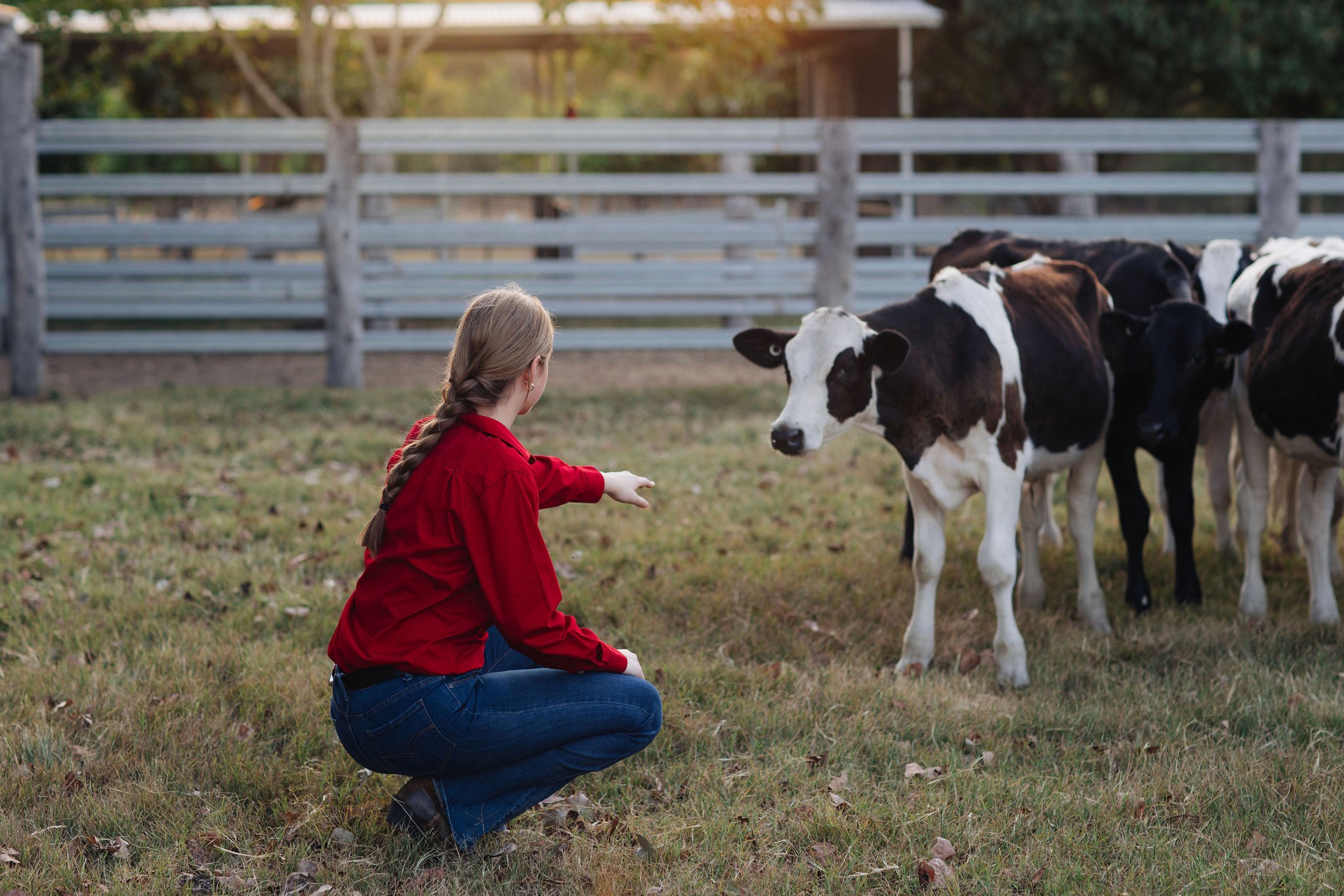
Every visible element of a working farm represents a decision about how to solve a practical challenge within real constraints. Fencing is perhaps the most immediately legible of these. Students who observe how yards and paddocks are laid out can see systems thinking applied to a physical problem: how to manage animal movement predictably and safely, how to separate animals by age, condition, or purpose, how to create a flow that minimises stress and maximises efficiency. The design logic is visible and traceable. It wasn't placed arbitrarily. It was worked out to solve specific operational requirements.
Water infrastructure operates as a system of connected decisions: source, storage, distribution, maintenance, and contingency. At Six Keys Cattle Co in Central Queensland, students can observe how water moves across a property, how access points are positioned relative to animal movement patterns, and what happens when one element of the system fails. The interdependence of components, a central concept in the Australian Curriculum Version 9 Technologies strand, is directly observable rather than hypothetically described.
Broader farm infrastructure, from yards to loading facilities to handling equipment, reveals engineering reasoning built around animal behaviour, human safety, and operational efficiency. These aren't industrial installations separate from daily life. They're solutions to problems that recur every single day, refined through observation and experience over time.
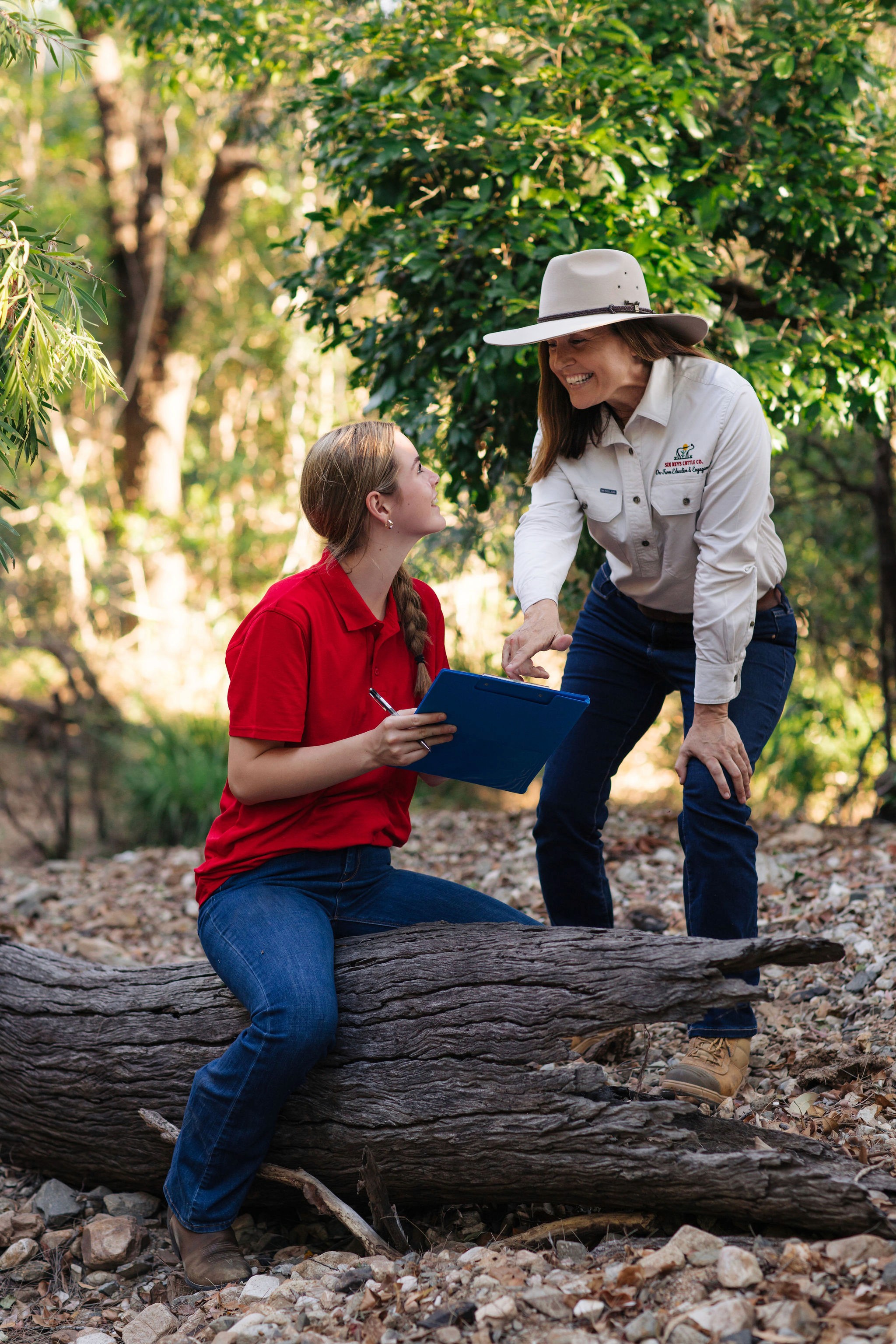
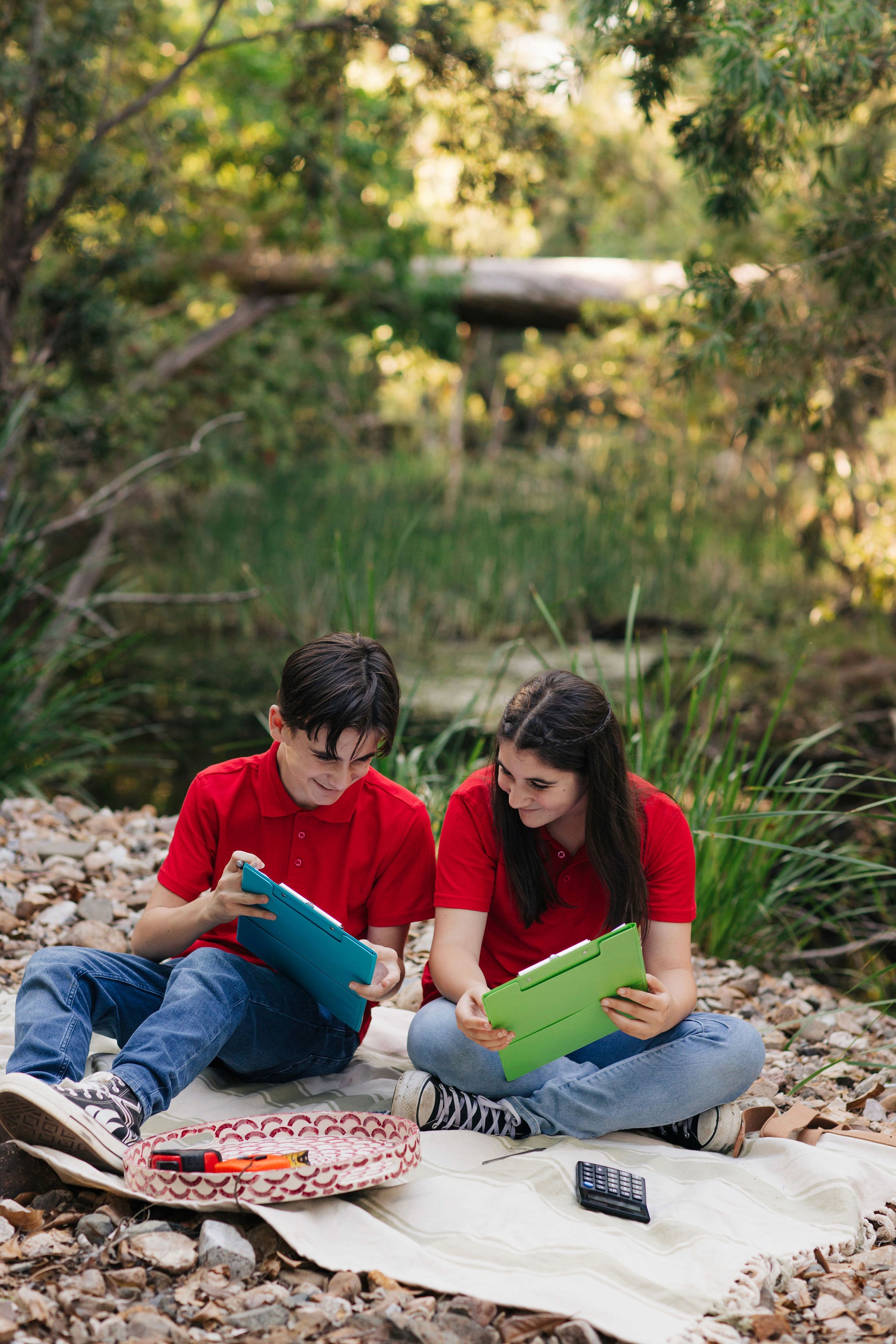
The Technologies curriculum frames student learning around design thinking, systems understanding, and problem-solving processes. Farm environments make that framework concrete. Students working through why a gate is positioned where it is, or how a water trough is supplied from a tank at higher elevation, are engaging in exactly the kind of systems analysis the curriculum is asking for, using real examples with real purposes.
The transferable skill here is the habit of seeing designed systems rather than just objects. Students who learn to look at a fence and ask what problem it was designed to solve, what constraints shaped the design, and how the whole system depends on its components working together, carry that thinking well beyond agricultural contexts.
Systems thinking starts with asking why something is built the way it is. A working farm answers that question at every turn.