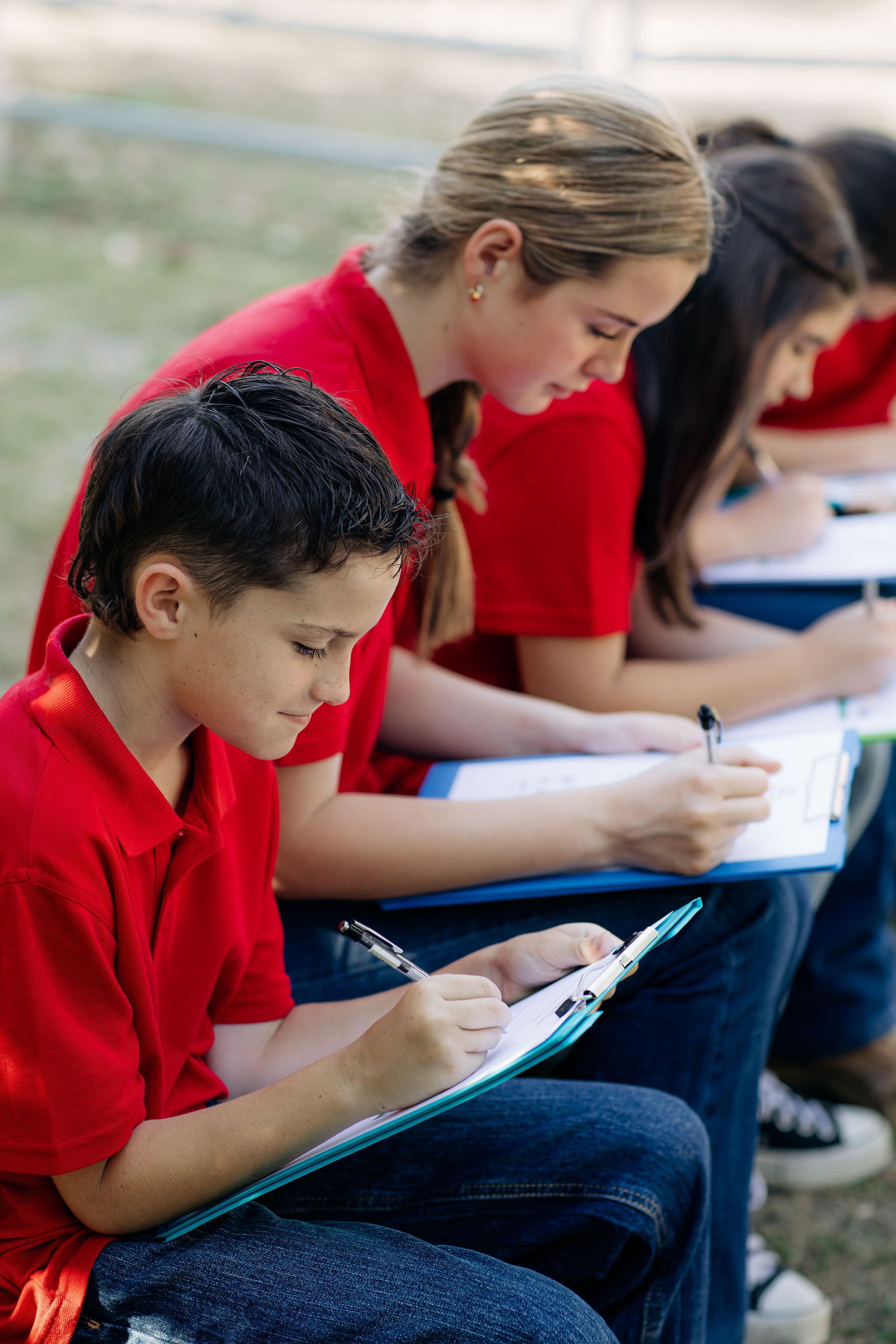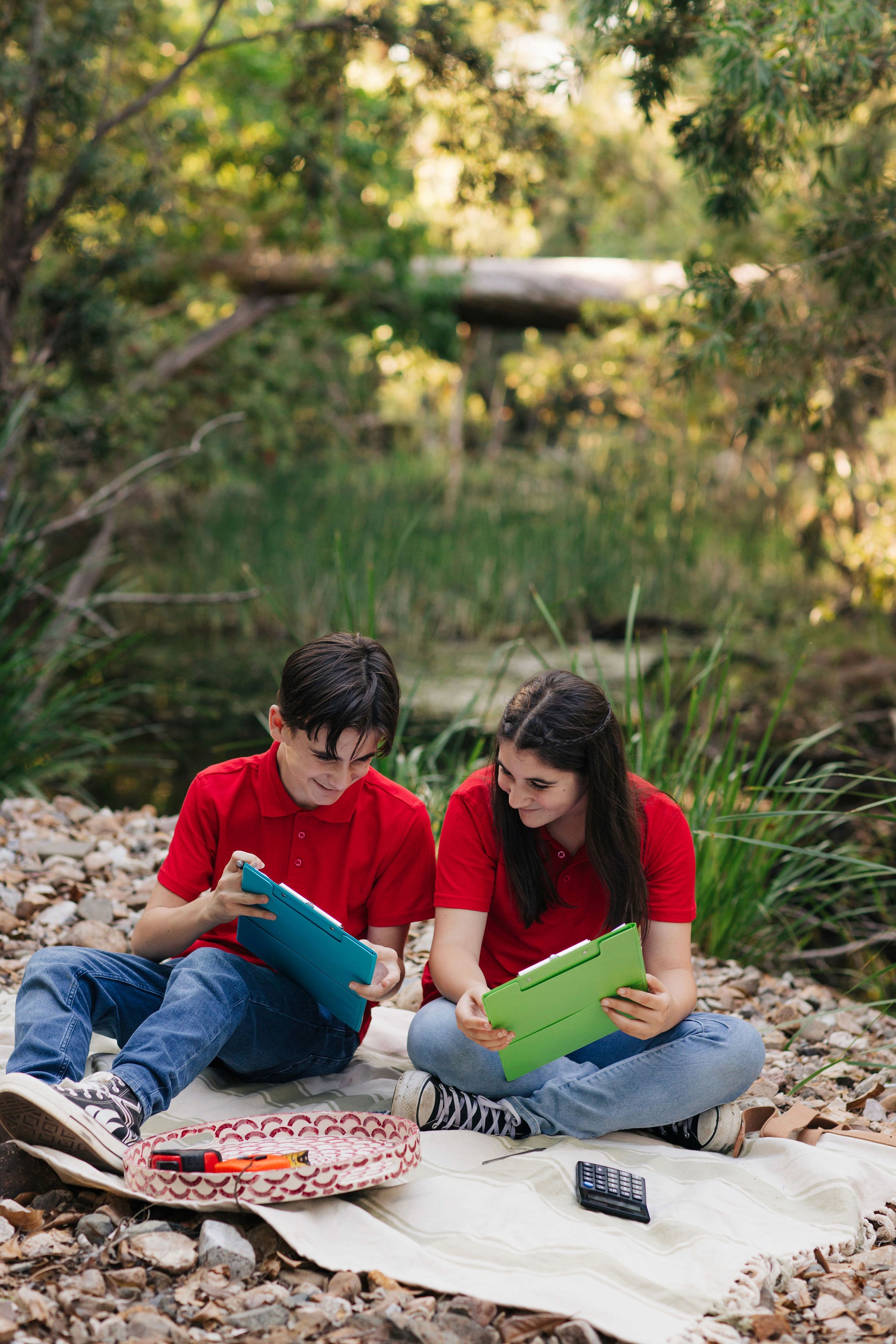
Something has been shifting quietly in Australian primary schools over the past decade. Not a revolution, not a curriculum overhaul, but a growing recognition among educators that learning confined to four walls is leaving too many students behind.
The gap shows up in different ways. Chronic disengagement in students who seem otherwise capable. Behaviour challenges that surface during structured, seated work and dissolve in practical settings. Students who can discuss a concept clearly in conversation but can't transfer it to a page. These aren't new problems, but schools are becoming more deliberate about addressing them, and farm-based education is increasingly part of that response.
The appeal isn't sentimental. It's practical.
Classroom learning asks a great deal of children: sustained attention, abstract reasoning, the ability to find meaning in content removed from any immediate context. For many students, that works. For a significant and growing number, it doesn't, and the evidence is visible in classroom behaviour, assessment results, and the widening group of students who leave primary school without having genuinely connected with learning at all.
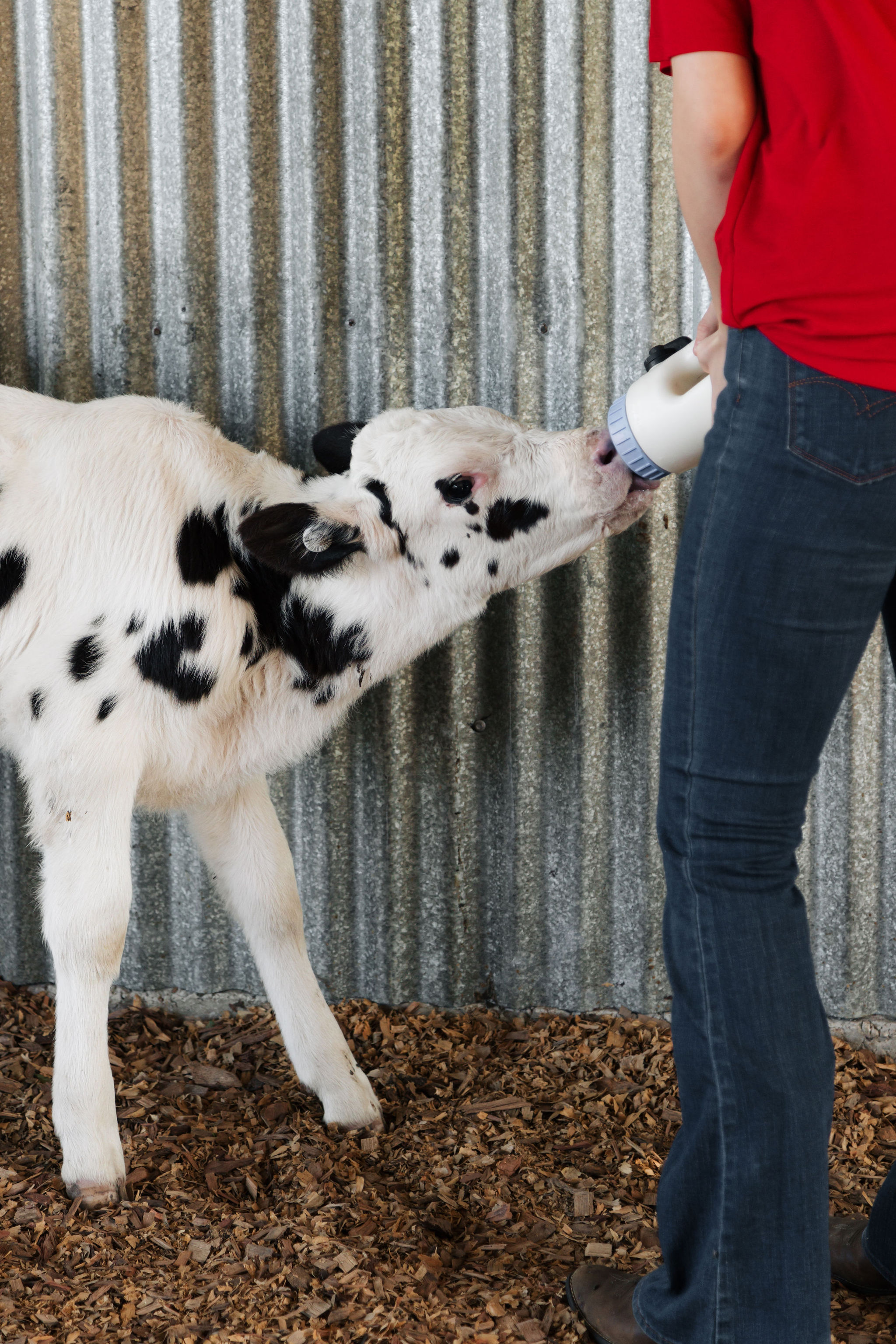
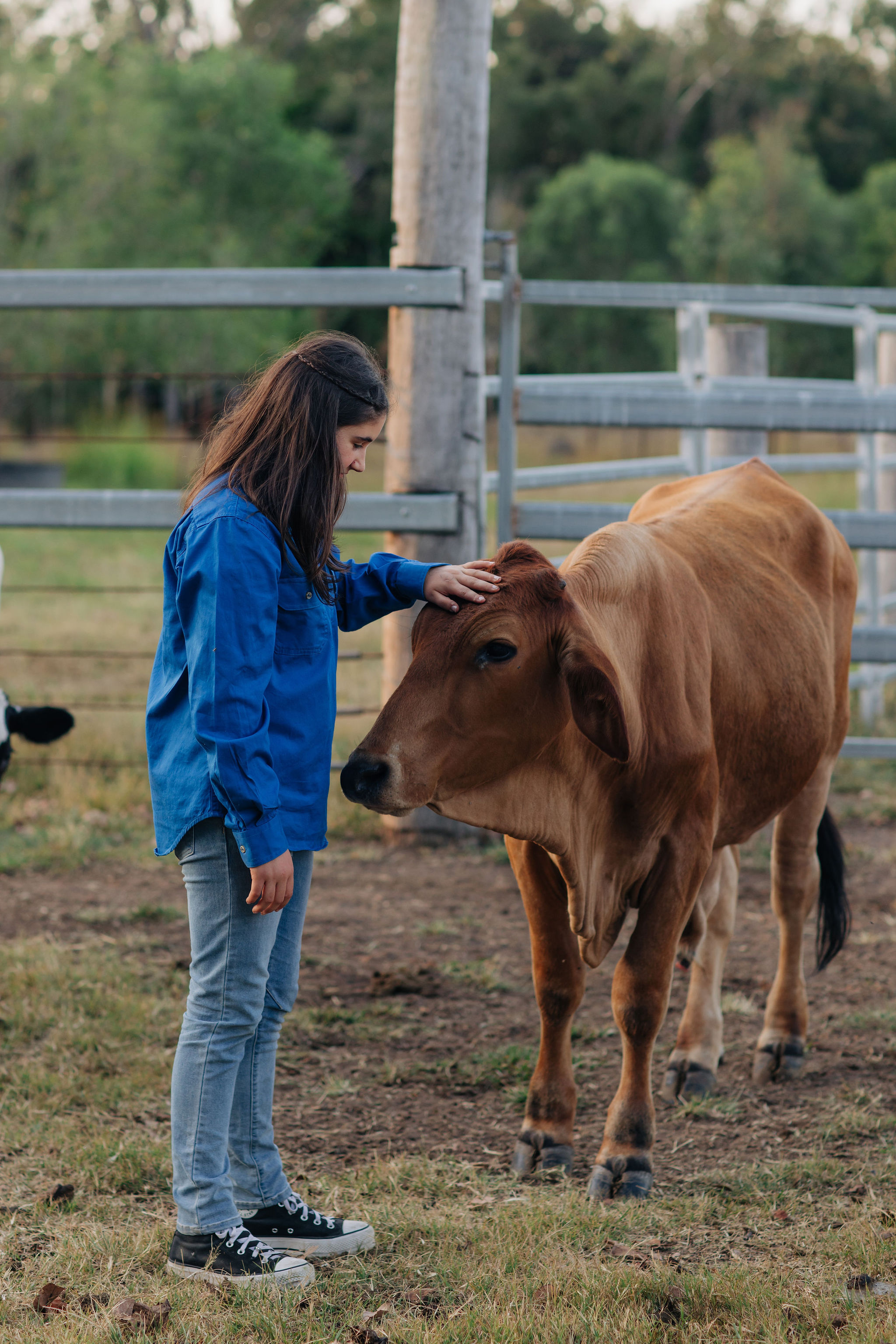
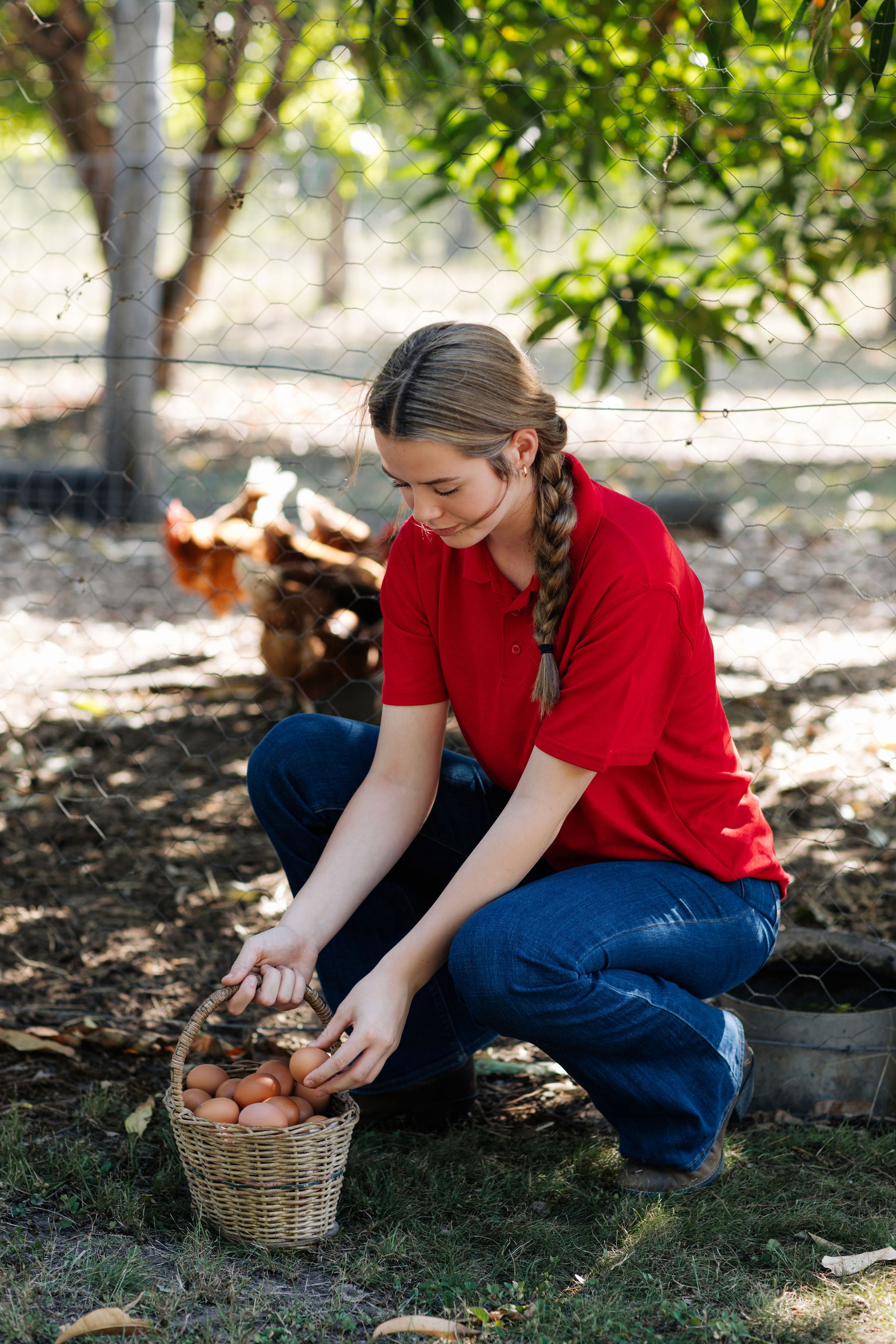
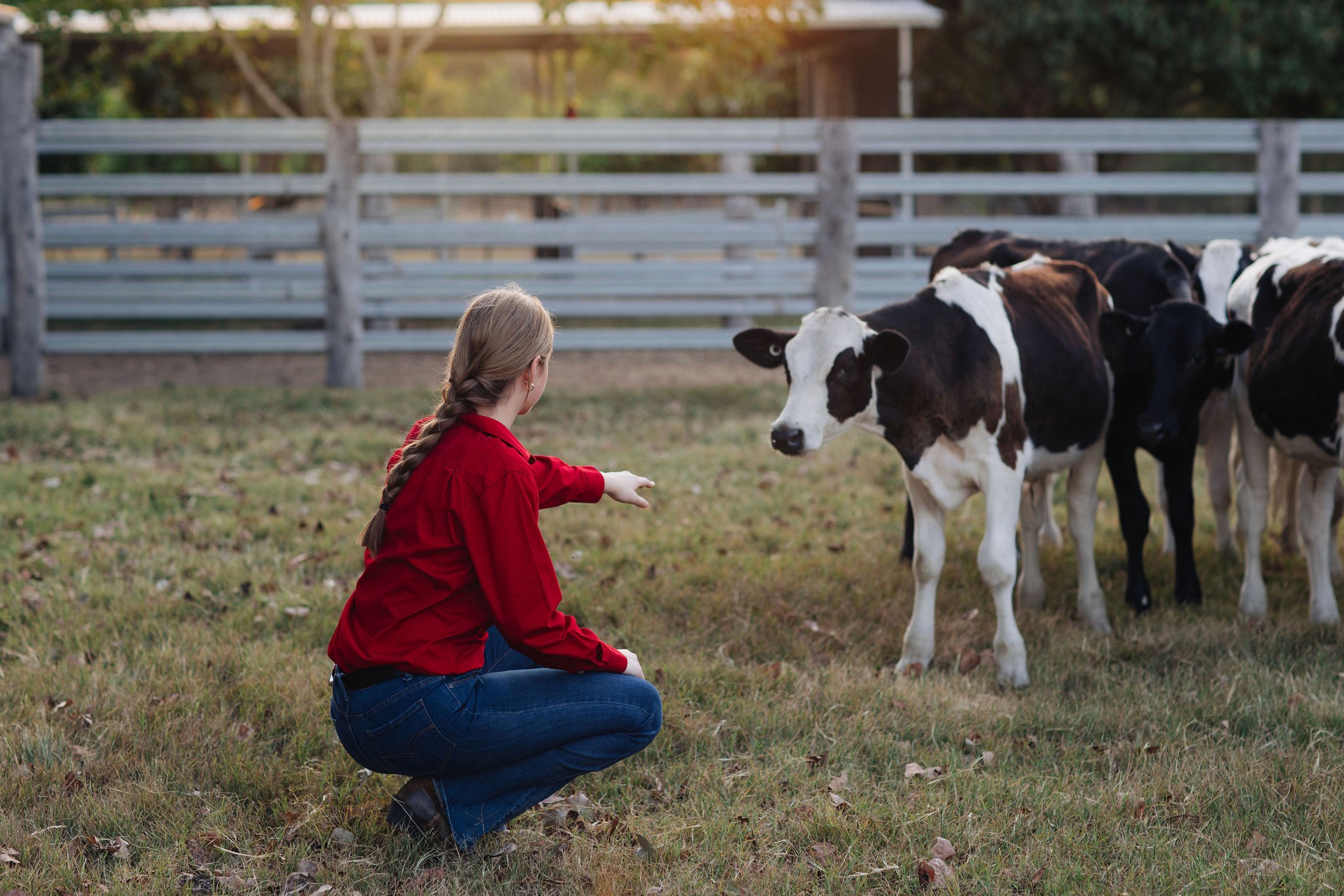
Farm-based programs offer something different because farms are structured around reality rather than representation. Animals, land, weather, and work don't approximate the subject matter of a lesson. They are the subject matter. Students exploring livestock management are doing biology and ethics at once. Students working through how a property manages water are doing geography and systems thinking in a context that makes both feel urgent and worth understanding.
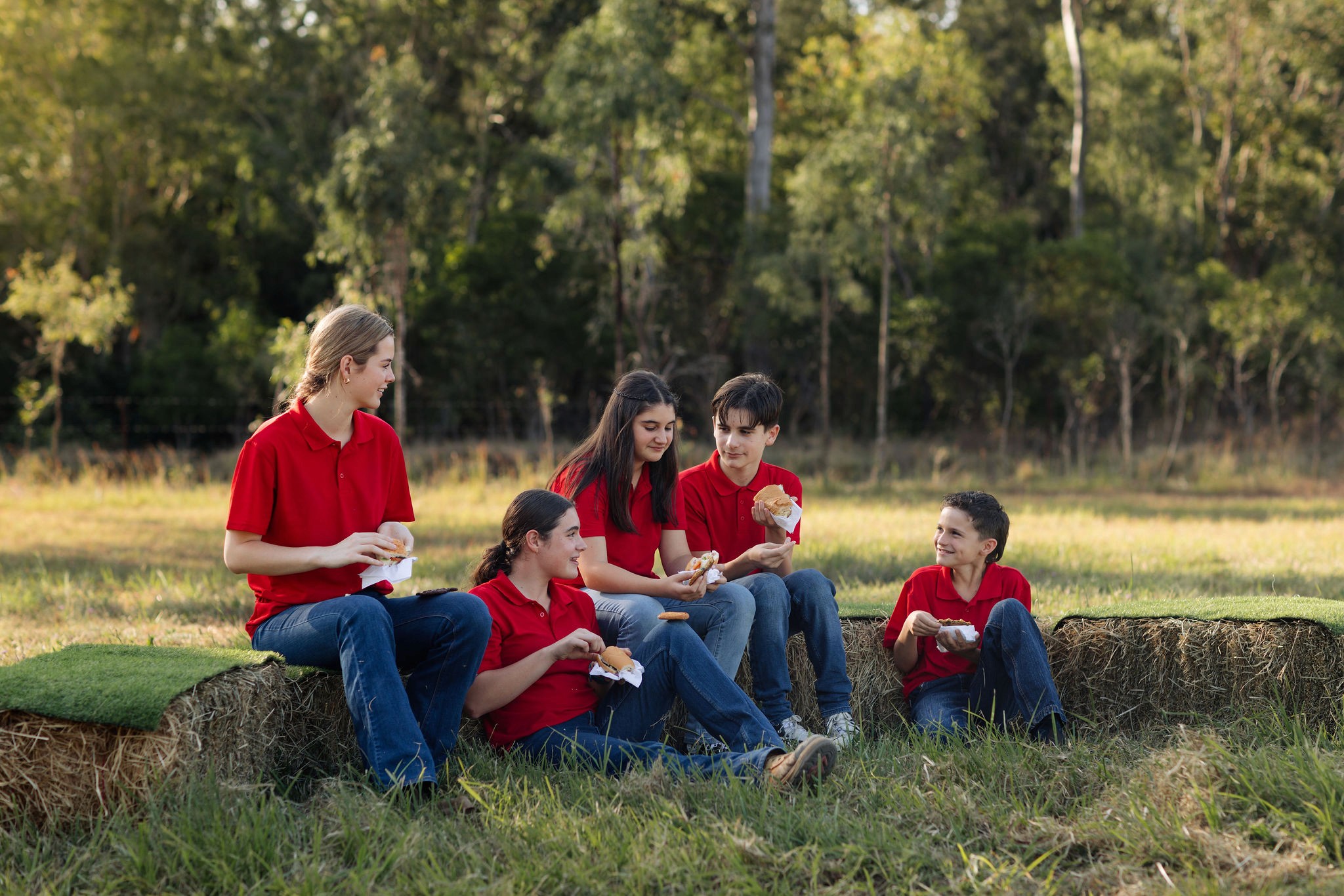
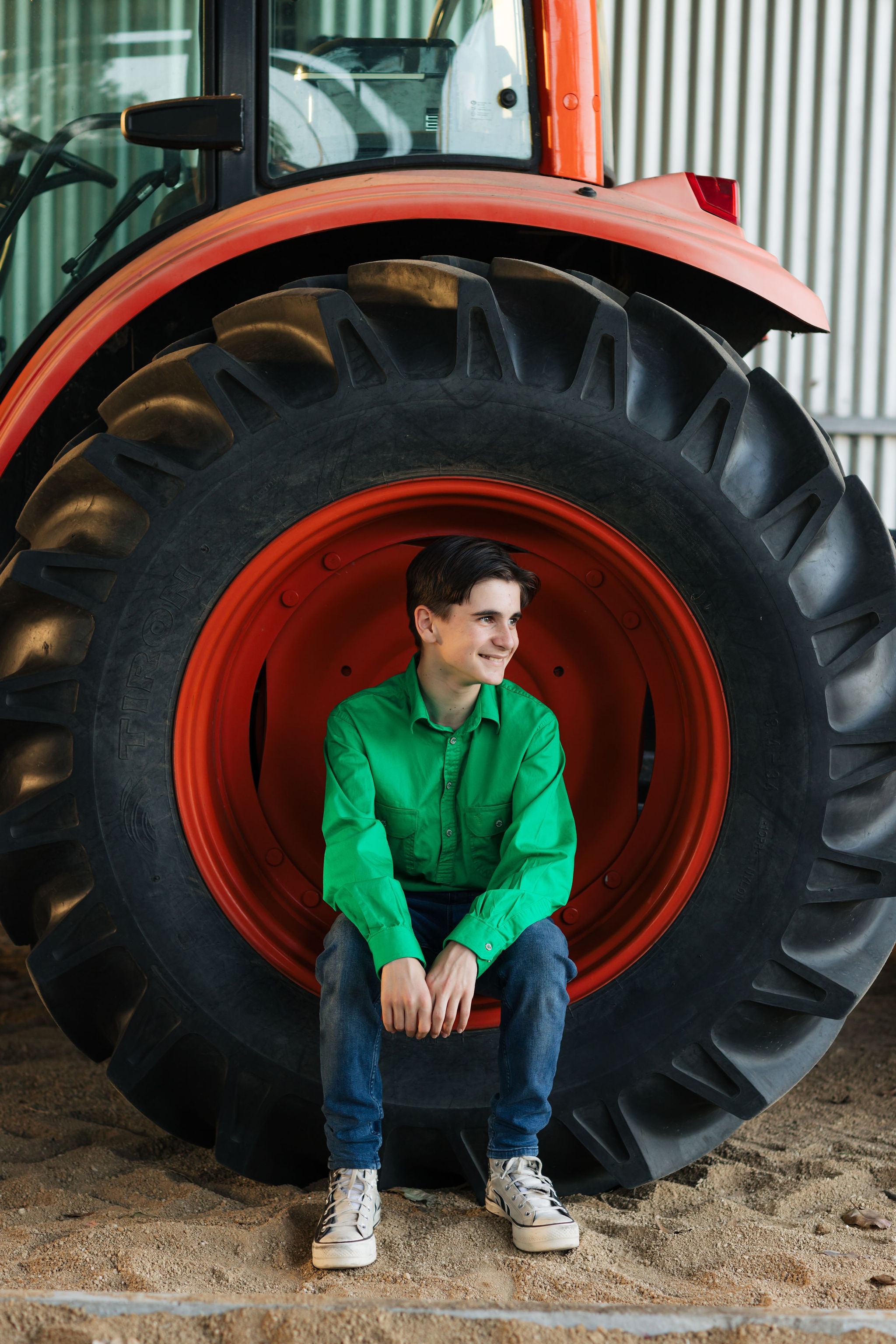
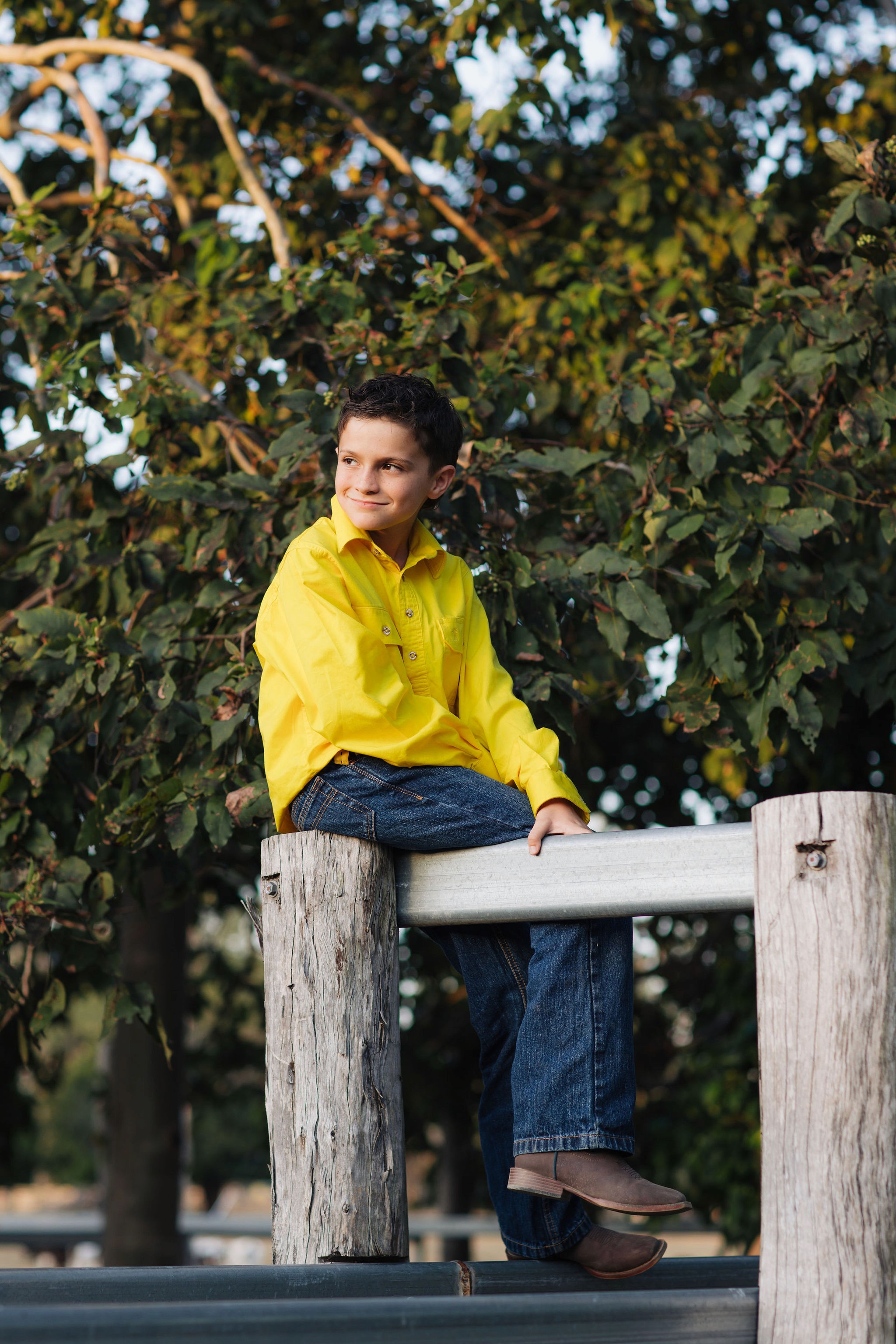
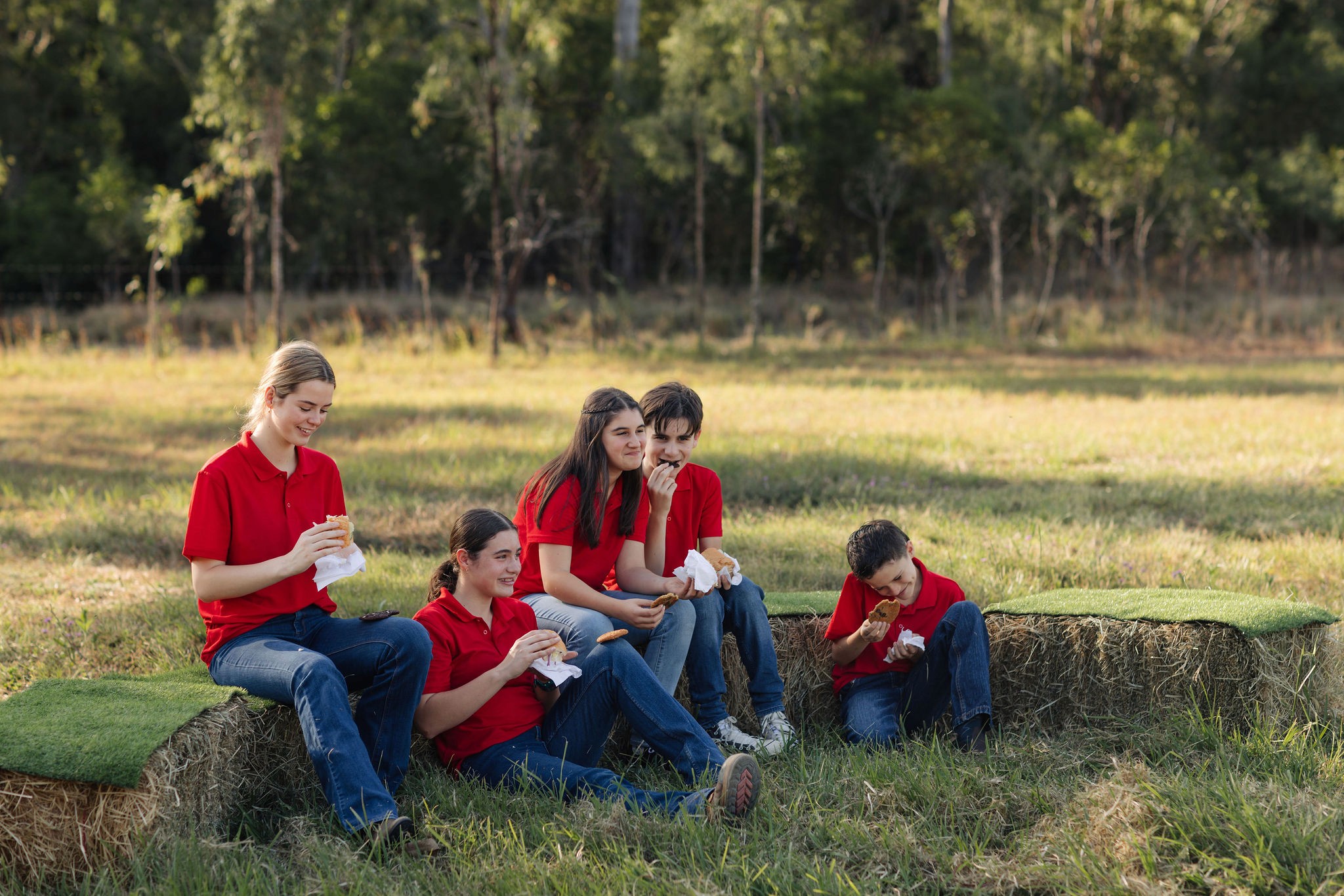
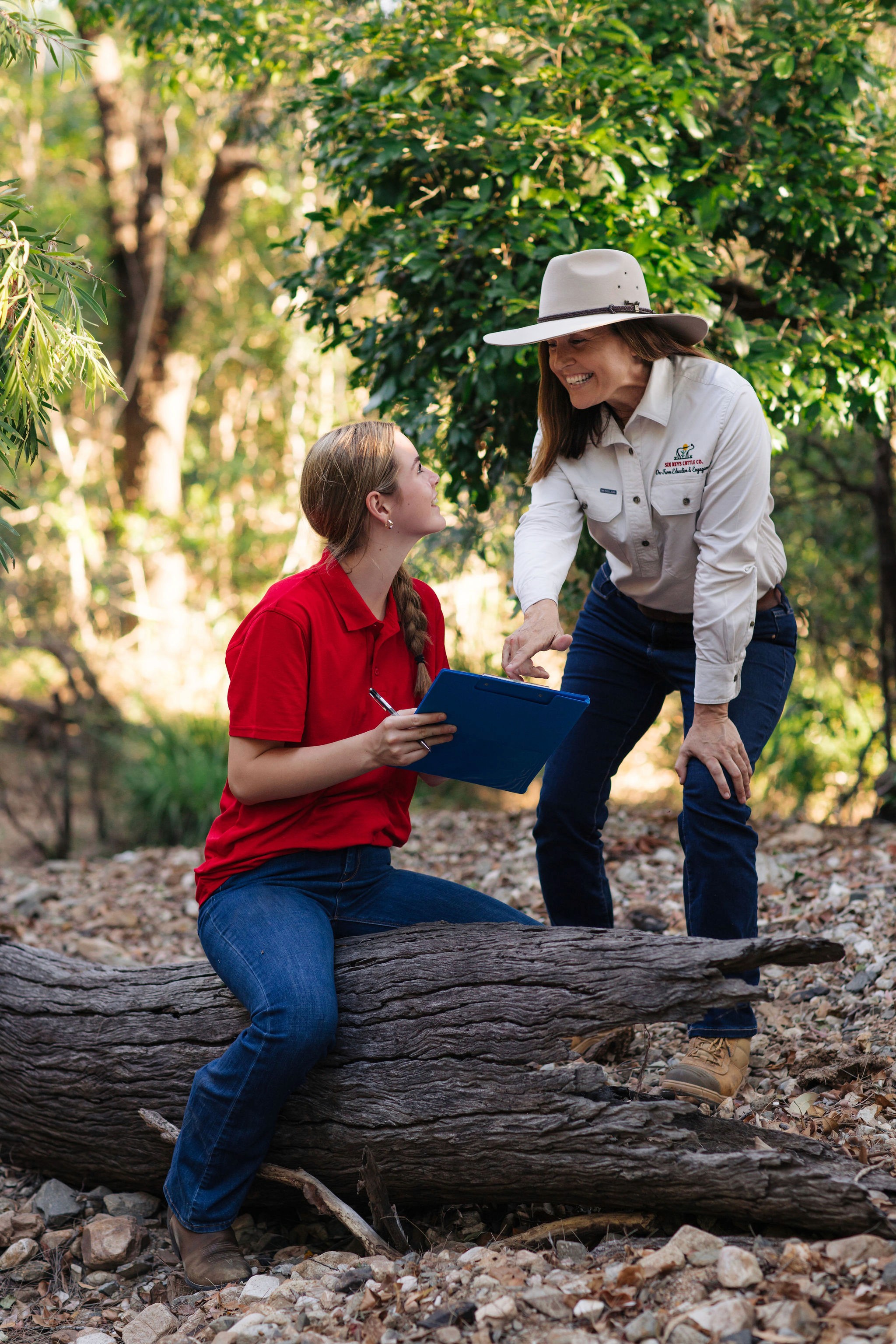
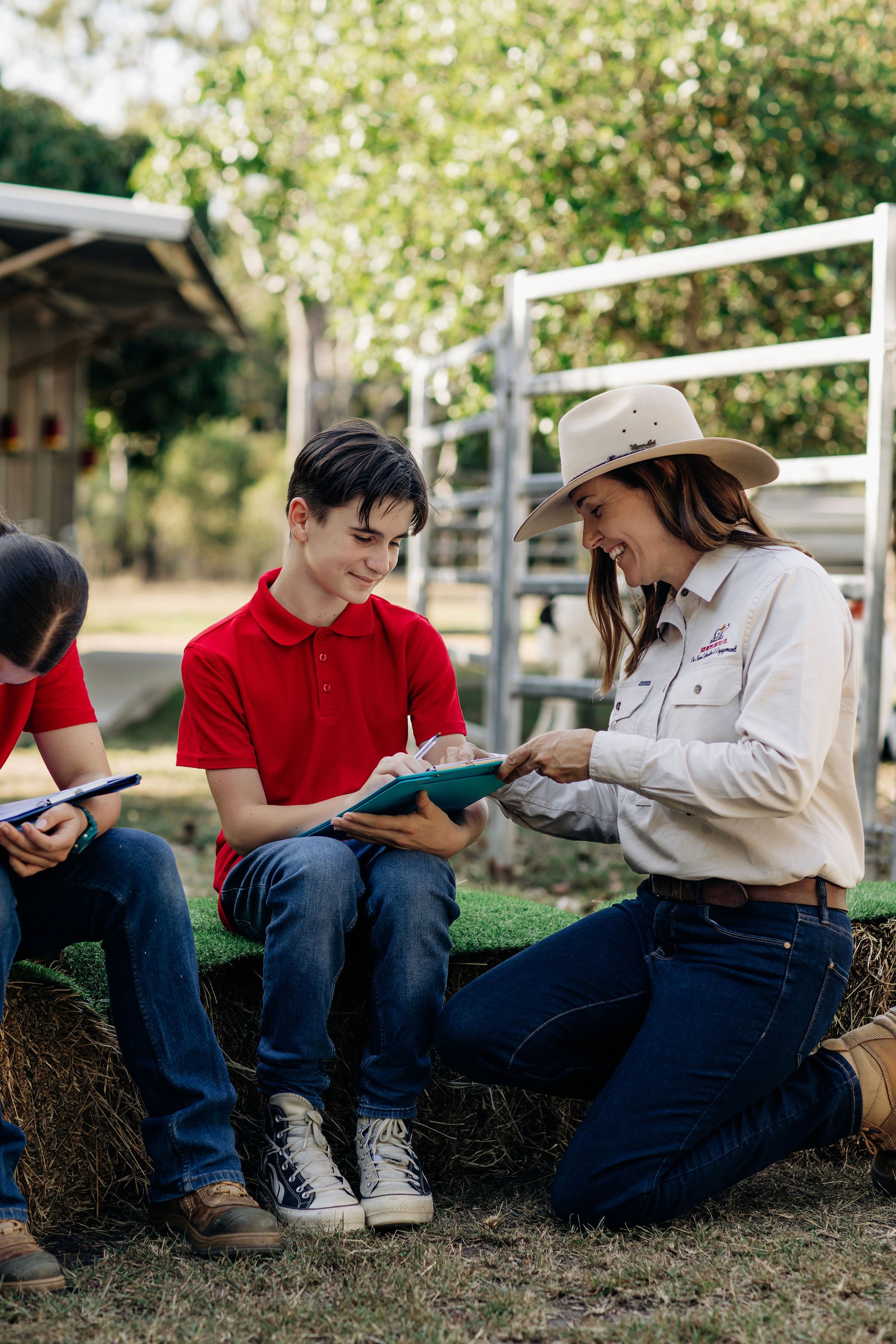
At Six Keys Cattle Co in Central Queensland, schools return year on year because the outcomes are visible and lasting. Teachers arrive with curriculum goals and leave having watched students who struggled all term step confidently into practical challenges, collaborate with their peers, and retain information in ways that classroom delivery rarely produces. That kind of result is hard to ignore, and word spreads.
Research into outdoor and experiential education consistently supports what these schools are observing. Students in hands-on, real-world settings demonstrate improved engagement, stronger retention, and better social outcomes. Schools making the choice to incorporate farm-based education aren't acting on a hunch. They're responding to evidence that these experiences travel back into the classroom in ways that matter.
The disconnect between how children learn best and how most schools are structured isn't a secret. It's just been difficult to address within the constraints of a timetable and a room. Farm-based education doesn't fix that entirely, but it offers something most schools can't build themselves: a living, breathing, bellowing classroom where the curriculum isn't taught so much as encountered.
Schools choosing this aren't adding something extra. They're closing a gap that matters.