Ask a primary student to write a descriptive paragraph about an animal they've never been near and you'll often get something thin and borrowed. Generic words assembled into acceptable sentences. The technical requirements of the task get met, but nothing in the writing suggests the person who produced it had any particular relationship with the subject.
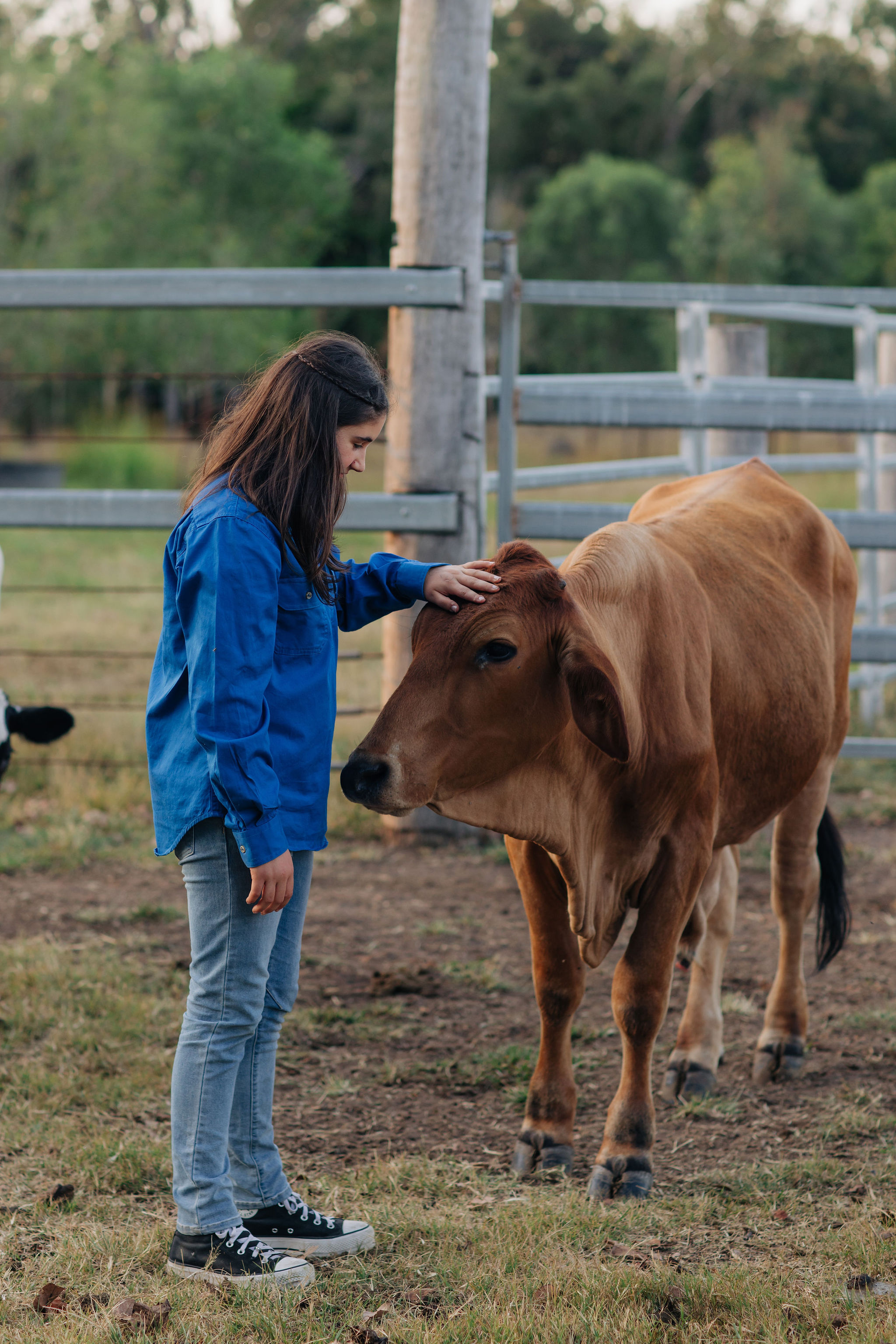
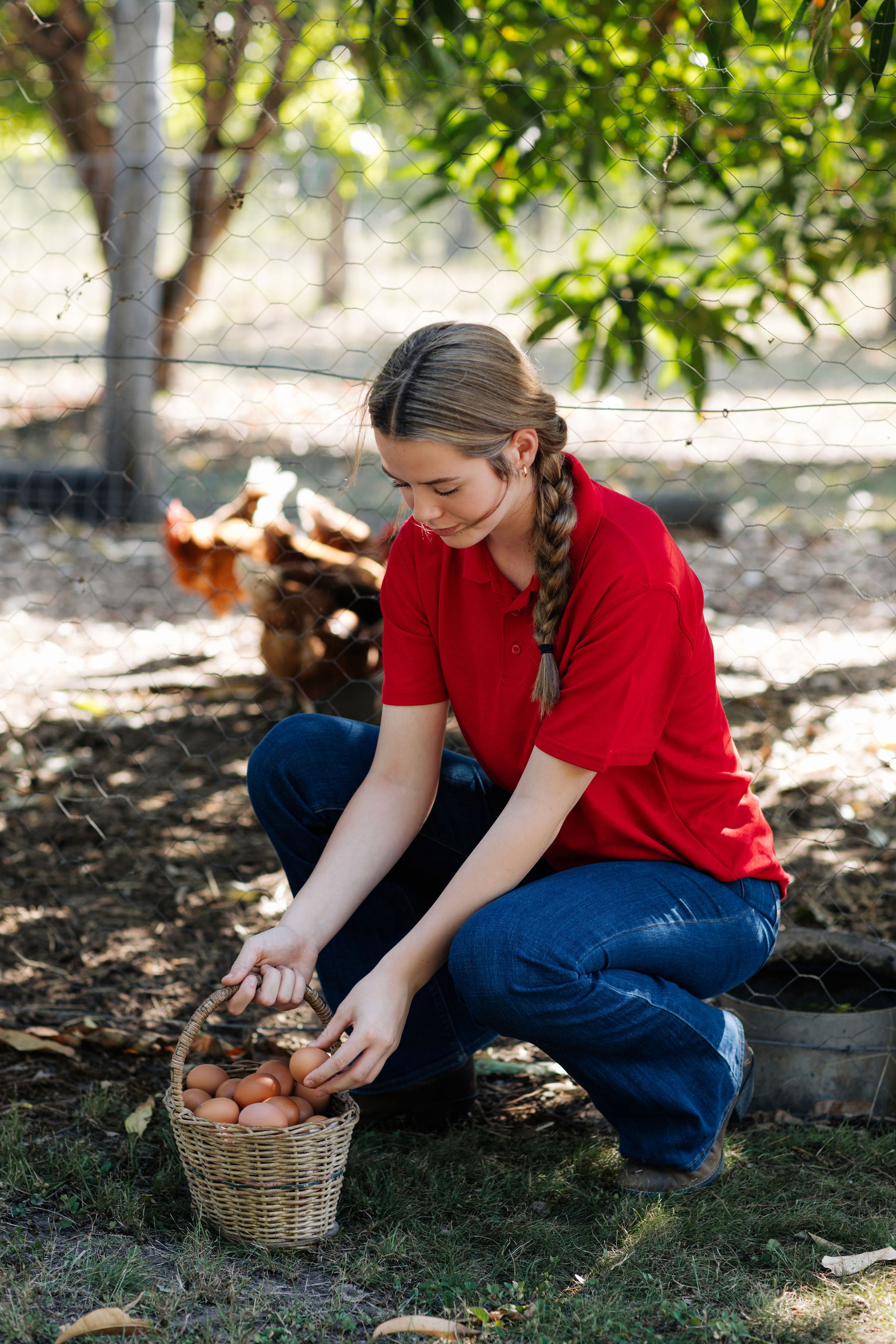
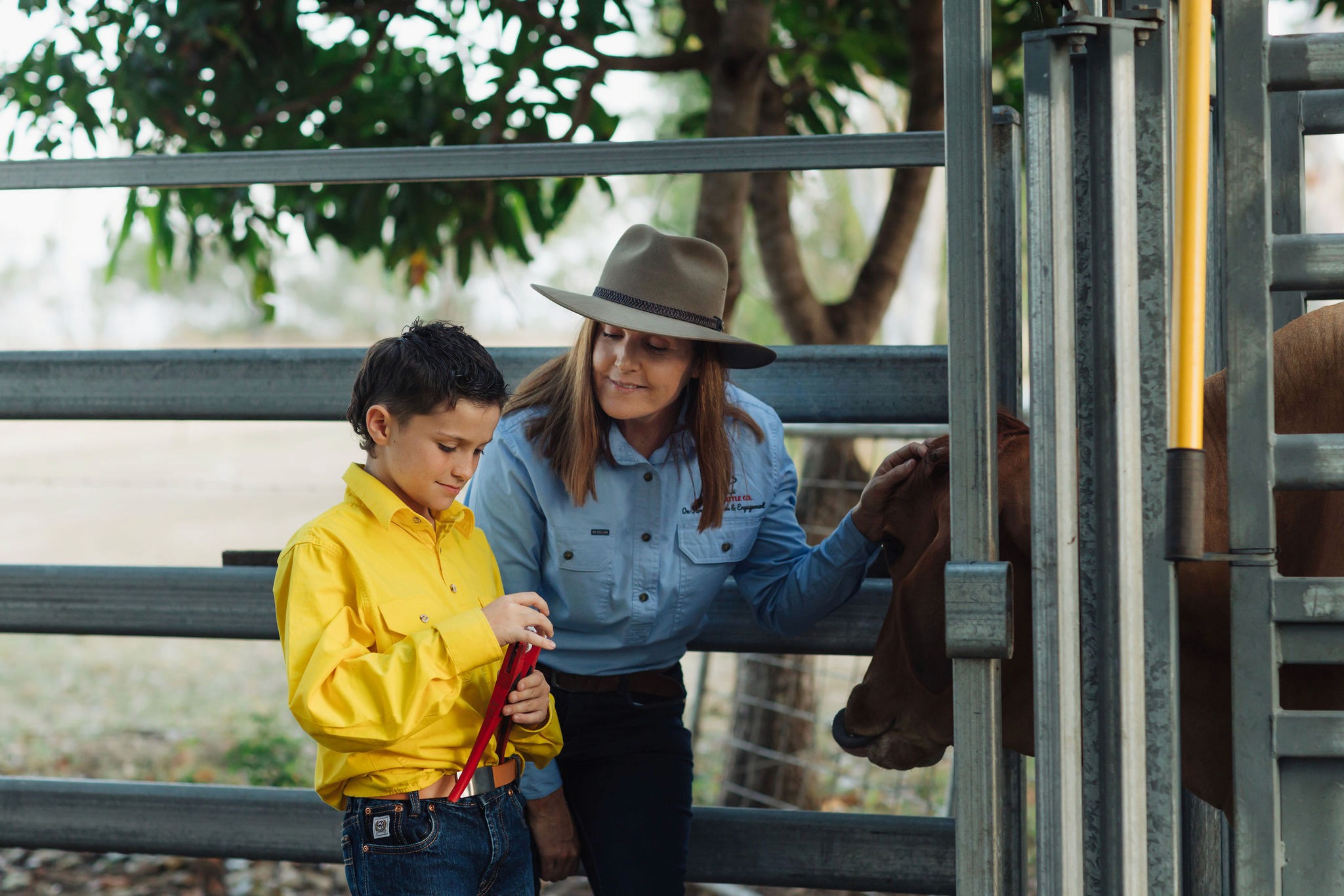
Give that same student an hour in a cattle yard and what comes back is different. Not always more polished, but more specific and more alive. The smell of feed, the noise of a mob moving through yards, the unexpected directness of an animal's attention. These aren't things you can invent from a prompt. They're things you carry, and can draw on.
That's the classroom-to-farm transfer in its most straightforward form. Real experience produces real material.
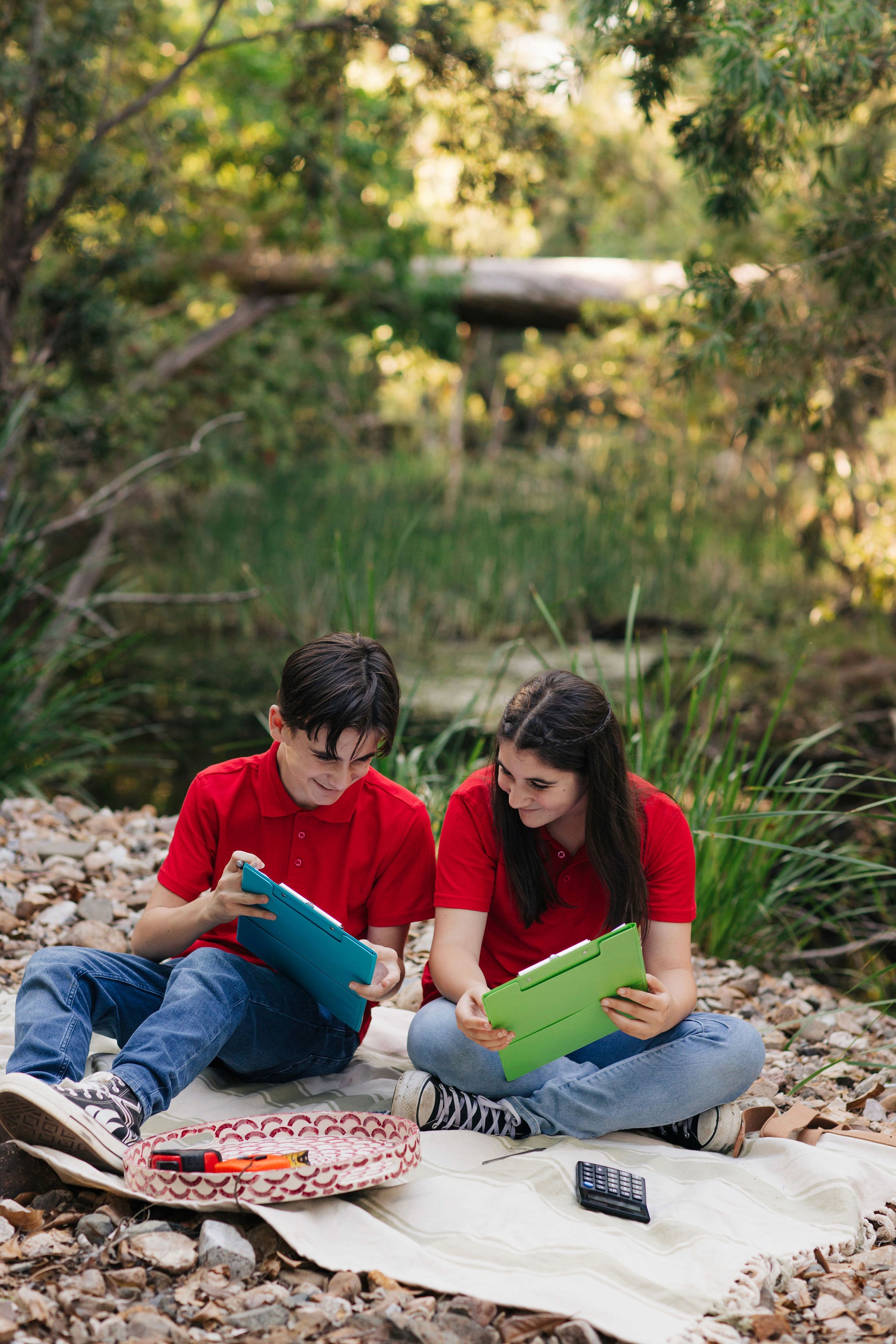
It holds across subjects. In mathematics, farm contexts generate data that carries meaning: estimating animal numbers in a mob, comparing feed weights and volumes, calculating distances and areas across a working property, reading and interpreting simple records of animal condition over time. Students who find those processes arbitrary or abstract often engage differently when the numbers connect to something they stood beside, touched, and observed firsthand. The abstraction doesn't disappear, but it has an anchor.
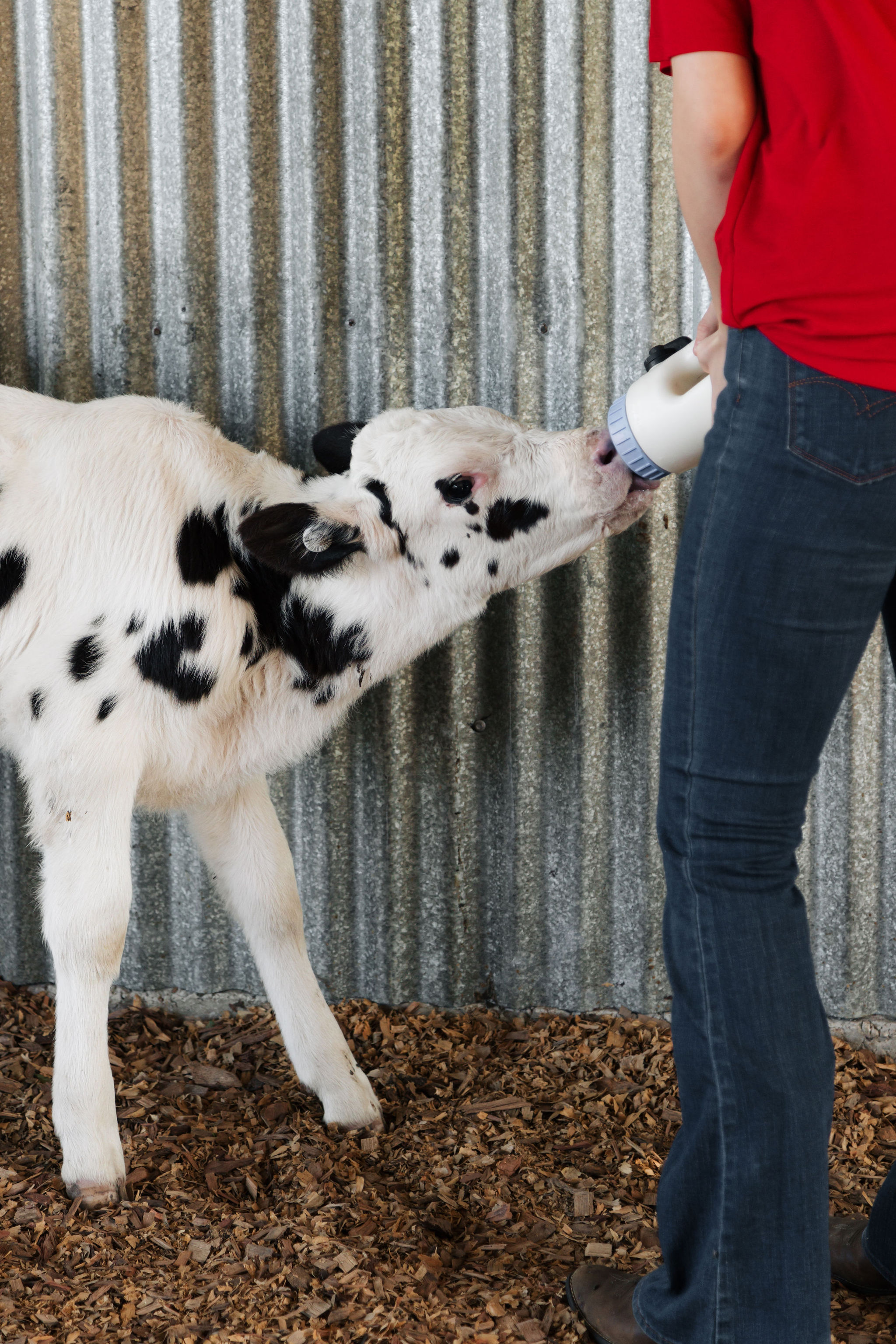
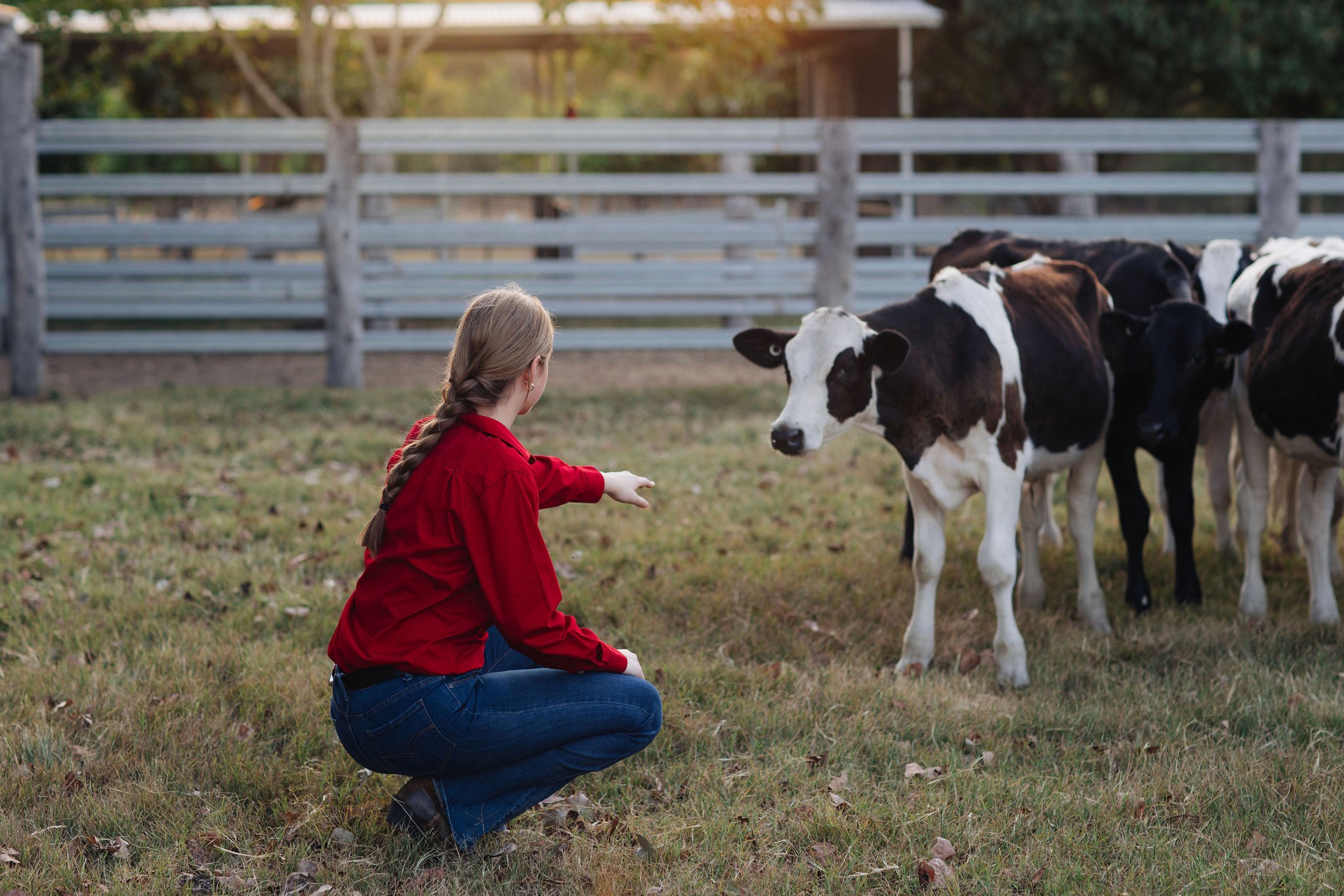
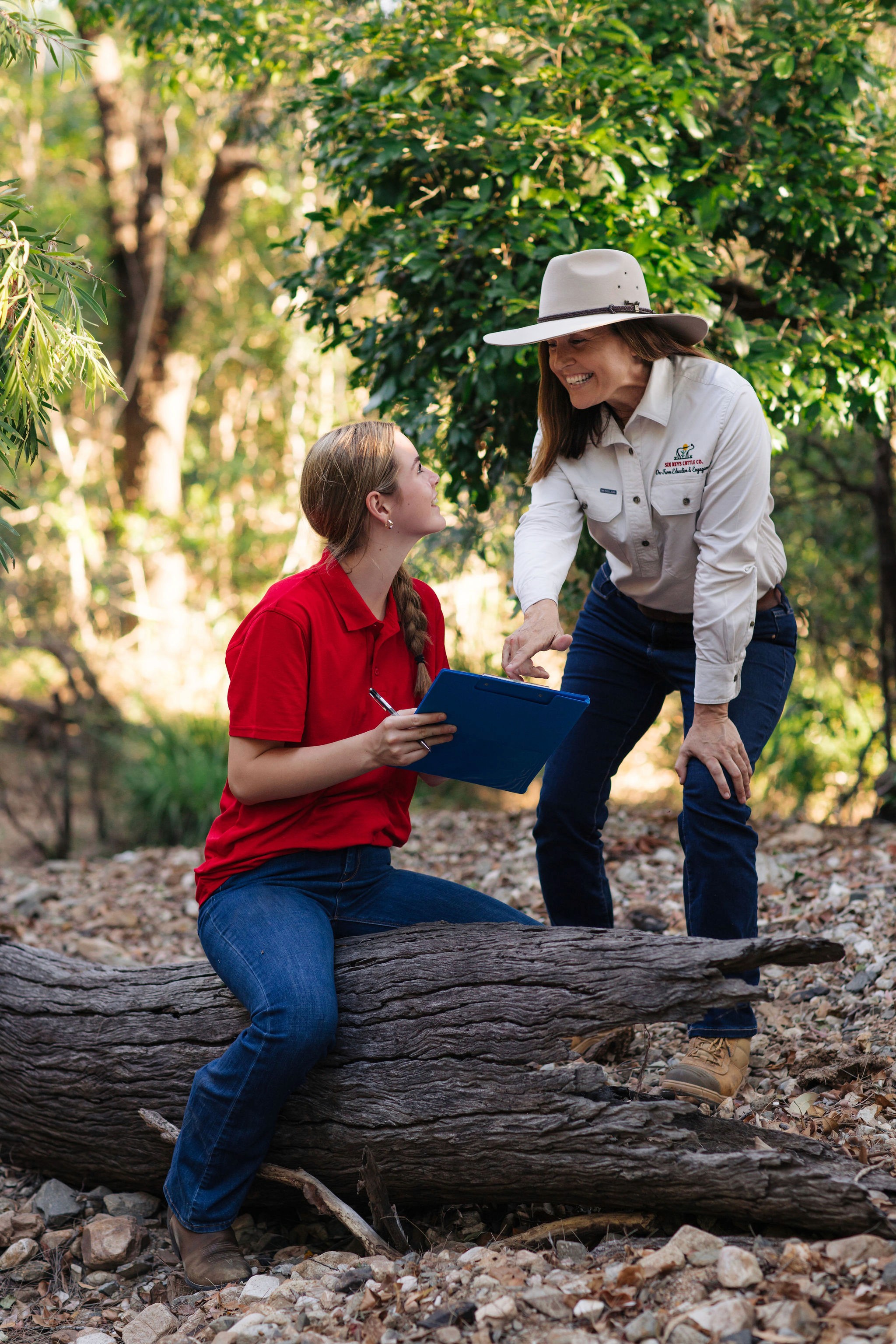
Science is the most natural fit. At Six Keys Cattle Co in Central Queensland, students encounter living systems in direct contact rather than through textbook description. Animal behaviour, feeding ecology, land management decisions that demonstrate cause and effect across seasons and paddocks, these are things happening around them rather than things being explained at them. When students have watched a calf being assessed for condition, the concept of animal nutrition in a curriculum unit is no longer a diagram to memorise. It has a face and a context.
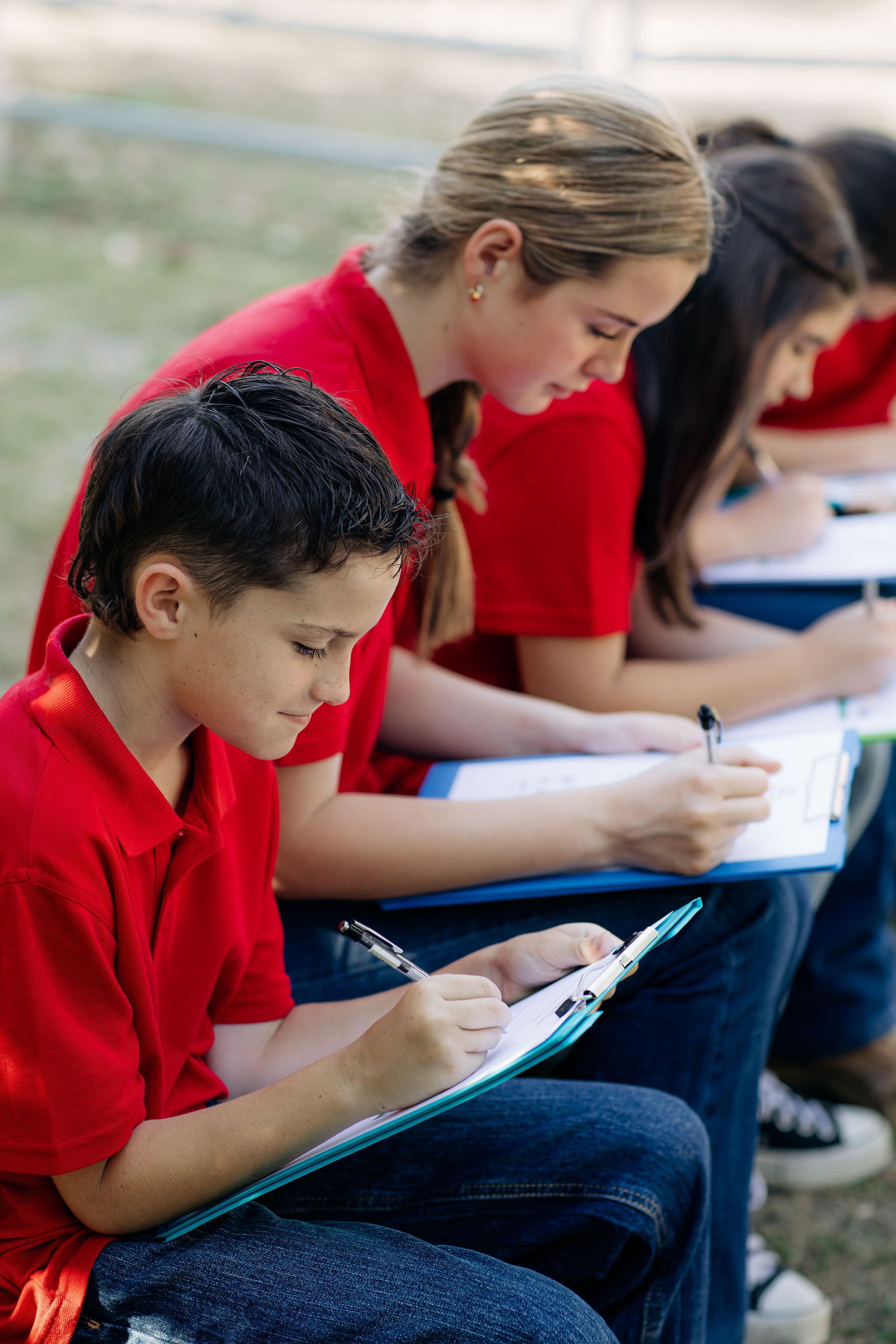
The practical challenge for teachers is capturing farm experiences in ways that preserve their specificity for classroom use. Sensory notes taken on the day, photographs, quick sketches, brief voice recordings: these create reference points students can actually return to when writing, measuring, or investigating at school. Without that kind of deliberate capture, the vividness fades faster than most teachers anticipate, and the curriculum opportunity goes with it.
What farm visits provide, when teachers arrive with a clear plan for what follows back at school, is a bank of genuine memory sitting behind every curriculum task. Students writing about animal behaviour have something worth describing. Students working through measurement have a real context to give it weight. Students investigating scientific questions have already watched part of the answer unfold in front of them.
The farm visit is the experience. The classroom is where students discover how much they learned while they were there.