Confidence is often described as something a student either has or doesn't, as though it arrived with them and will eventually sort itself out. The reality is more specific, and far more actionable than that.
Genuine confidence in a learning context comes from evidence. Not from being told you're capable. Not from a sticker or a grade. From encountering something with real stakes, completing it, and having that experience belong entirely to you.
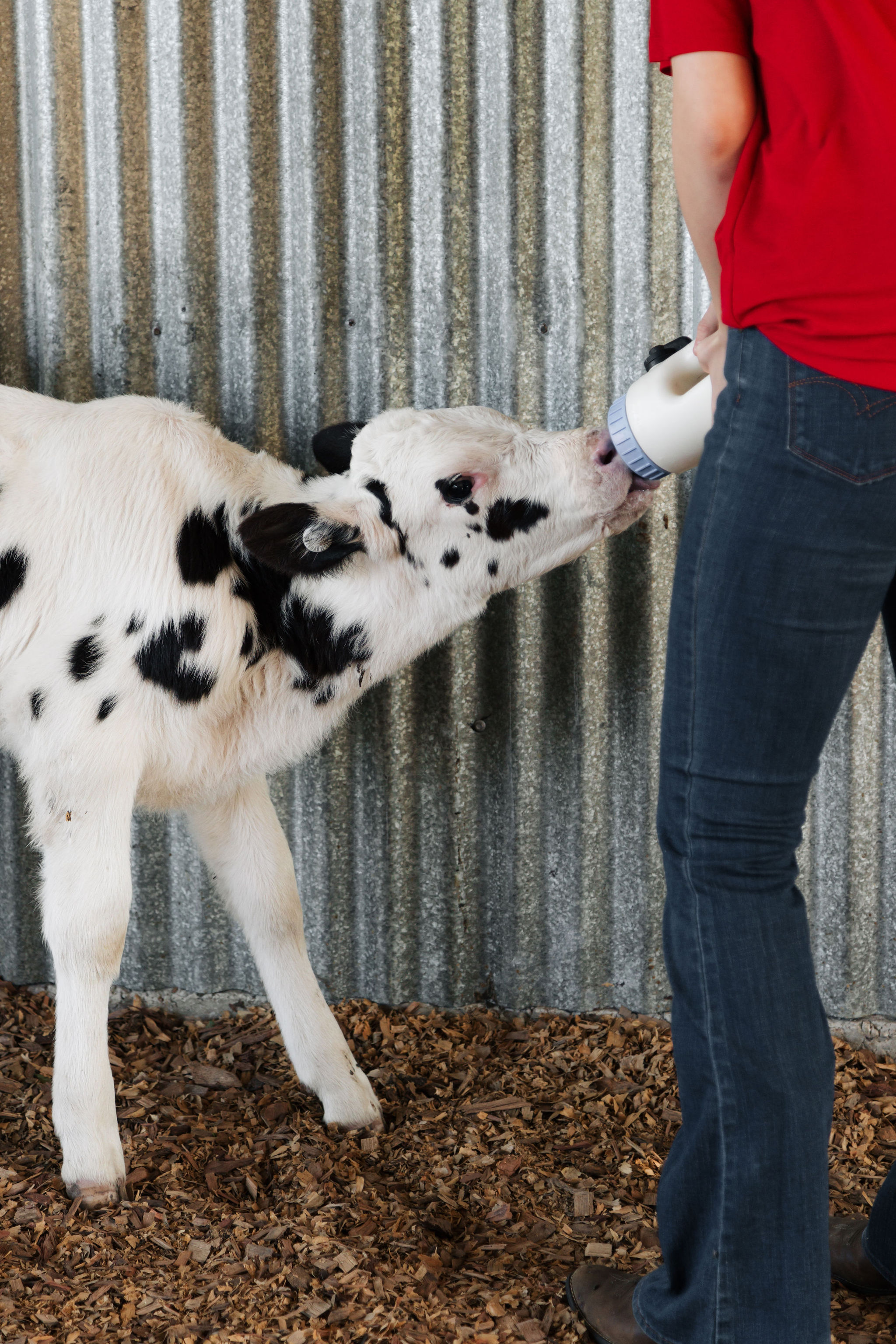
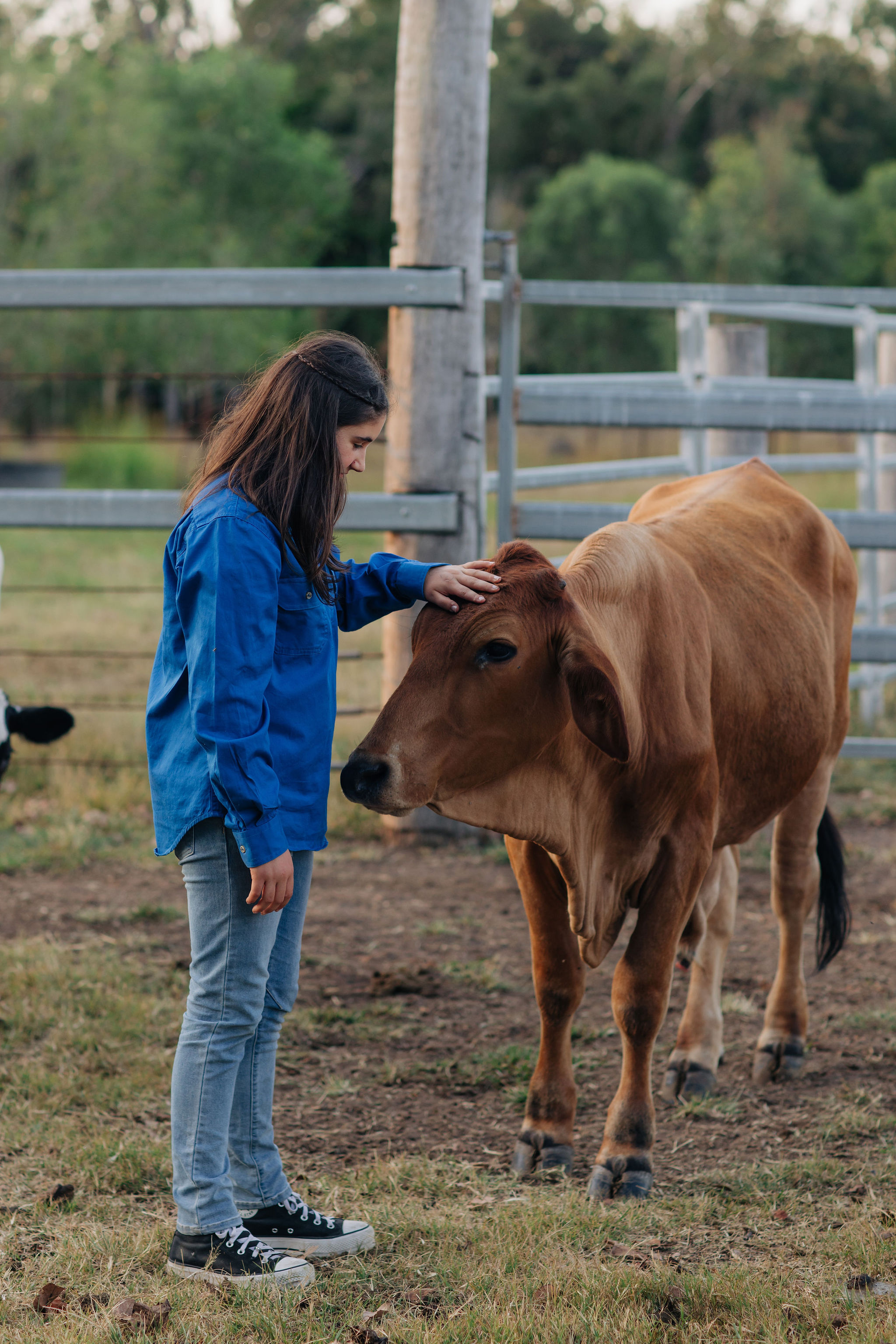
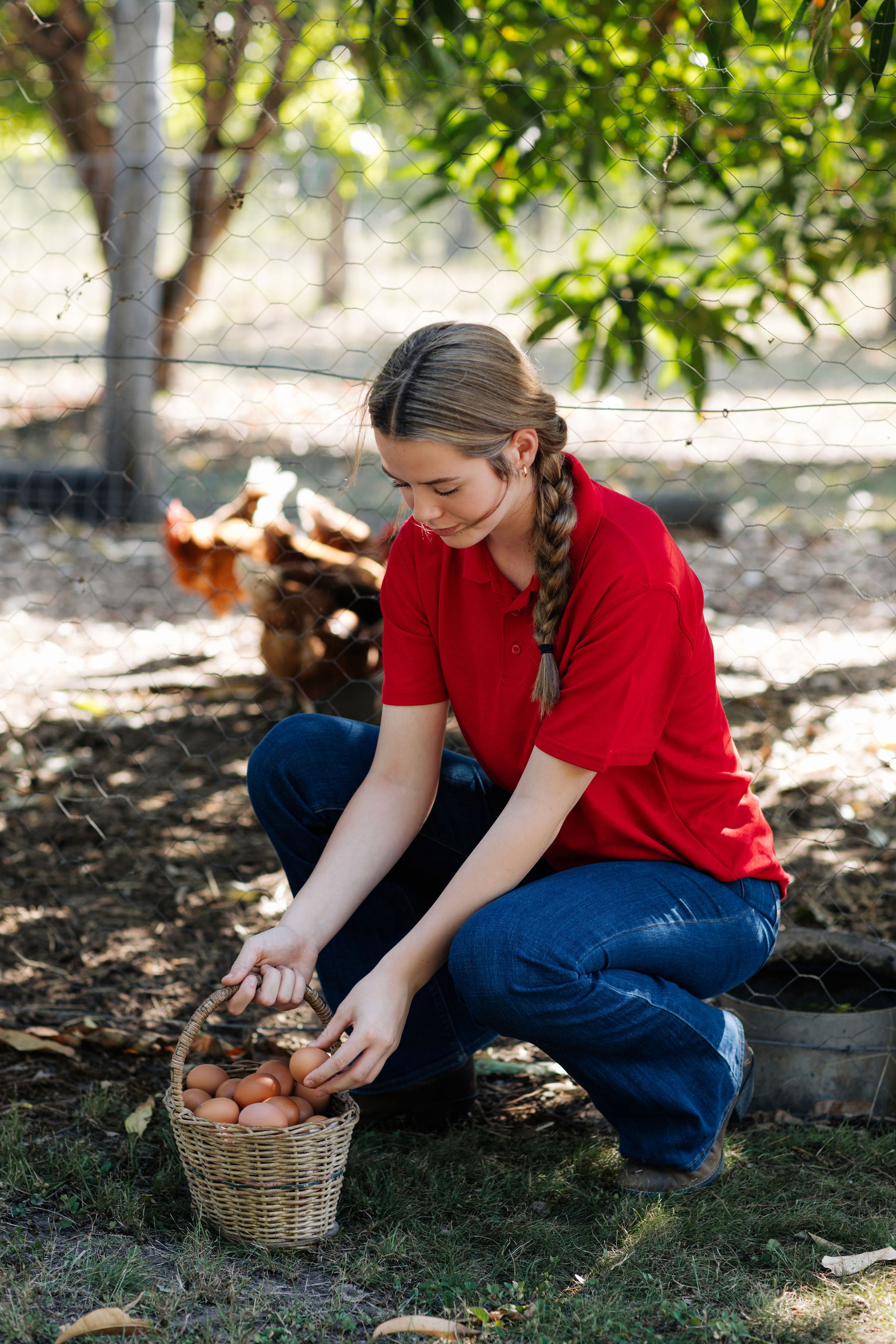
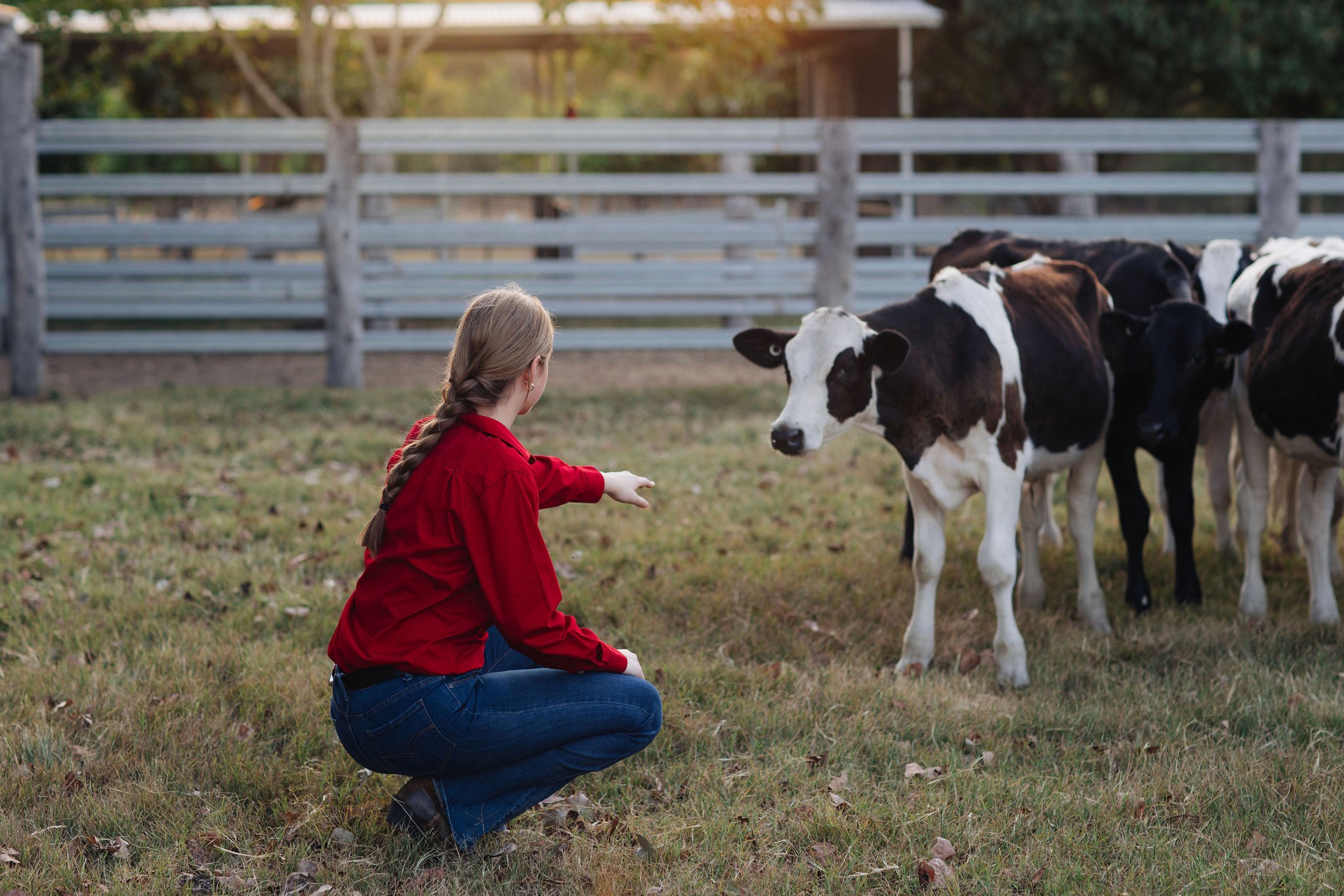
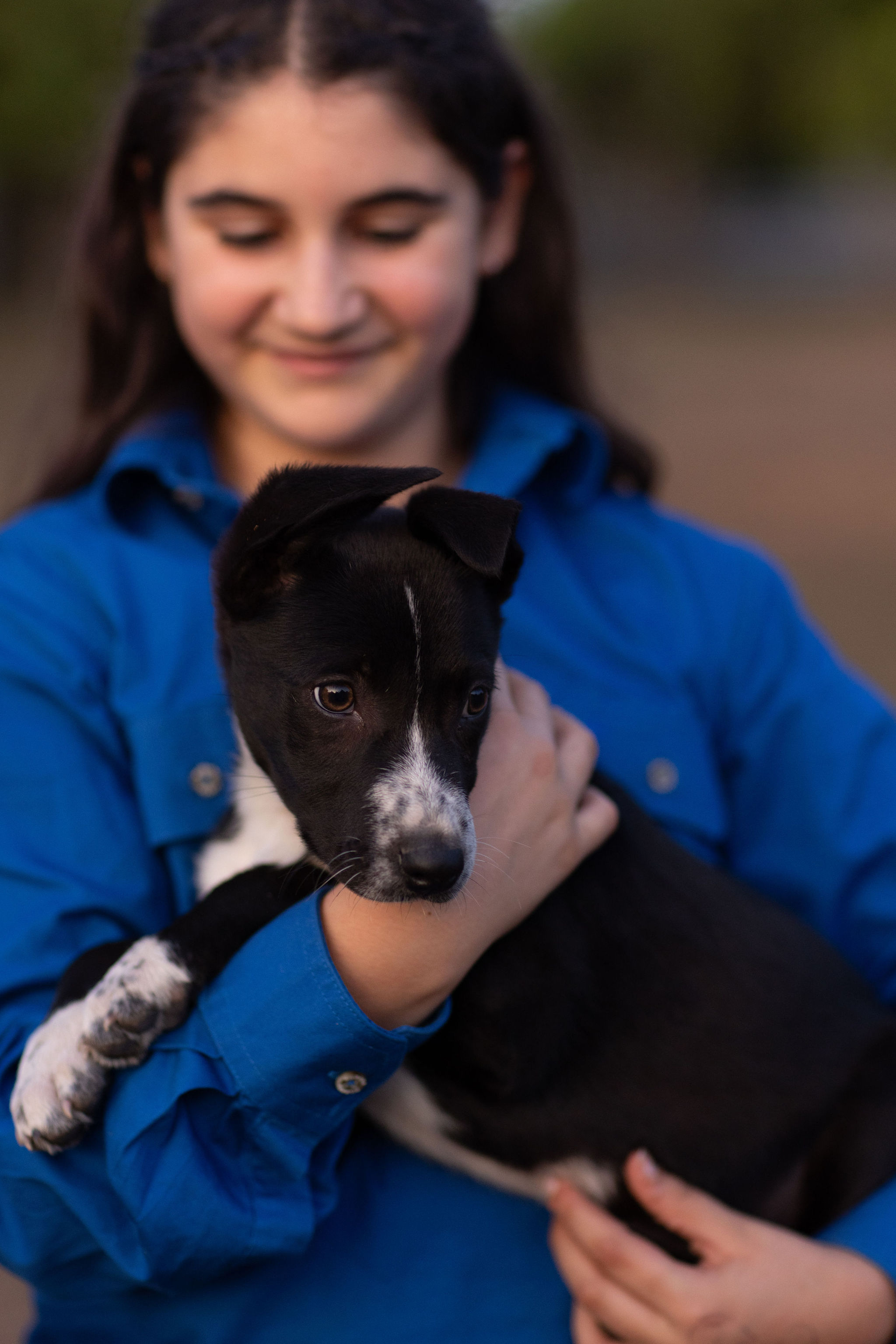
Farm tasks produce this in ways that classroom activities rarely can. Not because they're better designed, but because they're real. When a student completes a health check on a calf, contributes to moving cattle through a yard, or correctly identifies something in a feeding routine, the outcome is immediate and unambiguous. Nobody is grading the experience. The animal is fine or it isn't. The cattle moved calmly or they didn't. That clarity is precisely what makes the experience build confidence rather than anxiety.
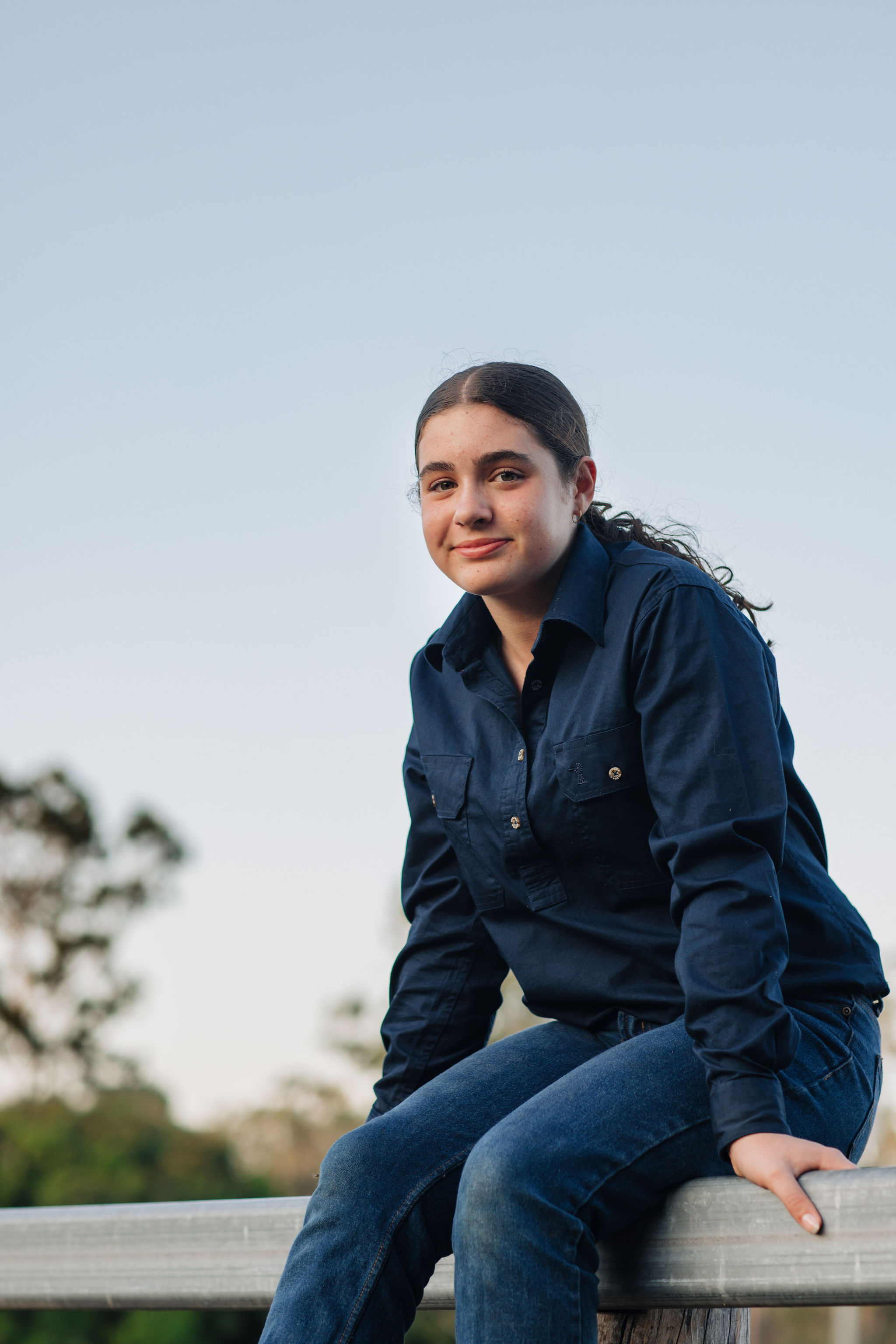
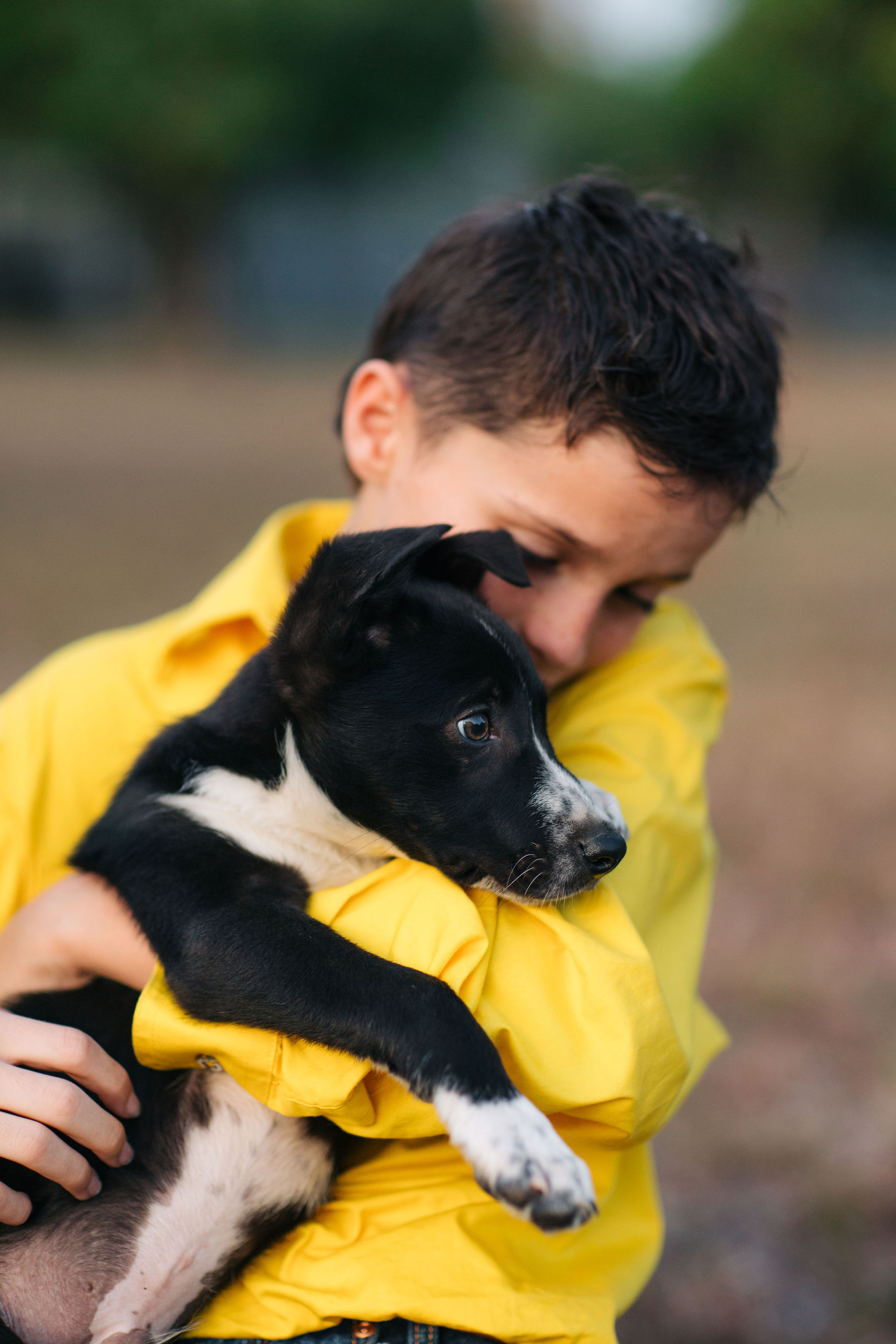
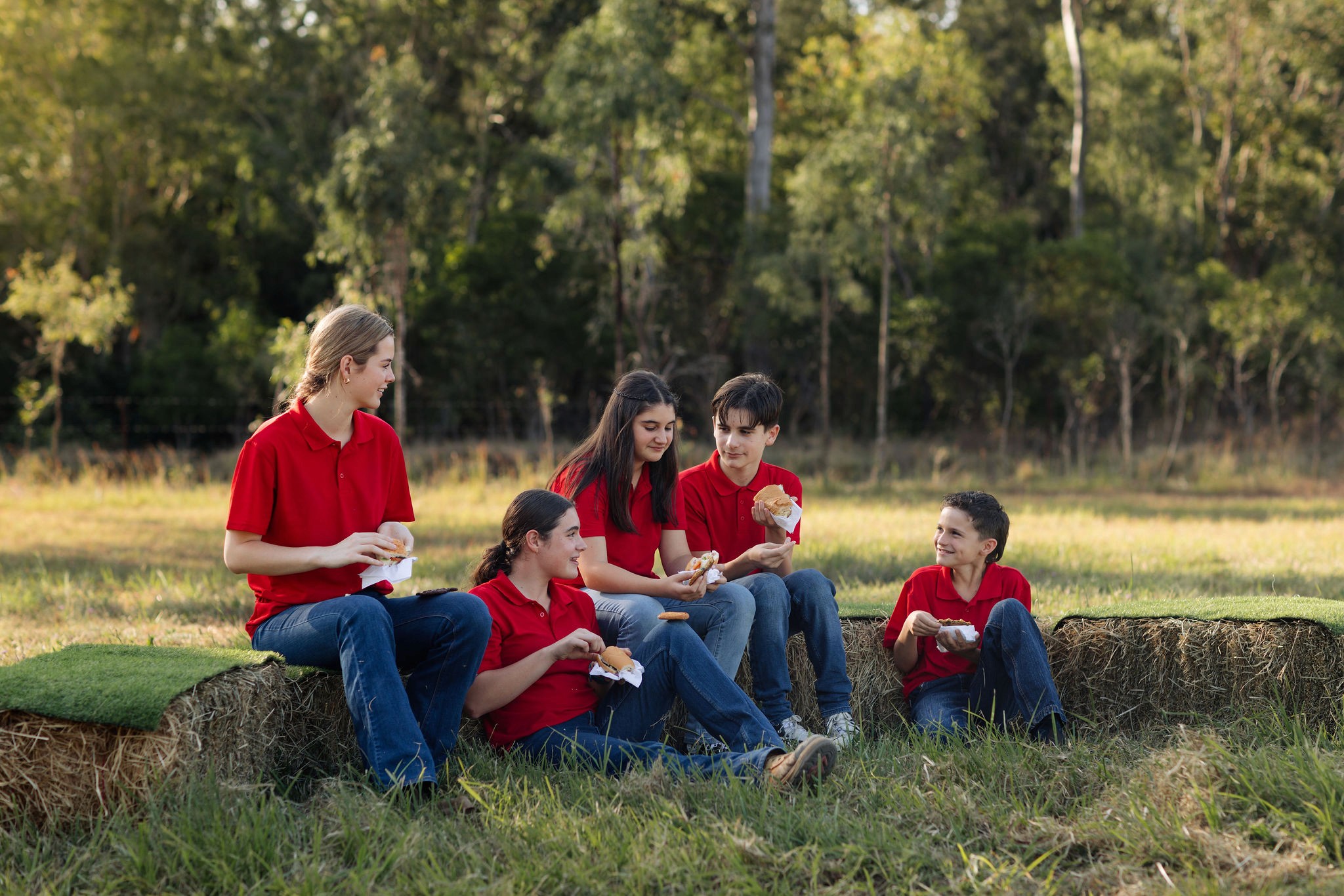
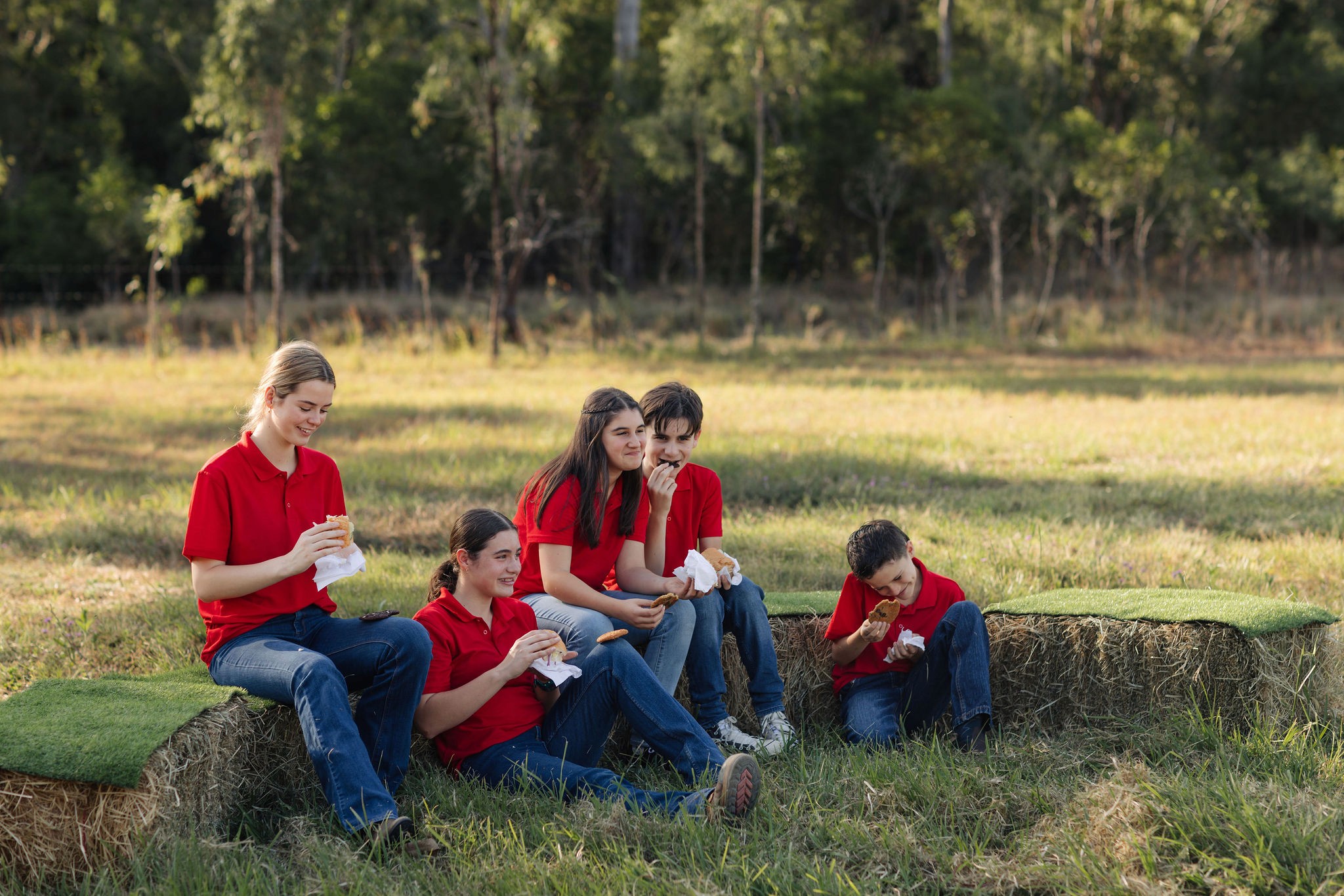
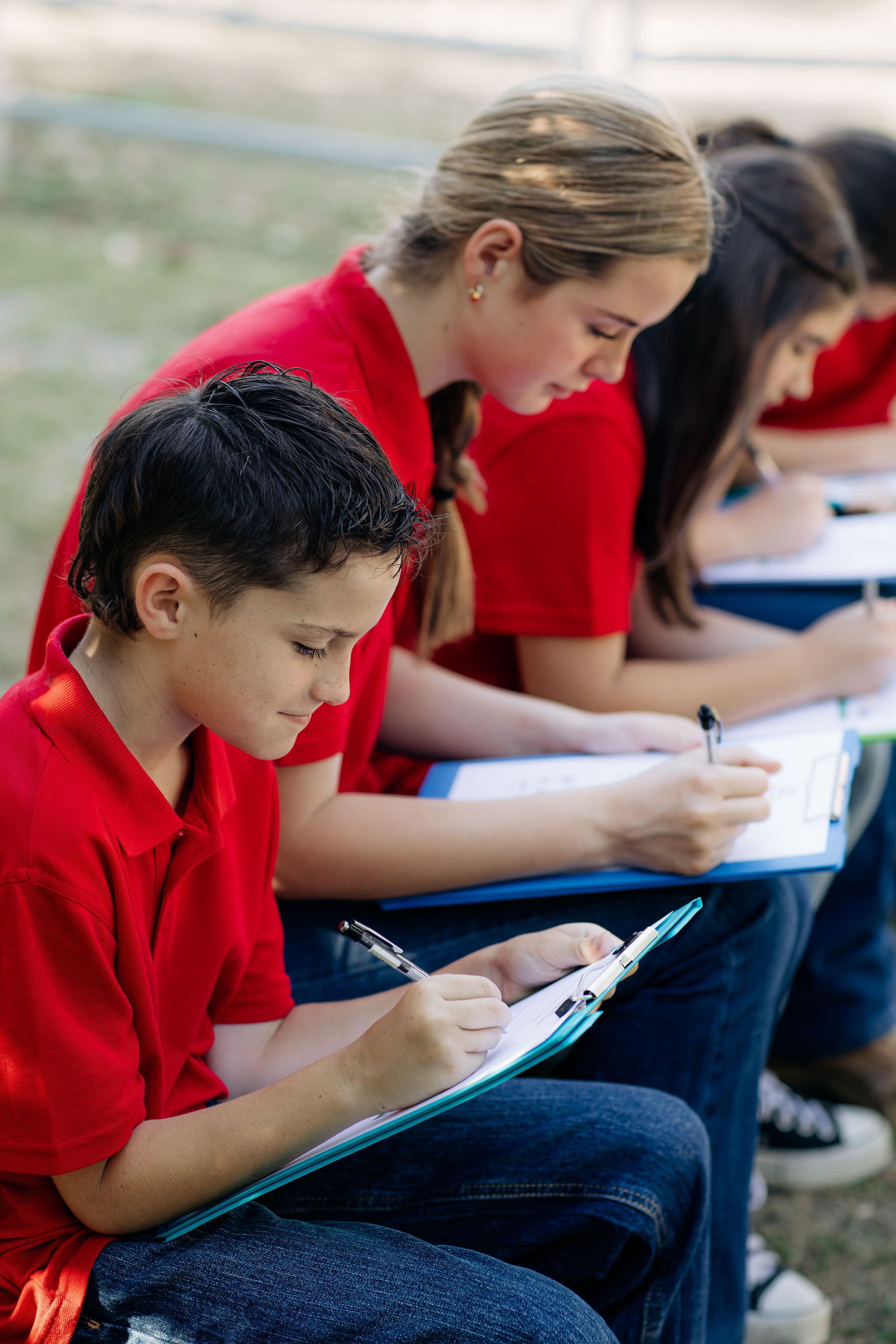
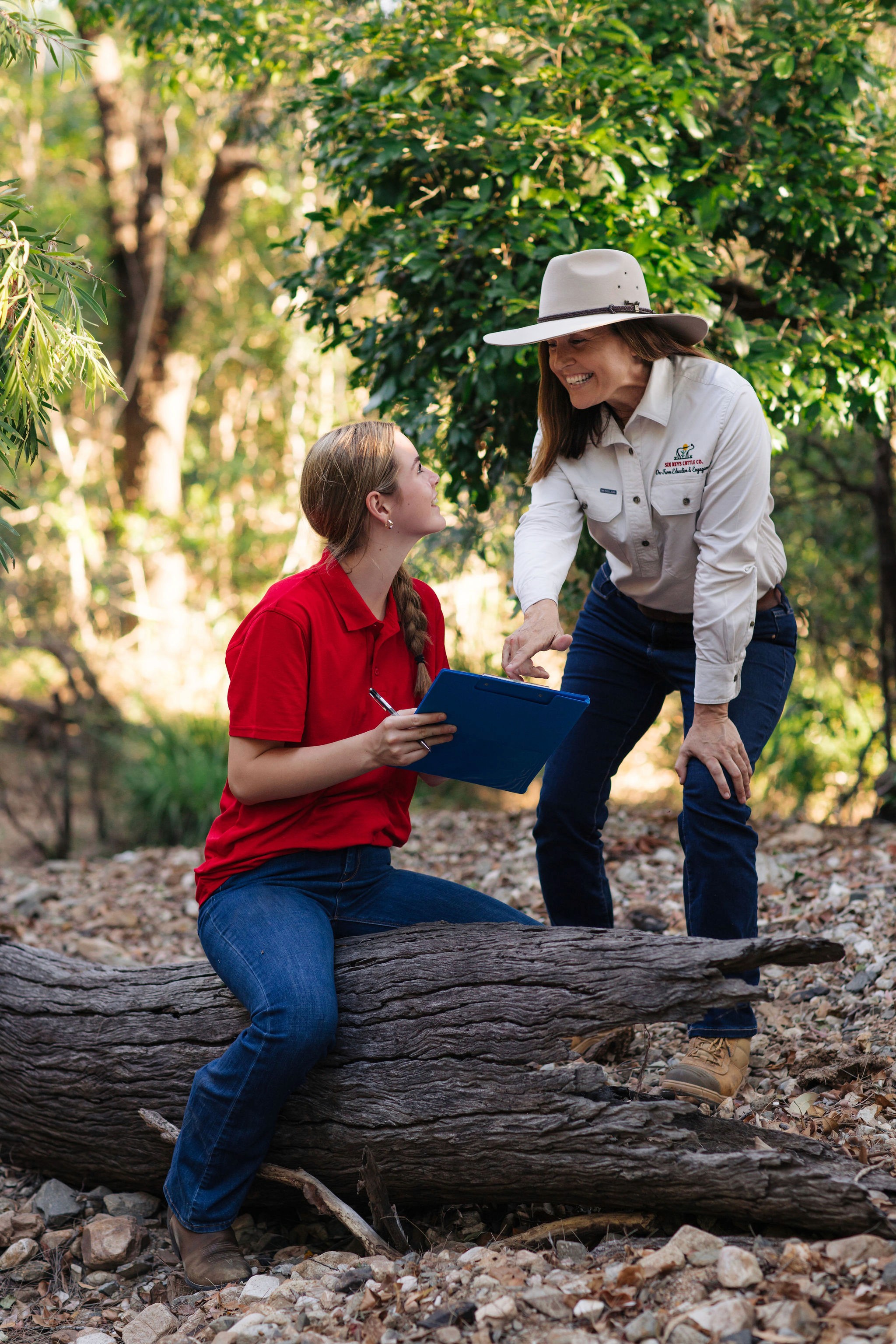
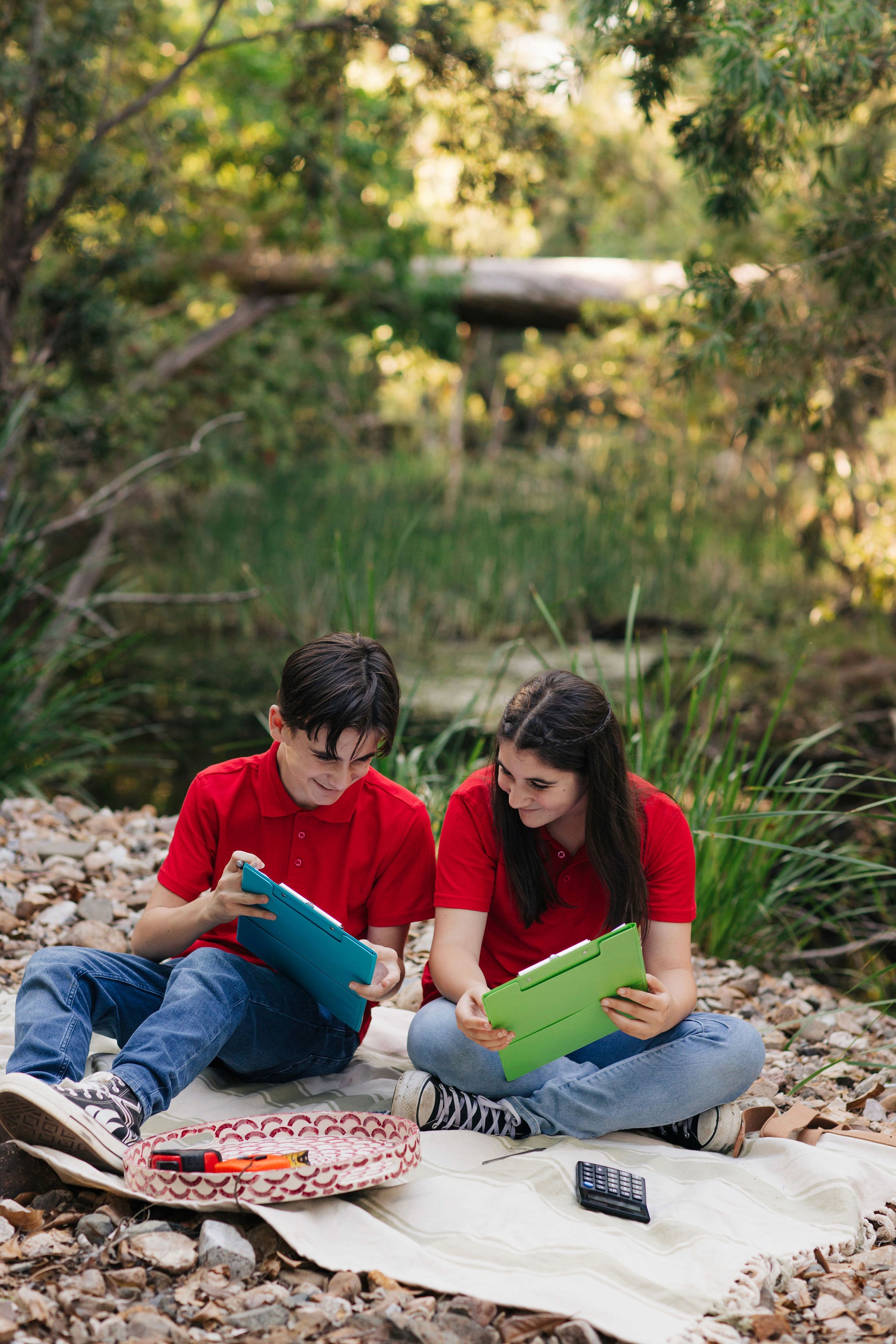
At Six Keys Cattle Co in Central Queensland, this plays out across every school group that comes through. Students who arrive reluctant or self-protective often become the ones stepping forward by mid-morning, asking to try something again, pushing into activities that won't necessarily go perfectly the first time. The shift isn't dramatic. It's cumulative. One small task completed successfully raises the threshold for attempting the next one.
This is the loop the headline refers to: small responsibility, real outcome, felt competence, greater willingness to try, next responsibility. It cycles forward, and over the course of even a single program it builds something that carries back to school.
Research into self-efficacy, the belief in one's own capacity to achieve outcomes, consistently shows that experience-based confidence is far more resilient than the kind built from encouragement alone. Students who have genuinely succeeded at something real and challenging carry that evidence differently. It doesn't dissolve under the next difficulty they encounter.
For students who act out in classrooms, this matters enormously. Disruptive behaviour is often a performance of indifference: a way of opting out before an anticipated failure can be observed publicly. A student without belief in their own competence doesn't engage with tasks that might confirm that belief in front of others. Give that same student a small, achievable responsibility on a farm, and something different becomes possible.
The confidence loop doesn't start with a grand challenge or a dramatic breakthrough moment. It starts with a simple task done well, in a place where the outcome is real, and the credit for completing it belongs to no one but the student standing there.