Think about a child's average weekday. Six or more hours at school, most of it seated. Then home to homework, dinner, and screens. By the time a primary school-aged child reaches bedtime, many have spent the better part of ten hours sitting.
That's not a small thing.
The research on sedentary behaviour in children is unambiguous. Extended sitting affects cardiovascular health, muscular development, posture, and core strength. Children who spend prolonged periods inactive are more prone to fatigue, less able to concentrate, and more likely to experience mood disruption than those who move regularly throughout their day. These aren't distant risks. They show up in classrooms, at dinner tables, and in how children engage with the world around them.
What gets discussed less is the emotional dimension. Movement isn't separate from cognitive and emotional function, it's directly tied to it. The brain relies on physical activity to regulate mood, sustain attention, and manage stress. When children don't get adequate movement throughout their day, the effects aren't purely physical. They become harder to settle, quicker to frustrate, and less resilient when ordinary challenges arise.
The problem isn't a lack of effort from teachers. Structured physical education, movement breaks, and activity-integrated learning are genuine attempts to work against something the school environment often creates by design. But a morning of seated literacy followed by a brief run around the oval doesn't undo the effects of a day spent largely still.
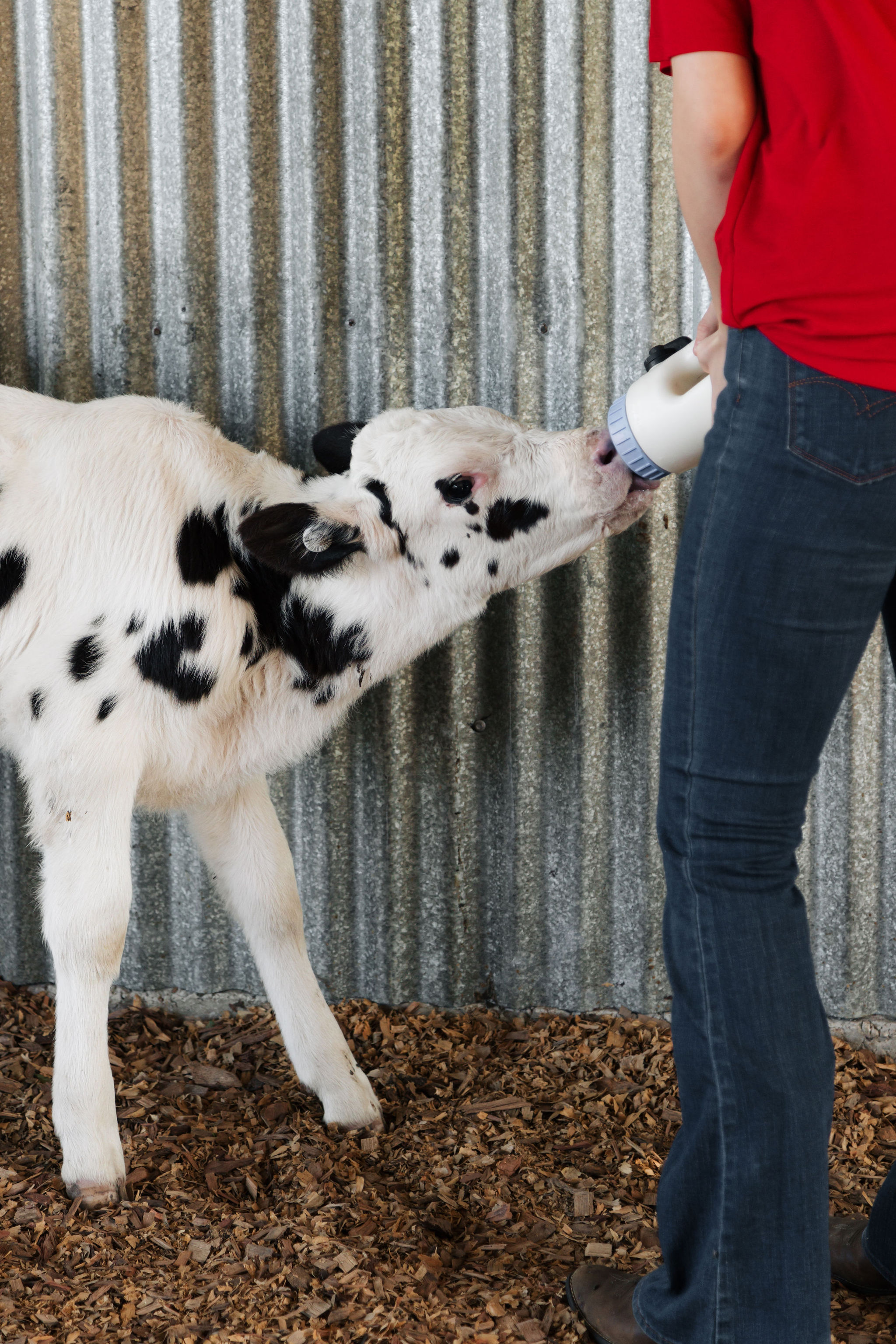
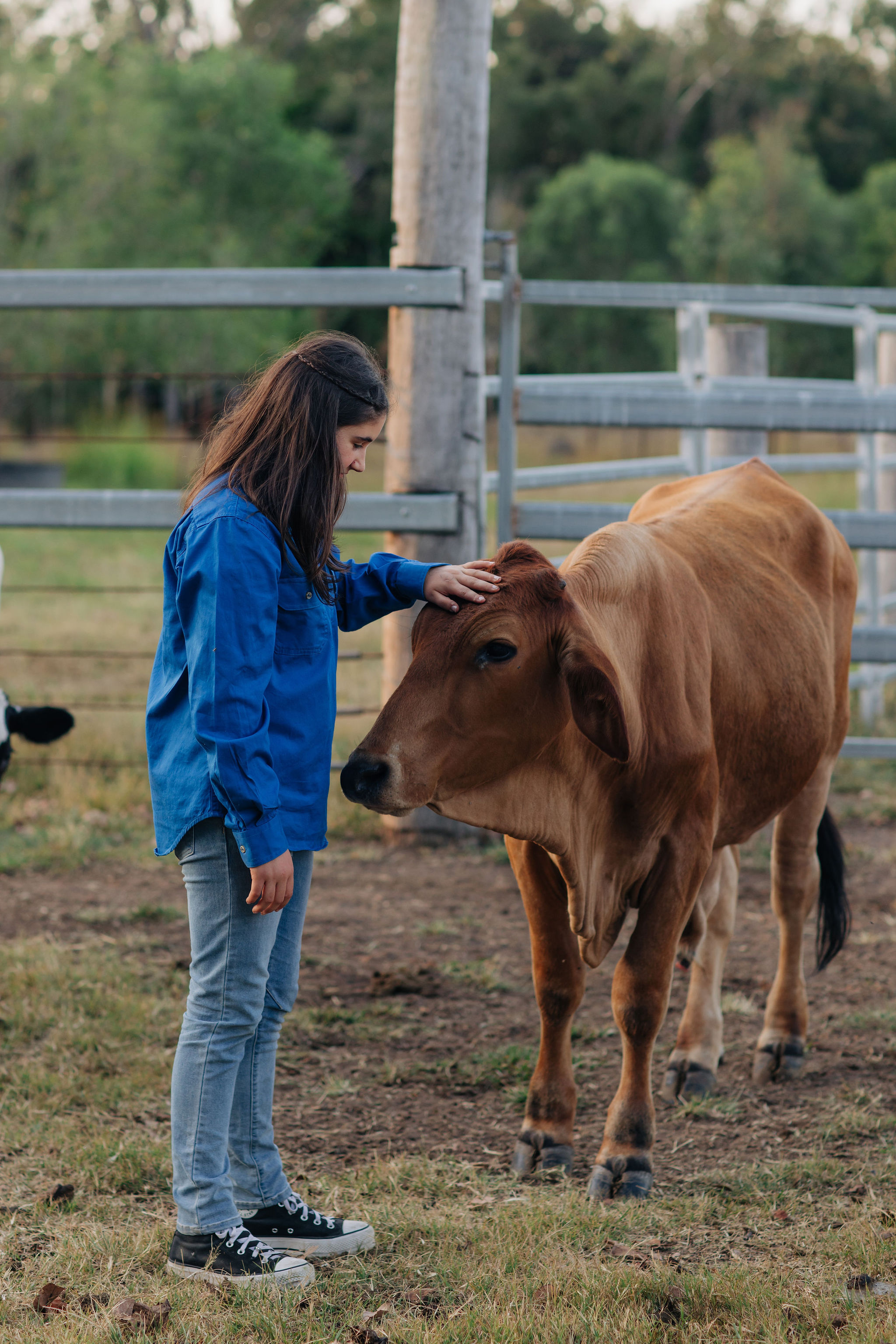
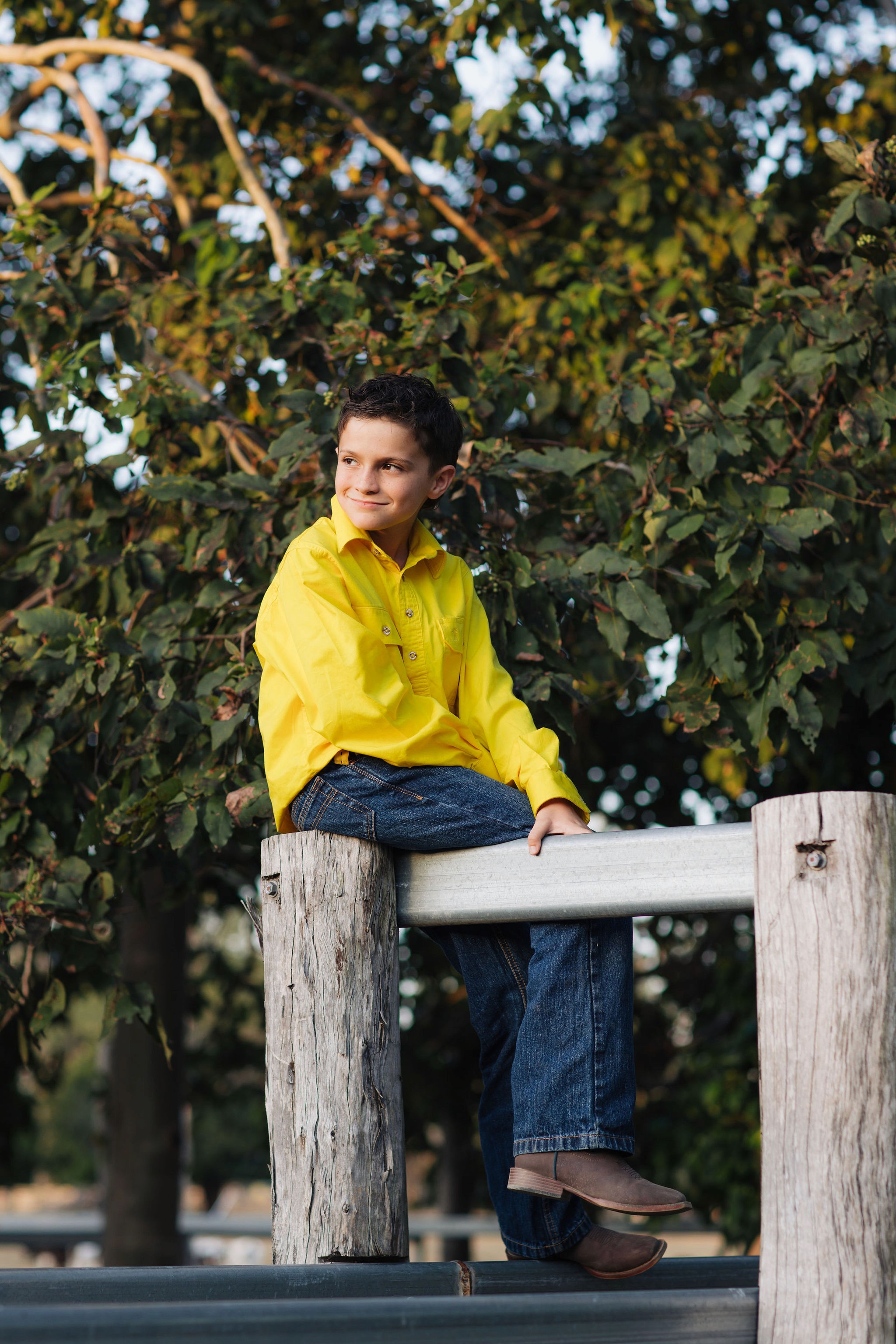
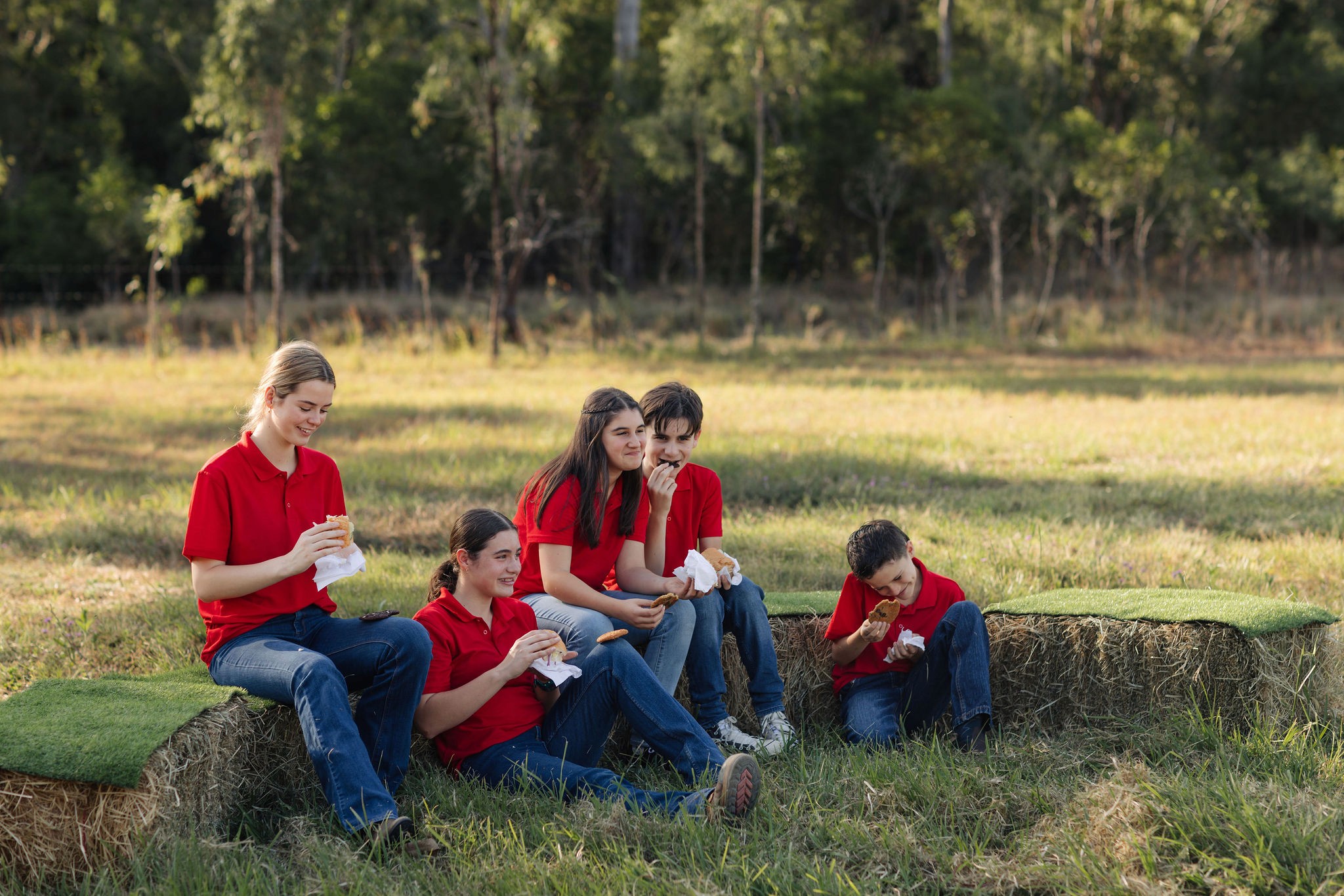
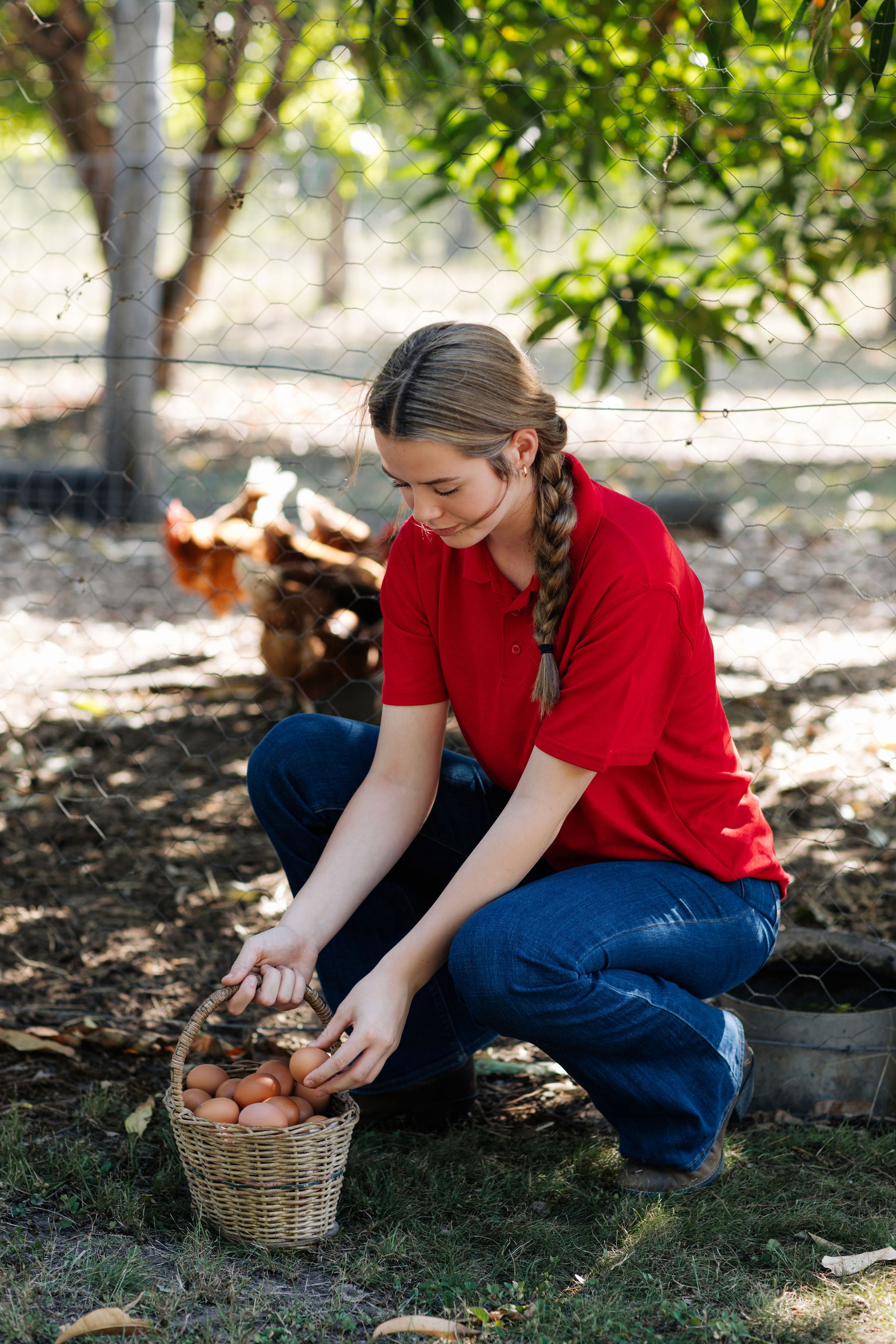
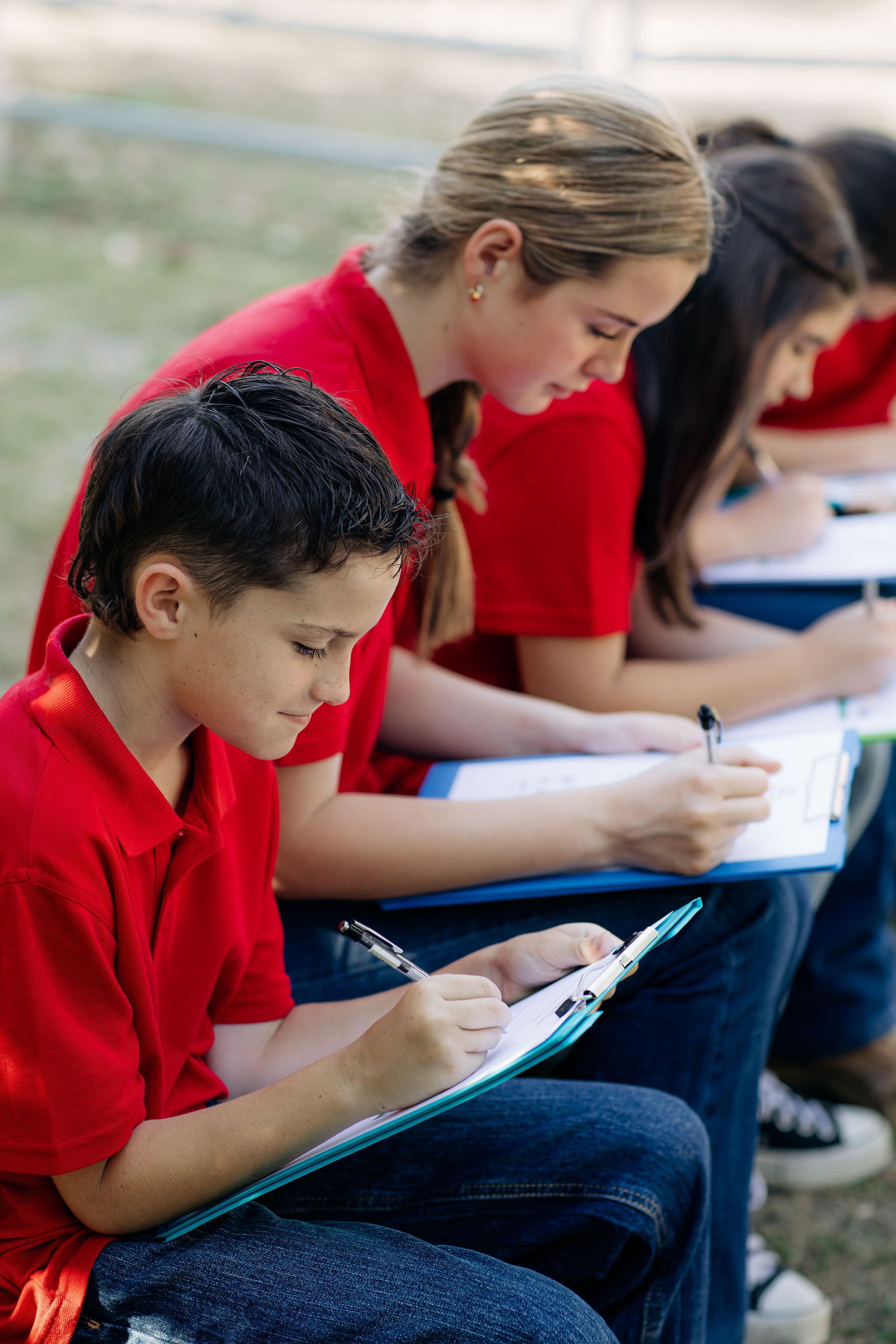
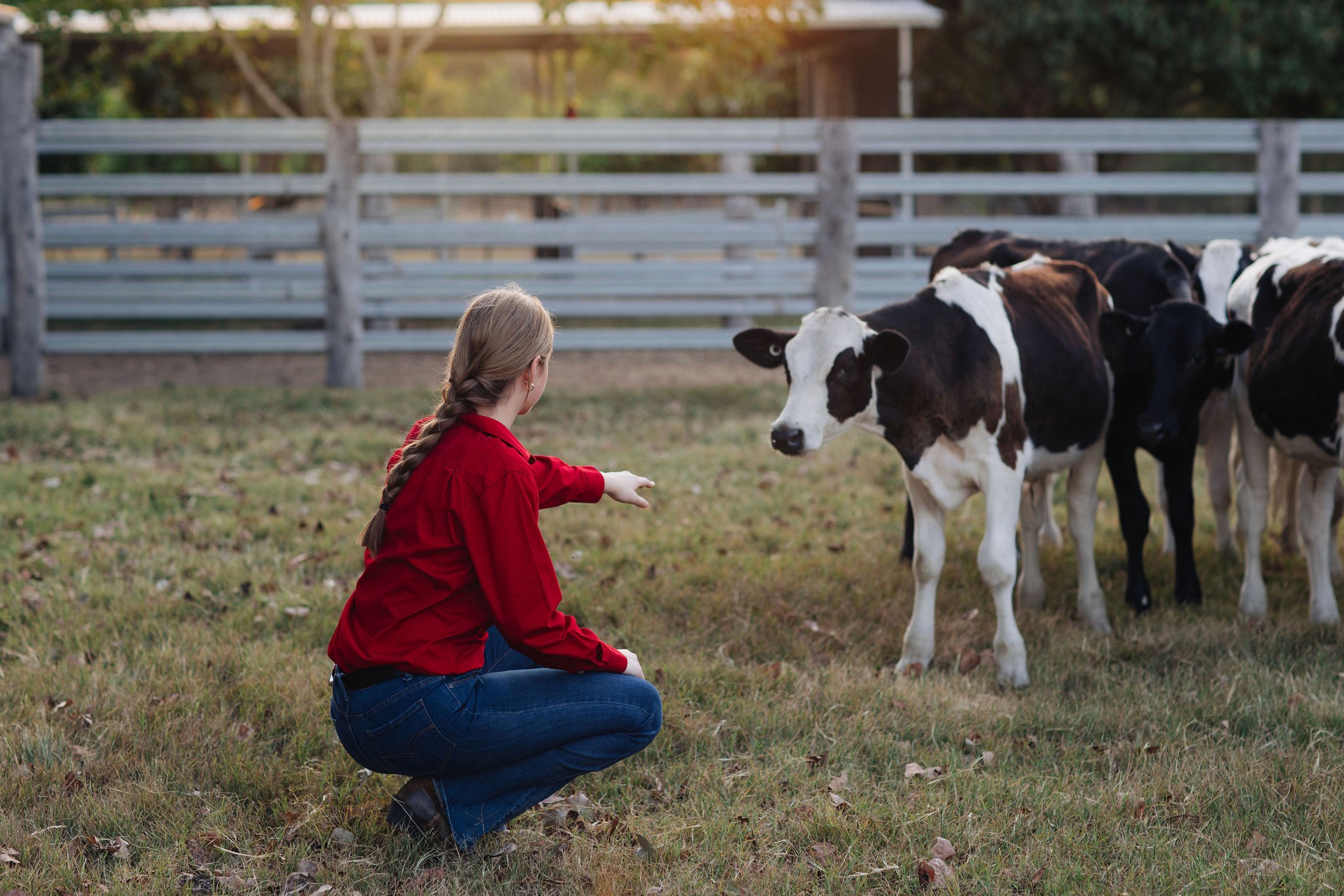
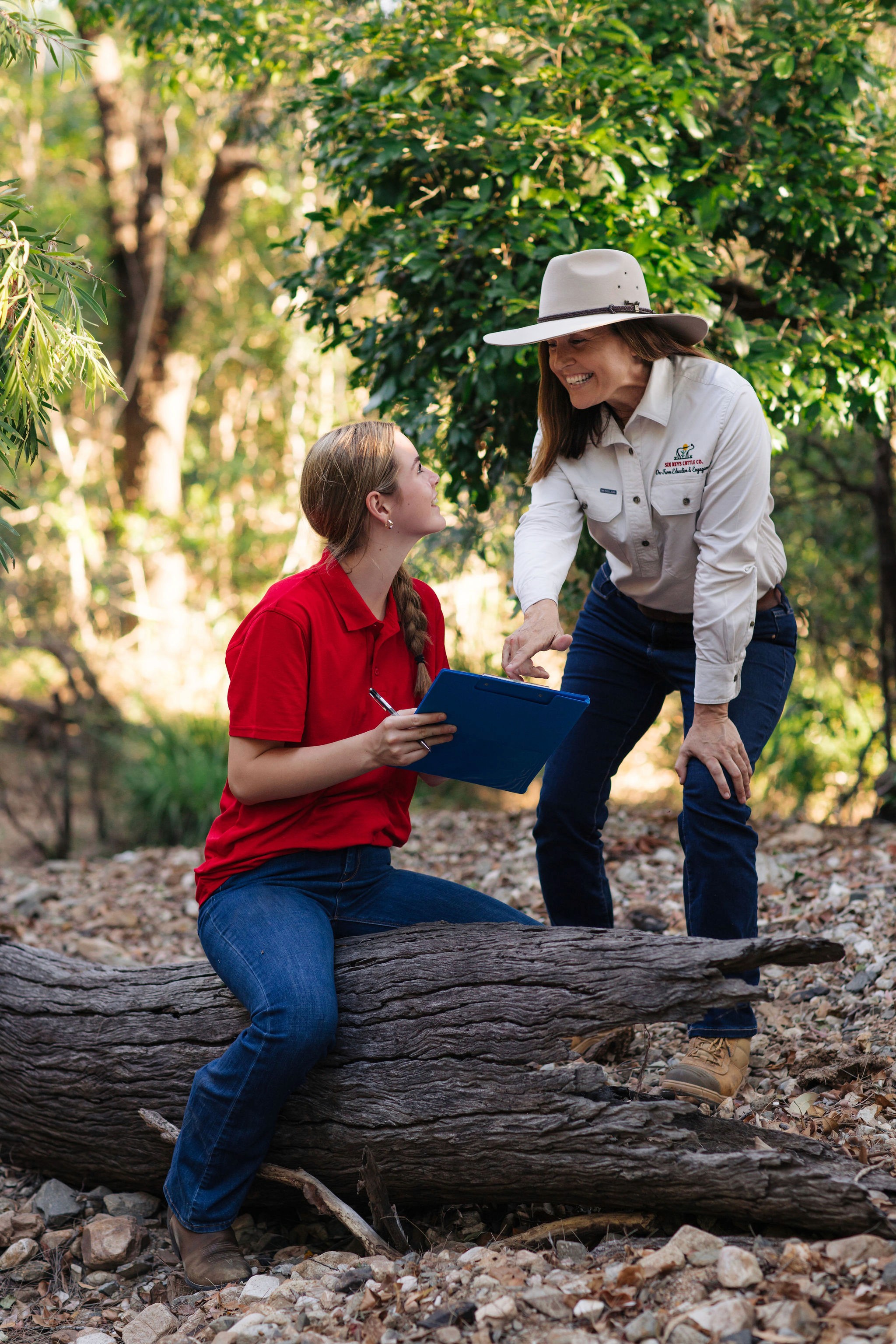
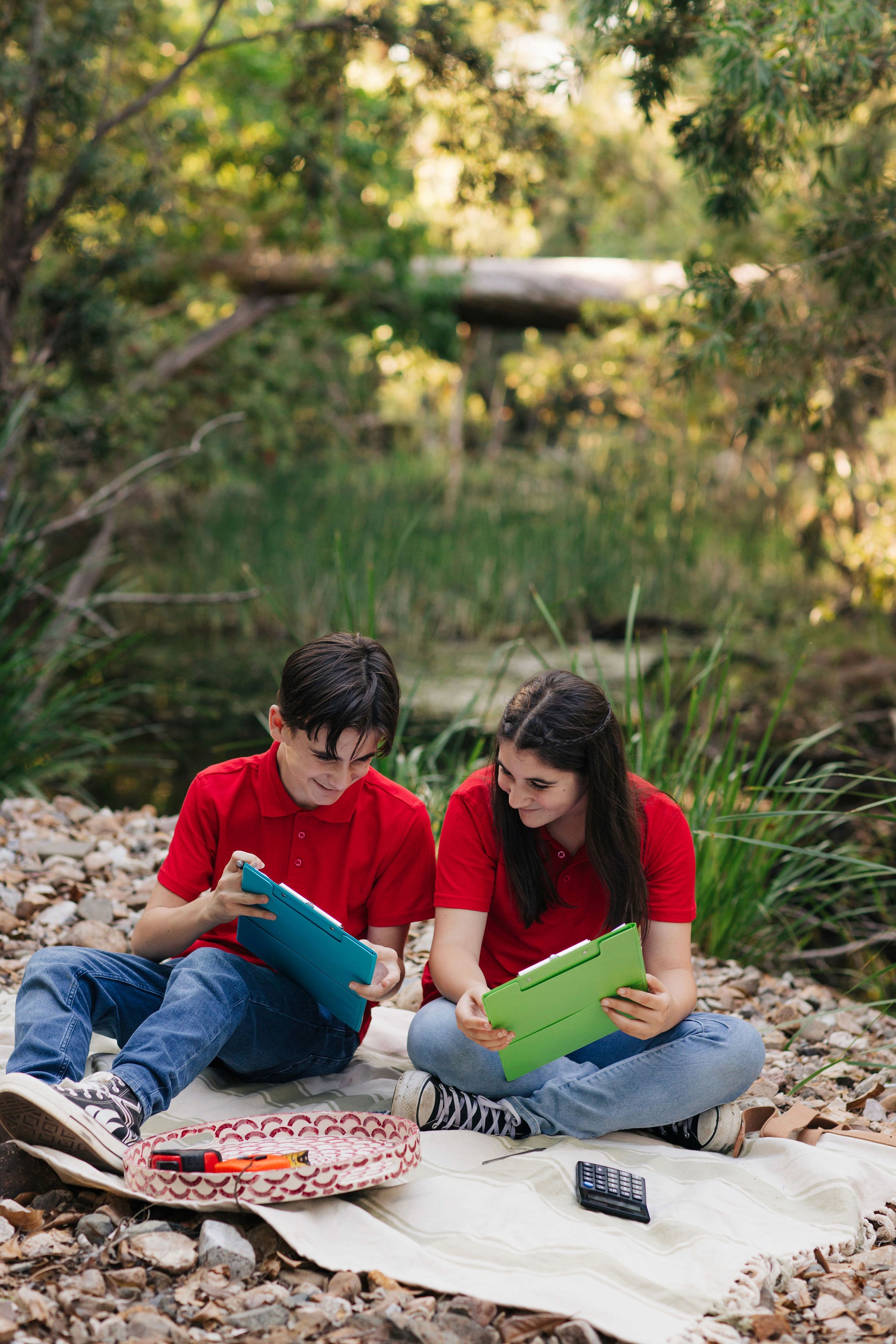
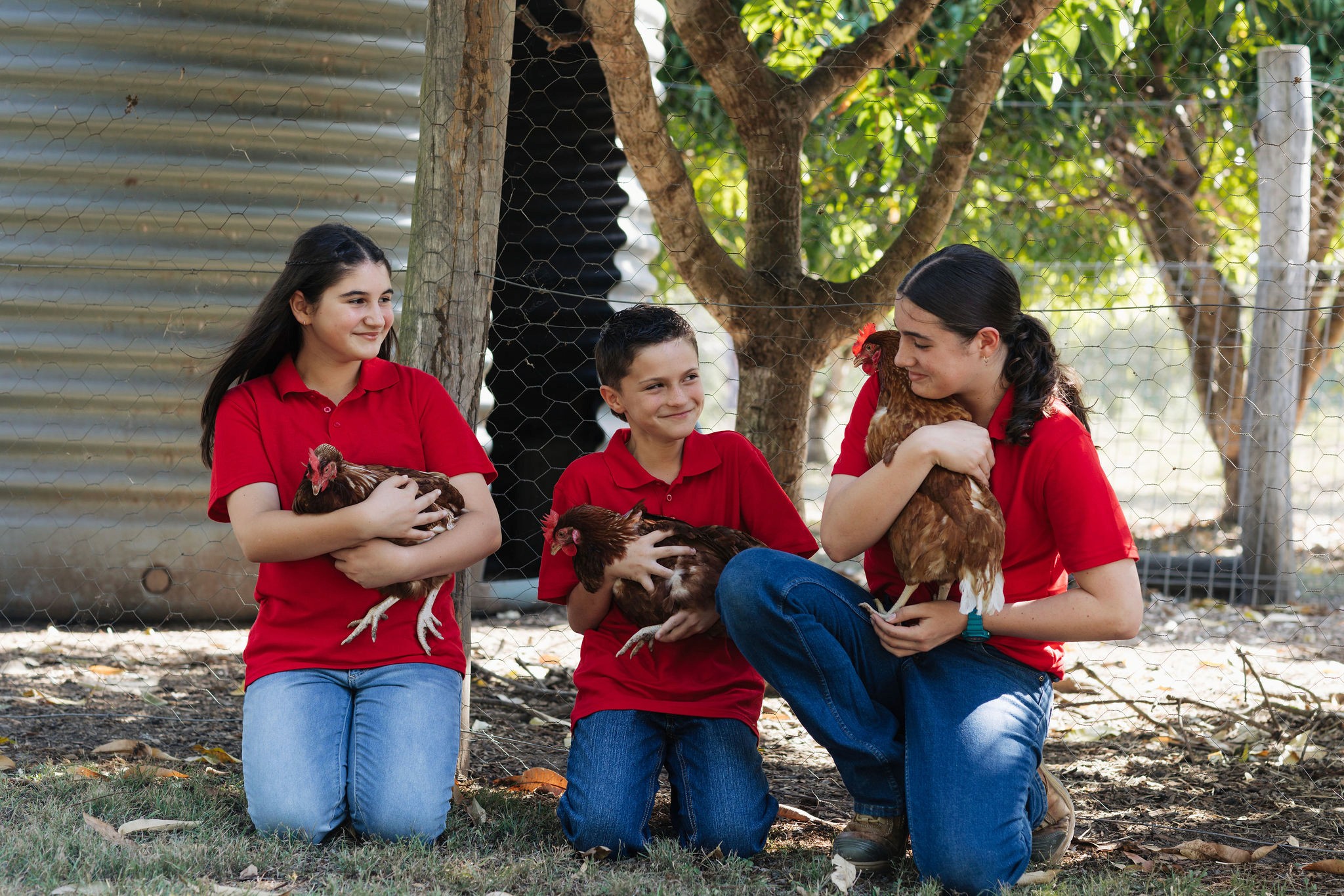
What farm learning offers is structurally different. At Six Keys Cattle Co, physical movement isn't scheduled as a break from the learning, it is the learning. Students move through paddocks, handle materials, work alongside animals, and shift constantly between observation and active participation. The body is occupied throughout, and because the movement is purposeful rather than prescribed, children engage with it differently. It doesn't register as exercise. It registers as doing something that matters.
The outdoor environment itself carries weight. Natural light, fresh air, and open space have measurable effects on the hormonal and neurological systems that govern mood, energy, and attention. Children in these environments simply function differently to children confined indoors for the bulk of their day.
Sitting is not a neutral act when it becomes the dominant experience of a child's waking hours. Giving children regular, purposeful time on their feet, in a real environment, doing real things, is not an enrichment activity.
It's a basic developmental need.