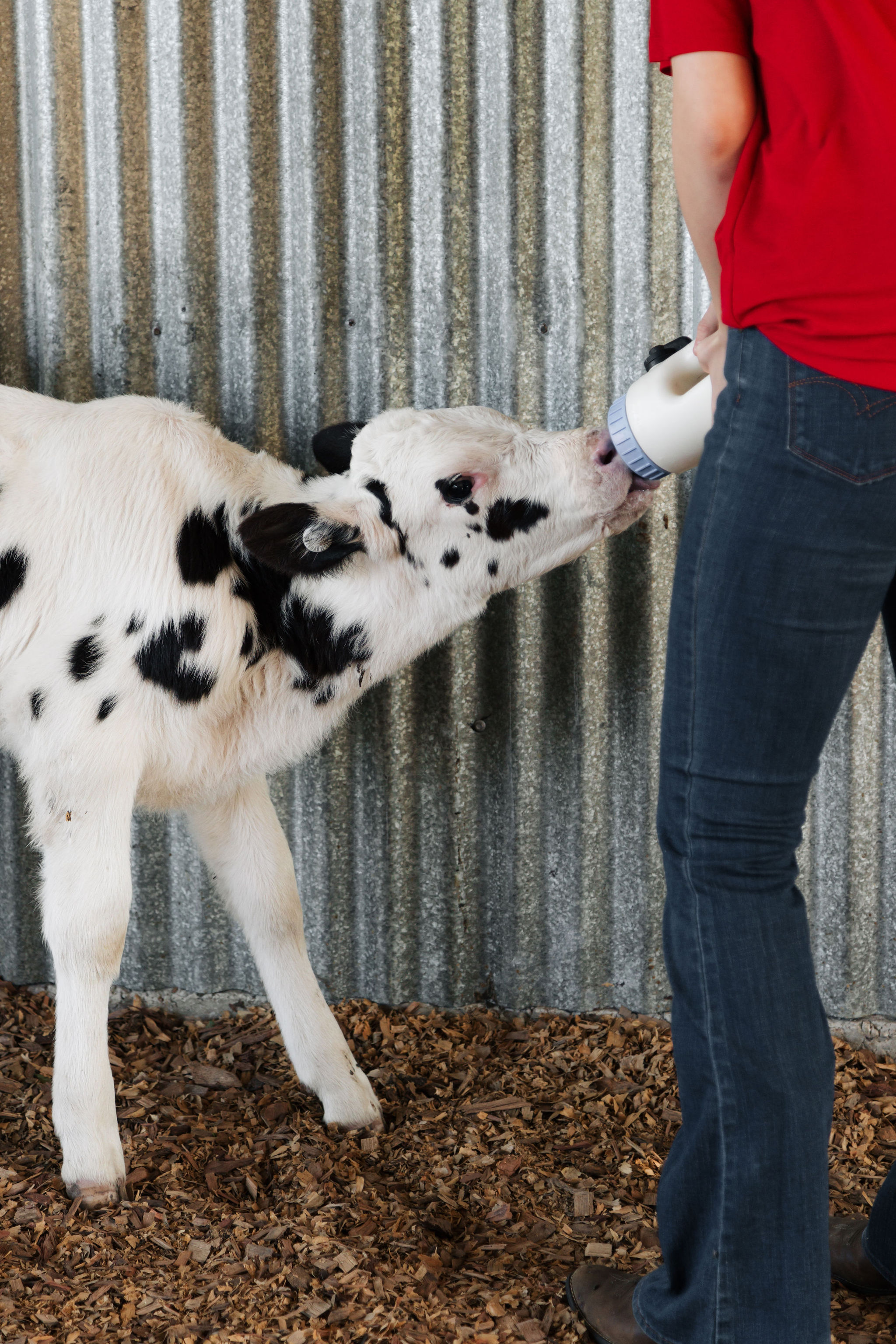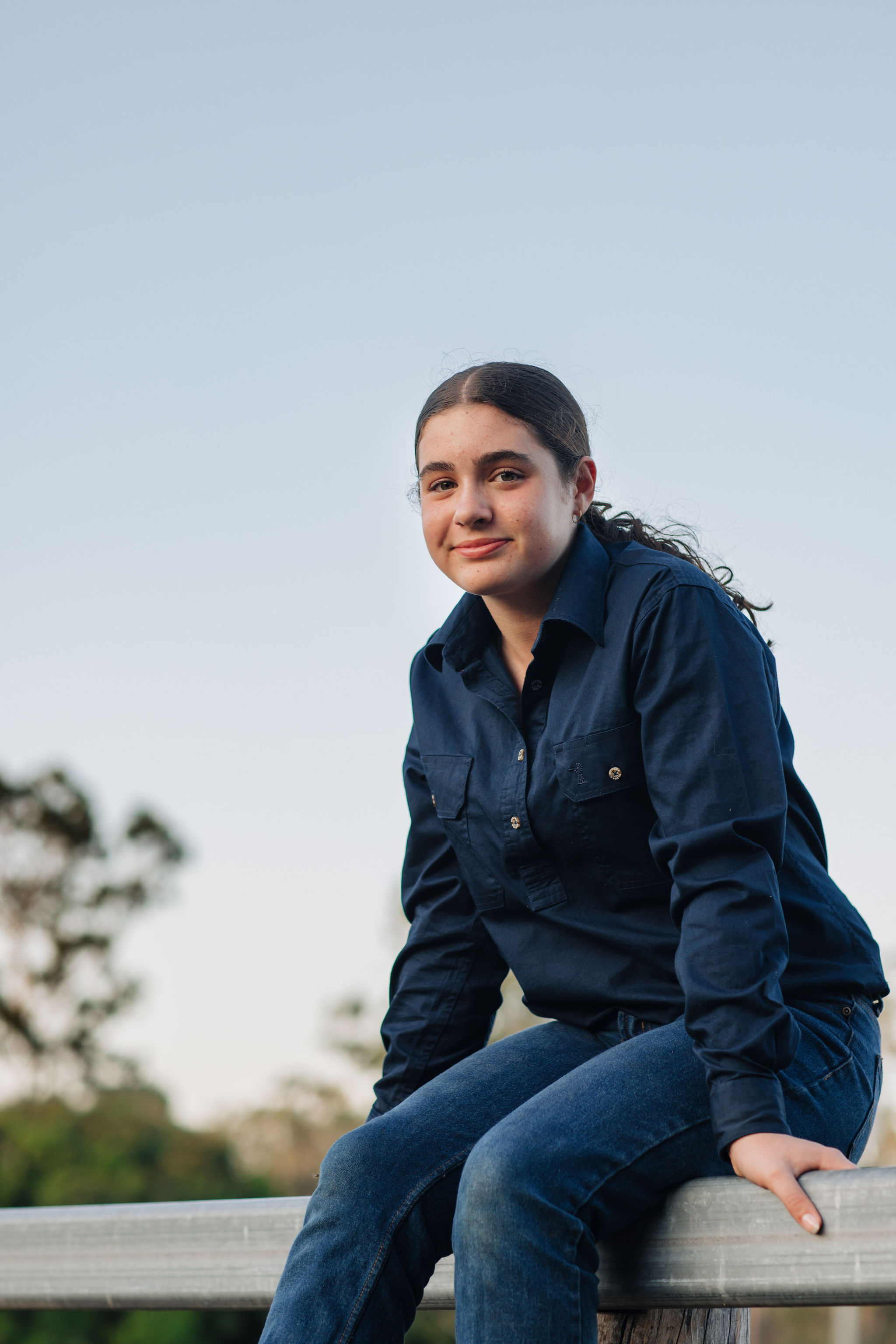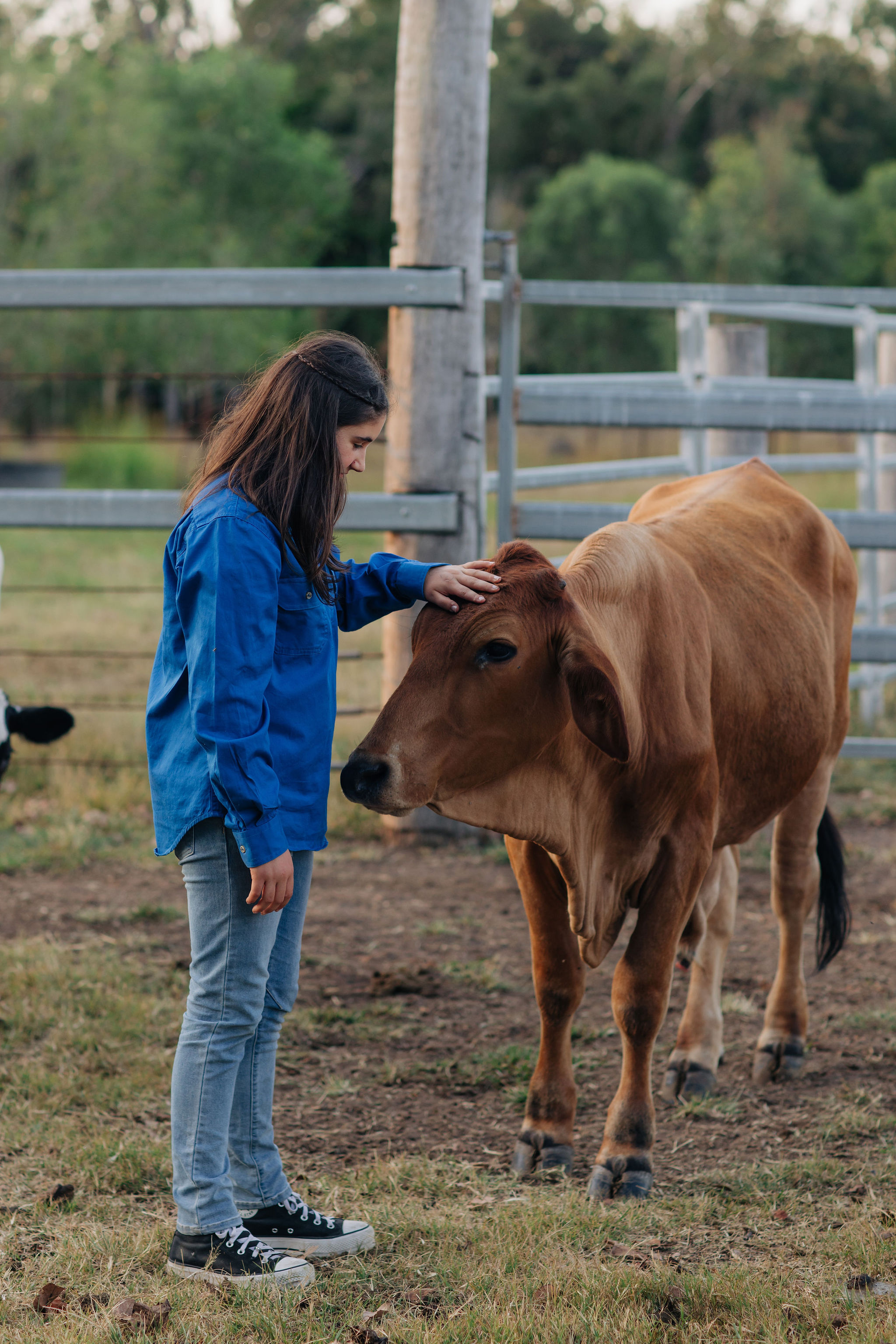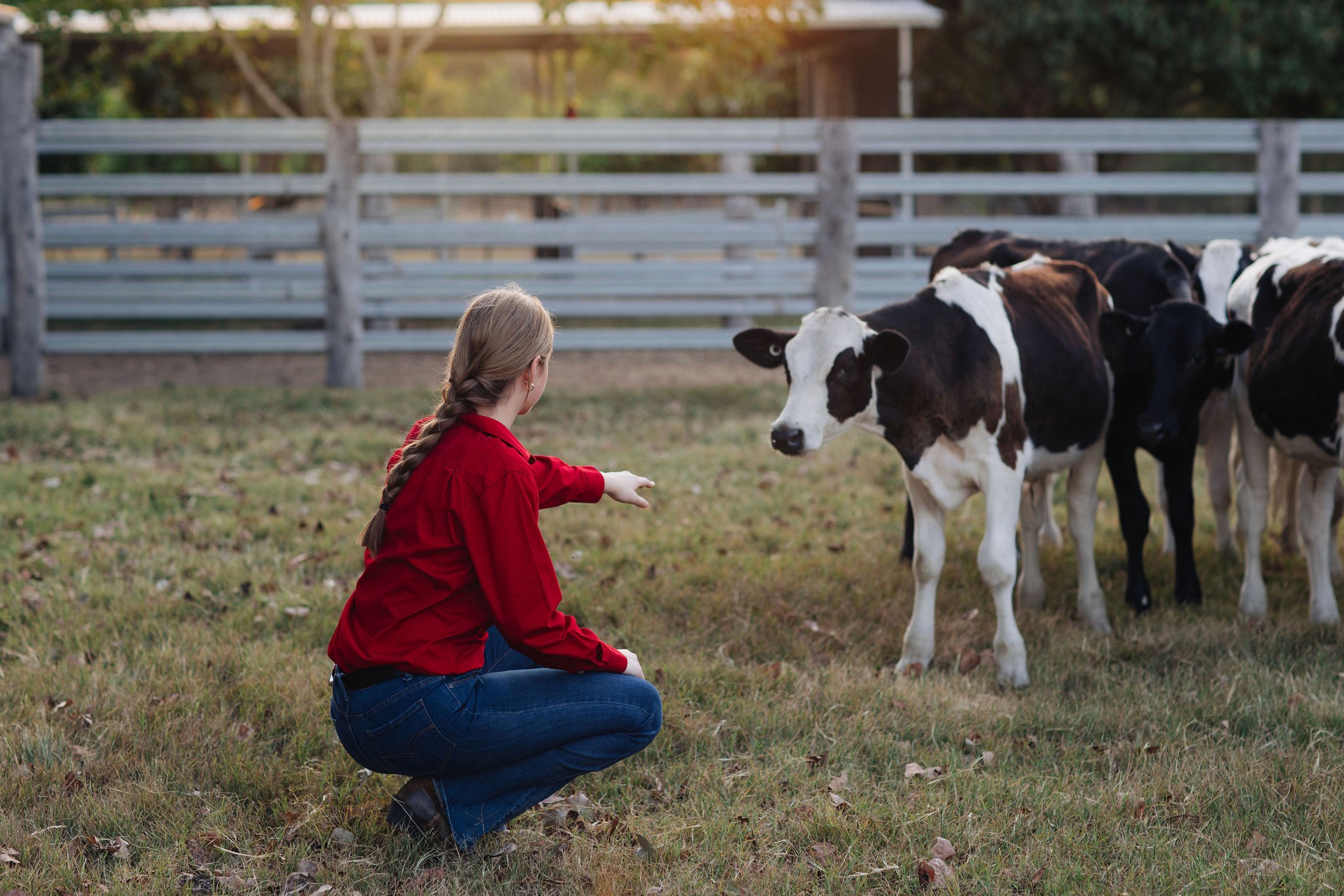
Ask a child to approach a large animal for the first time and watch what happens. The hesitation. The checked breath. The careful reading of the animal's posture before taking a step. What looks like caution is actually something more sophisticated: a child adjusting their internal state, reading a living creature, and responding. Emotional regulation, in real time, with no one naming it.
Cattle are honest. They don't respond well to rushing, to loud noise, or to nervous energy that hasn't been managed. Students at Six Keys Cattle Co learn this quickly. The animal's response becomes immediate feedback on how calm, how measured, how present the child actually is. That feedback loop is unlike anything a classroom exercise can deliver because the consequence is real and the animal doesn't pretend otherwise.
There's significant research behind what experienced educators and animal handlers have long observed: interaction with animals supports emotional development in children in meaningful ways. Cortisol levels drop. Heart rates slow. The physiological calm that follows genuine animal contact creates conditions where children can process, reflect, and engage differently than they might in a high-stimulus indoor environment.
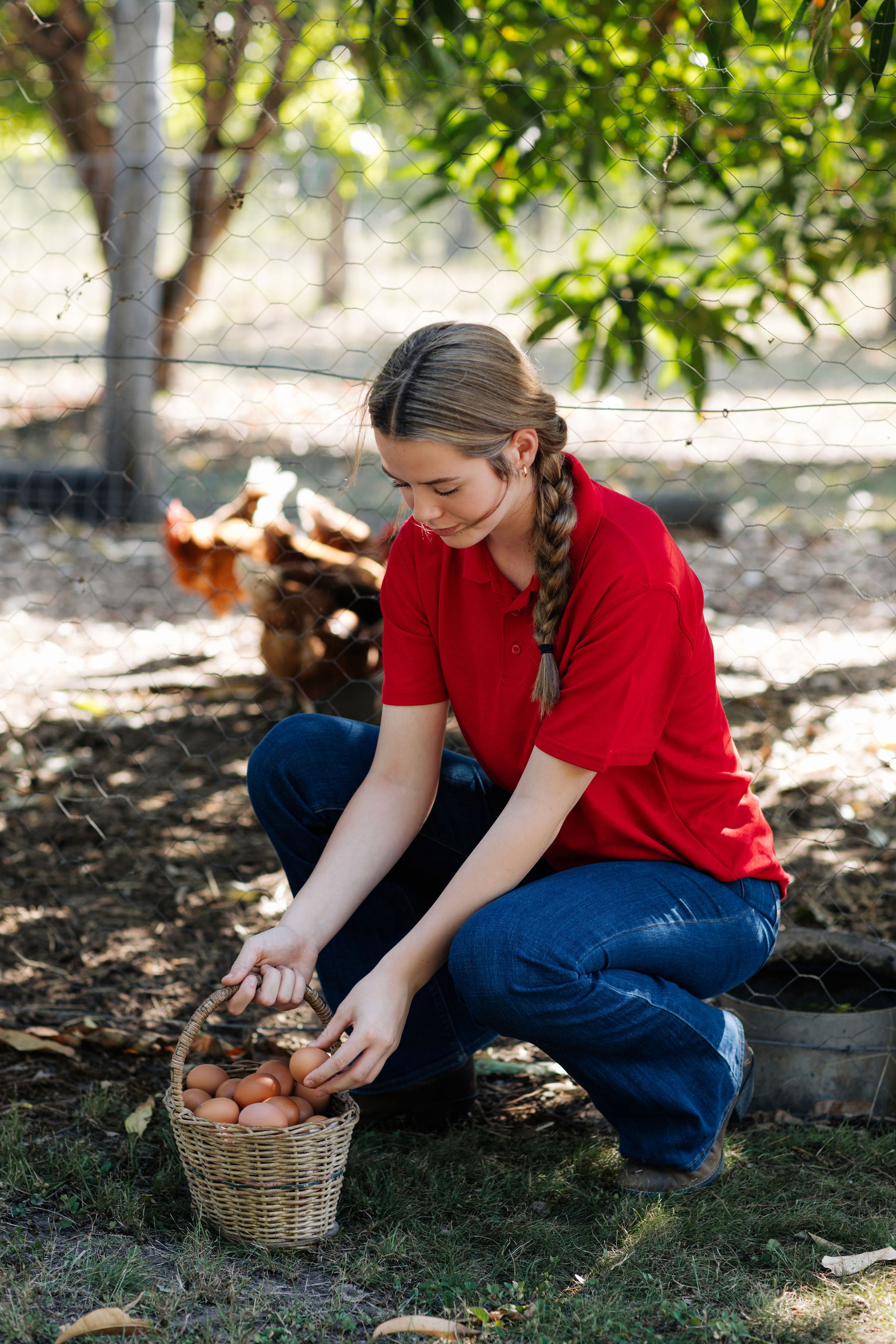
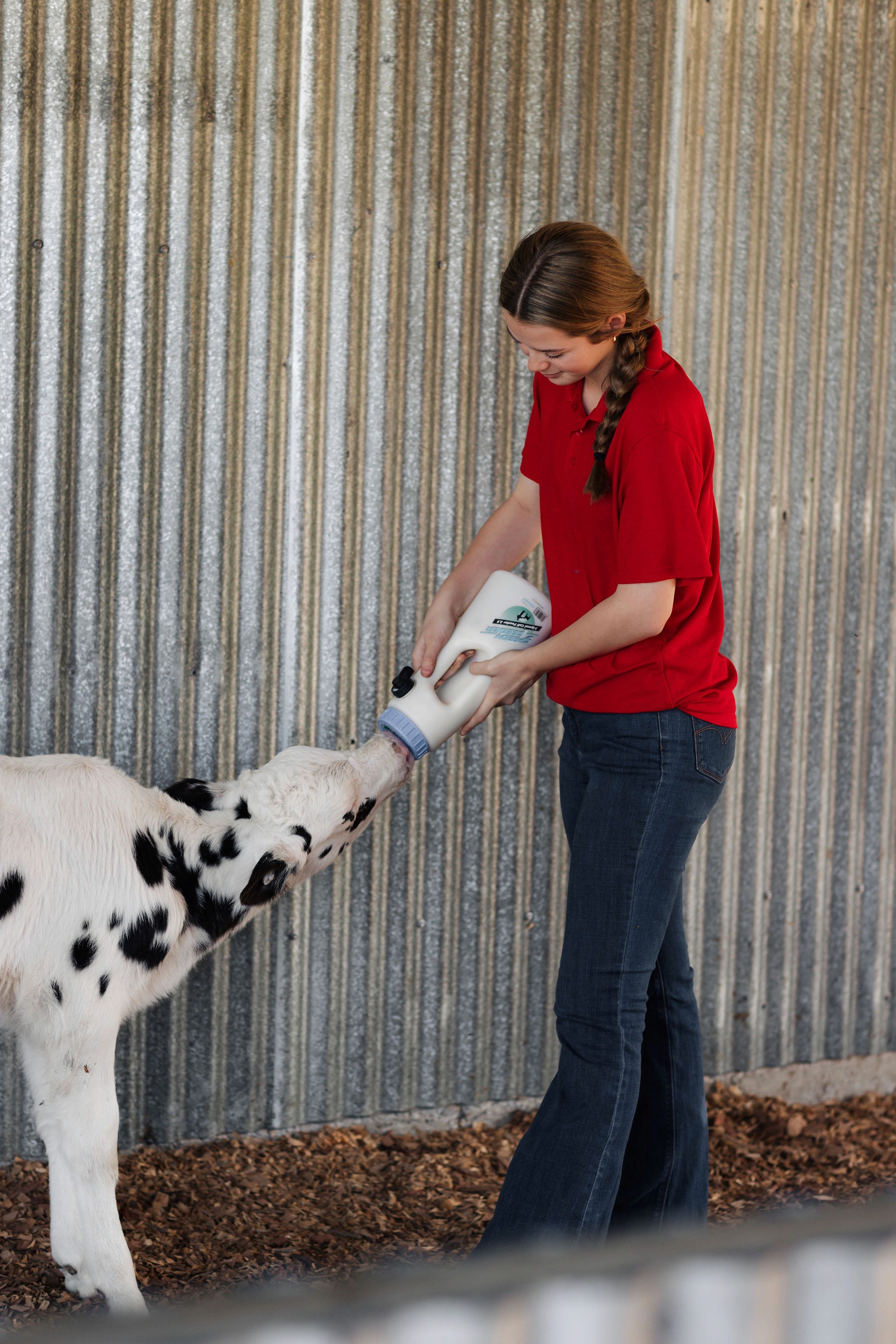
Confidence built on a farm is also a different thing to confidence built through praise. Students who successfully move cattle, work alongside a trained dog, or care for animals through a structured activity have done something genuinely challenging. That earned quality sticks. It doesn't wash off when they return to the classroom because it wasn't given to them. They found it themselves.
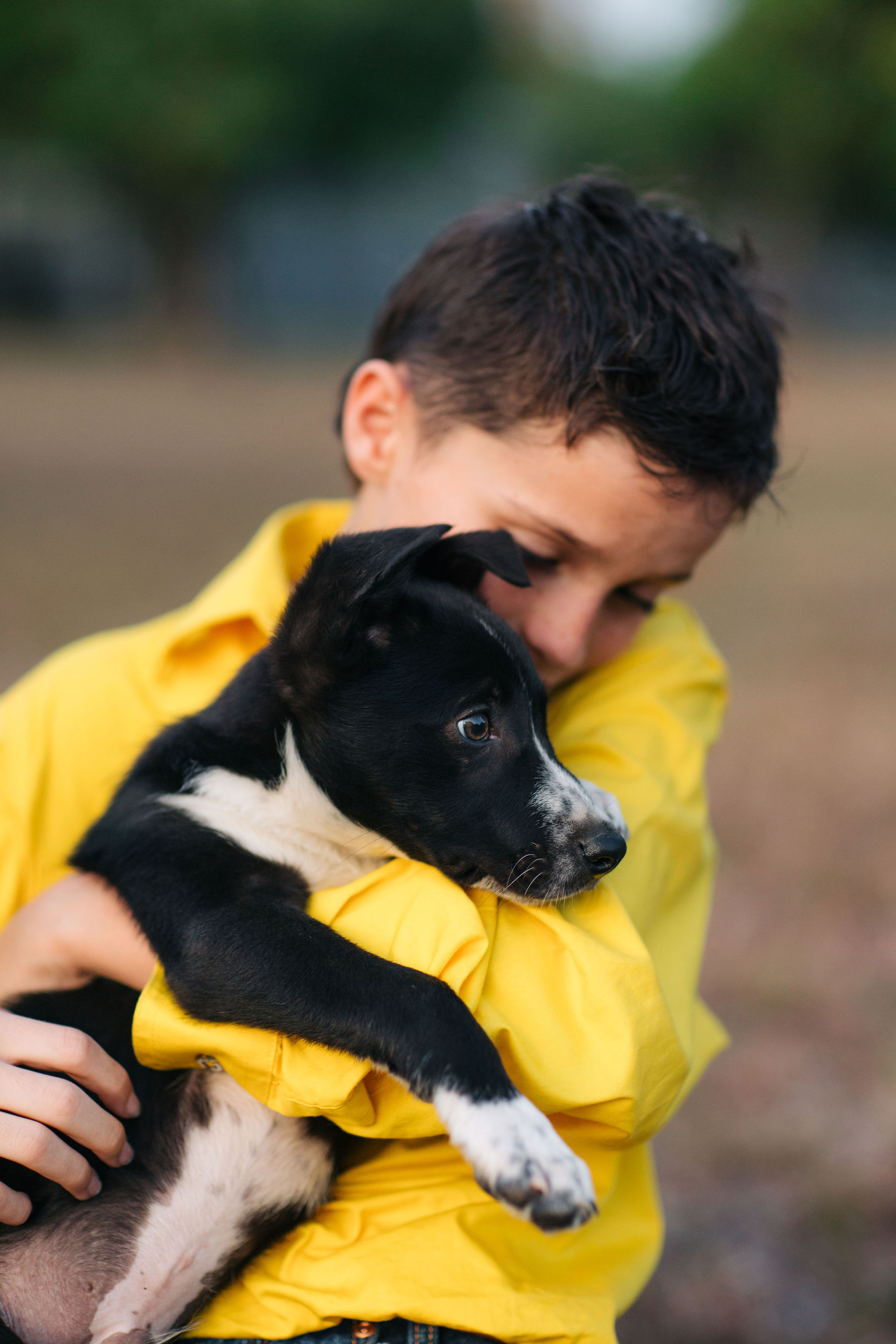
Working dogs at Six Keys offer their own particular lesson. Watching a skilled dog work cattle teaches students something about calm authority, responsiveness, and the relationship between trust and behaviour, ideas that carry directly into how children understand their own social world.
For students who struggle in peer settings or carry anxiety into school each day, animals offer something rare: a relationship without judgment. Cattle, dogs, and chickens don't register academic records or social hierarchies. That levelling quality creates a kind of psychological safety that some children rarely experience anywhere else. And within that safety, they often find they're considerably more capable than they believed.
The skills developed through animal interaction, reading non-verbal cues, managing impulse, staying present under pressure, are exactly the emotional intelligence competencies linked to long-term wellbeing and genuine resilience. They also transfer. Students carry them back to the classroom, into friendships, and eventually into their working lives.
At Six Keys Cattle Co, the animals do some of the best teaching on the property.