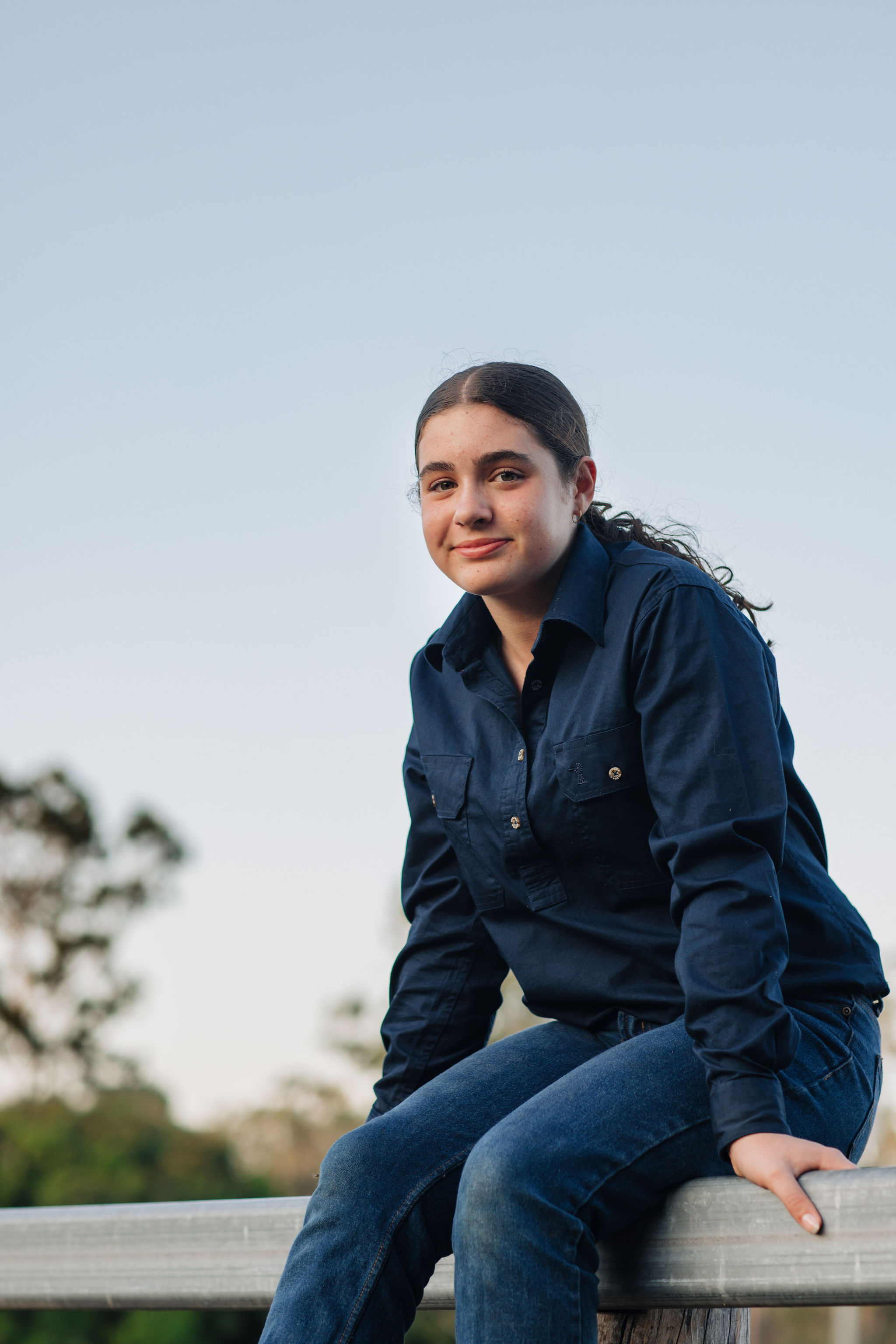
Every teacher knows this student. Quietly present, observant, clearly thinking. But when a discussion opens up, they go still. Not because they have nothing to say, but because the social cost of saying it in a room where thirty peers are watching feels too high.
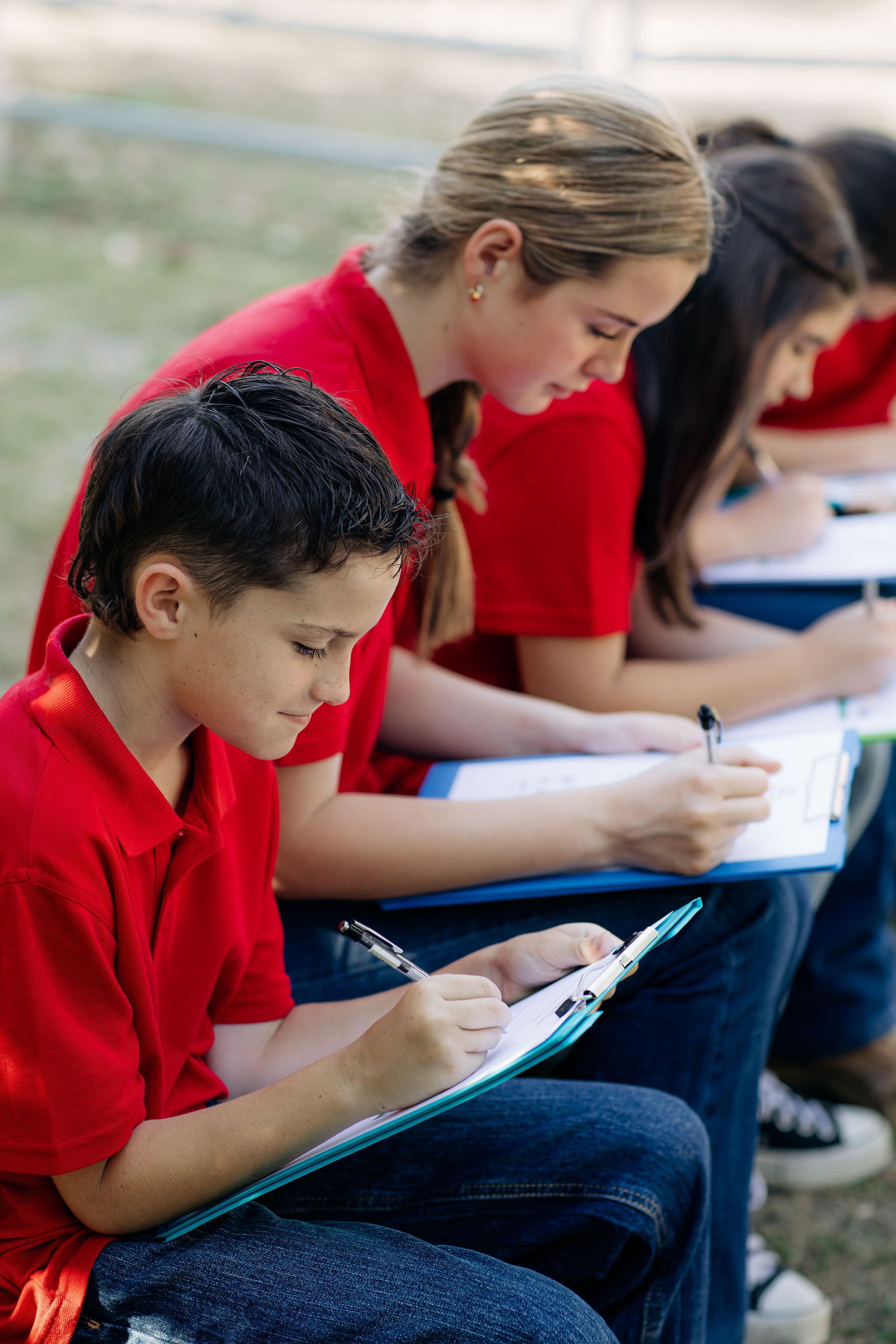
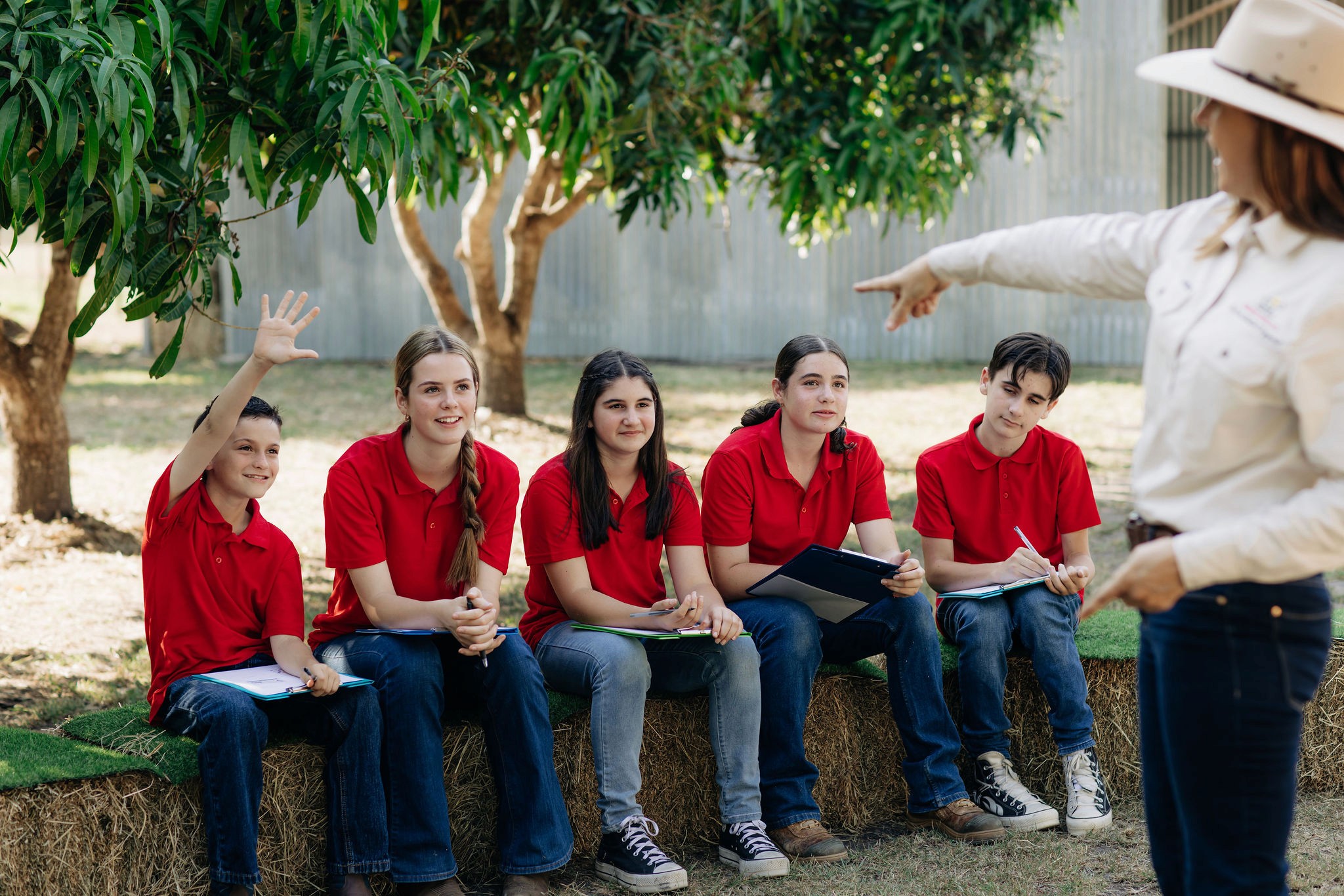
Classroom participation is largely a verbal act performed under social observation. Answering a question, contributing to a discussion, offering an idea. These require confidence in the social environment before they require any knowledge of the subject. For students who lack that confidence, or who have learned through experience that speaking up tends to go badly for them, the classroom creates a consistent barrier between what they know and what they show.
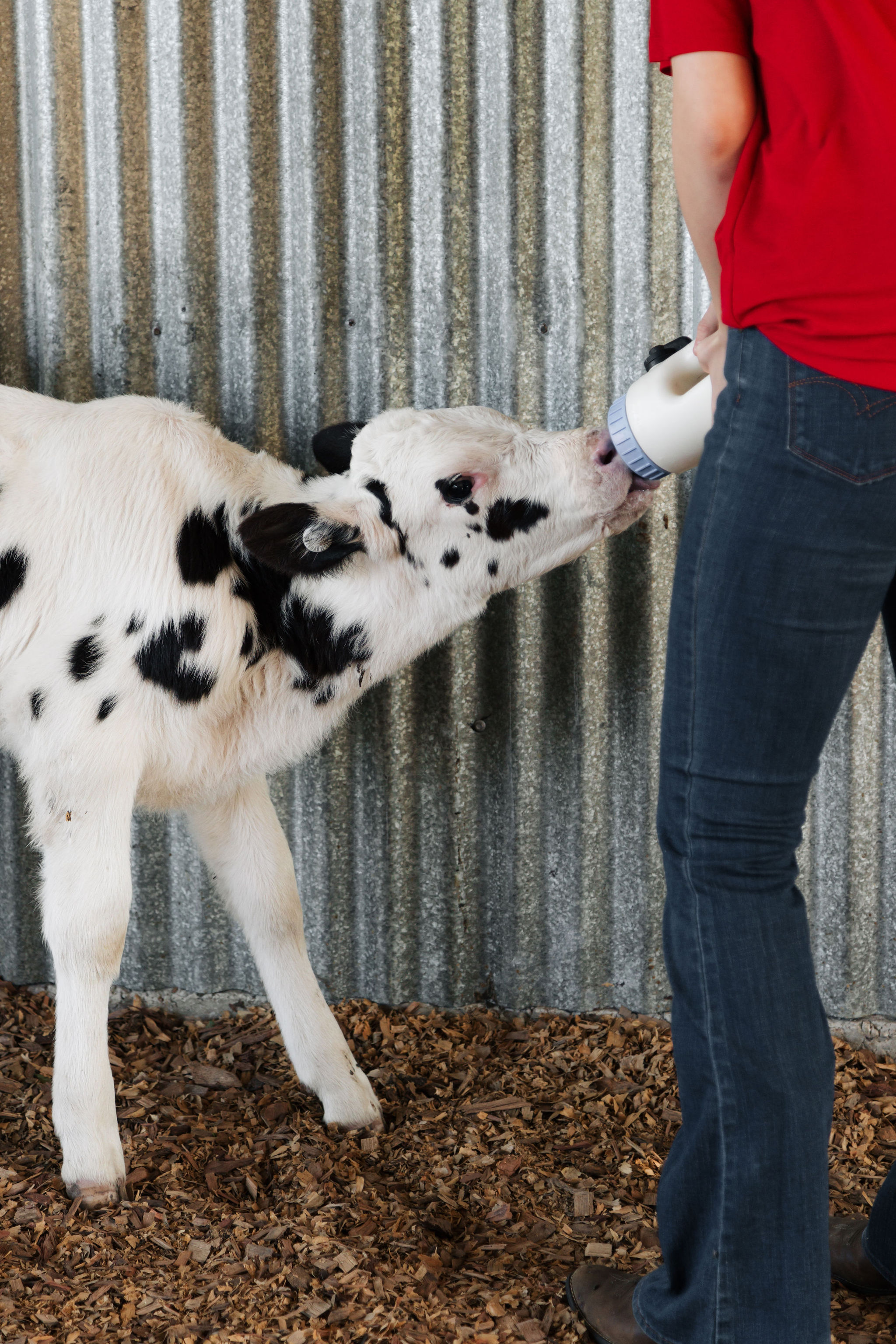
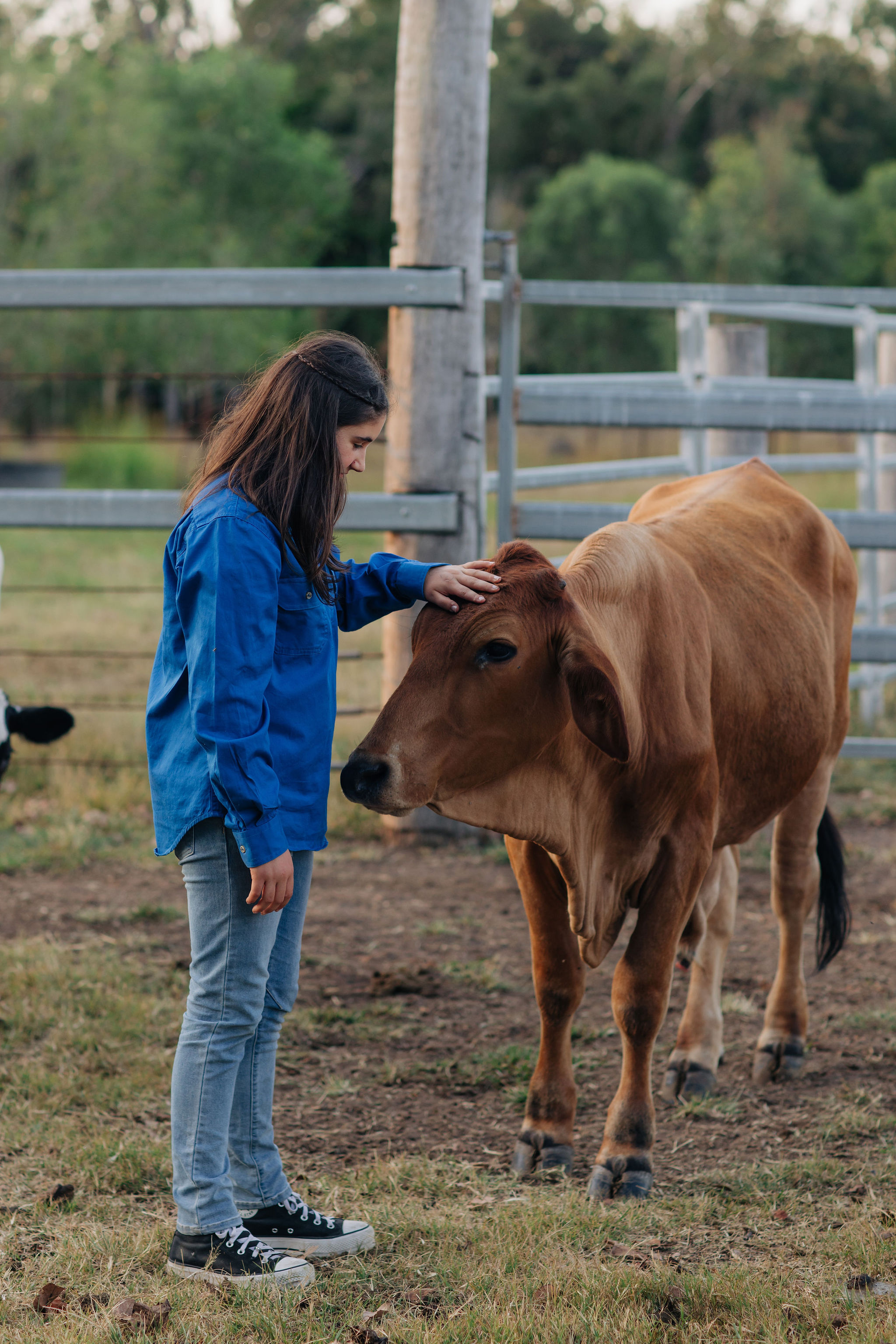
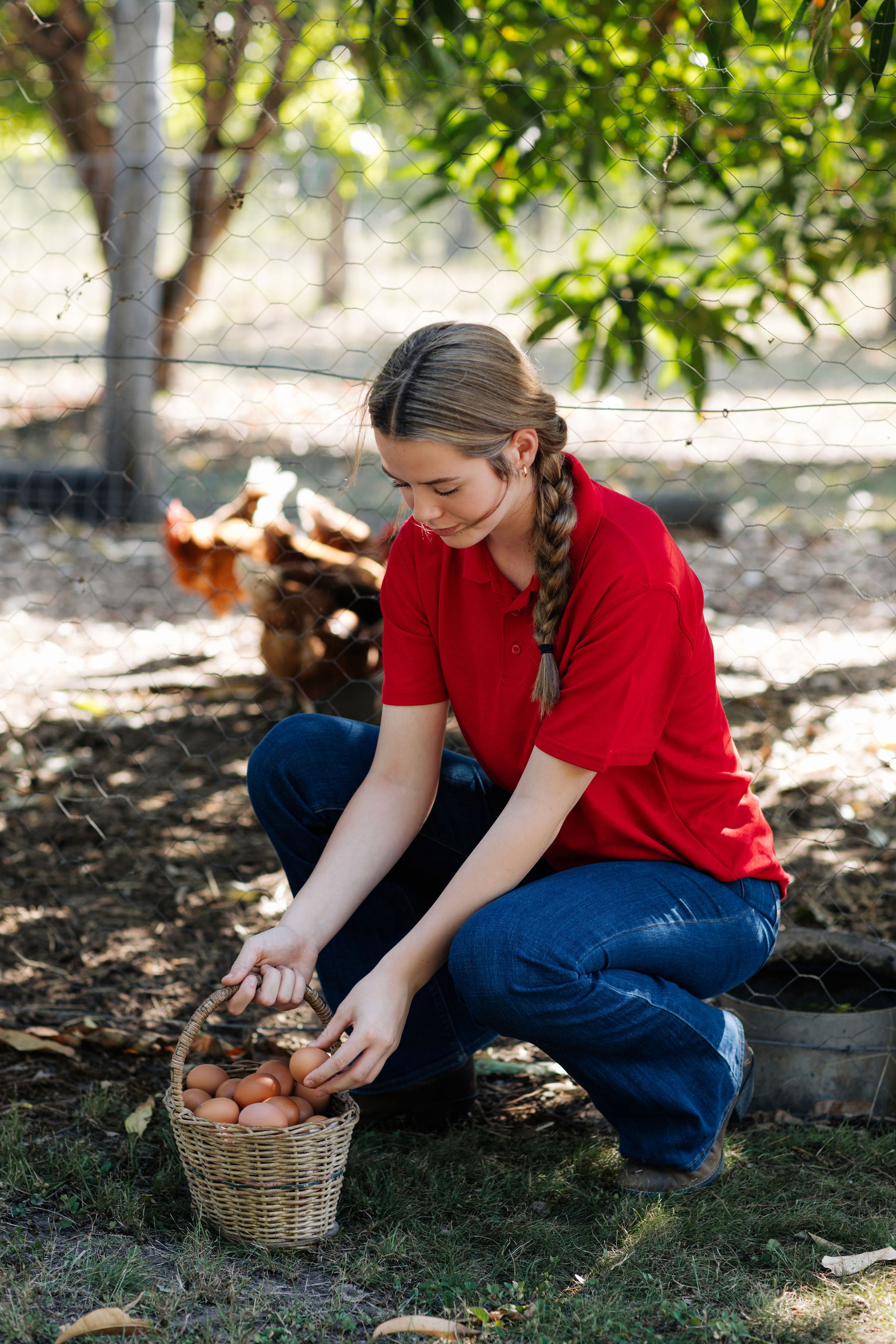
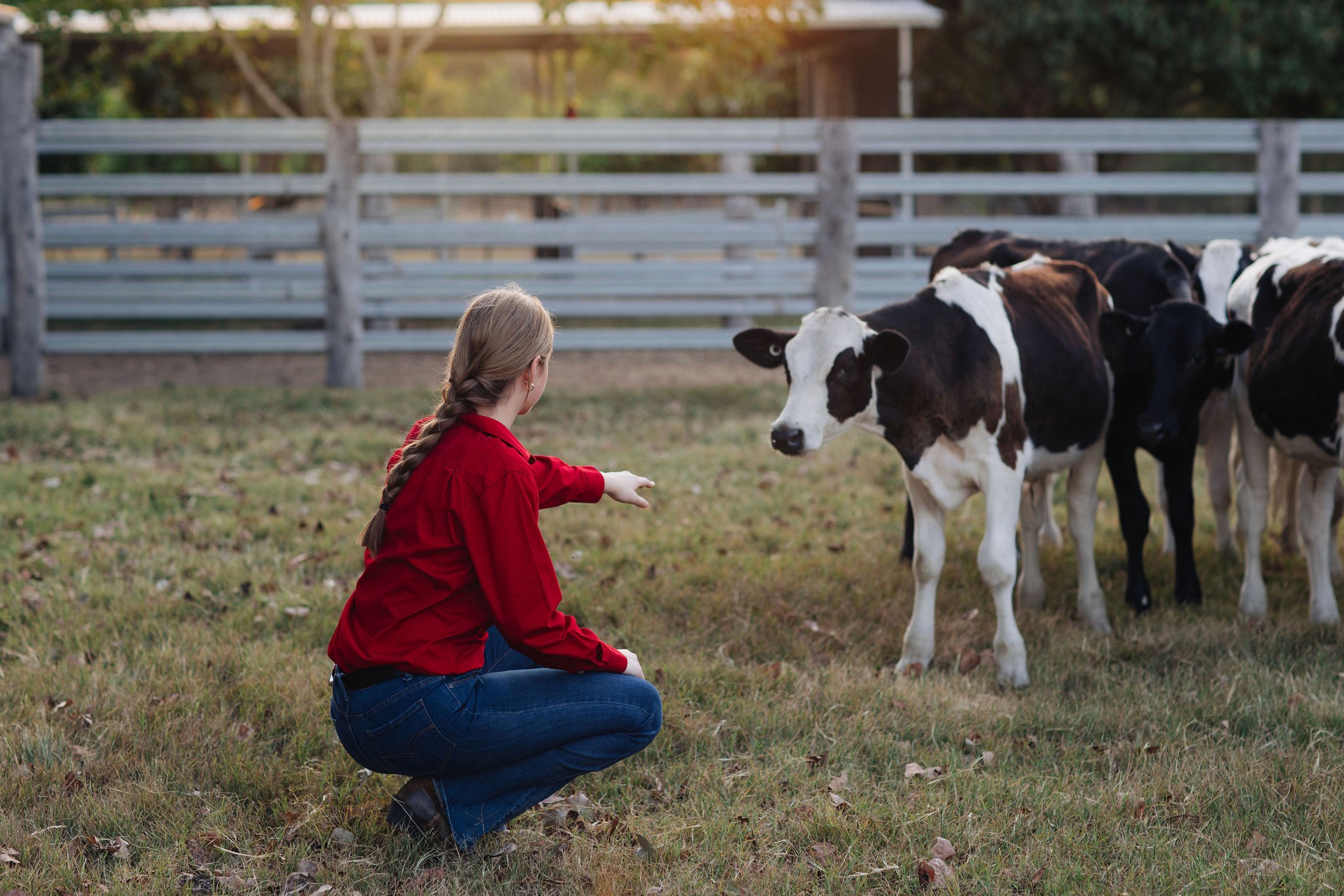
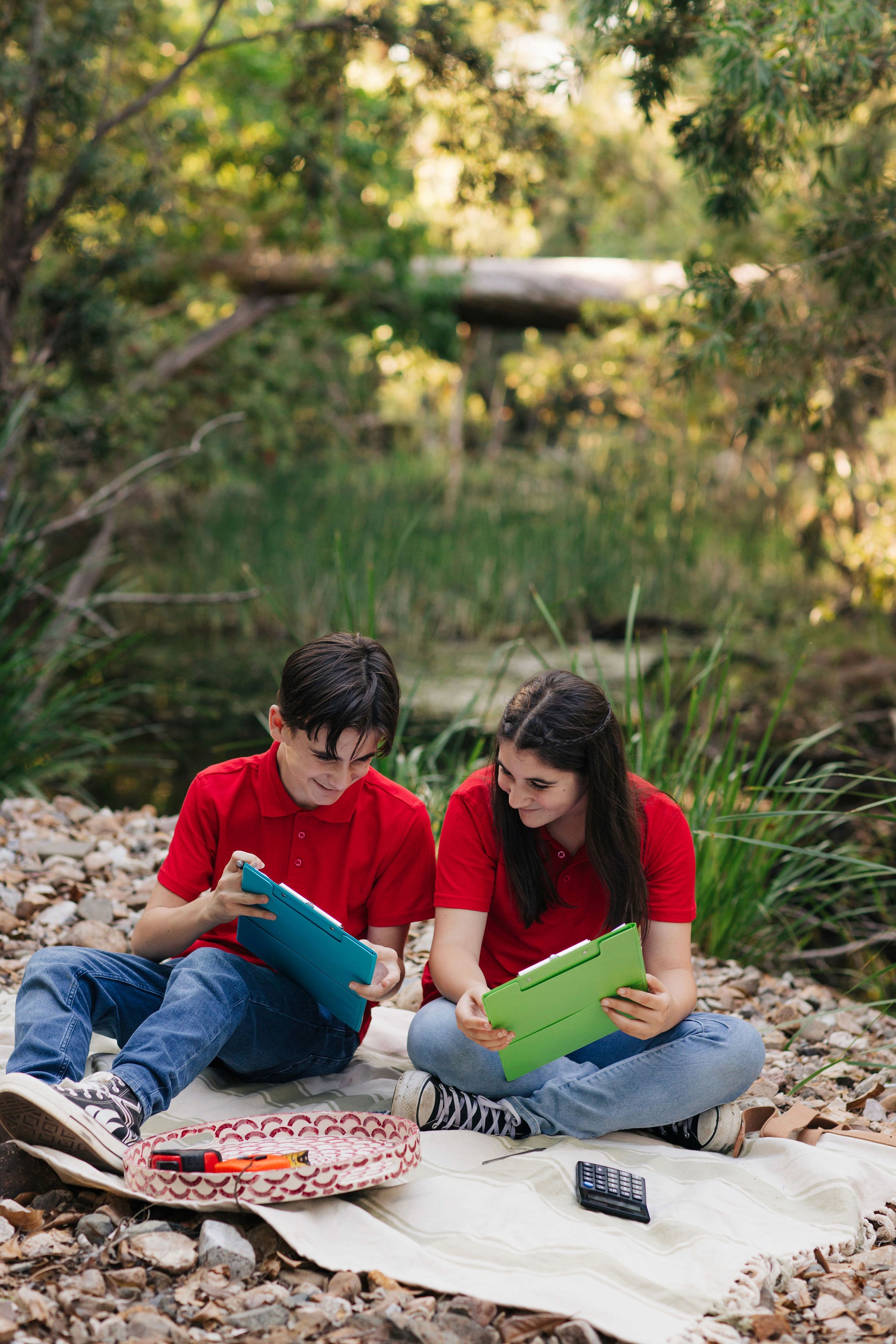
Farm participation works differently. Students engage through observation, physical action, and practical response. Moving through a property, watching how stock behave, contributing to a task that requires bodies rather than voices. These are forms of participation that don't demand verbal performance in front of peers first. The quiet student who freezes in a classroom debrief can stand in a yard, read an animal accurately, and respond to what they see without needing to perform for the group.
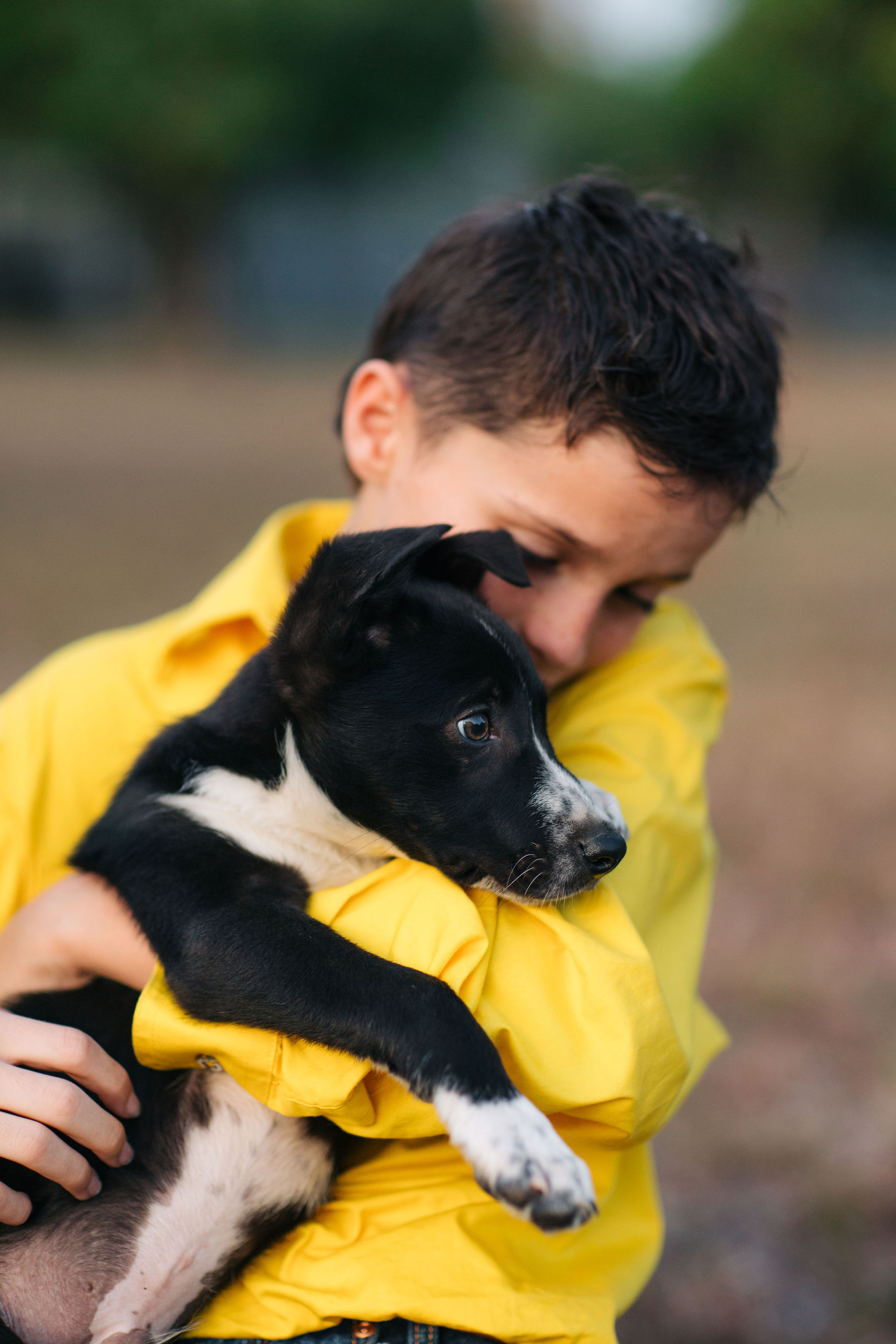
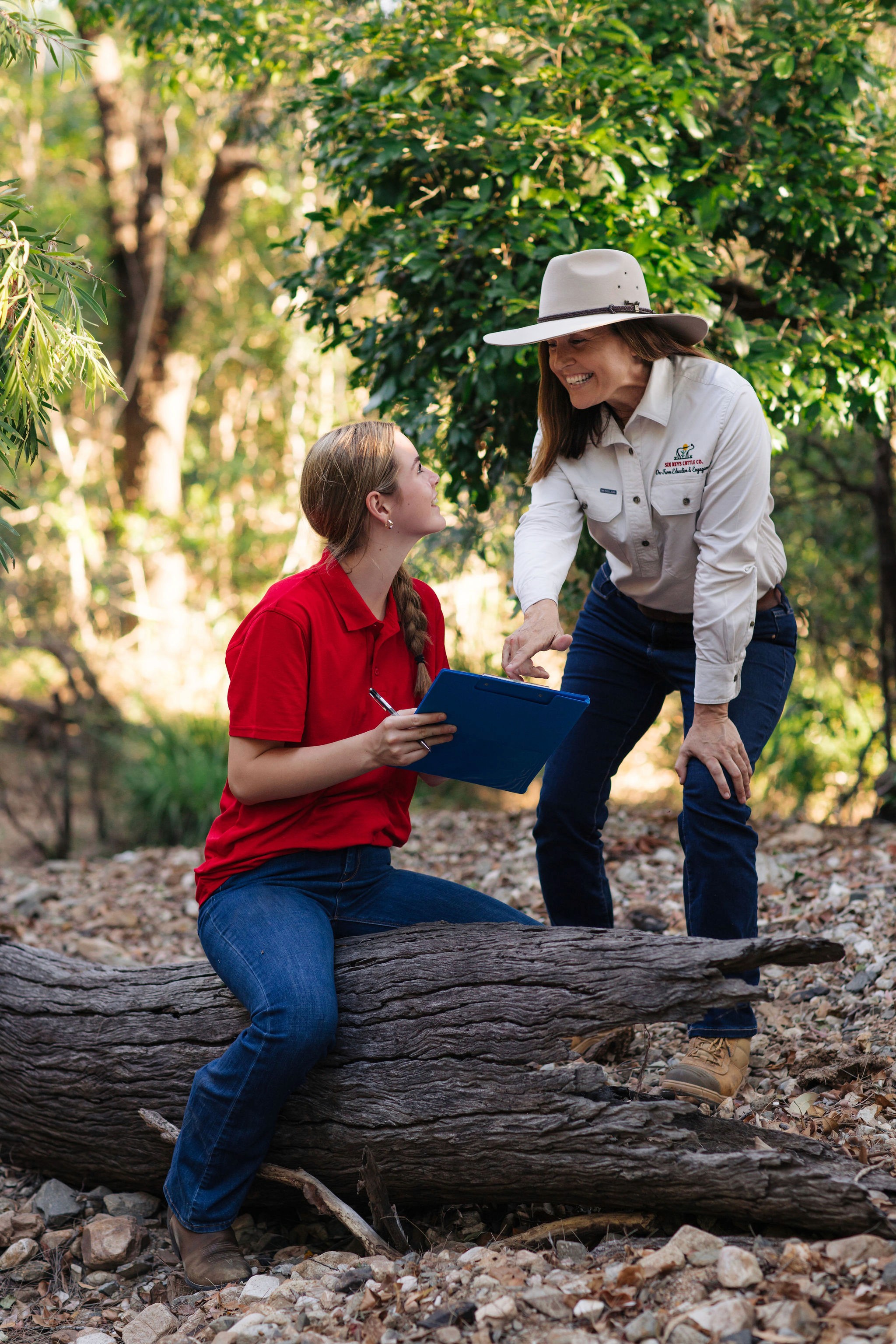
At Six Keys Cattle Co in Central Queensland, this pattern repeats consistently across school groups. Students who barely register in classroom settings often become quietly central to the work on the farm. They observe more carefully than the louder students. They move more calmly around stock. They notice things that get missed. The farm environment, which rewards attention and physical presence over verbal confidence, surfaces a different set of students as capable and engaged.
What shifts the dynamic isn't just that the setting is different. It's that the mode of participation is different.
Research into participation and social safety consistently shows that students who perceive the social risk of contribution to be low are significantly more likely to engage, explore, and demonstrate genuine understanding. The farm lowers that risk by changing what participation looks like. Engagement through doing carries far less social exposure than engagement through speaking in front of a group, and for students who have developed a fear of visible failure, that difference is substantial.
Teachers who witness this often describe a specific moment: the quiet student who was last to approach a task becomes, by mid-morning, the calmest person in the yards. The shift happens without anyone engineering it. The environment creates the conditions, and the student steps into them.
Those moments travel. Students who have participated genuinely, been seen as capable, and experienced a different kind of contribution carry that back into the classroom.
The farm doesn't fix things for these students. But it gives them something to know about themselves that makes things a little more navigable.