The term "regulated nervous system" has moved from therapy rooms into school conversations, and not without reason. Teachers are increasingly familiar with what dysregulation looks like in a classroom: the student who can't settle, who escalates quickly over small things, who shuts down completely when the day becomes too much. The vocabulary might be new. The reality isn't.
What gets less attention is how consistently the environment itself drives that state.
Classrooms are, by design, demanding. They ask children to manage their bodies, regulate their attention, navigate complex social dynamics, and absorb continuous input for hours at a stretch. That's a significant load. For students already carrying stress from home, from developmental challenges, or simply from the accumulating pressure of a school day, it regularly becomes too much.
Nature doesn't work this way.
Research into the relationship between natural environments and nervous system function is extensive and consistent. Time spent outdoors, particularly in natural settings, measurably reduces cortisol, lowers heart rate, and shifts the nervous system toward the state that makes learning, memory formation, and social connection possible. This isn't a fringe finding. It shows up across age groups, across contexts, and across cultures, and the effect is fairly rapid. You don't need an extended program to see the shift.
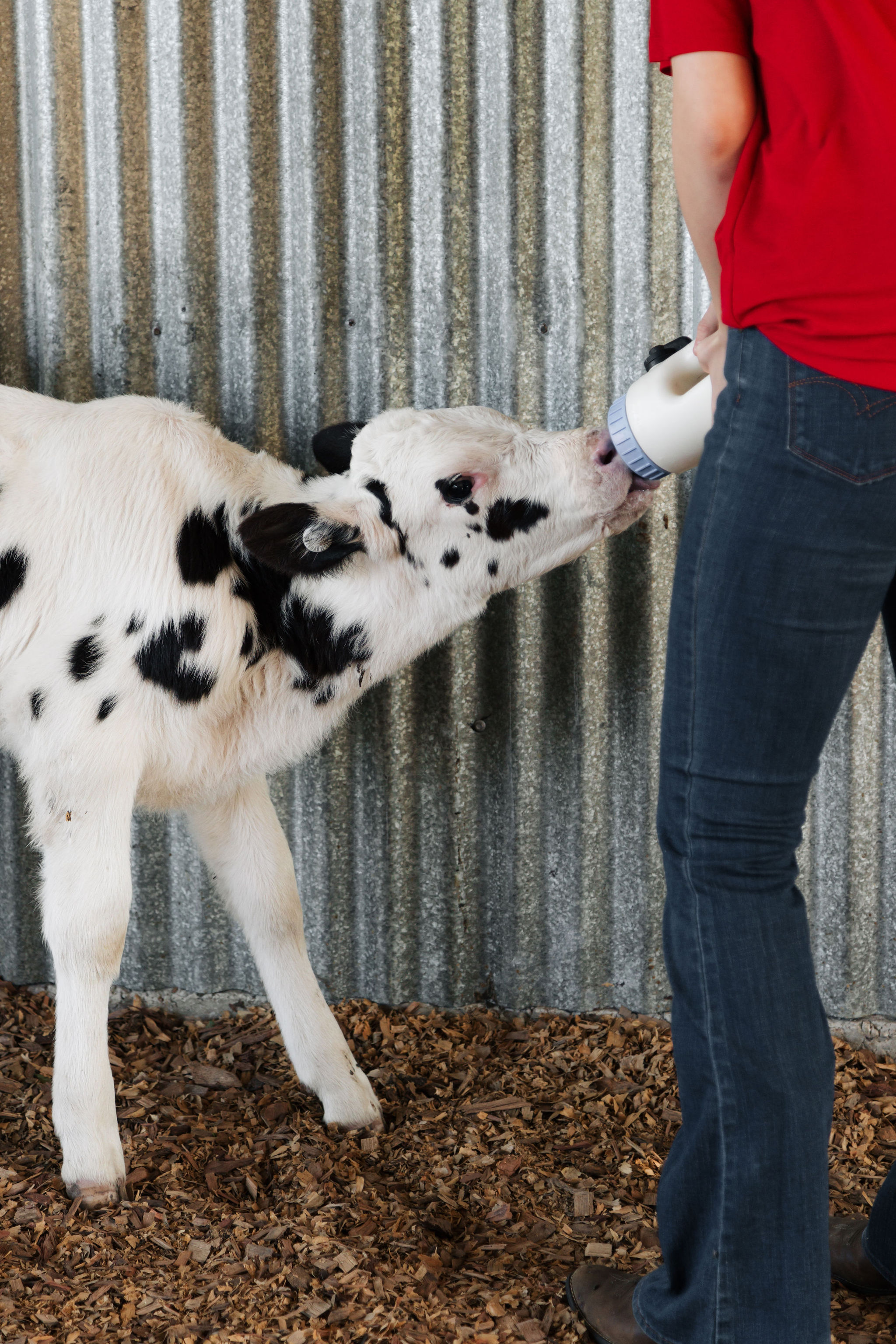
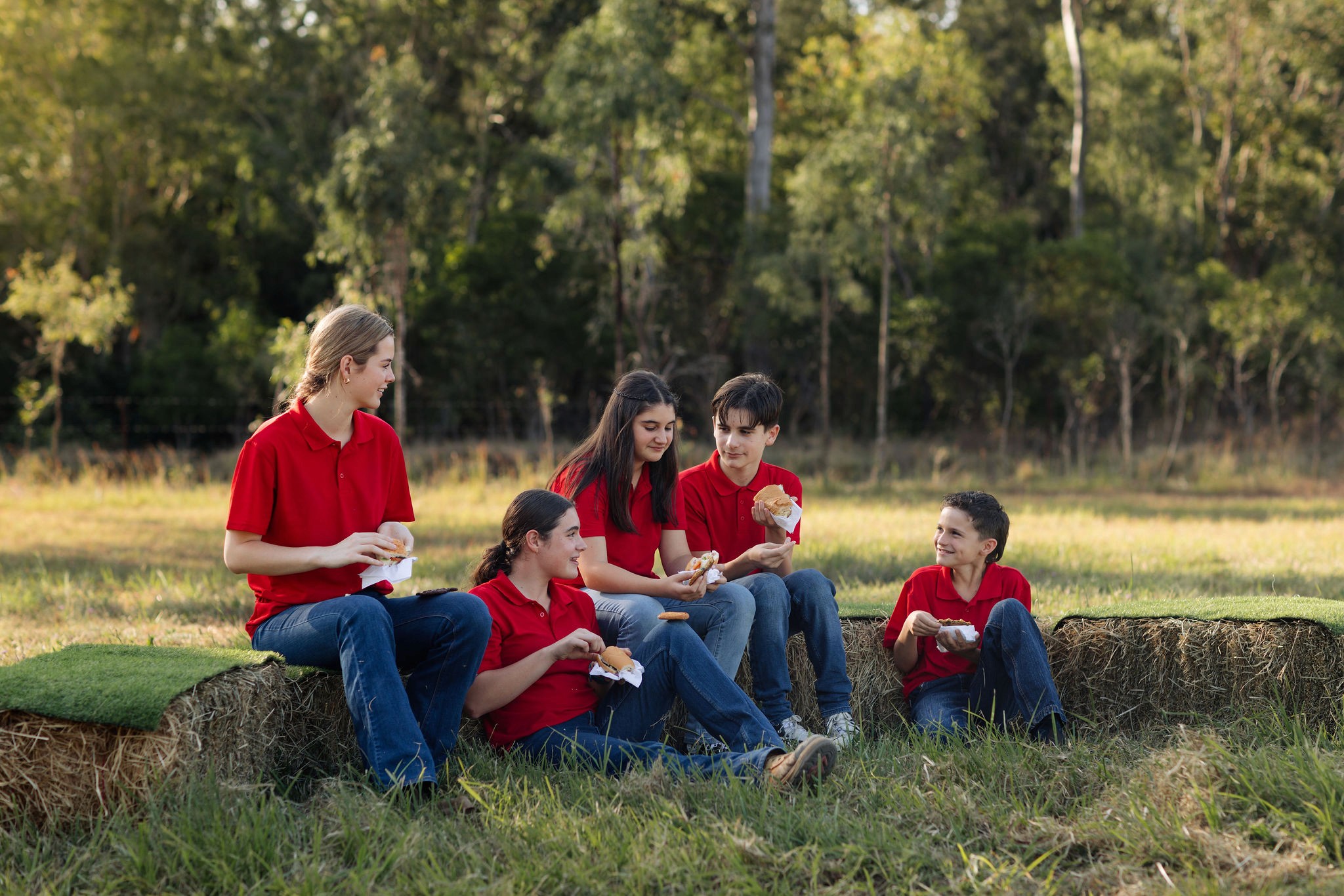
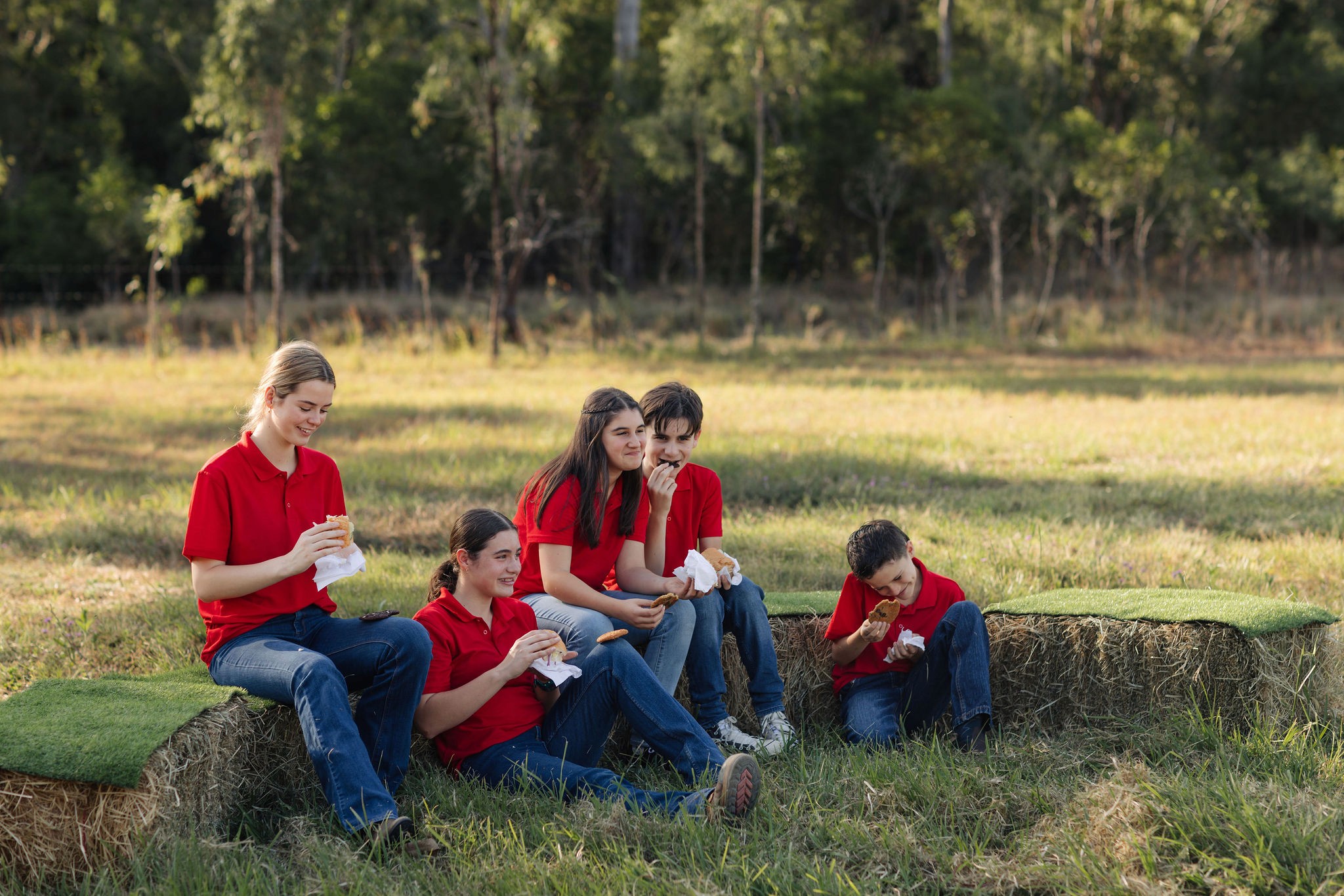
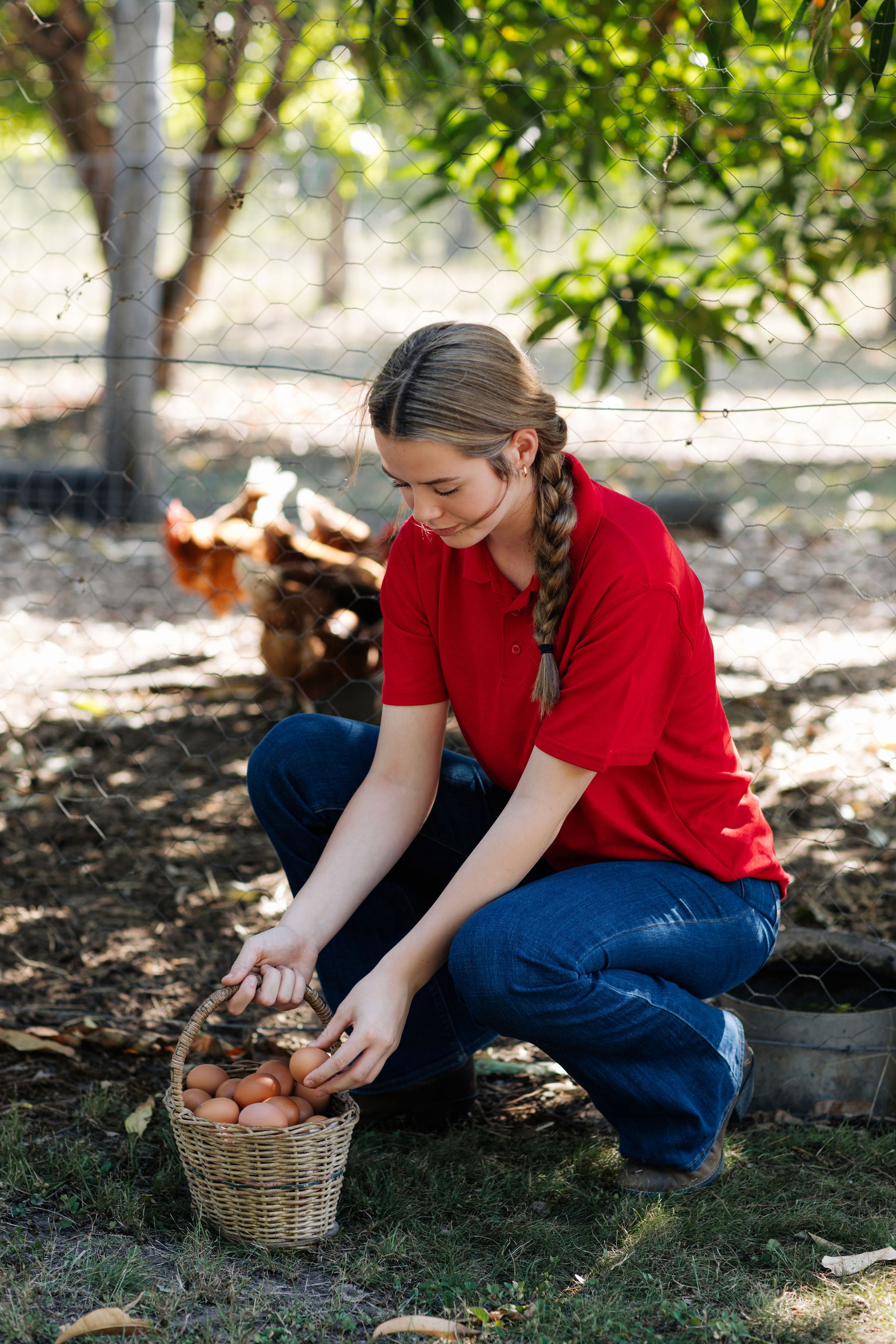
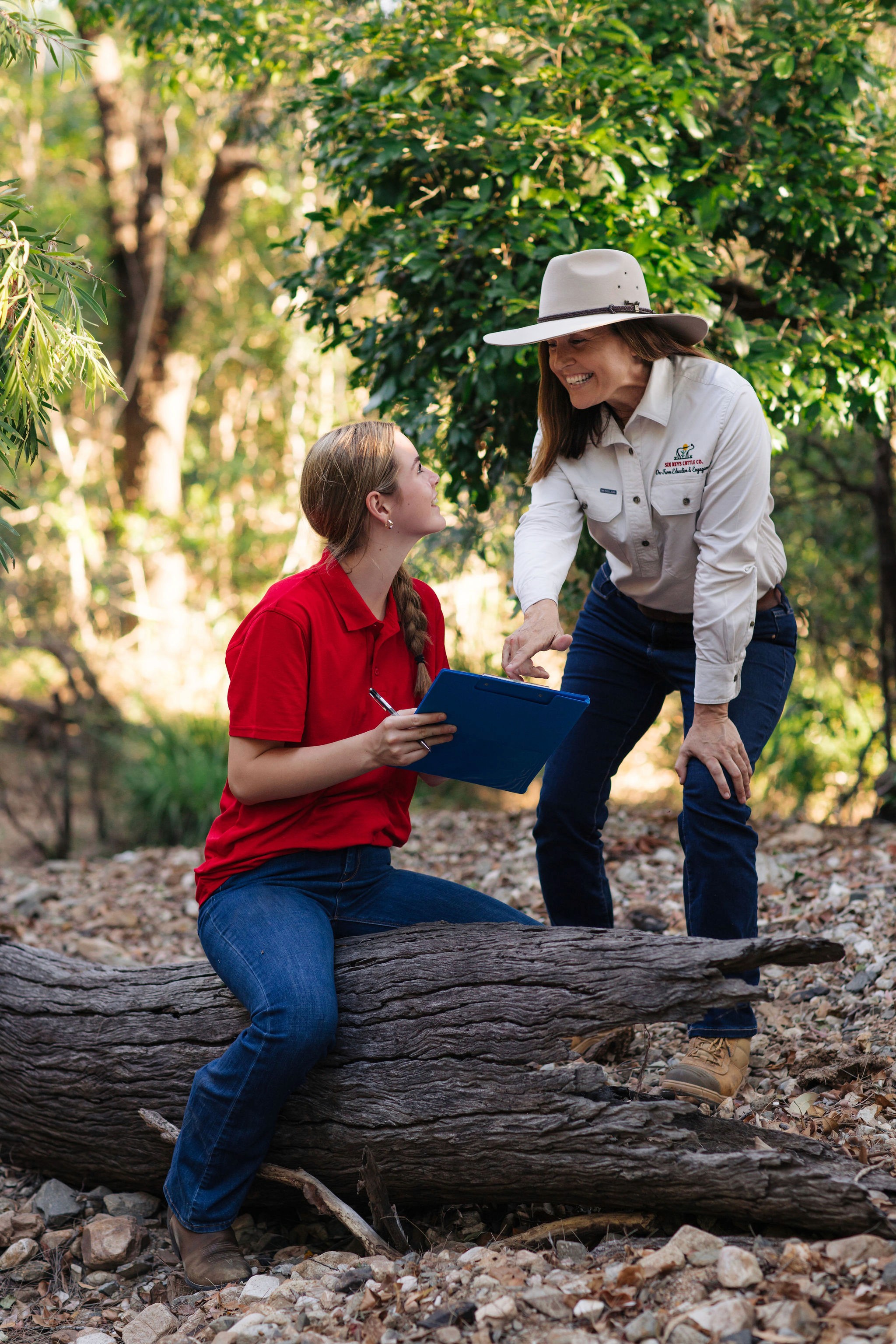
On a working farm, this happens without being engineered. Students arrive at Six Keys Cattle Co in Central Queensland and step into an environment that doesn't ask anything of their nervous systems except to slow down and pay attention. There's no fluorescent lighting, no bell schedule, no wall-to-wall sensory pressure. There's space, real air, and animals going about their day with no particular interest in anyone's academic performance.
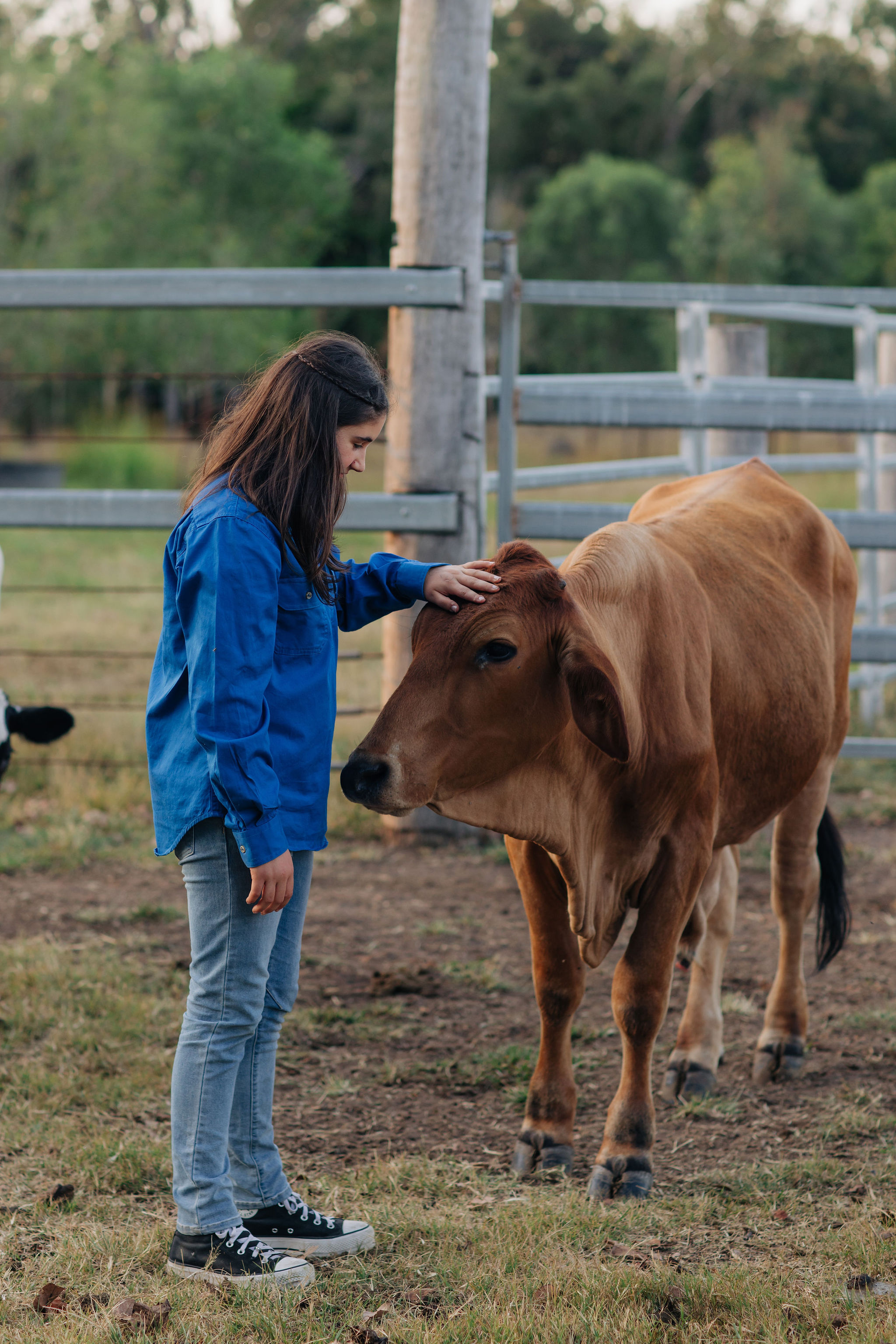
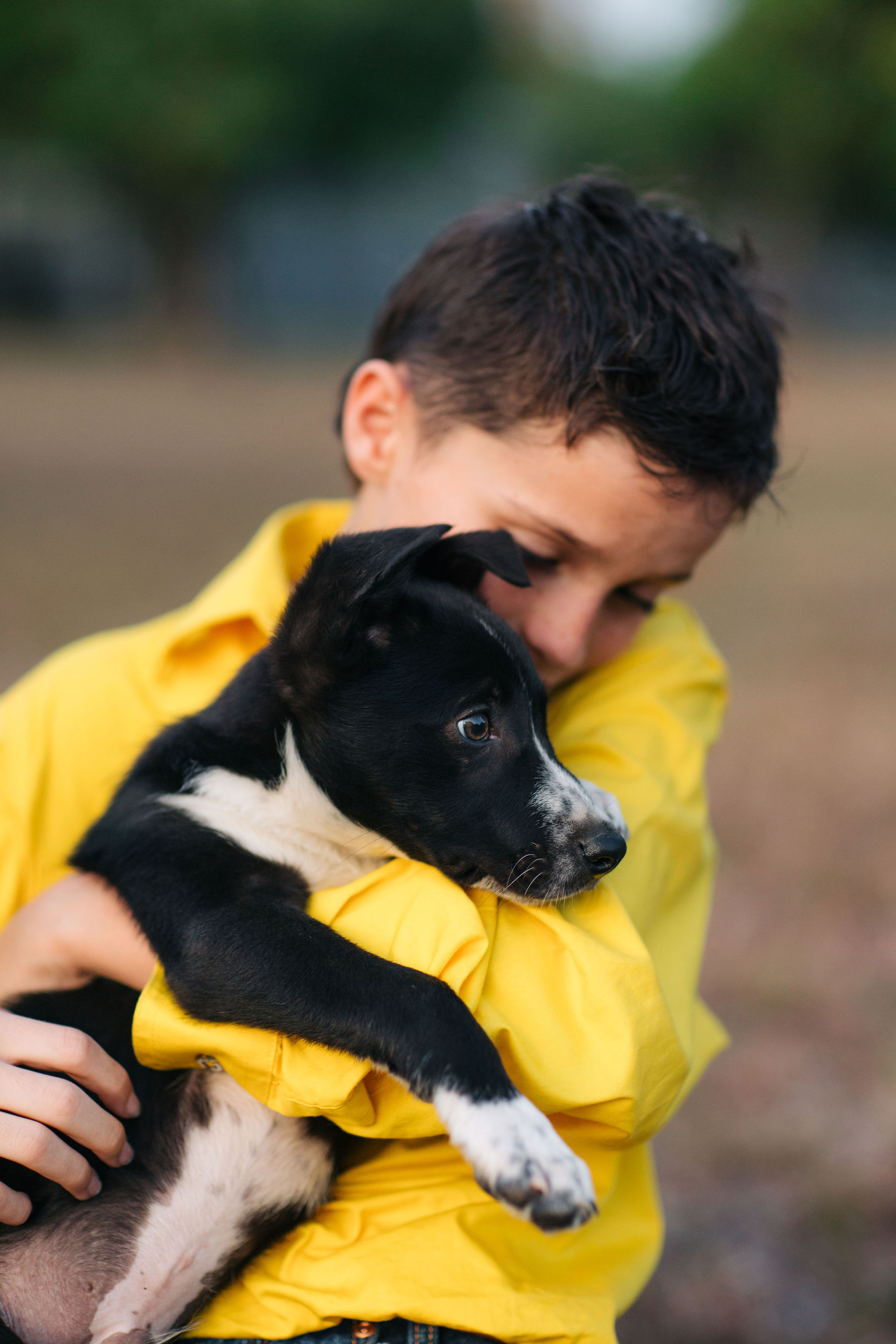
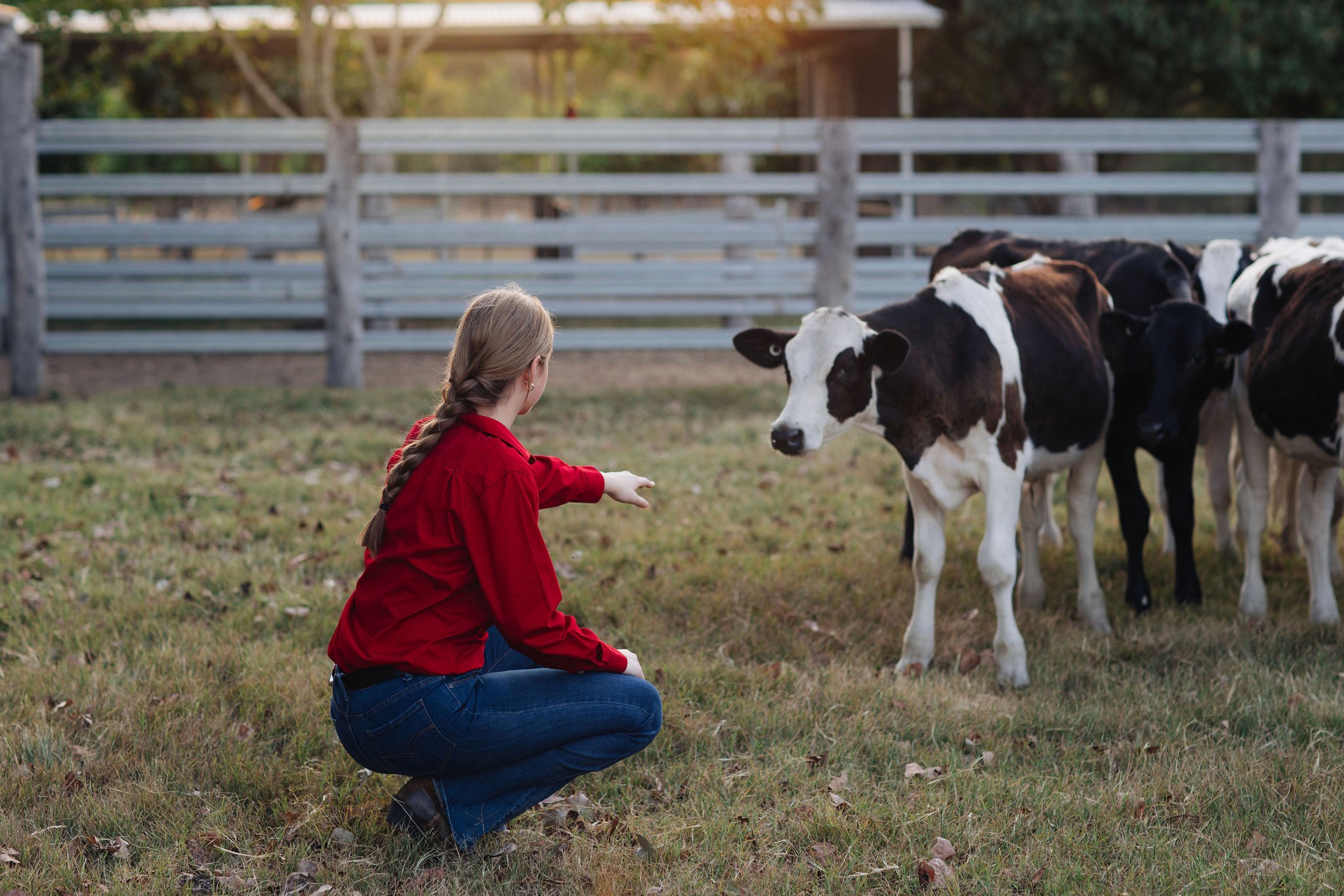
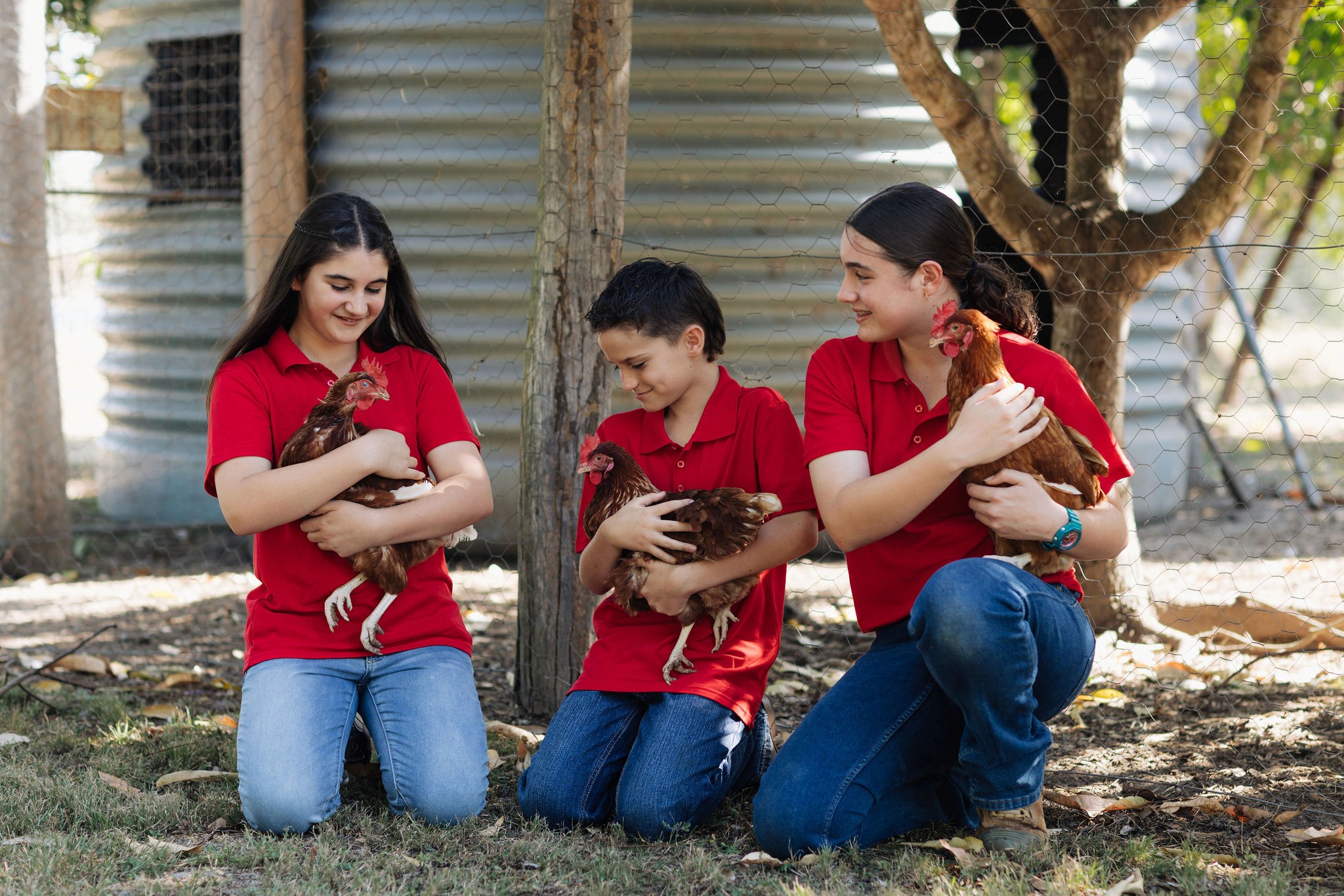
Animals are grounding in a way that's difficult to explain and easy to observe. Students who arrive wound up tend to settle around livestock. The requirement to move calmly, speak quietly, and read animal behaviour redirects agitation into attention, and it happens because the environment demands it rather than because anyone asked for it.
The lesson the farm teaches, that calm is a precondition for genuine learning rather than a luxury to be earned after the work is done, doesn't come with a worksheet. It arrives through the body. Through slowed breathing and wider attention. Through the particular stillness that comes from standing near a large, unhurried animal in an open paddock.
Schools spend considerable effort trying to teach students to self-regulate. A farm just creates the conditions where regulation happens on its own.