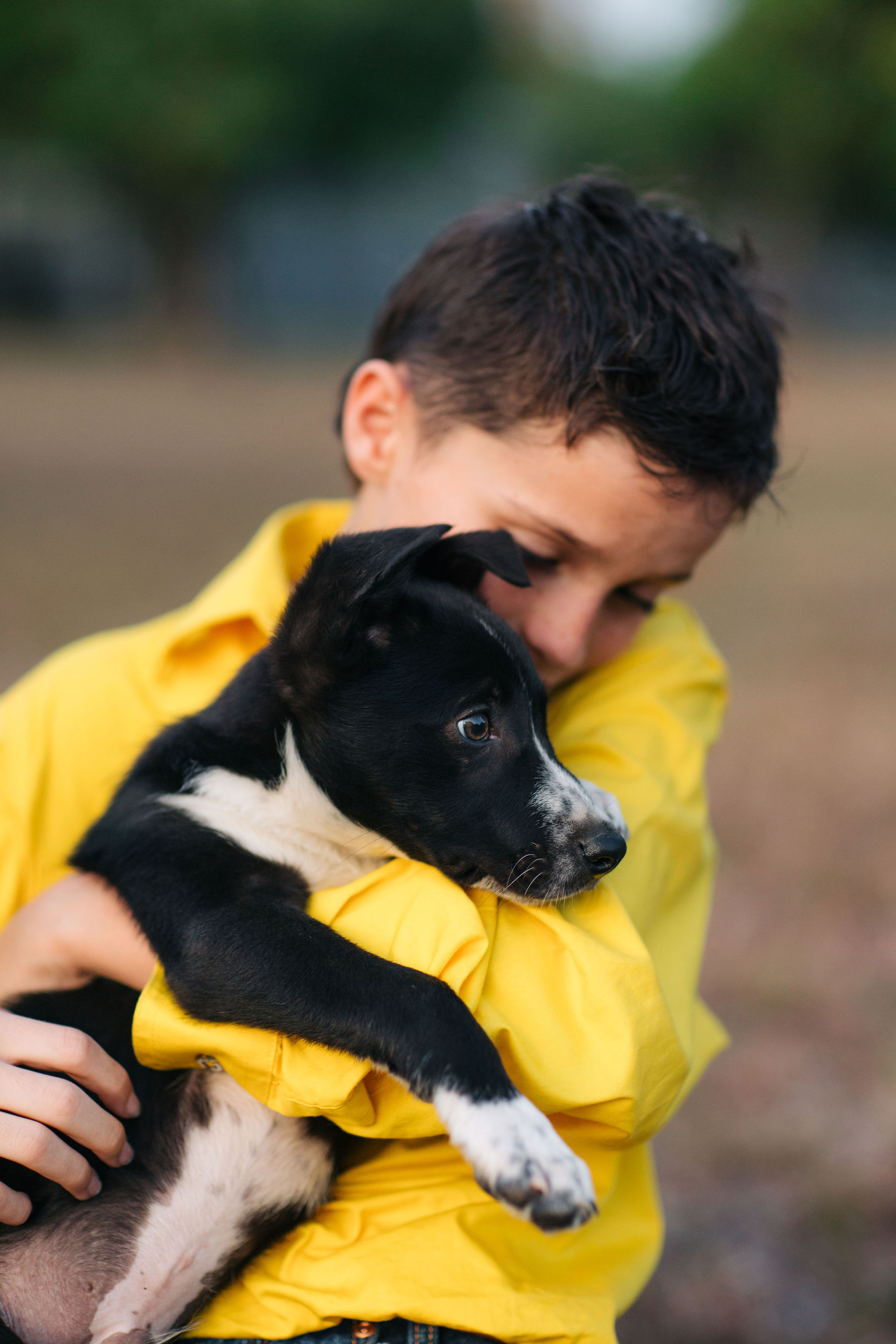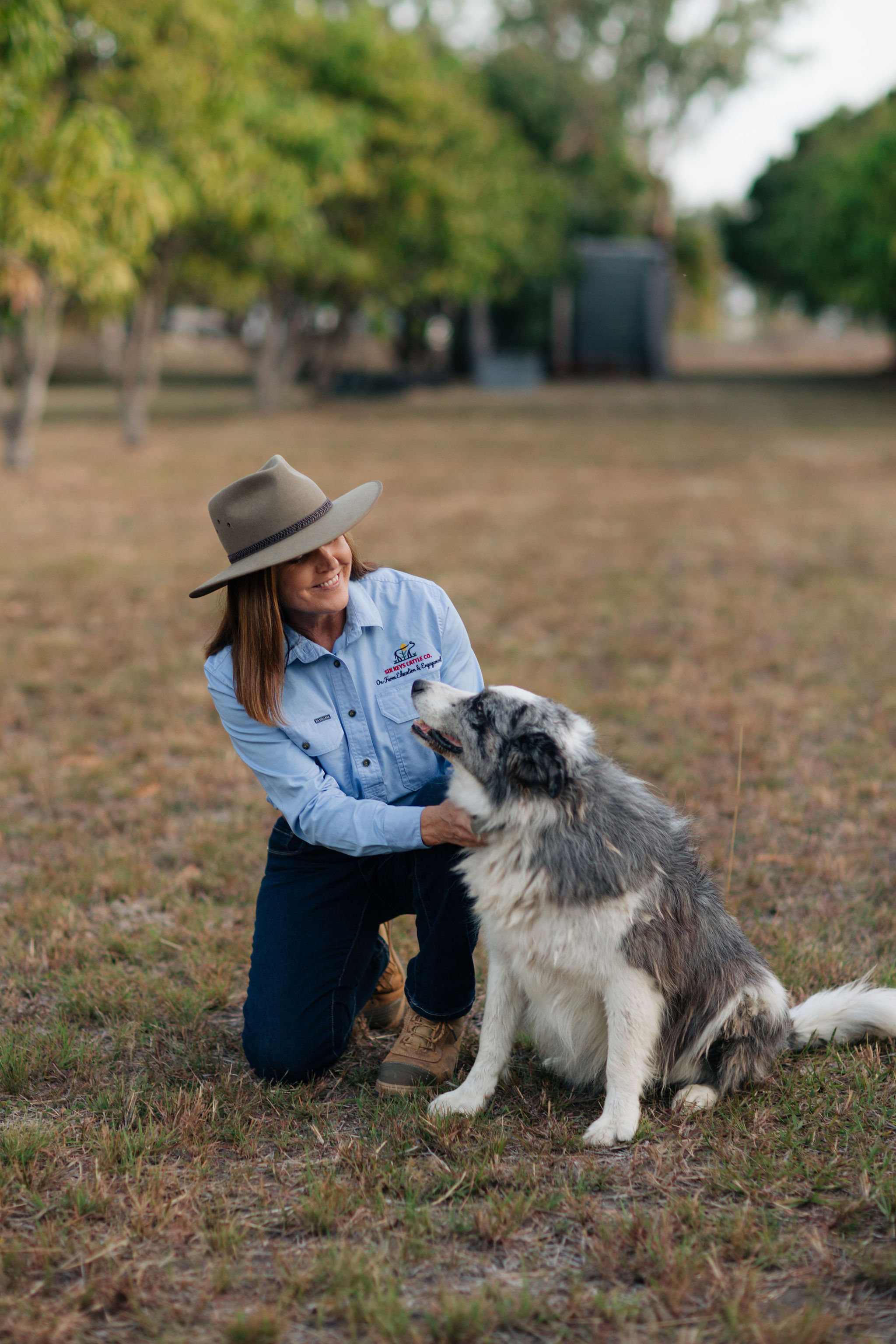
Few things capture student attention on a farm as quickly as a working dog doing its job. There's something almost hypnotic about watching a well-trained dog move cattle, respond to commands, and make decisions that clearly demonstrate more than simple obedience.
What students are watching, whether they know it yet or not, is a sophisticated communication system built on repetition, consistency, trust, and a shared understanding of purpose. It's also, if a teacher takes the time to draw it out, one of the most concrete demonstrations of learning theory that a primary school student will ever encounter.
The dog doesn't comply because it's afraid. It responds because it understands what's being asked, has practised the response until it became second nature, and has developed a working relationship with its handler built on clear, consistent signals. Remove the clarity, and the system breaks down. The dog doesn't know what's expected. The cattle don't get moved. The whole operation slows.
Students grasp this intuitively in a way they often don't when the same concepts are presented abstractly. Communication requires clarity on both ends. Trust is built through consistent behaviour, not through a single gesture. Practice is what converts understanding into capability. These ideas land differently when they're visible in a dog working a mob of cattle than when they appear on a worksheet.
There's a broader conversation available here for teachers who want to take it further. The same principles that govern working dog training apply to how humans learn new skills, how teams function, and how relationships are built and maintained. Those connections don't need to be heavy-handed to be useful. Often the most effective approach is to let students make them.
At Six Keys Cattle Co, the working dogs are part of the day. The learning they prompt often runs well beyond what anyone planned.