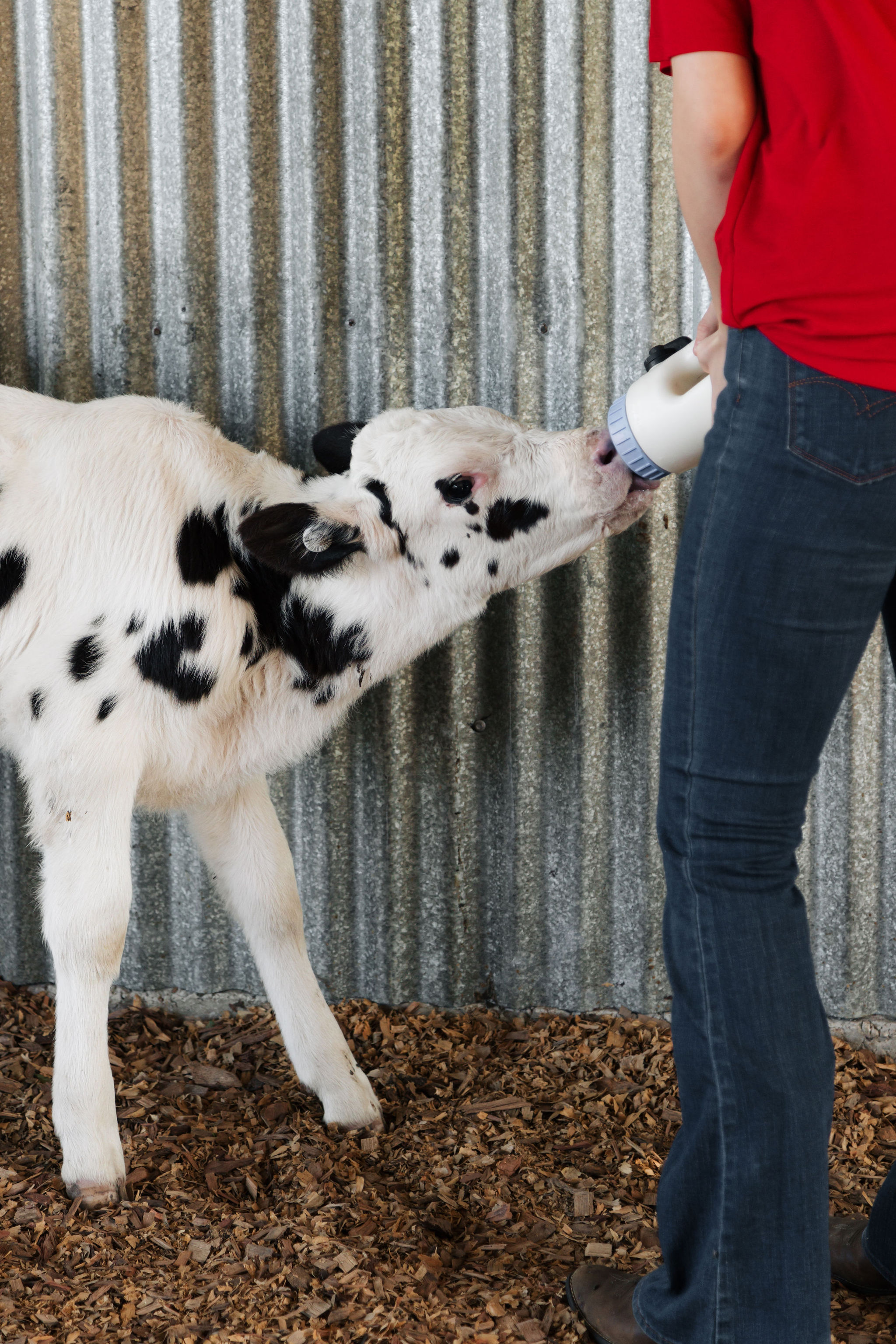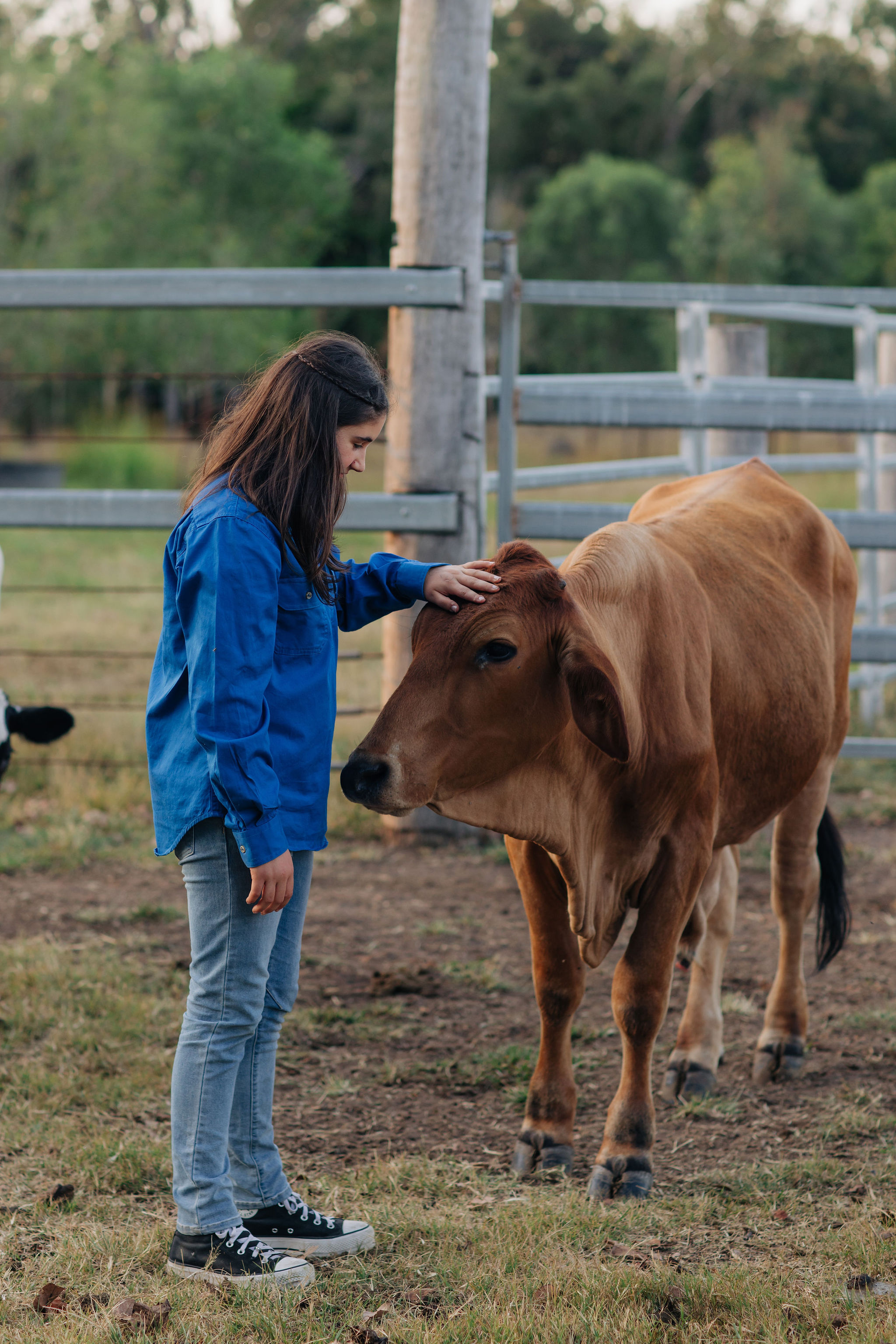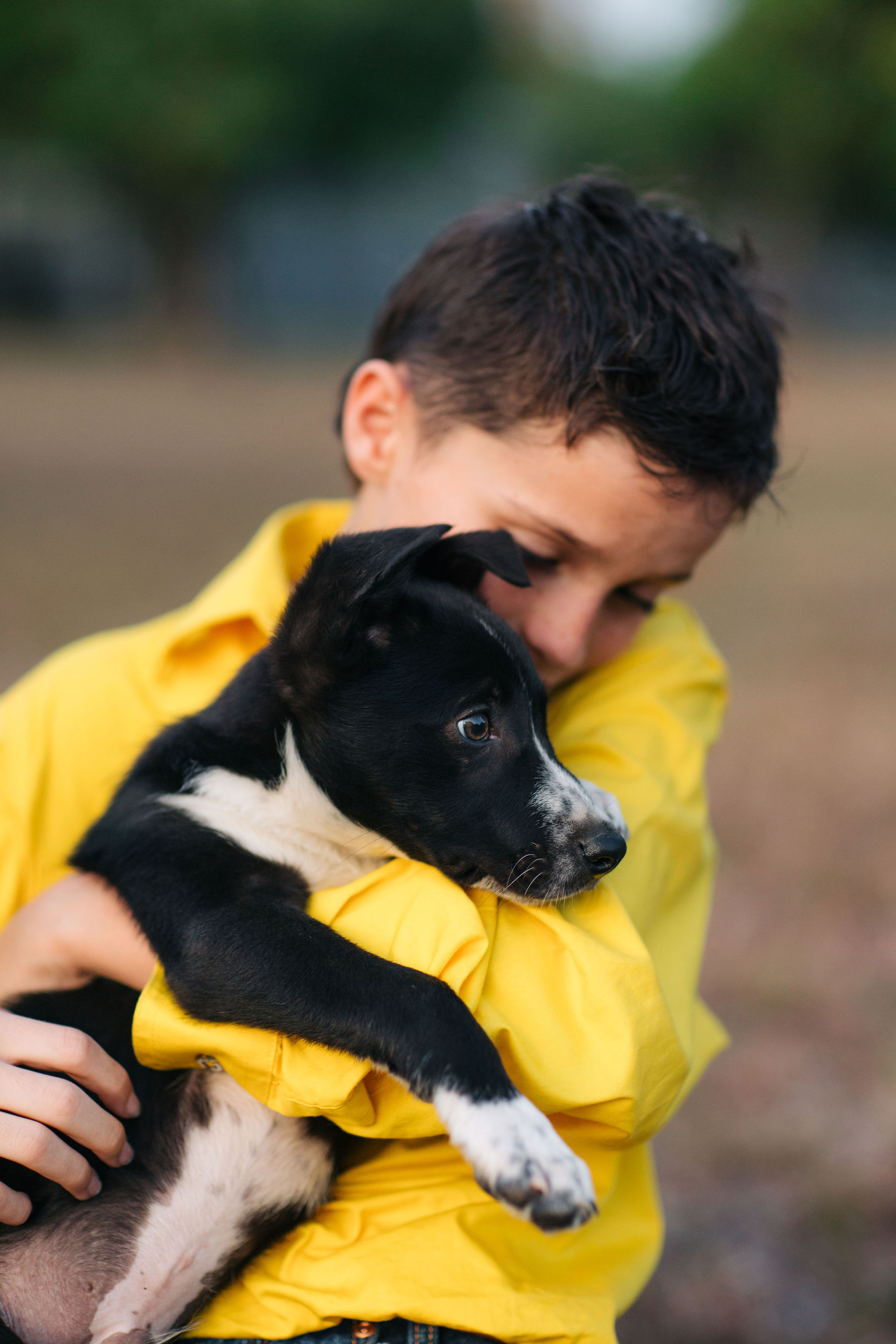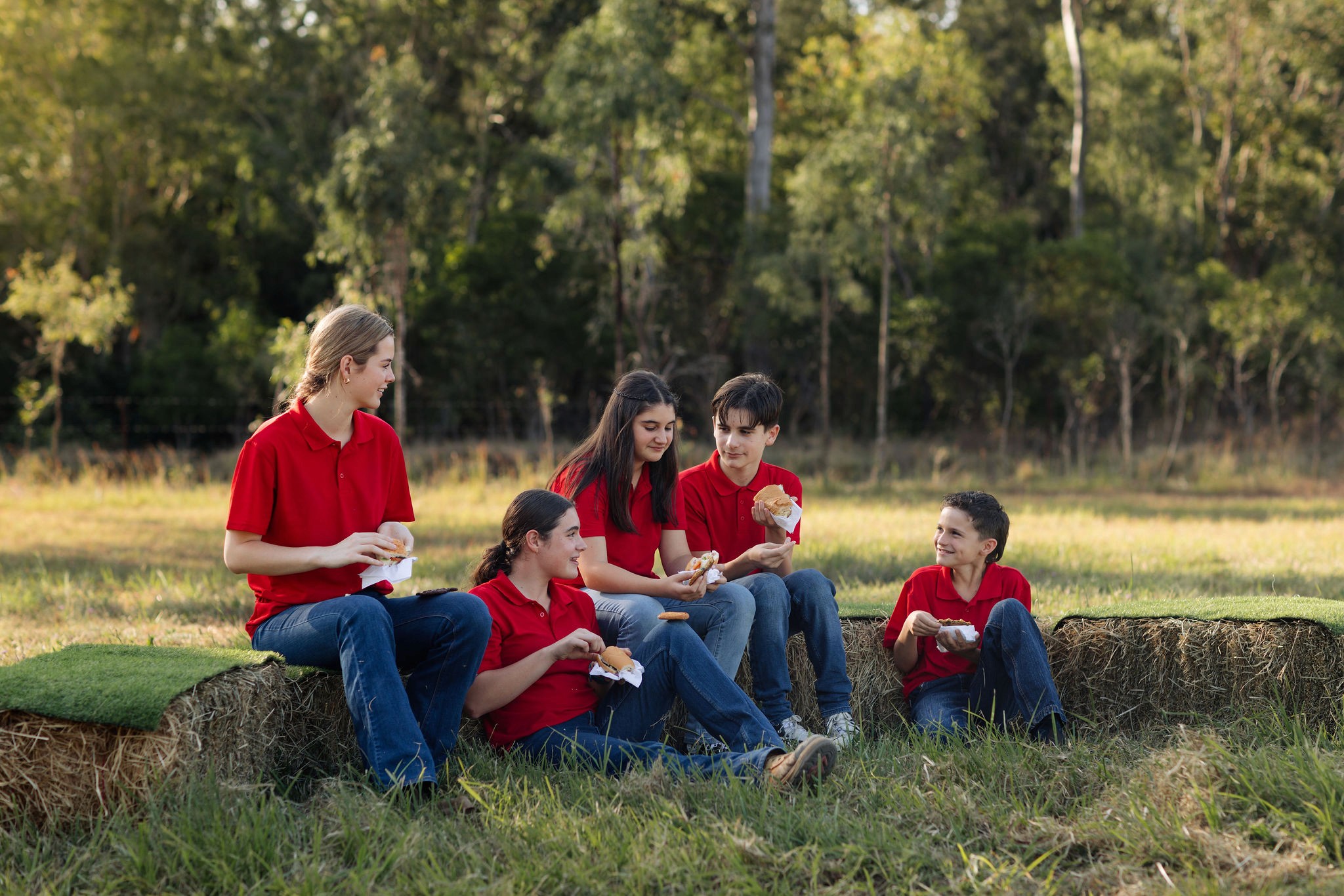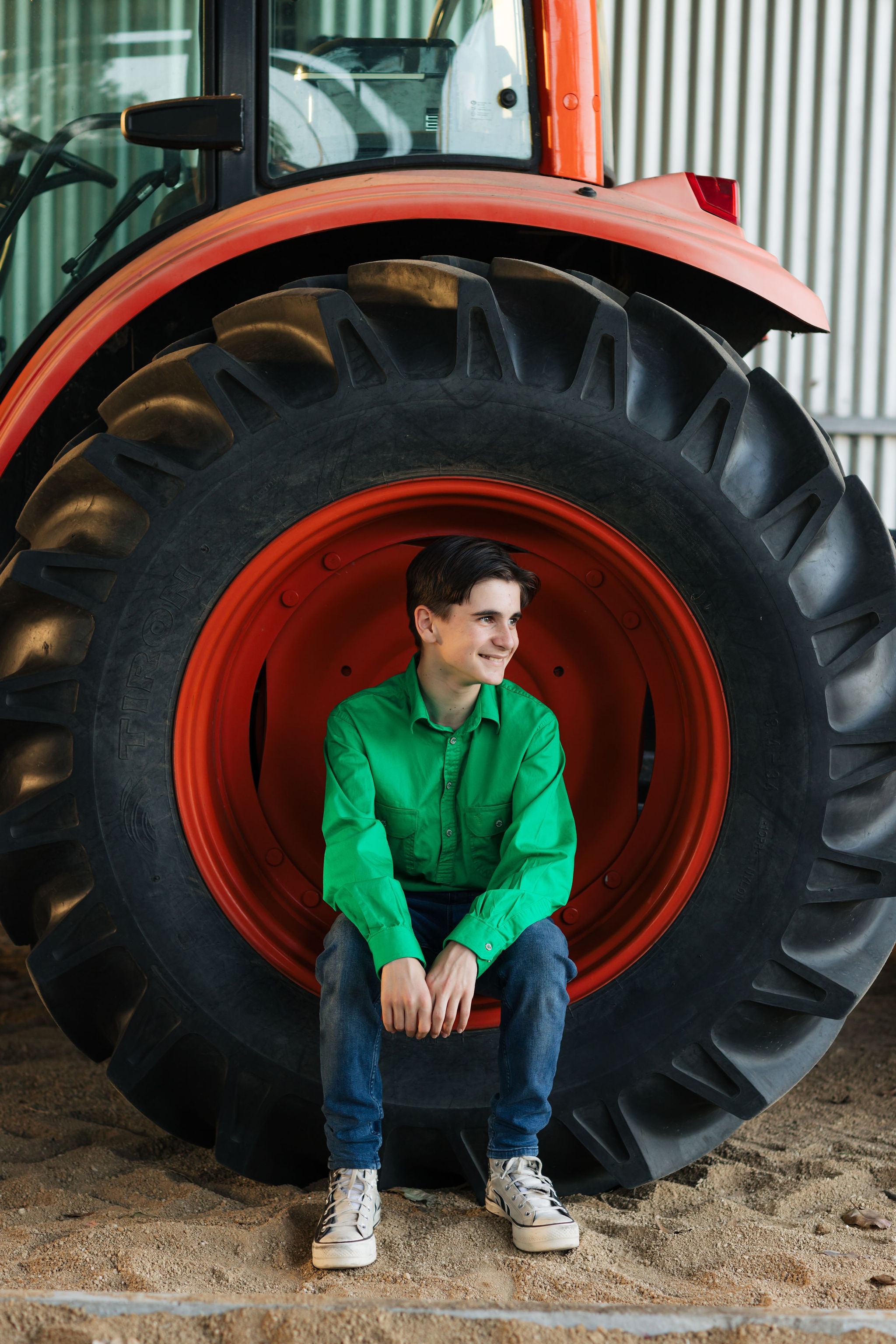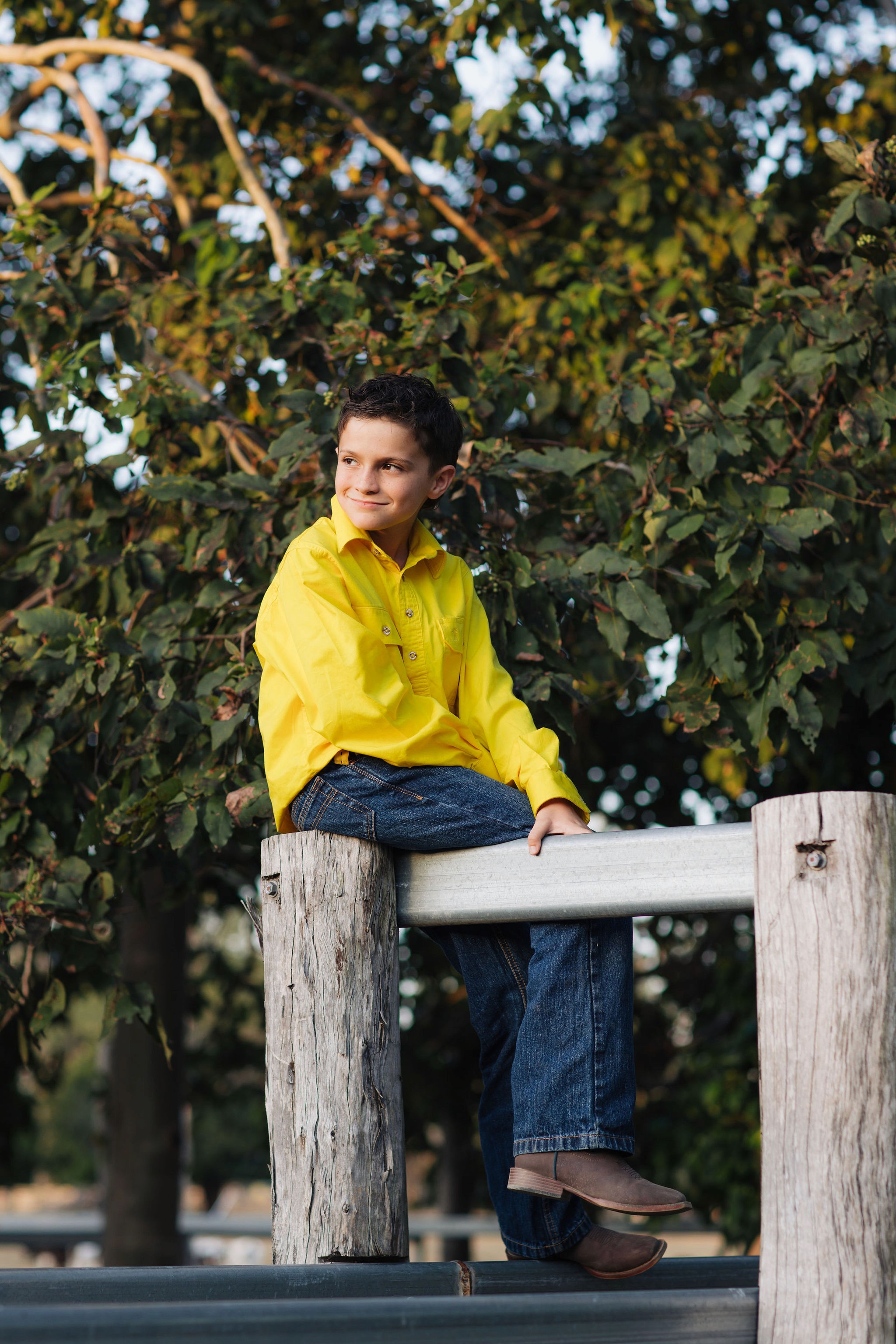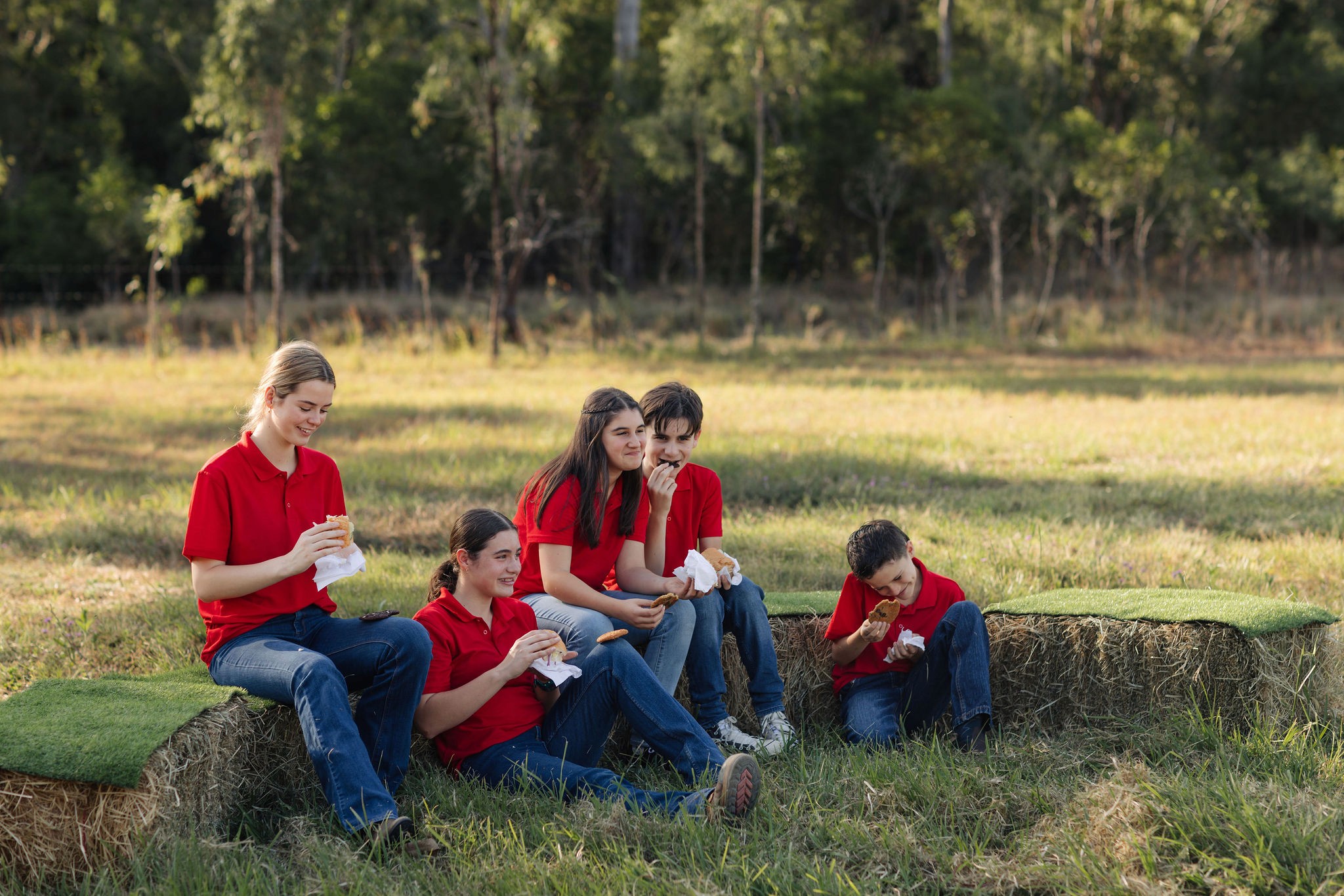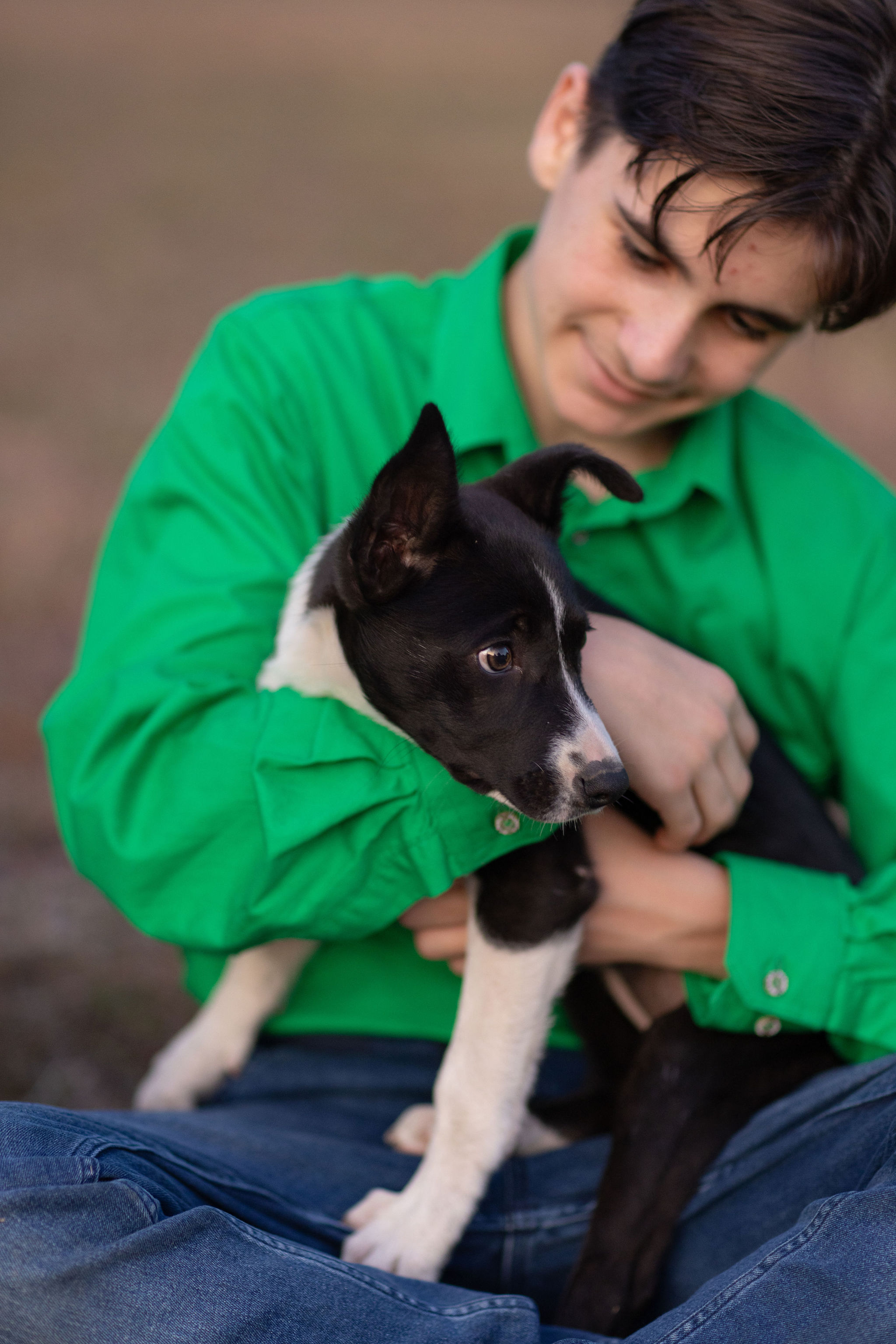
There's a particular car ride home that parents of farm-visiting students often describe. Their child, who usually offers monosyllabic answers about school, is talking. Voluntarily, specifically, and in detail. About a calf. About how stock move through a yard. About a working dog and what it actually did. About something they contributed to rather than something that simply happened around them.
That shift is the first thing most parents notice.
It's more than mood, though mood is part of it. Students who've spent a day in genuinely physical, purposeful work in the open air tend to arrive home more settled than usual, less reactive, carrying the kind of pleasant tiredness that comes from a day well spent rather than the wound-up version that regular school days sometimes produce. Parents who are accustomed to managing the after-school transition often find there's considerably less to manage.
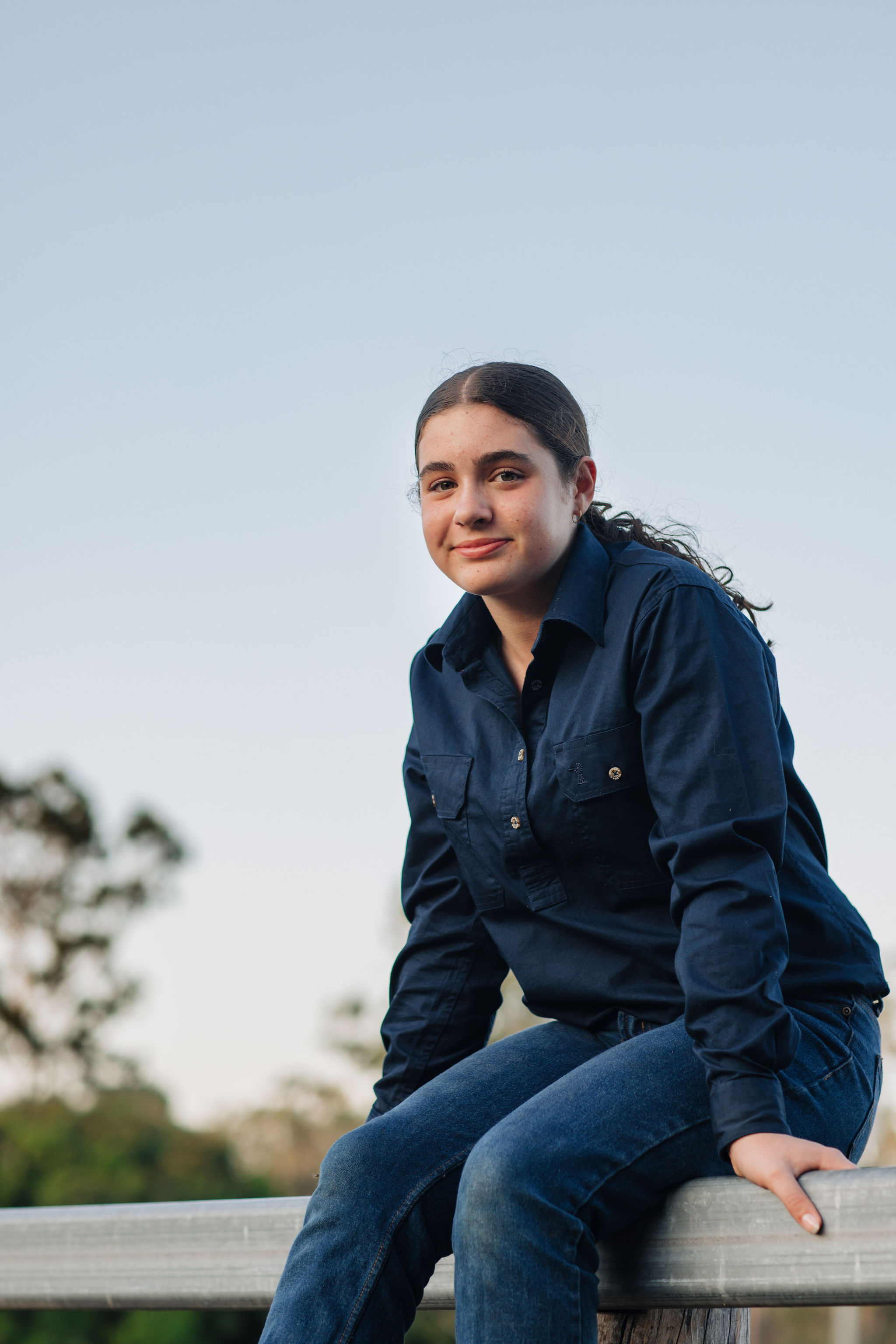
The confidence is subtler but visible. A child who talks about something they did on a farm carries themselves slightly differently when they're telling it, particularly when the task was unfamiliar and they managed it well. That ownership shows up in how they hold the story, not as entertainment, but as evidence of something.
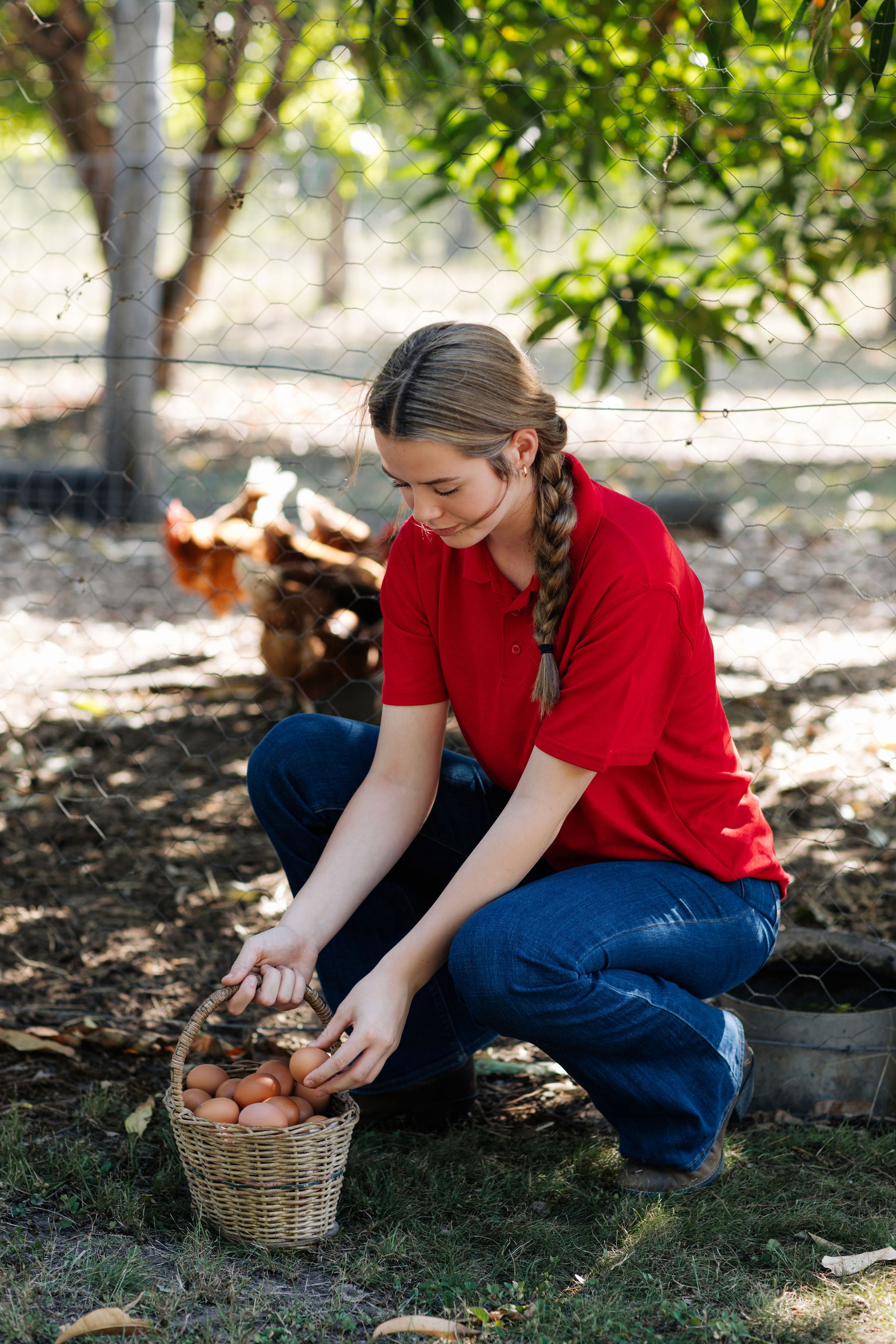
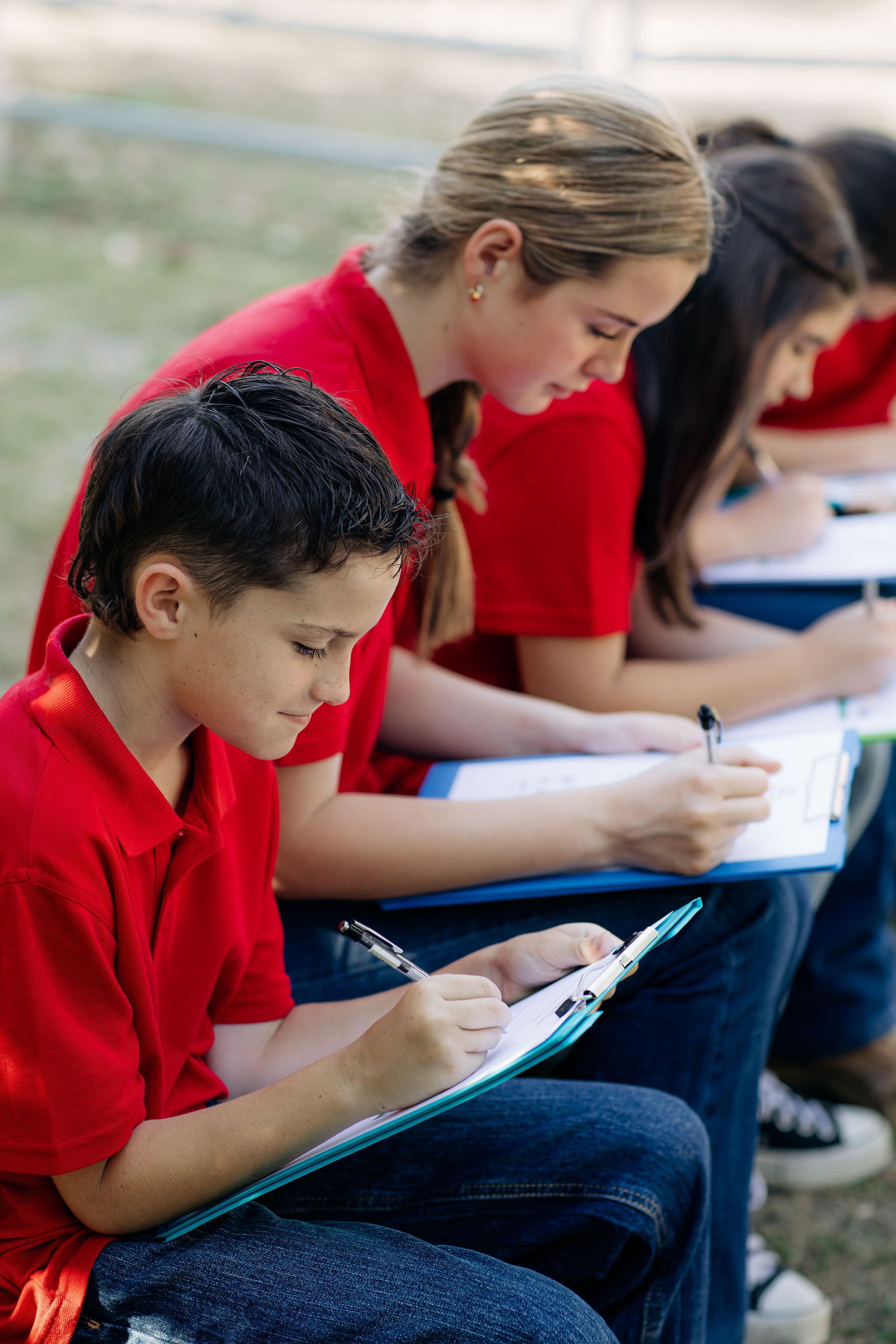
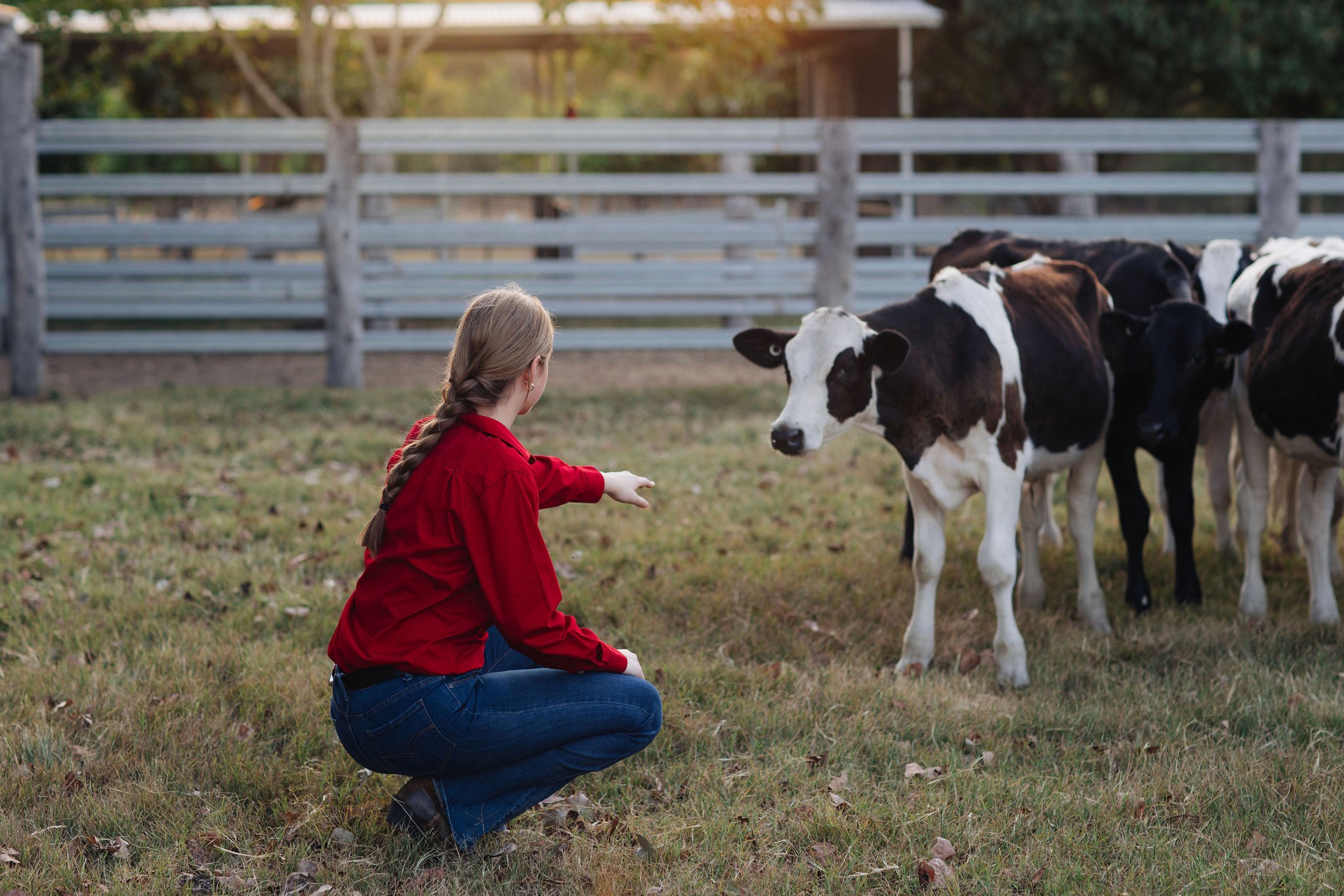
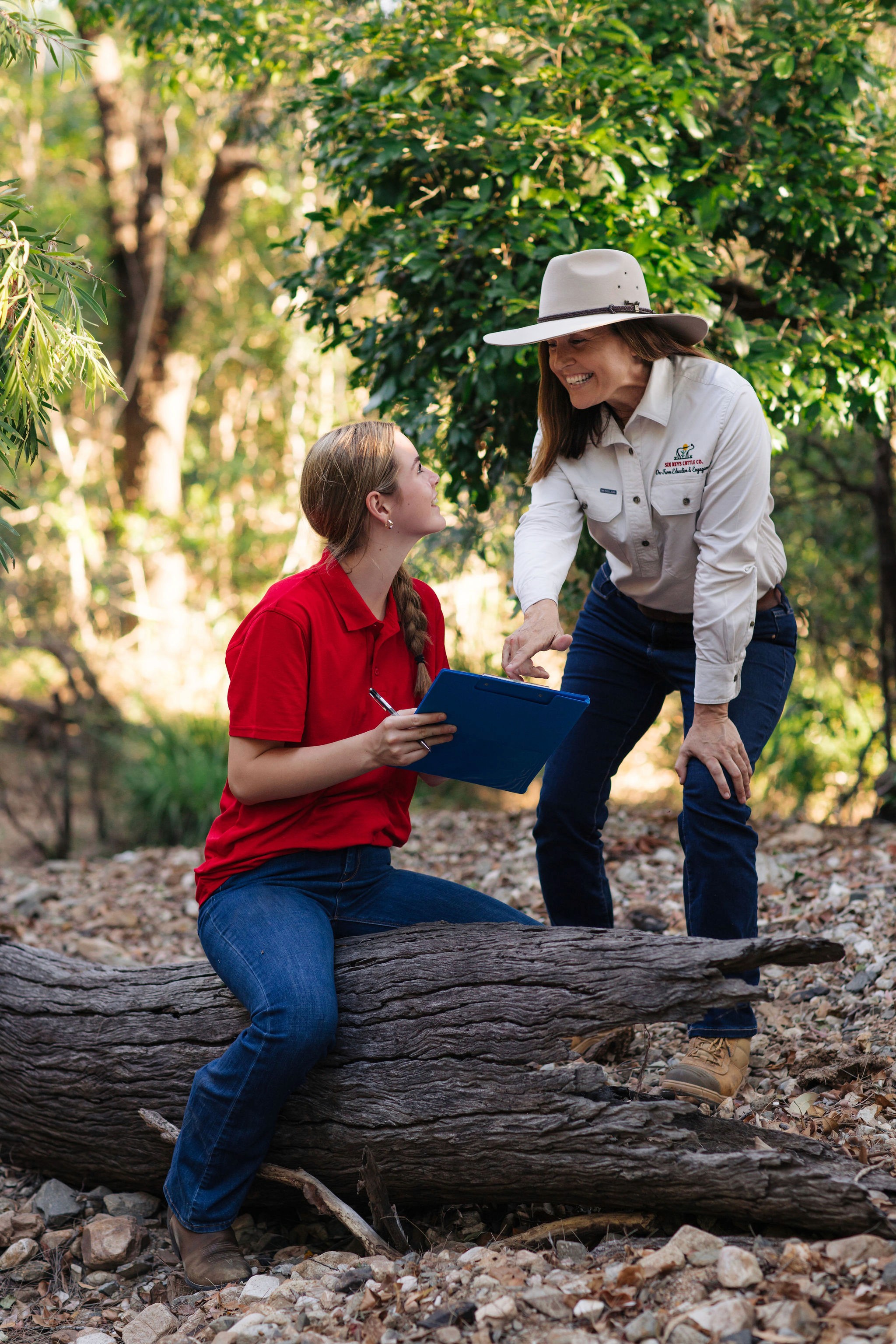
At Six Keys Cattle Co in Central Queensland, students participate in real work throughout the day: observing and handling stock, understanding animal welfare, contributing to farm tasks with genuine outcomes. What they carry home in the evening is the memory of having been genuinely capable in an environment that was entirely new to them. For students who don't often experience that during a regular school week, the effect on how they see themselves is noticeable to the people who know them best.
The conversations parents describe in the days after tend to have a specific quality. Students use particular names for things, which means they listened and retained rather than glazed over. They connect what they saw to something at home, in a supermarket, or on television. They ask questions they didn't have before the visit. These are signs of genuine learning rather than performed learning, and parents tend to recognise the difference even without being able to name it.
For some students the shift carries further. A child who spent the week after a farm visit looking things up, asking to go back, or announcing they want to work with animals one day. The curiosity sparked on the day keeps moving in a direction nobody quite predicted.
Parents often describe it simply: they just seem more like themselves.
That's worth paying attention to.