Productive struggle has a specific meaning in education, and it's worth distinguishing from its counterfeits. It doesn't mean confusion. It doesn't mean tasks pitched at an unachievable level. It means difficulty that is just within reach, challenge that requires genuine effort and persistence but that yields, eventually, to someone who stays with it.
Getting that calibration right inside a classroom is genuinely hard. Tasks that are too easy build nothing. Tasks that are too abstract, too disconnected from anything a student actually cares about, produce a different kind of failure: shutdown, avoidance, the decision, usually unconscious, that struggling isn't worth it because the goal doesn't matter enough to justify the discomfort.
Farm work lands somewhere different almost by default.
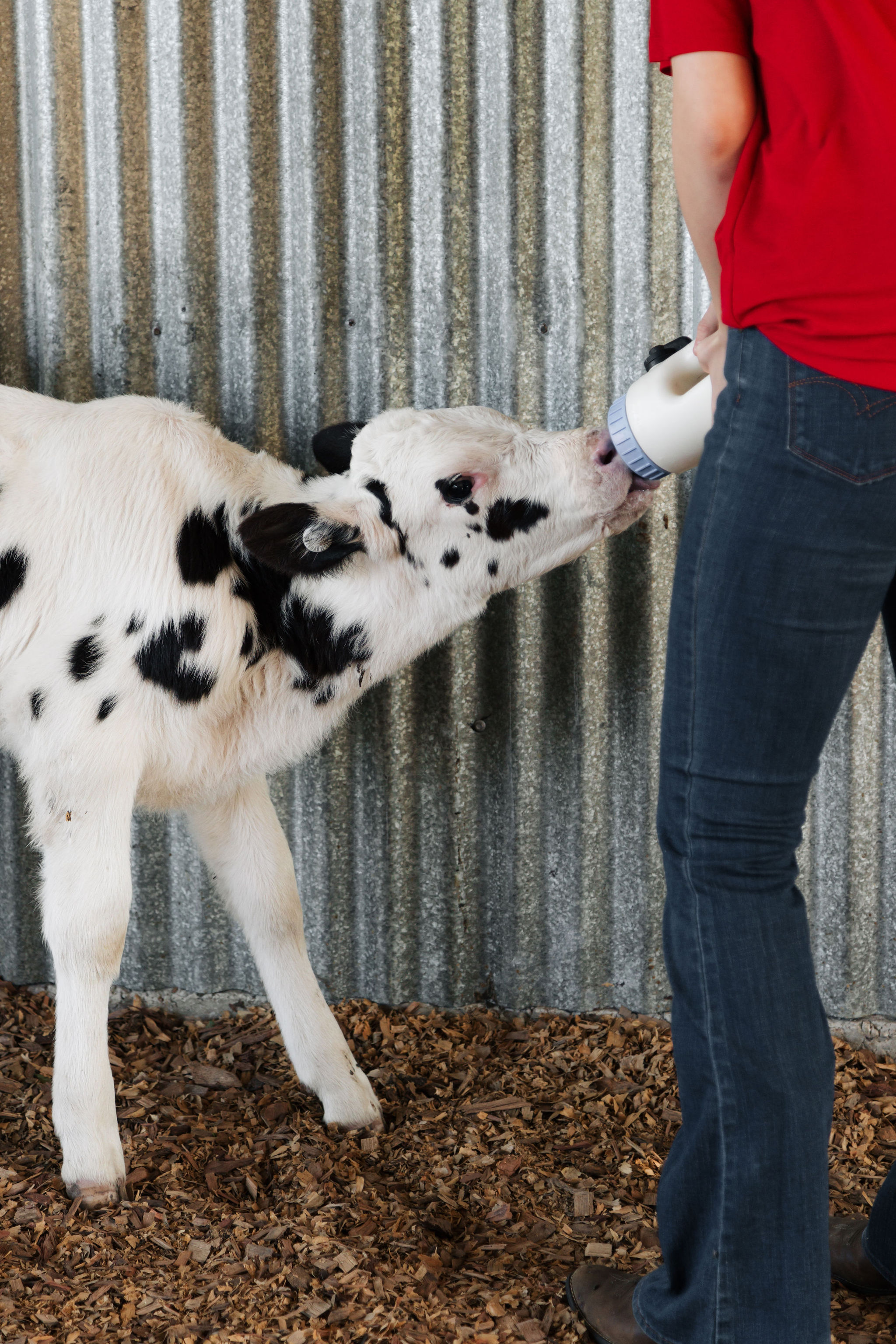
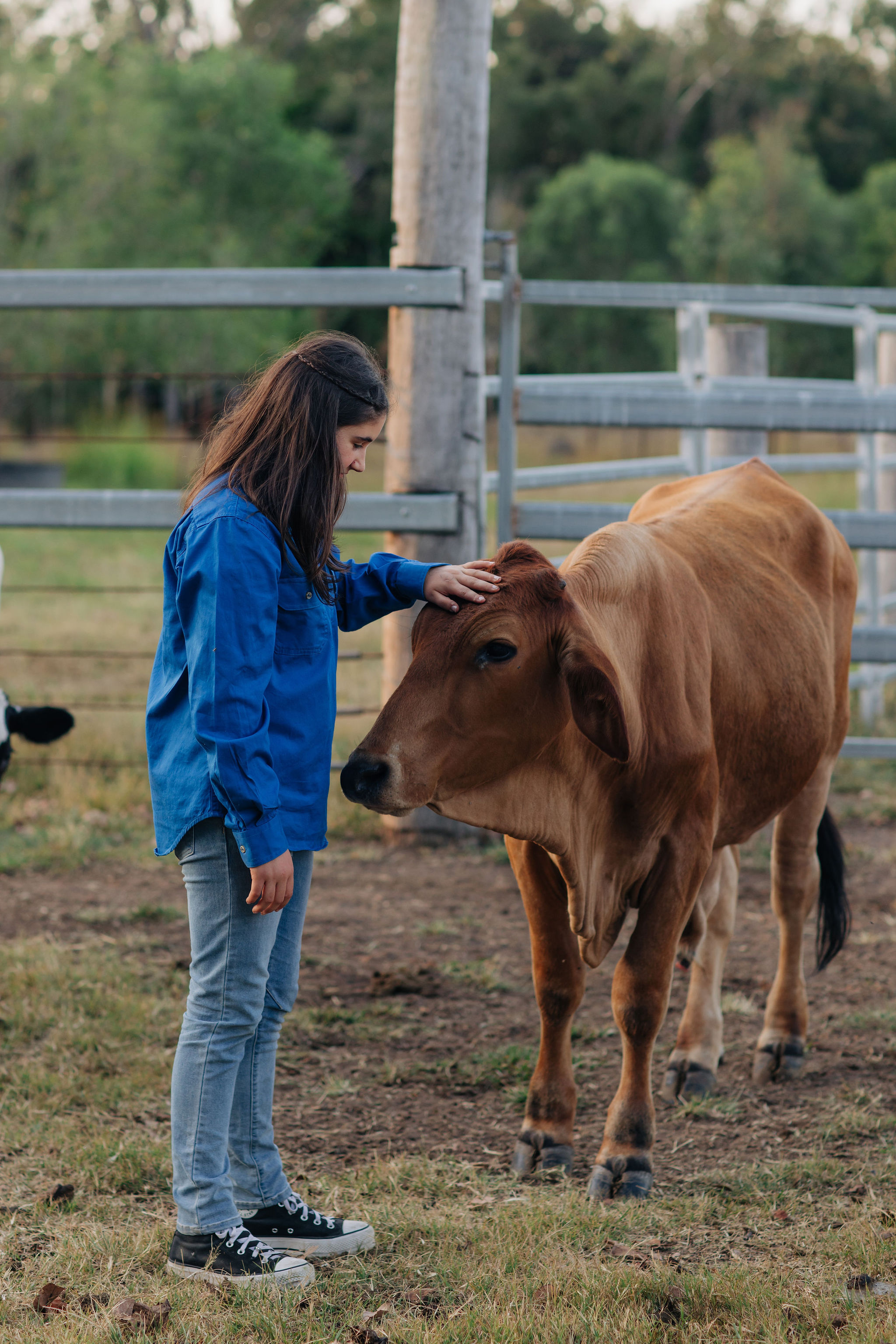
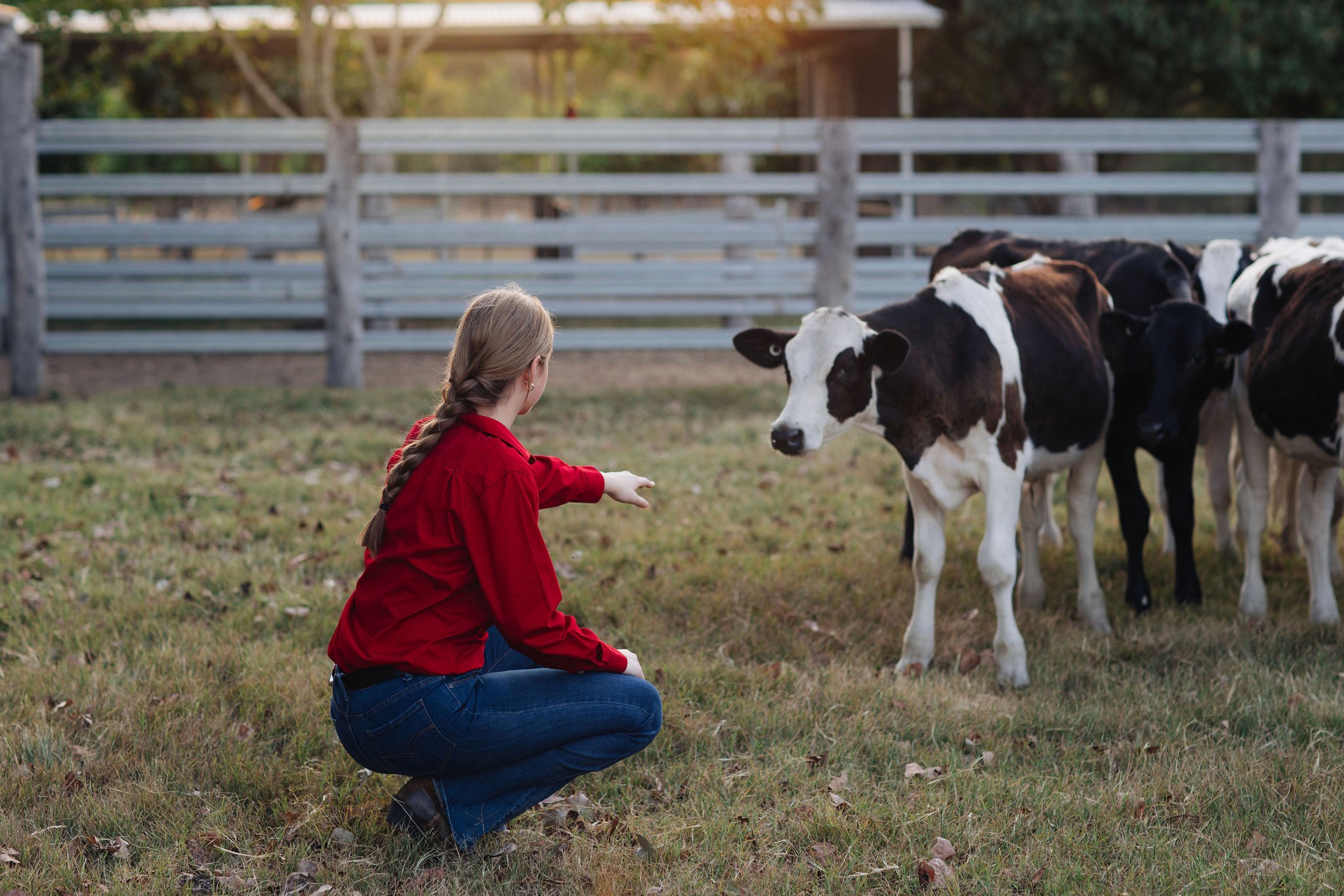
On a working cattle property, difficulty is embedded in the environment rather than constructed by a teacher. Cattle don't cooperate because a lesson plan requires them to. A gate that needs adjusting doesn't become simpler because a student is frustrated. Reading an animal's condition accurately takes practice and observation, and the first attempt is rarely right. The struggle is real, purposeful, and calibrated by the work itself rather than by a curriculum designer estimating appropriate challenge from a distance.
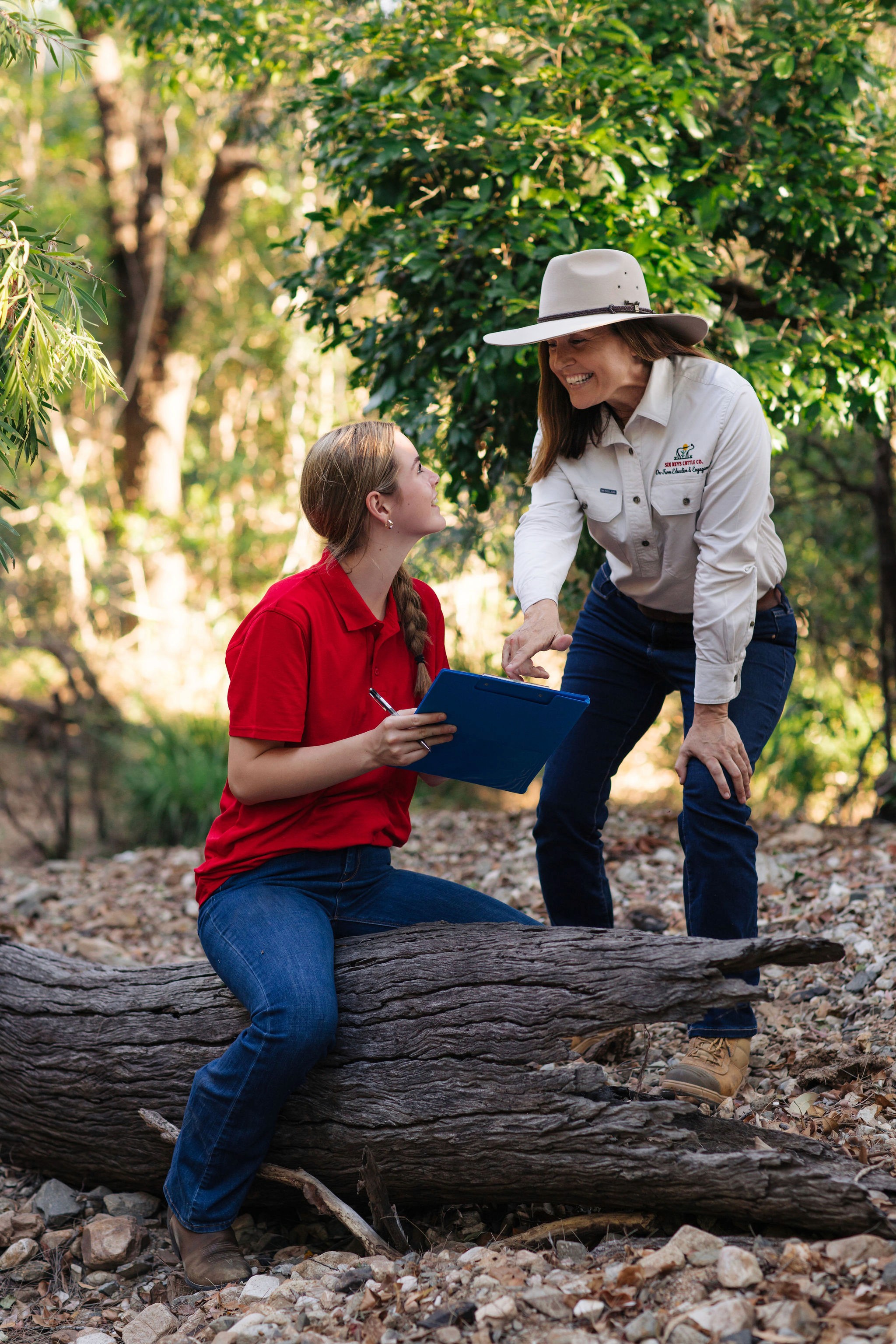
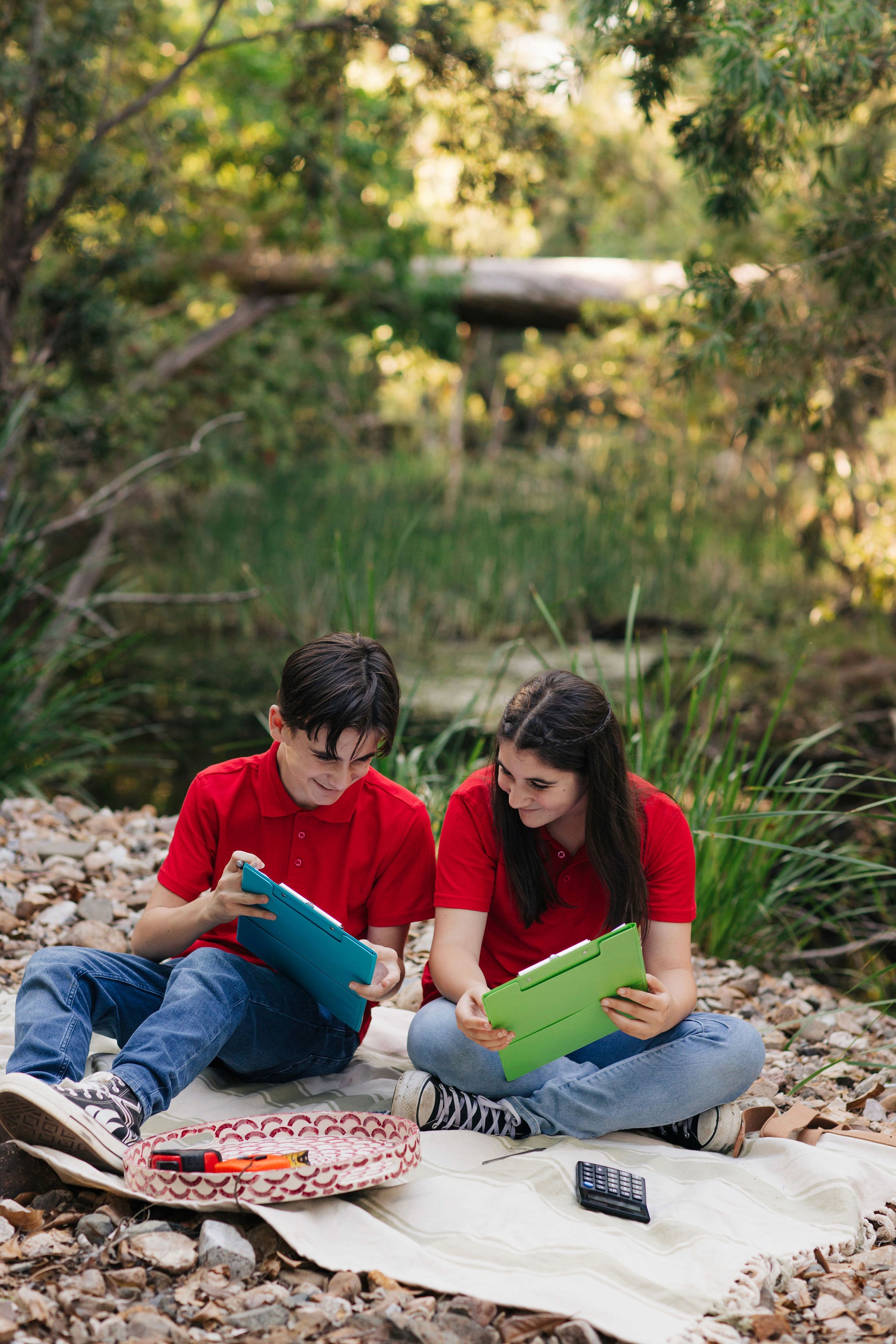
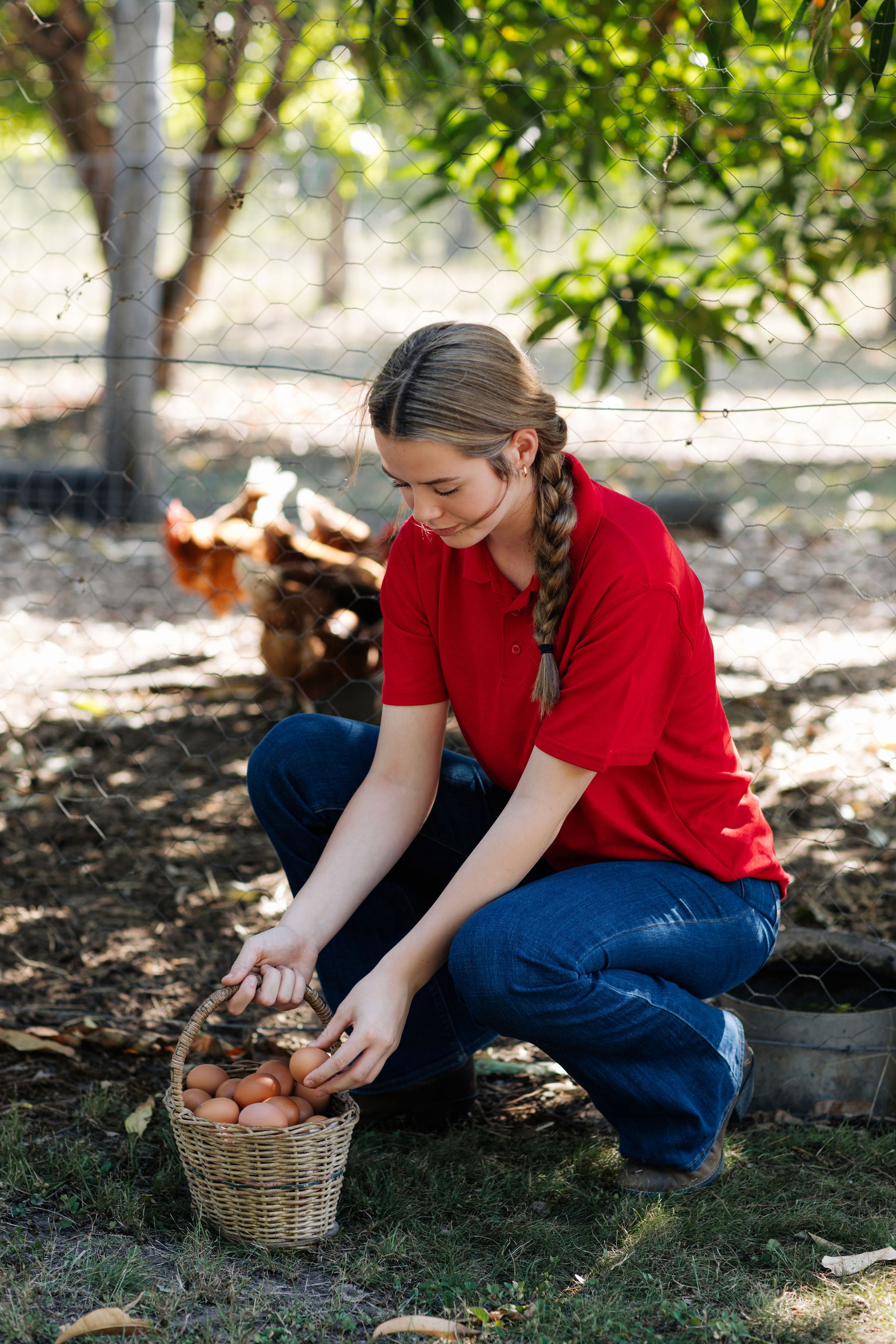
At Six Keys Cattle Co in Central Queensland, students regularly encounter tasks they don't get right immediately. Moving stock through yards, reading animal behaviour accurately, understanding how different parts of a property system connect—all of these require persistence, adjustment, and a willingness to try differently when the first approach doesn't work. Students who find this difficult don't get rescued straight away. They get enough support to keep going. That distinction matters far more than it might initially seem.
Research into resilience development is consistent on this point. Resilience doesn't grow through protection from difficulty. It grows through supported exposure to difficulty that a person moves through to the other side. The removal of every obstacle before a student reaches it produces comfort, not capacity.
What farm work provides is the productive middle ground. Difficulty real enough to require genuine effort, grounded enough in something tangible that the effort feels worthwhile, and structured well enough that persistence actually pays off in a visible way.
Students who work through a genuinely hard moment on a farm and come out the other side carry something that classroom success rarely produces in the same form. Not confidence in academic performance, but confidence in their own capacity to stay with something when it doesn't immediately resolve.
That kind of resilience doesn't stay in the paddock.