If your child comes home from school depleted most days, you're not imagining it. The Sunday evening dread that sets in before Monday, the reluctance to talk about how their day went, the way they reach for a screen and seem to disappear into it. These are signs many Australian parents recognise and quietly worry about.
Children are under genuine pressure. Academic expectations start earlier than they used to. Social dynamics play out on devices long after school ends. The kind of unstructured outdoor time most parents remember from their own childhoods has largely disappeared from daily life. The result is a generation of children who are busier, more connected, and in many cases more stressed than ever.
Research into children's wellbeing confirms what parents are observing. Rates of anxiety among primary school-aged children in Australia are rising, and while there are no simple answers, one of the most consistent findings across the research is that time spent in natural environments, actively engaged with the physical world, measurably reduces the psychological load children carry.
This is where farm learning becomes genuinely relevant.
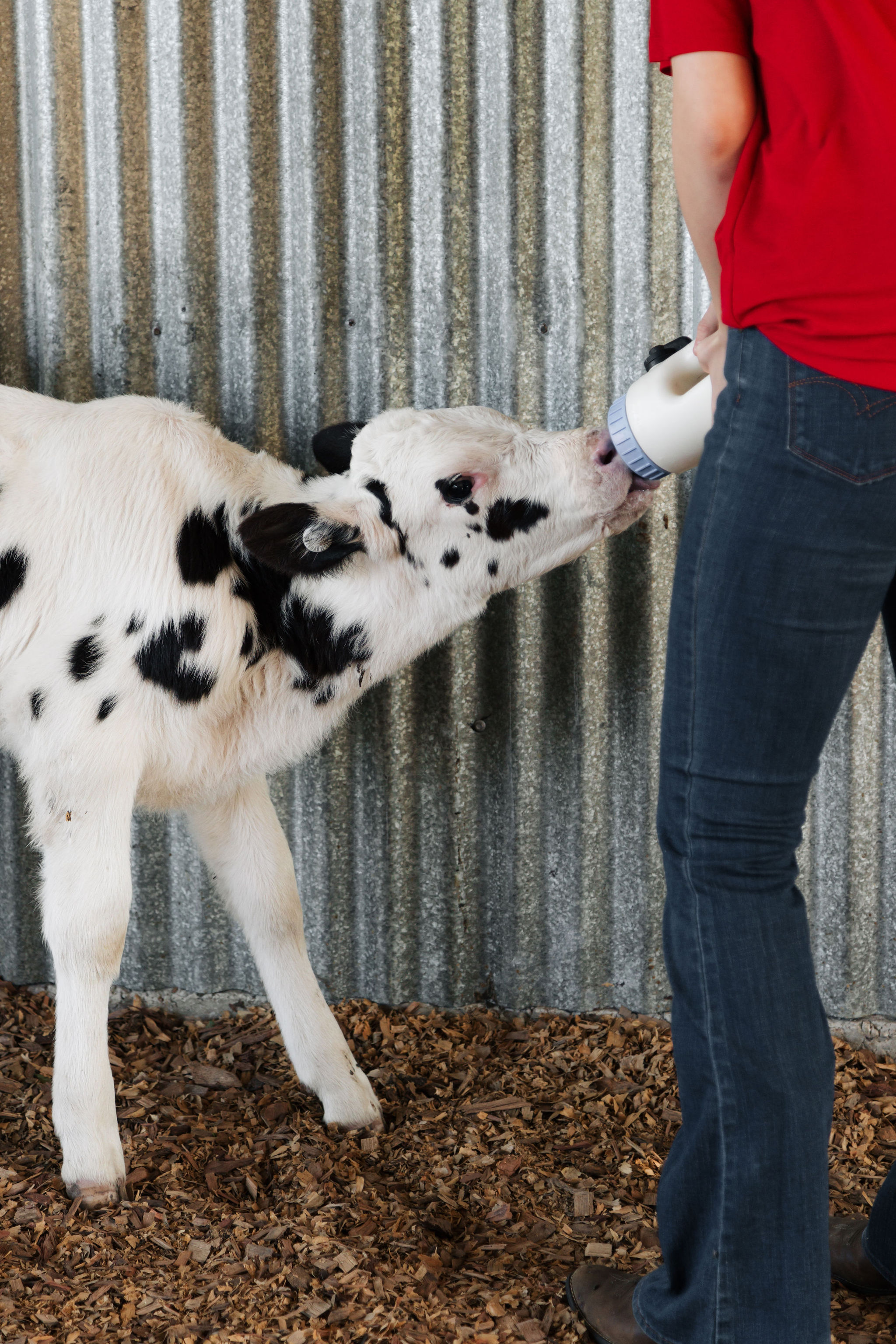
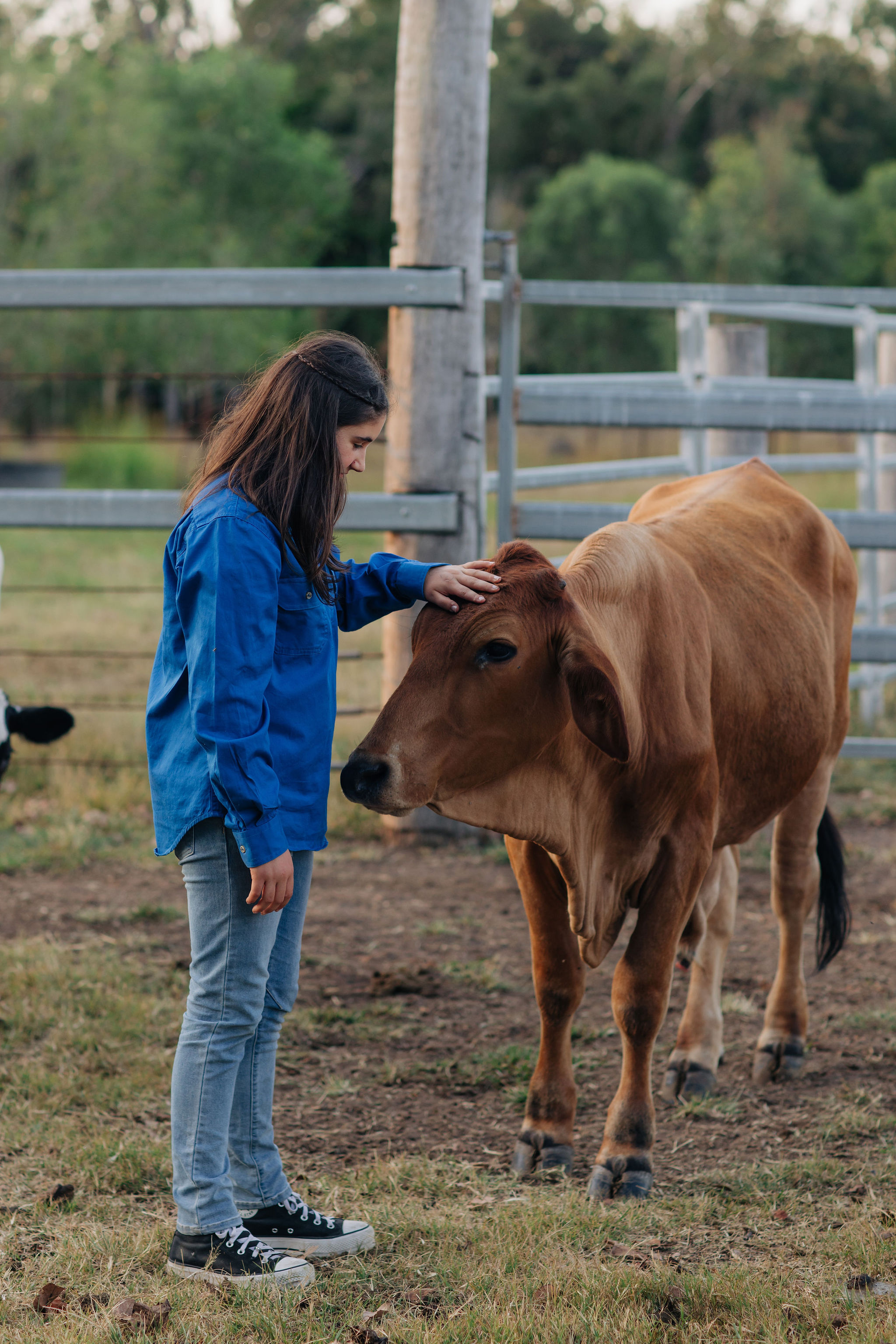
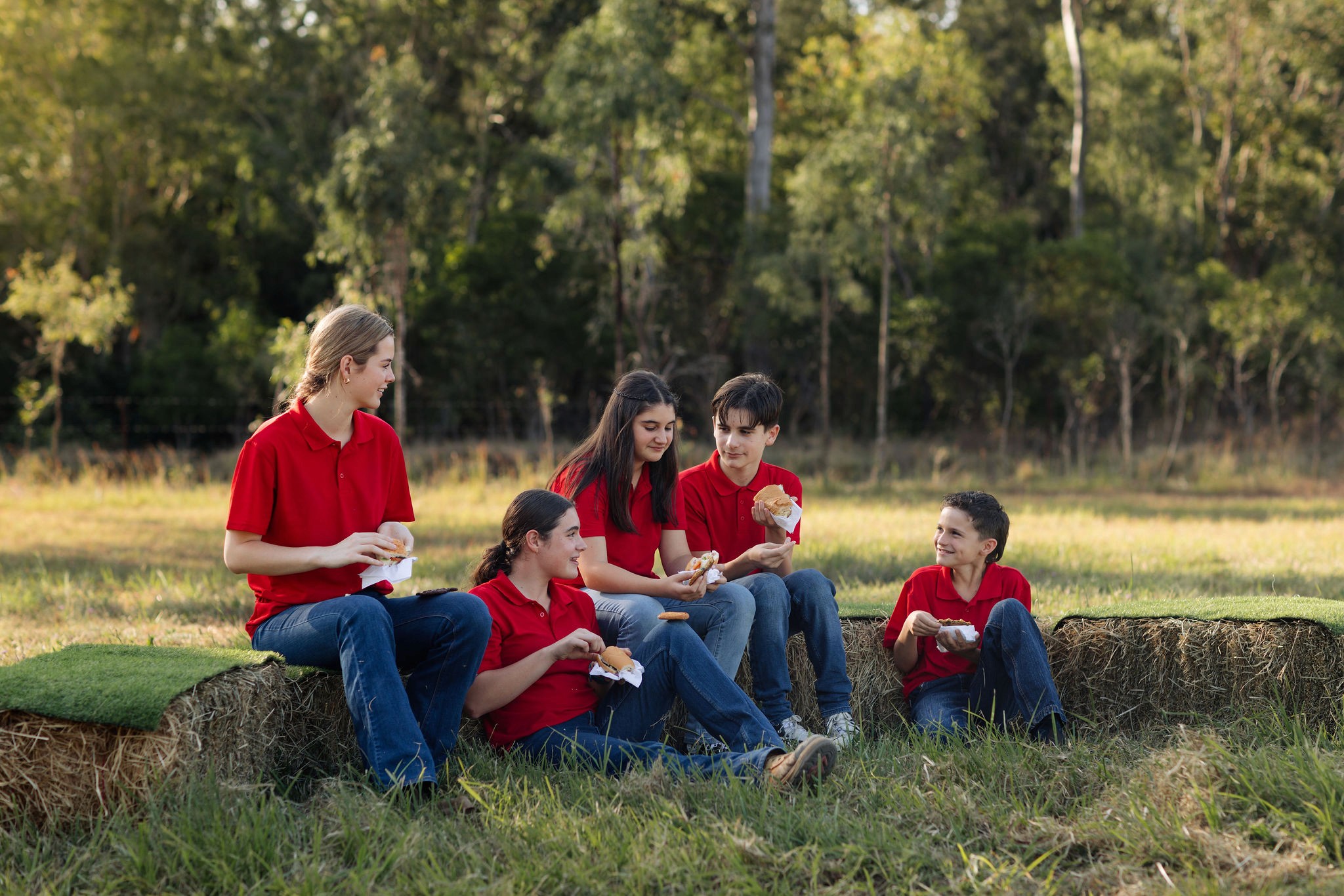
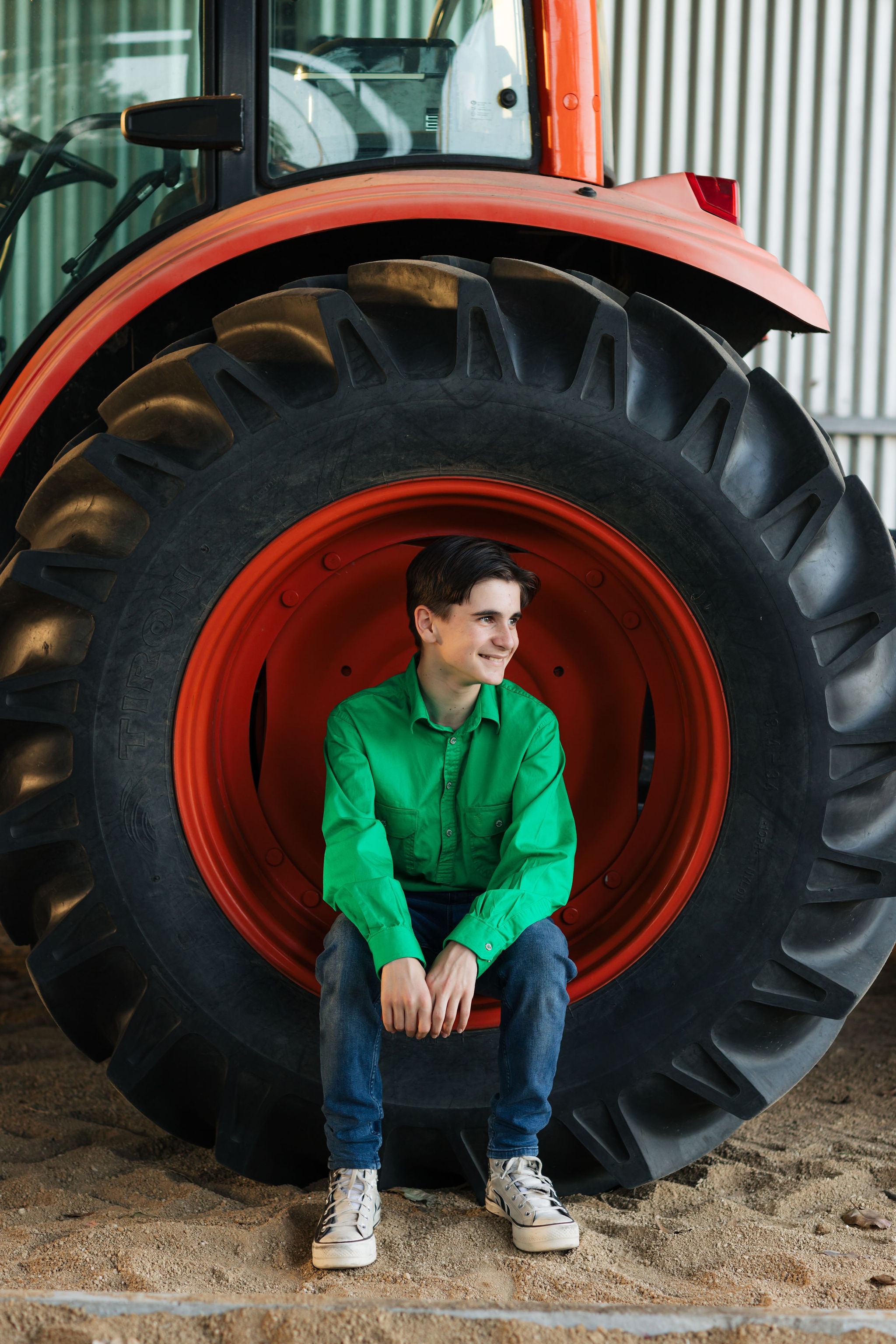
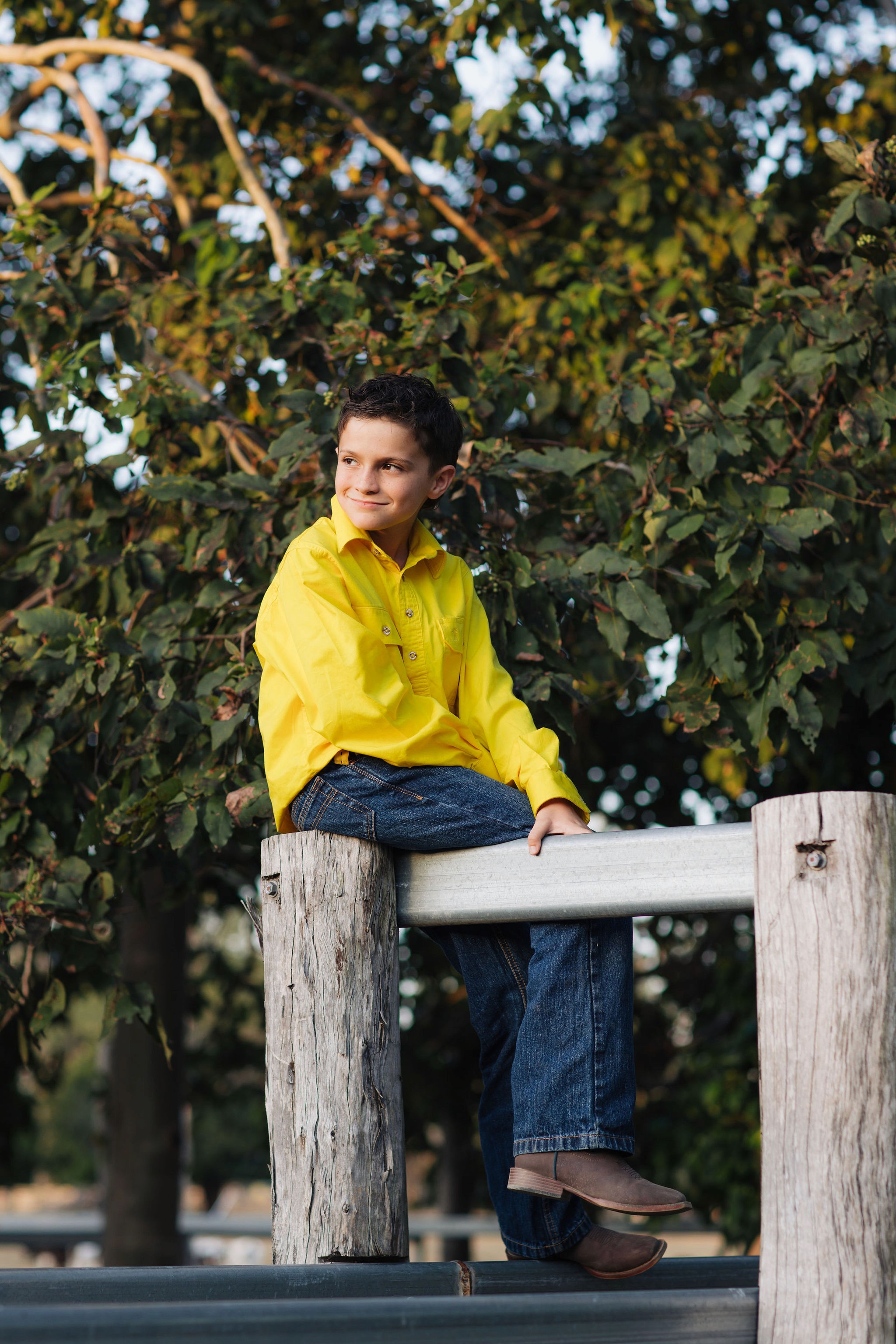
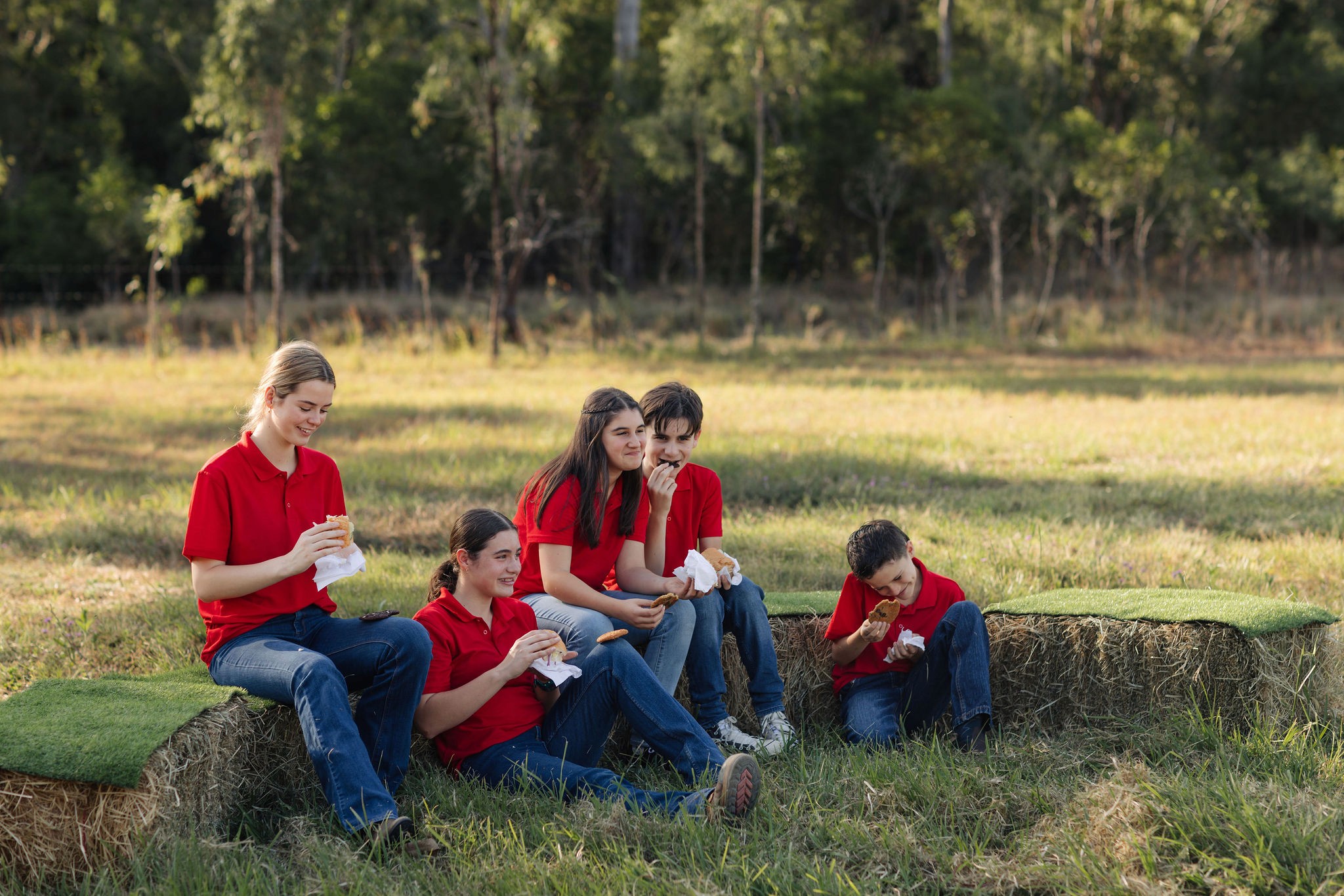
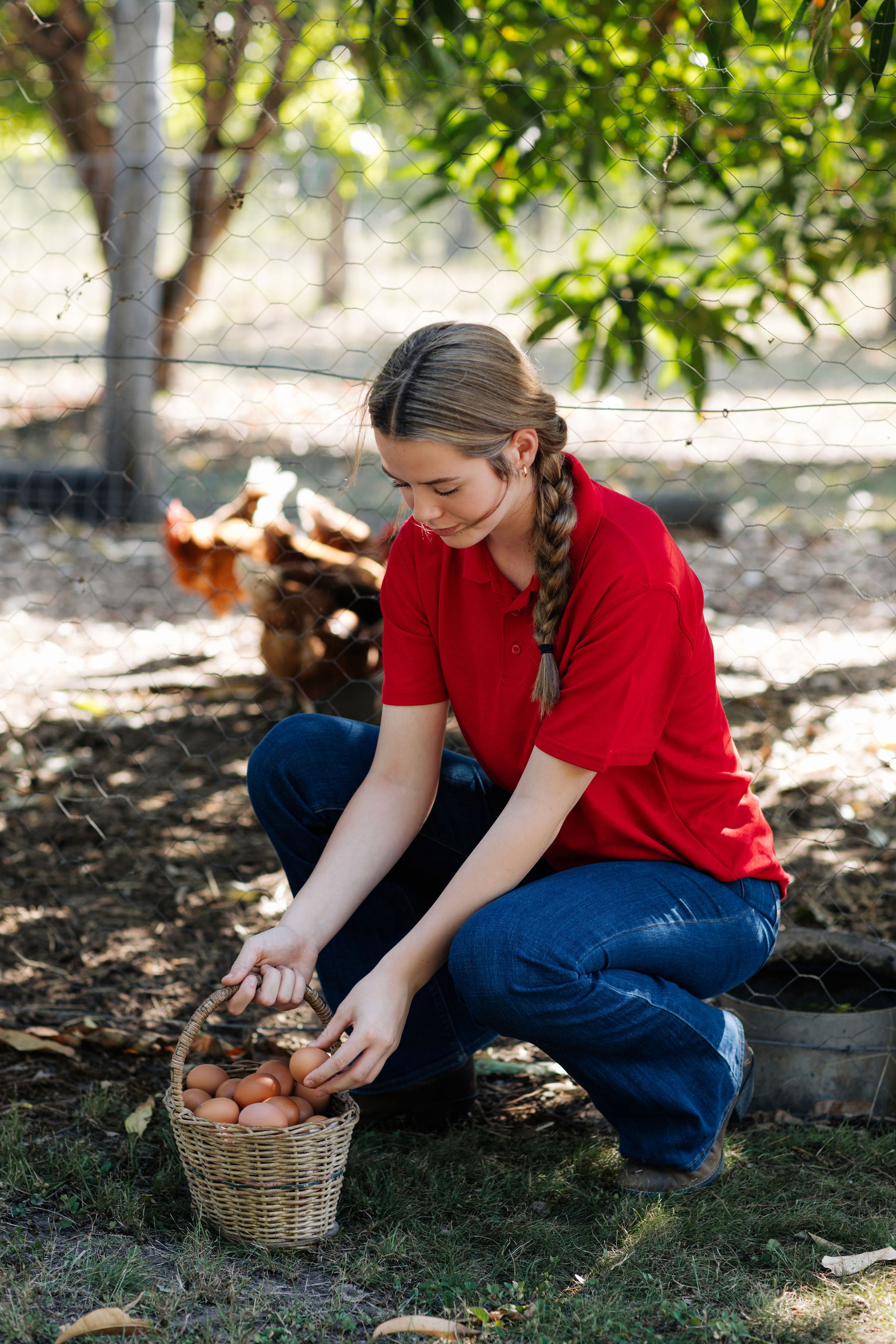
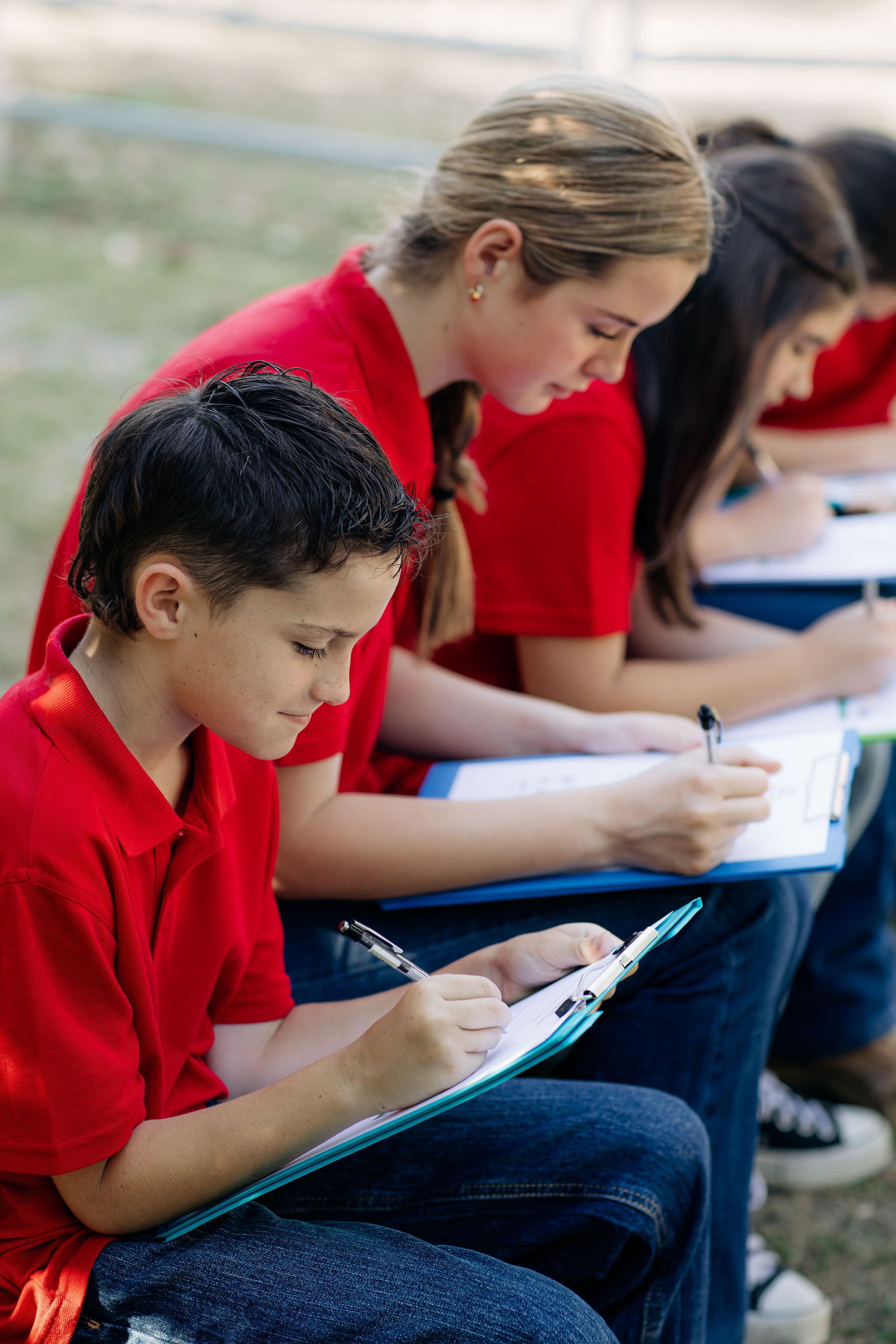
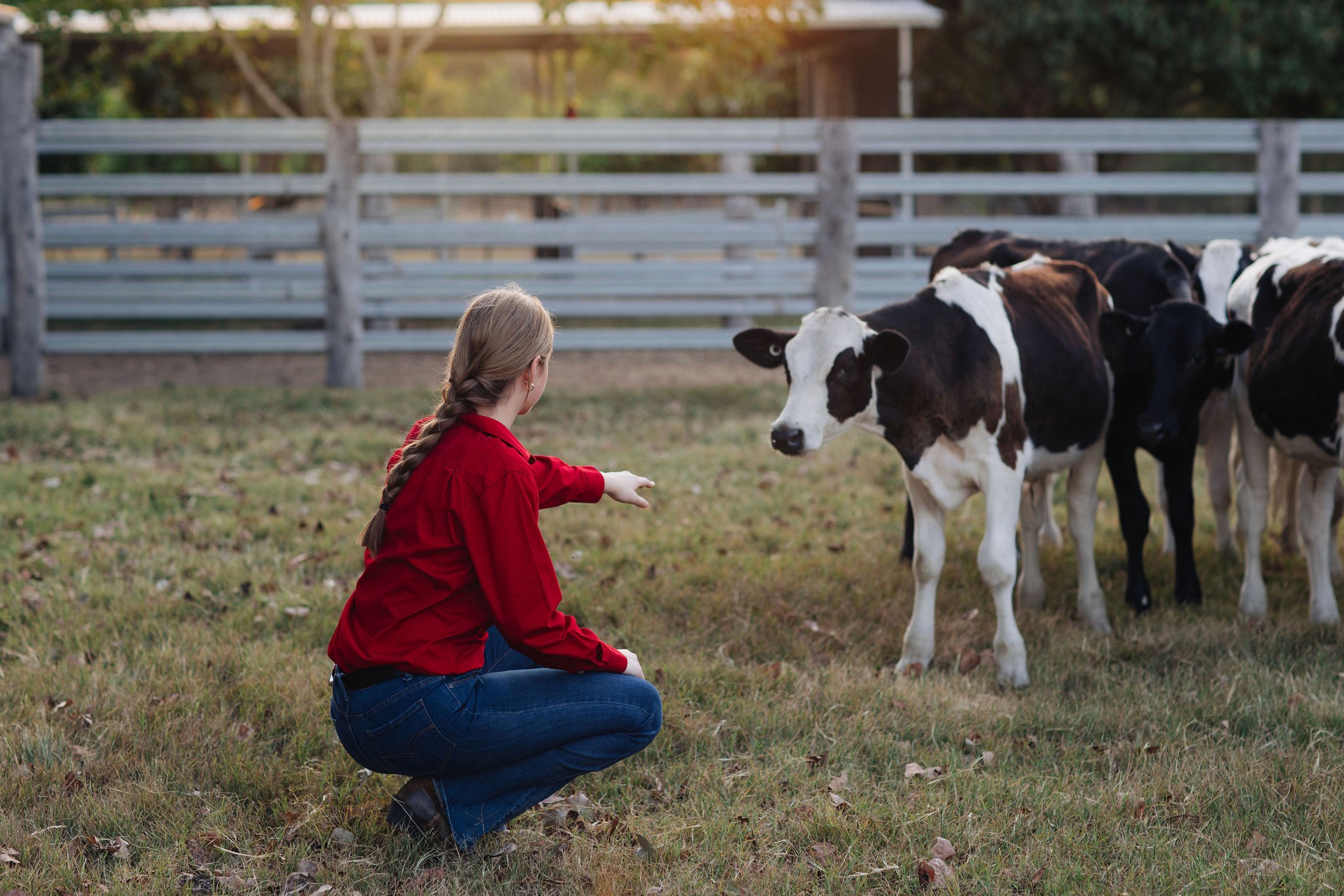
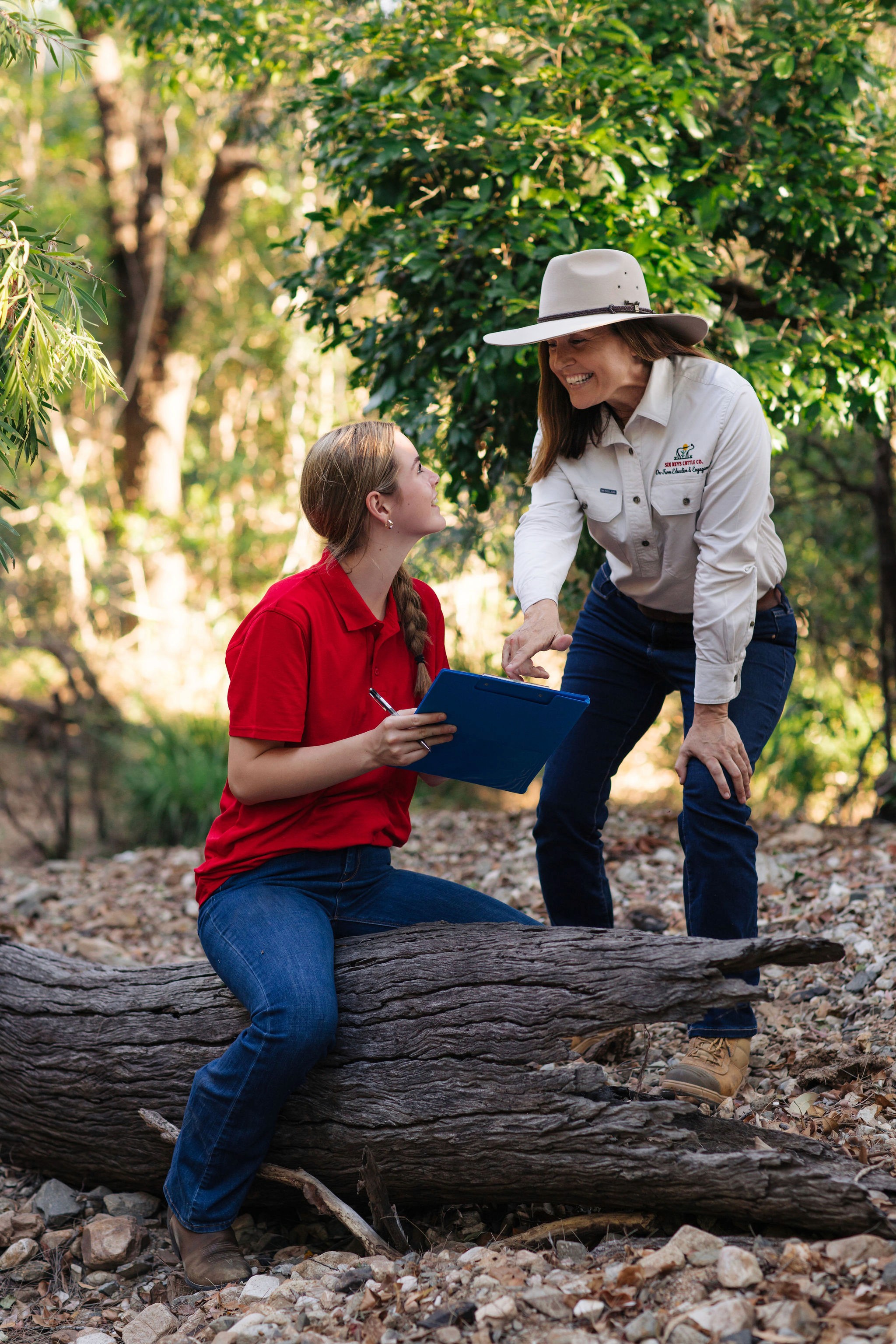
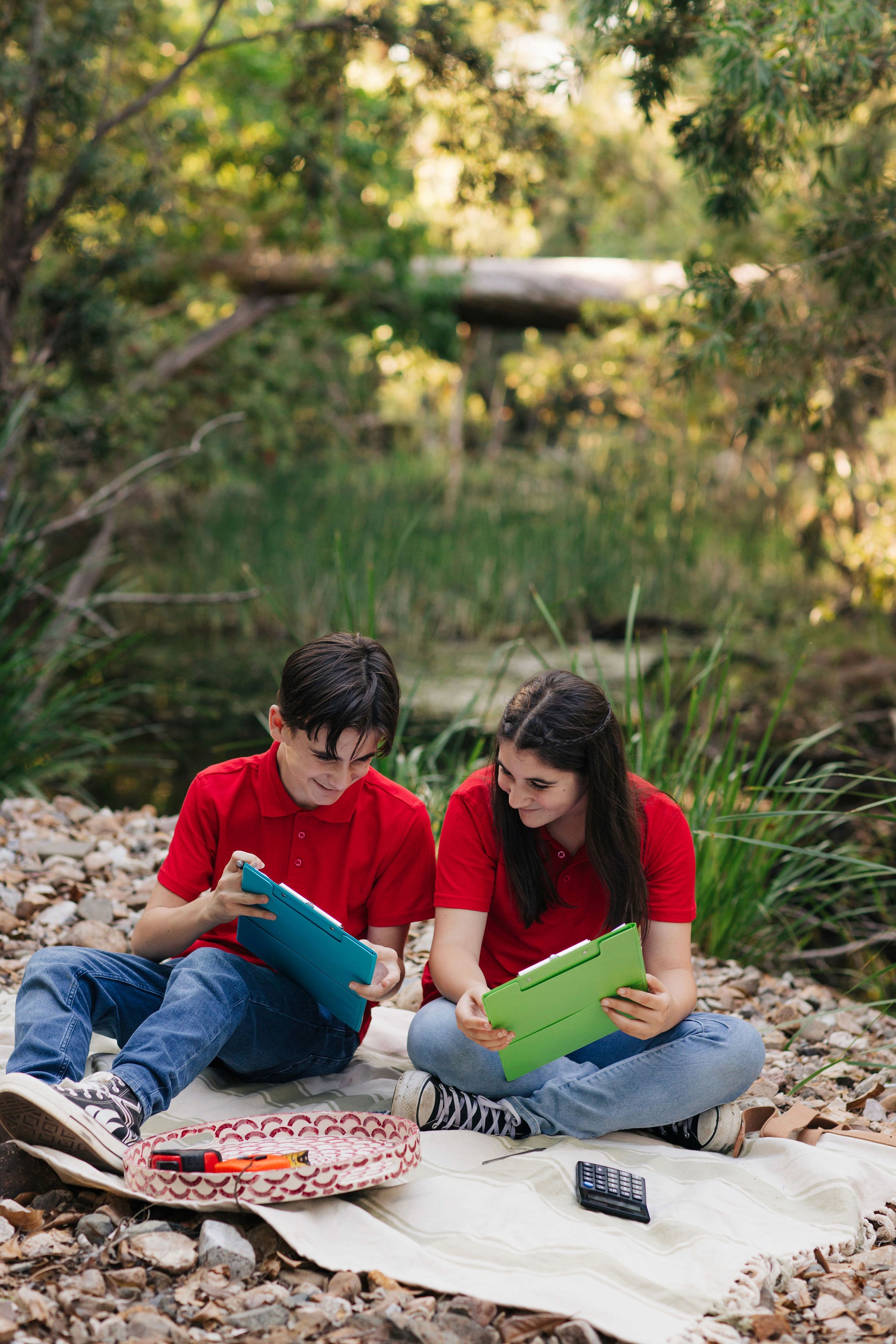
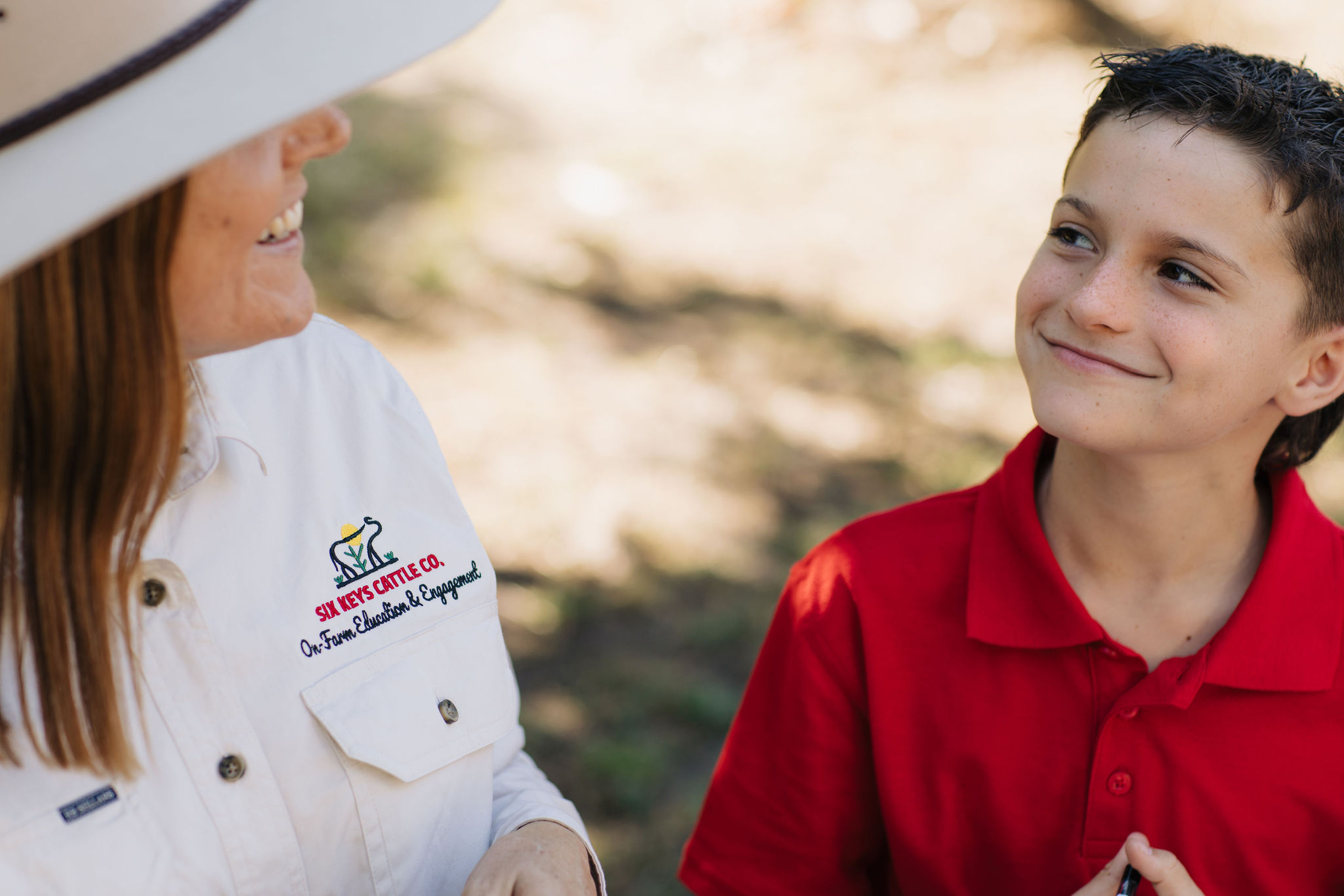
At Six Keys Cattle Co in Central Queensland, students spend time in an environment that operates on entirely different terms to a classroom. There are no screens. There's no performance pressure in the conventional sense. Instead, there are animals that respond honestly to how a child moves and behaves, purposeful physical work, and the kind of sensory richness that busy modern life rarely offers. Students move, observe, question, and contribute to something real.
Parents who have sent children to Six Keys often notice the difference the same day. Children come home with something to say, not tired and withdrawn, but carrying questions and stories and a kind of quiet energy that shows up differently to ordinary school fatigue.
That shift isn't incidental. Working with large animals builds genuine calm. You simply cannot rush or worry your way through a cattle yard. Physical activity outdoors supports the neurological recovery that anxious young minds genuinely need. And working in small groups through real challenges builds the kind of social connection that many children struggle to find through a screen.
Farm learning doesn't undo the pressures Aussie students face. But it interrupts them. And it offers children something that is increasingly rare: time spent doing something real, in the open air, that demands their full attention.
Some days, that's exactly what a child needs.