Disruptive behaviour in the classroom rarely starts with a student deciding to cause trouble. More often, it starts with boredom. With a lesson that feels irrelevant. With content that makes no sense because there's nothing to anchor it to, no experience, no reference point, nothing that connects what's on the whiteboard to the world outside the window.
When learning doesn't land, children find other ways to occupy themselves. That's not a discipline problem. It's a signal.
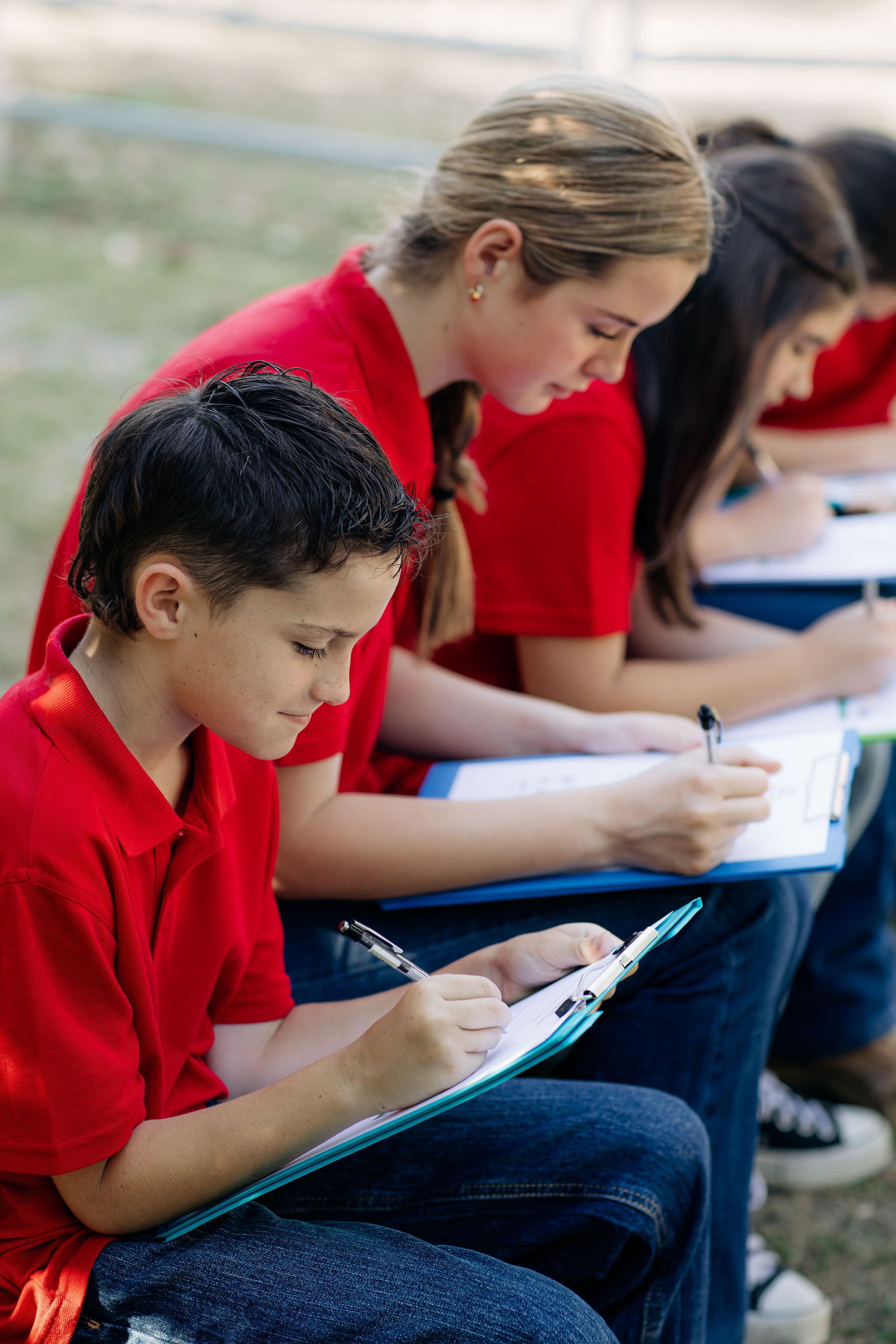
Educators have known for decades that passive learning is hard work for developing minds. Sitting still, listening without interacting and absorbing information that feels disconnected from real life. These conditions push many students toward restlessness. For children who are naturally kinaesthetic, or who simply haven't yet found a reason to care about schoolwork, the gap between classroom content and real-world meaning is wide enough to lose them entirely.
On-farm learning closes that gap in a way that few other environments can.
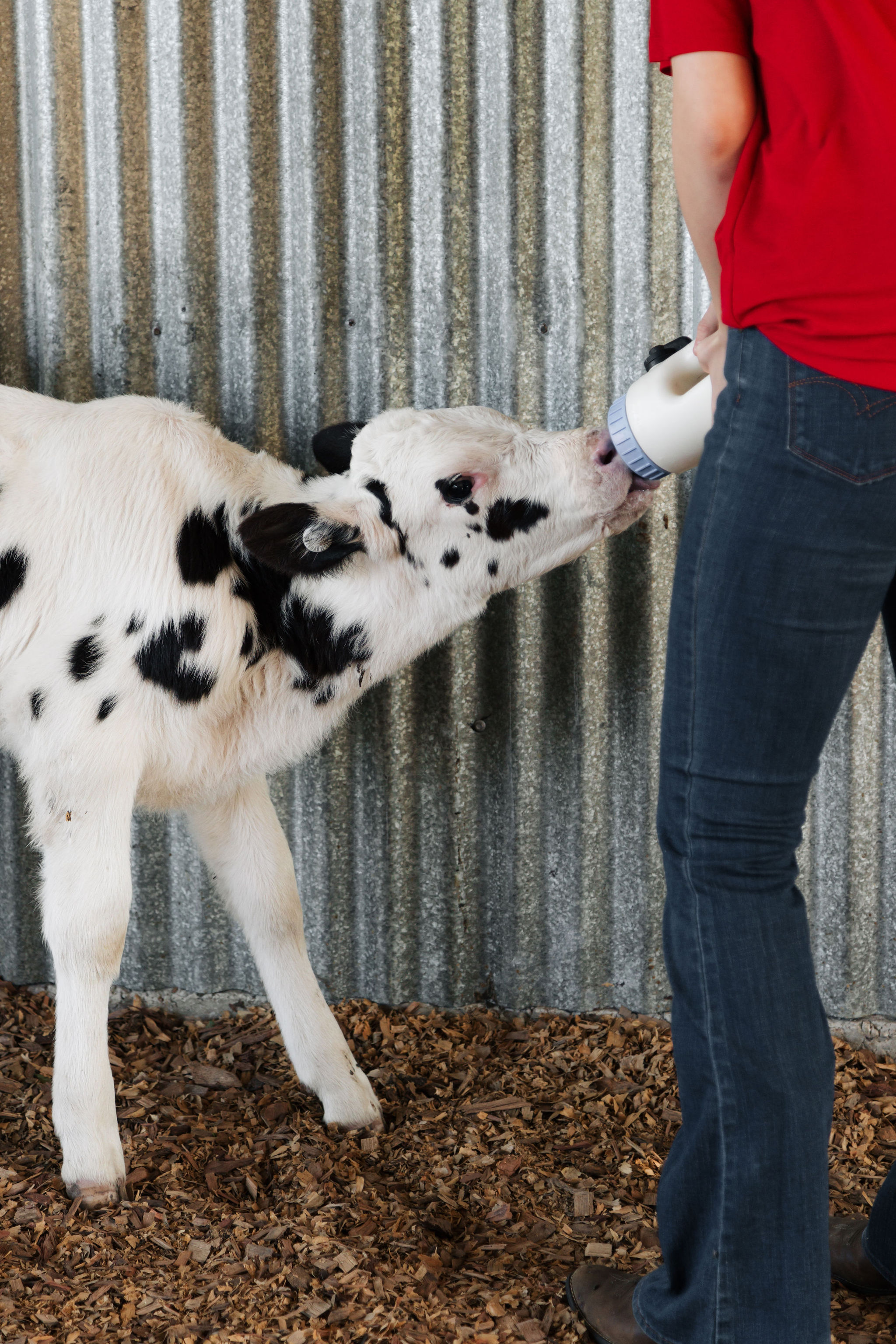
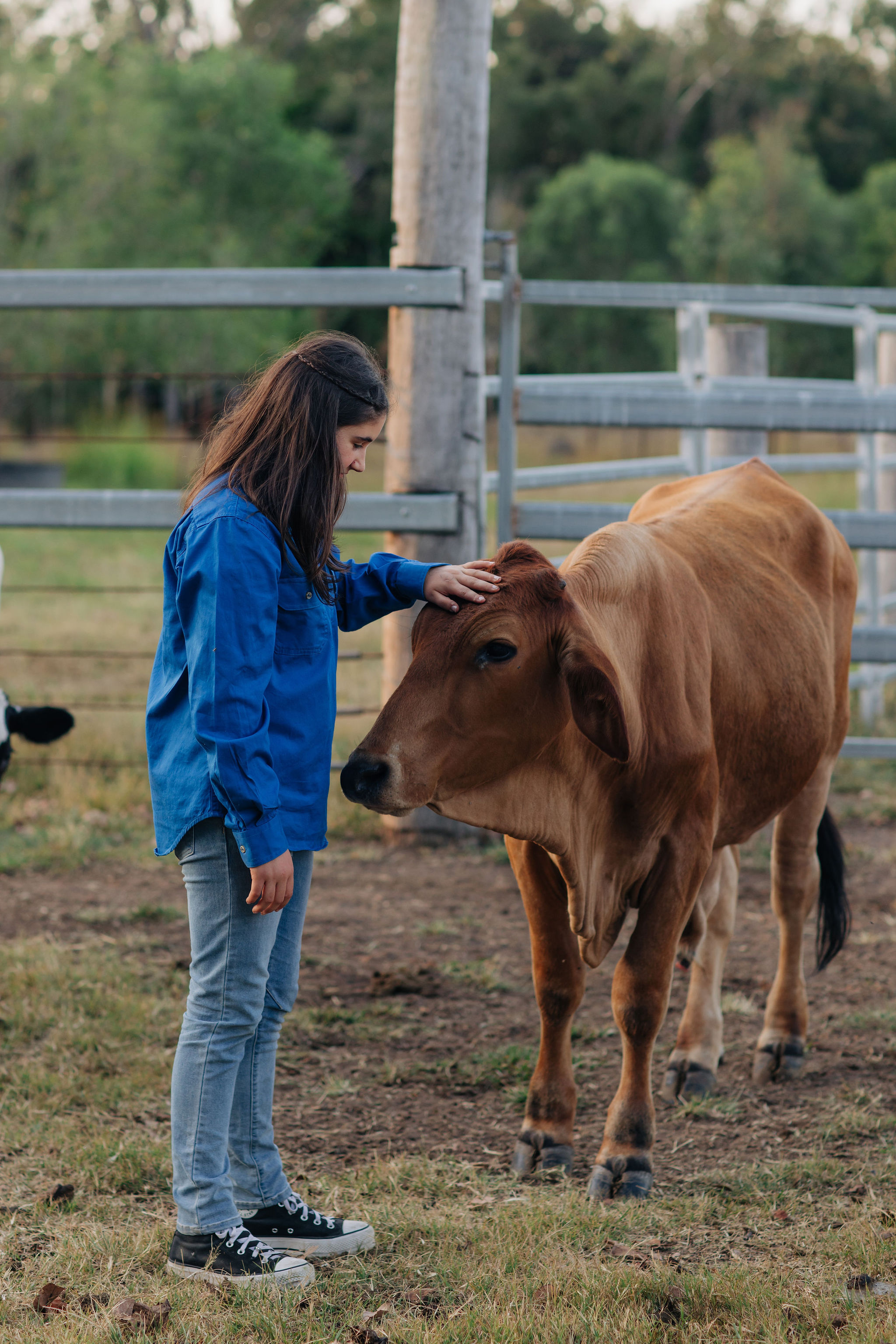
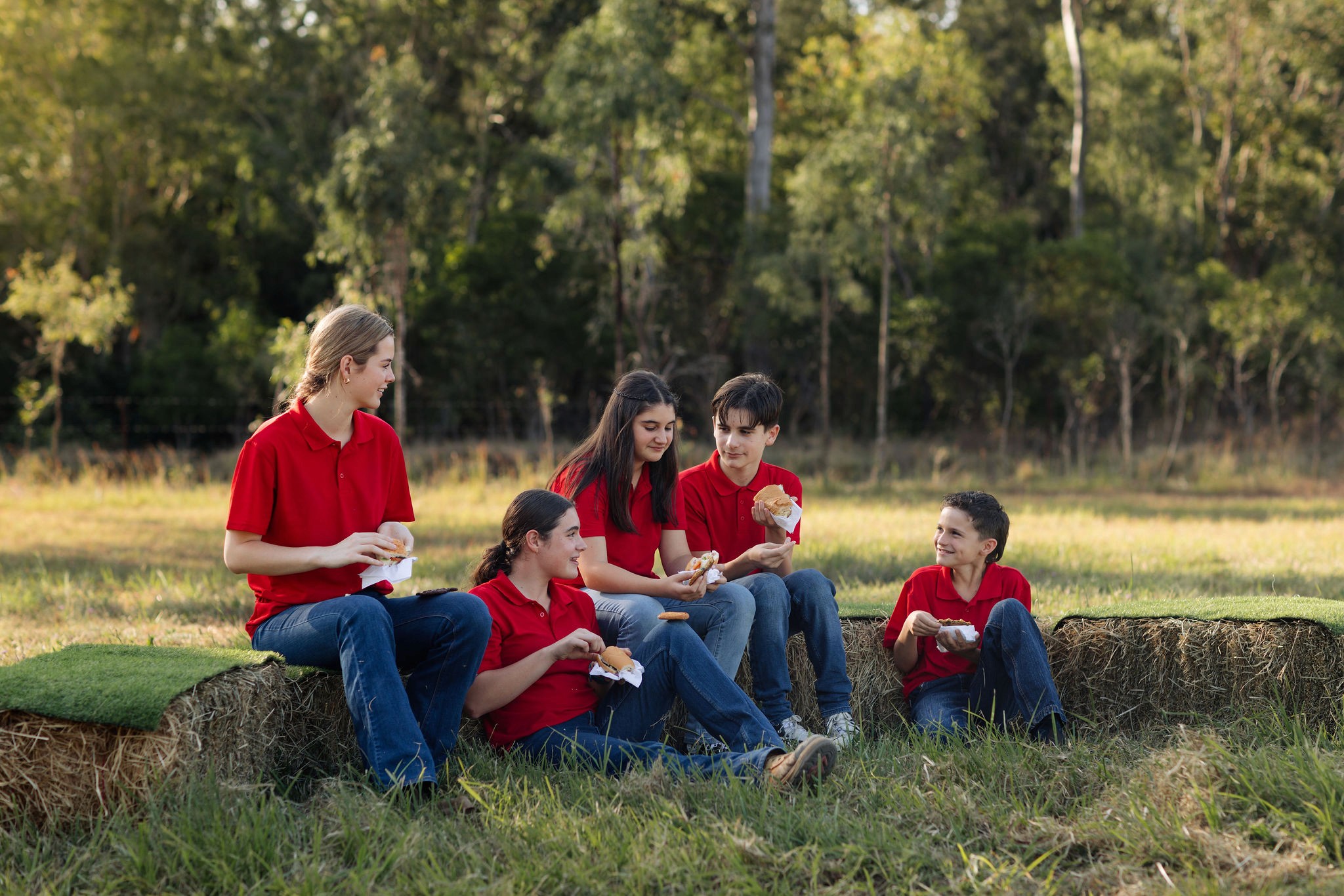
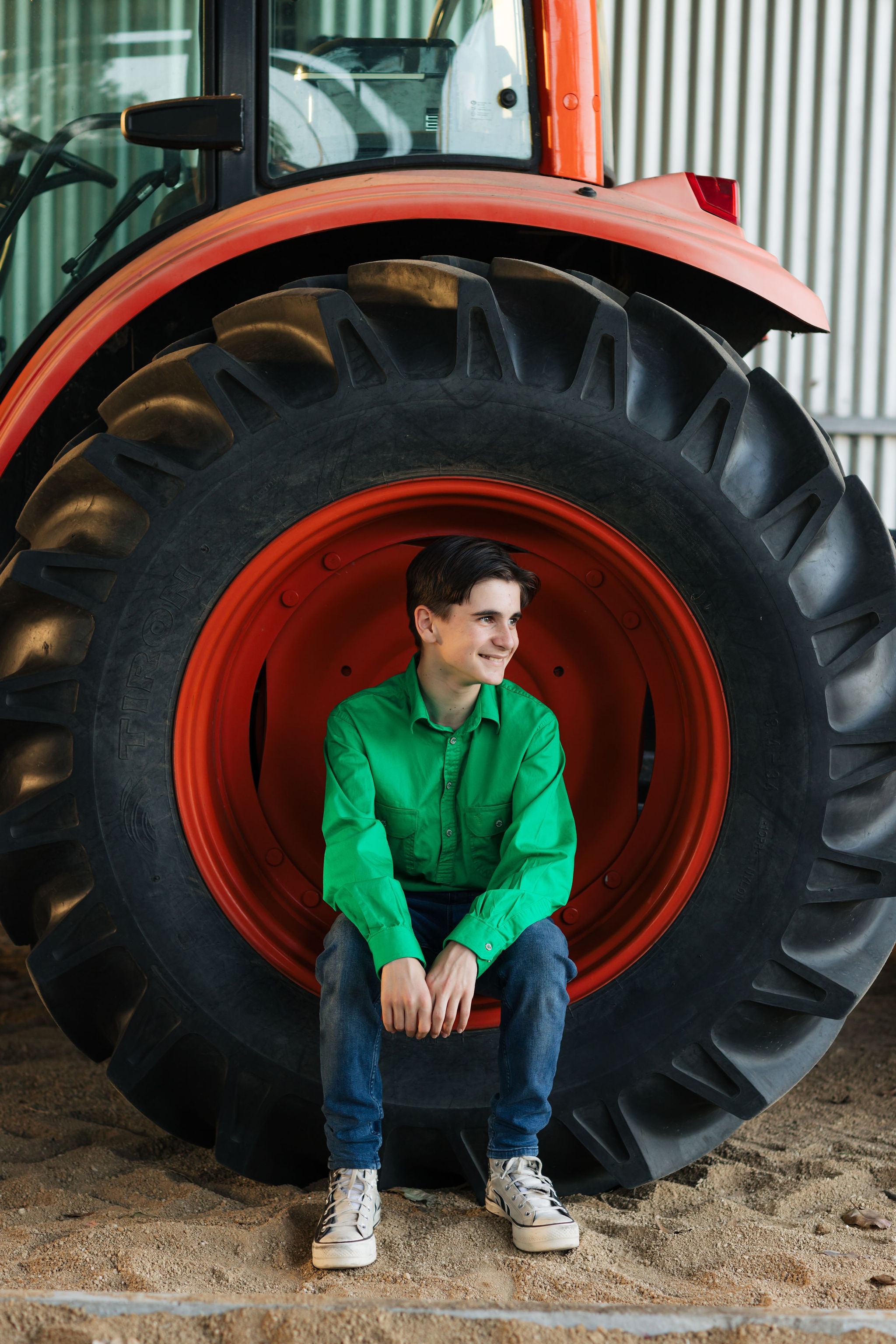
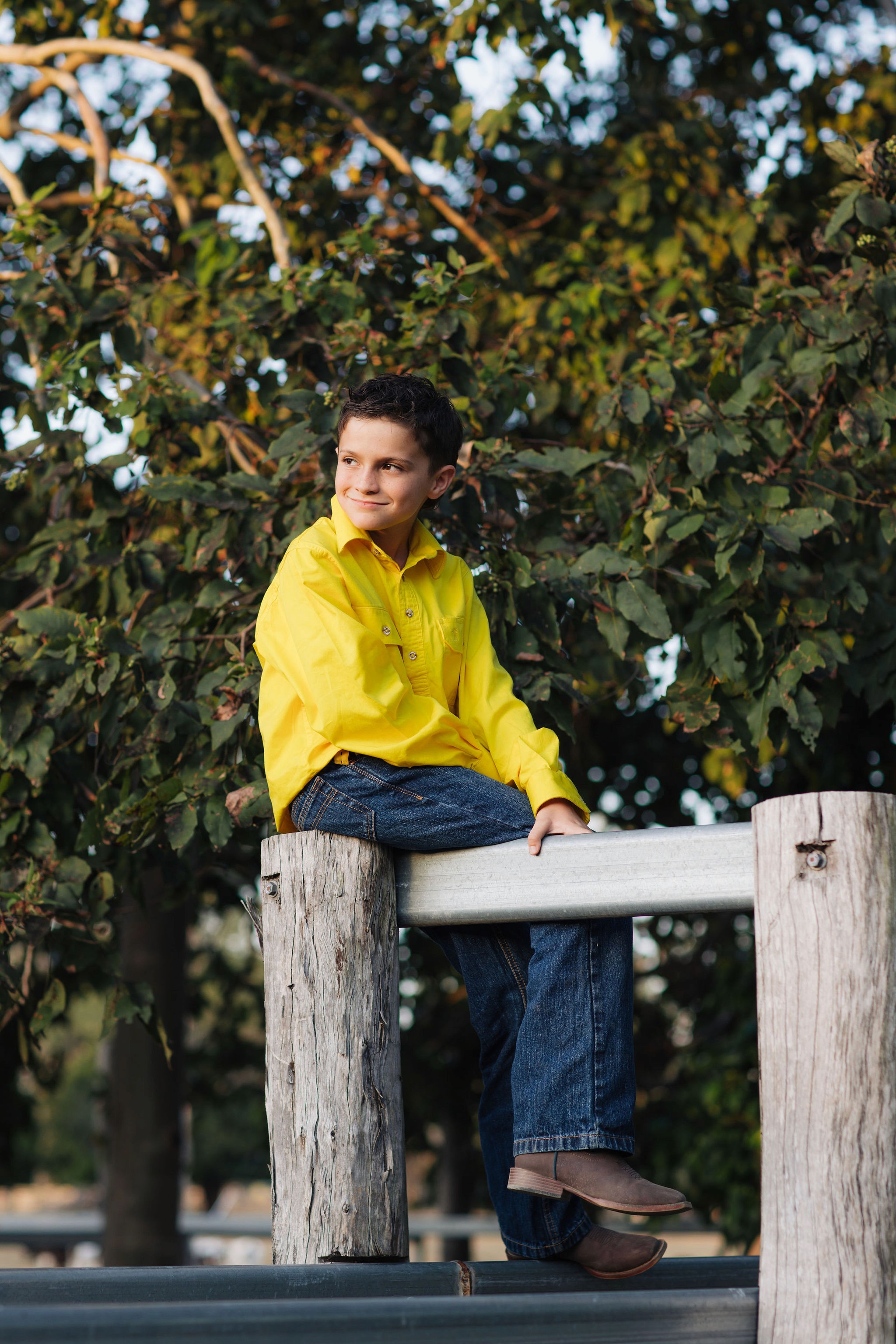
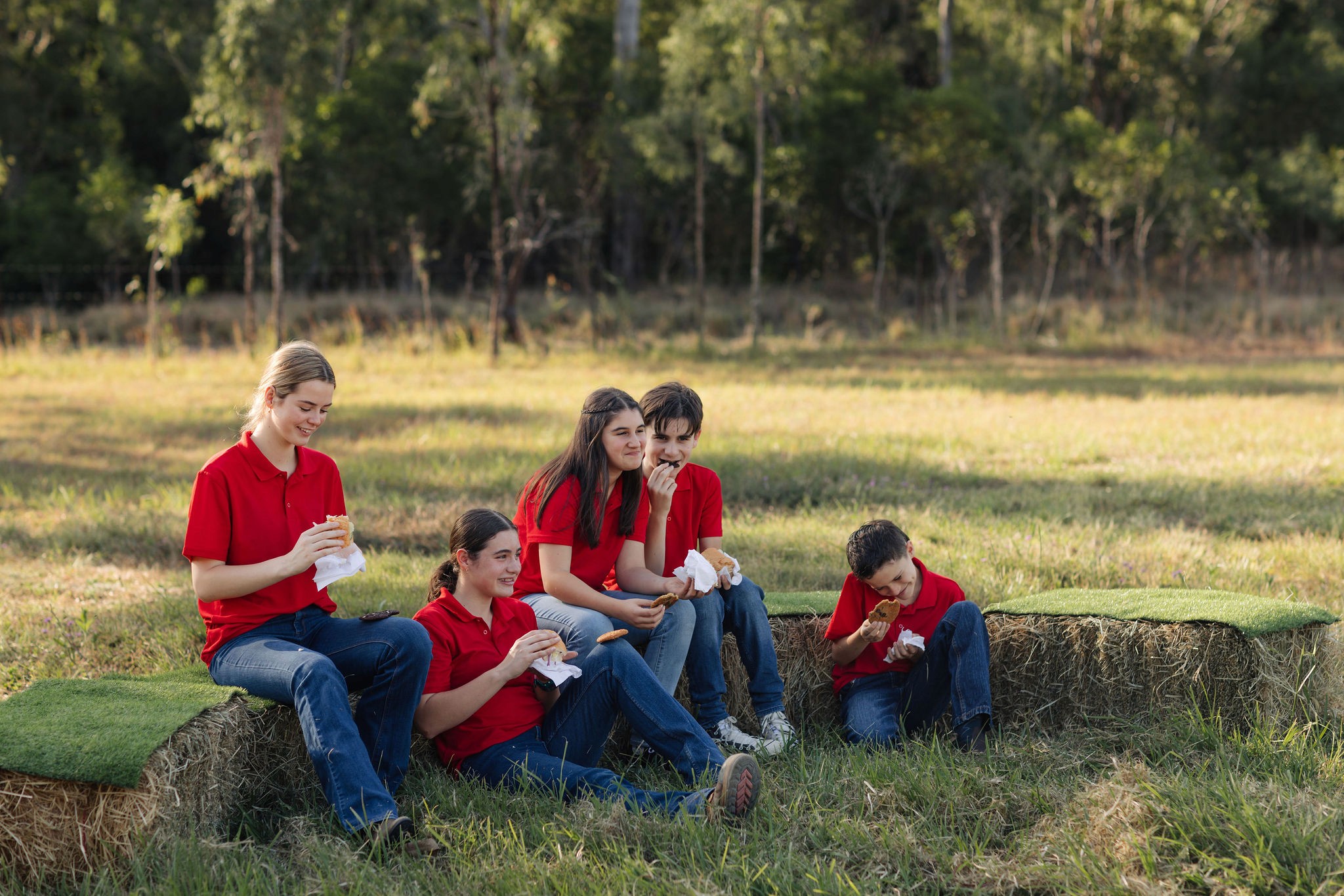
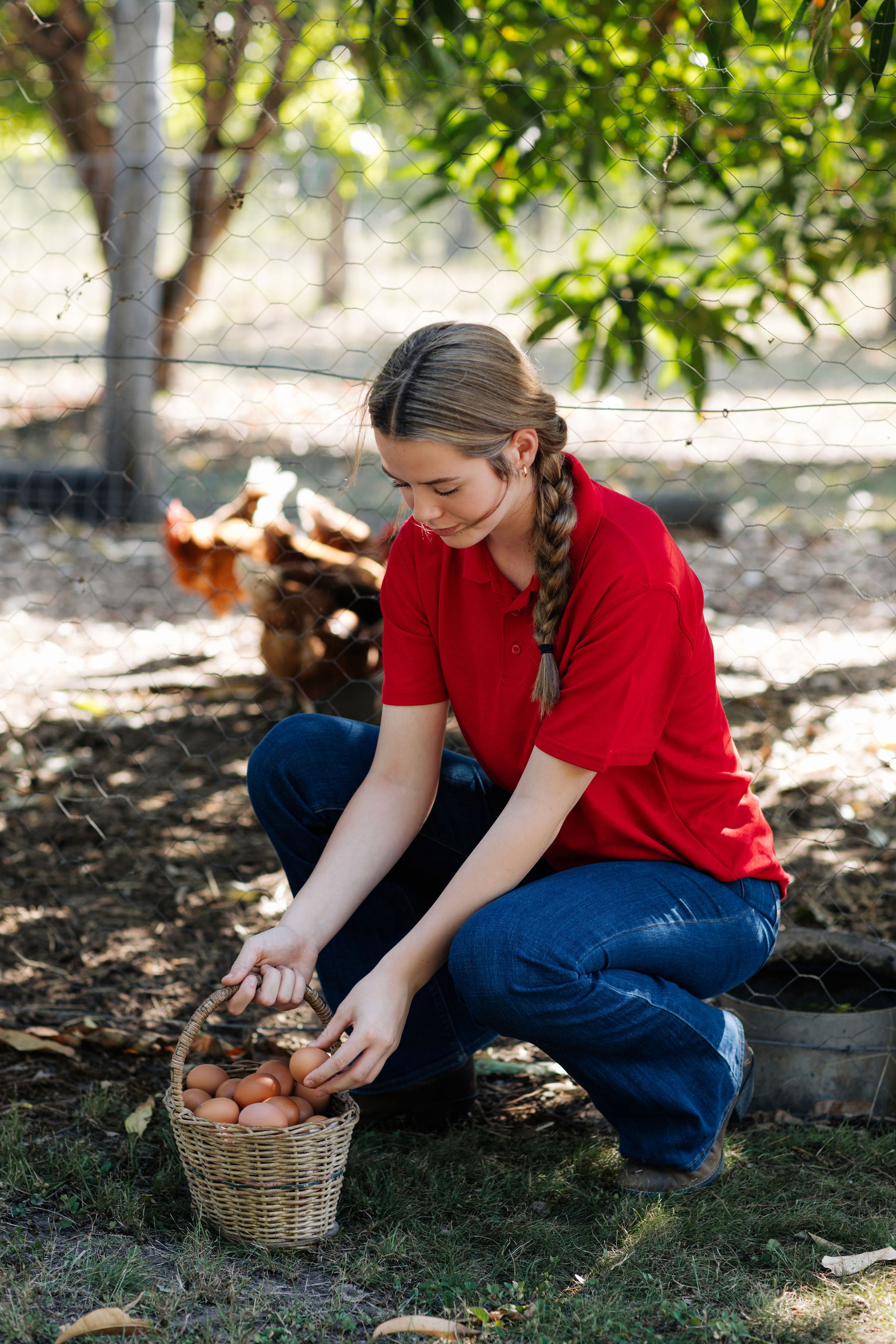
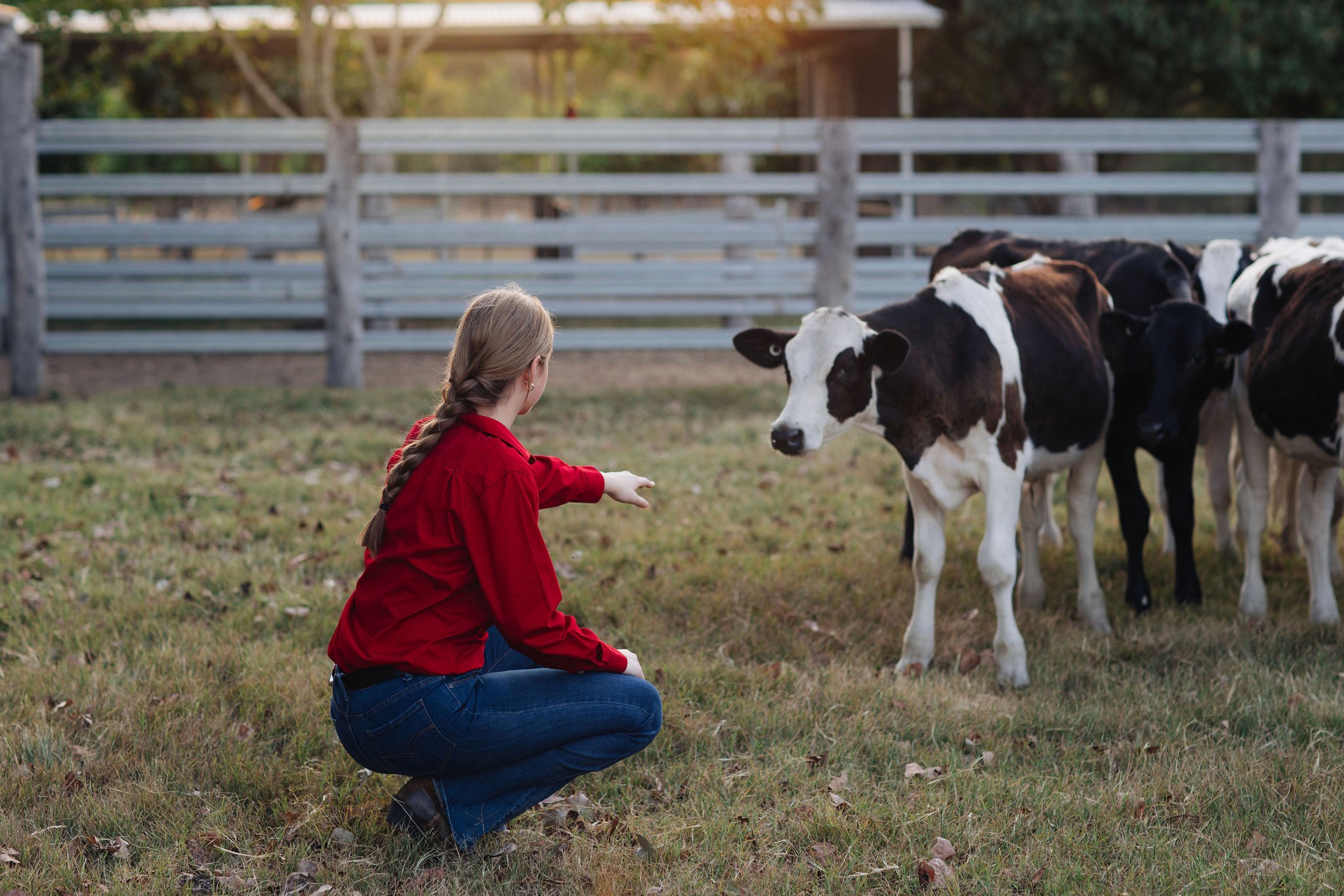
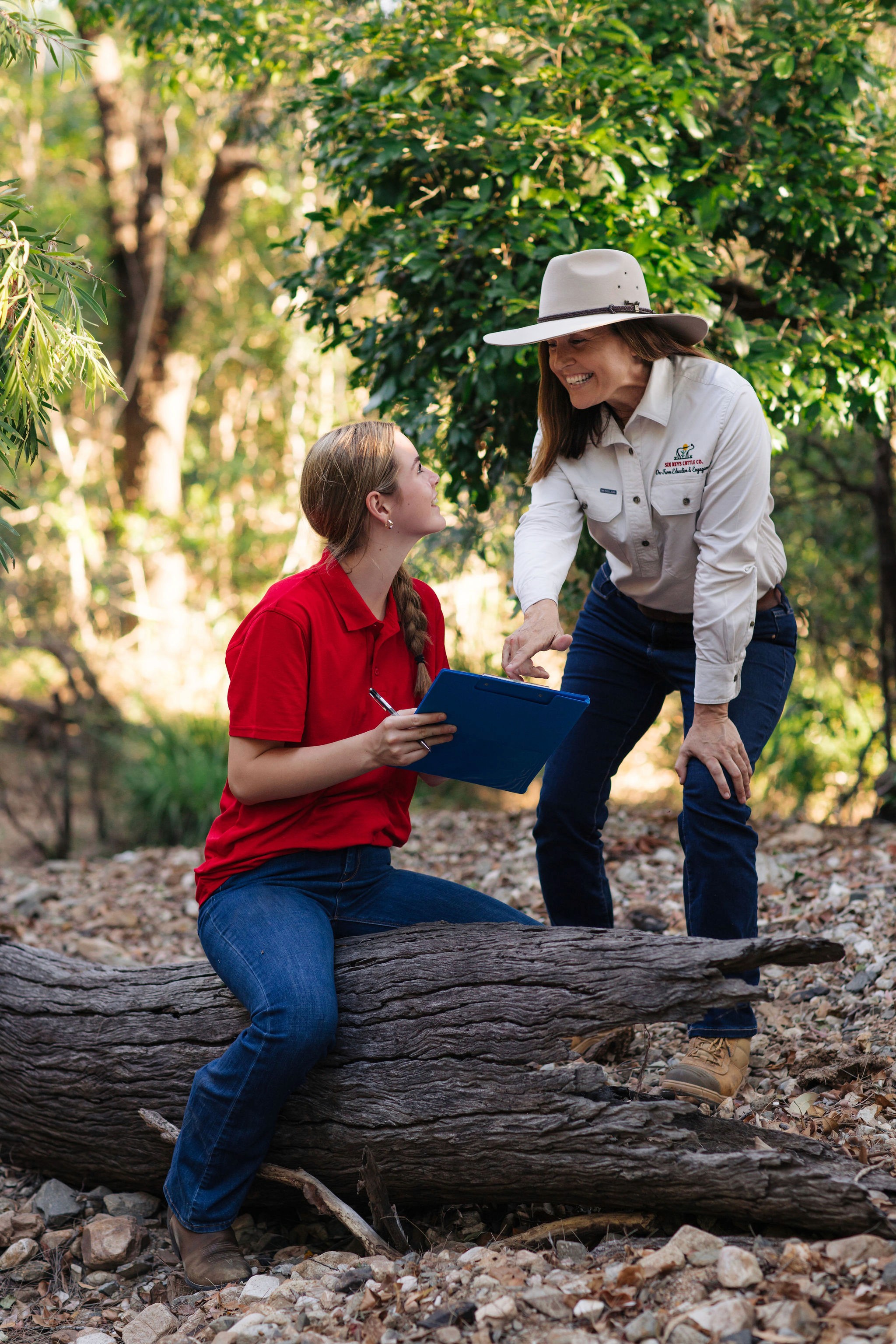
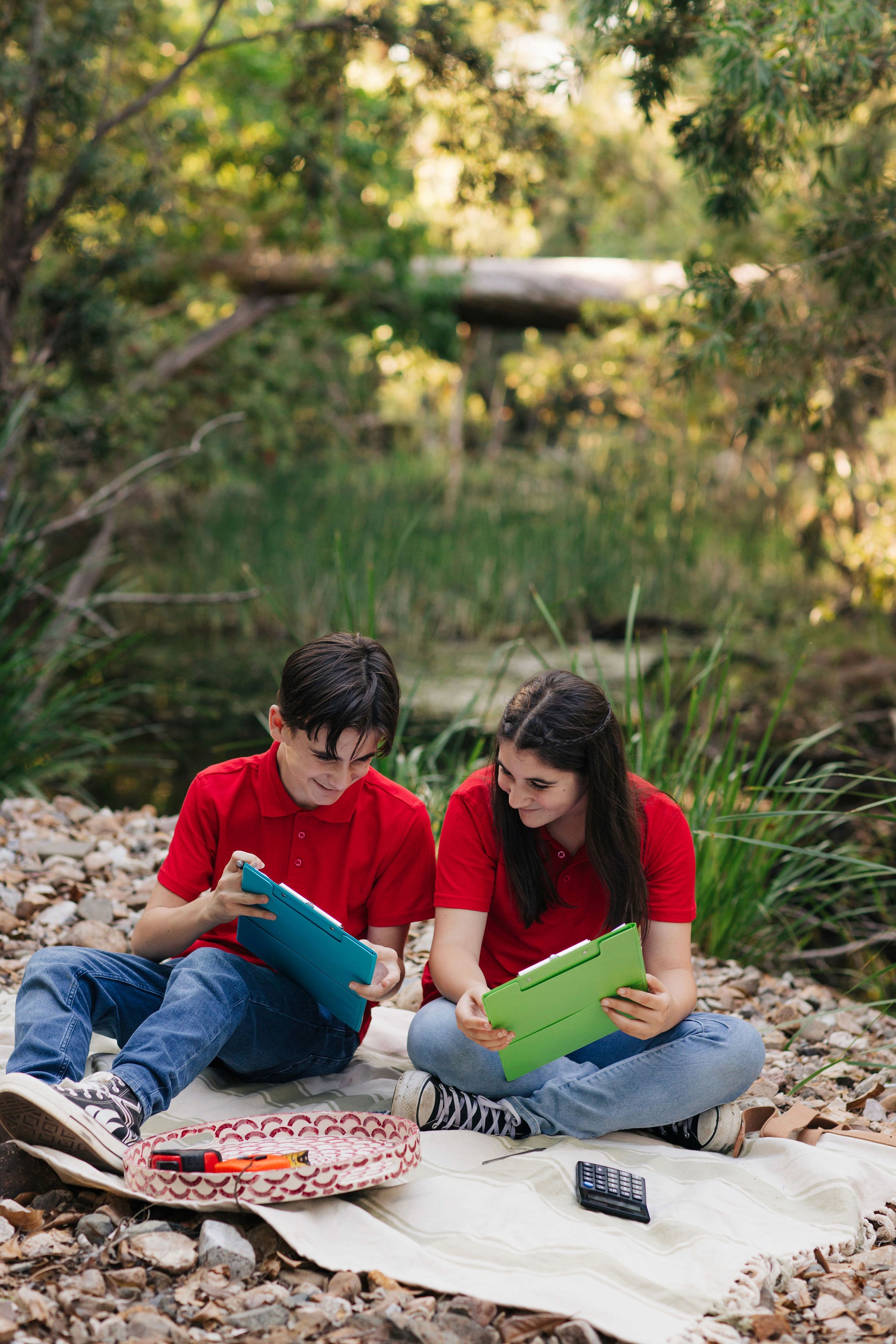
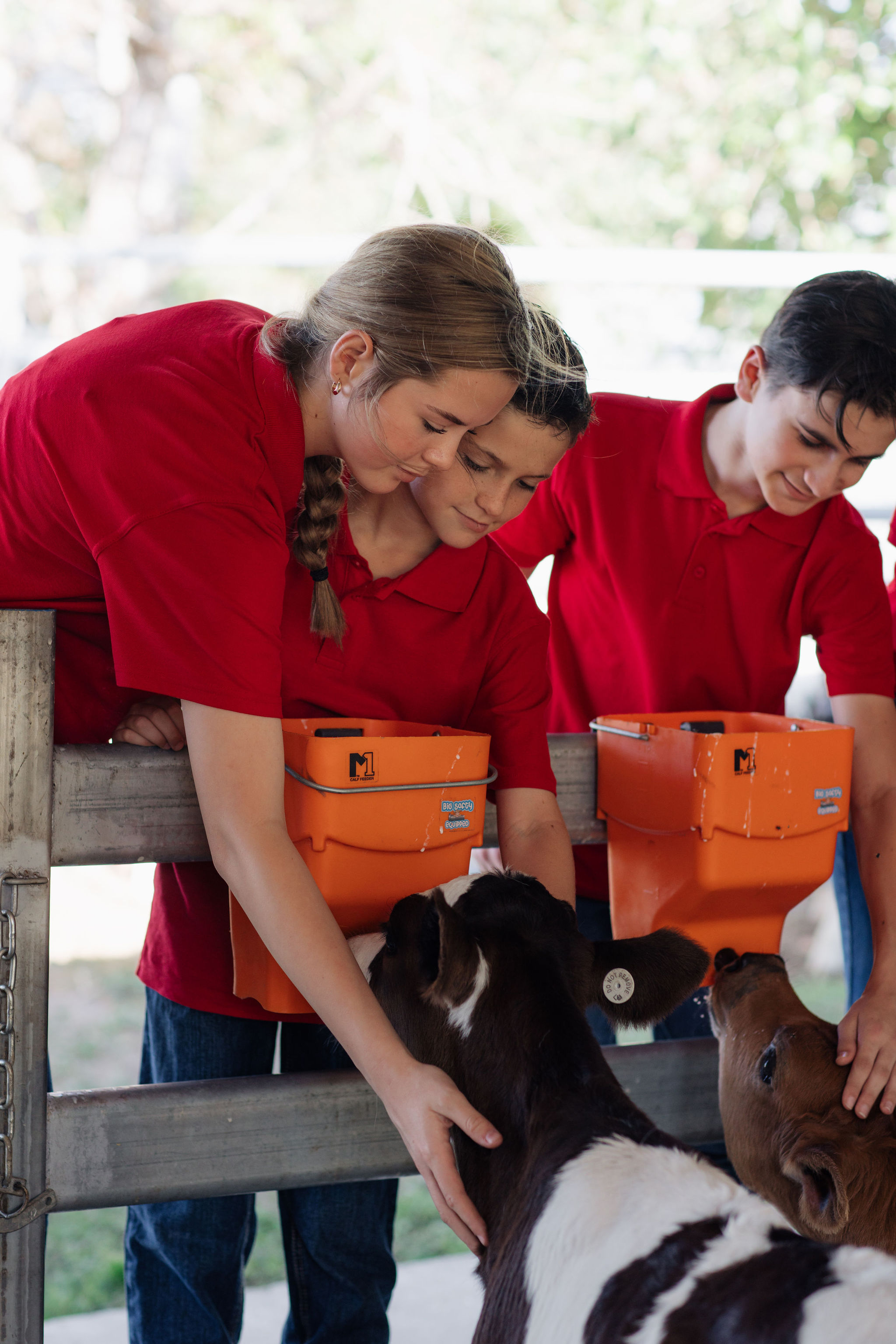
At Six Keys Cattle Co in Central Queensland, students don't sit and receive information, they participate in it. They observe cattle being moved, ask why the yards are designed a certain way, and get answers that make immediate, visible sense. They learn about nutrition through feeding routines, about responsibility through animal care, about systems thinking through watching how each decision on a property flows into the next. The content isn't separate from the experience. It is the experience.
This matters most for students who are already disengaged. When a child who has spent months switching off in the classroom suddenly finds themselves genuinely invested in whether a calf is healthy, something shifts. Curiosity replaces restlessness. Questions replace disruption. The same brain that resisted passive instruction engages completely when the learning is physical, real, and purposeful.
Research consistently supports this. Outdoor and hands-on learning environments have been shown to reduce anxiety, improve self-regulation, and build the kind of intrinsic motivation that structured classroom settings can struggle to generate. Students who feel competent and connected are significantly less likely to act out.
The behaviour problems that surface in classrooms are often just disengagement wearing a different face. Fix the engagement, and many of the behavioural challenges follow.
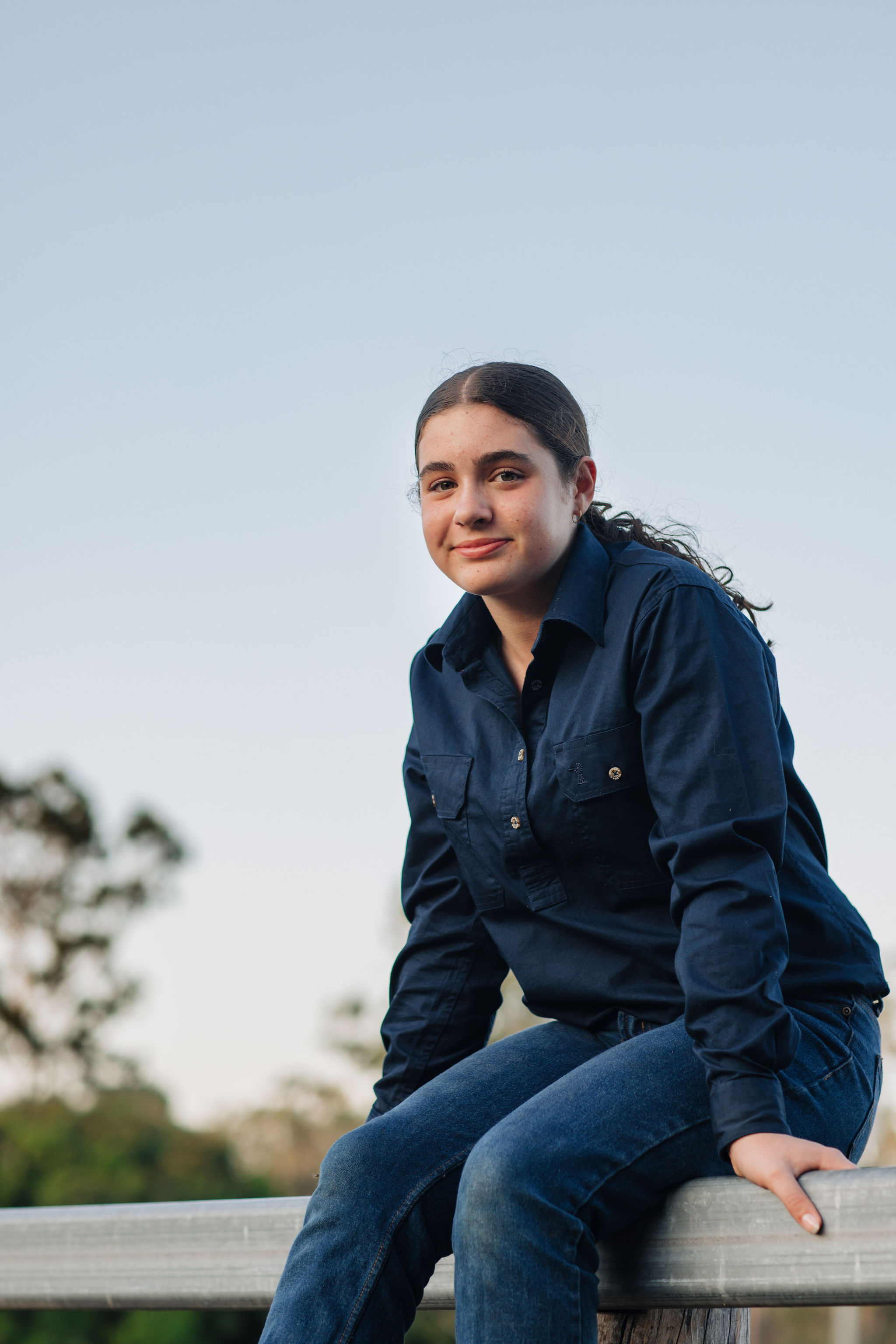
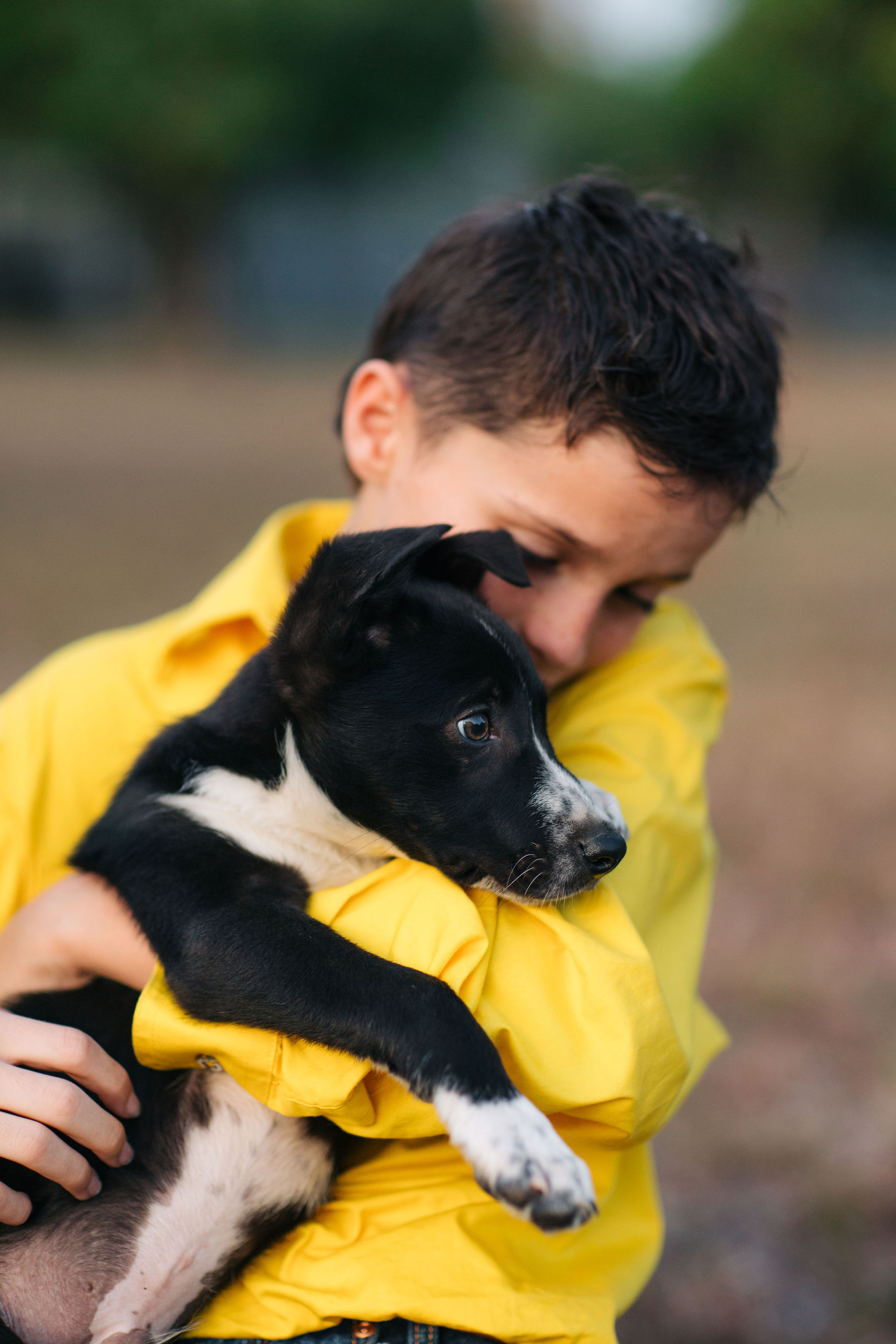
At Six Keys, programs are carefully designed to give every student a reason to show up fully. To move, to question, to discover, and to contribute. Because when learning happens inside a living, breathing, bellowing classroom, there's very little room left for boredom.