The instruction not to get dirty is one of the most reliably counterproductive things adults say to children. Well-intentioned, reflexive, and grounded in a genuine desire to avoid extra laundry, it runs directly against what children's bodies and brains are designed to do during the years when it gets said most often.
Dirt, in a developmental context, isn't a problem. It's a medium.
Sensory engagement, the active exploration of texture, temperature, smell, and physical resistance, is fundamental to how young children build neurological pathways. Touch is one of the earliest and most formative senses, processed through neural systems that develop through use. Children who have rich tactile experience across their primary years develop more refined sensory processing and stronger neural integration than those whose physical contact with the world is consistently limited or managed from a distance.
The immune system research adds another layer. The hygiene hypothesis, considerably refined since it was first proposed, suggests that regular exposure to diverse environmental microbes supports immune system development and reduces the risk of various allergic and inflammatory conditions. Children who spend time outdoors in contact with soil, animals, and varied natural environments are giving their immune systems genuine training. Keeping children consistently removed from that contact works against a process their biology depends on.
On a farm, getting dirty is not incidental to the learning. It is part of it.
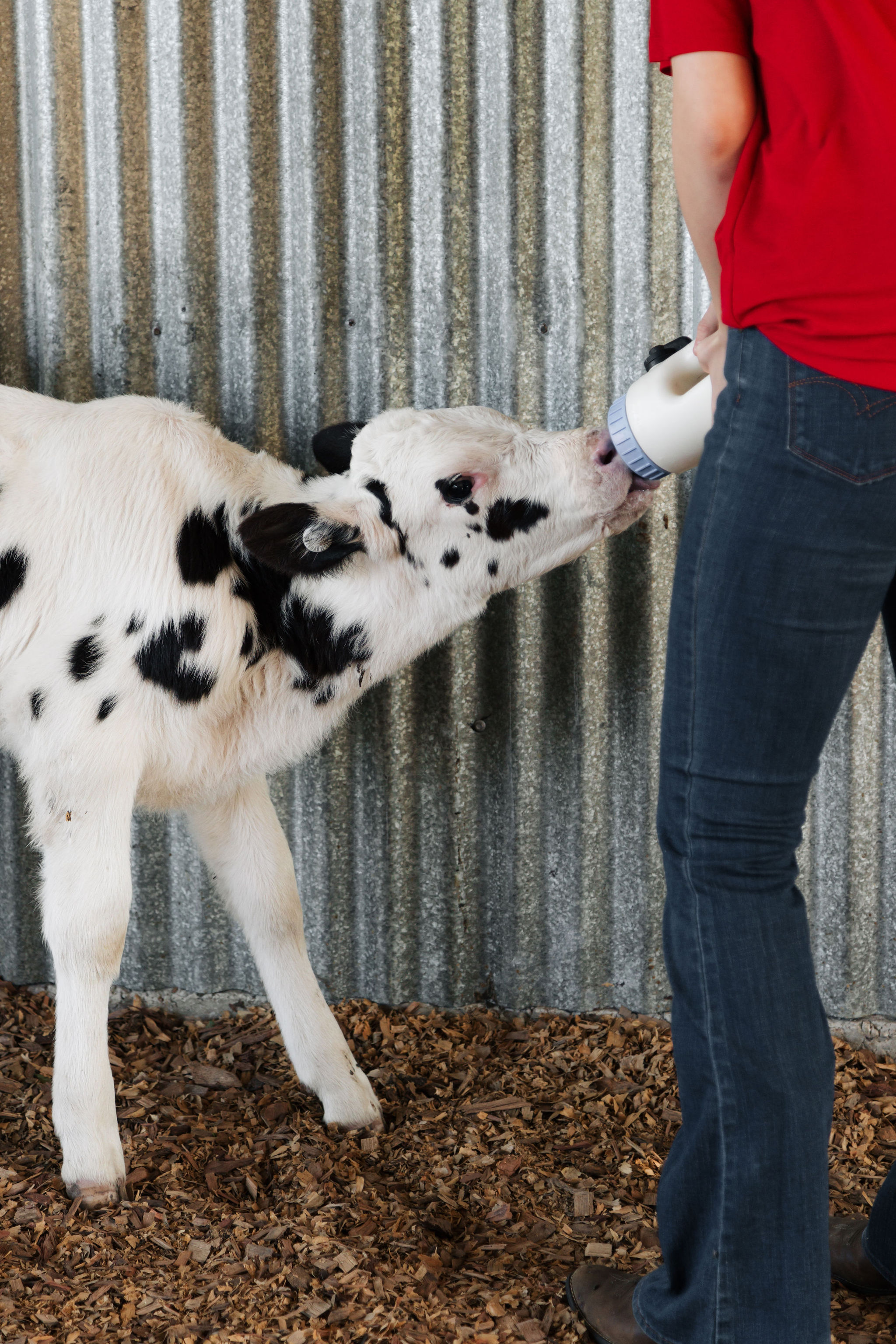
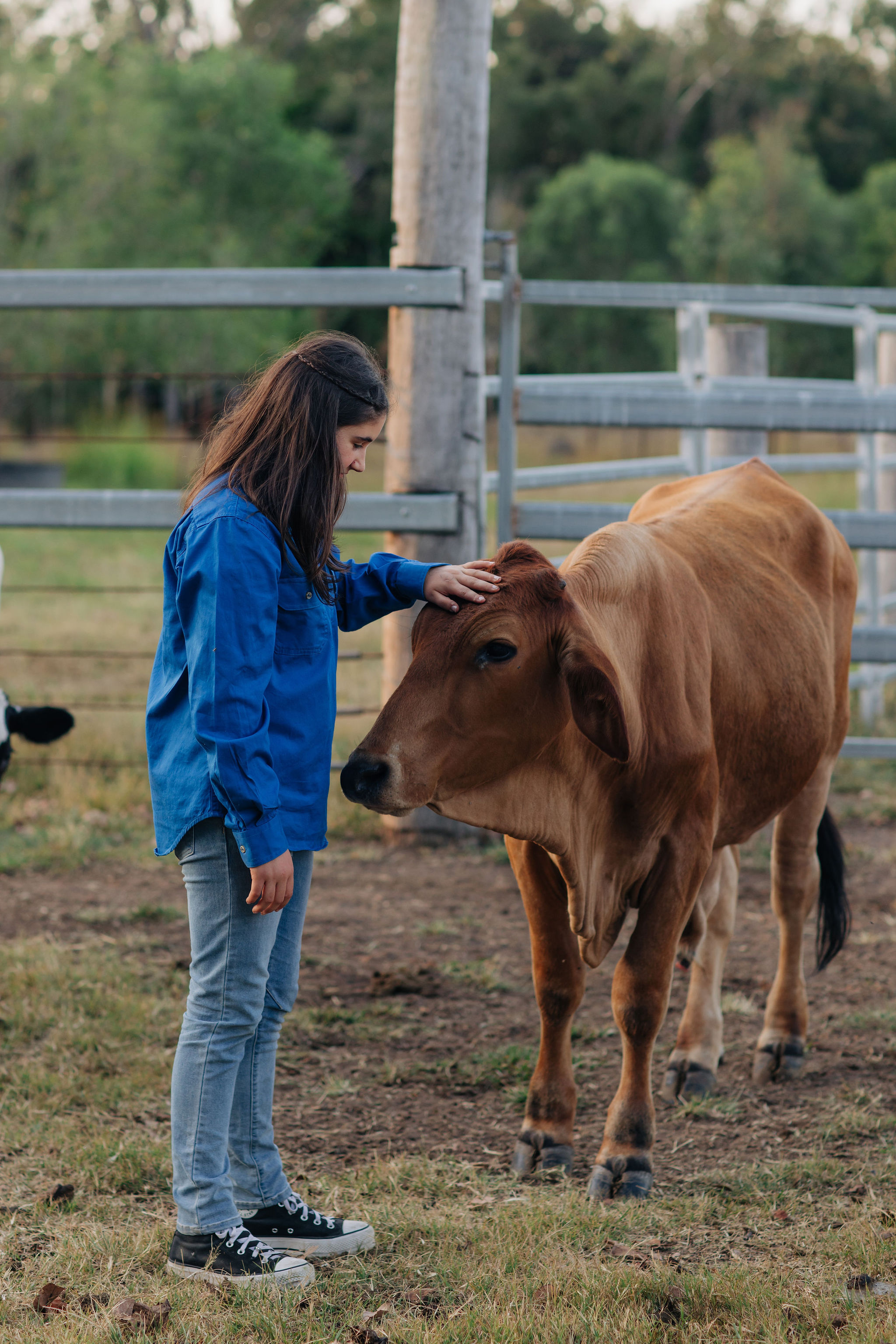
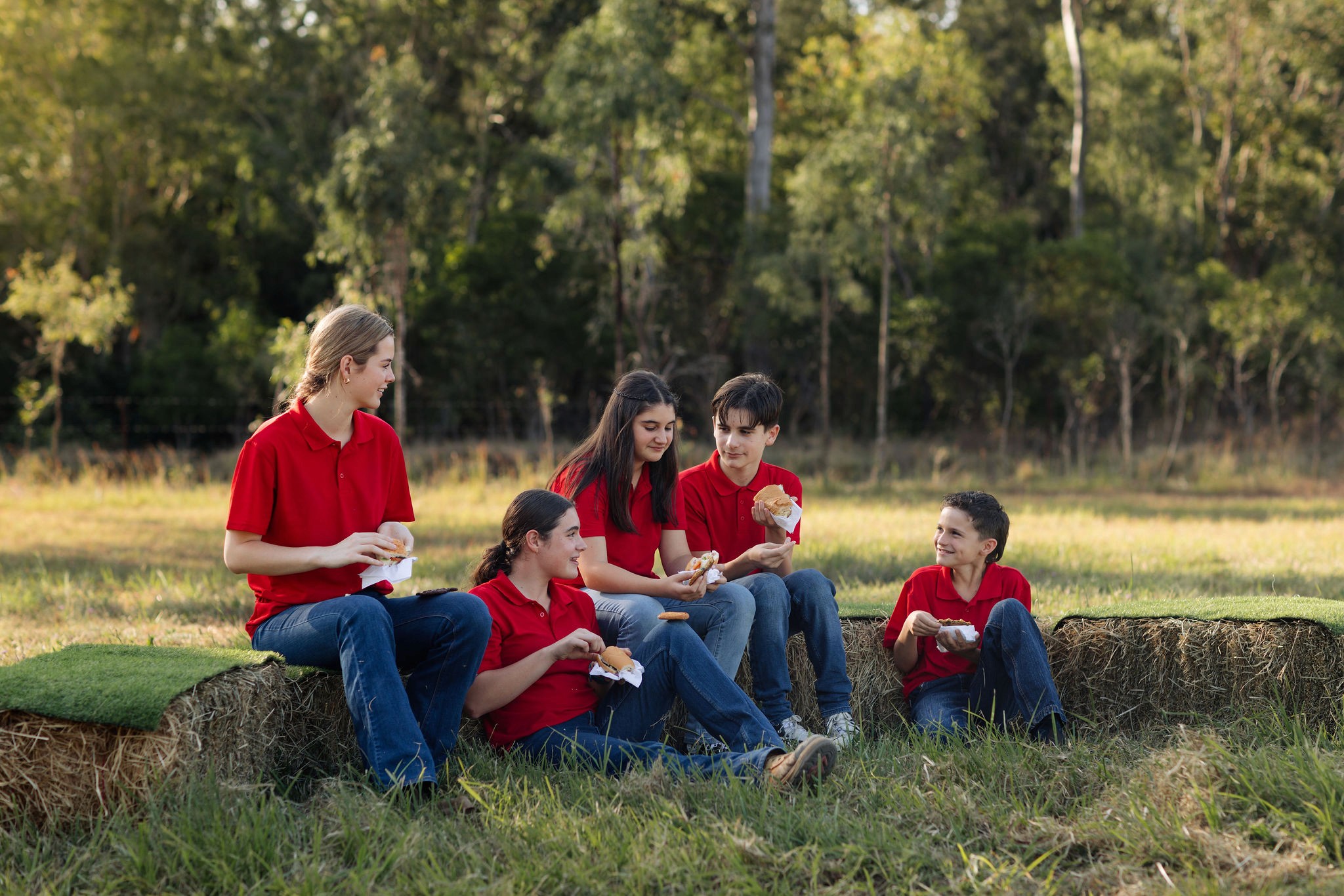
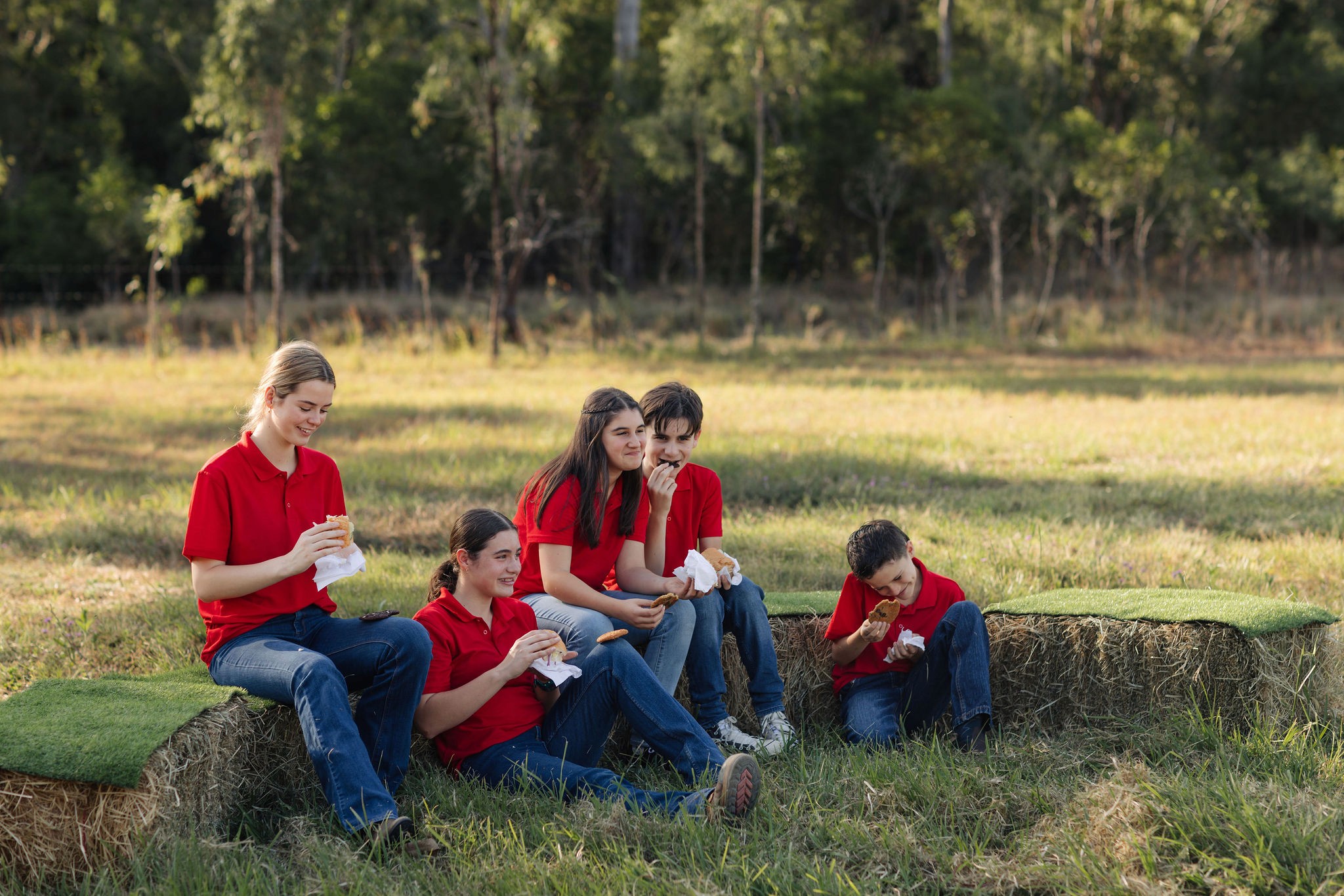
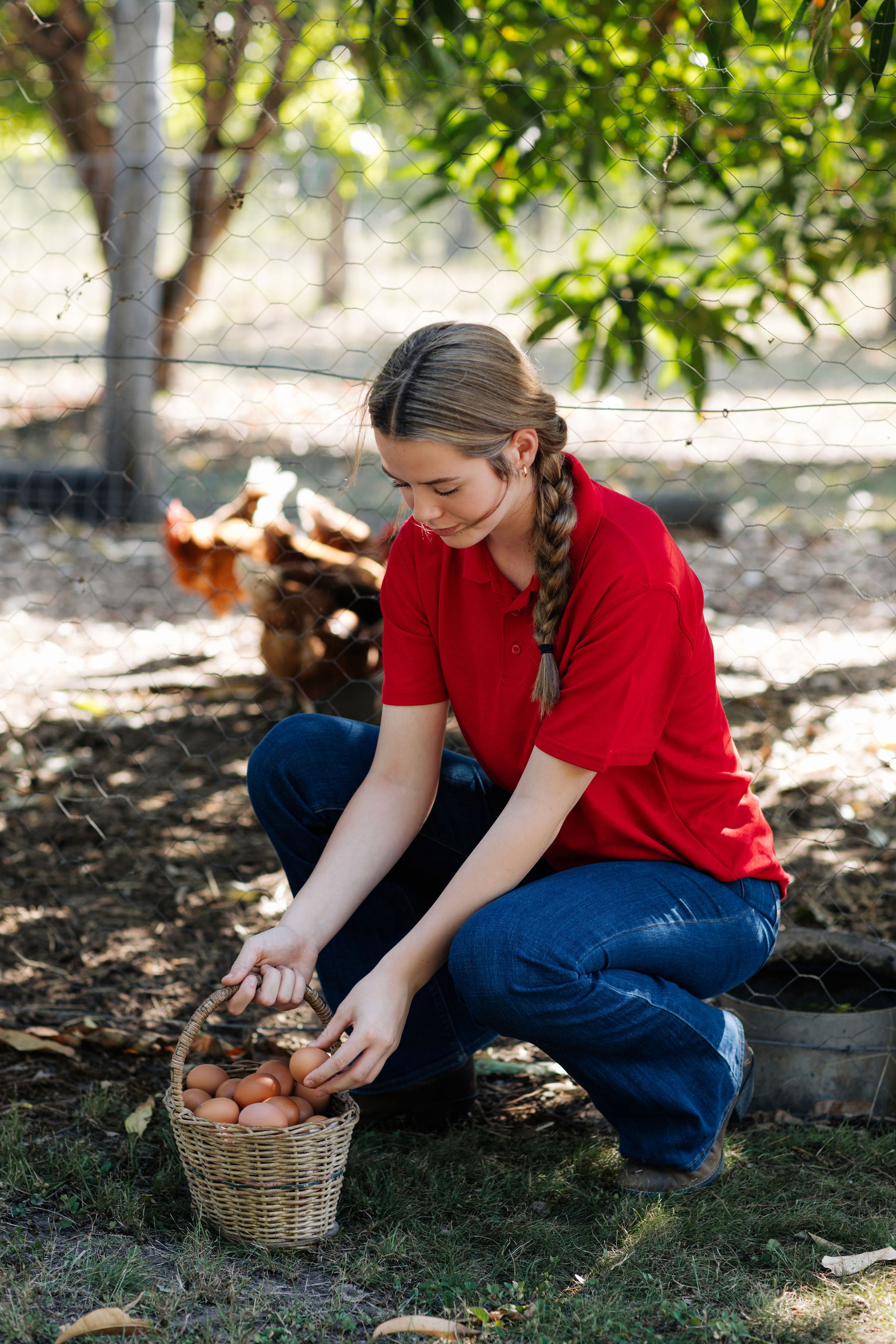
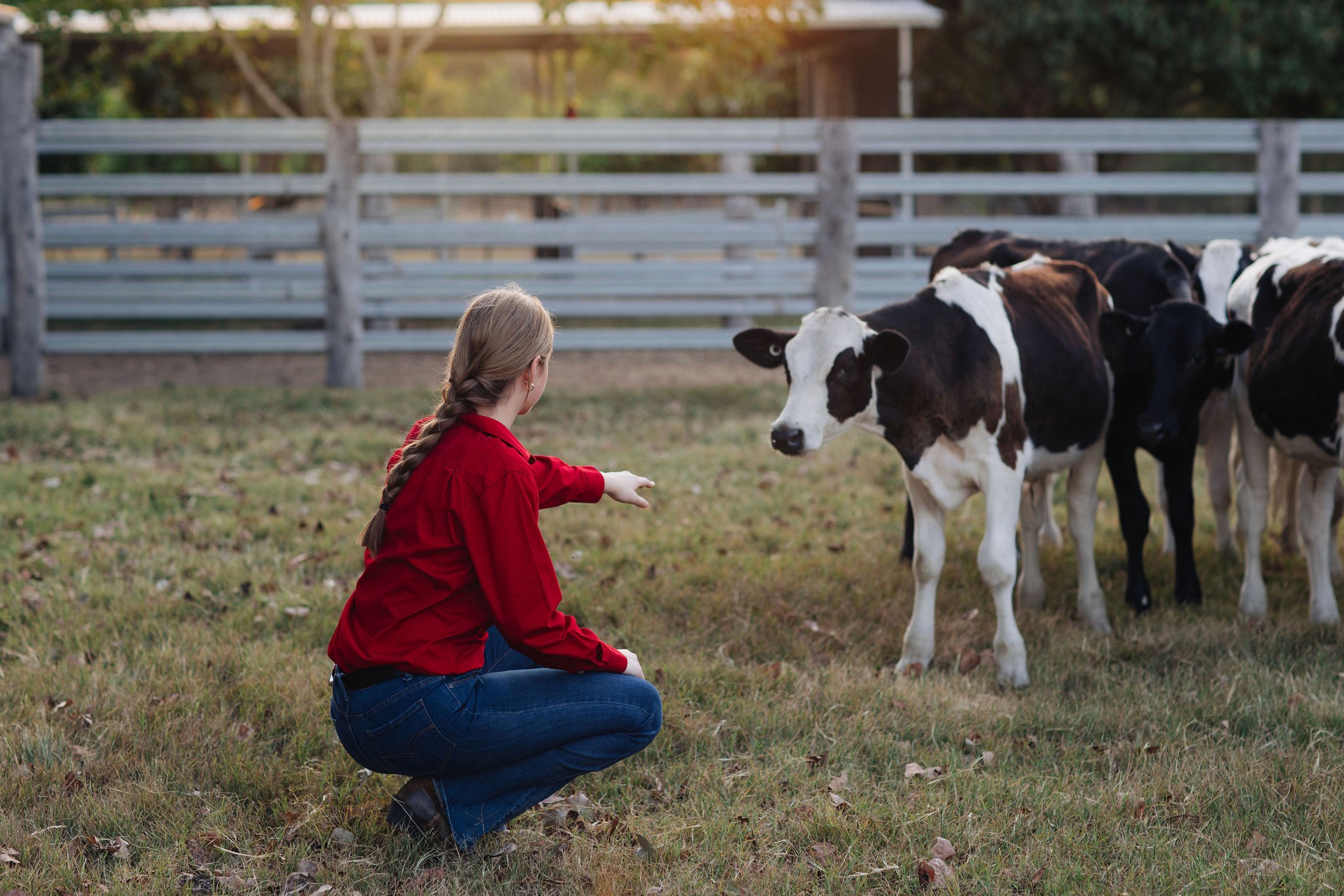
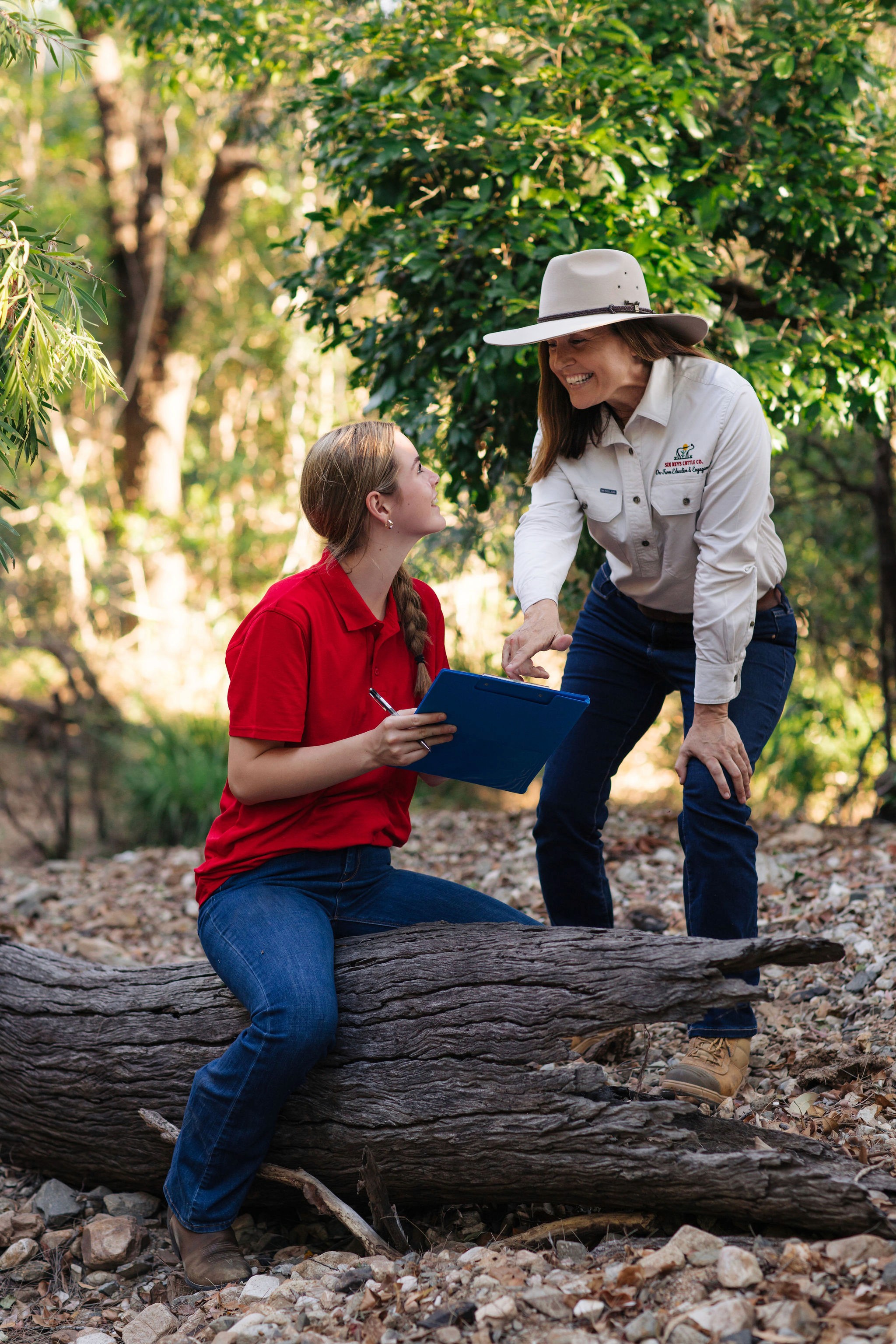
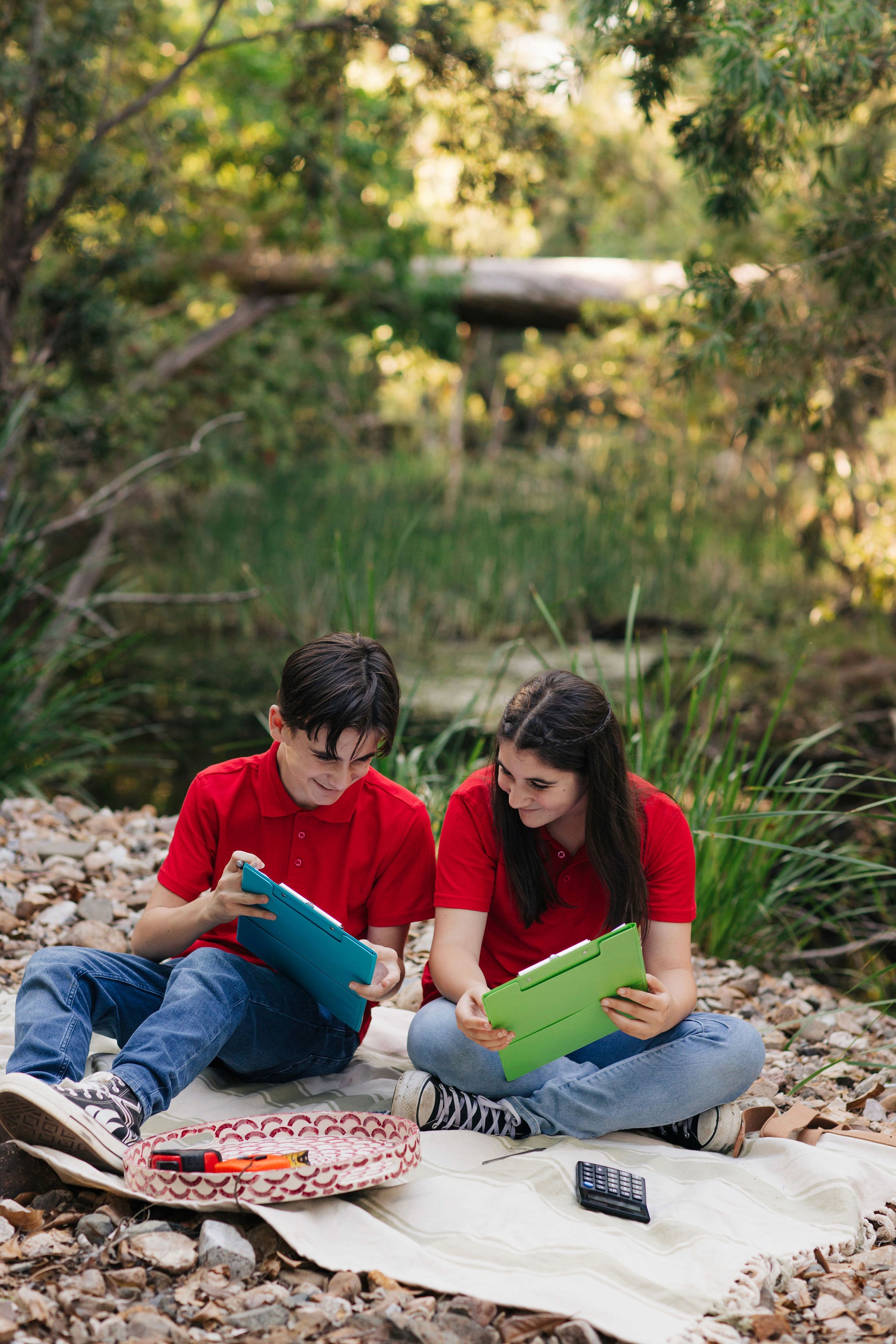
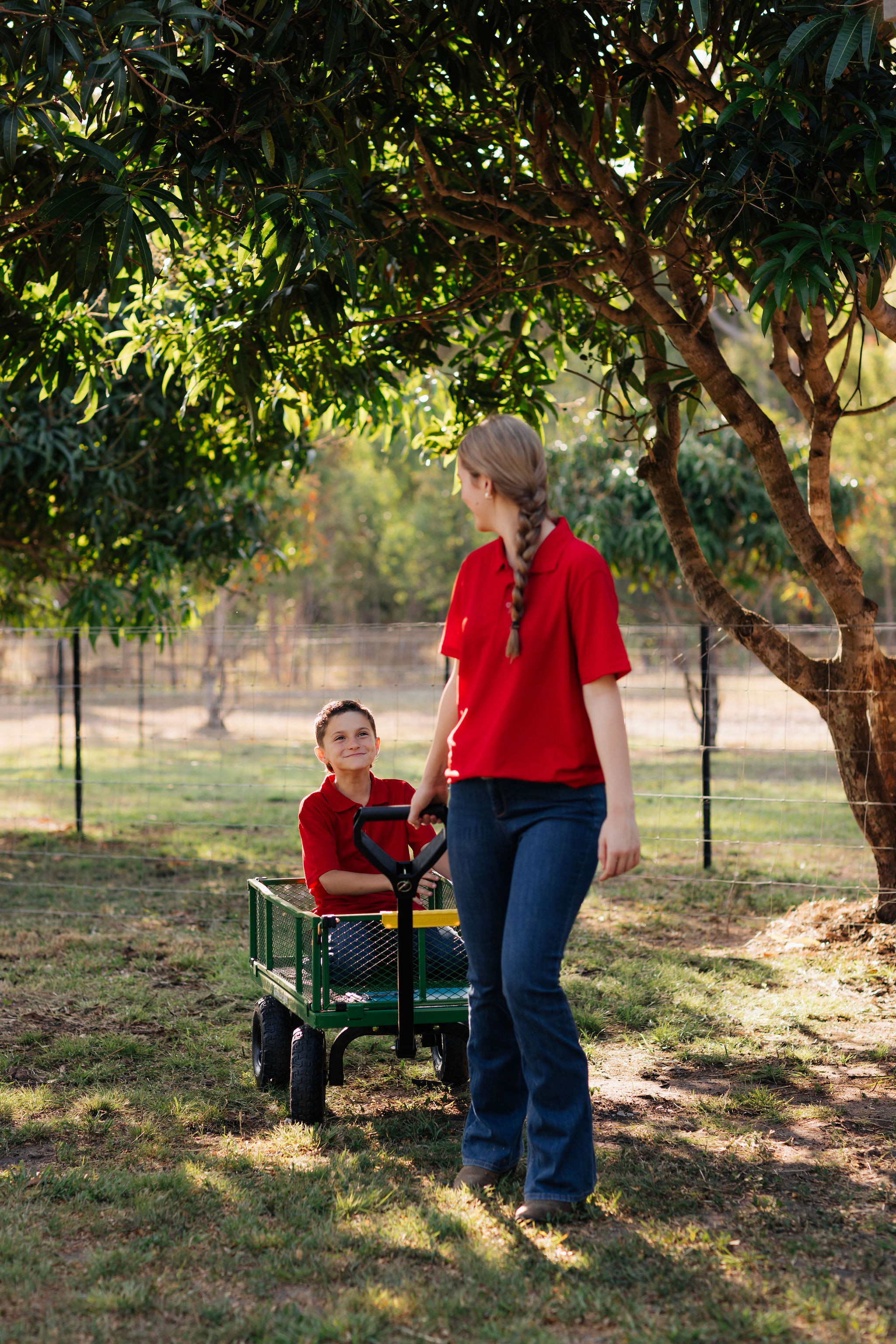
At Six Keys Cattle Co in Central Queensland, students handle real materials throughout their programs. Feed, soil, animals, the physical textures and substances of a working agricultural environment. The sensory richness of that setting is exactly what makes the learning there so memorable and so cognitively effective. The brain encodes experiences more deeply when multiple senses are involved simultaneously, which is a significant part of why a farm visit leaves stronger impressions than a classroom lesson covering the same content from behind a desk.
For children who have grown up largely in managed, indoor environments, the physical encounter with a working farm also builds something harder to measure: genuine tolerance for the unfamiliar. Sensory experiences that are surprising or initially uncomfortable, navigated rather than avoided, produce over time a greater adaptability and emotional resilience that controlled environments simply cannot grow.
Parents who focus on the mud on the uniform are understandably practical. The developmental evidence suggests that concern can be set aside with reasonable confidence.
Getting dirty isn't something children need protecting from. It's something they need more access to.
The washing machine can handle the rest.