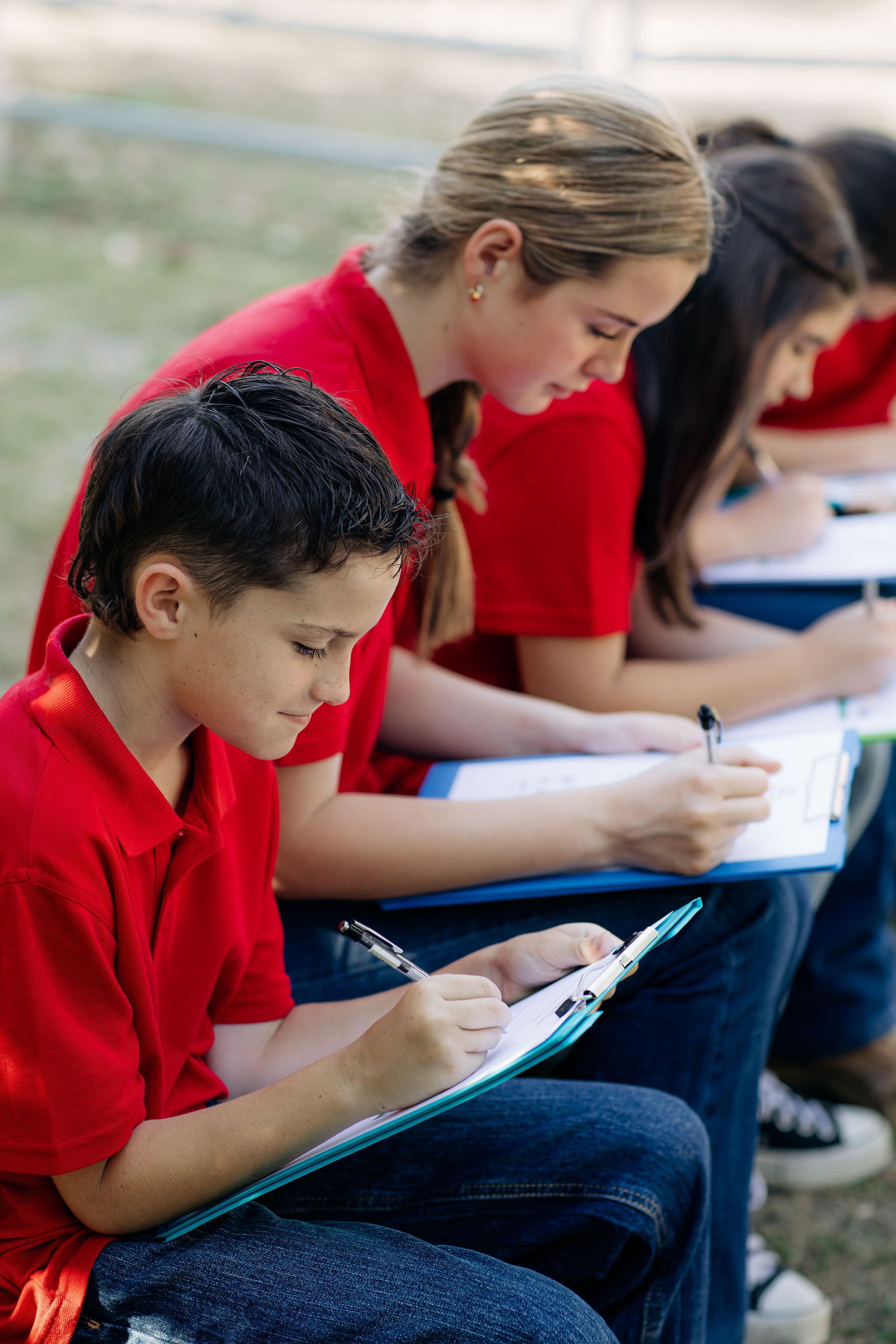
Ask most students what learning looks like and they'll describe a desk. A teacher at the front. Sitting still and paying attention. That image is so deeply embedded in how school works that movement can feel like its opposite: a distraction, a break, something to manage rather than use.
The neuroscience suggests otherwise.
Physical movement is not incidental to how the brain learns. It's fundamental to it. Research into memory formation consistently shows that movement activates neural pathways associated with encoding and retention in ways that static, seated learning simply doesn't. When the body is involved in an experience, more of the brain is involved in processing it, and memories formed with physical engagement are more durable and more accessible than those formed without.
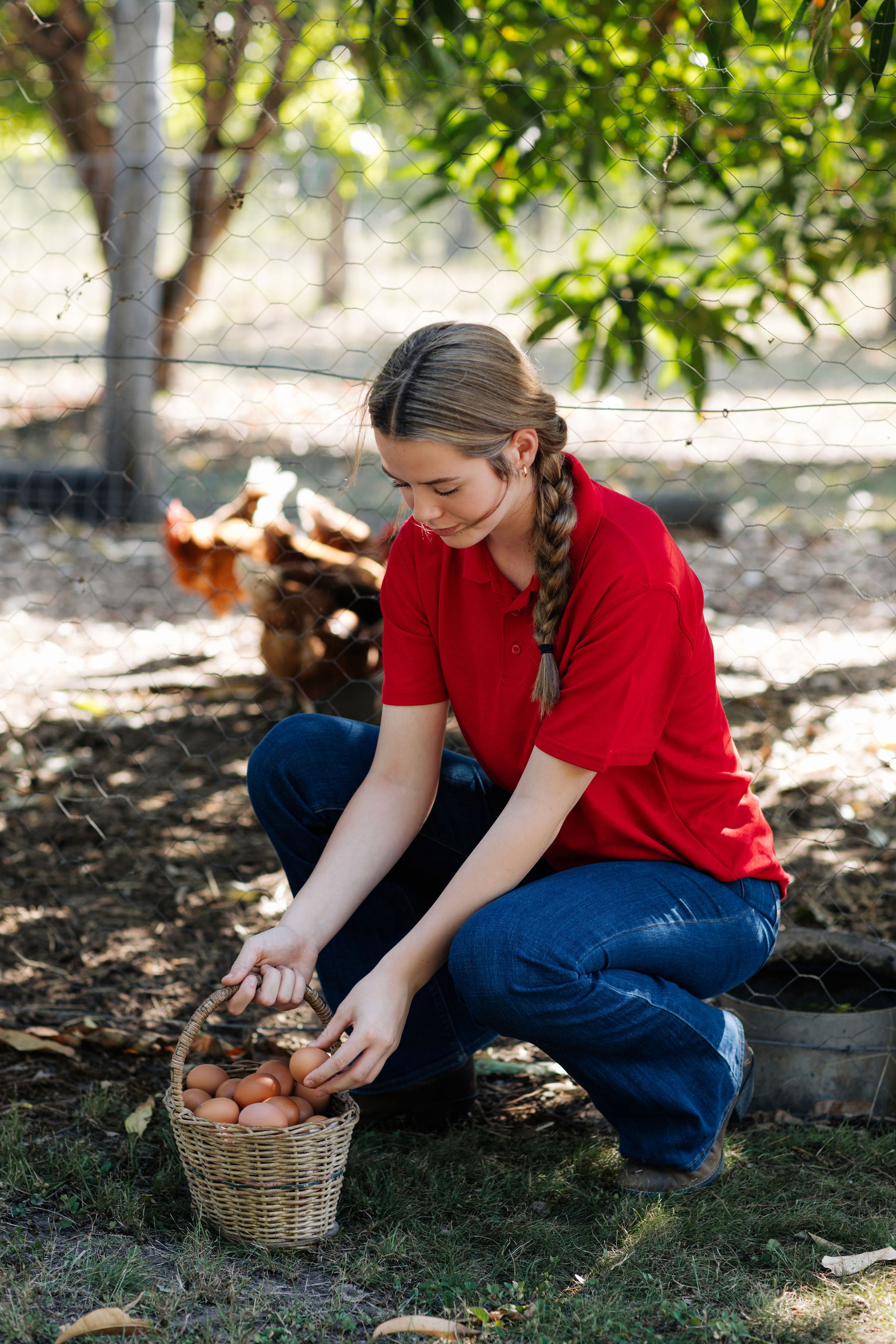
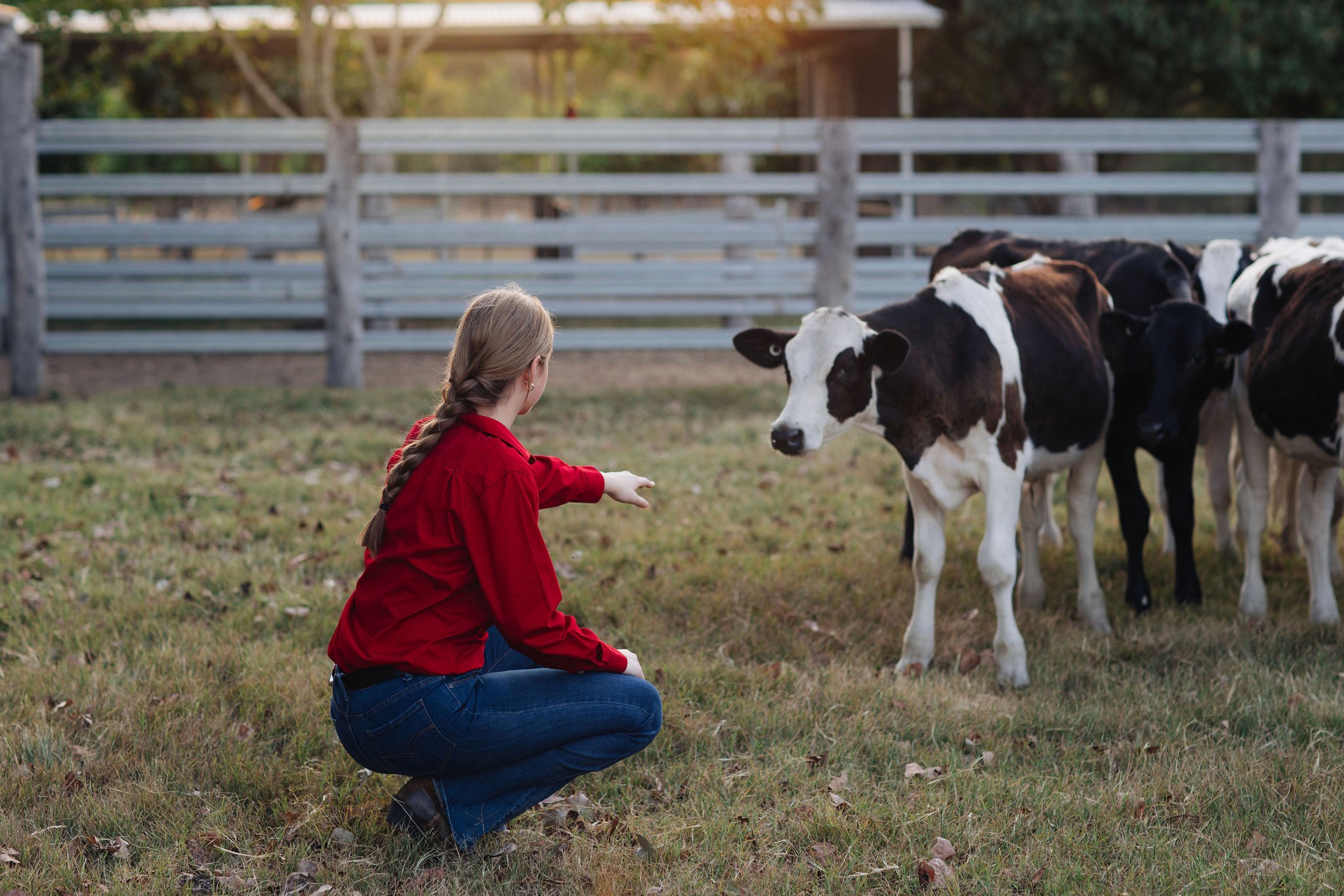
This is the basis of embodied cognition: the understanding that the body is not separate from the cognitive system but part of it. When students walk a paddock, move stock through a yard, carry out a feeding routine, or kneel beside an animal for a health check, their brains are encoding what's happening through multiple simultaneous channels. Spatial memory, muscle memory, sensory input, emotional context, all of it layered together in a way that makes the learning unusually robust.
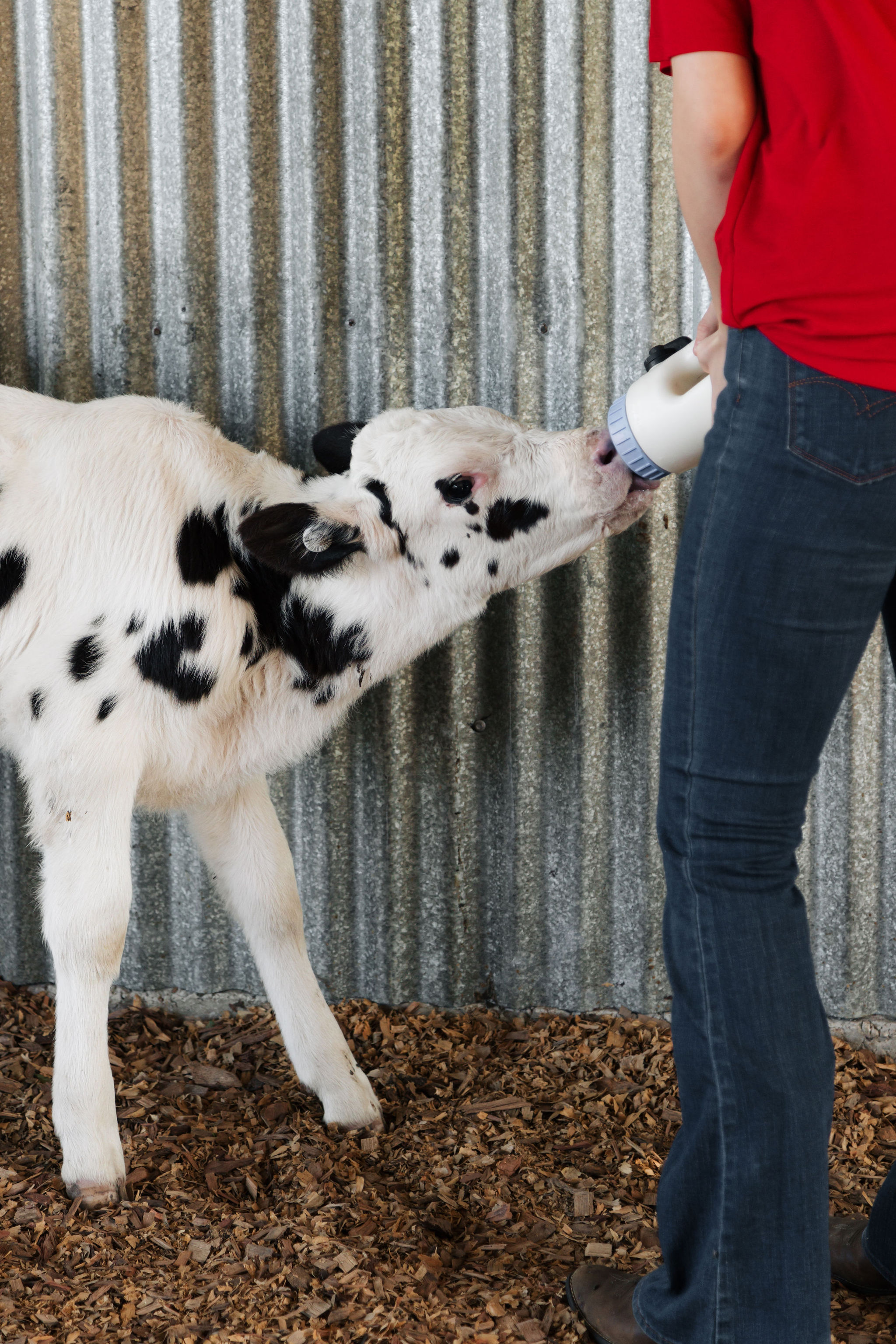
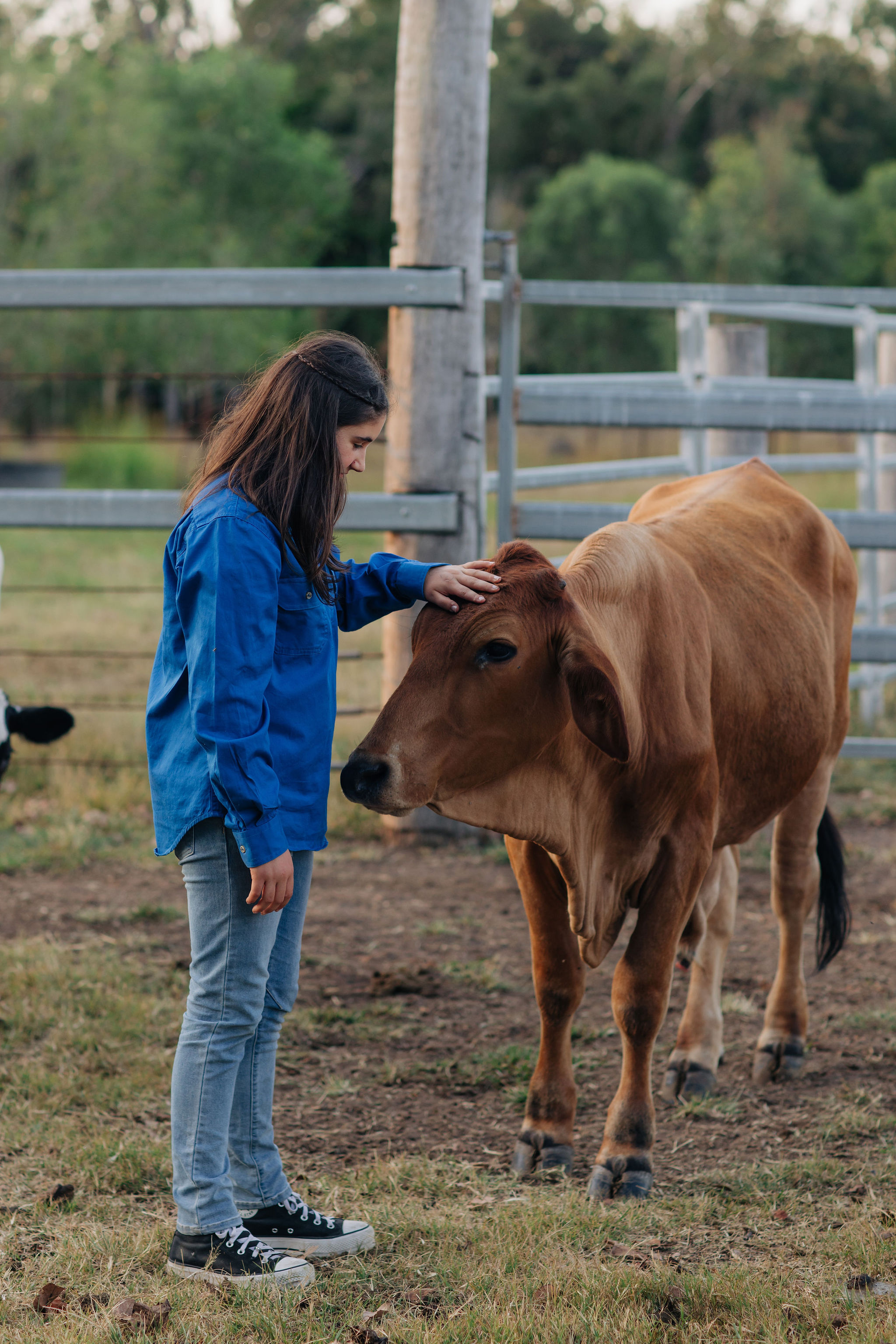
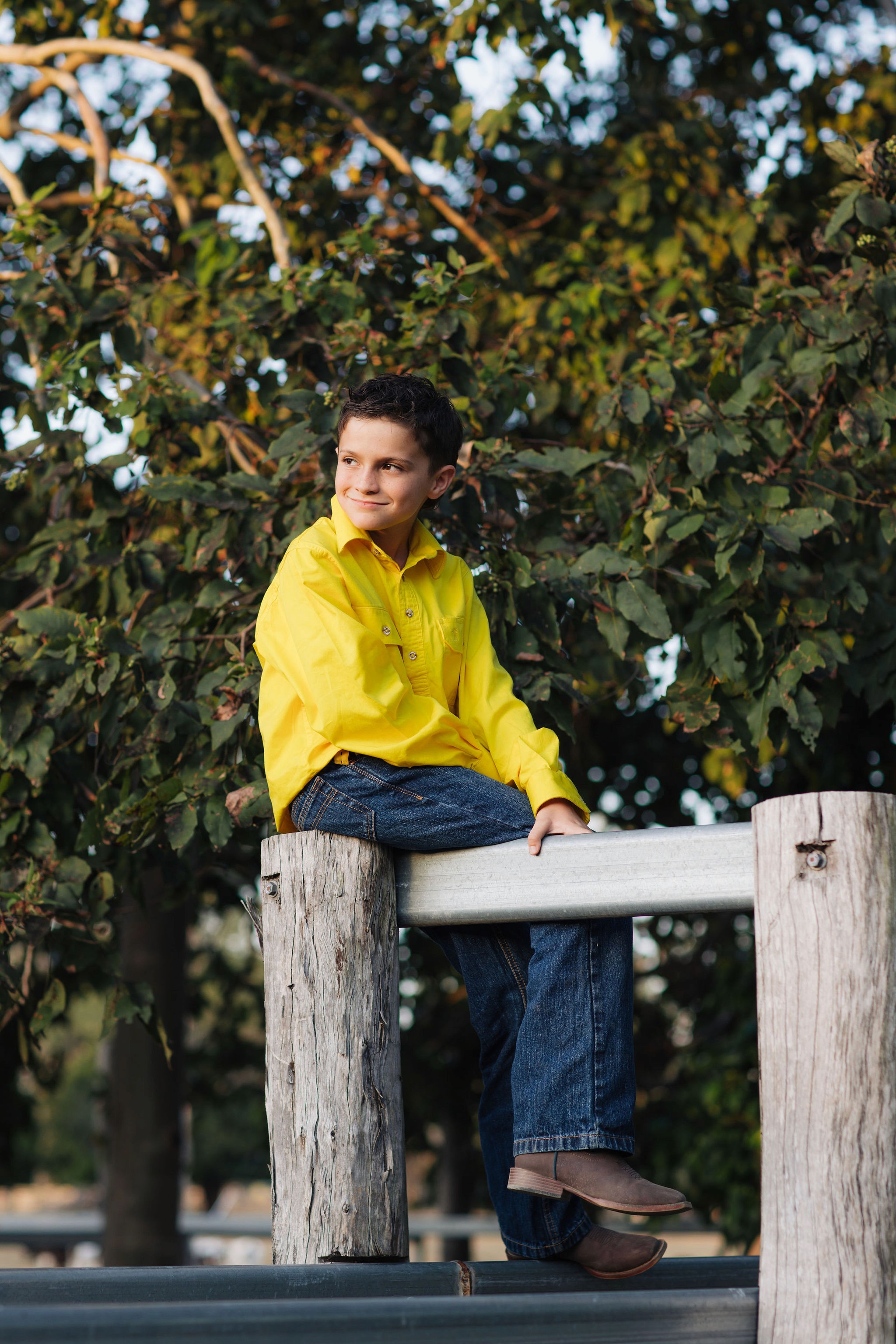
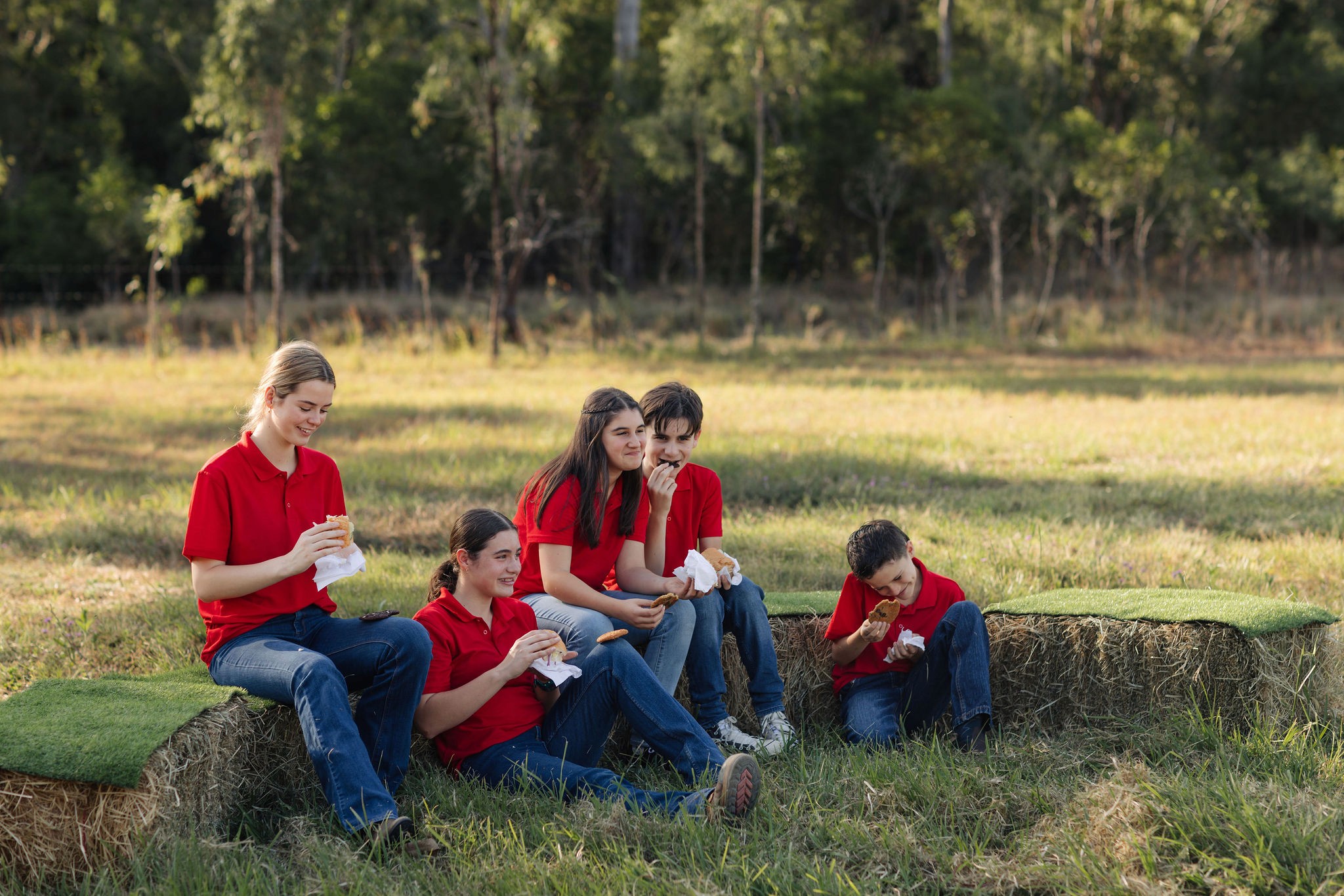
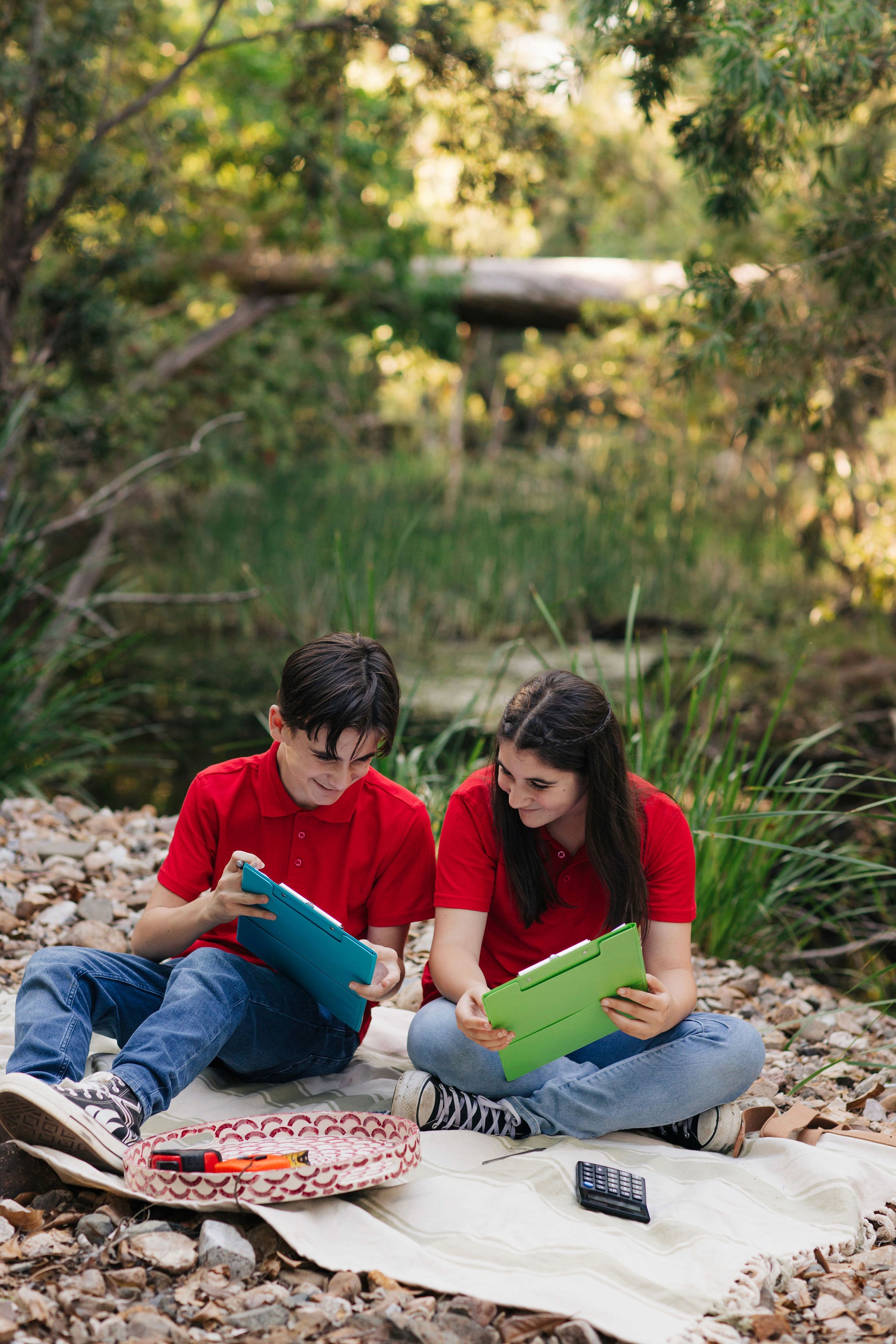
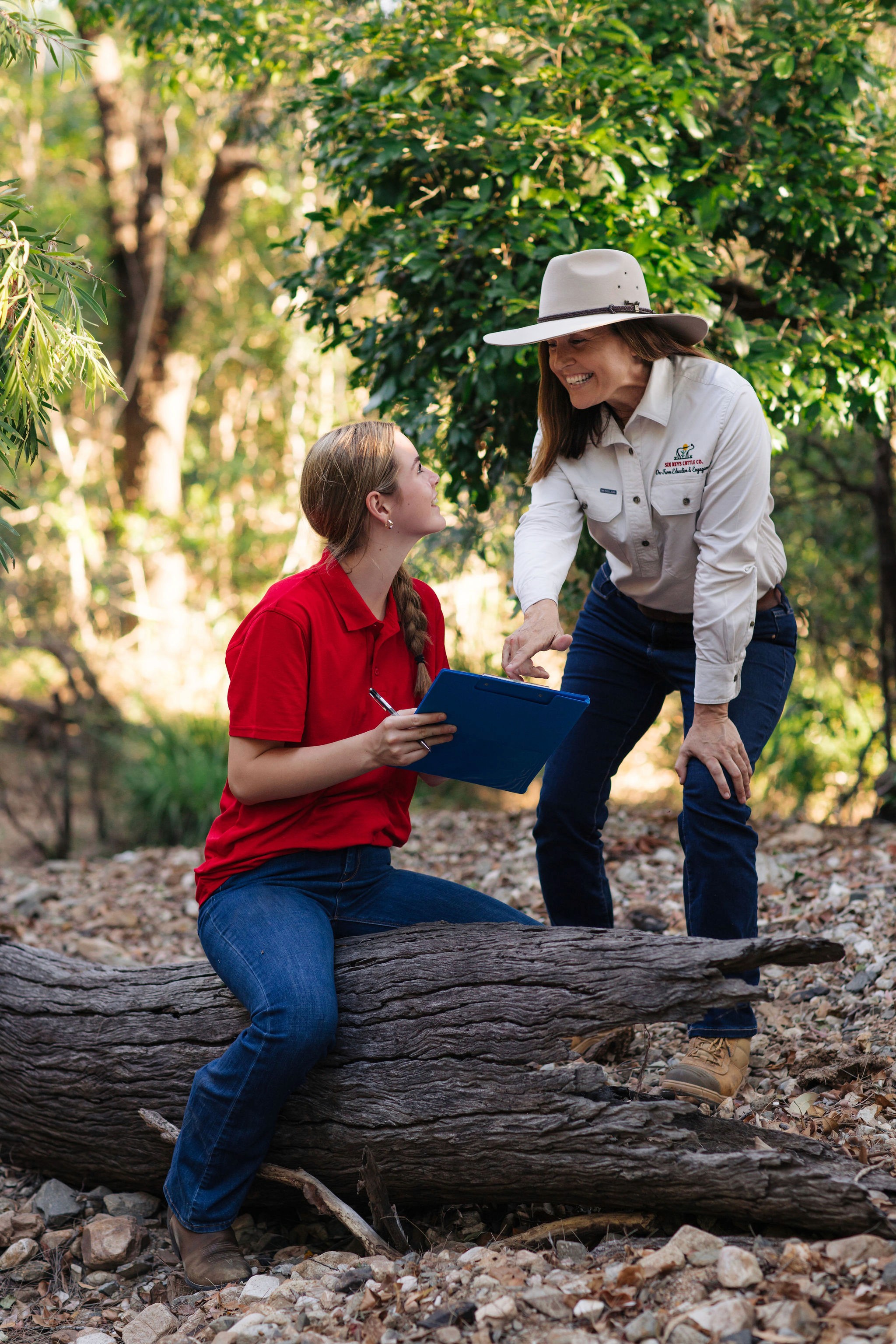
At Six Keys Cattle Co in Central Queensland, movement is woven into every activity. Students working cattle in the yards are navigating space, reading animal behaviour, sequencing actions, and adjusting their approach in real time. There's no passive element. The learning happens because the body is fully involved in it, and what gets encoded in that state tends to stay.
Research supports this with increasing specificity. Aerobic activity raises levels of brain-derived neurotrophic factor, a protein that supports the growth and maintenance of neurons and plays a direct role in memory consolidation. Even moderate physical activity before or during learning measurably improves how well students retain information. For many children, sitting still isn't a neutral condition for learning. It's an active barrier to it.
Farm tasks don't require a neurological rationale to be effective. But understanding why they work clarifies something important about what learning actually is. It isn't an act of passive reception. It's a physical process, one that responds to movement, context, and sensory engagement in ways that a chair and a whiteboard rarely satisfy.
Students remember what they do on a farm because they did it. Not because they were told about it. Not because it appeared on a slide. Because their bodies were there, and the brain follows the body.