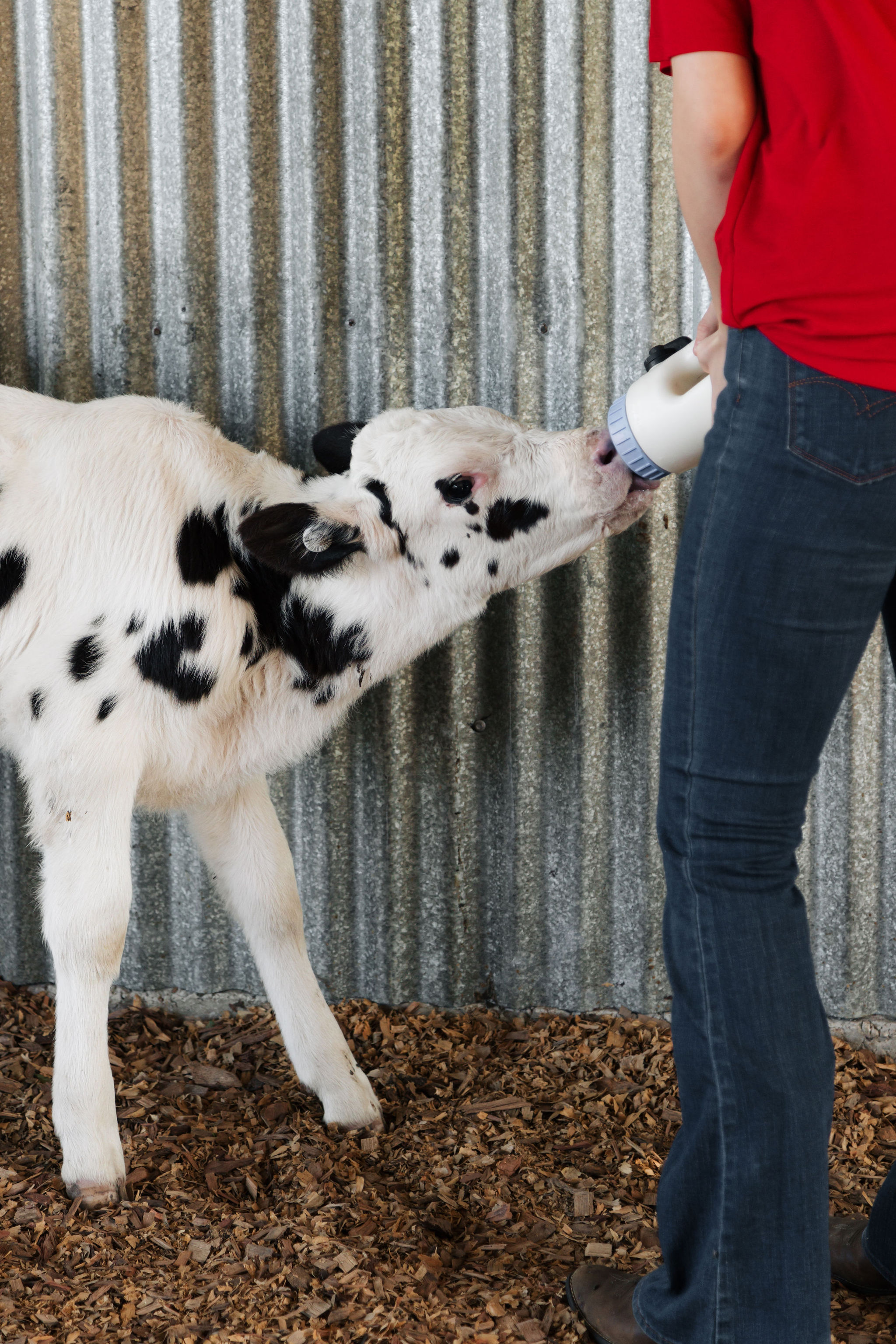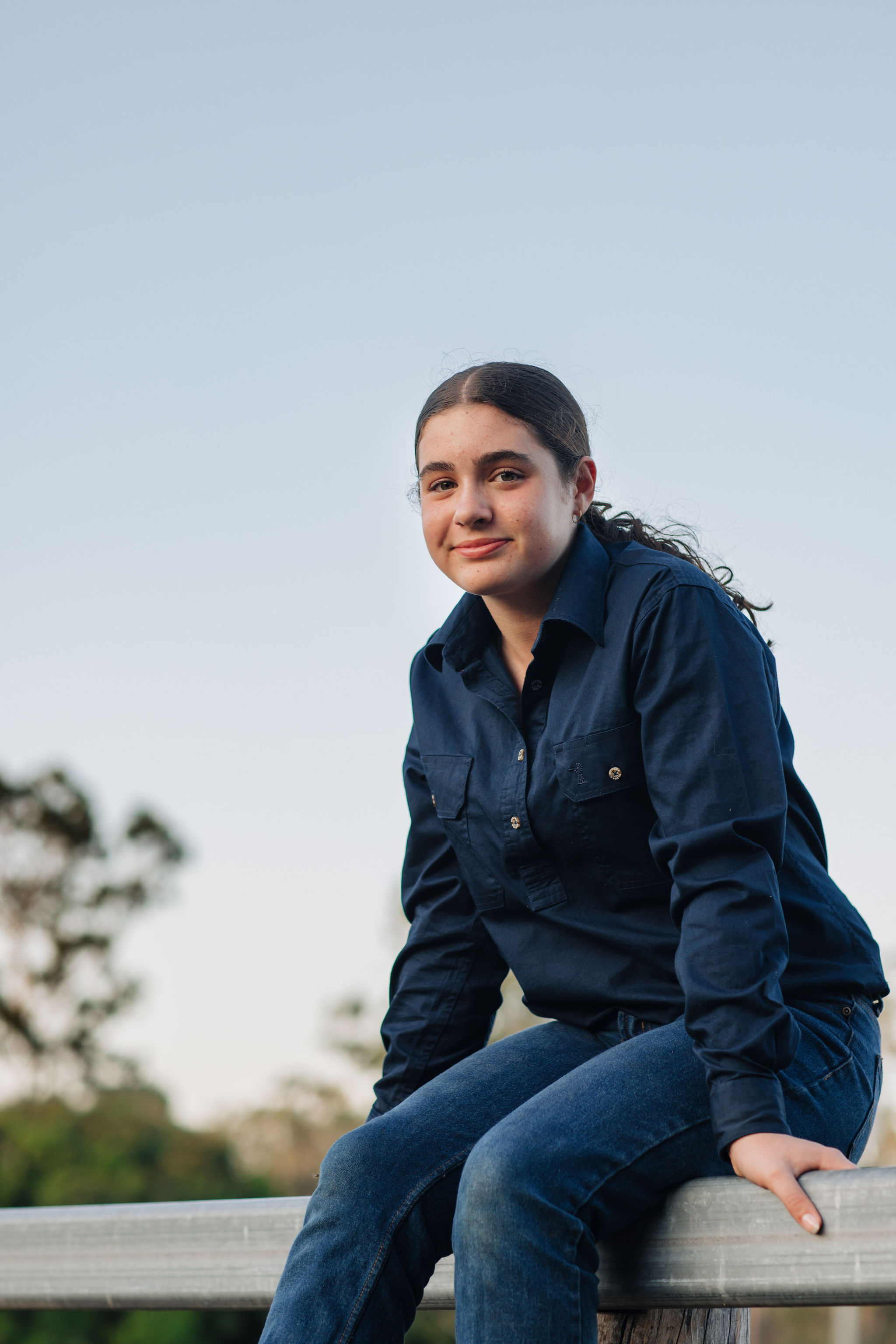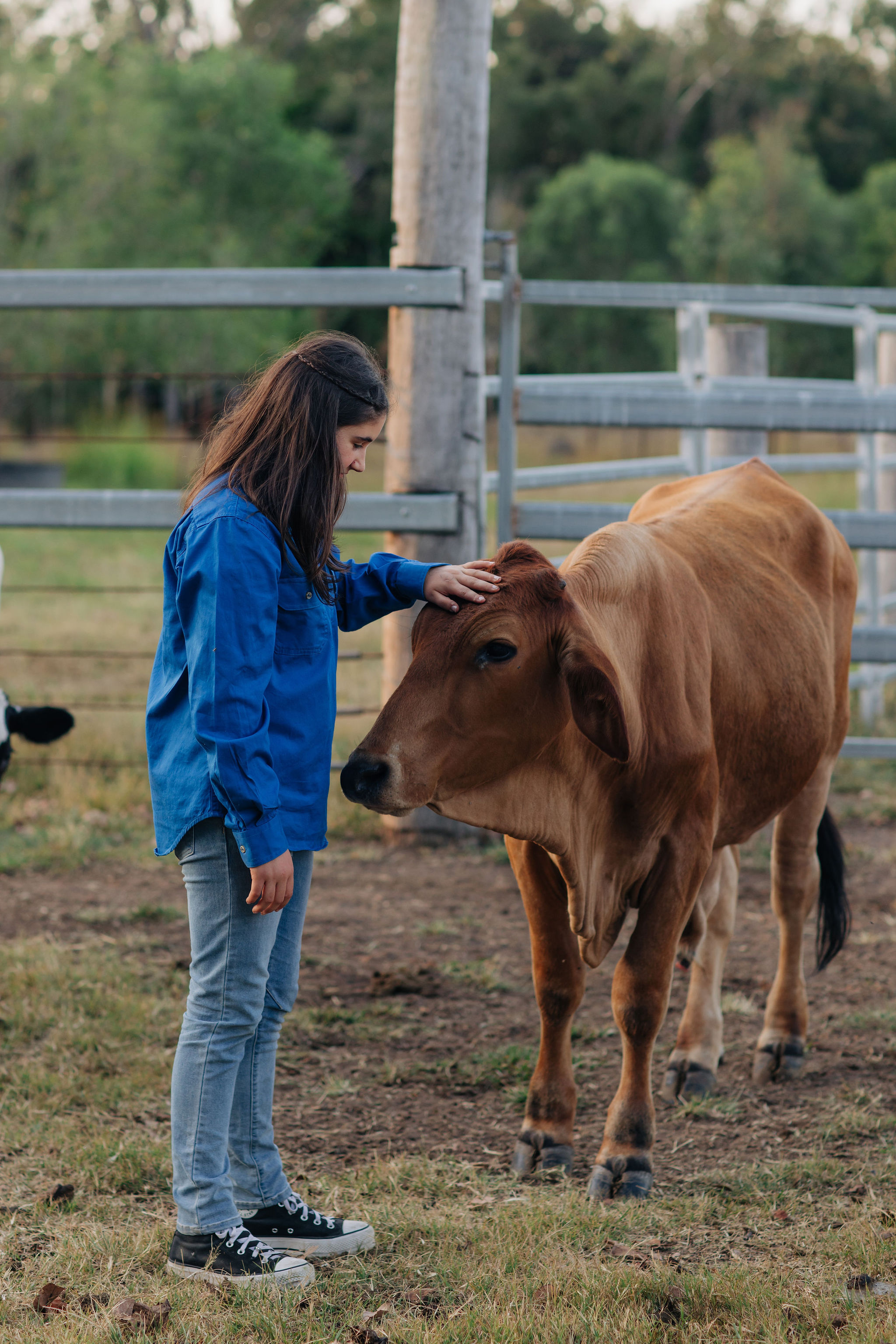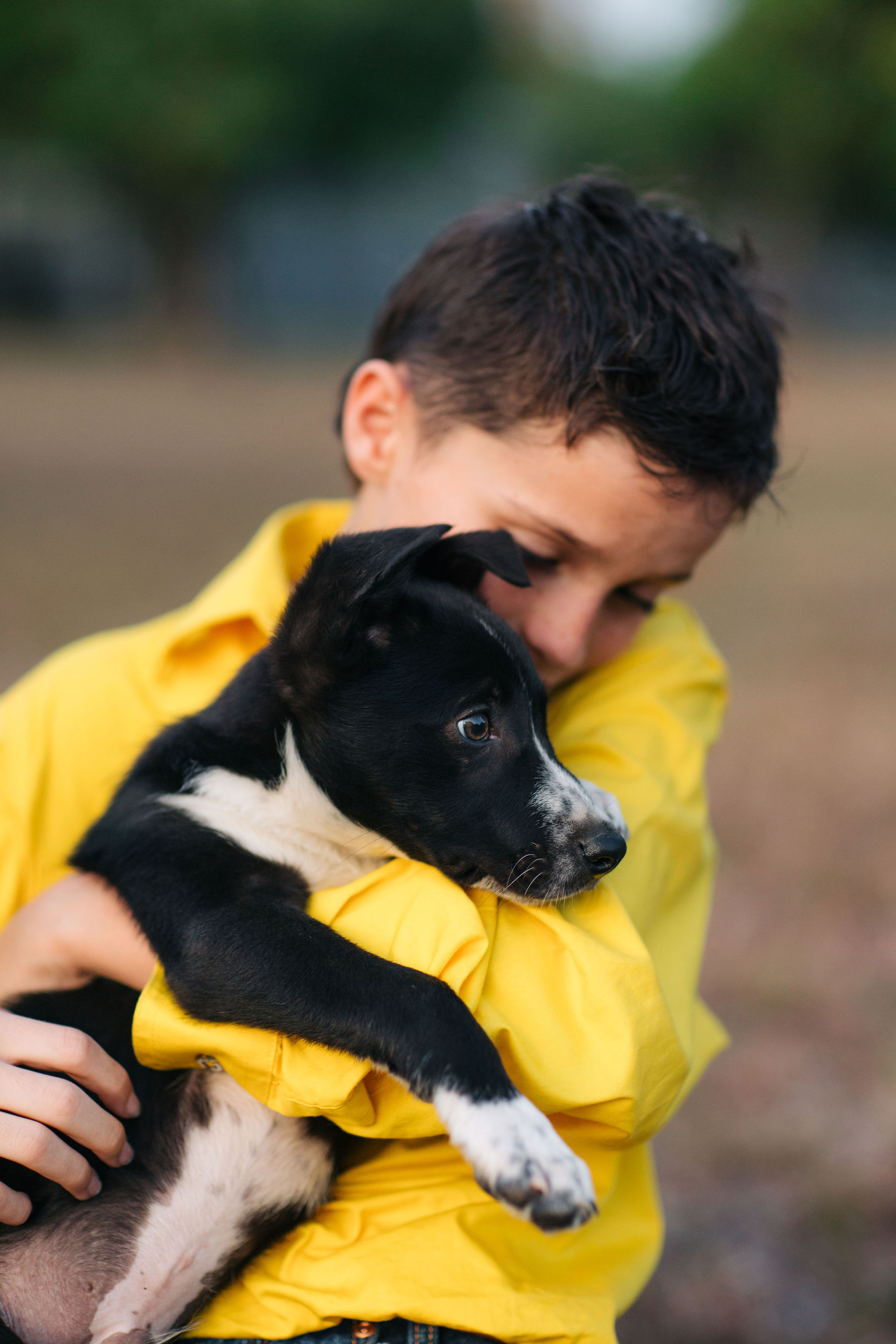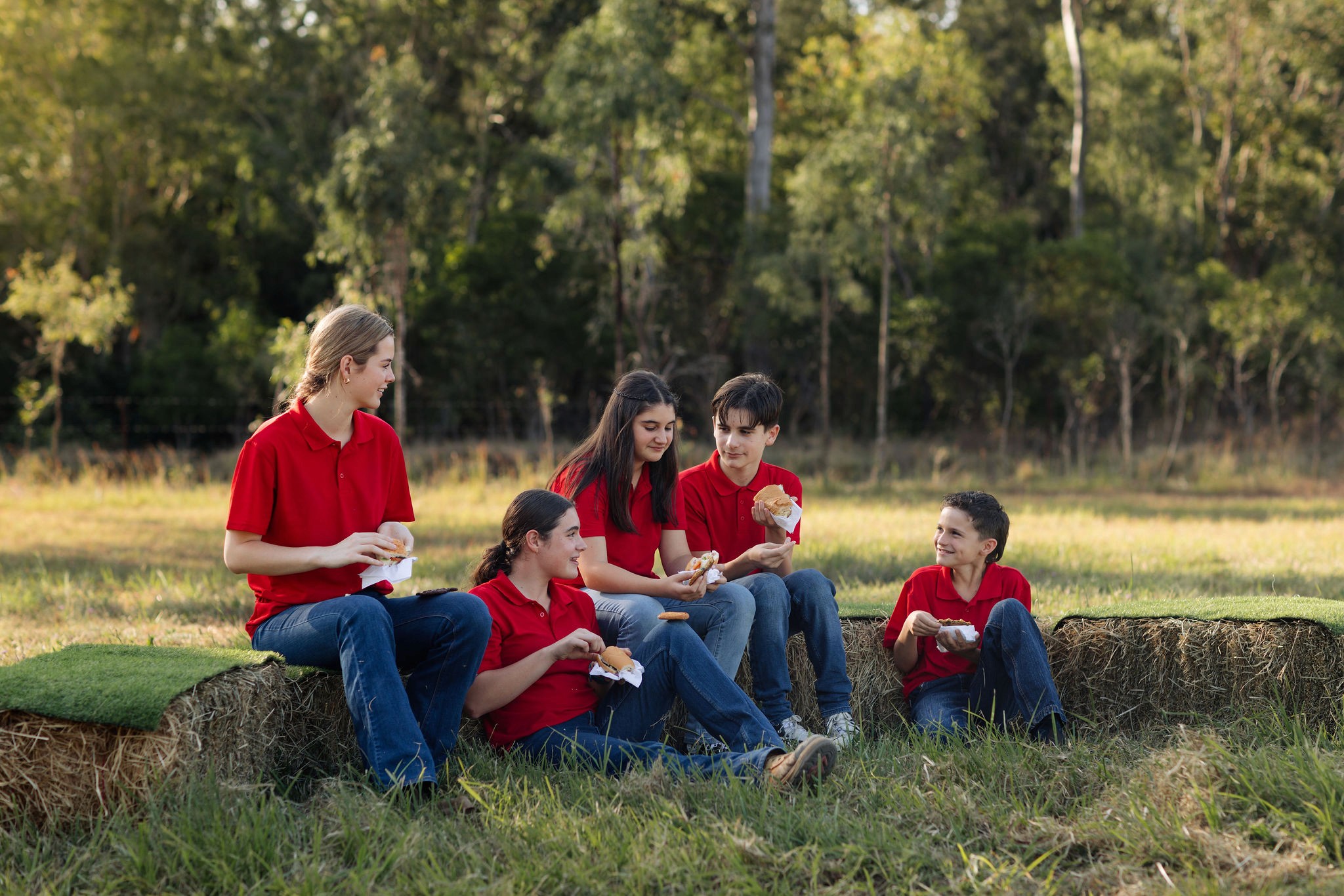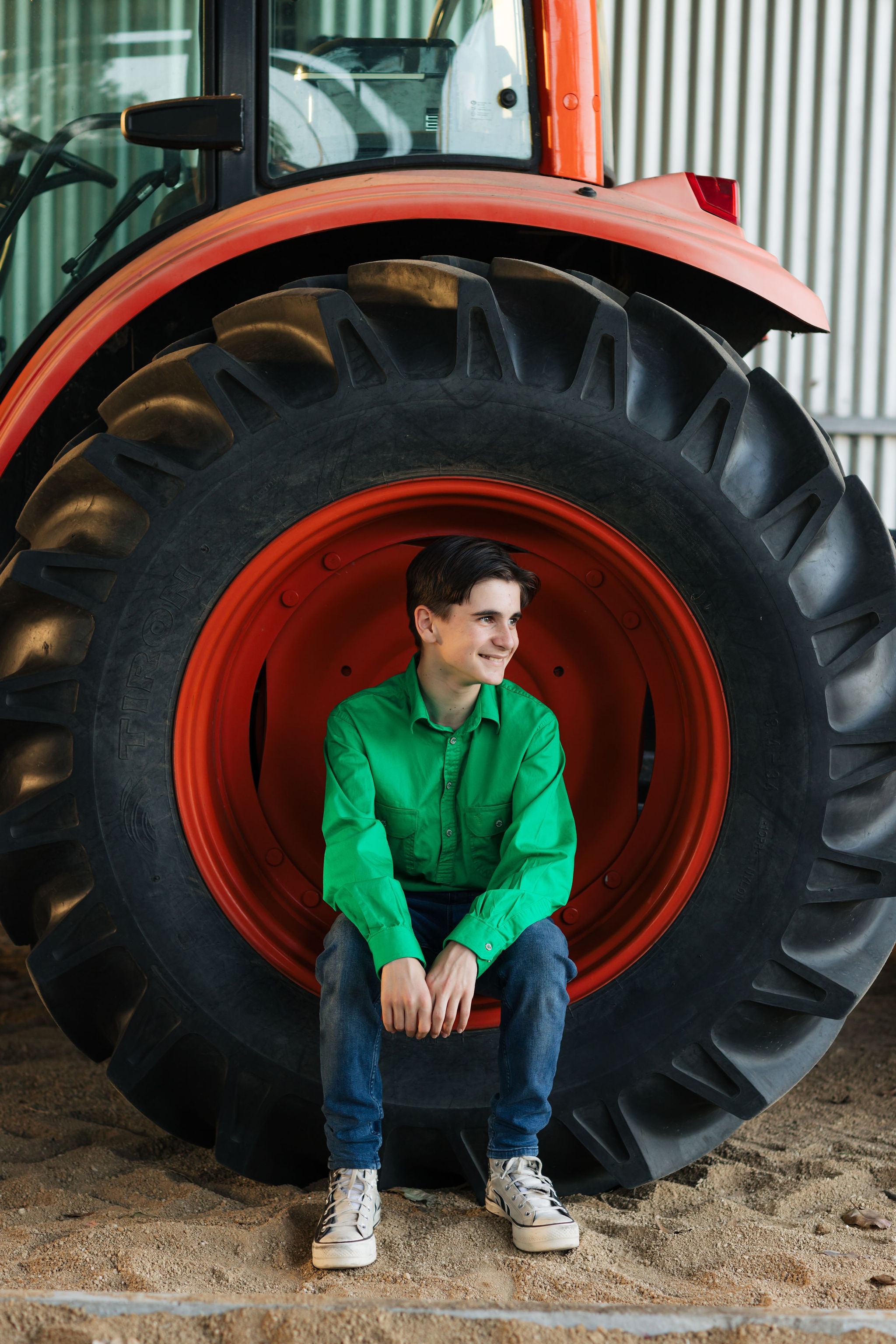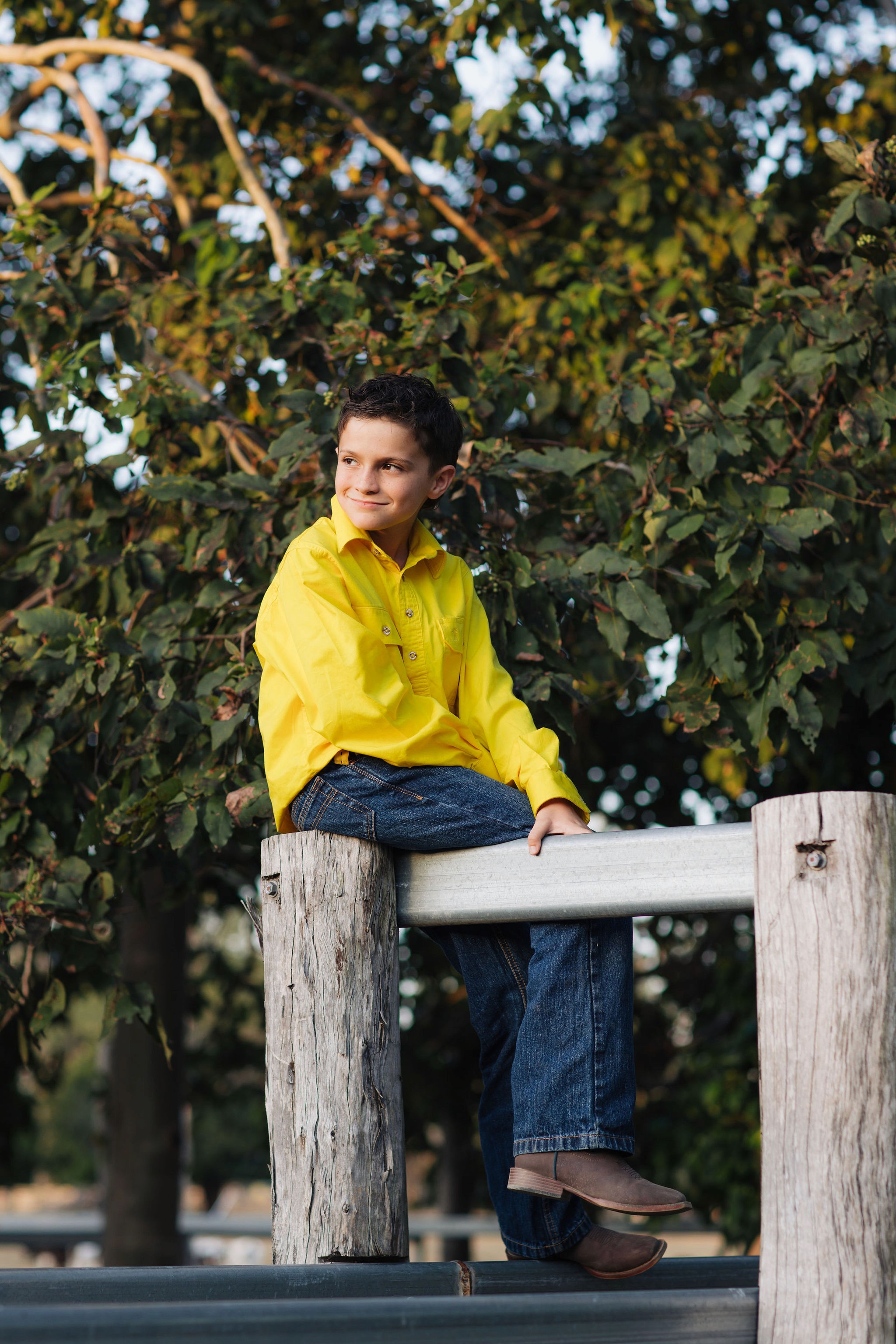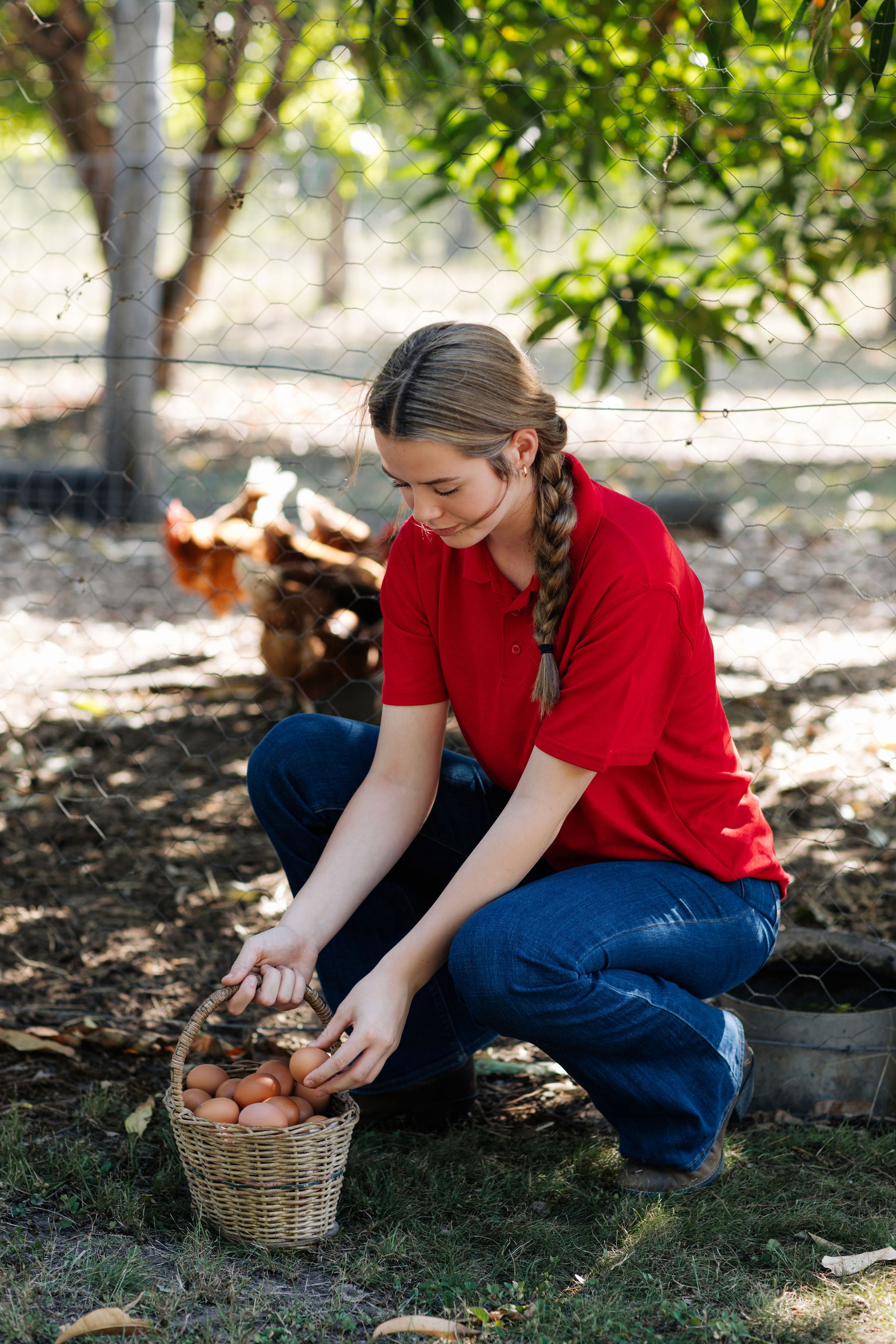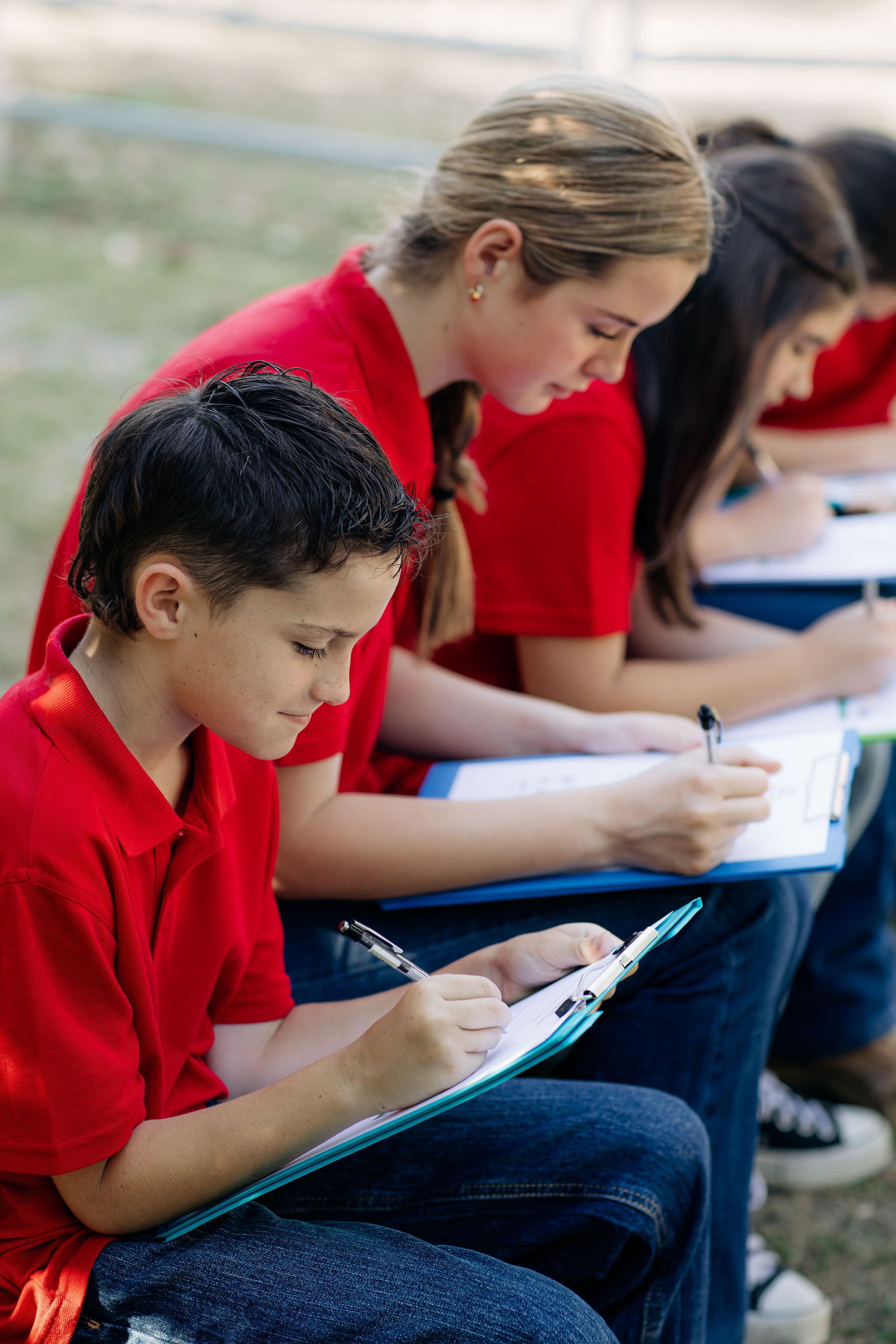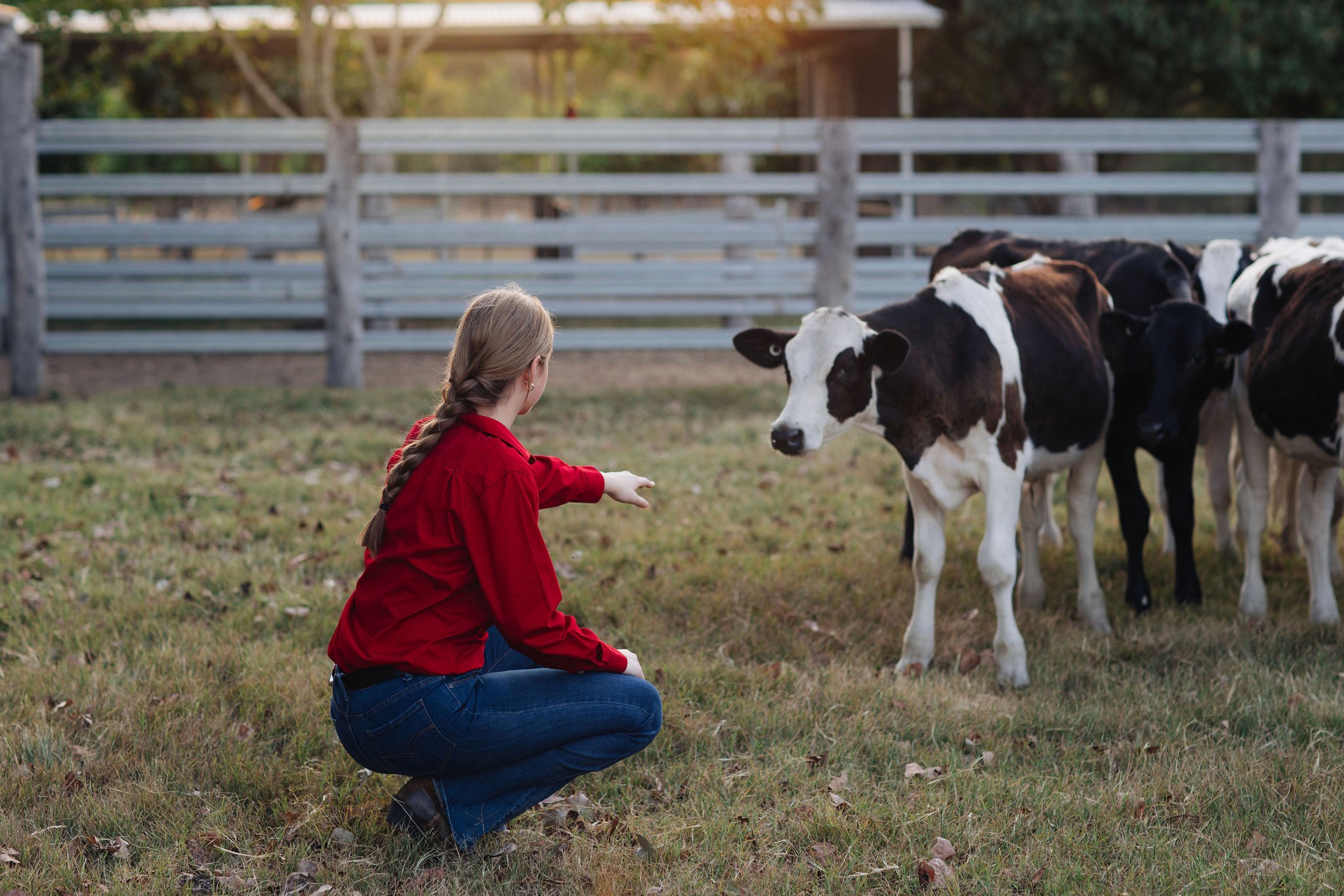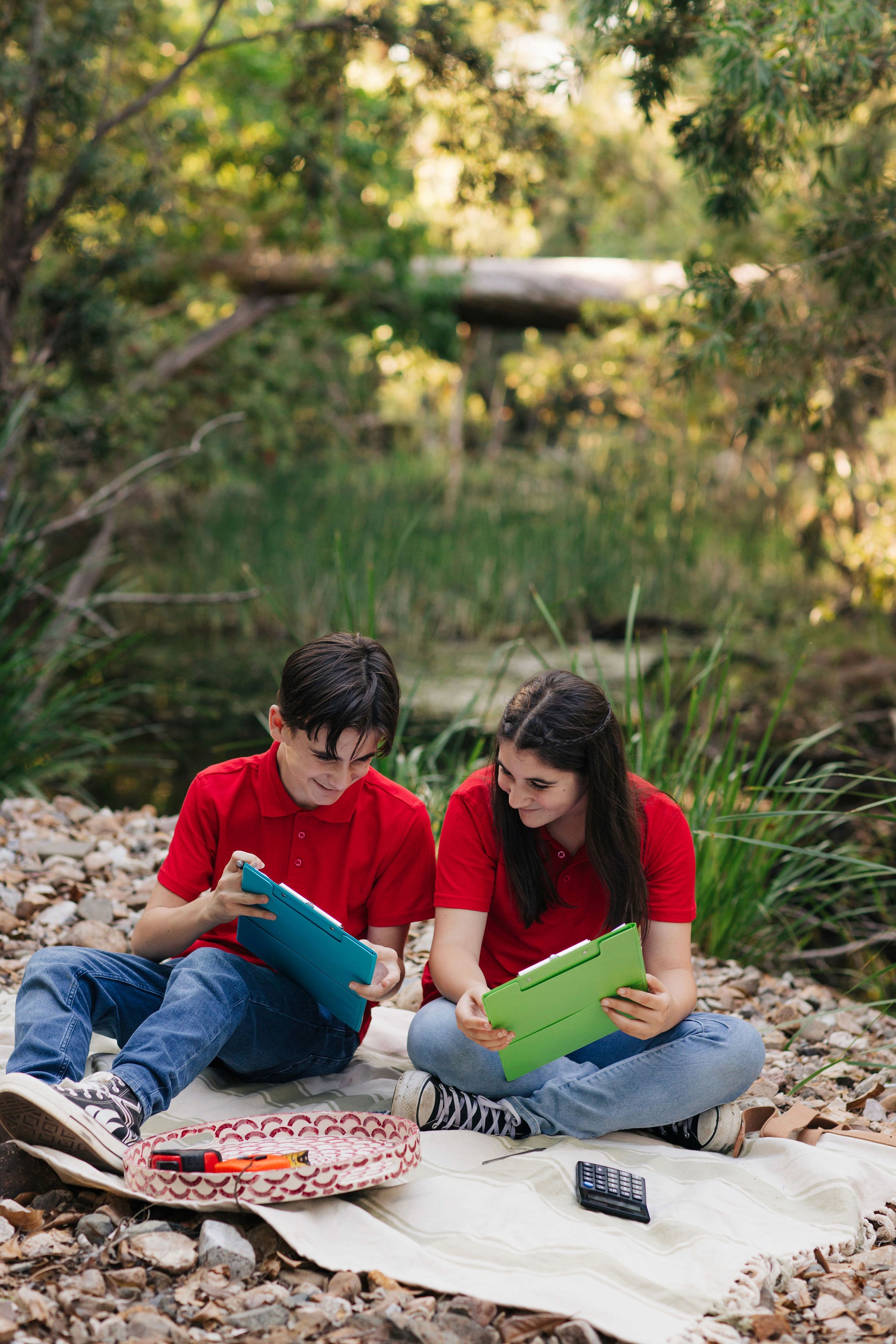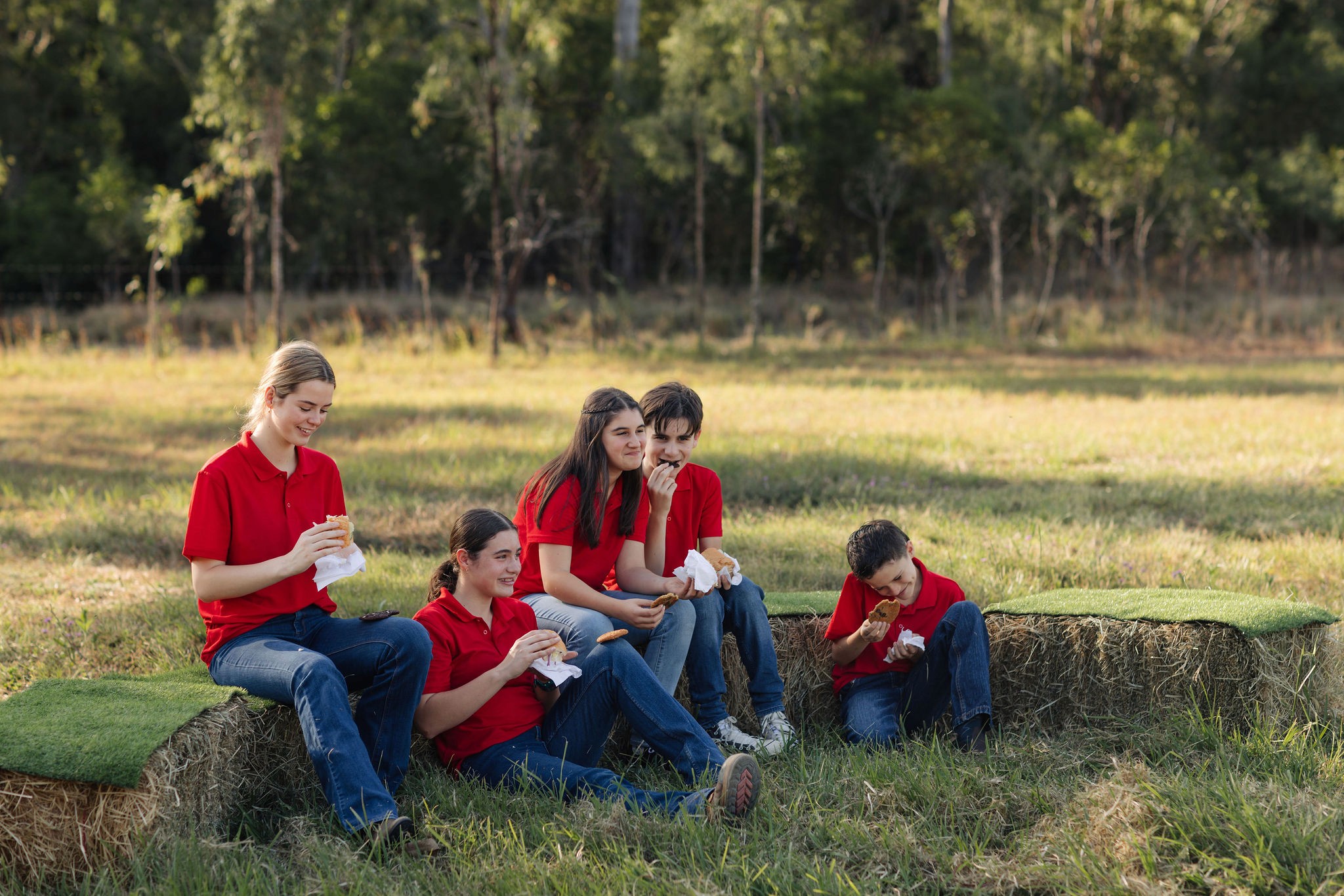
There's a moment that happens on farm visits with a frequency that experienced teachers begin to anticipate. A student who is guarded and withdrawn in most learning situations will step forward outdoors and demonstrate something that surprises everyone in the group, including themselves. They read the cattle correctly when others hesitated. They understood how the system worked while the explanation was still in progress. They moved through the environment with a confidence that nobody who only knew them from a desk would have predicted.
The question worth sitting with is not why this happens outdoors. It's why it doesn't happen inside.
Traditional schooling measures a relatively narrow range of cognitive expression and rewards it consistently: verbal reasoning, written output, abstract thinking, performance under sedentary and time-pressured conditions. These are real and valuable skills. They are not the only ones. Students who excel in spatial reasoning, physical coordination, practical problem-solving, and environmental reading can move through primary school without ever receiving clear evidence that they are capable. The contexts that would demonstrate those capacities are rarely on offer.
Learner identity is built from accumulated feedback. Repeated experiences of underperforming in the systems that do the official measuring produce a particular kind of self-concept, one that students carry into new learning situations before the task has even begun. The protective posture this generates looks like disengagement from across the room. It's usually closer to self-preservation.
At Six Keys Cattle Co in Central Queensland, this pattern disrupts consistently. Students who barely participate in classroom discussion become the ones reading animal behaviour accurately and thinking several steps ahead in a farm scenario. The learning environment changes what gets valued and, in doing so, changes who gets to be competent.
What teachers do with that knowledge matters considerably.
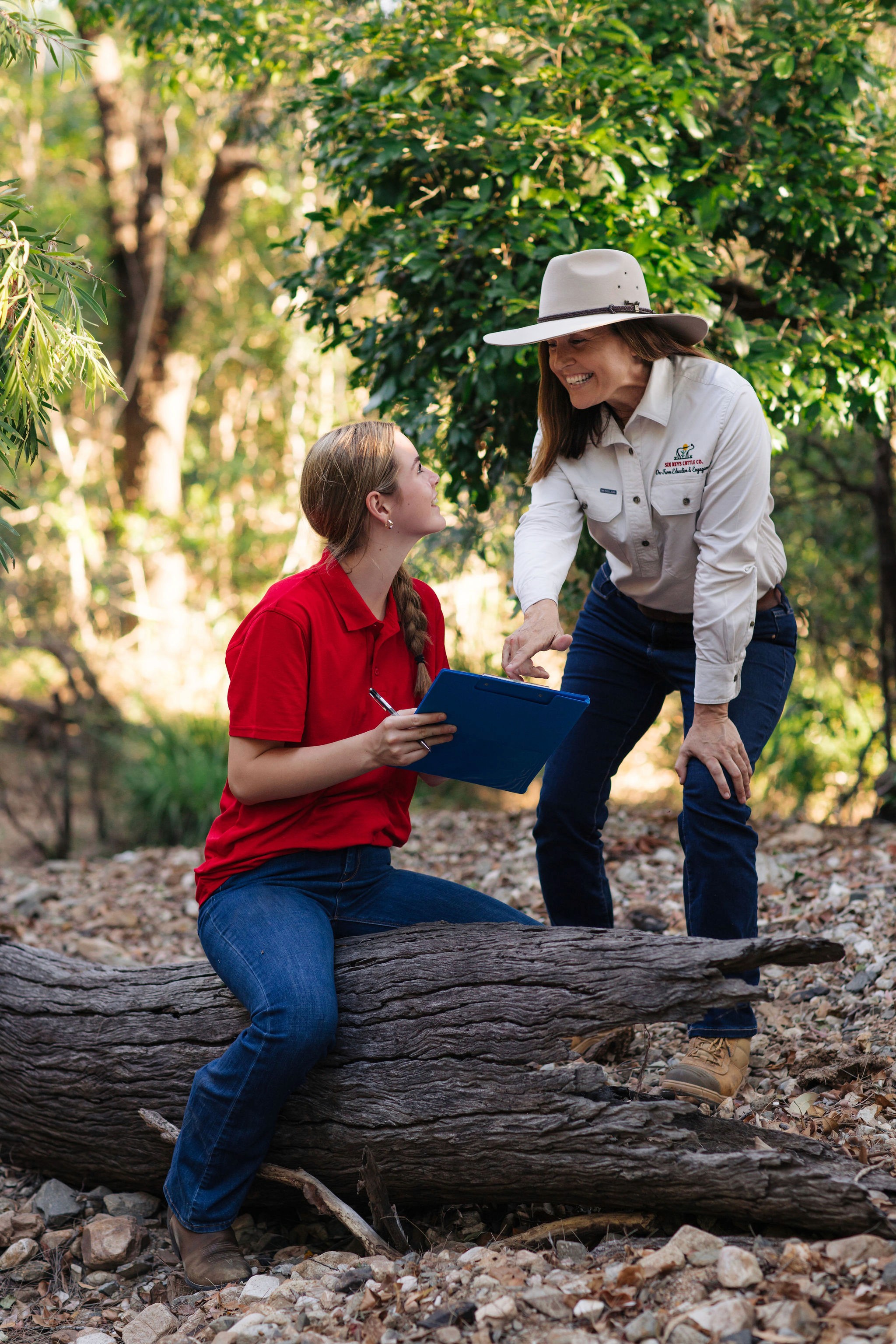
Naming outdoor competence explicitly and drawing a direct line between it and the capacities a student uses back in the classroom changes how that student understands their own ability. The spatial reasoning a student uses to read a paddock is the same cognitive skill applied to interpreting a map or diagram. Practical problem-solving in a yard is the same underlying capacity brought to unfamiliar challenges in any setting. The skills aren't separate. The contexts just look different.
Farm experiences generate evidence. Teachers who use that evidence well, who refer back to it, build on it, and reflect it toward the student in concrete terms, give students a different story about themselves. One that holds up better when the learning gets hard.
The capability was always there. Most of these students simply hadn't been given a context that would show them.