What Farmers and Teachers Have in Common (and Why That Connection Matters)
Both work with living systems that don't follow scripts. Both deal with unpredictable responses to their input. Both are deeply invested in outcomes that take years to become visible. The parallel runs deeper than most people initially recognise.
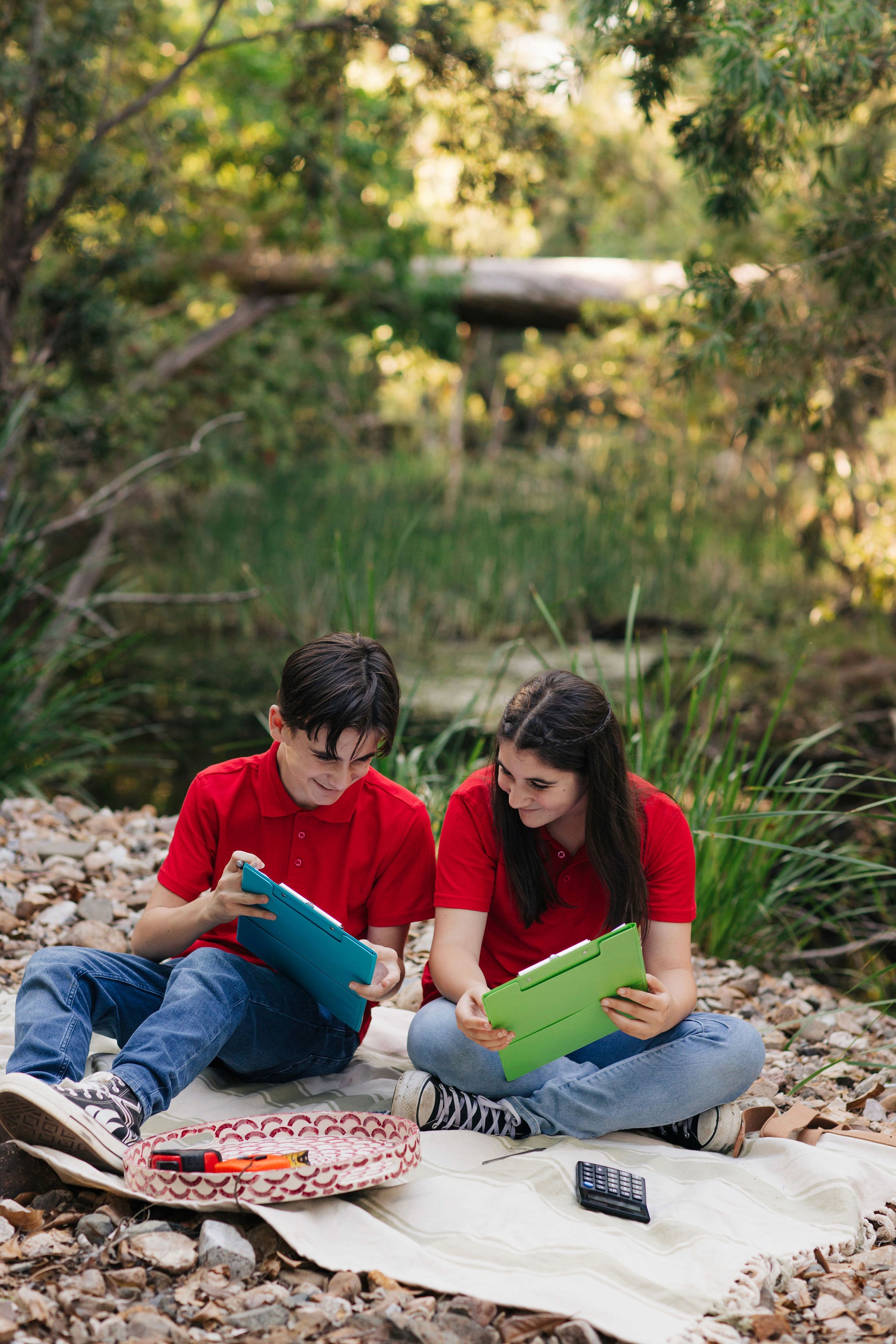
Preparing Children for Life Skills Through Everyday Farming Experiences
Beyond academic achievement, many parents ask a bigger question: Is my child developing the skills they need for life? Skills like problem-solving, communication, adaptability, and respect for others don’t come from textbooks alone, they come from experience.
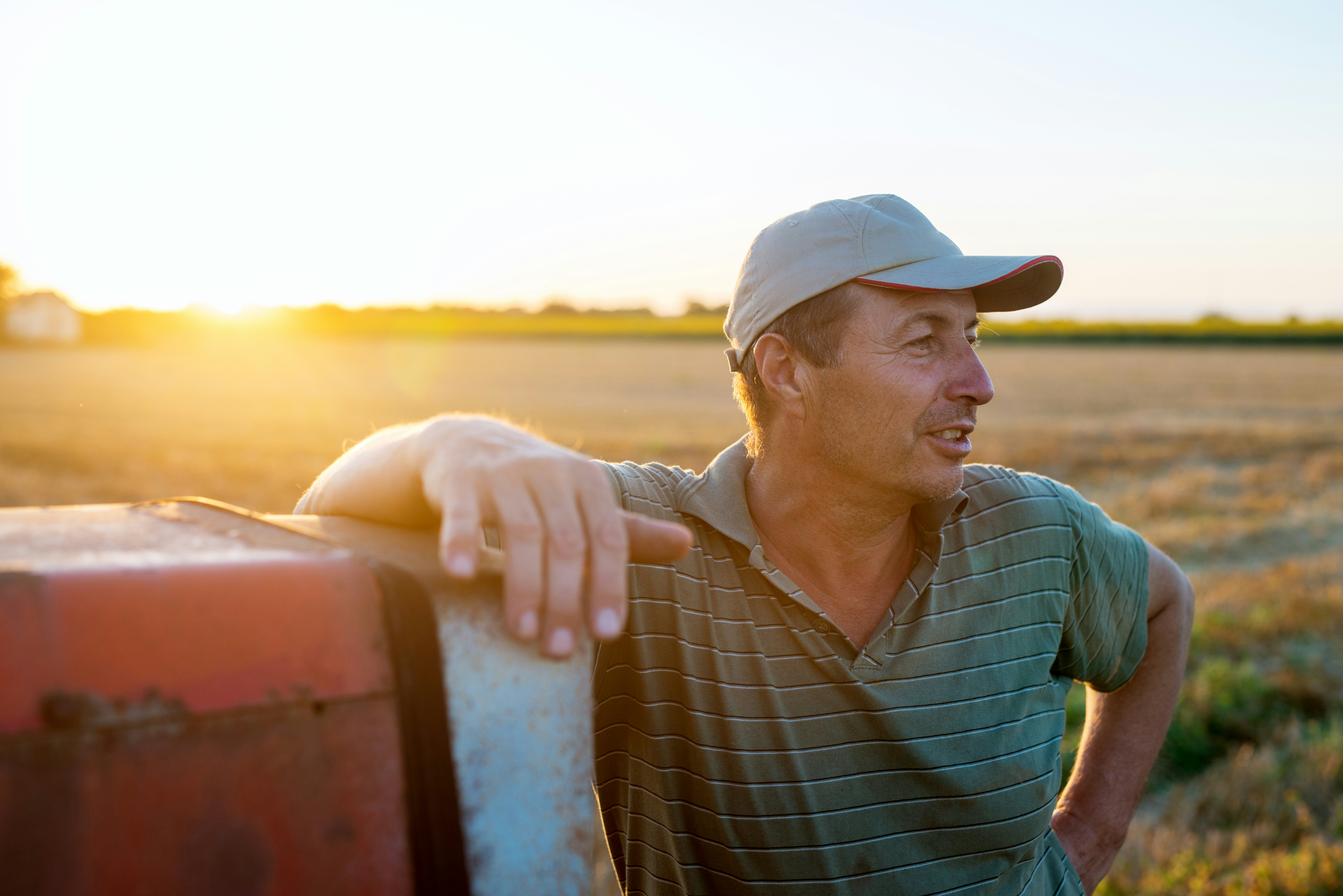
Mark, 50, The Long Road Back to the Land
Mark grew up on a cattle property, but like a lot of teenagers raised on the land, he couldn’t wait to leave. Early mornings, dust, heat, and responsibility felt heavy when all he could see was what his mates in town seemed to have weekends off, clean clothes, and jobs that didn’t depend on the weather.
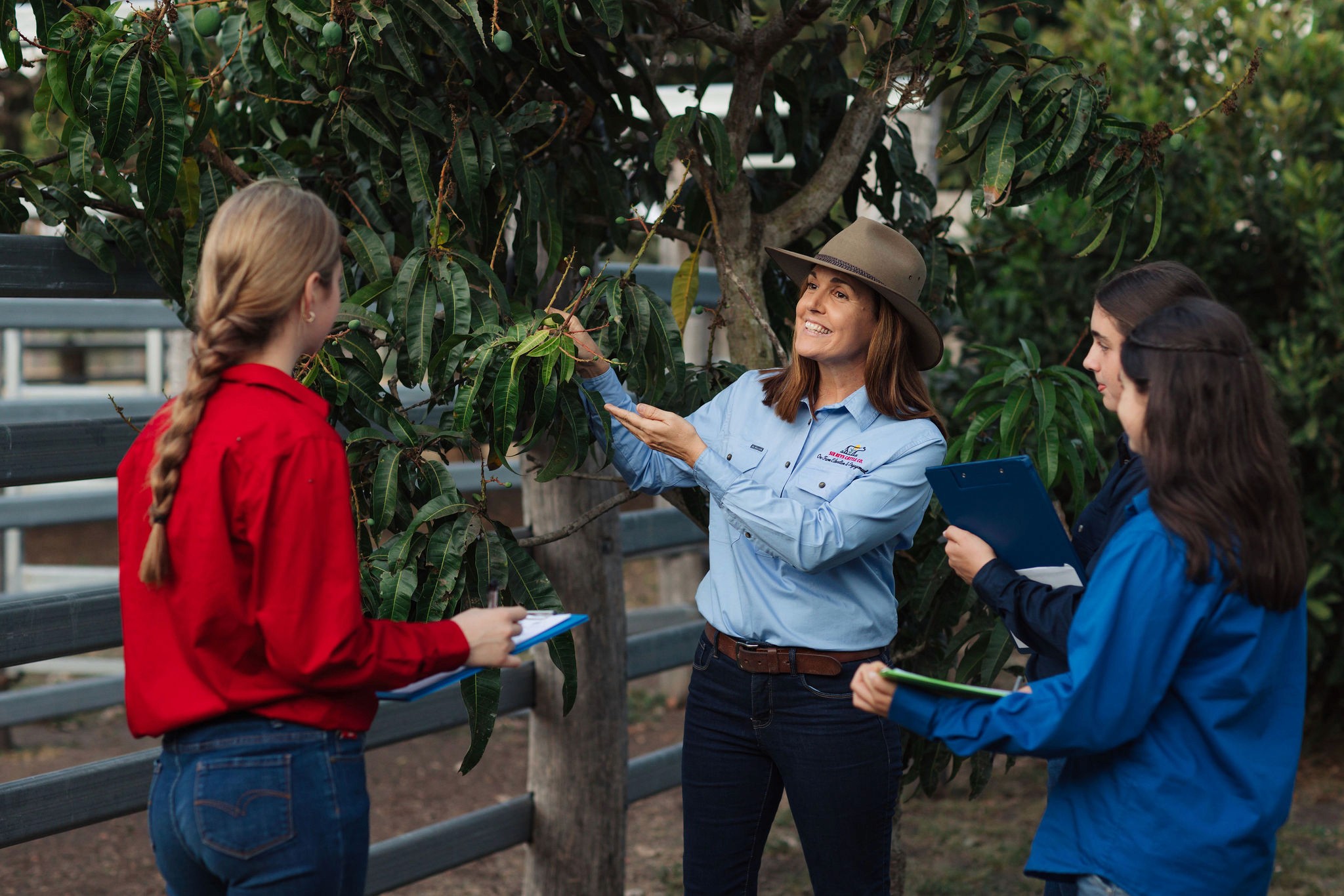
The Hidden Curriculum: Respect, Responsibility, and Self-Control in Farm Environments
The "hidden curriculum" is the term educators use for everything students learn at school that isn't written into a lesson plan. How to navigate authority. How to treat people you didn't choose to sit next to. What happens when you do the right thing when nobody is watching, and what happens when you don't. These lessons shape students profoundly, often more durably than the explicit content they're assessed on, and most of the time they're absorbed without anyone intending to teach them.
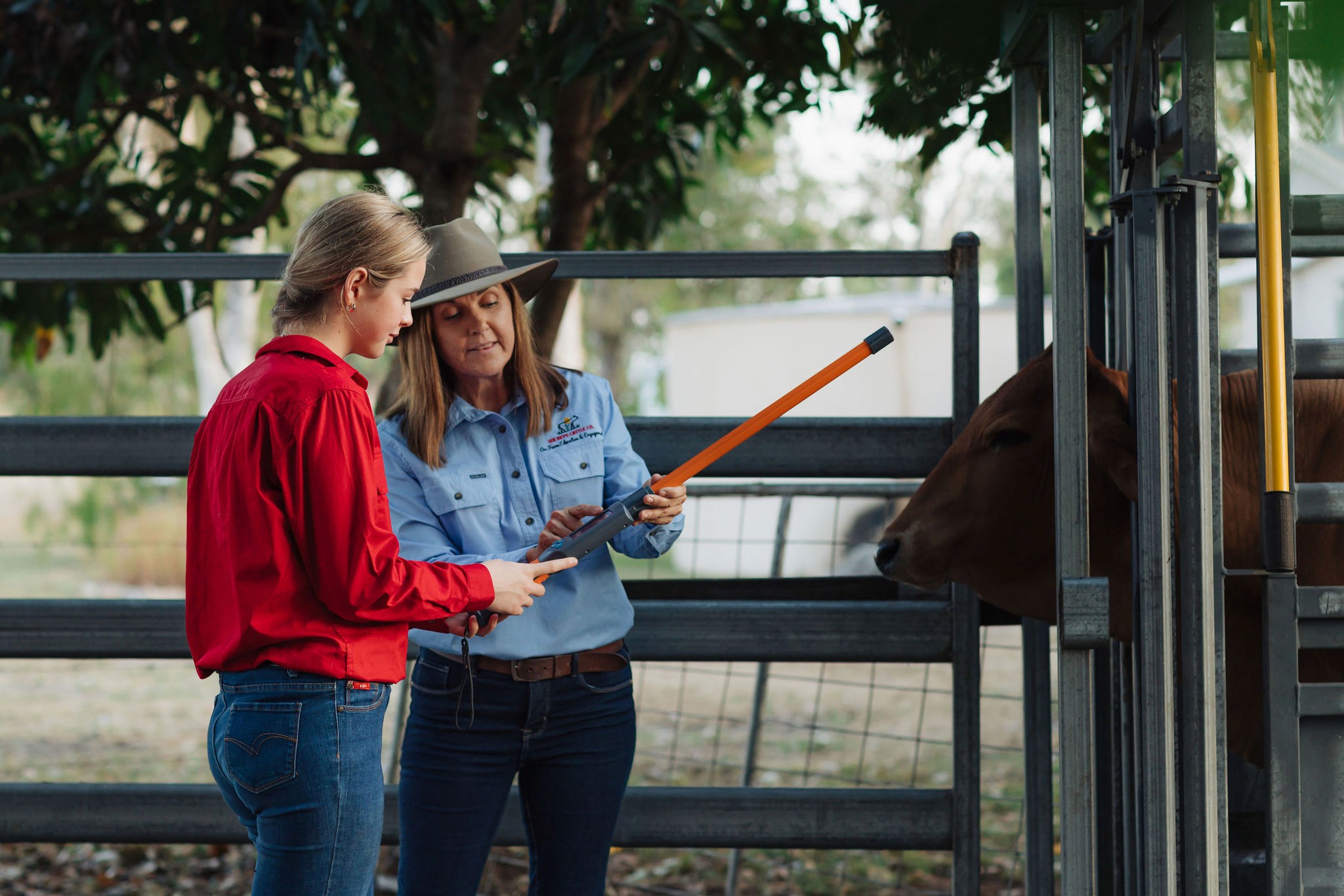
Why Outdoor, Farm-Based Learning Supports Children’s Wellbeing and Engagement
Many parents today are quietly worried about their child’s wellbeing. Children are spending more time indoors than ever before, often sitting for long periods, moving less, and feeling disconnected from the world around them. It’s not uncommon for parents to notice their child struggling with focus, increased anxiety, low motivation, or a growing disengagement from learning, even at a young age.
Sarah, 45, From Classroom to Cattle Yards
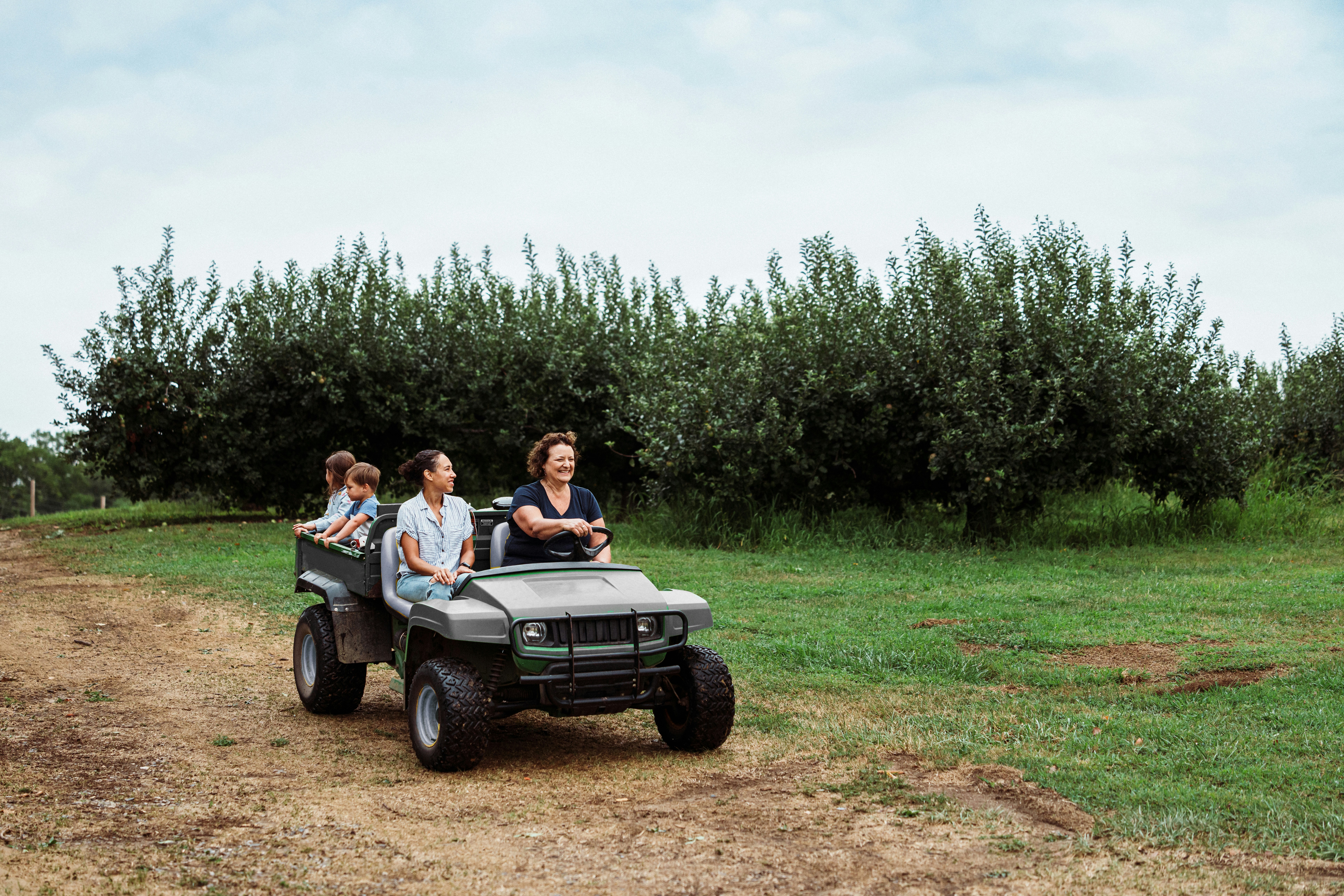
Sarah spent 15 years as a primary school teacher before stepping onto a cattle farm, and she never expected it to feel so familiar.
Outdoor Learning vs Traditional Excursions: What Makes On-Farm Programs Stick
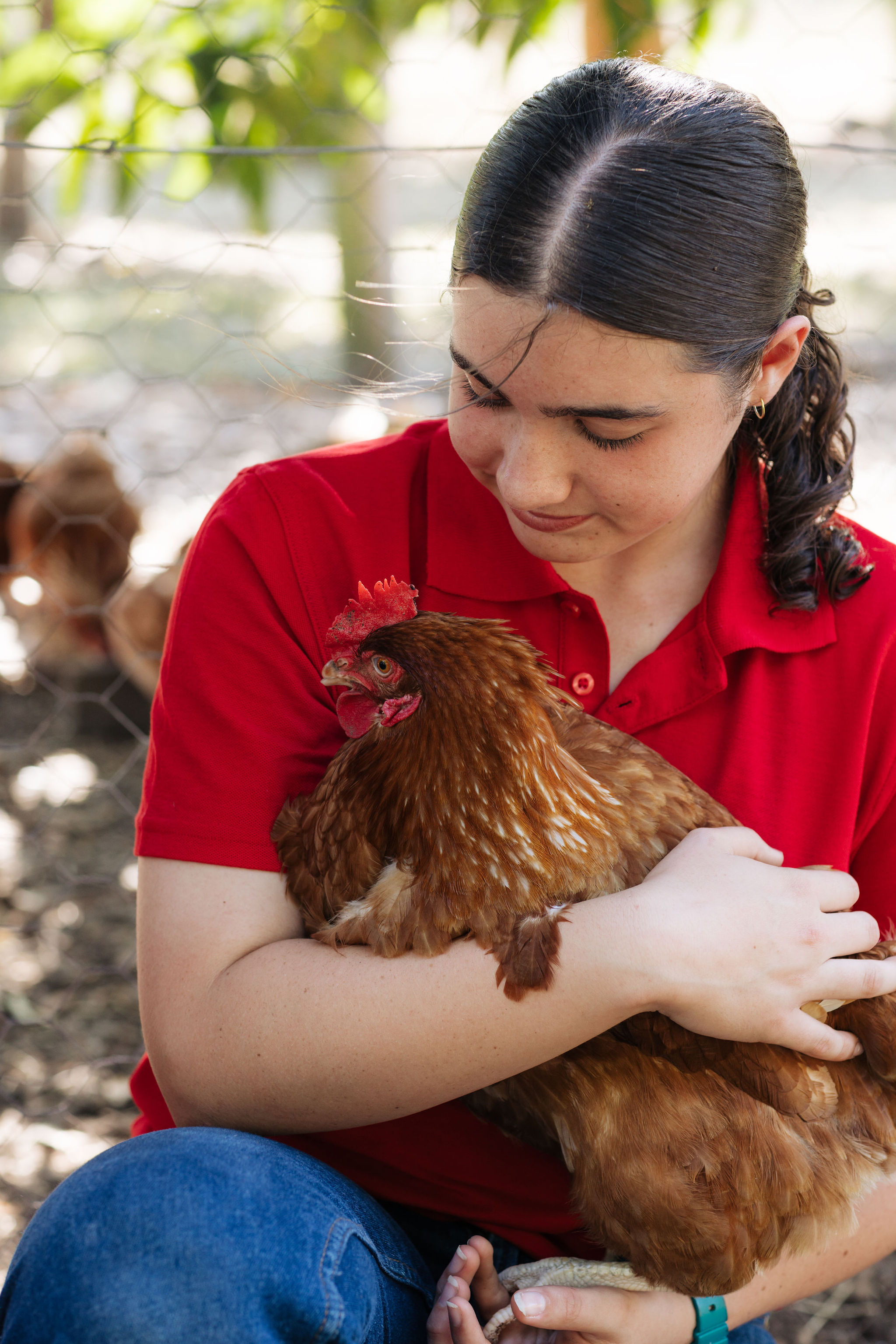
Most school excursions are forgotten within a week. Not because they weren't enjoyable, but because enjoyment and learning retention aren't the same thing. A day at a museum or a theatre performance offers novelty, a break from routine, something different to look at. What it rarely offers is the kind of active, purposeful engagement that turns an experience into a memory worth keeping.
Why On-Farm Learning Is Essential for Australian Primary Students
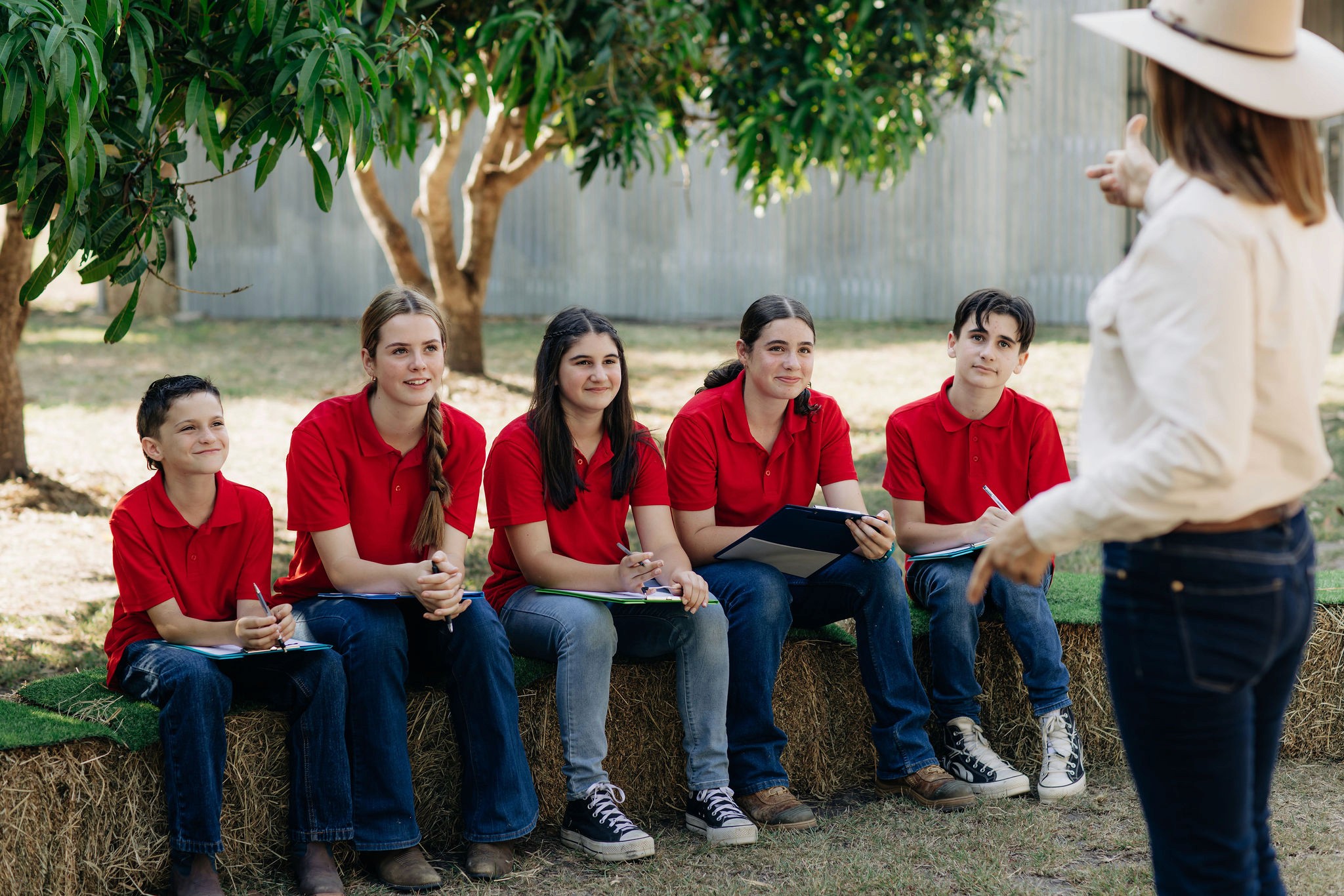
In an increasingly digital world, many Australian children are growing up disconnected from the land and animals. Screens, classrooms, and abstract learning experiences often replace real-world understanding. On-farm learning plays a critical role in reconnecting students with where food comes from and how people, animals, and the environment work together to sustain everyday life.
Why Hands-On Learning on a Cattle Farm Makes a Lasting Impact
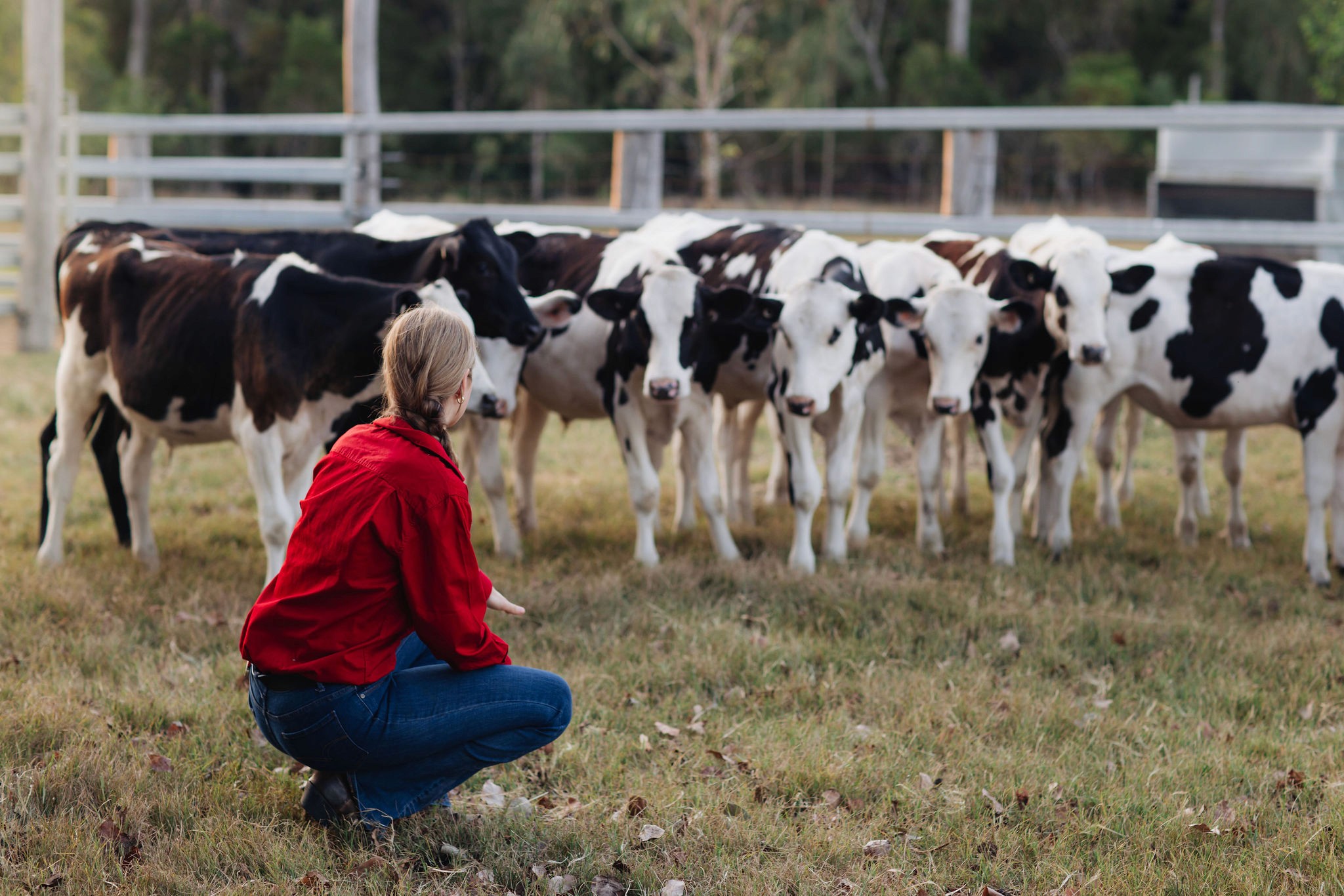
Children learn best by doing, and nowhere is this more evident than through hands-on learning on a working cattle farm. When students are actively involved in their learning, rather than passively receiving information, understanding deepens and curiosity naturally grows.
Teaching the Australian Curriculum Through Everyday Farming
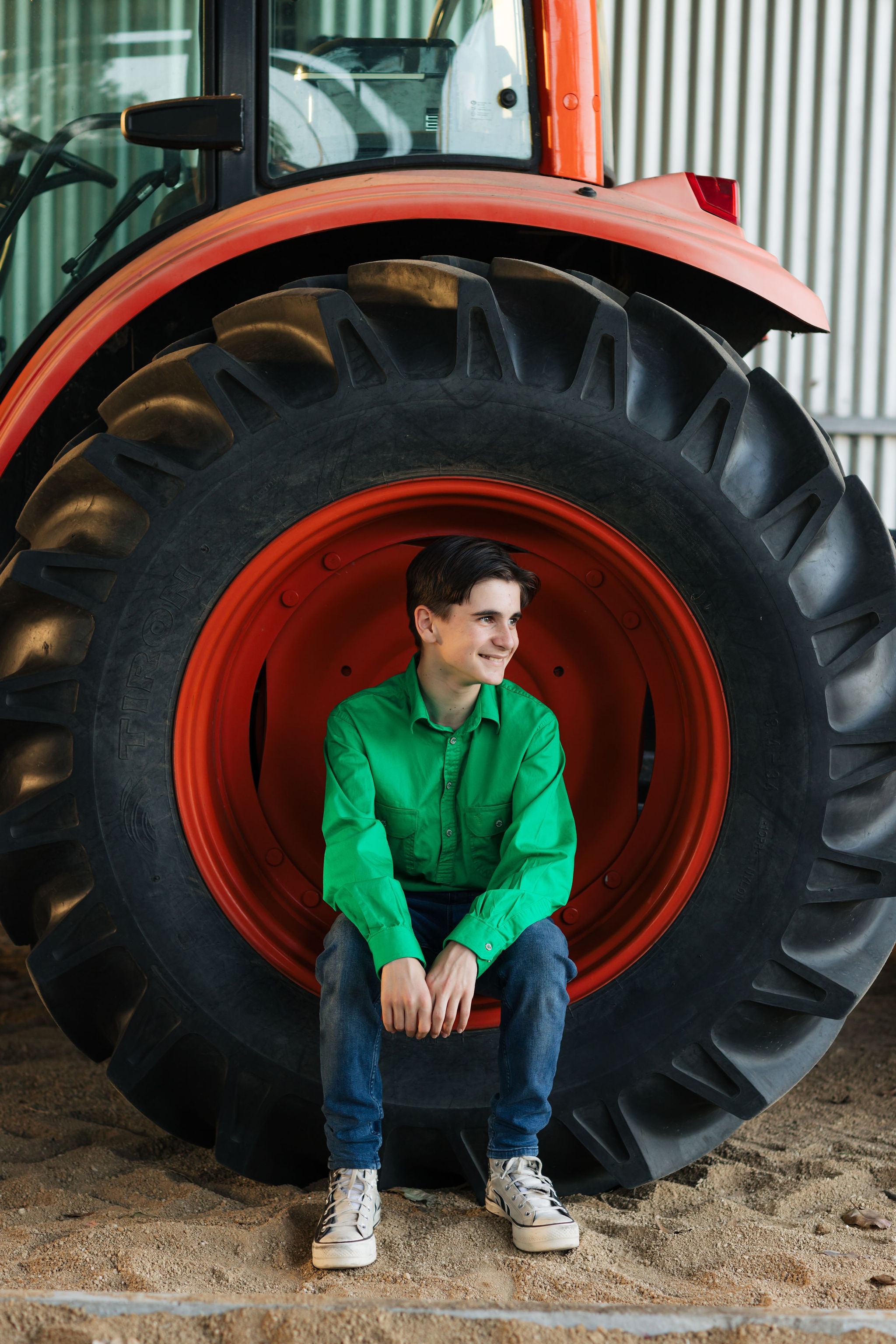
The Australian Curriculum isn’t meant to live only in textbooks and classrooms; it’s meant to be experienced. And there are few places where learning comes to life more naturally than on a working farm.
How Being on the Farm Reduces Stress and Anxiety in Students
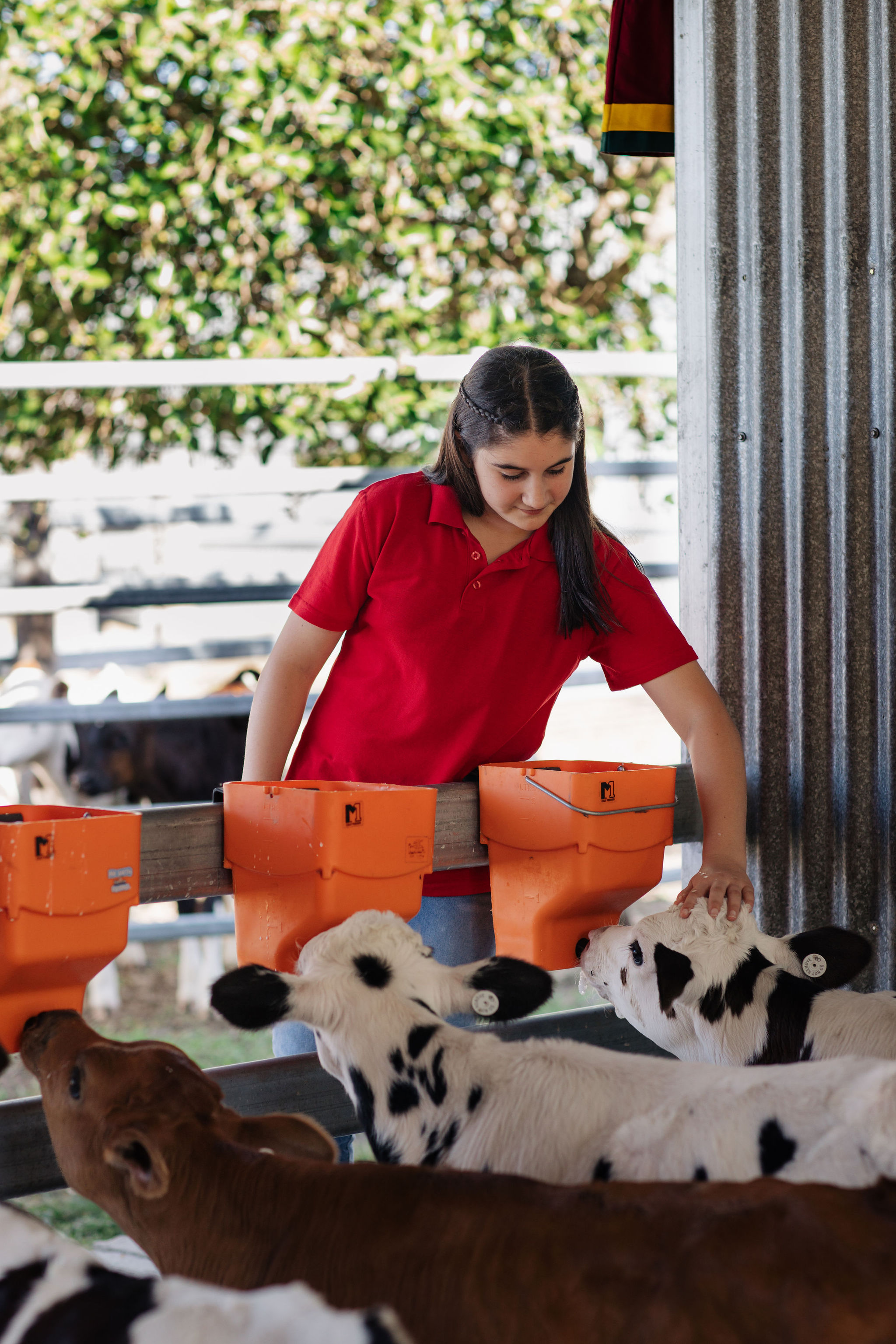
The pressures on children today are real and accumulating. Academic expectations, social dynamics, screen time, the constant background noise of modern life. By the time many primary students reach upper school, anxiety is already familiar territory. Teachers manage it daily. Parents worry about it at home. And the tools available to address it inside a classroom are genuinely limited.
The Science Behind Hands-On Learning: Why Kids Thrive Outside the Classroom
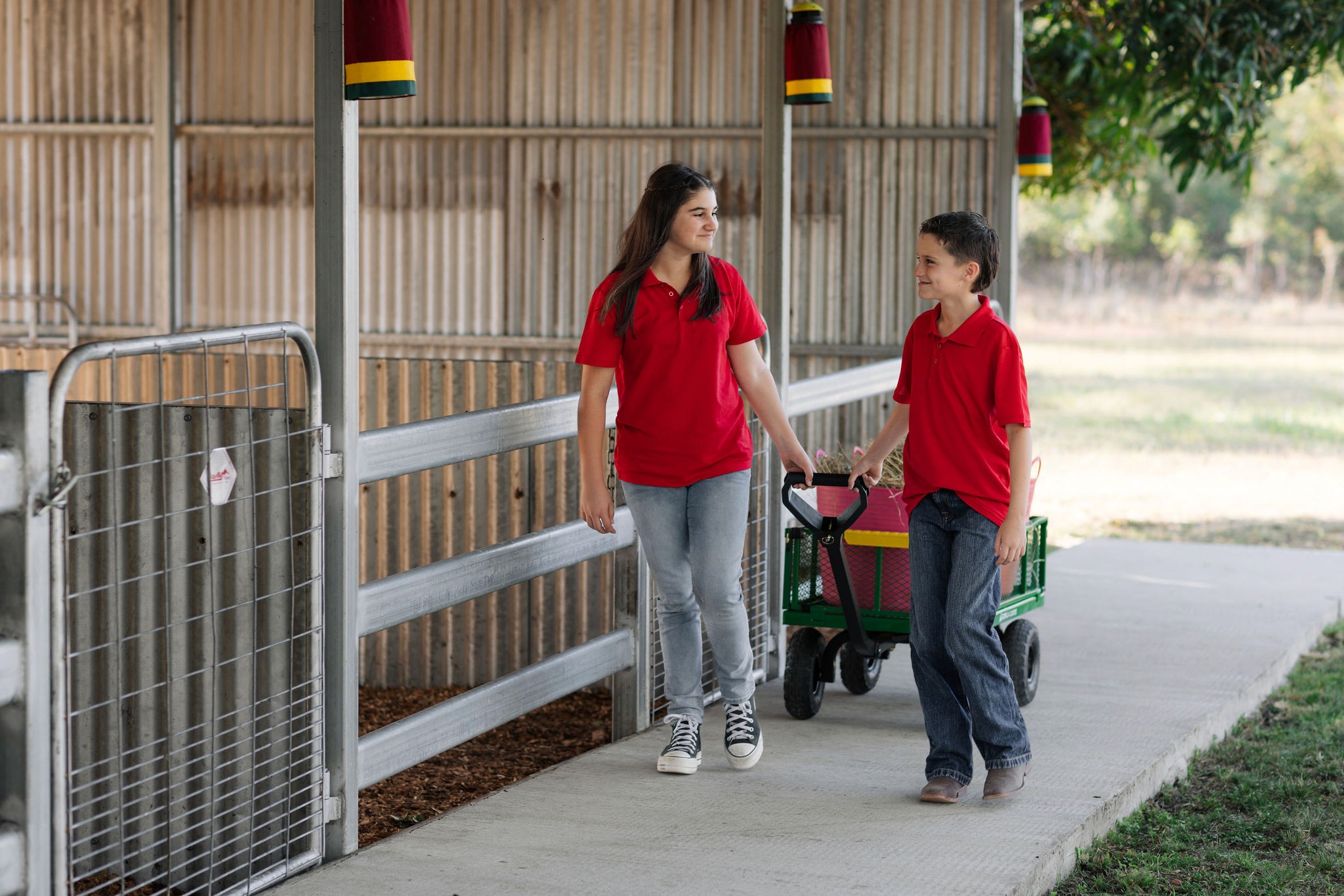
There's a reason children remember the excursion they went on in Year 3 long after they've forgotten what was on the whiteboard that same week. Memory isn't random. The brain is wired to hold onto experiences that engage the body, the senses, and the emotions, and to release information that arrived without any of those things attached.
A Farm School Experience Parents Can Feel Good About
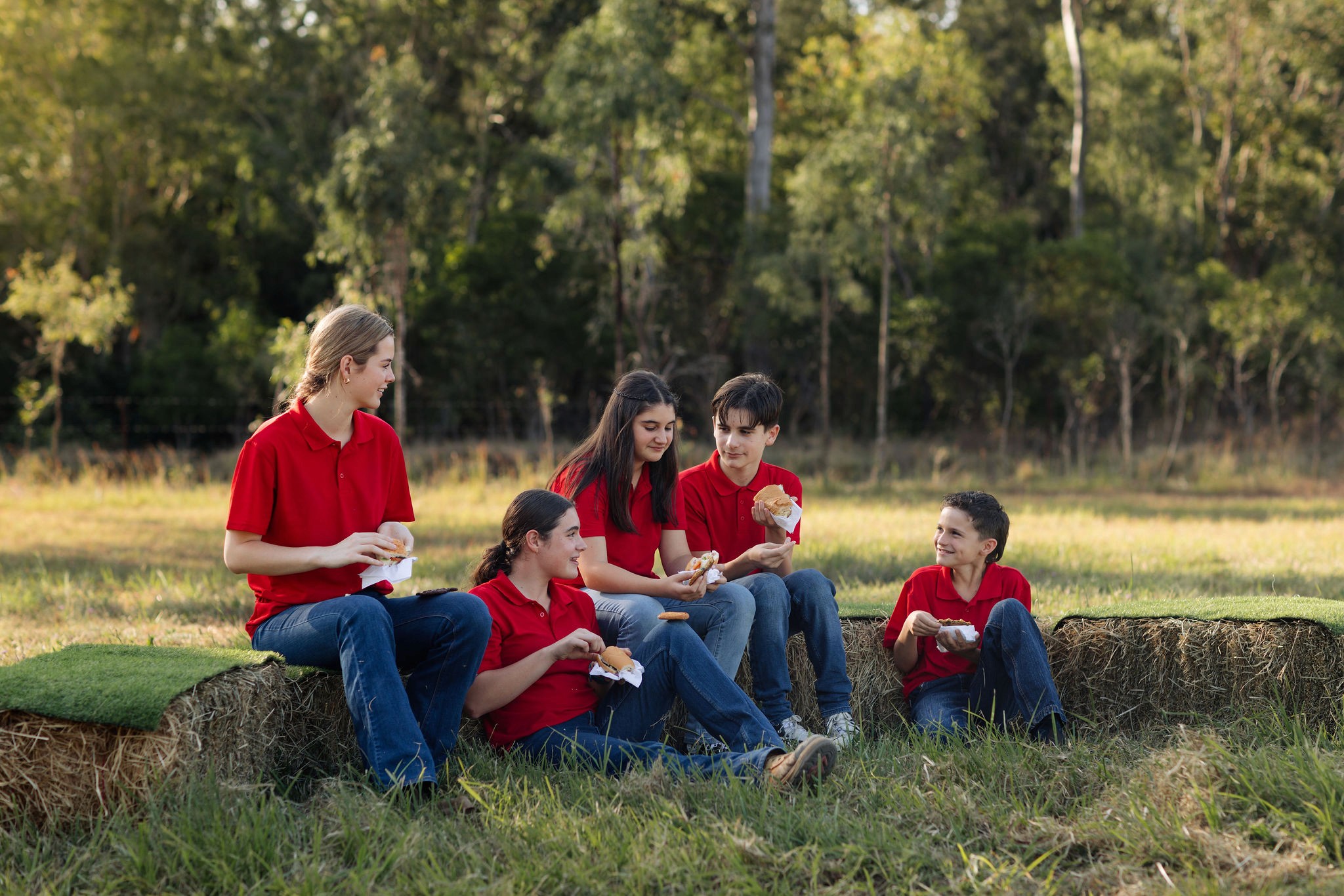
When parents think about school excursions or learning experiences, they’re usually looking for more than just a fun day out. They want something that is safe, meaningful, and genuinely educational and an experience that adds real value to what their child is learning at school. That’s exactly what on-farm learning at Six Keys Cattle Co is designed to do.
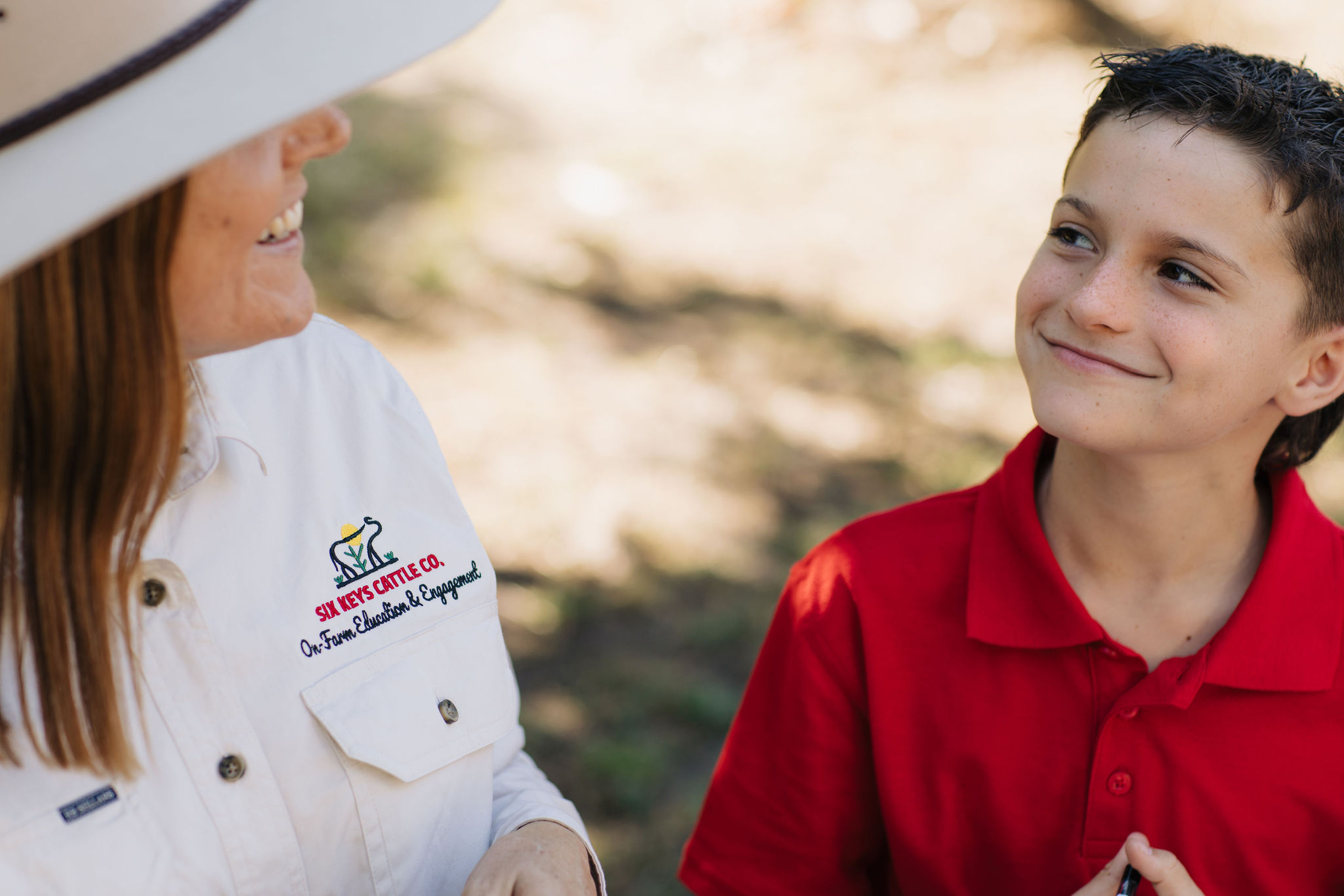
Why Outdoor Learning Improves Children's Mental Health: Insights from Research & Real Farms
Something shifts when a child steps outside the classroom. It's hard to quantify exactly, but teachers, parents, and researchers have all noticed it. The restless student settles. The withdrawn one opens up. The child who rarely speaks in class suddenly has something to say.
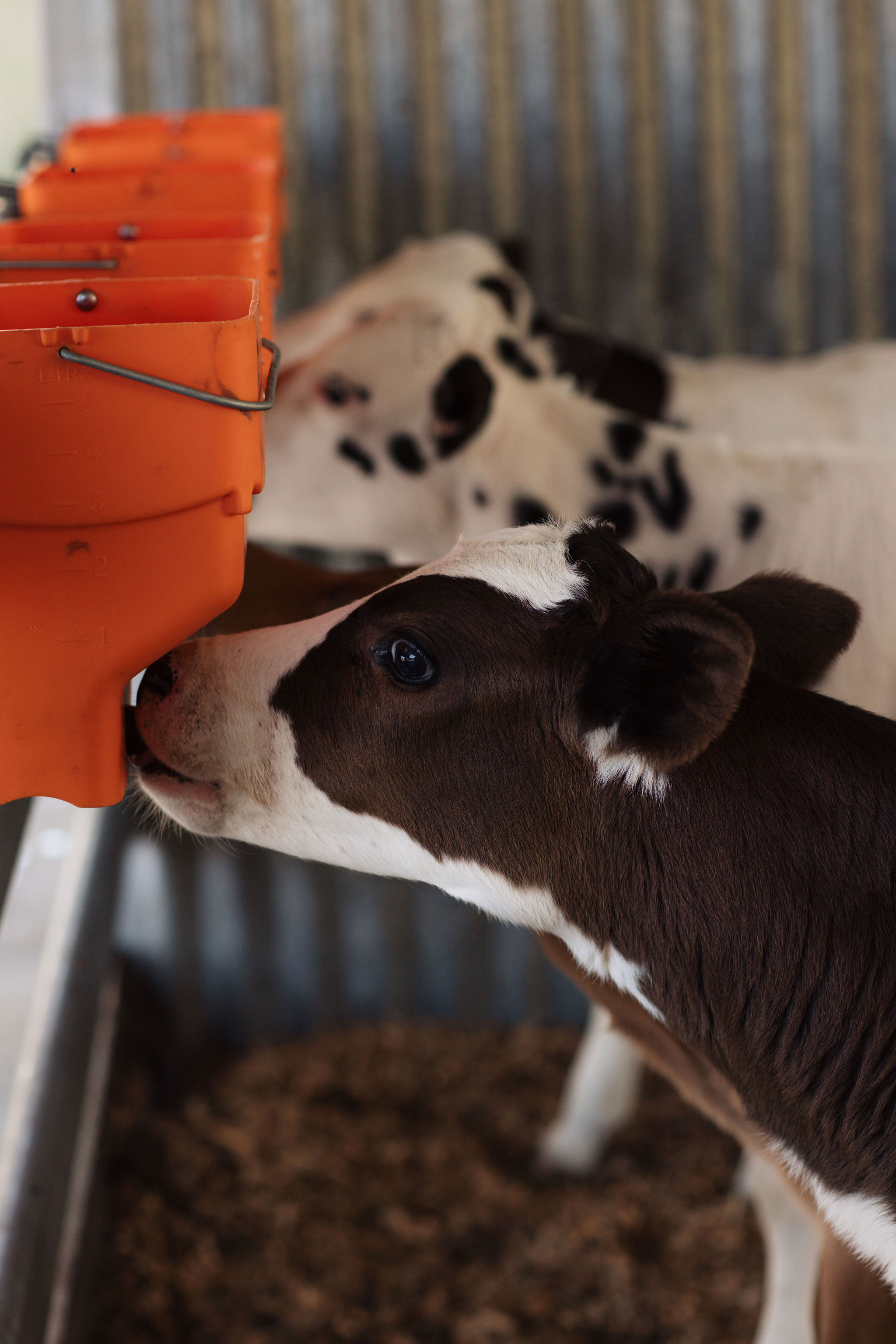
From the Classroom to the Cattle Yard: How Outdoor Education Boosts Academic Performance
There's an assumption built into how many people think about school time: that the classroom is where the real learning happens, and everything else is supplementary. Excursions, farm visits, outdoor programs get filed under enrichment. Nice to include, if the schedule allows.
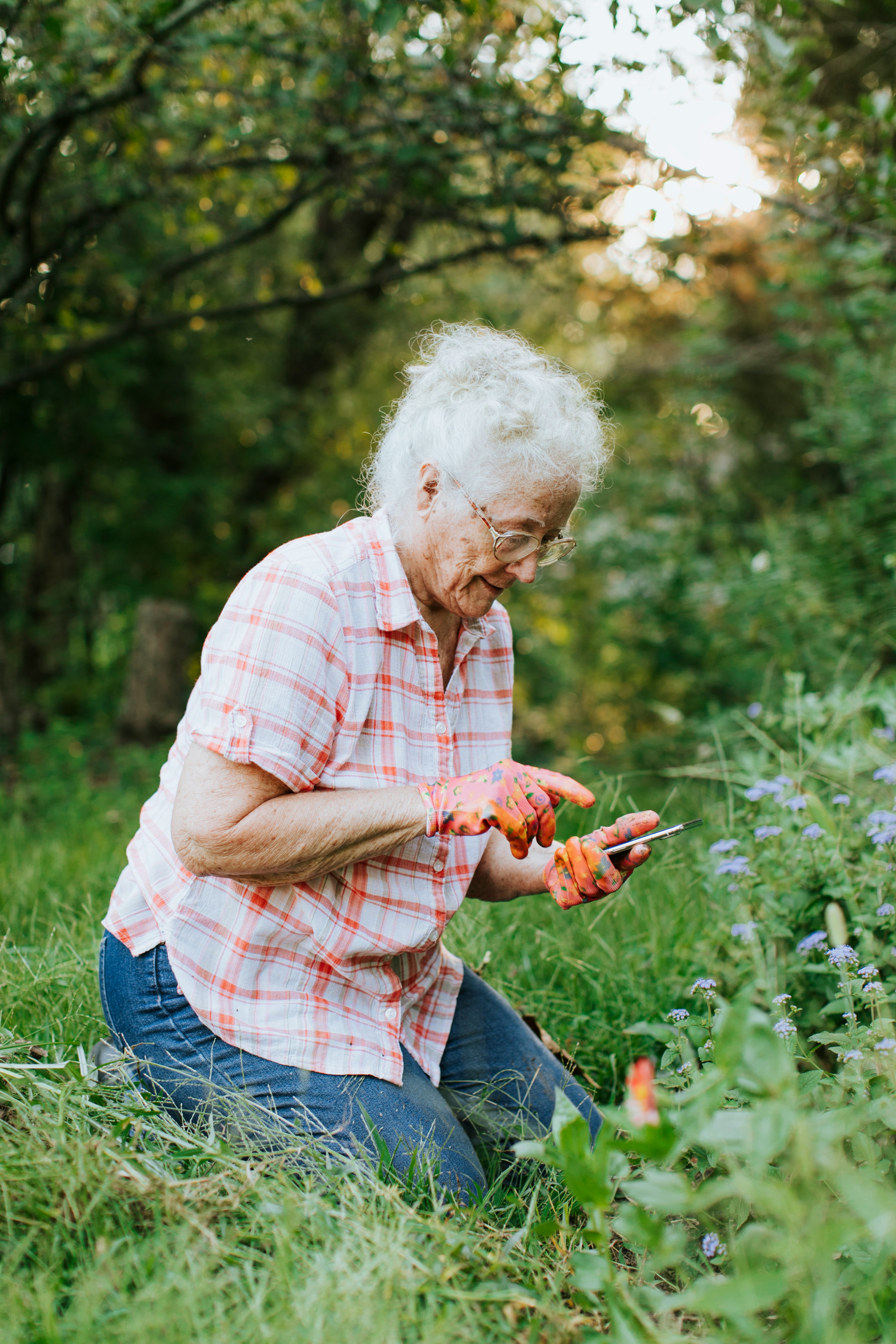
Margaret, 78, Quiet Strength and a Lifetime of Learning
Margaret never called herself a farmer, even though she worked cattle her entire life.
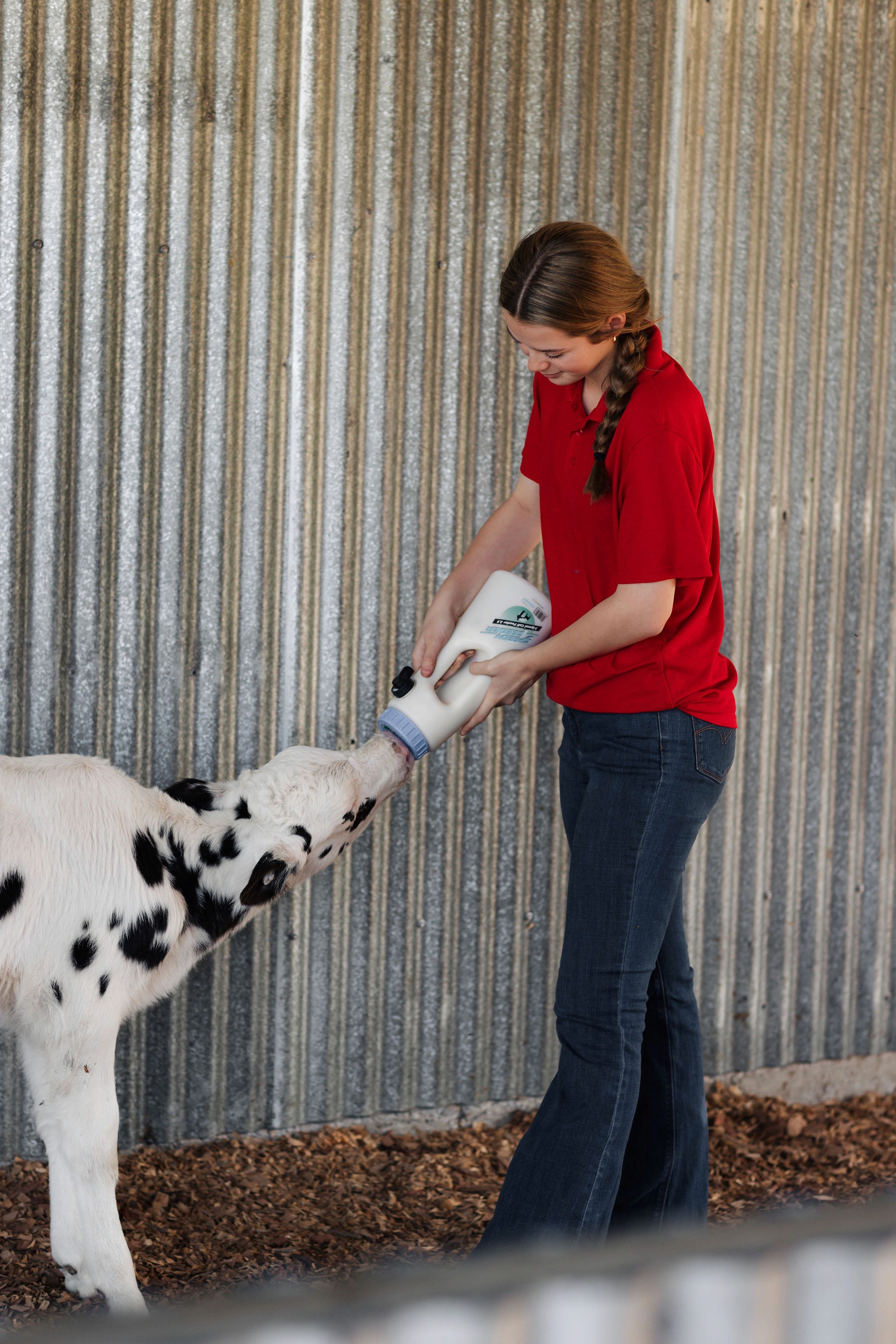
The Power of Farm Animals in Building Emotional Regulation and Confidence in Kids
Ask a child to approach a large animal for the first time and watch what happens. The hesitation. The checked breath. The careful reading of the animal's posture before taking a step. What looks like caution is actually something more sophisticated: a child adjusting their internal state, reading a living creature, and responding. Emotional regulation, in real time, with no one naming it.
How On-Farm Education Supports Australian Curriculum Version 9
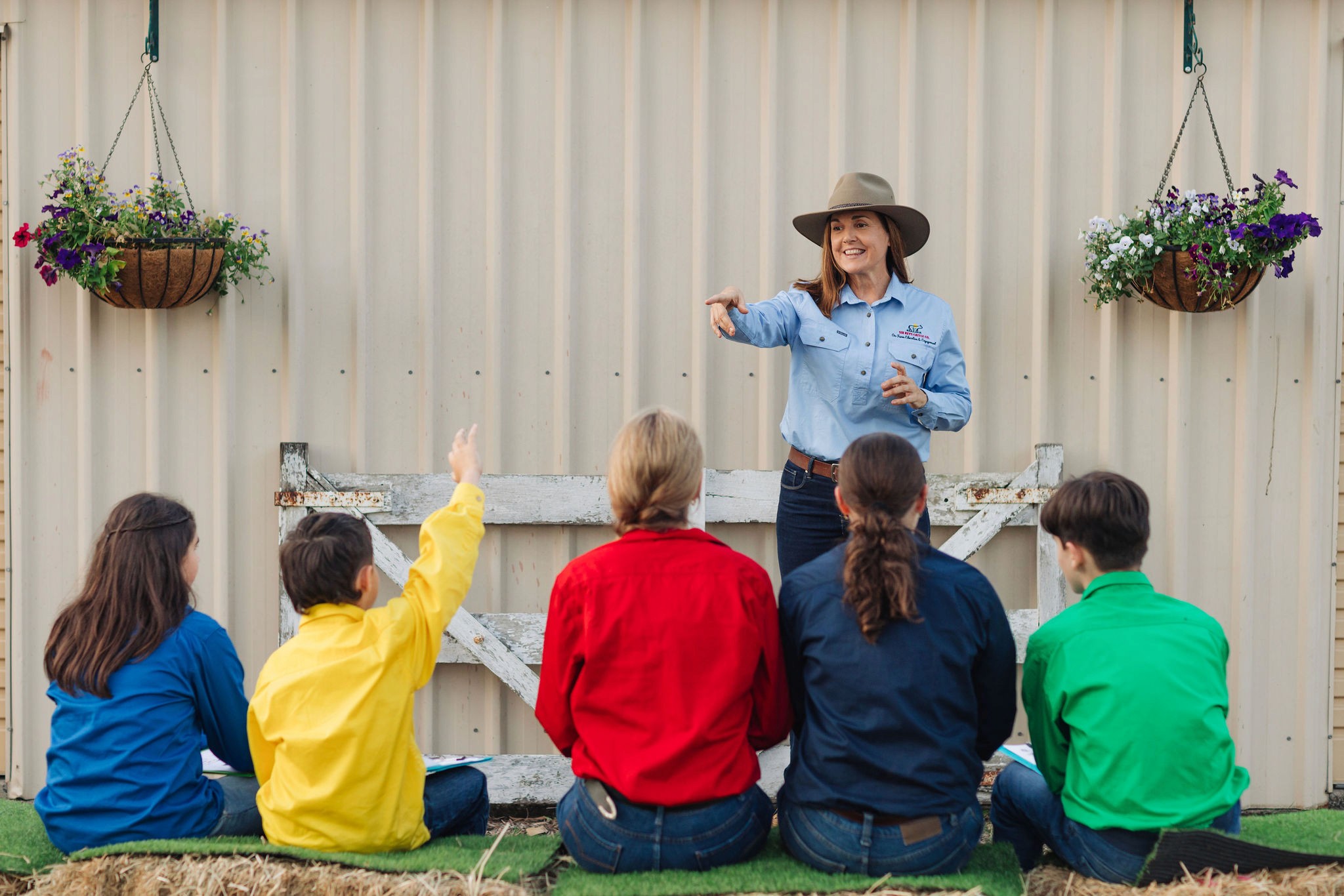
Every minute of school time has to count. Teachers know this better than anyone, and when they're considering taking a class off-site, the question they need to answer is a practical one: what does this deliver against the curriculum?
Dave and Karen, Built on Grit, Laughter, and Growing Something New
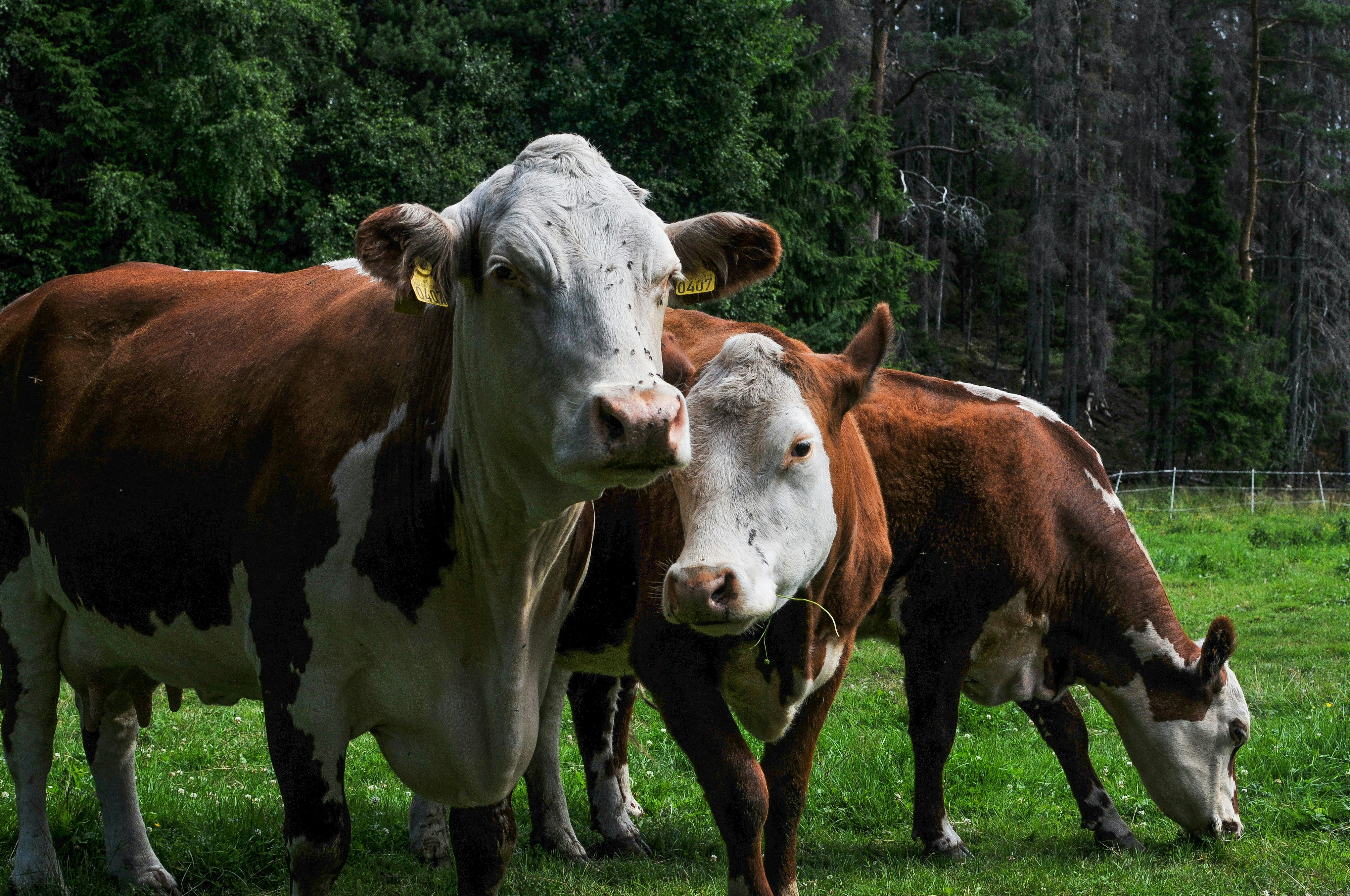
Dave and Karen have worked cattle together for more than 30 years. They’ve raised kids, survived droughts, floods, machinery breakdowns, and seasons where nothing seemed to go right.
Preparing for a Six Keys Trip: Frequently Asked Questions
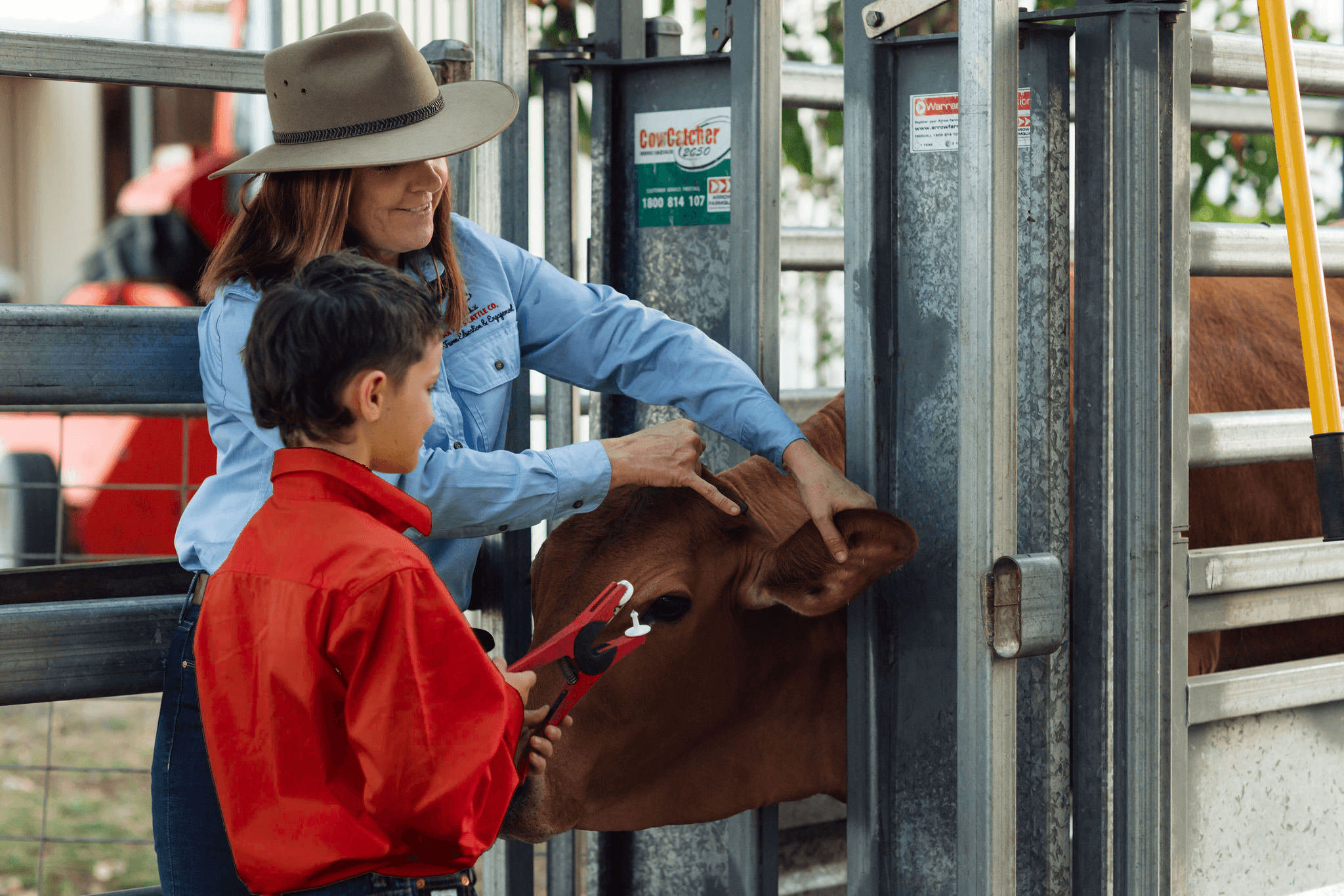
Discover everything you need to know about visiting Six Keys, from who can attend and what to wear, to program times, costs, and nearby accommodation. Our FAQ also covers safety, bad weather plans, and how we customise each farm experience for schools and community groups.
Can Farm Experiences Improve Classroom Behaviour? What Educators Are Saying
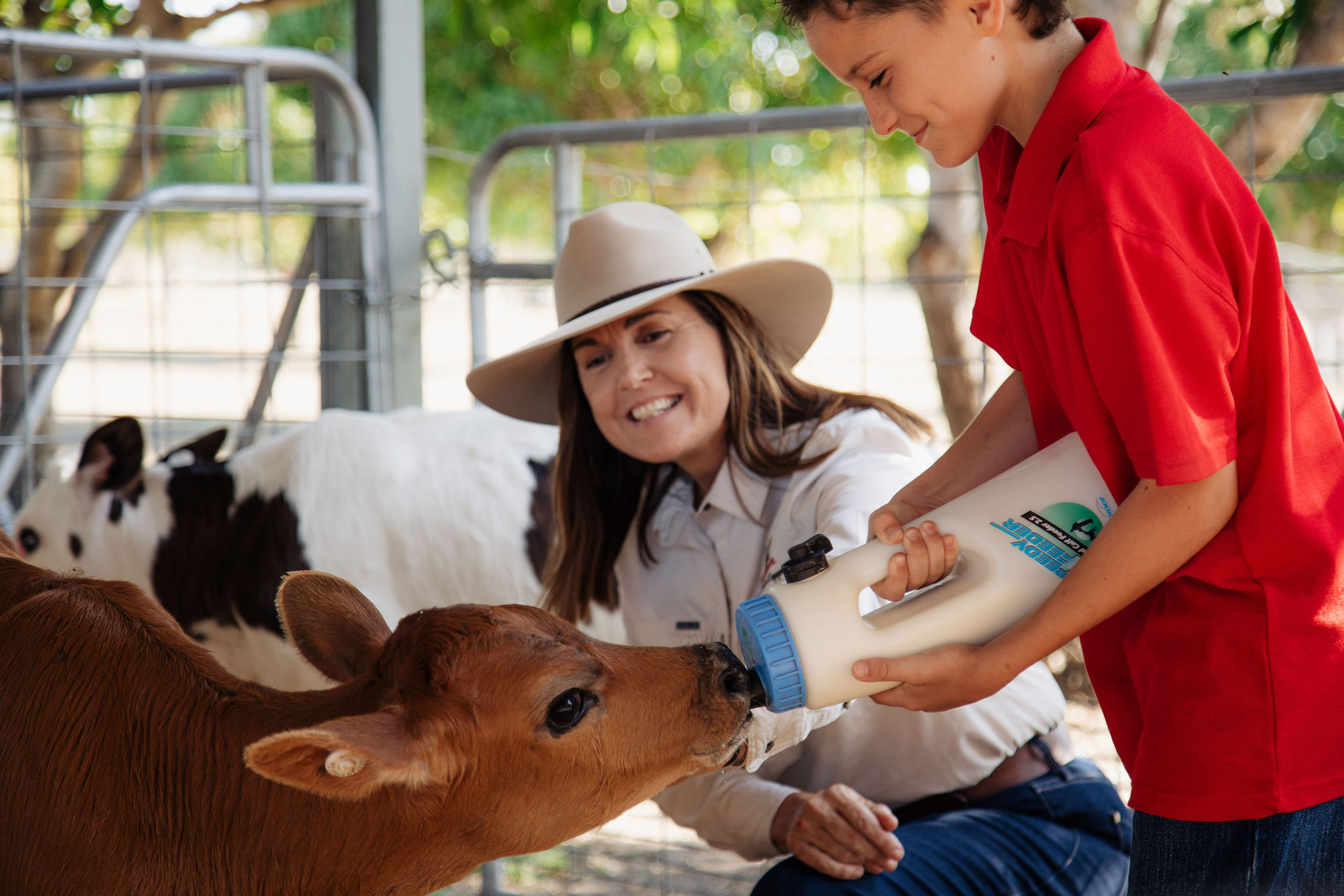
Something shifts in a student when they step onto a working farm. Teachers notice it quickly. The child who fidgets through every lesson, who checks out halfway through an explanation, who needs constant prompting just to stay on task, that same child is often fully present the moment learning becomes tangible and real.
Why Bored & Disengaged Students Act Out, And How On-Farm Learning Helps
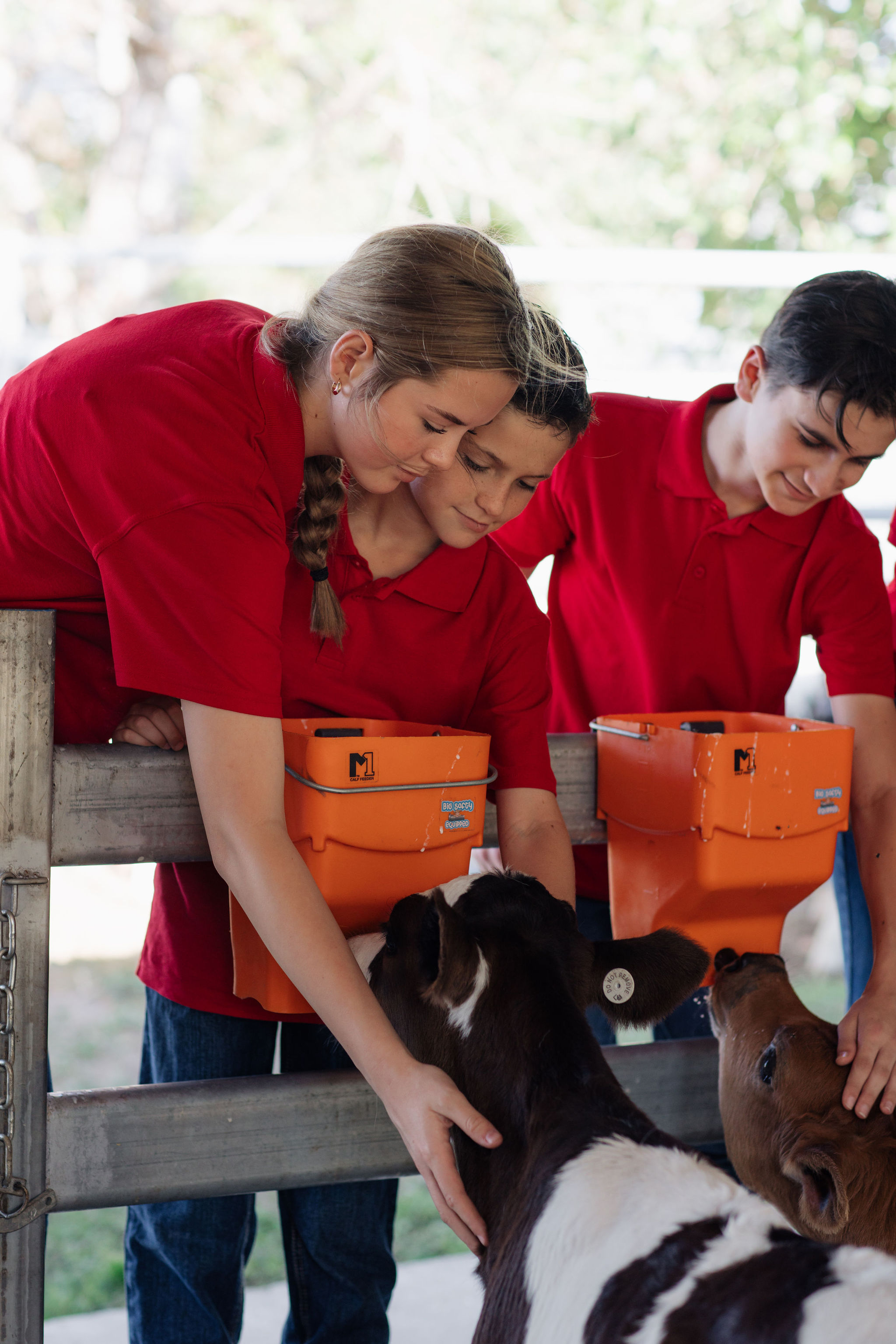
Disruptive behaviour in the classroom rarely starts with a student deciding to cause trouble. More often, it starts with boredom. With a lesson that feels irrelevant. With content that makes no sense because there's nothing to anchor it to, no experience, no reference point, nothing that connects what's on the whiteboard to the world outside the window.
Bill, 80, A Lifetime of Lessons from the Paddock
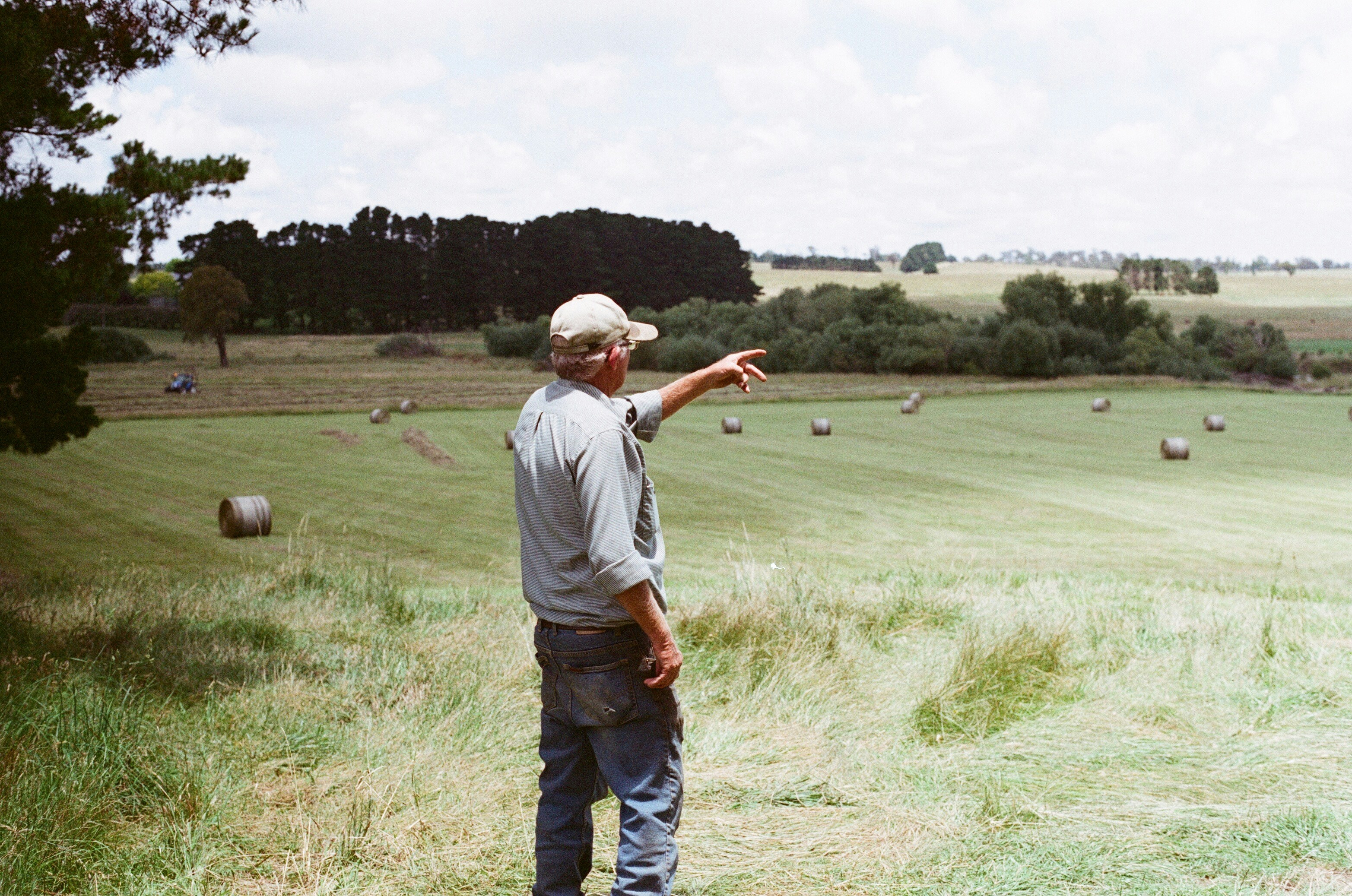
Bill has spent more than 70 years around cattle. He’s seen droughts that broke men, floods that wiped fences clean, and seasons that tested every ounce of patience a person could muster.
Outdoor Learning and Self-Discipline: Lessons from the Farm That Kids Bring Back to School
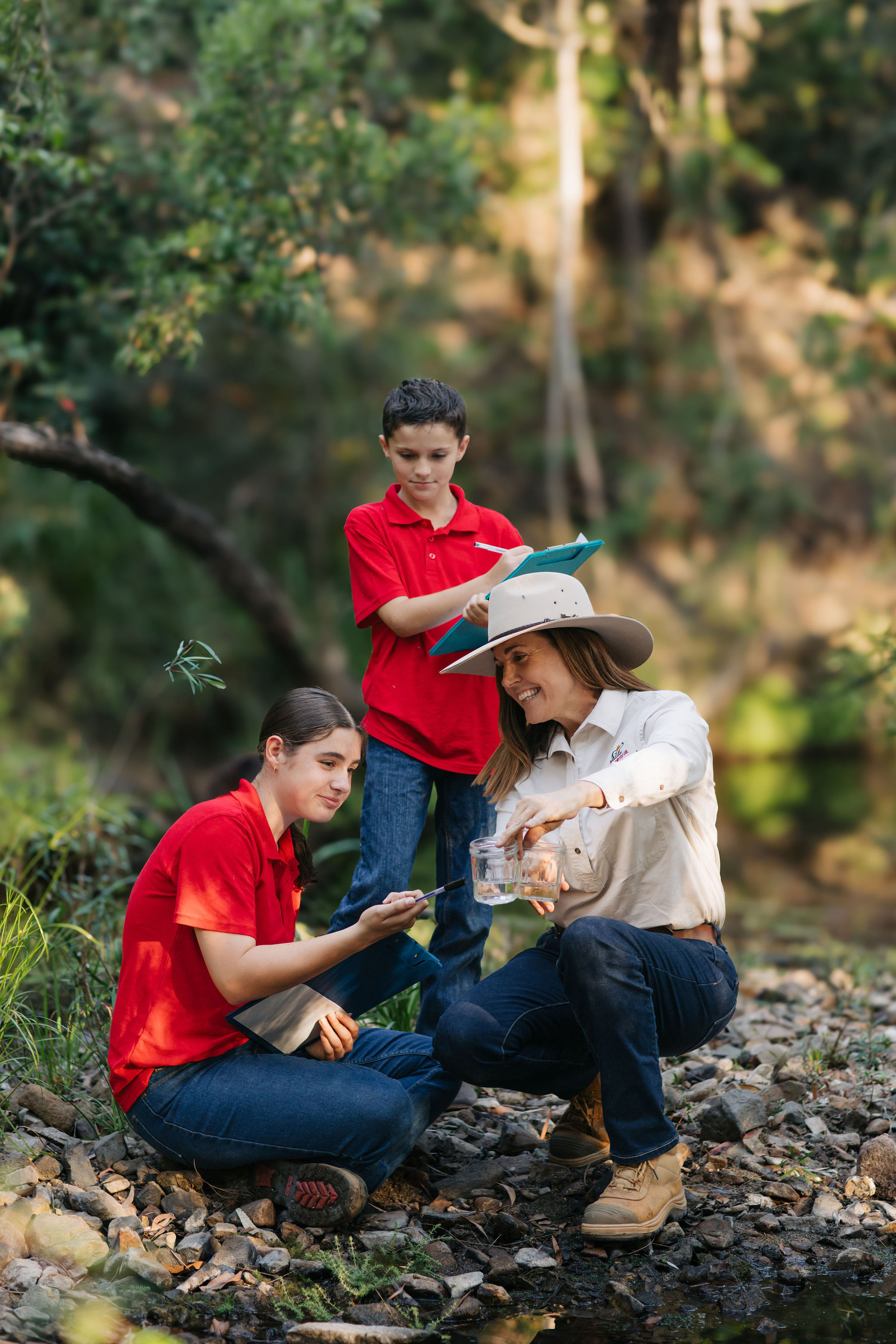
Self-discipline doesn't respond well to being told about it. A child can hear a hundred times that patience matters, that listening is important, that caring for something requires consistency, and none of it quite sticks the same way as actually experiencing the consequences of getting it wrong.
From Chaos to Calm: How Farms Help Students Reset and Return Ready to Learn
Many students arrive at school already running on a depleted system. Disrupted sleep, overloaded evenings, the ambient noise of screens and busyness. A traditional classroom setting doesn't always offer much relief.
Engagement Over Distraction: Outdoor Education Strategies for Difficult Classroom Behaviour
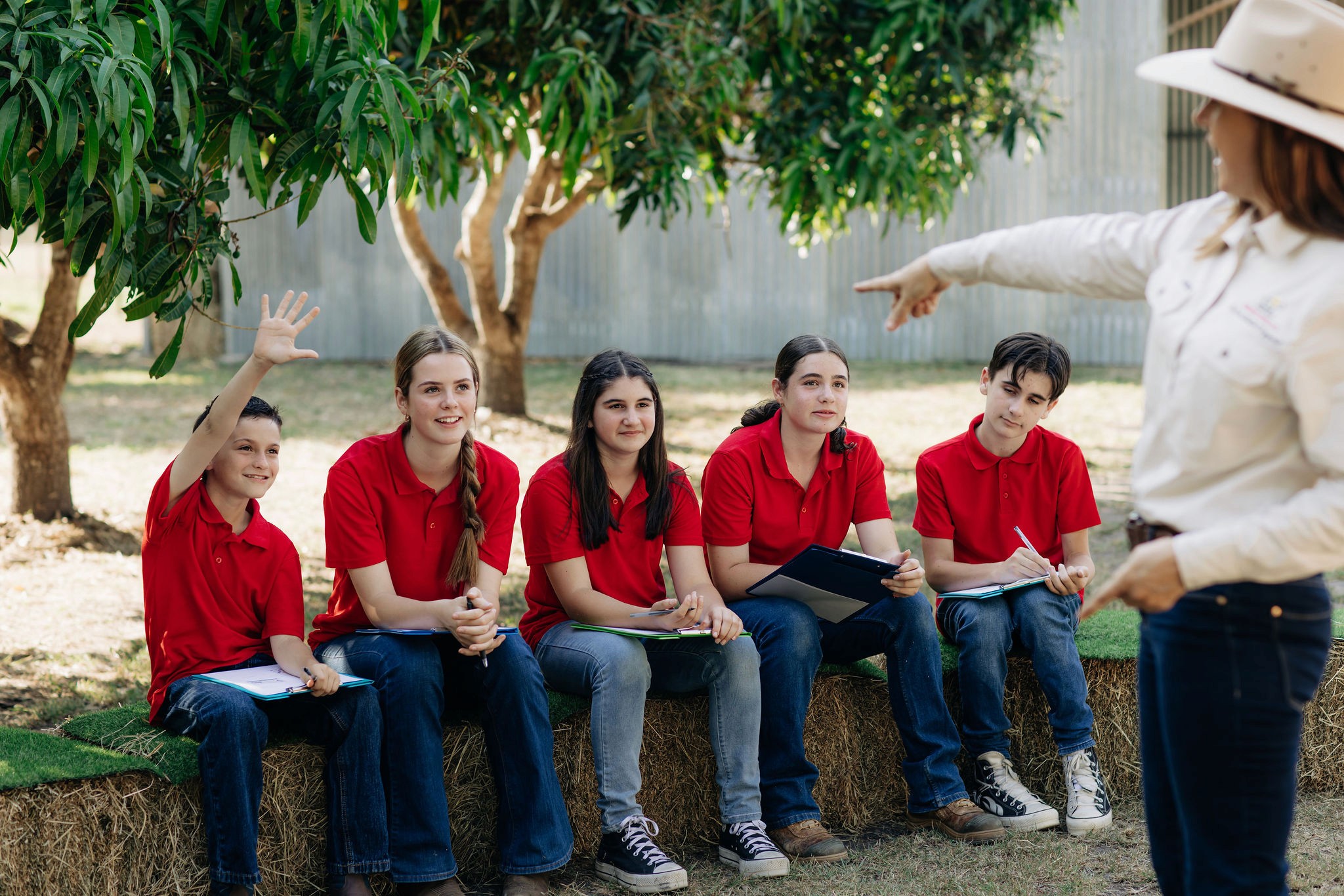
When a student is acting out or switching off, what most teachers are actually seeing is a learning environment that hasn't managed to hold them. That's not a criticism of teachers. It's an honest look at what traditional classroom conditions ask of children who learn differently, move more, or simply need a reason to care before they can concentrate.
Disconnected Students? How Time on the Farm Restores Curiosity and Love of Learning
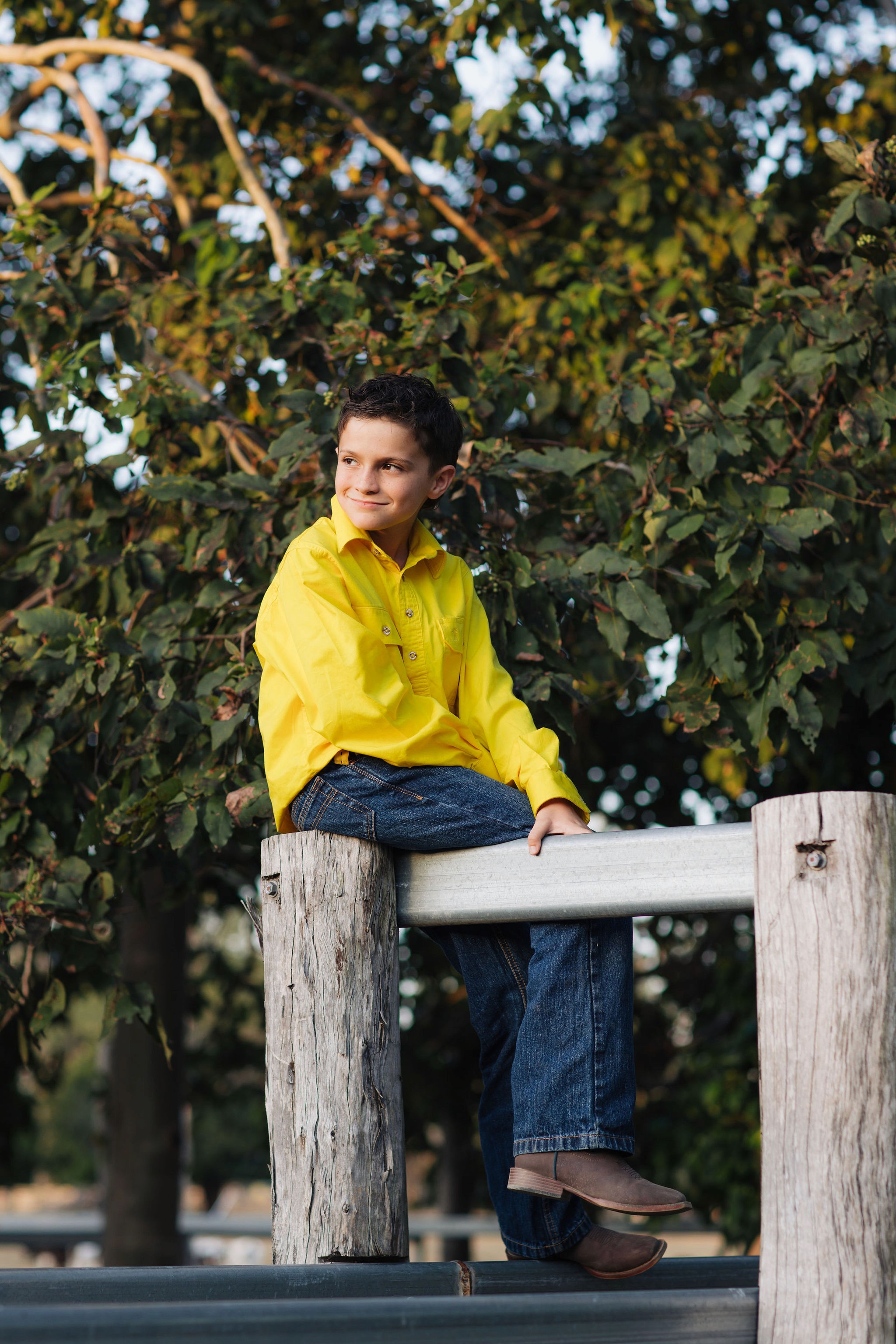
There's a particular kind of student that teachers recognise immediately. Not disruptive, not defiant, just absent. Present in the room, going through the motions, handing in work that says almost nothing about what they actually think or wonder.
Why Peer Collaboration on Farms Improves Social Skills and Classroom Dynamics
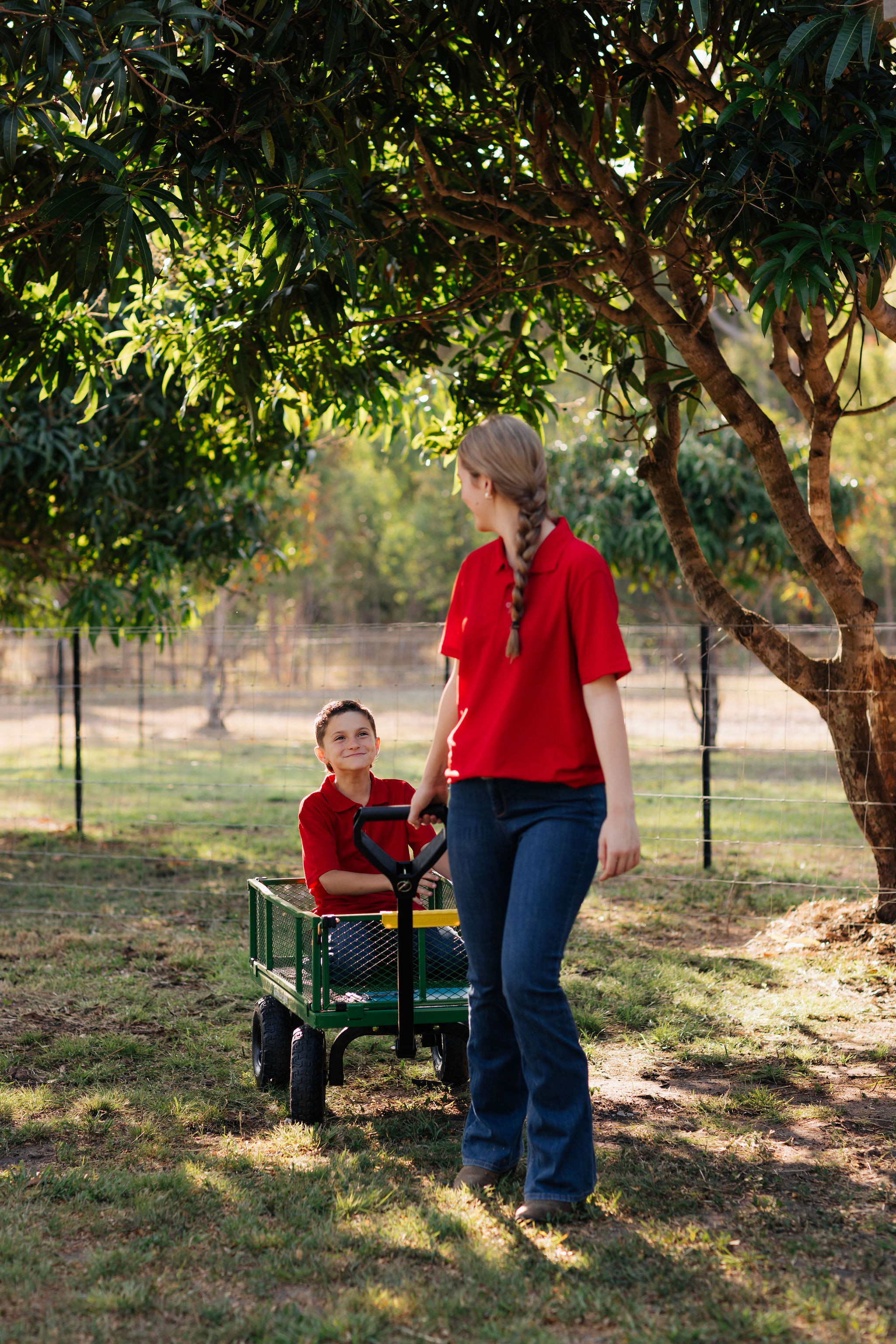
Group work in a classroom is one of the harder things to get right. Put four students together with a shared task and what you often get is one child doing everything, one watching, one disagreeing, and one somewhere else entirely. The social architecture of classroom collaboration is fragile, and most students know it.
The Classroom Disconnect: Why More Schools Are Choosing Farm-Based Education
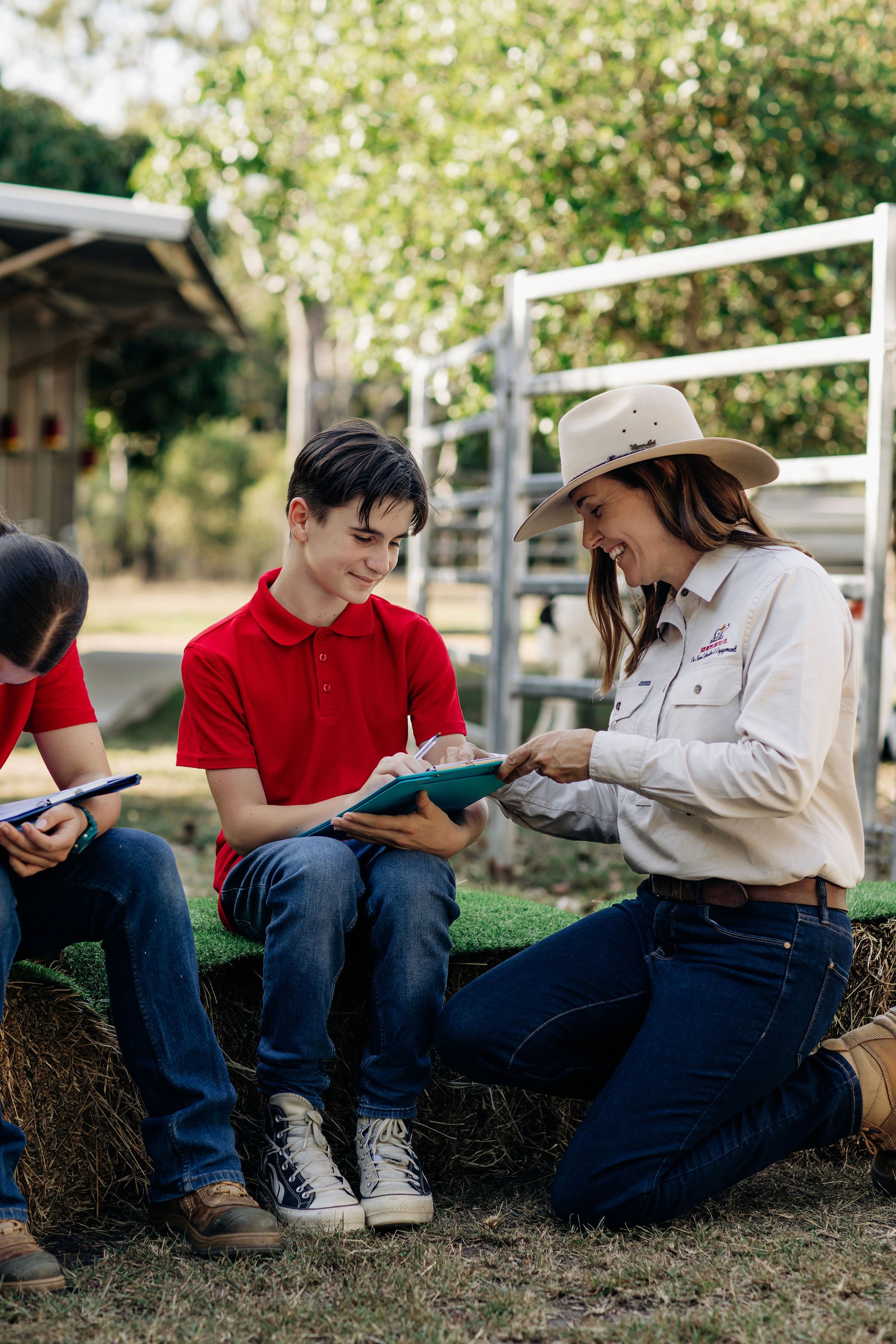
Something has been shifting quietly in Australian primary schools over the past decade. Not a revolution, not a curriculum overhaul, but a growing recognition among educators that learning confined to four walls is leaving too many students behind.
From Screens to Dirt: Helping Today's Kids Reconnect with Real-World Learning
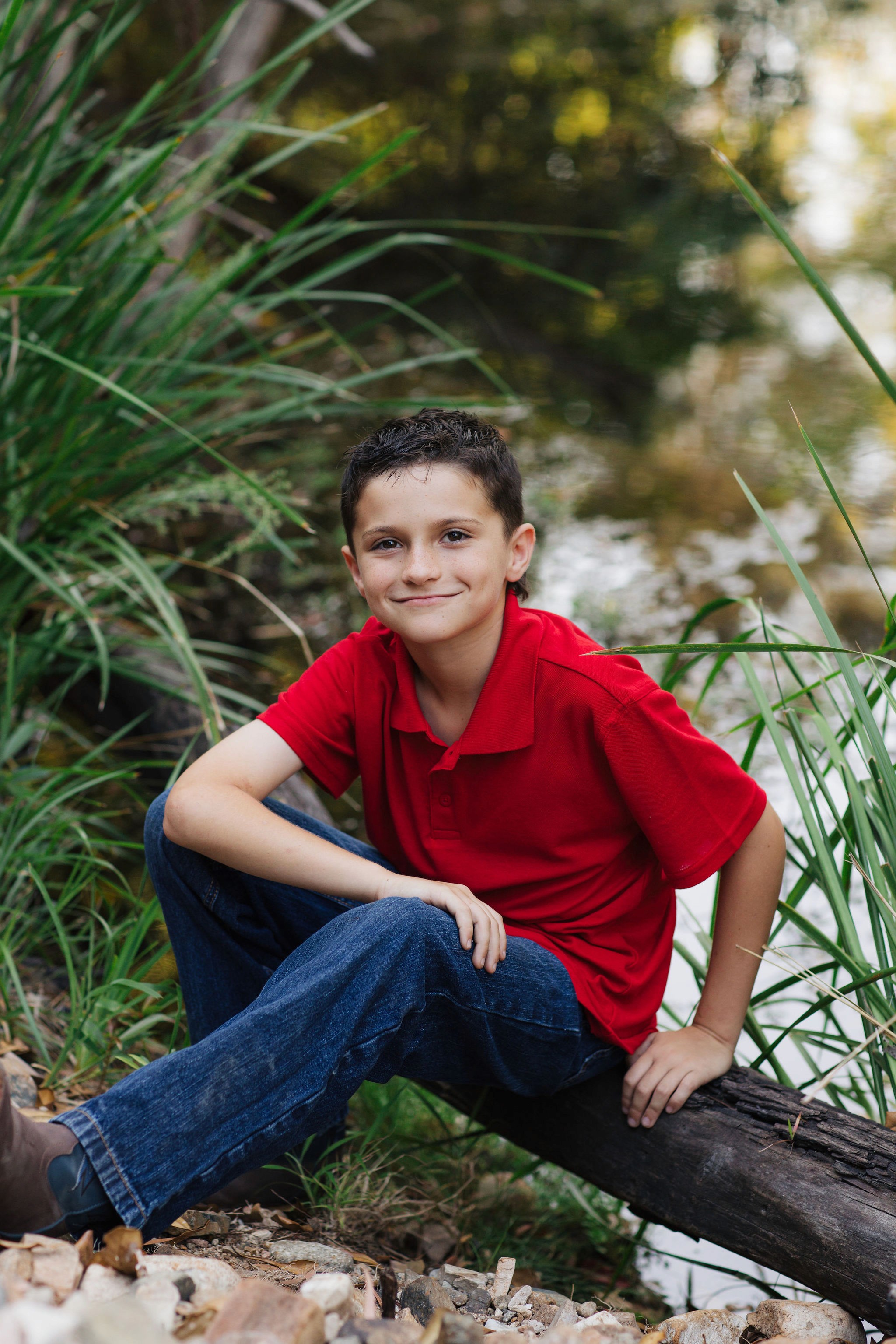
A child who has never held a soil sample, never watched an animal feed, never felt the particular discomfort of working in heat or mud, is missing something a screen cannot replace. Not because technology is the enemy of education, but because physical experience and digital experience are not equivalent, and some things can only be understood through the body.
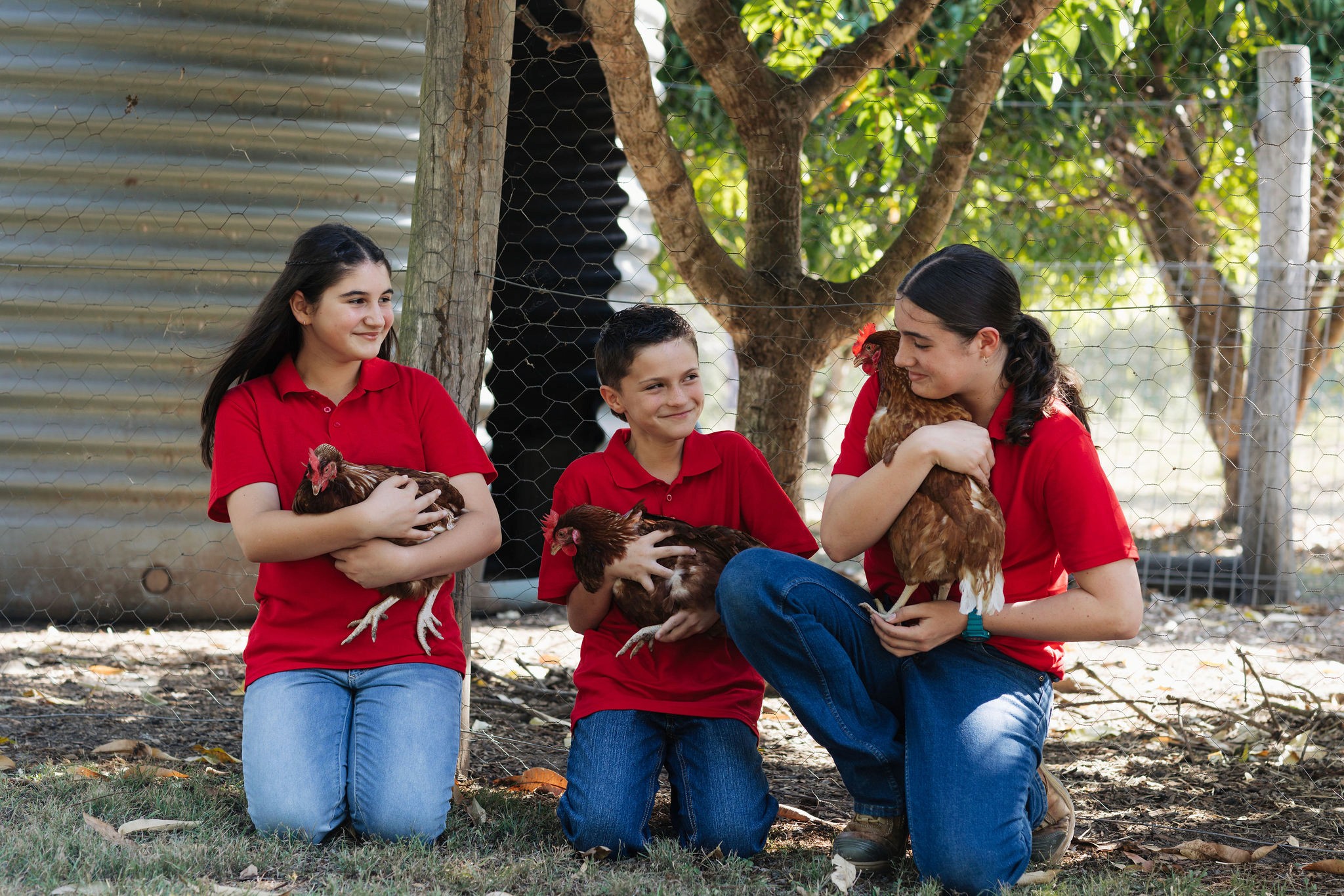
How Farm Experiences Build Relationships With Teachers, Peers, and Purpose
The quality of relationships inside a learning environment shapes almost everything else. How engaged students are, how willing they are to take risks, how much they trust the process enough to actually try. Schools understand this intuitively. What's harder to engineer is the conditions that allow those relationships to form genuinely, rather than simply by default.
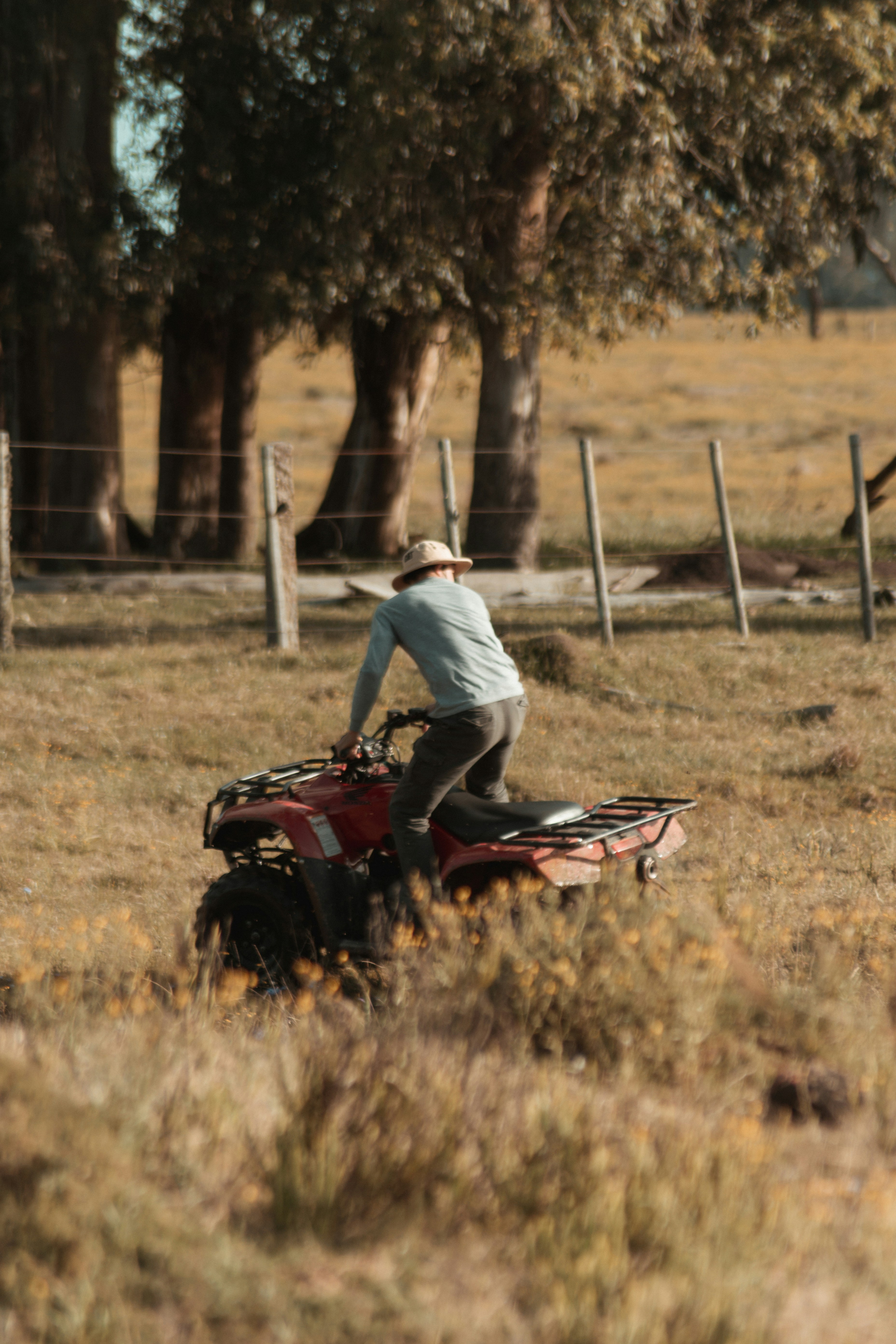
Jack, 20, Finding His Feet on a Cattle Farm
Jack didn’t grow up on a farm. He grew up in town, where cattle were something you passed on the highway and steak came wrapped in a container. School never quite clicked for him, but the first time he set foot on a cattle property as a teenager, something did.
Why Aussie Students Are More Stressed Than Ever, And How Farm Learning Can Help
If your child comes home from school depleted most days, you're not imagining it. The Sunday evening dread that sets in before Monday, the reluctance to talk about how their day went, the way they reach for a screen and seem to disappear into it. These are signs many Australian parents recognise and quietly worry about.
The Hidden Costs of Sitting All Day: Physical & Emotional Toll on Kids
Think about a child's average weekday. Six or more hours at school, most of it seated. Then home to homework, dinner, and screens. By the time a primary school-aged child reaches bedtime, many have spent the better part of ten hours sitting.
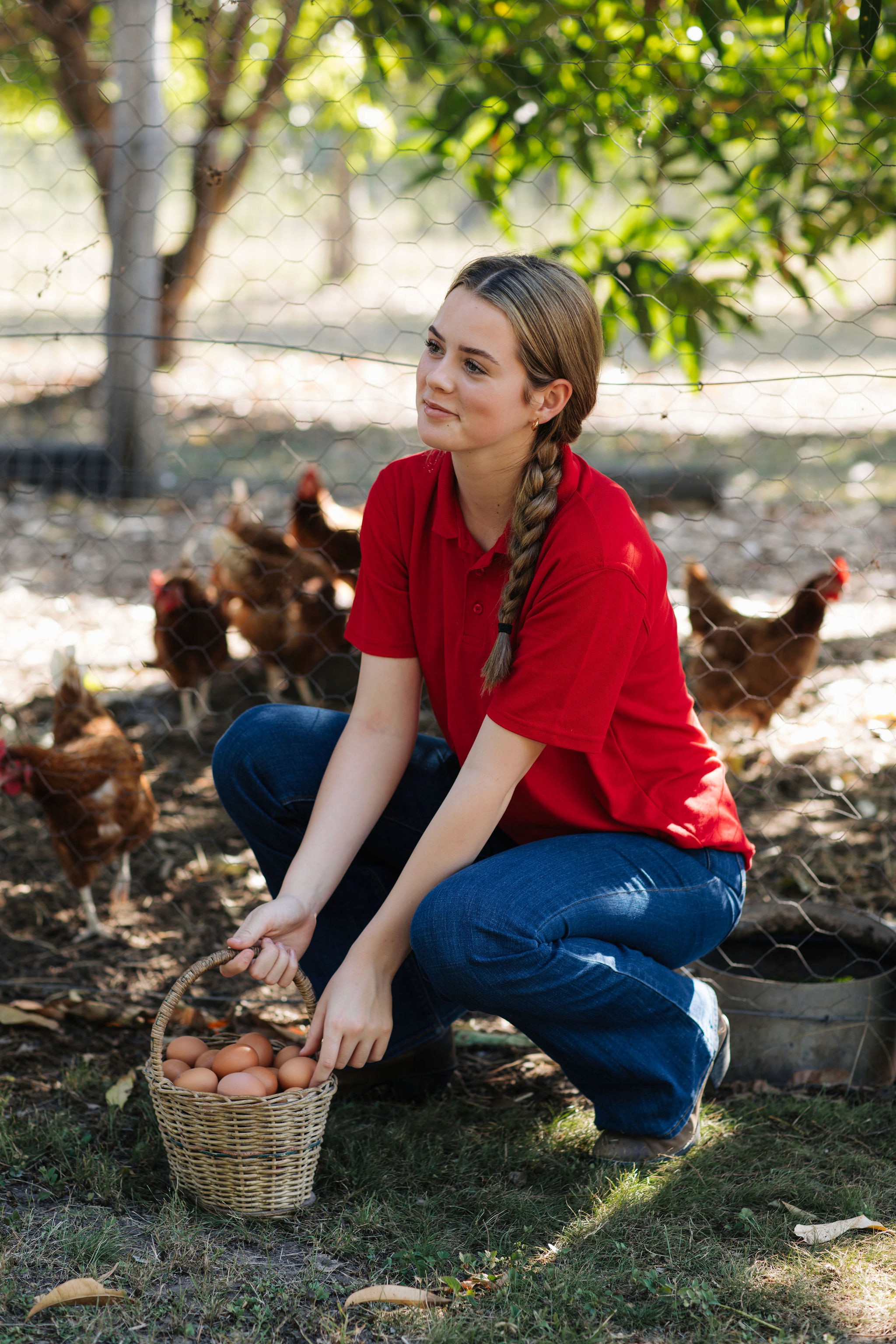
Does Your Child Need a Break? 7 Signs Outdoor Learning Might Be the Answer
Parents often notice before anyone else when something isn't quite right. Not a crisis, not a diagnosis. Just a quiet shift in their child's energy, enthusiasm, or behaviour that's hard to name but impossible to ignore.
Learning Loss After COVID: Outdoor Ed as a Recovery Strategy
The conversation about COVID learning loss tends to centre on academics. Gaps in literacy. Numeracy setbacks. Students arriving in upper primary with foundational skills well below where they should be. These concerns are real, and schools are still working through them.
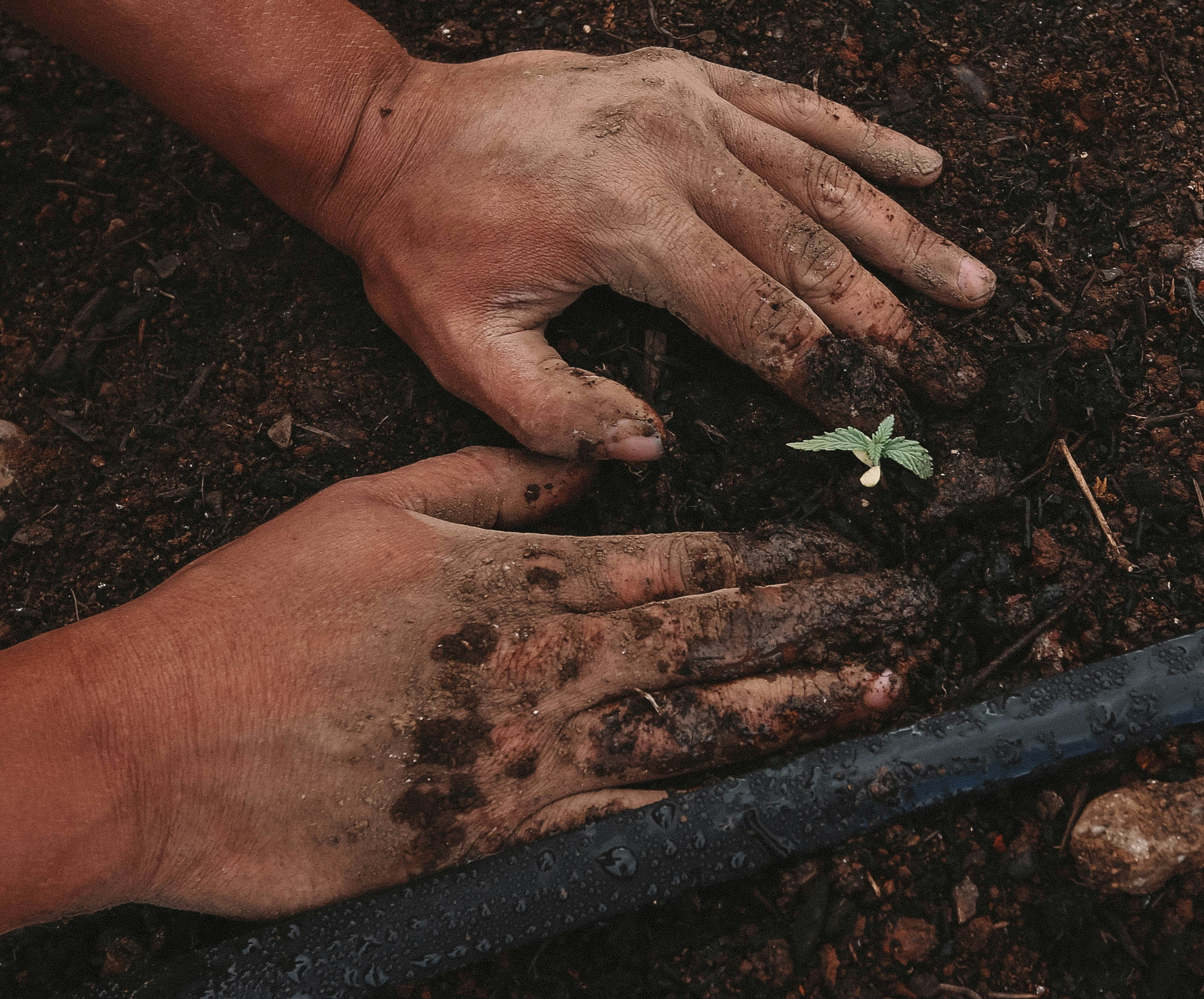
Tom and Lucy, Learning Side by Side on the Land
Tom and Lucy didn’t grow up imagining they’d be working cattle together. They met in their mid-twenties, both new to the district, both trying to find their feet. Tom had done some station work after school and liked the outdoors. Lucy came from the city, where farming was something you drove past on the highway, not something you stepped into.
When Classrooms Fail to Engage: How Farms Reignite Passion for Learning
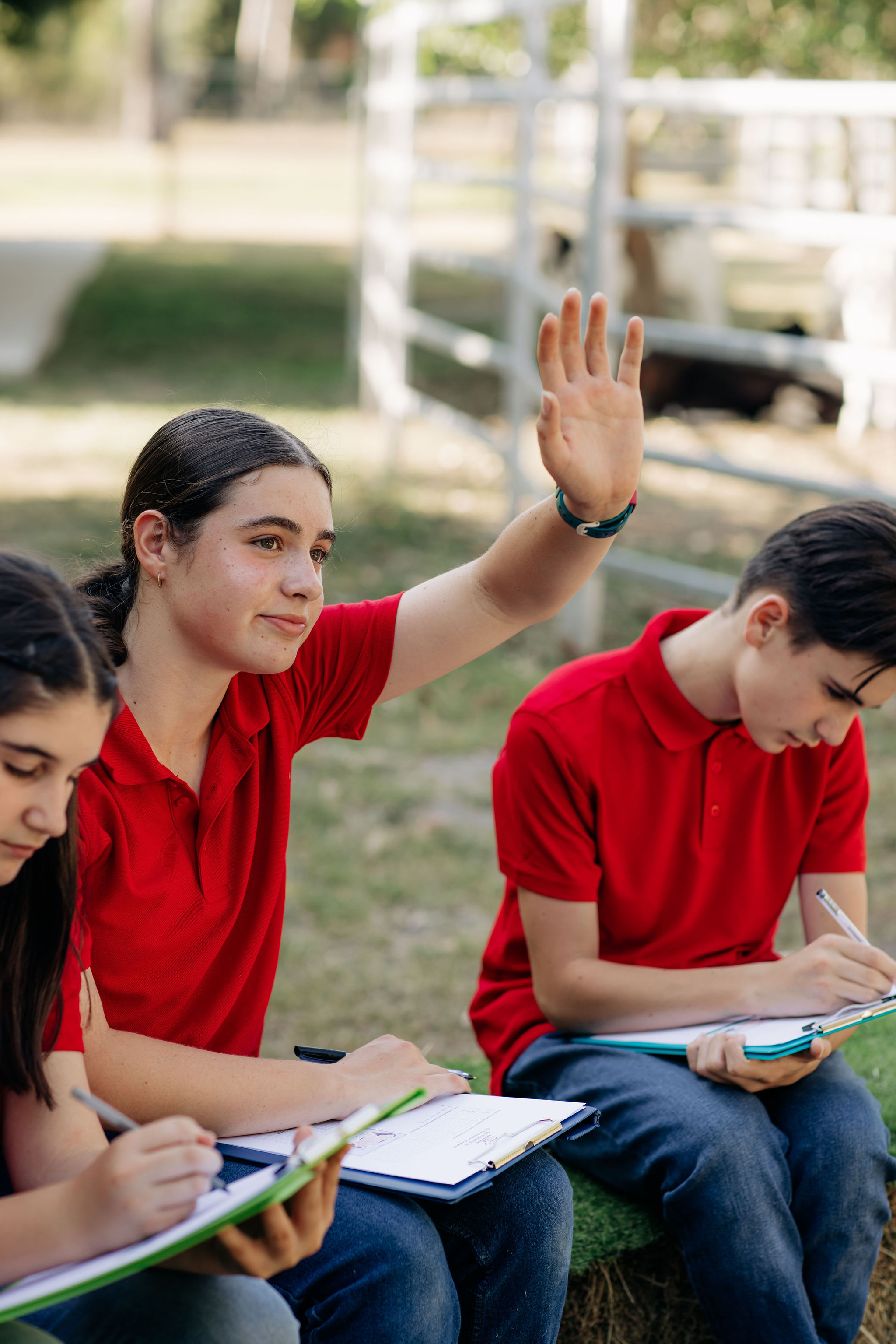
The disengaged student isn't always the difficult one. Sometimes they're the quiet one, sitting compliantly, doing just enough to get through, and leaving at the end of the day having genuinely absorbed very little. Teachers recognise the pattern. Parents sense it at home. And the usual responses, adjusted tasks, modified activities, additional support layers, rarely address what's actually going on.
How Animal Welfare Conversations Build Ethical Reasoning in Students
Ethical reasoning rarely develops from abstract instruction. Telling a student that animals deserve care and respect lands differently than standing in a cattle yard and asking: how do we know if this animal is comfortable? What does distress look like? What's our responsibility here?
How to Debrief a Farm Visit So the Learning Actually Sticks
The farm does a significant amount of work on the day. Students are engaged, asking questions, making observations, and building connections that felt impossible inside a classroom. What happens in the days after the visit largely determines whether that learning consolidates or fades.
What a Working Dog Demonstrates About Training, Trust, and Communication
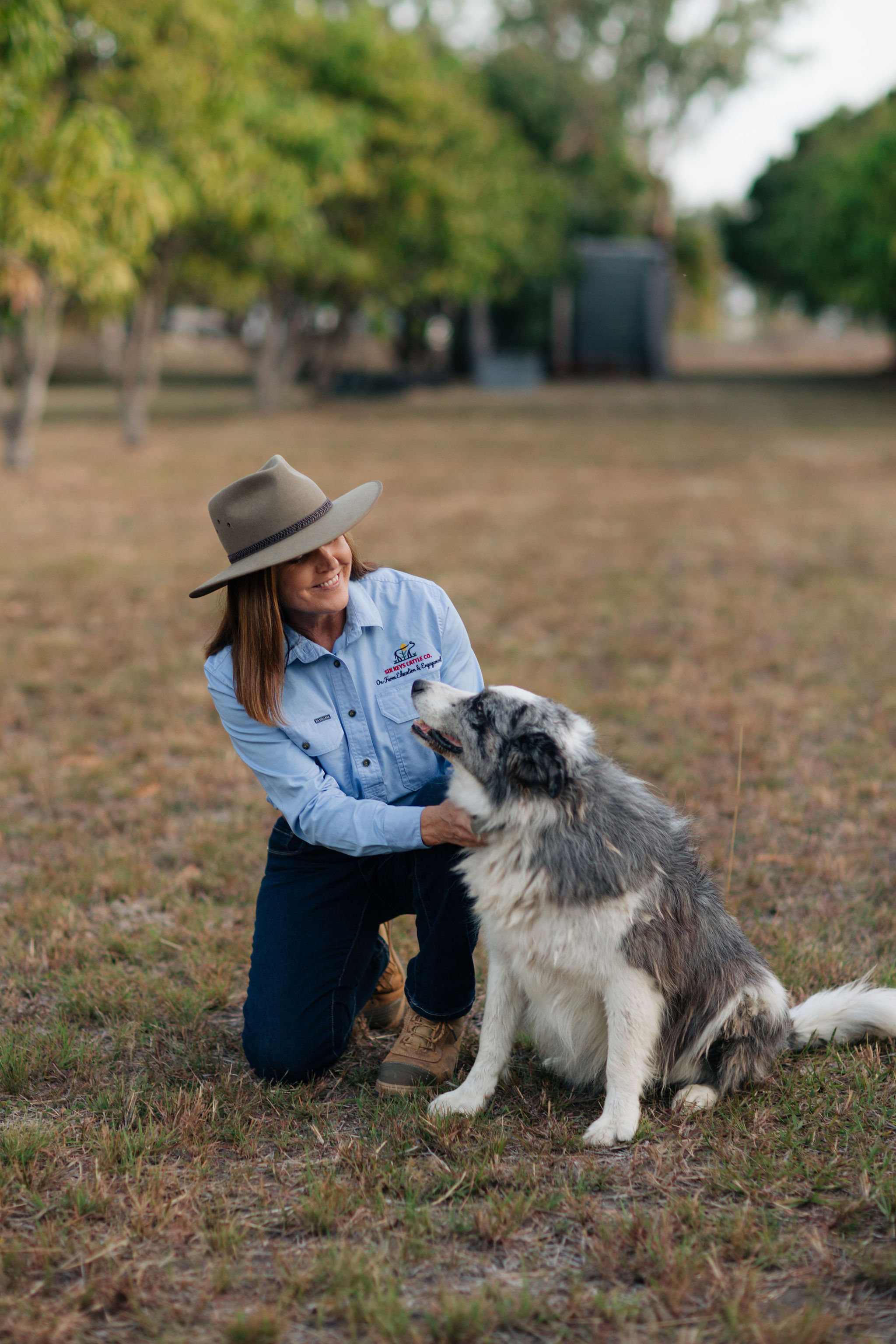
Few things capture student attention on a farm as quickly as a working dog doing its job. There's something almost hypnotic about watching a well-trained dog move cattle, respond to commands, and make decisions that clearly demonstrate more than simple obedience.
Why Hands-On Learning Outcomes Hold Up Better Under Assessment Than Passive Ones
Assessment has a way of revealing what students actually know, as opposed to what they appeared to know at the time. Teachers are familiar with the gap. A class that performed well during a lesson can produce written work that suggests the concepts barely landed. The understanding was there in the moment. It just didn't hold.

Emily, 22, Finding Her Voice on the Land
Emily never planned on working with cattle. She grew up in a regional town, loved animals, but was quietly told that farming was “hard yakka” and “not really for girls.” She believed it too until a school visit to a cattle property changed her mind.
The "Regulated Nervous System" Lesson: How Nature Calms Kids Without a Worksheet
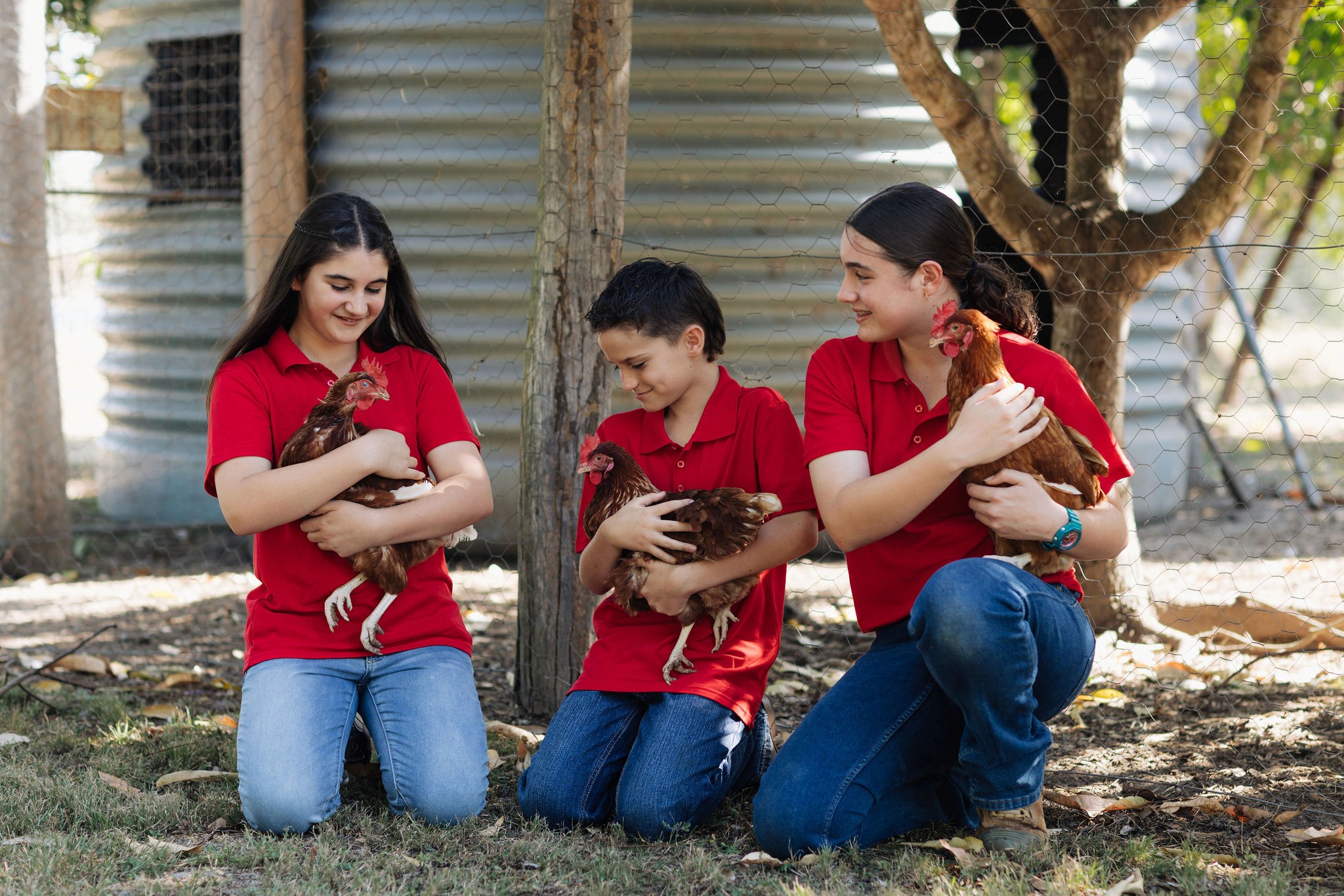
The term "regulated nervous system" has moved from therapy rooms into school conversations, and not without reason. Teachers are increasingly familiar with what dysregulation looks like in a classroom: the student who can't settle, who escalates quickly over small things, who shuts down completely when the day becomes too much. The vocabulary might be new. The reality isn't.
Why Movement Improves Memory: What Farm Tasks Teach the Brain
Ask most students what learning looks like and they'll describe a desk. A teacher at the front. Sitting still and paying attention. That image is so deeply embedded in how school works that movement can feel like its opposite: a distraction, a break, something to manage rather than use.
The Confidence Loop: Small Farm Responsibilities That Change Student Behaviour
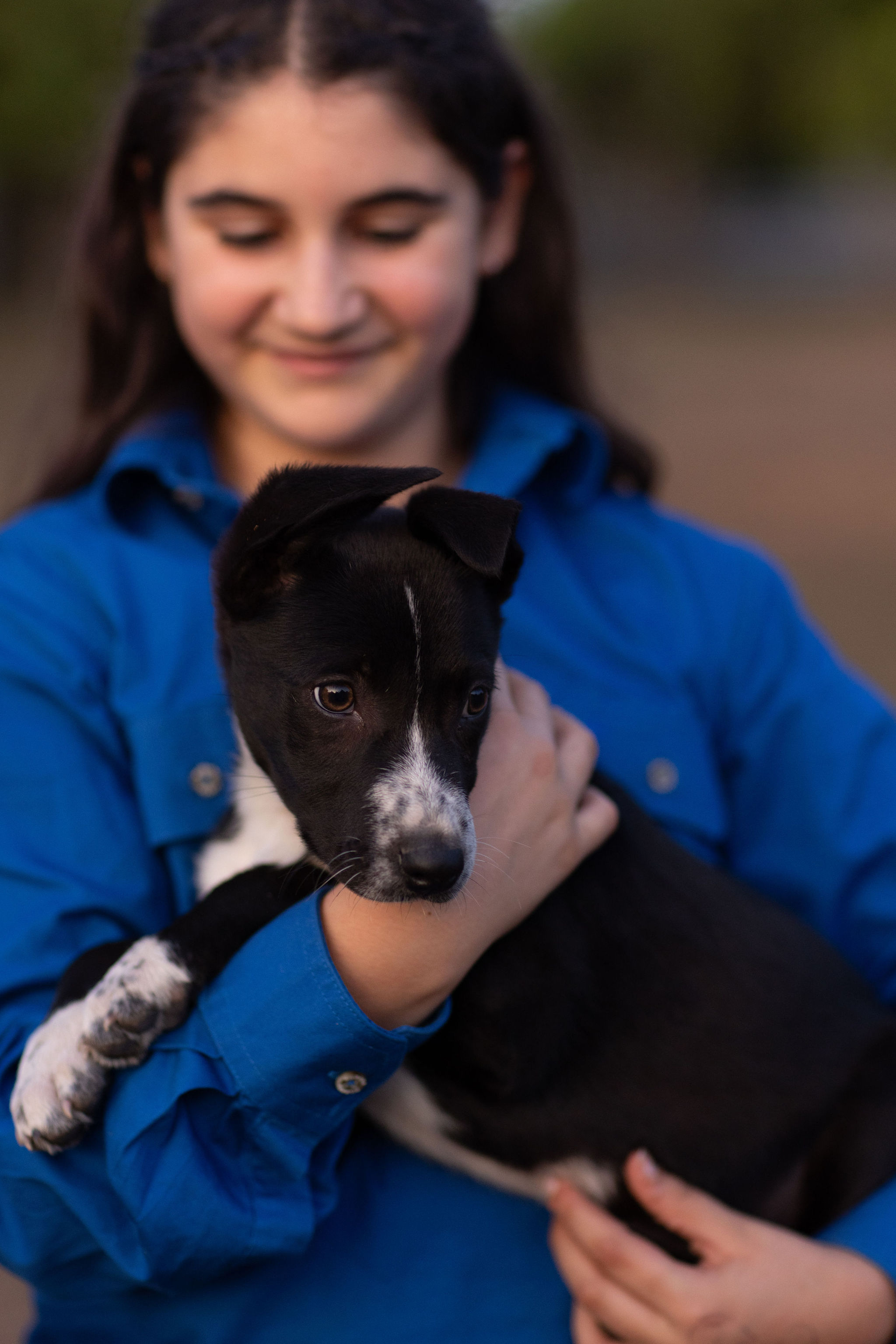
Confidence is often described as something a student either has or doesn't, as though it arrived with them and will eventually sort itself out. The reality is more specific, and far more actionable than that.
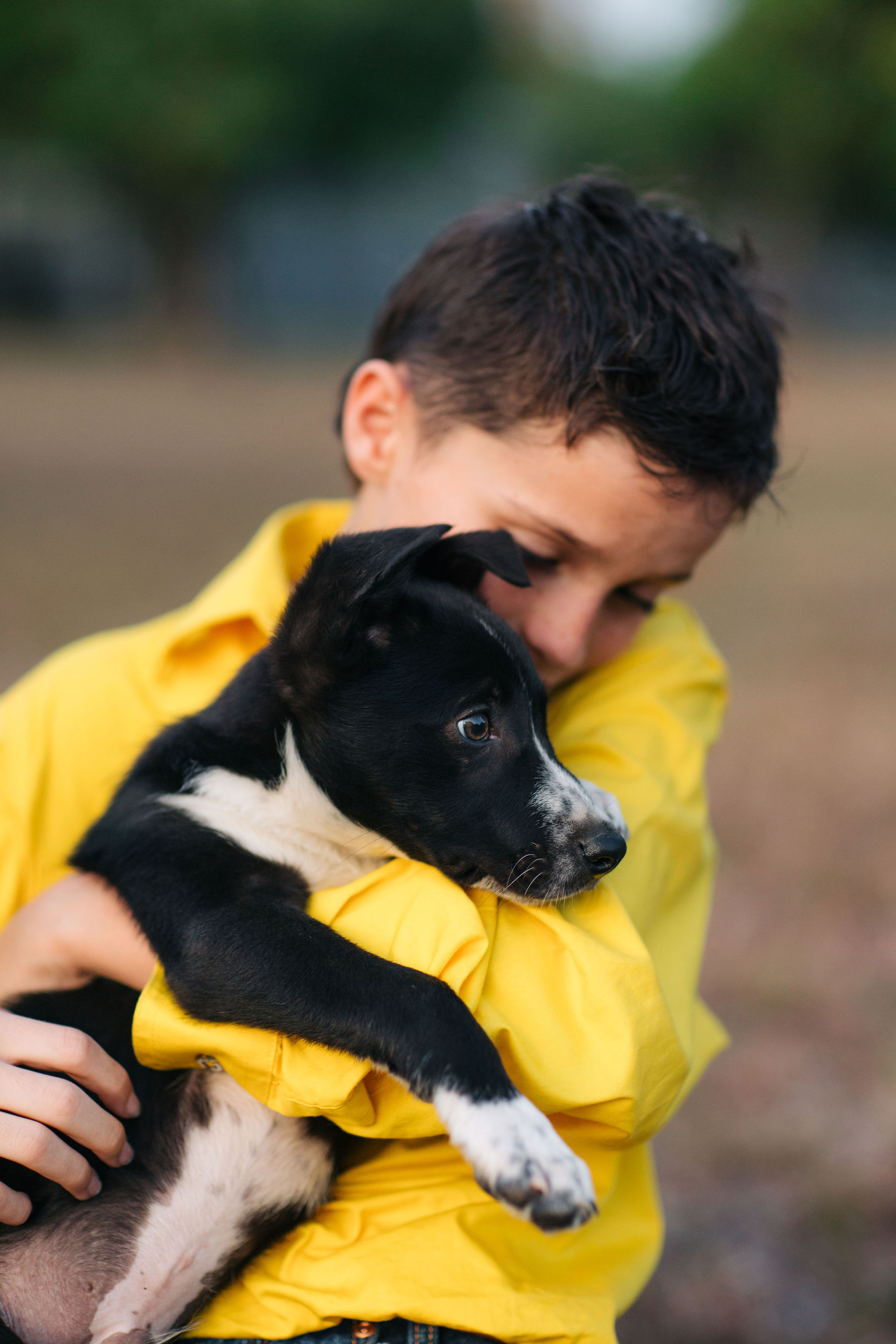
From Hypervigilance to Curiosity: Helping Anxious Students Re-enter Learning Outdoors
An anxious student in a classroom isn't simply struggling with school. Their nervous system is actively doing a different job to the one learning requires.
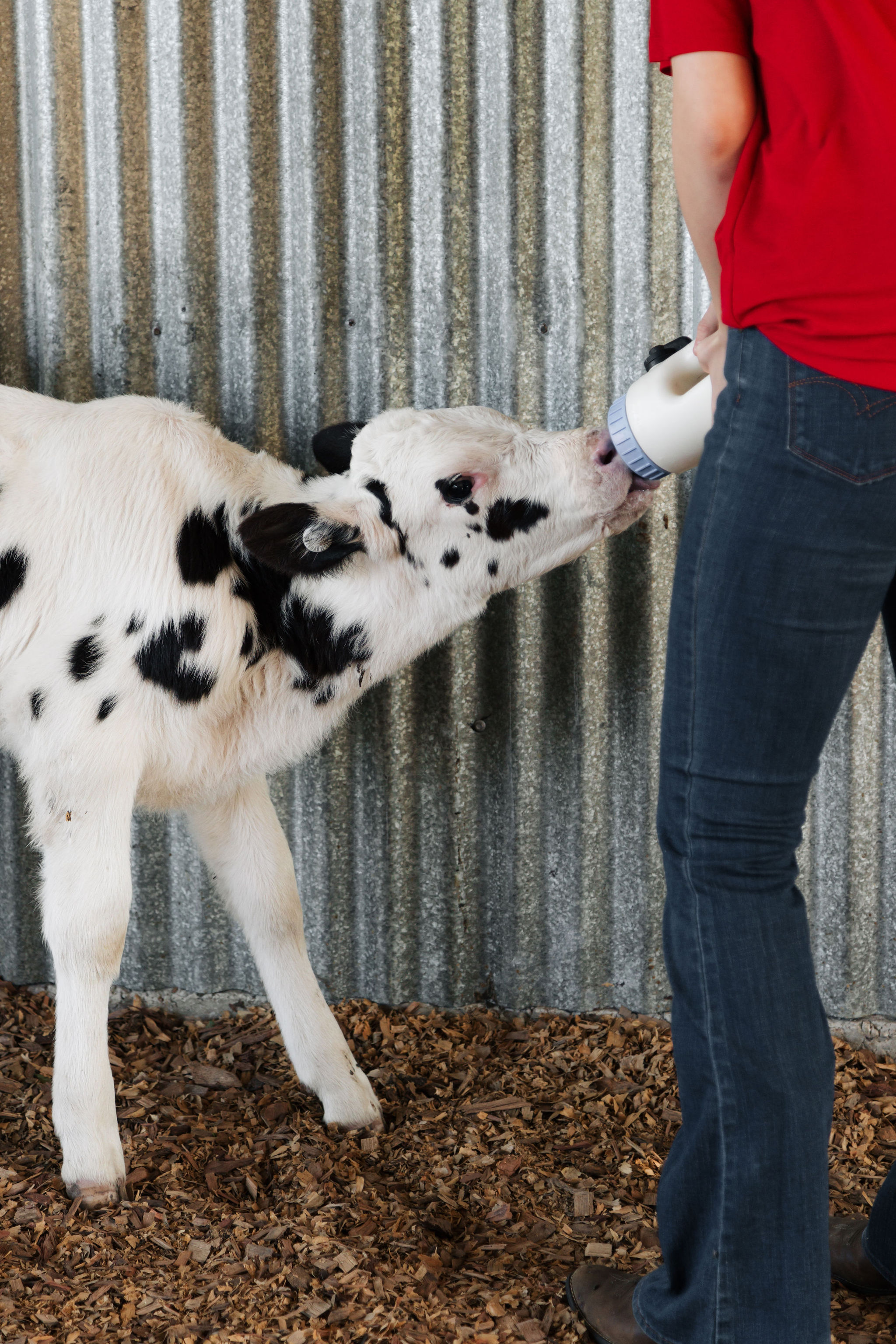
How Farm Routines Teach Executive Function (Planning, Sequencing, Follow-Through)
Executive function is the quiet architecture behind learning. Planning what to do before doing it. Holding steps in sequence while working through a process. Noticing when something isn't working and adjusting. Following through even when a task becomes complicated or tedious. These are the cognitive skills that determine how effectively a student manages schoolwork, and for many children, they are the real barrier, not intelligence, not effort, but the underlying capacity to organise and sustain.
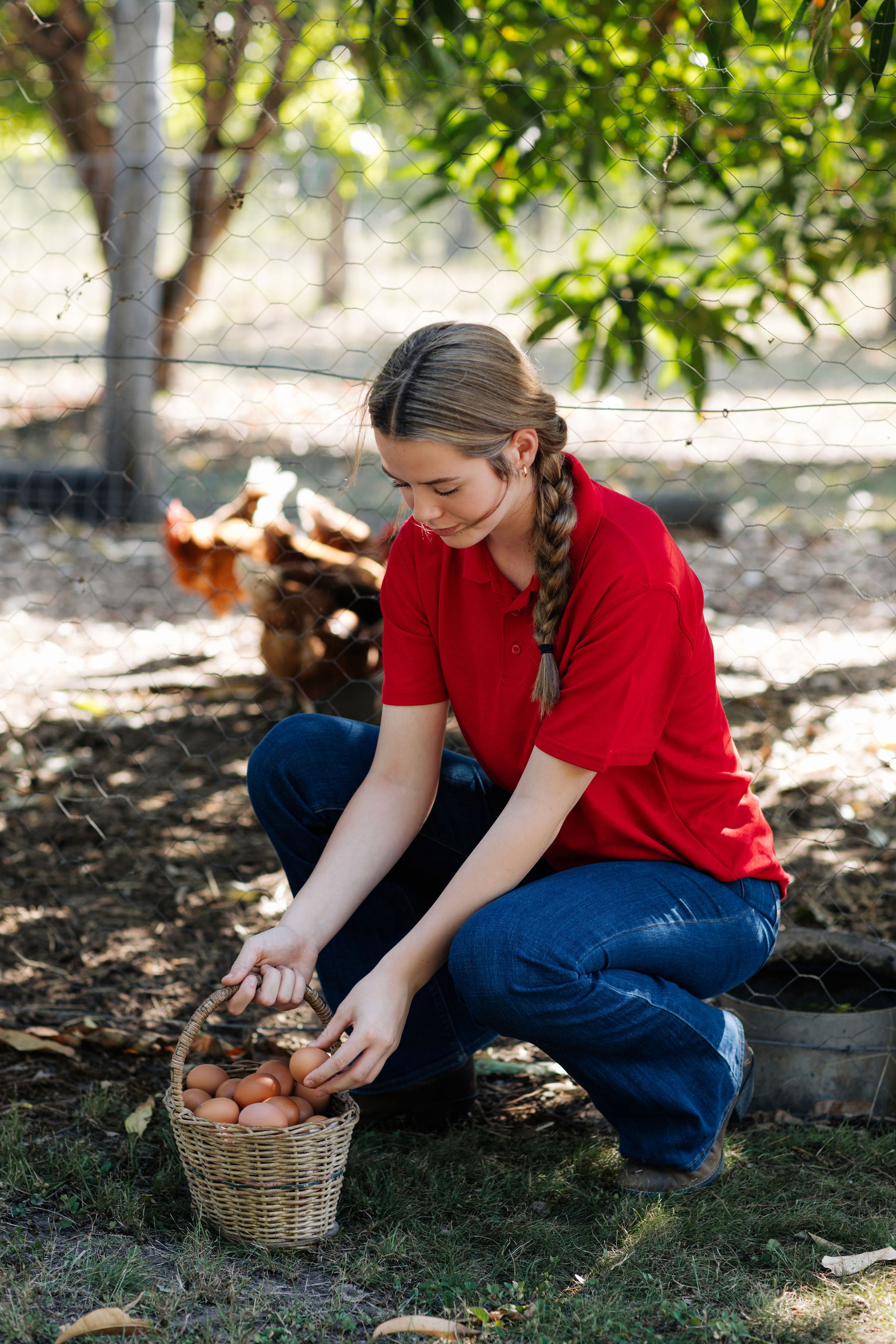
What "Productive Struggle" Looks Like on a Farm (And Why It Builds Resilience)
Productive struggle has a specific meaning in education, and it's worth distinguishing from its counterfeits. It doesn't mean confusion. It doesn't mean tasks pitched at an unachievable level. It means difficulty that is just within reach, challenge that requires genuine effort and persistence but that yields, eventually, to someone who stays with it.
The Social Skills Hidden in Shared Farm Jobs: Turn-Taking, Negotiation, Leadership
Social skills taught in classrooms often carry a rehearsed quality that both teachers and students can feel. Turn-taking becomes a rule to observe rather than an understanding to develop. Negotiation gets practised through scenarios disconnected from anything that genuinely matters. Leadership is assigned before anyone has demonstrated they can actually lead. The skills get covered, but in a context thin enough that the learning rarely travels far beyond the lesson.
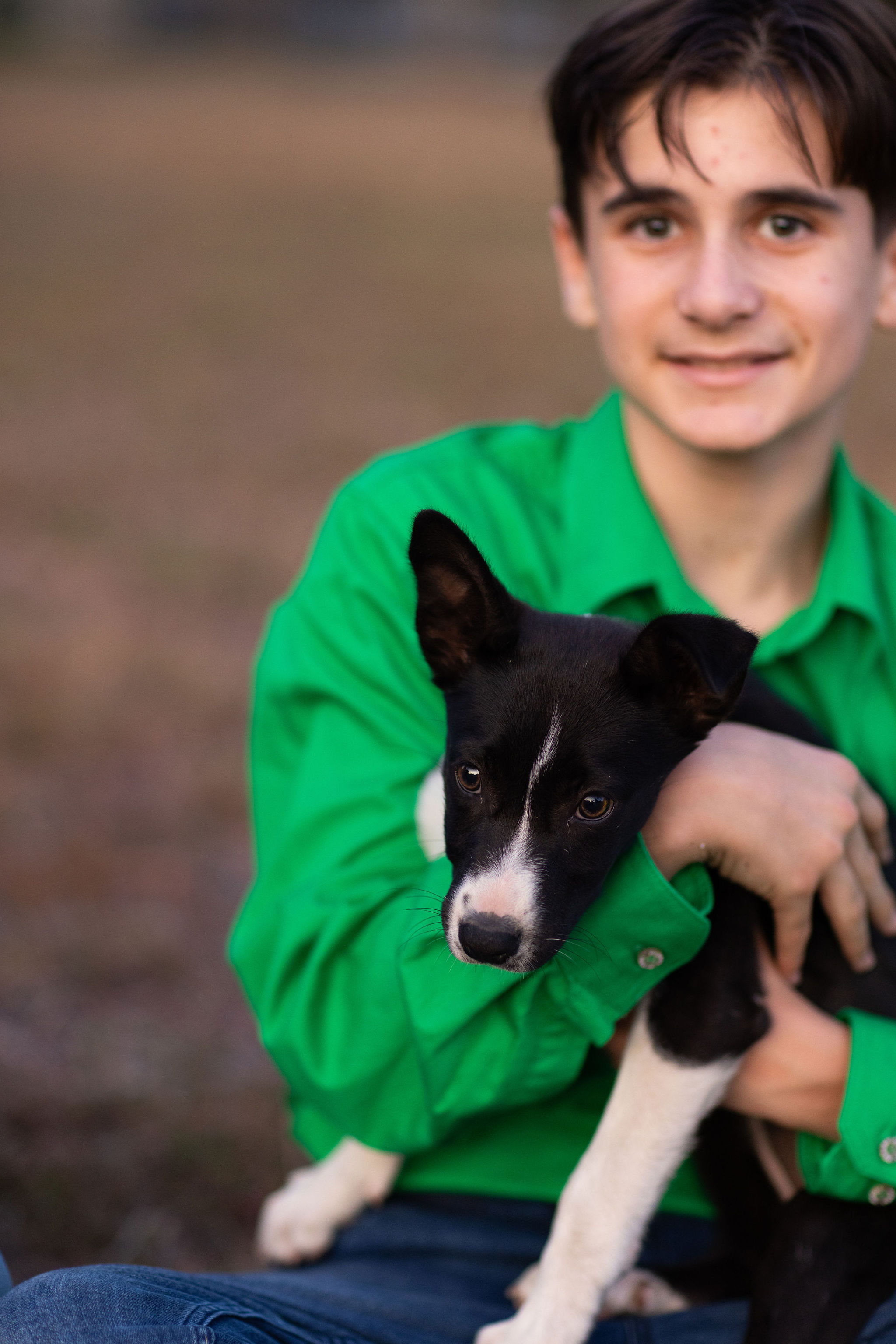
Sensory-Friendly Outdoor Learning: Supporting Students With Sensory Needs on Farm Visits
The assumption, when schools first consider farm visits for students with sensory processing differences, often runs in one direction. A working cattle property means smell, noise, unpredictable animals, unfamiliar textures, and open space without clear boundaries. The instinct can be to err toward caution, to wonder whether a farm might overwhelm rather than support.
Risk vs Safety: How On-Farm Learning Teaches Better Decision-Making, Not Recklessness
The concern that surfaces most predictably when schools consider farm visits is safety. And it's not an unreasonable one. A working cattle property involves large animals, machinery, varied terrain, and conditions that change without notice. These are real considerations that deserve careful planning.
Why Some Students Only Feel Competent Outdoors (And How Teachers Can Respond)
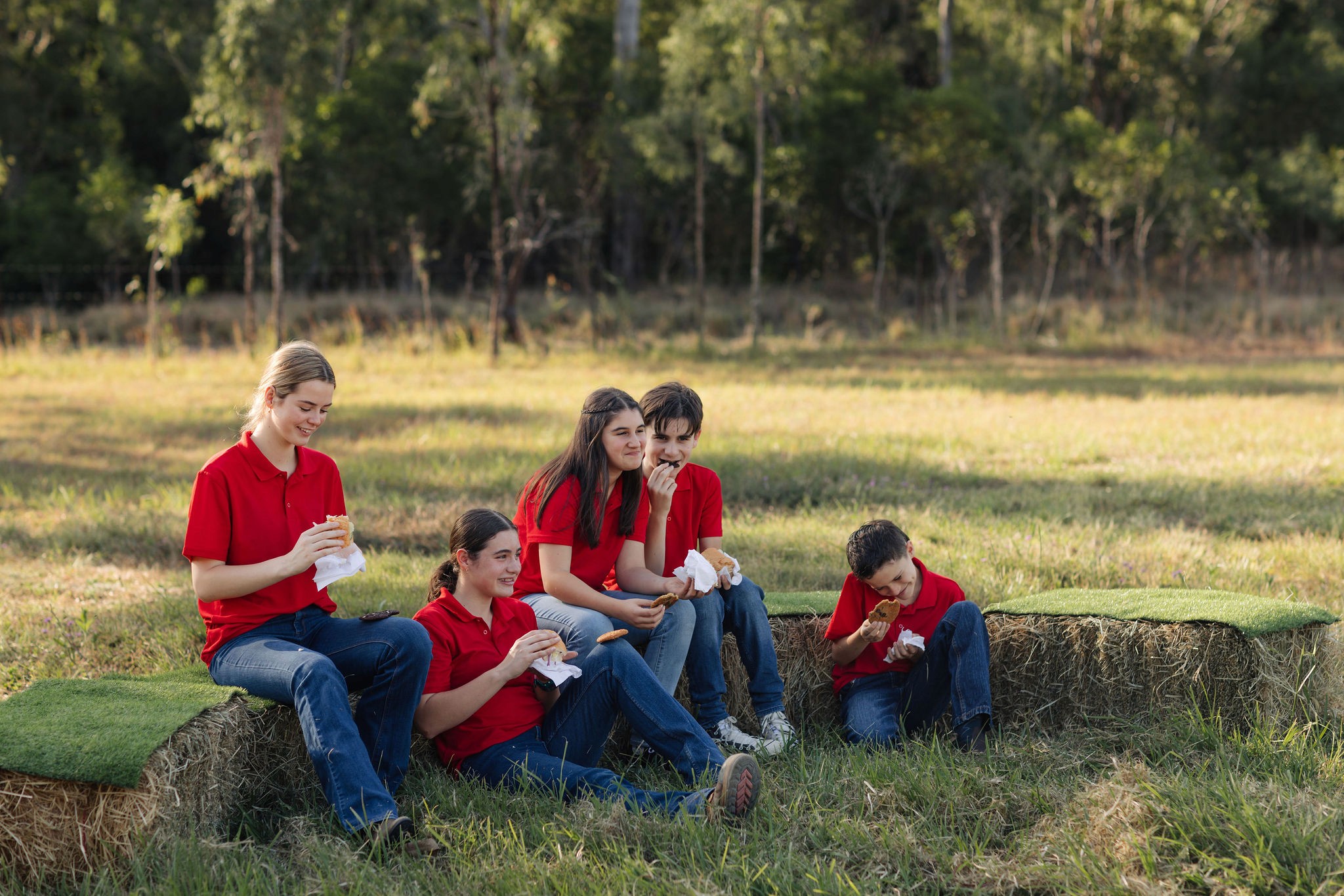
There's a moment that happens on farm visits with a frequency that experienced teachers begin to anticipate. A student who is guarded and withdrawn in most learning situations will step forward outdoors and demonstrate something that surprises everyone in the group, including themselves. They read the cattle correctly when others hesitated. They understood how the system worked while the explanation was still in progress. They moved through the environment with a confidence that nobody who only knew them from a desk would have predicted.
The Classroom-to-Farm Transfer: Turning Farm Moments Into Writing, Maths, and Science Work
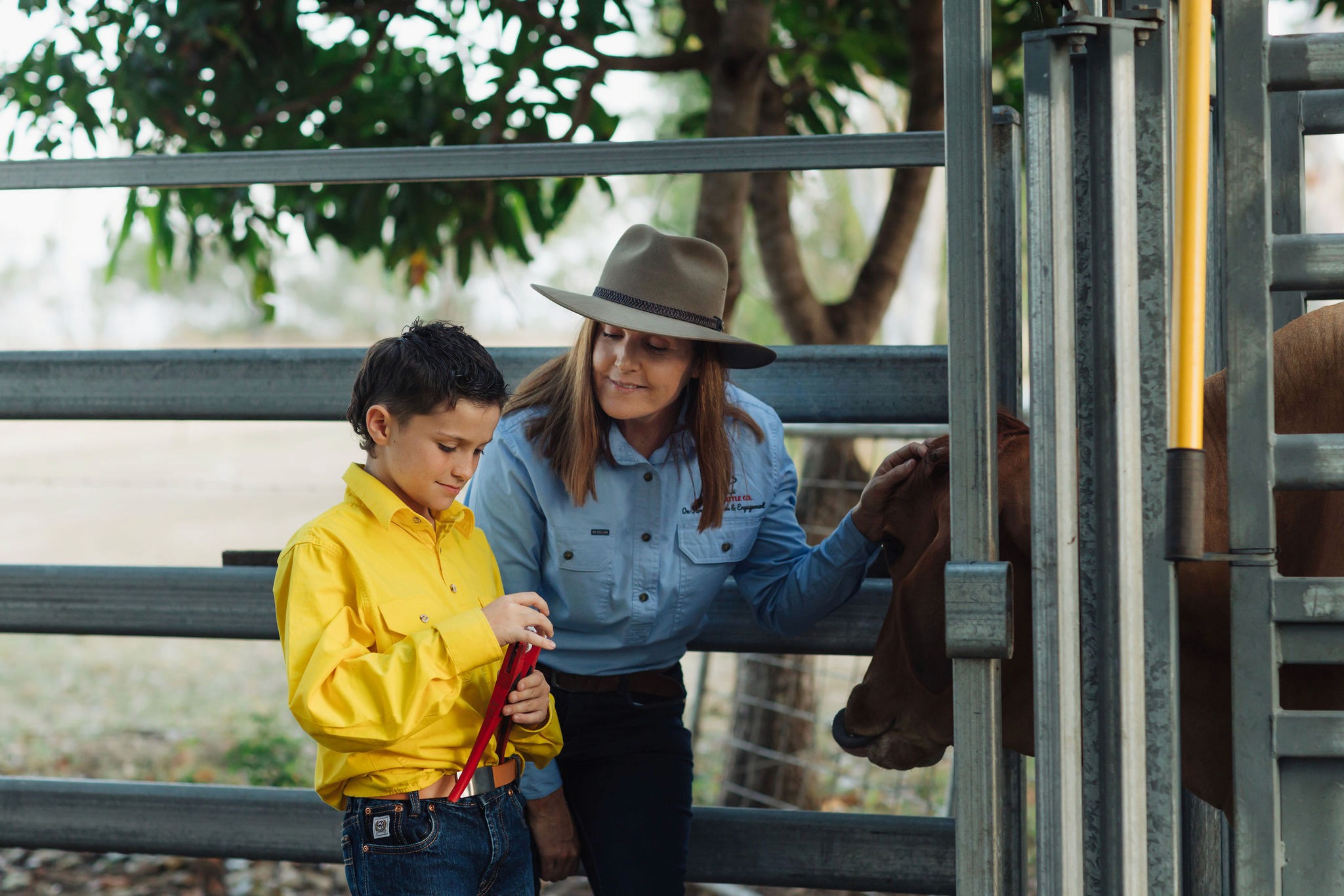
Ask a primary student to write a descriptive paragraph about an animal they've never been near and you'll often get something thin and borrowed. Generic words assembled into acceptable sentences. The technical requirements of the task get met, but nothing in the writing suggests the person who produced it had any particular relationship with the subject.
A Teacher's Pre-Visit Checklist: How to Set Expectations Without Killing Excitement
The most prepared class doesn't always have the best day on the farm. Sometimes it's the group that arrives genuinely unsure of what they're about to encounter that leaves with the most lasting impressions. The difference usually comes down to what the teacher did in the week beforehand, and just as importantly, what they chose not to do.
Debrief Questions That Work: Getting More Than "It Was Fun" After a Farm Day
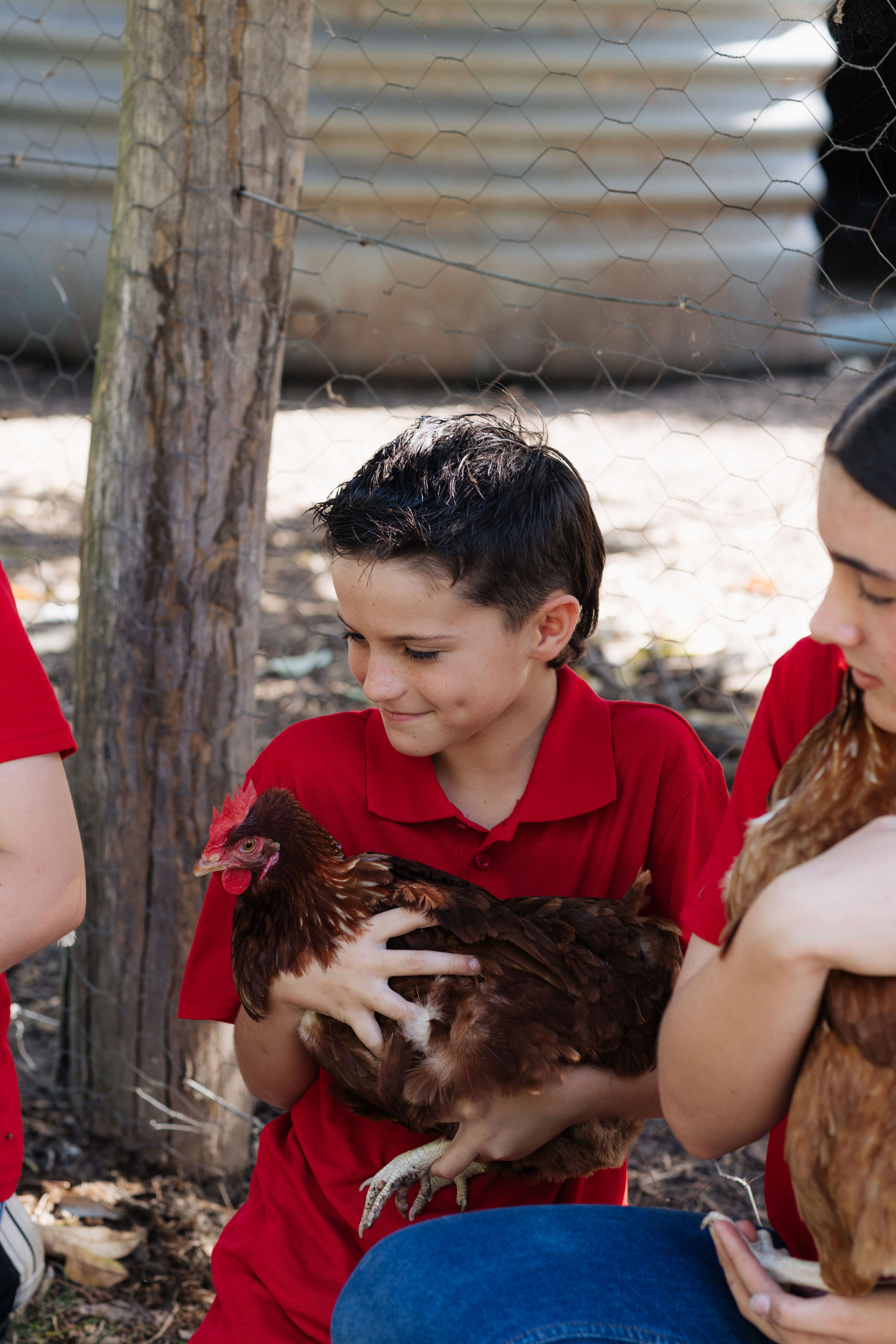
"It was fun" is a social response, not a learning one. It's what students say when the question hasn't given them anywhere better to go. The familiar post-excursion circle, where a teacher asks what everyone thought and gets a sequence of affirmative one-liners back, is a ritual of closure rather than a genuine learning activity. Nobody is being asked to think. They're being asked to perform appreciation. The question was too open, too comfortable, and too easy to answer without accessing anything that actually happened.
How to Handle "That's Gross" Reactions: Teaching Respect for Animals and Real Work
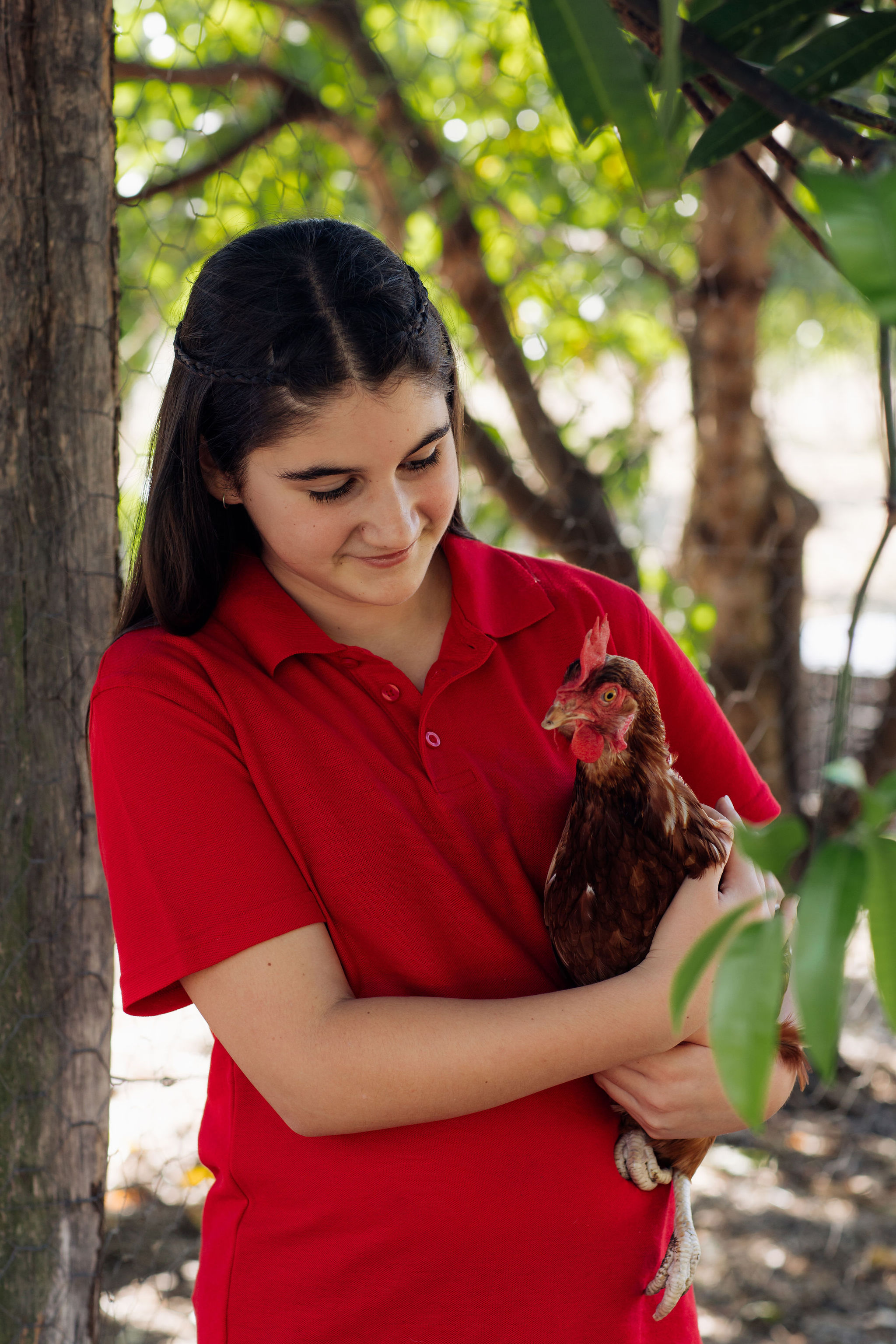
The "that's gross" reaction is almost universal on farm visits. The first time a student encounters something biological, unexpected, and entirely uncurated, a calf at close range, manure on a boot, the practical reality of how animals are fed or examined, the recoil is genuine, sometimes loud, and almost always followed by a ripple of peer reinforcement.
The Quiet Student Breakthrough: Why Farms Create Safer Space for Participation
Every teacher knows this student. Quietly present, observant, clearly thinking. But when a discussion opens up, they go still. Not because they have nothing to say, but because the social cost of saying it in a room where thirty peers are watching feels too high.
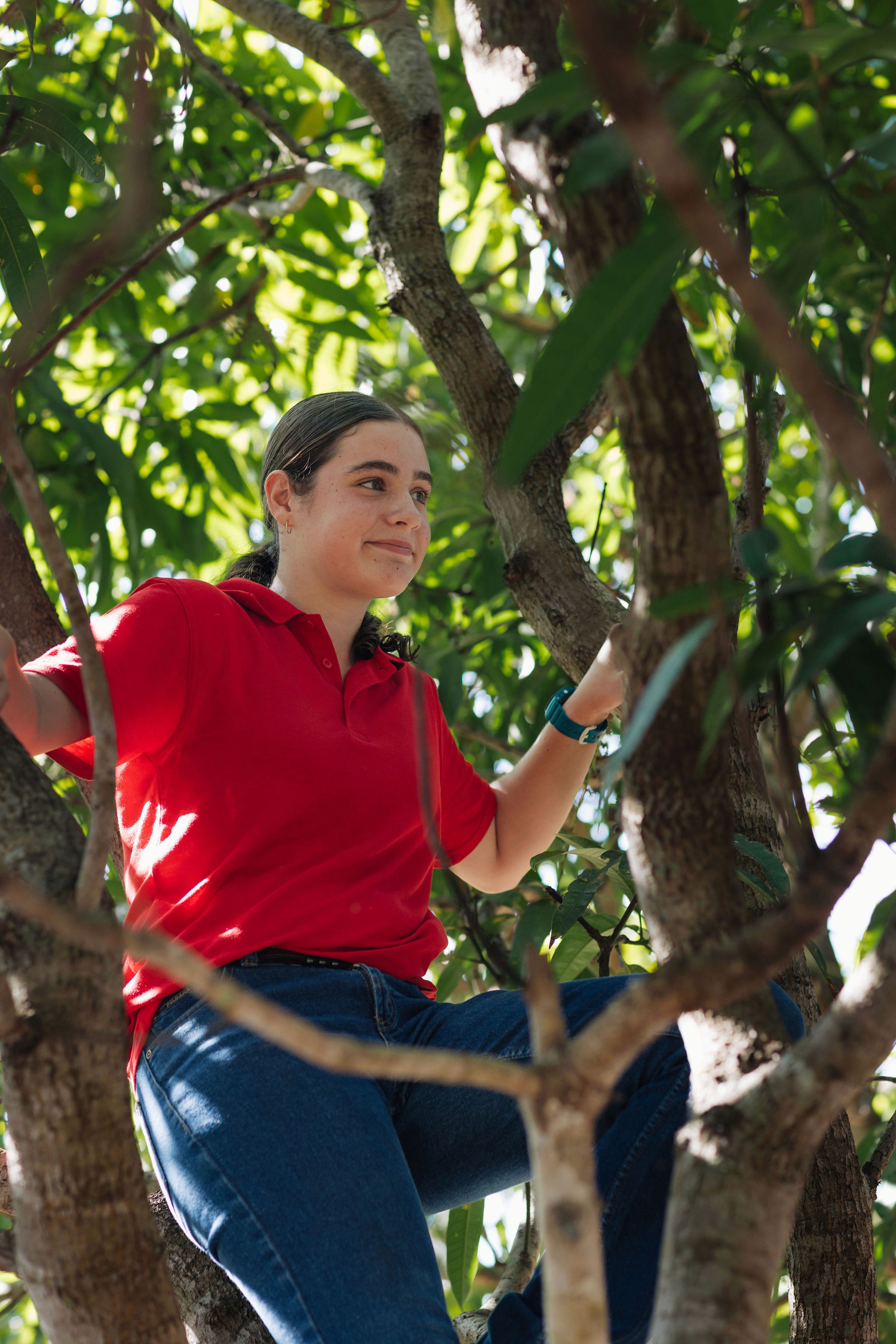
Behaviour Plans That Include Nature: Using Outdoor Learning as a Support Strategy
Behaviour support plans are built from evidence, from what works, from what has been tried, and from what a particular student consistently responds to. Most include adjustments to the classroom environment, modifications to task presentation, check-in systems, and strategies for de-escalation. Few include structured outdoor learning as a deliberate component.
How Farm-Based Learning Supports Students With Attendance Challenges
Chronic absenteeism rarely begins with a deliberate decision. It builds gradually, through a series of days when the calculation of staying home felt easier than the calculation of going in. When enough of those days accumulate, the pattern becomes harder to reverse, not because the student has chosen absence as a preference, but because the gap between them and school has widened into something that feels genuinely difficult to cross.
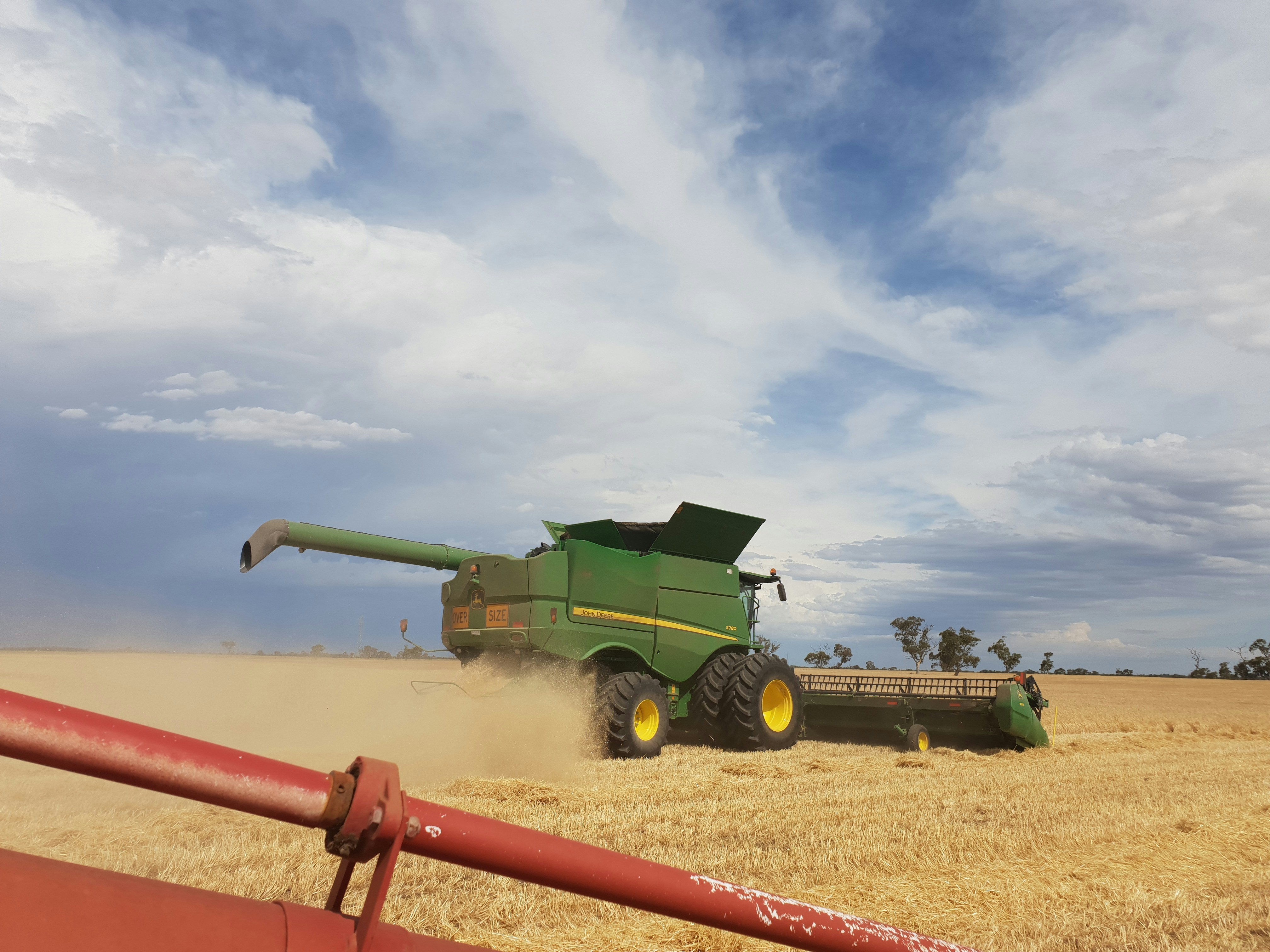
Bill and June, A Lifetime of Partnership On and Off the Land
Bill and June have spent more than 60 years connected to cattle country. They’ve seen technology change, seasons swing wildly, and the industry evolve but they believe the heart of farming remains the same.
Parent FAQ: What My Child Will Actually Be Doing on the Day
Most parents send their child off on a farm excursion with a general sense that it sounds worthwhile and a specific set of questions they haven't quite had answered. What does the day actually look like? Is my child expected to handle animals? What if they're nervous? What should they wear?
Parent Anxiety to Confidence: How Safety Briefings Build Trust Without Overexplaining
Parent anxiety before a farm excursion is reasonable. It's also responsive to how the school communicates. A letter that lists every possible scenario in which something might go wrong, padded with reassurances that feel more anxious than confident, doesn't settle parents down. It signals that there is something to worry about.
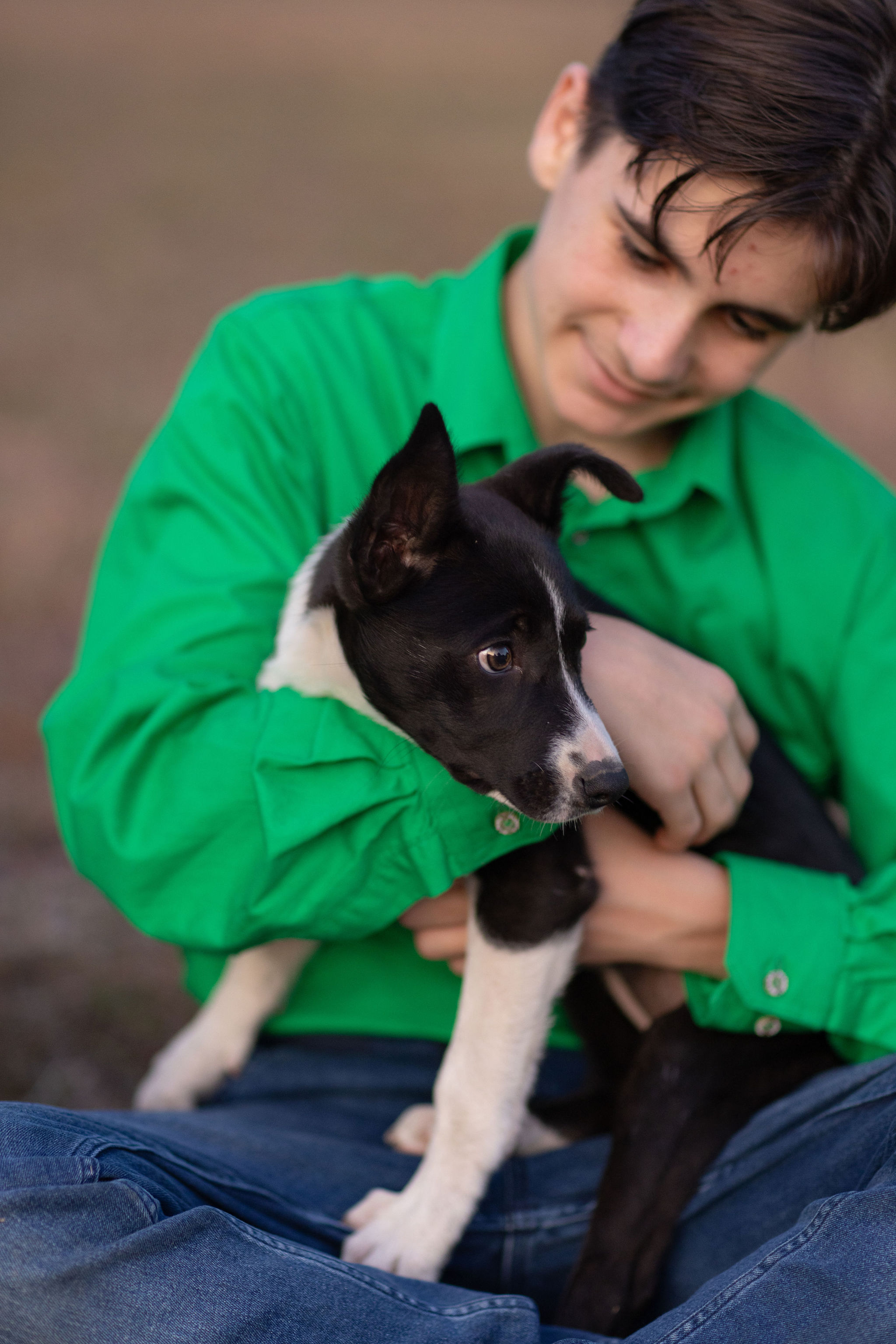
What Parents Notice First: The After-Visit "Shift" in Mood, Confidence, and Conversation
There's a particular car ride home that parents of farm-visiting students often describe. Their child, who usually offers monosyllabic answers about school, is talking. Voluntarily, specifically, and in detail. About a calf. About how stock move through a yard. About a working dog and what it actually did. About something they contributed to rather than something that simply happened around them.
Why "Getting Dirty" Is Developmental: The Science of Sensory Play and Learning
The instruction not to get dirty is one of the most reliably counterproductive things adults say to children. Well-intentioned, reflexive, and grounded in a genuine desire to avoid extra laundry, it runs directly against what children's bodies and brains are designed to do during the years when it gets said most often.
When Kids Talk About the Farm at Dinner: How to Use It to Build Language and Reflection
Children who've had a genuine day at a working farm usually arrive home with something to say. The question is what happens next at the dinner table, because that conversation is more valuable than it might appear, and how parents respond shapes whether the learning deepens or simply gets filed away as a good day out.
Raising Capable Kids: What Real Tasks Teach That Praise Alone Cannot
Children in many households today receive more praise in a week than previous generations received in a year. That's not a criticism. It reflects genuine warmth and care. But the research on what actually builds capability has been consistent enough for long enough now that it's worth taking seriously, and what it suggests is that the relationship between praise and genuine confidence is considerably more complicated than the logic assumes.
Empathy Through Care: How Looking After Animals Translates to Kinder Peer Behaviour
Empathy is often treated as a character trait rather than a skill, something children either have or don't, as though it arrived with them and can't be meaningfully developed. The reality is that empathy builds through practice in specific kinds of situations, and some situations are considerably better suited to building it than others.
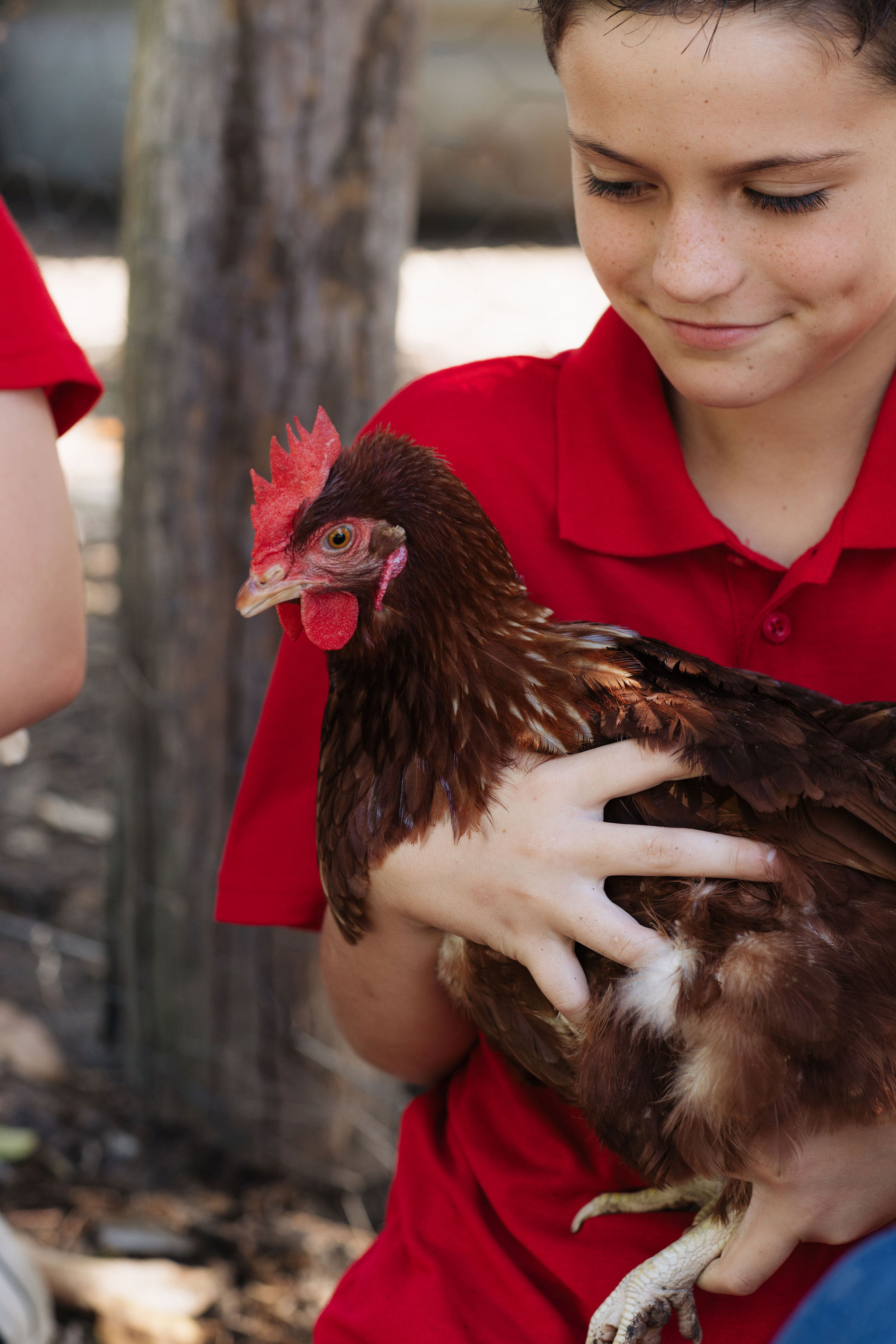
Screen Saturation: How Farms Reset Attention and Reduce Overstimulation
The attention system isn't infinite. Directed attention, the kind that requires deliberate effort, sustained focus, and active filtering of competing input, depletes. And the conditions of modern childhood are depleting it at a pace that most children cannot recover from before the next day's demands begin.
The Friendship Effect: How Shared Outdoor Challenges Build Social Bonds
Some of the strongest friendships children form trace back to specific moments of shared difficulty. Navigating something unfamiliar. Working through something that didn't go well. Being in a situation that genuinely required leaning on someone beside them.
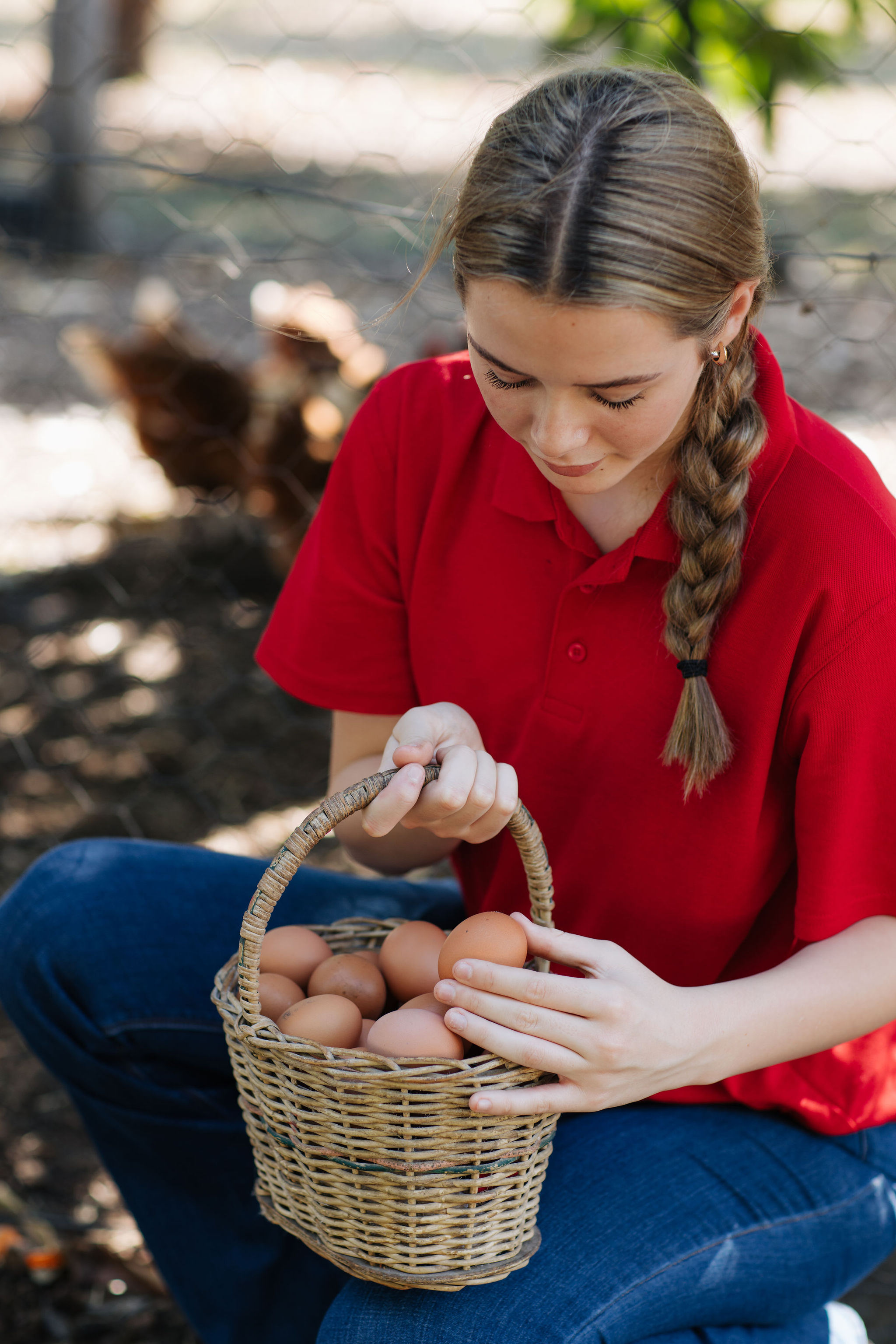
Food Literacy for Families: Helping Kids Connect Meals to Land, Weather, and Work
Most children who eat meat have never seen a cattle property. Most who eat vegetables haven't thought much about soil, rainfall, or the distance between a paddock and a supermarket shelf. Food arrives in packaging, and the chain of events that produced it sits largely out of sight.
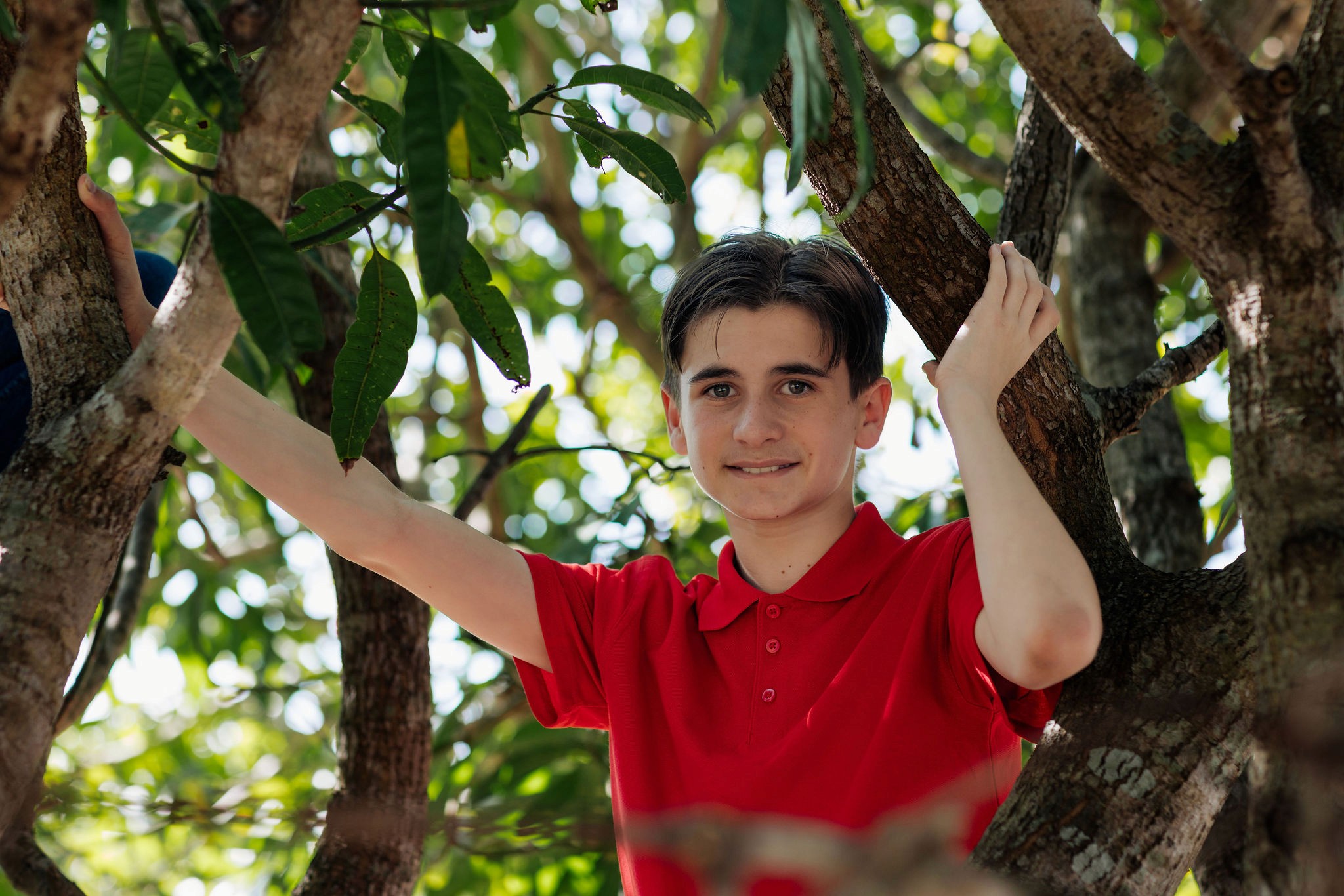
Curriculum V9 Mapping: One Farm Activity, Three Learning Areas (How to Plan It)
Cross-curriculum planning always sounds more straightforward in theory than it turns out to be in practice. The real effort lies in finding authentic connections between learning areas rather than forcing them, and teachers who plan with integrity rather than simply ticking coverage boxes know the difference.
HASS on the Land: Teaching Community, Systems, and Sustainability Through Farming
HASS content has a well-known problem in primary classrooms. The concepts are genuinely important: how communities function, how economic systems operate, how land management connects to long-term outcomes. But they're difficult to render concrete for students who have no direct experience of the contexts being described. Teaching about the contribution of primary industries to the Australian economy through a diagram is a different experience entirely to standing on a working cattle property and seeing what that contribution looks like from the ground up.
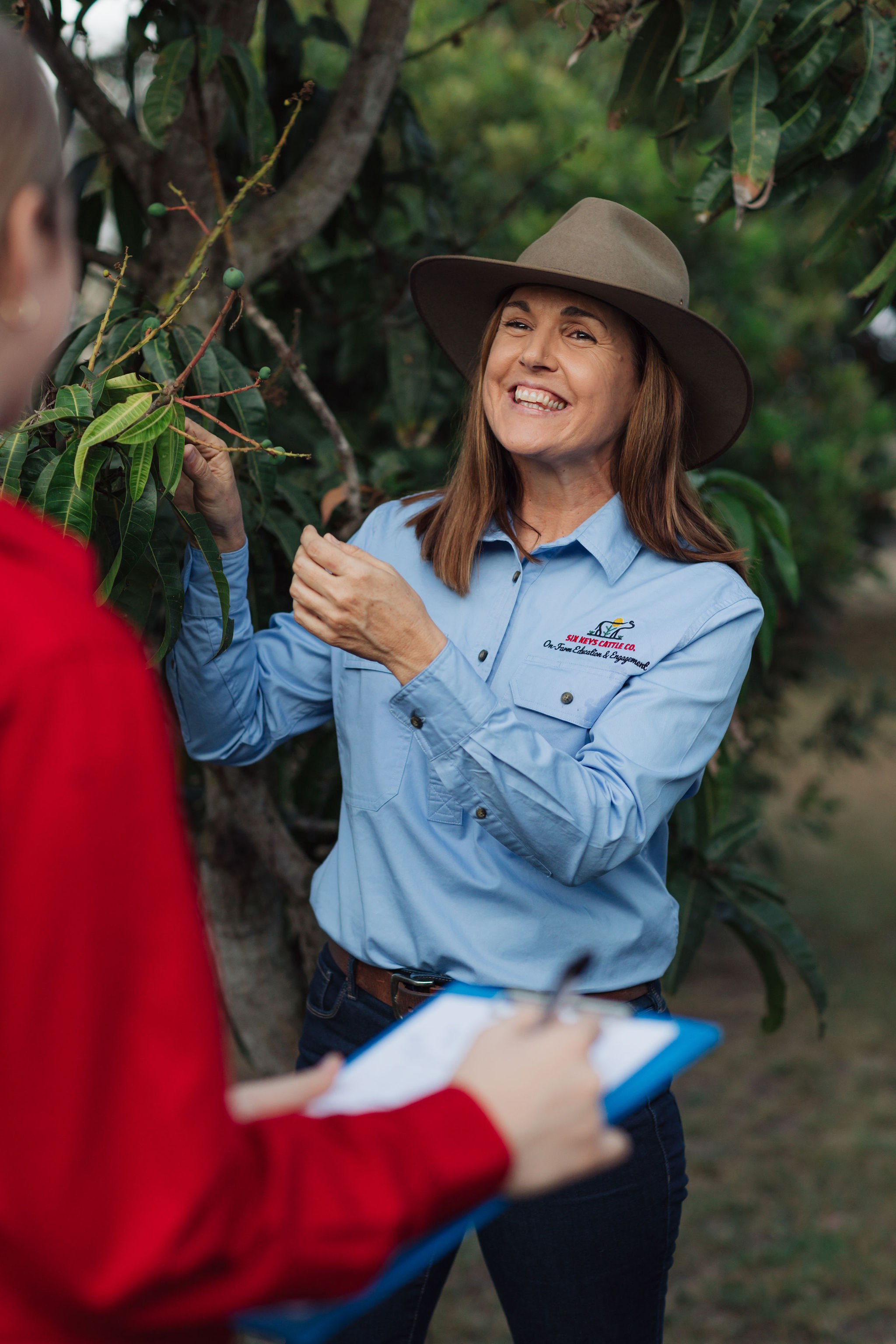
Science Outdoors: Teaching Ecosystems and Life Cycles Using Real Observation
A diagram of a food web is a useful starting point. It names the relationships between organisms, shows the direction of energy flow, and gives students something to study and reproduce. What it cannot do is show those relationships actively unfolding, which is a significant limitation when the goal is genuine scientific understanding rather than accurate recall.
Health & PE Without the Gym: Cooperation, Confidence, and Wellbeing Through Farm Tasks
For students who disengage from structured Physical Education, the gym or the oval can feel like exposure rather than opportunity. Team selection, visible performance differences, the social pressure of competition: these features of traditional PE create barriers for students who are physically capable but don't thrive under those particular conditions.
Technologies in the Real World: Systems Thinking Through Fences, Water, and Infrastructure
Design and Technologies is one of the harder learning areas to make feel genuinely relevant in a primary classroom. The design briefs can feel constructed. The problems are often hypothetical. Students are asked to think through systems and processes for challenges that don't quite connect to anything they've actually encountered.
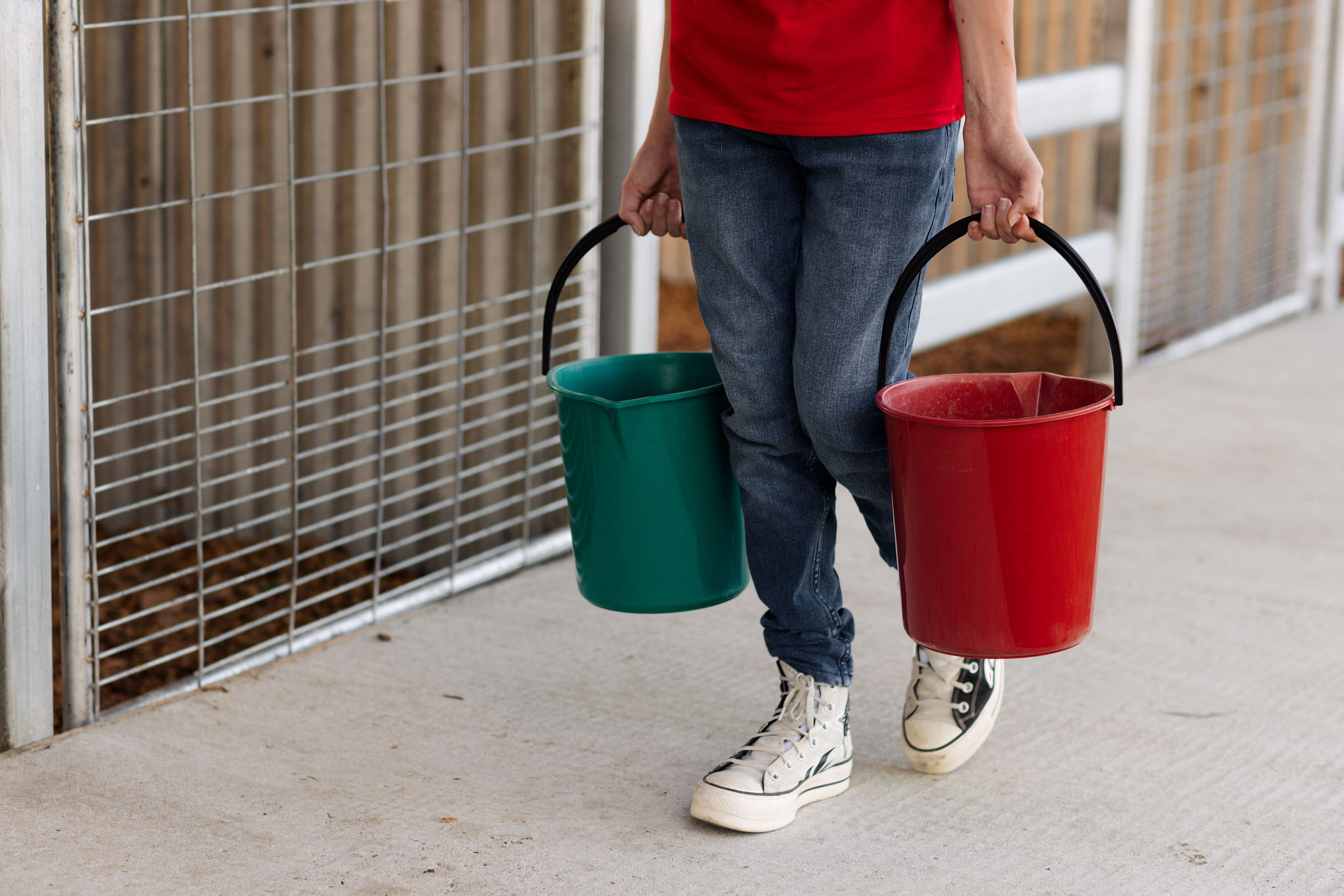
Measuring What Matters: Simple Ways Schools Can Track Outcomes After a Farm Program
The difficulty with measuring the impact of a farm program isn't access to data. The data is usually right there in classrooms, in student work, in teacher observations, and in behavioural patterns that shift or persist in the weeks that follow. The difficulty is that most schools don't set up a way to notice it.
Beyond Testimonials: Collecting Evidence of Wellbeing and Engagement Improvements
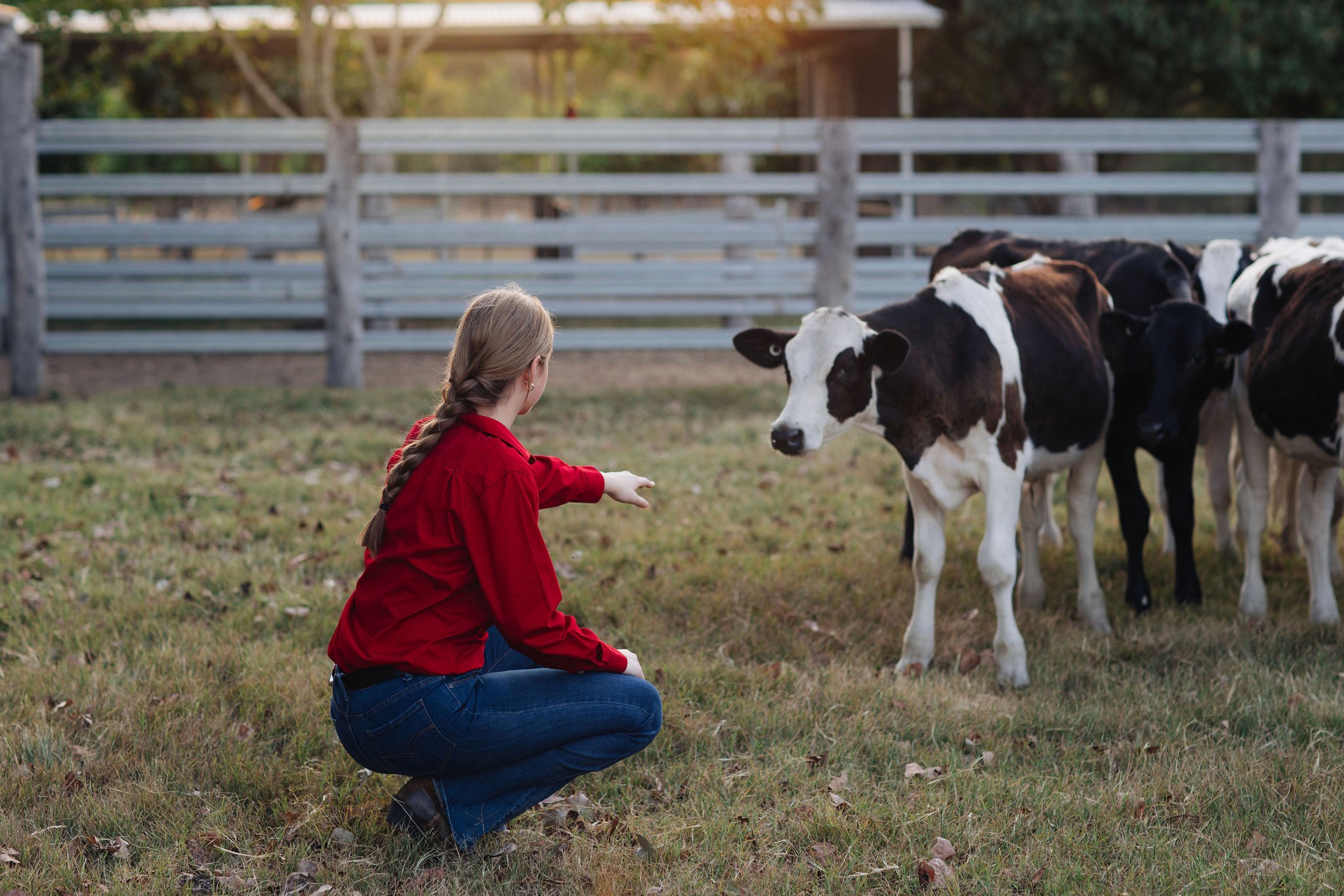
Testimonials feel like evidence. A teacher saying a student changed after a farm visit, a parent noting their child came home different, a principal observing that engagement lifted across a class, these accounts are genuine and they carry real weight. But they don't accumulate into an evidence base. They accumulate into a narrative, and narratives, however compelling, aren't what school leadership teams or funding bodies require when they're deciding what programs to sustain.
Student Voice That Matters: Simple Before-and-After Reflections Schools Can Use After a Farm Day
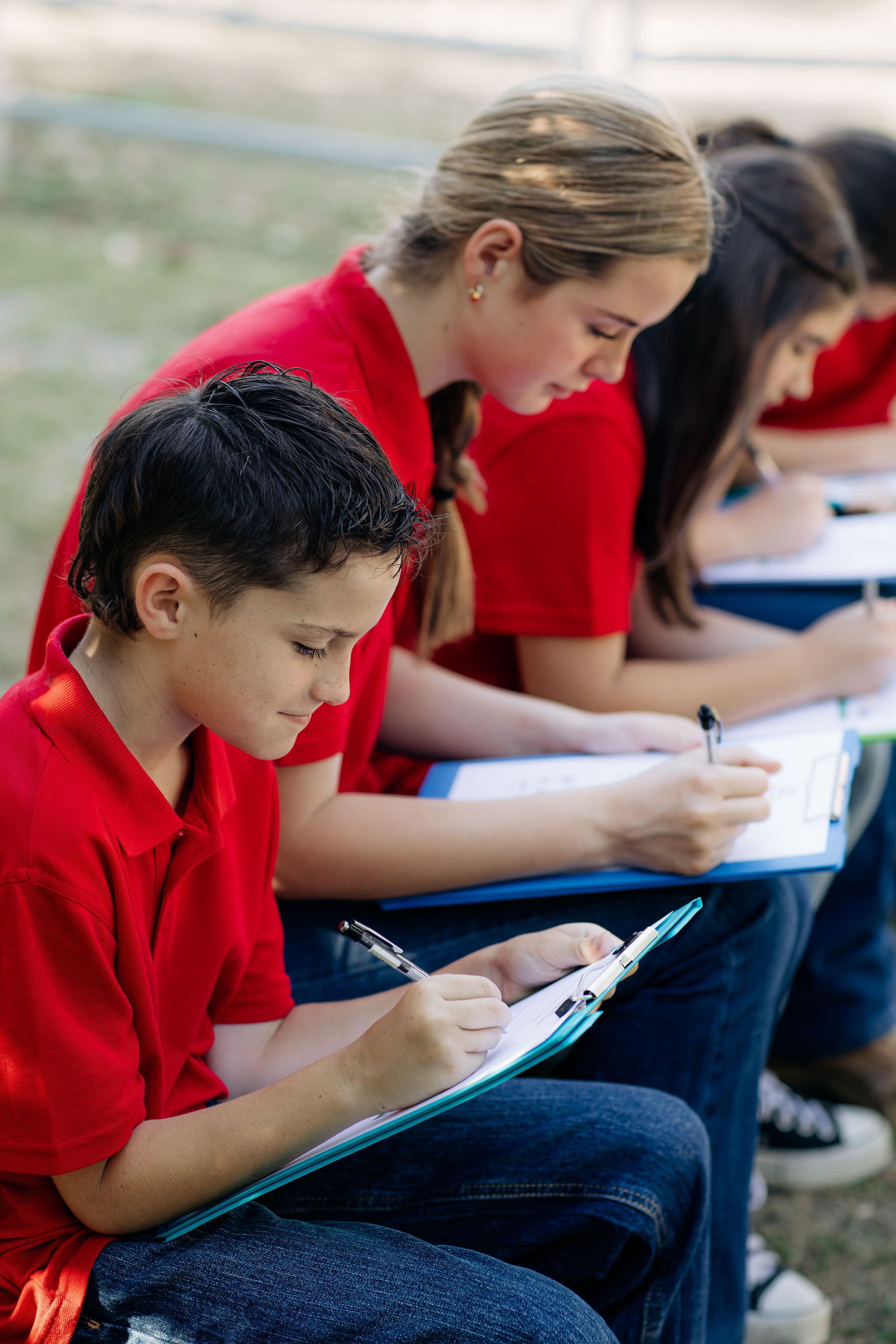
Student voice occupies its own territory in the measurement landscape. Teacher observation tells you what changed from the outside. Parent feedback tells you what came home. Student reflection tells you what shifted inside the student's own understanding: their relationship to the subject, their sense of themselves as learners, and the questions they're now carrying that they weren't before.
Beyond Anecdotes: A Practical Outcome Tracker for Farm-Based Learning
Most farm programs generate plenty of positive feeling and very little documentation. The day is rich, students come back changed in visible ways, and within a fortnight most of what was observed has dissolved into a general sense that it went well. Without a simple mechanism to capture what actually happened, that observation stays private and temporary rather than becoming evidence that travels.